
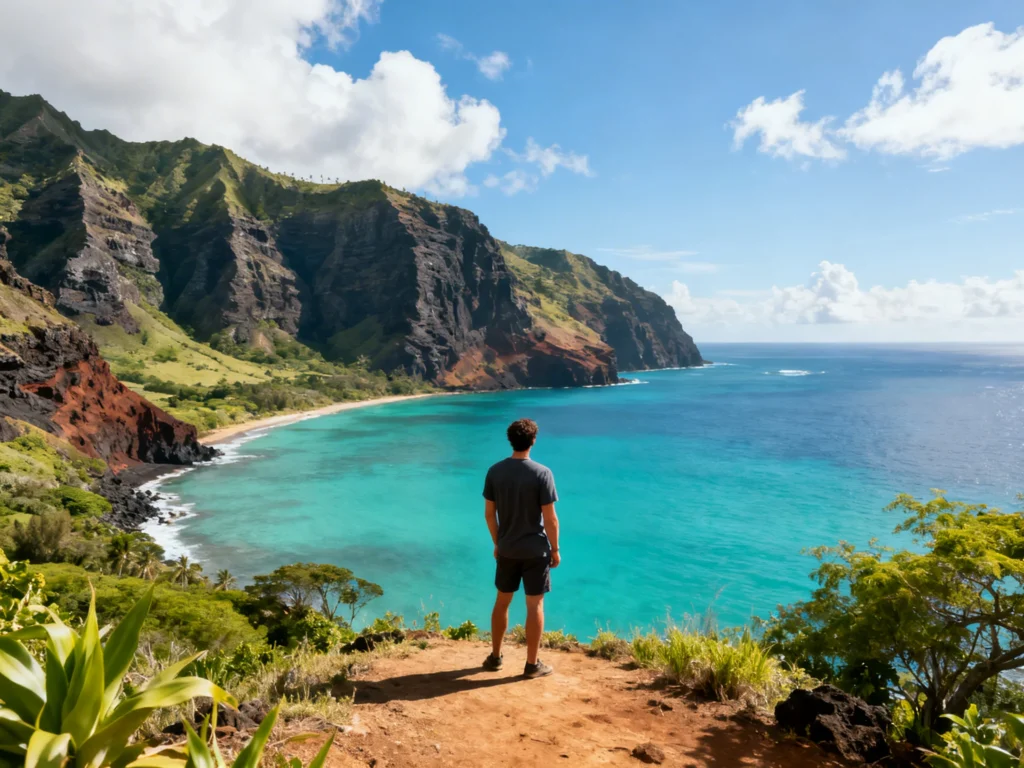
Hawaii looks effortless on your feed: perfect beaches, perfect weather, perfect vibes. In real life, it’s still dreamy—but it comes with a few surprises that can make or break a first trip.
Here are the things most people only learn after they land, plus how to plan smarter so you spend more time in the water and less time stressed.
Top 10
1) Island-hopping isn’t as “quick” as it sounds
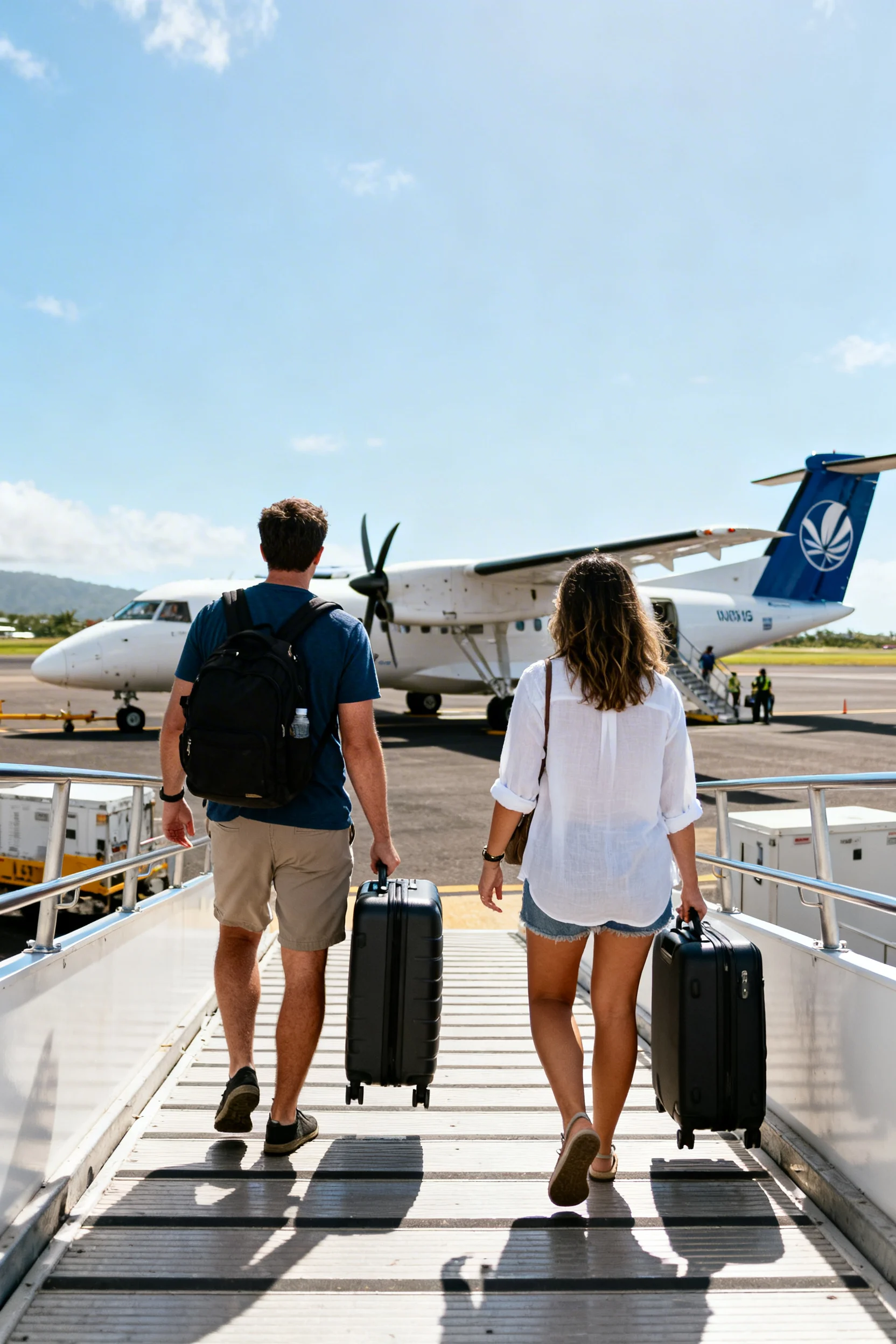
A 30–45 minute flight can still eat half a day once you factor in airport time, rental car pickup, and check-in. If you only have 5–7 days, pick one island (maybe two max) and go deeper instead of bouncing around. If you do hop, fly early morning and pack a tote with essentials so you’re not stuck without sunscreen or a swimsuit.
2) You’ll want a rental car… and you need to book it early
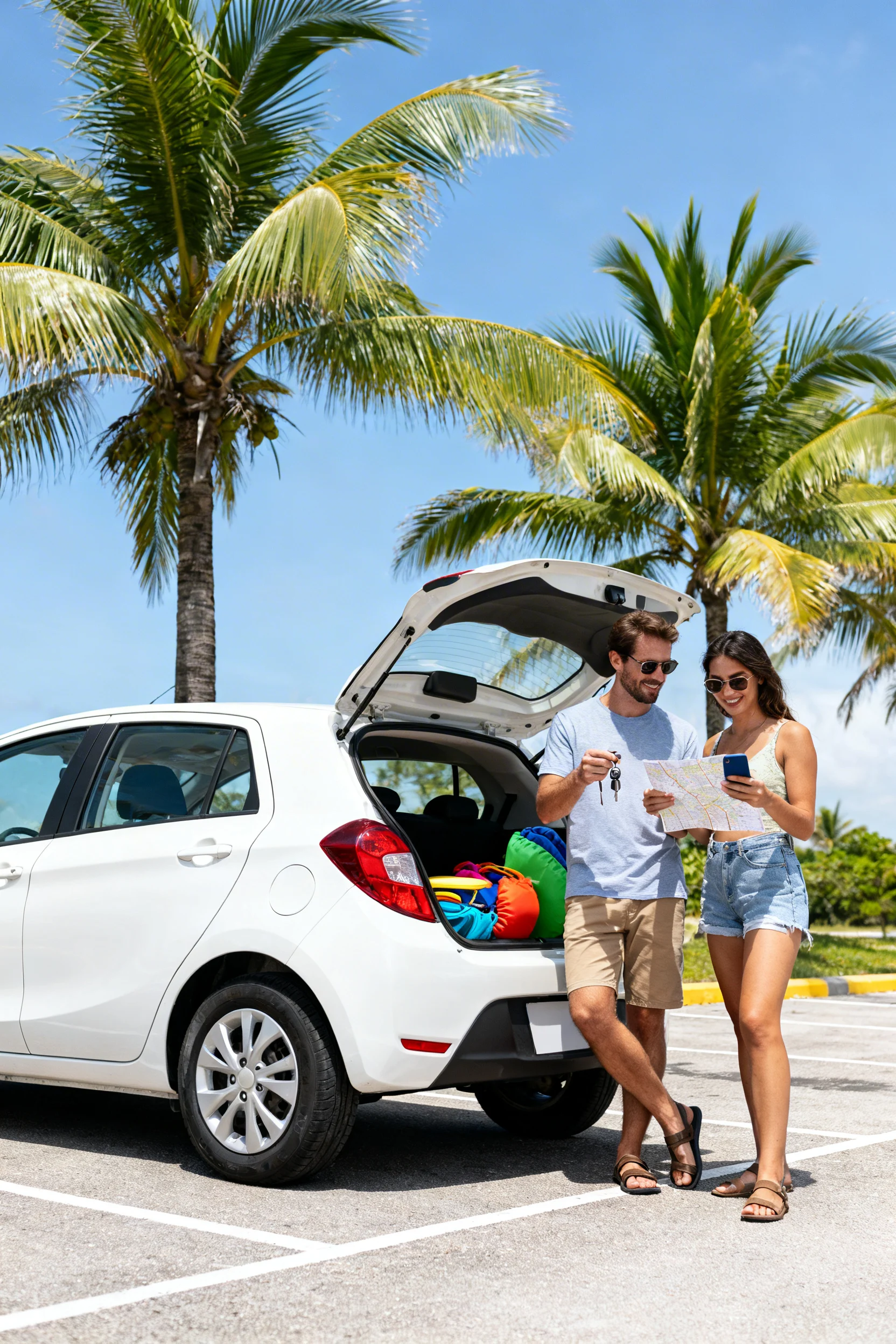
Outside of Waikiki (Oʻahu), many of the best beaches, hikes, and food spots are way easier with a car. Reserve your rental as soon as your flights are booked, especially for summer and holidays. If you’re staying in Waikiki, consider skipping the car for a few days and only renting for a North Shore or east side day trip to avoid expensive parking.
3) Parking can be shockingly expensive (and limited)
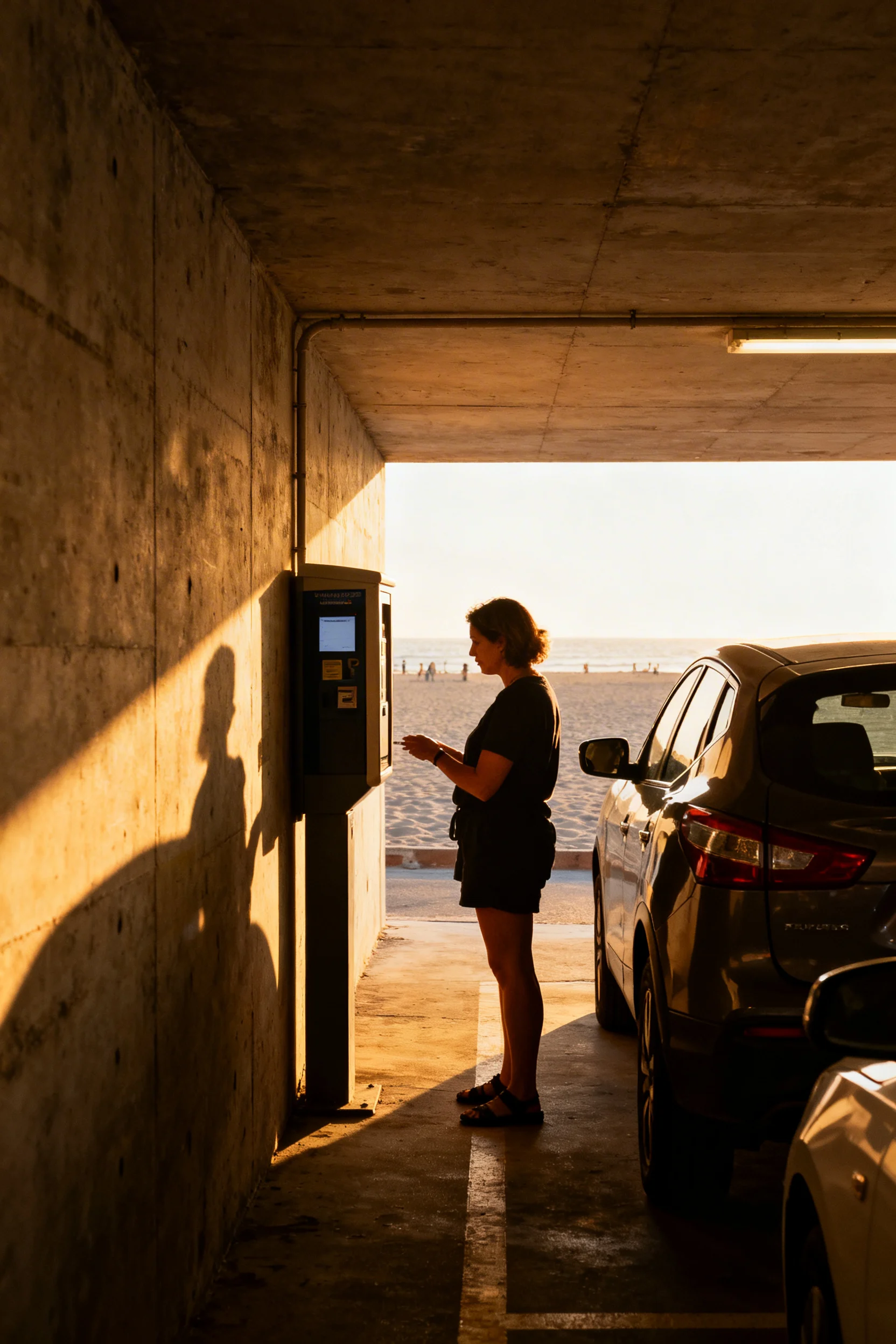
Hotels in Waikiki commonly charge daily parking fees, and street parking is competitive. If you’re choosing accommodations, filter for “parking included” or budget for it up front so it doesn’t sting later. A practical move: stay one or two blocks farther from the beach to get better rates and easier parking, then walk or take local transit.
4) The sun hits different—reef-safe sunscreen isn’t optional

Hawaii sun + ocean reflection = faster burns than you expect, even on “cloudy” days. Pack a hat, a light long-sleeve rash guard, and reef-safe mineral sunscreen, then reapply after every swim. Plan your longest beach time in the morning or late afternoon and use midday for a shaded lunch, a museum, or a scenic drive.
5) Weather changes fast, even when it’s warm
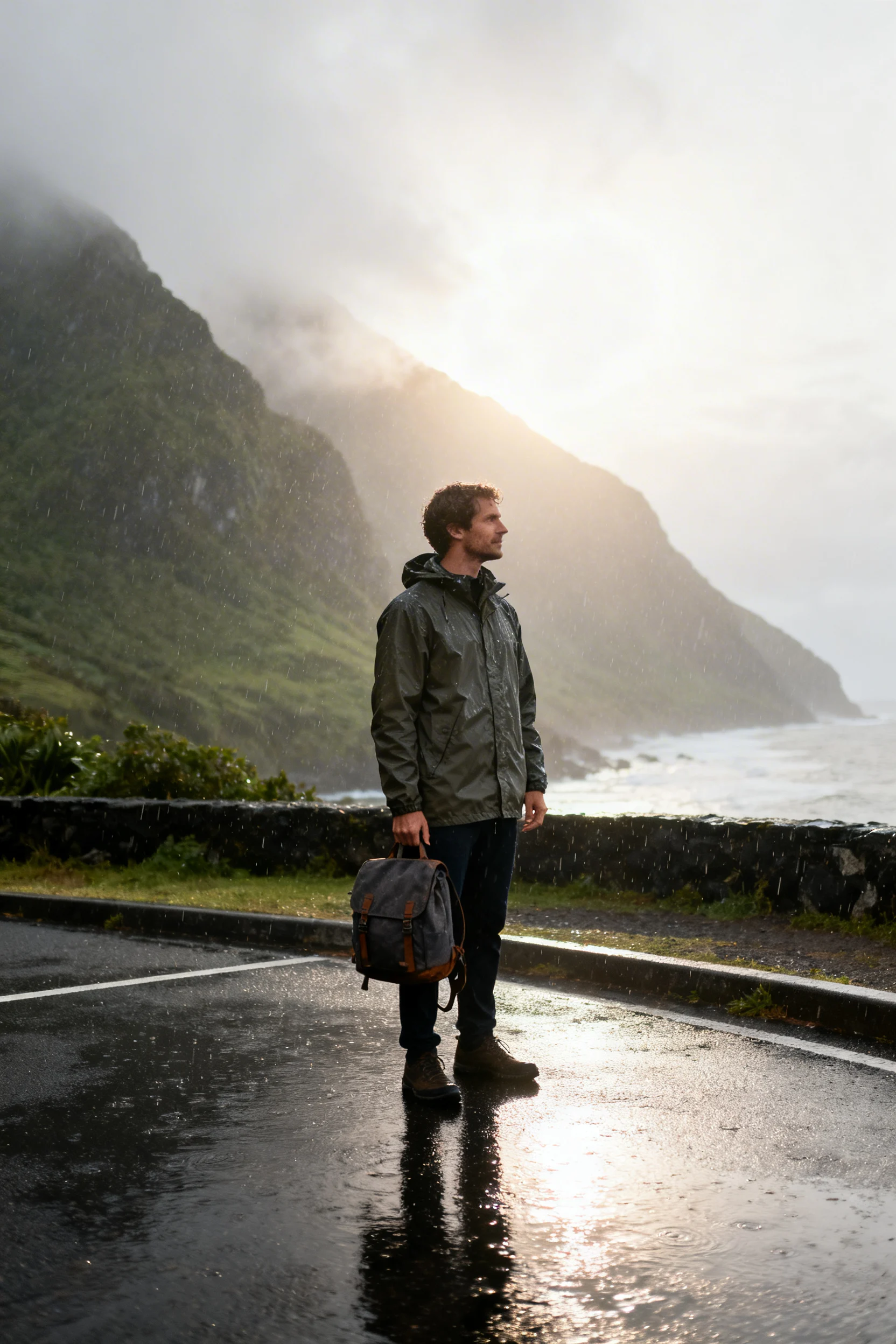
Microclimates are real: you can go from sunny to misty rain in a 20-minute drive. Bring a packable rain jacket and quick-dry layers, especially for places like the Windward side of Oʻahu or higher elevations on Maui and Hawaiʻi (Big Island). If a hike looks muddy, skip it—trail conditions can get slippery fast.
6) Reservations are now part of the Hawaii experience
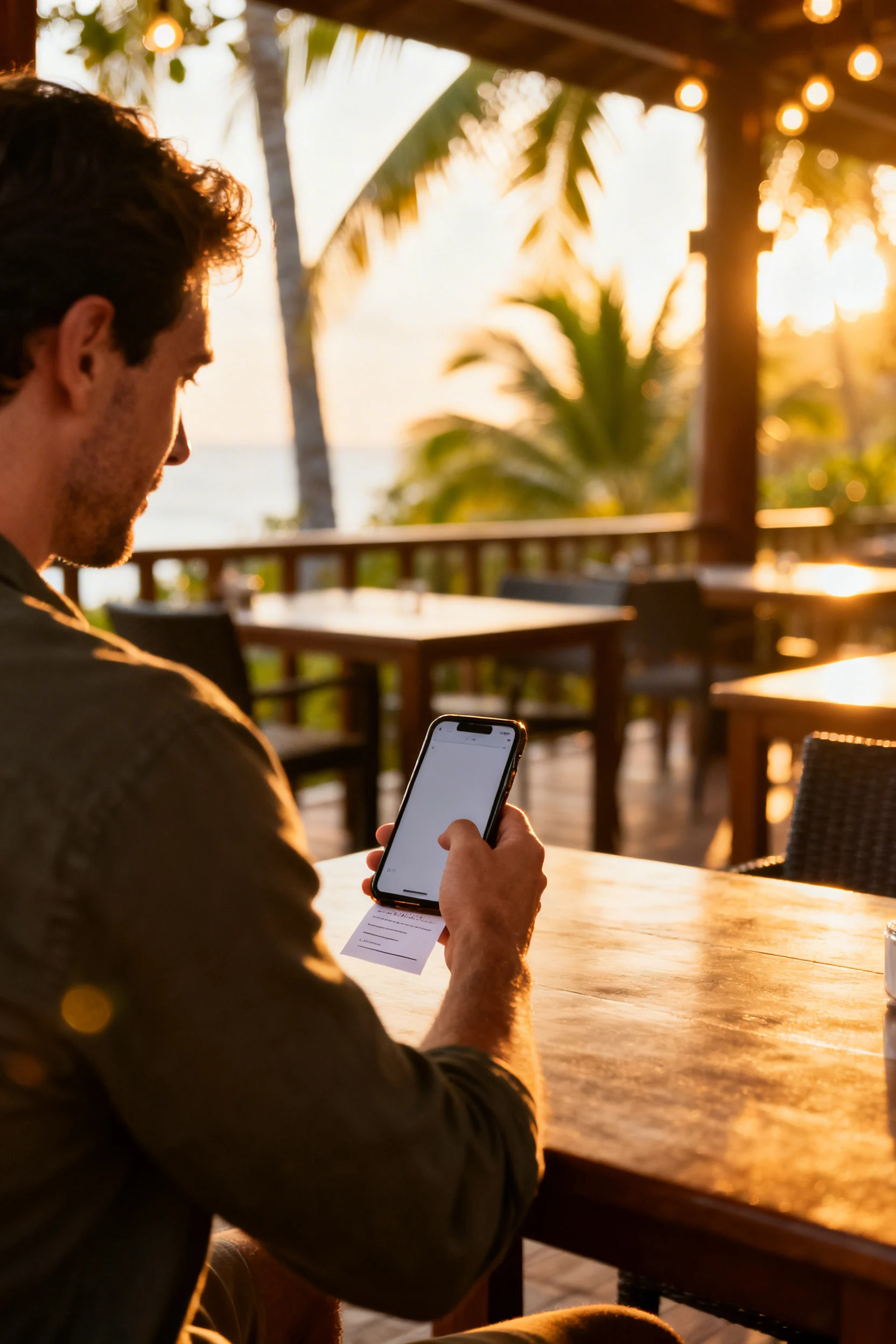
Popular restaurants, luaus, snorkeling tours, and even some parks can require advance booking. Lock in your “must-dos” 2–6 weeks ahead, then leave the rest flexible for beach days. If you’re hoping for a sunrise or a limited-entry spot, check official sites early and set a reminder because time slots can sell out.
7) Ocean conditions can be serious—choose your beach wisely
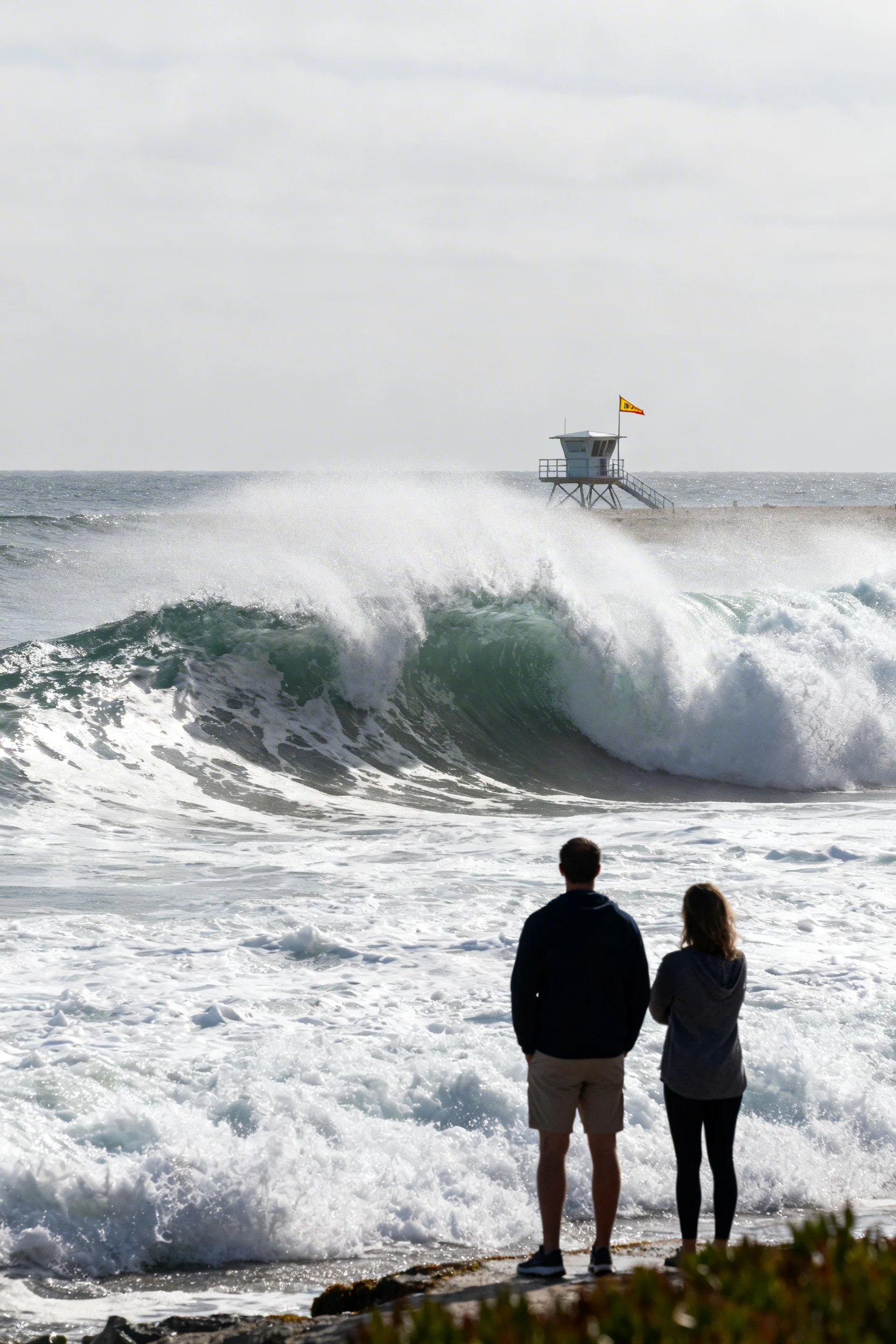
Not every gorgeous beach is safe for swimming every day; currents and shore break vary by season and shoreline. Ask a lifeguard where to swim, look for posted warnings, and don’t rely on “it looks calm.” If you’re a beginner, choose lifeguarded beaches and consider a snorkel tour with guides rather than going solo.
8) Wildlife viewing has rules (and you should follow them)
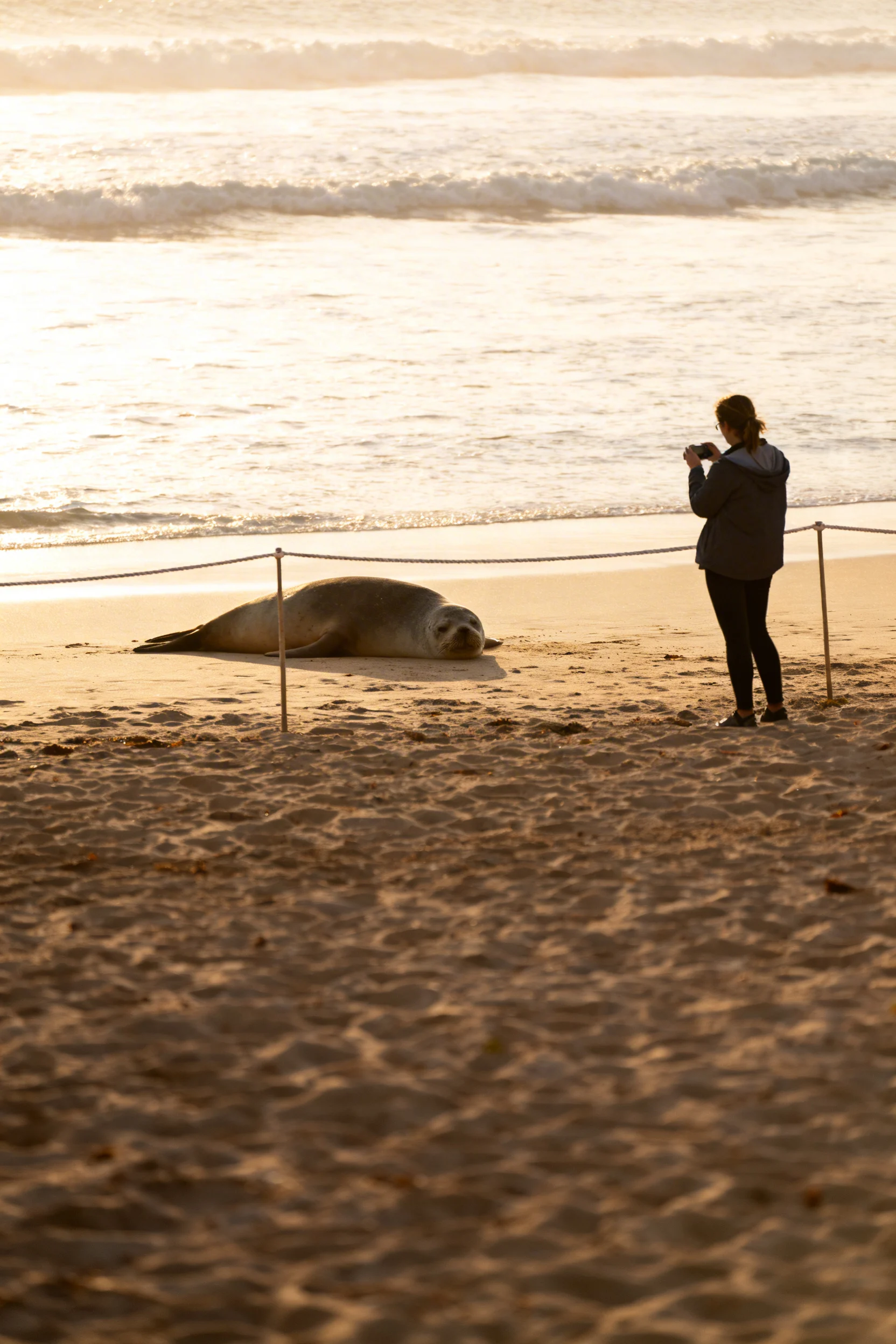
Sea turtles, monk seals, and whales are incredible, but distance matters—for them and for you. Keep space, don’t touch, don’t chase, and never feed wildlife. Bring binoculars for whale season viewing and use your zoom instead of walking closer; you’ll get better photos and do the right thing.
9) Food costs add up—plan a few “smart” meals

Groceries and dining are pricier than most mainland cities, so budget with intention. Mix in local, filling favorites like plate lunch, poke bowls, and musubi, and use farmers markets for fruit that actually tastes like vacation. If your place has a kitchenette, do simple breakfasts at home so you can splurge on a sunset dinner later.
10) Respect is the real travel hack (and locals notice)
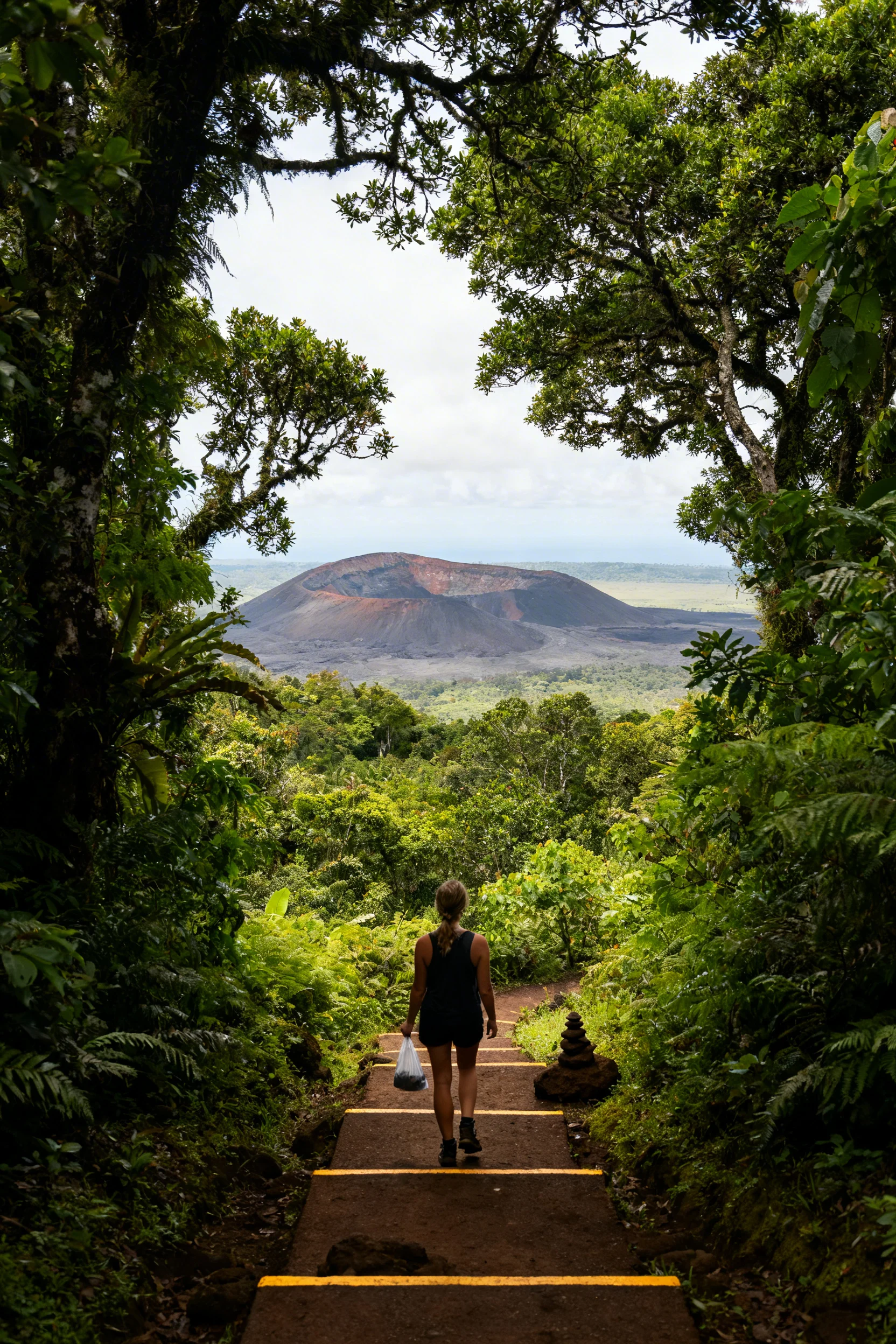
Hawaii isn’t just a backdrop—it’s home, culture, and sacred places. Stay on marked trails, don’t stack rocks, don’t take sand or lava, and learn a few basic place-name pronunciations before you go. Support local businesses, tip well, and be the kind of visitor who makes everyone’s day easier, not harder.
FAQ
Which Hawaiian island is best for first-timers?
Oʻahu is the easiest for a first trip because it mixes beaches, food, history, and day trips with solid infrastructure. Maui is great for couples and scenic drives, while the Big Island is best for volcanoes and diverse landscapes. If you want a quieter, nature-forward trip, consider Kauaʻi—but plan for more rain and fewer nightlife options.
How many days do you need in Hawaii?
A sweet spot is 7–10 days for one island, especially if you want a balance of adventure and downtime. With 5–6 days, stick to one island and choose one “big” activity per day. If you’re doing two islands, aim for 10–14 days so travel days don’t eat your vacation.
Do I need a car in Hawaii?
On Oʻahu, you can do a Waikiki-based trip without a car using TheBus, ride-shares, and tours, then rent for 1–2 days for a loop drive. On Maui, Kauaʻi, and the Big Island, a car is highly recommended for flexibility and to reach beaches and viewpoints. Book early and double-check parking fees at your hotel.
What should I pack for Hawaii besides swimsuits?
Pack reef-safe mineral sunscreen, a rash guard, water shoes for rocky entries, a light rain jacket, and a small daypack. Add a reusable water bottle and a dry bag if you’ll be boating or snorkeling. One nicer outfit is handy for luaus or a special dinner, but overall Hawaii is casual.
Is Hawaii expensive, and how can I save money?
Yes, it can be—especially hotels, rental cars, and dining. Save by traveling shoulder season (spring/fall), booking accommodations with a kitchen, and balancing paid tours with free highlights like beaches, lookout points, and farmers markets. Also, prioritize a few “wow” experiences and keep the rest simple; Hawaii’s best moments are often the free ones.