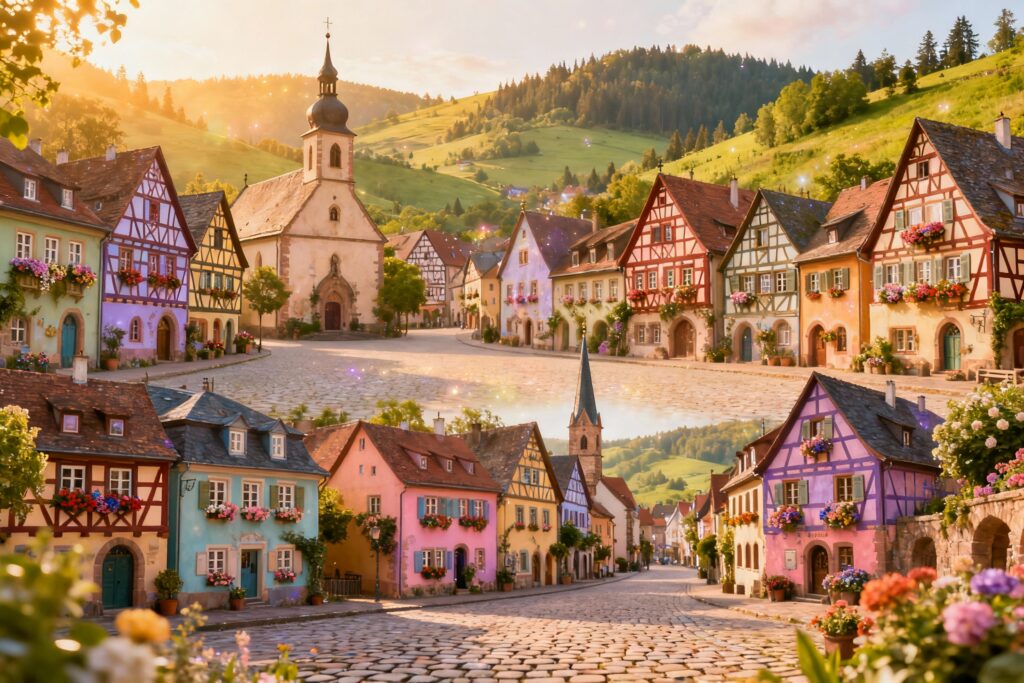
Cobblestone lanes, half-timbered houses, and spires that pierce the sky—Germany practically invented the fairy-tale vibe. If your inner child wants to wander into a storybook, you don’t need a magic portal. You just need a train ticket, comfy shoes, and maybe a pretzel or three.
Let’s hop through seven towns that look like someone doodled them with a quill pen and then added geraniums for flair.
Rothenburg ob der Tauber: The Poster Child of Fairy-tale Germany
Rothenburg wears its medieval charm like a perfectly tailored cape. You get preserved city walls, colorful facades, and that famous Plönlein corner you’ve seen on postcards and Instagram, like, a thousand times. Yes, it gets busy.
Yes, it still feels magical. Don’t miss:
- The city walls walk at golden hour for ridiculous views
- Käthe Wohlfahrt’s Christmas Village for year-round holiday chaos
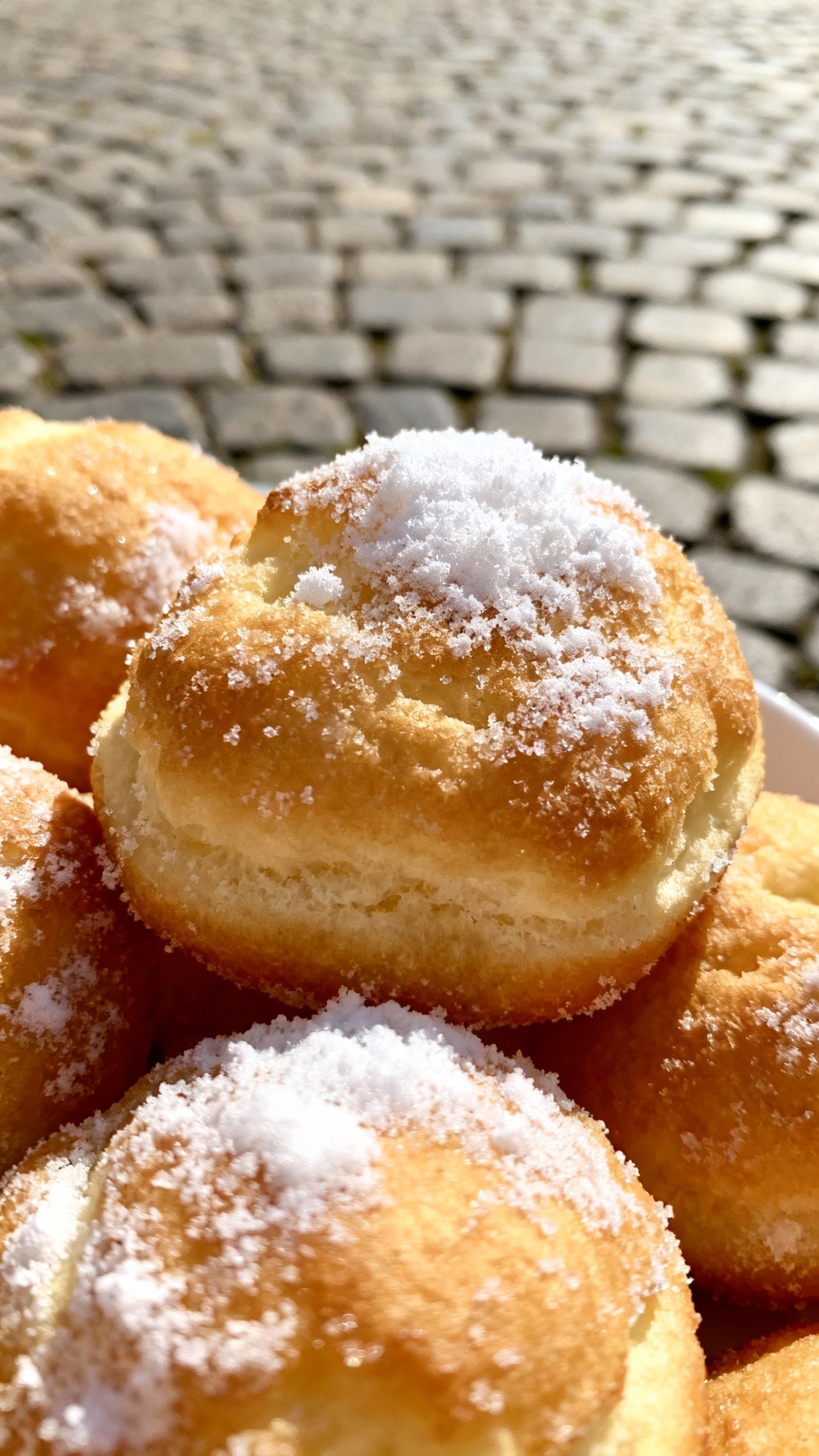
- Schneeballen (snowball pastries)—they look better than they taste, IMO, but try one anyway
Pro tip
Stay overnight. Day-trippers leave and the town exhales. You’ll get the lantern-lit streets basically to yourself.
Cue the violins.
Bamberg: A River Romance With Beer on Tap
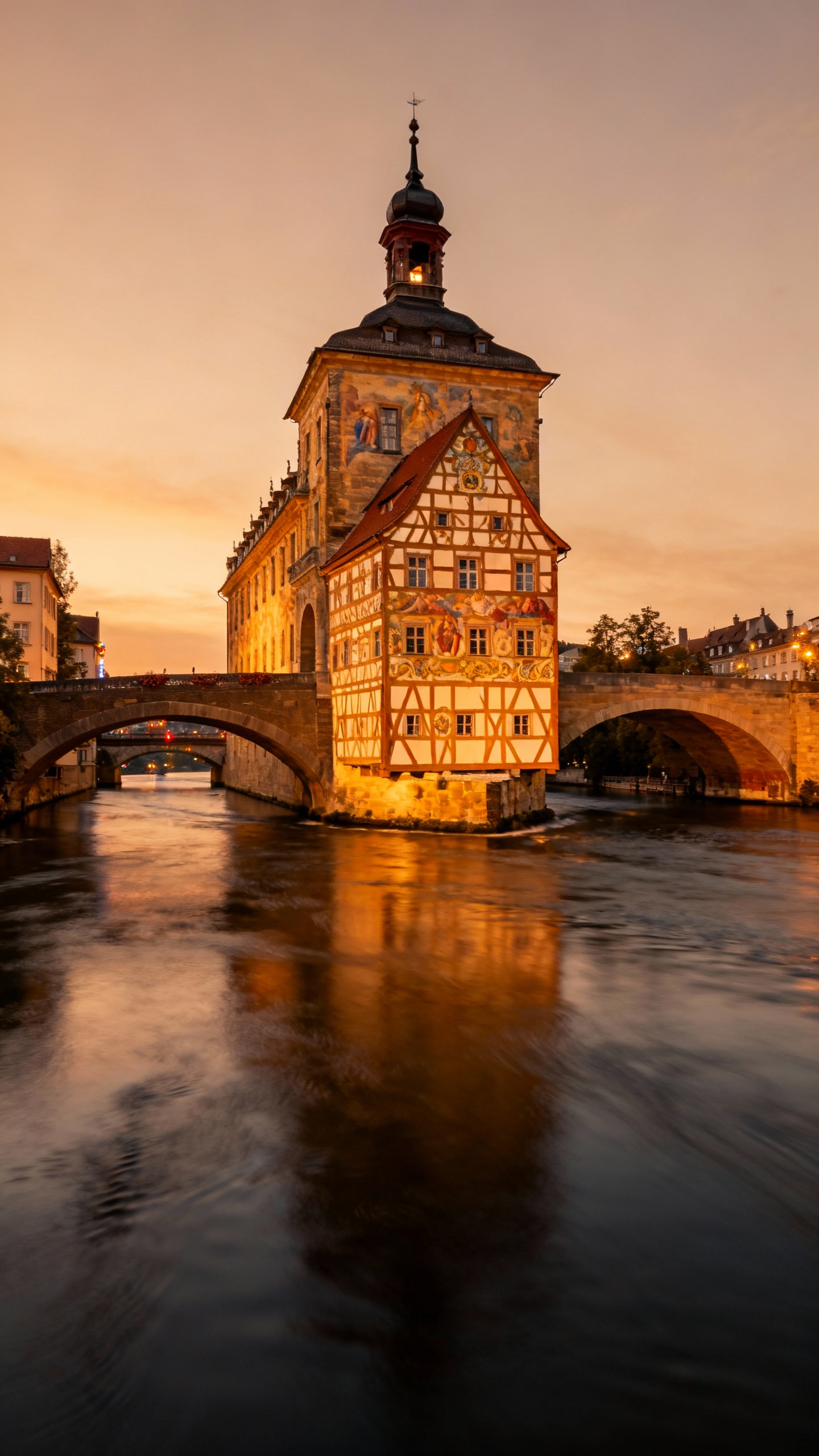
Bamberg looks like a painting that discovered beer. The old town straddles the Regnitz River, and the Altes Rathaus (Old Town Hall) sits dramatically over the water like it’s auditioning for a fantasy film. The whole place feels whimsical and very real at the same time. Why it charms:
- Altes Rathaus: Half on a bridge, all drama
- Little Venice: Fishermen’s houses that flirt with the river
- Smoked beer (Rauchbier): It tastes like campfire in a glass—FYI, it’s a love-it-or-hate-it situation
Best view
Hike up to Michaelsberg Abbey for skyline views full of spires, domes, and rooftops that look like dragon scales.
Quedlinburg: Timber-Framed Time Travel
Quedlinburg counts over a thousand half-timbered houses, which feels like bragging but also, fair.
The town survived the centuries intact, and now it shows off with winding alleys and a hilltop castle complex that anchors the scene. Top sights:
- Collegiate Church of St. Servatius: Romanesque beauty with serious history
- Market Square: Grab coffee and people-watch among pastel façades
- Münzenberg quarter: Quiet lanes, flower boxes, and instant calm
Harz Mountains base
Use Quedlinburg as your launchpad for the Harz. Steam trains, forest hikes, and witchy folklore?
It’s peak storybook energy.
Mittenwald: Violins, Peaks, and Painted Dreams
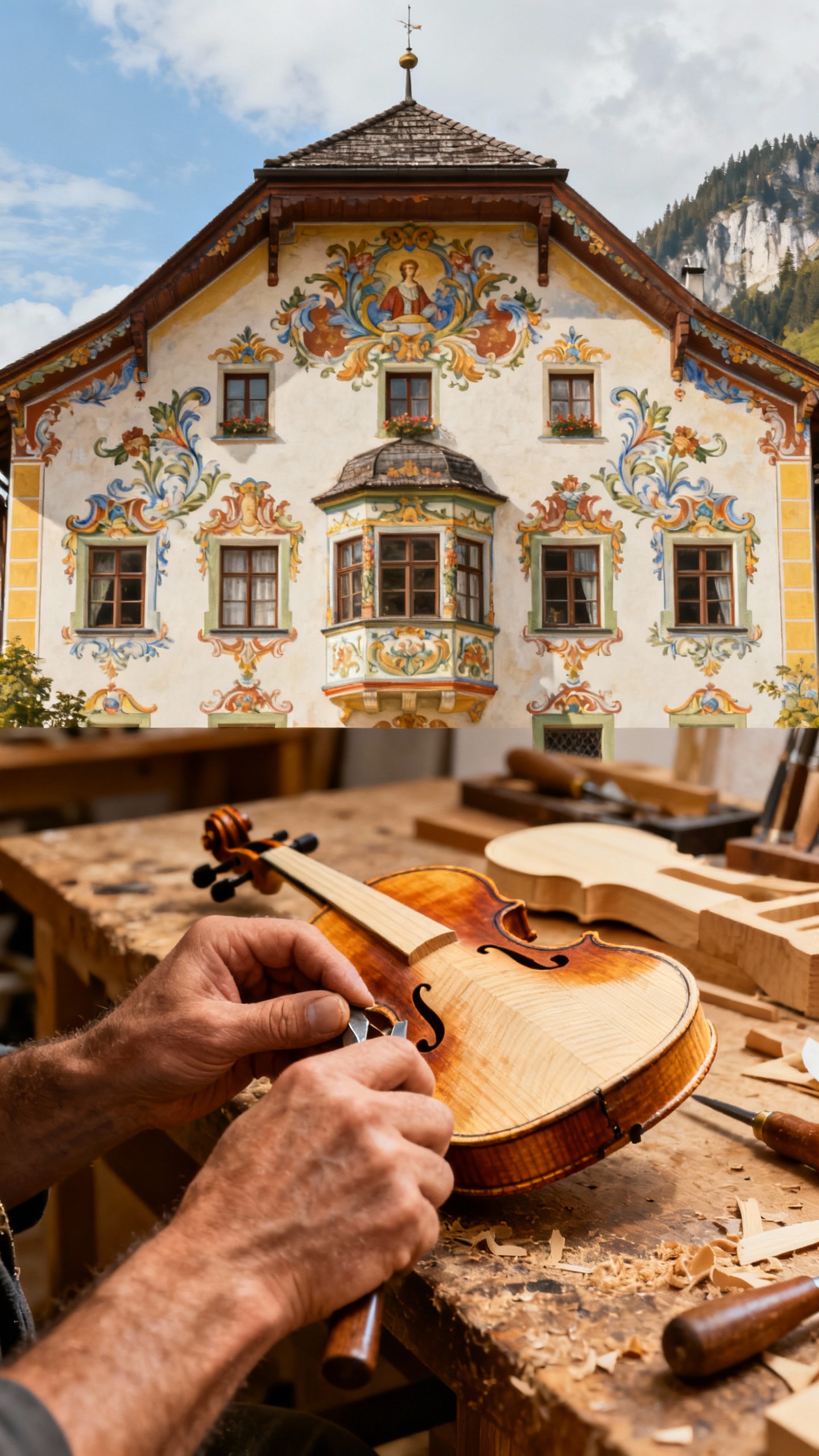
Mittenwald sits under the Alps like it borrowed scenery from a fantasy novel and then added murals for flair. The Lüftlmalerei frescoes on the houses tell stories—some sacred, some folky, all gorgeous. Meanwhile, violins have echoed here for centuries. What to do:
- Violin Museum: Watch luthiers at work—quiet magic
- Leutasch Gorge: Bridges, turquoise water, and some vertigo if you look down
- Kranzberg hike: Easy trails, big rewards, zero dragons
Mittenwald vs.
Garmisch
Garmisch gets the crowds and the headlines. Mittenwald keeps the charm without trying too hard. For fairy-tale ambiance, Mittenwald wins by a whisker.
Meersburg: Castle Cliffs Over Lake Constance
Meersburg brings the drama with terraced vineyards, a medieval old town, and a lakeside castle that’s very much the real deal.
The water glows blue on sunny days, and the Swiss Alps float on the horizon like a screensaver. Highlights:
- Alte Burg (Old Castle): Walk rooms that feel frozen in time
- Uferpromenade: Gelato, sailboats, and absurdly pretty sunsets
- Vineyard strolls: Riesling with a view? Don’t mind if I do
Boat-hopping fun
Use ferries to hop to nearby towns like Konstanz or Lindau. You’ll collect more storybook scenes with very little effort.
Goslar: Silver Riches and Timbered Grace
Goslar made it big on silver mining, then spent the money beautifully.
Today you get a UNESCO-listed old town, pointy roofs, and intricate wood carvings on nearly every building. It’s like a living diorama—minus the glass case. Musts:
- Market Square (Marktplatz): The Glockenspiel chimes with mining figures
- Imperial Palace (Kaiserpfalz): History with serious swagger
- Rammelsberg Mine: Underground tours that feel cinematic
Nearby gem
Swing by Hahnenklee to see Stave Church architecture that looks imported straight from a Norse saga.
Monschau: A Valley Wrapped in Half-Timber
Monschau nestles into an Eifel valley like it grew there. The Rur River curls through town, half-timbered houses lean in, and their reflections double the cuteness.
You’ll find artisanal mustard, cozy cafés, and a castle ruin keeping watch. Cozy picks:
- Red House (Rotes Haus): A merchant’s mansion with an Instagram-famous staircase
- Castle ruins: Climb for views that sell postcards
- Mustard mill: Stock up on jars you’ll pretend are gifts
Winter wonderland
Christmas market season turns Monschau into a real-life snow globe. Bring layers, and your patience for twinkly lights.
When to Go for Maximum Storybook Energy
You want magic, not mayhem, right? Aim for shoulder seasons—April to June and September to early November.
You get softer light, fewer crowds, and better rates. Seasonal snapshots:
- Spring: Flower boxes explode. Weather flips a coin.
- Summer: Long evenings, busy streets. Book ahead, FYI.
- Autumn: Vineyards glow, mist rolls in, 10/10 ambiance.
- Winter: Christmas markets, snow-dusted roofs, fewer open hours.
How to get around
Trains and regional buses connect most of these towns easily.
For the Harz or Lake Constance vineyards, rent a car if you want flexibility. And yes, German road signs make sense—miracles happen.
What to Eat and Drink So You Don’t Just Live on Pretzels
Pretzels rule, obviously. But each region brings its own flavor palette.
Don’t leave without trying a few of these.
- Franconia (Rothenburg, Bamberg): Schäufele (pork shoulder) and dark beer gravies
- Harz (Quedlinburg, Goslar): Harzer cheese for the brave—pungent but addictive
- Bavarian Alps (Mittenwald): Kaiserschmarrn for dessert—torn pancakes with powdered sugar
- Lake Constance (Meersburg): Fresh fish and crisp Riesling
- Monschau: Mustard everything; pair with local baked goods
Coffee breaks that matter
Cafés fuel fairy-tale stamina. Look for house-made cakes, especially fruit tortes in summer and dense chocolate in winter. Cake is a cultural experience here.
Don’t @ me.
FAQ
Which town feels most like a fairy tale for first-timers?
Rothenburg ob der Tauber, hands down. It’s compact, insanely photogenic, and easy to explore in a day or two. Stay overnight to dodge crowds and soak up that lantern-lit vibe.
Can I do these towns without renting a car?
Mostly, yes.
Germany’s train network covers Bamberg, Goslar, and Quedlinburg well. For Meersburg, combine trains with Lake Constance ferries. A car helps in the Harz and around mountain villages like Mittenwald, but it’s not mandatory.
Are these towns good for kids?
Absolutely.
Castles, towers, steam trains, and sweets keep kids happy. Just plan frequent snack stops and mix in short hikes or playground breaks. Fairy tales hit different when you can climb the “castle” afterward.
What’s the best budget move?
Travel in shoulder season, book accommodation early, and eat your big meal at lunch.
Many restaurants offer Tagesgerichte (daily specials) for less. Also, regional day passes on trains can save you serious cash, FYI.
Will I need to speak German?
English works in tourist spots, but a few phrases help a ton. “Bitte,” “Danke,” and “Ein Stück Kuchen, bitte” (one piece of cake, please) will carry you far. Smiles and patience do the rest.
Is tipping expected?
Round up or add about 5–10% at restaurants and cafés.
Hand the tip directly to your server when you pay. Easy.
Conclusion
Germany doesn’t just tell fairy tales—it builds them in stone, timber, and flower boxes. From riverfront Bamberg to alpine Mittenwald, these towns whisper stories as you wander.
Pack curiosity, a camera, and your appetite. The rest unfolds like a well-loved page-turner, IMO.