
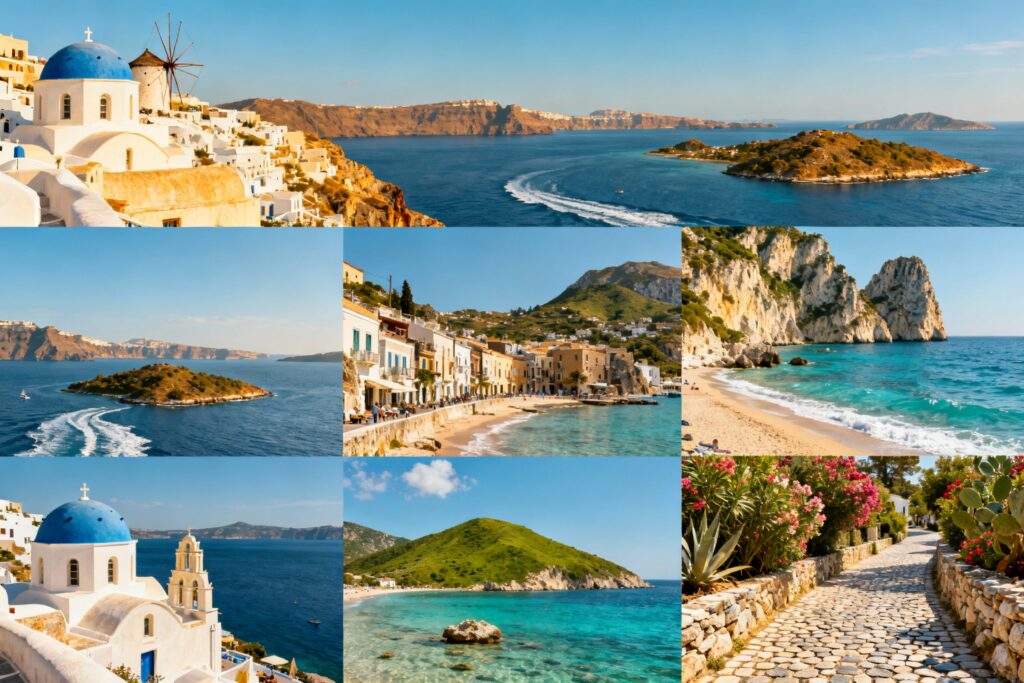
You want an island escape that doesn’t require parallel parking on a cliff or deciphering stick-shift rentals? Same. The good news: Europe is packed with islands where buses, ferries, funiculars, and your own two feet do all the heavy lifting.
One week, zero car keys, maximum relaxation. Let’s get you sun-drenched, gelato-sticky, and blissfully unbothered by rental insurance.
How to Choose Car-Free Friendly Islands
Look for islands with strong public transport and walkable towns. Ferry frequency matters, as does whether buses sync with ferry arrivals.
If the island has a historic center with limited traffic, even better.
Also check for compact geography. You don’t need 80 beaches when three perfect ones sit within a 20-minute bus ride. Lastly, consider shoulder season (May-June, September), when crowds chill and buses still run often.
Malta & Gozo: History, Blue Lagoons, and Easy Buses
Malta works because the buses go almost everywhere for pocket change, and ferry hops to Gozo and Comino stay simple.
You’ll get ancient cities, crystal coves, and ridiculously pretty stone villages without a steering wheel in sight.
- Base: Valletta or Sliema for easy connections; Victoria (Gozo) for a slower pace
- Don’t miss: Mdina at sunset, Gozo’s Dwejra Bay, Comino’s Blue Lagoon early morning
- Getting around: Tallinja buses + Valletta-Gozo ferry
One-Week Without a Car (Sample)
- Days 1-3: Valletta, Mdina/Rabat, Three Cities by ferry
- Days 4-6: Gozo for beaches, salt pans, and Ta’ Pinu
- Day 7: Comino Blue Lagoon (arrive early, leave happy)
FYI: The buses get crowded in summer. Aim for mornings and keep a backup route in mind.
Azores (São Miguel): Hot Springs, Tea Fields, and Jaw-Dropping Craters
Think Iceland’s vibe but warmer and greener. São Miguel has solid buses and plenty of tours that pick you up at your hotel.
You still feel adventurous, but you won’t need to touch a gear shift.
- Base: Ponta Delgada
- Don’t miss: Sete Cidades viewpoints, Furnas hot springs, tea at Gorreana
- Getting around: Public buses + small-group day tours
How to Structure a Week
Alternate DIY days with tour days. Do Sete Cidades and Furnas with tours so you hit the viewpoints efficiently. Use bus days for Ponta Delgada, beaches at Ribeira Grande, and tea plantations.
IMO: Eat the cozido cooked in volcanic steam.
Your taste buds will write you a thank-you letter.
Vis, Croatia: Slow Life, Clear Water, Zero Stress
Vis feels like Croatia before it became the internet’s favorite. Two main towns, a ring road, and an island where you can bus, bike, or boat your way to bliss. Ferries from Split get you there without drama.
- Base: Vis Town for connections, Komiža for chilled fishermen-village vibes
- Don’t miss: Stiniva Cove hike, Blue Cave (Bisevo), sunset at Fort George
- Getting around: Local buses, water taxis, bicycles
Car-Free Tips
- Use water taxis to beaches—cheap and fun.
- Plan the Blue Cave early morning for calm seas and smaller crowds.
- Stay central in town so the bus station sits minutes away.
FYI: In peak season, book ferry tickets in advance.
Split-Vis sells out on sunny Fridays like clockwork.
Madeira, Portugal: Cliffside Thrills and Perfect Walks
Madeira looks like Jurassic Park if it had espresso bars. You can base in Funchal, ride cable cars, and tackle levada walks with shuttles or guided transfers. No car needed, just good shoes and a willingness to gasp at every view.
- Base: Funchal (walkable and lively)
- Don’t miss: Monte cable car + toboggan, Levada do Caldeirão Verde, Pico do Arieiro sunrise
- Getting around: Bus network (Horários do Funchal) + tour shuttles
Smart One-Week Rhythm
- Day 1-2: Funchal markets, cable car, botanic gardens
- Day 3: East tour (Santana thatched houses)
- Day 4: Levada walk with pickup
- Day 5: West tour (Cabo Girão skywalk, Porto Moniz pools)
- Day 6: Pico do Arieiro sunrise shuttle
- Day 7: Chill and poncha tasting
Pro tip: Weather changes fast at altitude.
Bring layers or learn to enjoy fashionable shivering.
Hydra, Greece: Zero Cars, 100% Charm
Hydra banned cars. Donkeys and boats carry heavy stuff, your legs handle the rest. You’ll wander marble alleys, swim off rocks, and feel your shoulders drop about four notches.
- Base: Hydra Town—there’s basically just Hydra Town
- Don’t miss: Kamini and Vlichos coastal walk, sunset from the cannons
- Getting around: Walking, water taxis, the occasional donkey cameo
Hydra vs.
Other Saronic Islands
Poros and Aegina allow cars and feel bigger. Hydra stays quieter and more polished. For one week, combine 3-4 nights Hydra with 2-3 nights in Athens or Nafplio for an easy, car-free duo.
IMO: Hydra is the “I need to do nothing beautifully” island.
Bring a book that looks good next to a spritz.
Sicily’s Aeolian Islands: Volcanic Drama by Ferry
Seven islands, infinite views, and fast hydrofoils to hop between them. You can base in Lipari or Salina, then day-trip to Stromboli for lava fireworks. Buses and scooters handle short hops; feet handle the rest.
- Base: Lipari for convenience, Salina for upscale tranquility
- Don’t miss: Stromboli night hike/boat tour, Vulcano’s crater, Malvasia wine tastings
- Getting around: Inter-island ferries (Liberty Lines), local buses, taxis
One-Week Shuffle
- Days 1-3: Lipari beaches and old town
- Day 4: Vulcano crater and mud baths
- Days 5-6: Salina hikes and wine
- Day 7: Stromboli sunset cruise for eruptions
Note: Check seasonal ferry schedules.
In shoulder months, plan hops carefully to avoid unplanned “bonus nights.”
Jersey, Channel Islands: Cliffs, Castles, and Cream Teas
Closer to France than London, Jersey packs big scenery into a small footprint. The bus network nails coverage, the coastal path loops around the island, and harbors hide dreamy cafes.
- Base: St. Helier for buses and dining
- Don’t miss: Corbière Lighthouse at golden hour, Mont Orgueil Castle, St.
Brelade’s Bay
- Getting around: LibertyBus network + walking
Why Jersey Works Car-Free
- Frequent buses radiate from St. Helier to all major beaches and sights.
- Compact size means short rides and longer beach time.
- Great waymarked trails if you crave daily 10k steps and cliff views.
How to Plan Your No-Car Week Like a Pro
- Anchor in one or two bases. Switching beds eats time and sanity.
- Book ferries and popular tours ahead. Especially in July/August and on weekends.
- Travel light. Stairs, cobbles, and funiculars don’t love giant suitcases.
- Start early. Beat crowds and heat, and you’ll get the best photos too.
- Use apps and local sites. Bus trackers, ferry timetables, and weather alerts save the day.
FAQs
Which island is best for first-timers without a car?
Malta & Gozo offer the easiest combo of buses, ferries, and sights. Everything runs often, English is widely spoken, and distances stay manageable.
It’s the perfect training wheels trip.
Can I rely on buses in peak summer?
Yes, but plan buffer time. Buses come often on popular routes, but crowds happen. Catch earlier runs, and always know the next departure in case everyone else had the same brilliant idea.
What about luggage between ferries and hotels?
Choose accommodations within walking distance of ports or bus hubs.
Many islands offer porter services or hotel pickups. Pack a soft bag with backpack straps and you’ll glide past the rollers-struggling crowd.
Is car-free more expensive?
Not necessarily. You’ll save on rentals, fuel, and parking.
Tours add cost, but you can balance with free hikes, public beaches, and bus day passes. Net-net: usually similar, often cheaper.
Which island is best for hiking without a car?
Madeira and the Azores. Both have trail networks and shuttles or tours that drop you at trailheads and fetch you later. Your calves might complain, but your camera roll will forgive you.
What if the weather flips?
It will, occasionally.
Keep a Plan B: museums, vineyards, spa days, or a different coast. Islands often have microclimates; if one side sulks, the other side smiles.
Conclusion
One week on a European island without a car doesn’t mean compromising—it means freedom. You’ll swap traffic for ferries, parking lots for promenades, and stress for salty air.
Pick your vibe—historic Malta, volcanic Azores, dreamy Hydra, rugged Madeira, chilled Vis, dramatic Aeolians, or cliffy Jersey—and let the buses and boats do the work. Your only job? Decide between a second gelato or a quick swim.
Honestly, both.