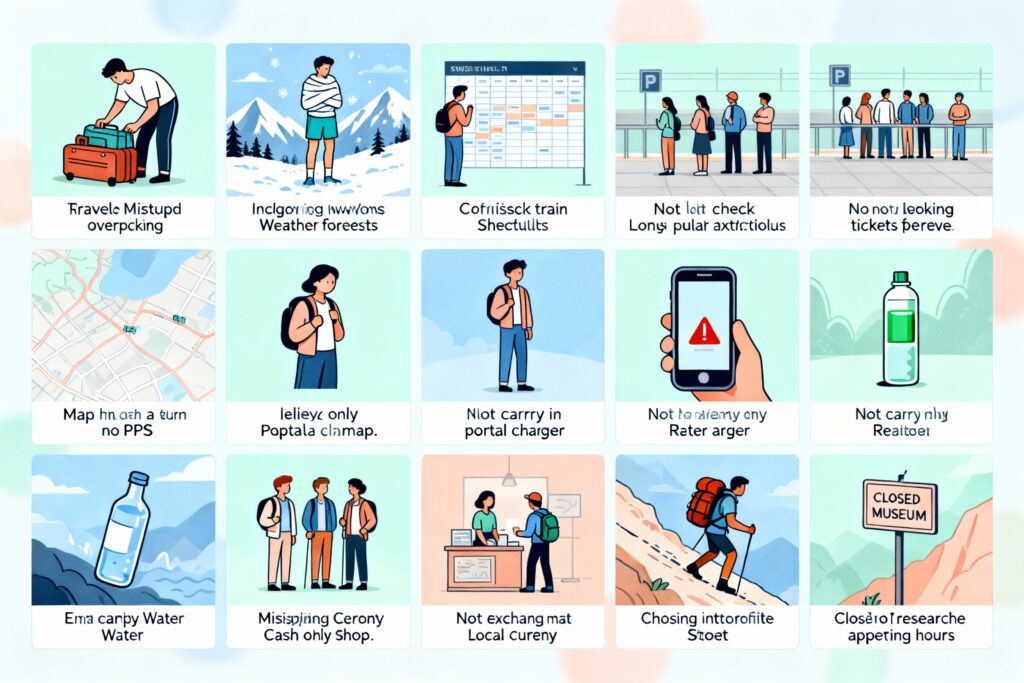
Switzerland looks like a screensaver and runs like a Swiss watch, which is exactly why planning a trip there can trick you. Everything feels easy… until you blow half your budget on train tickets and realize you booked a mountain town that goes to sleep at 7 p.m. Let’s skip the drama.
Here are the rookie mistakes people make—and how you can avoid them like a pro traveler with a pocketknife and a chocolate stash.
Underestimating Costs (and Not Planning for Them)
Switzerland is clean, gorgeous, and pricey. You can absolutely visit on a reasonable budget, but you need a plan. If you just wing it, the receipts will haunt you.
- Food: Expect 20–30 CHF for a casual lunch, 40–60 CHF for dinner.
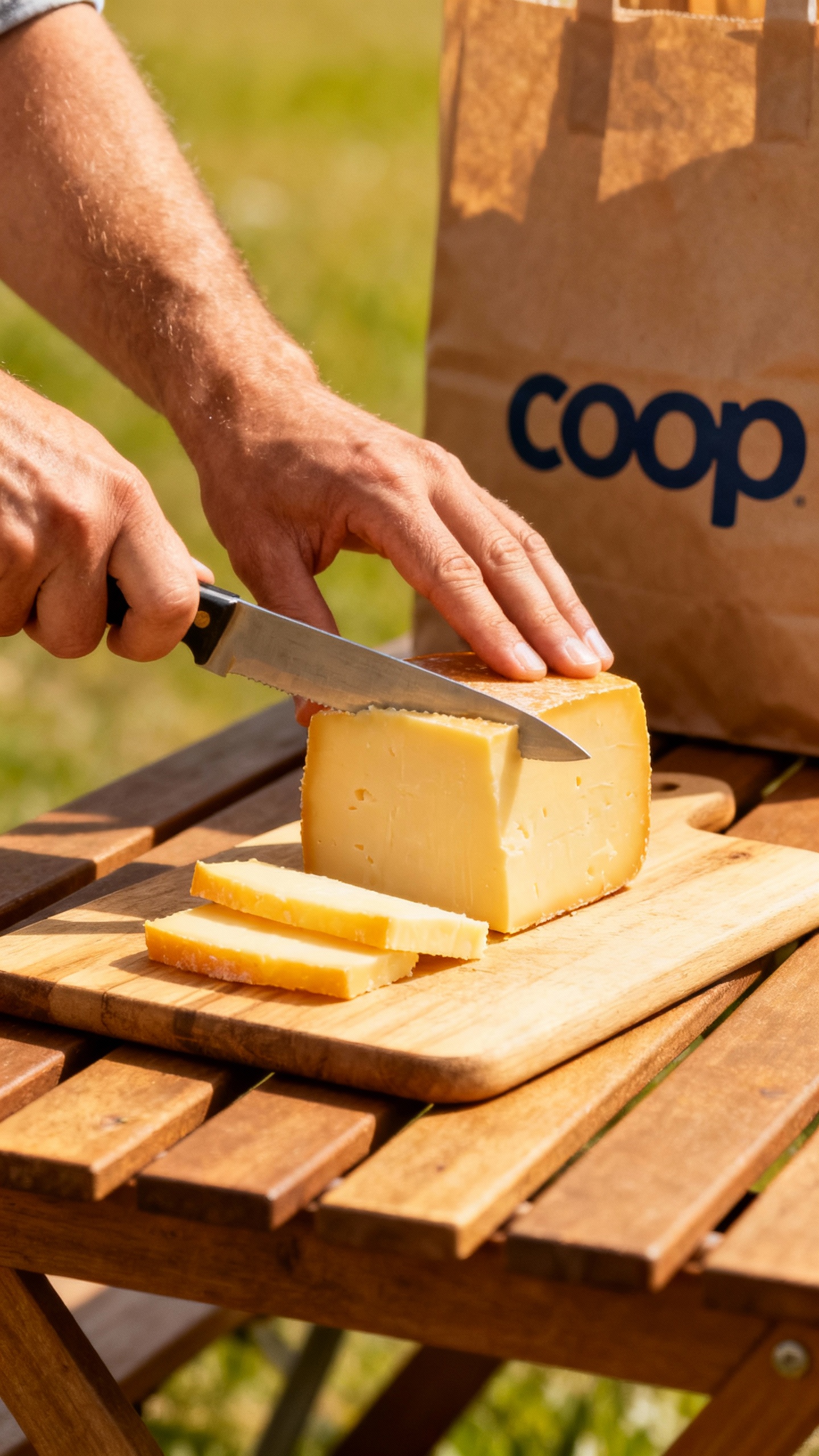
Groceries at Coop or Migros save you big.
- Transport: Trains are superb and expensive. Passes help (more on that soon).
- Activities: Cable cars and mountain railways can cost 30–120 CHF each.
Smart Savings That Don’t Feel Like Sacrifice
- Grab picnic supplies at supermarkets. The cheese aisle?
Life-changing.
- Refill water everywhere. Swiss tap water is pristine.
- Choose one or two big-ticket mountain excursions, not five.
Buying the Wrong Train Pass
The Swiss transport network works like a dream, but the pass options can spiral. Don’t throw money at the wrong one.
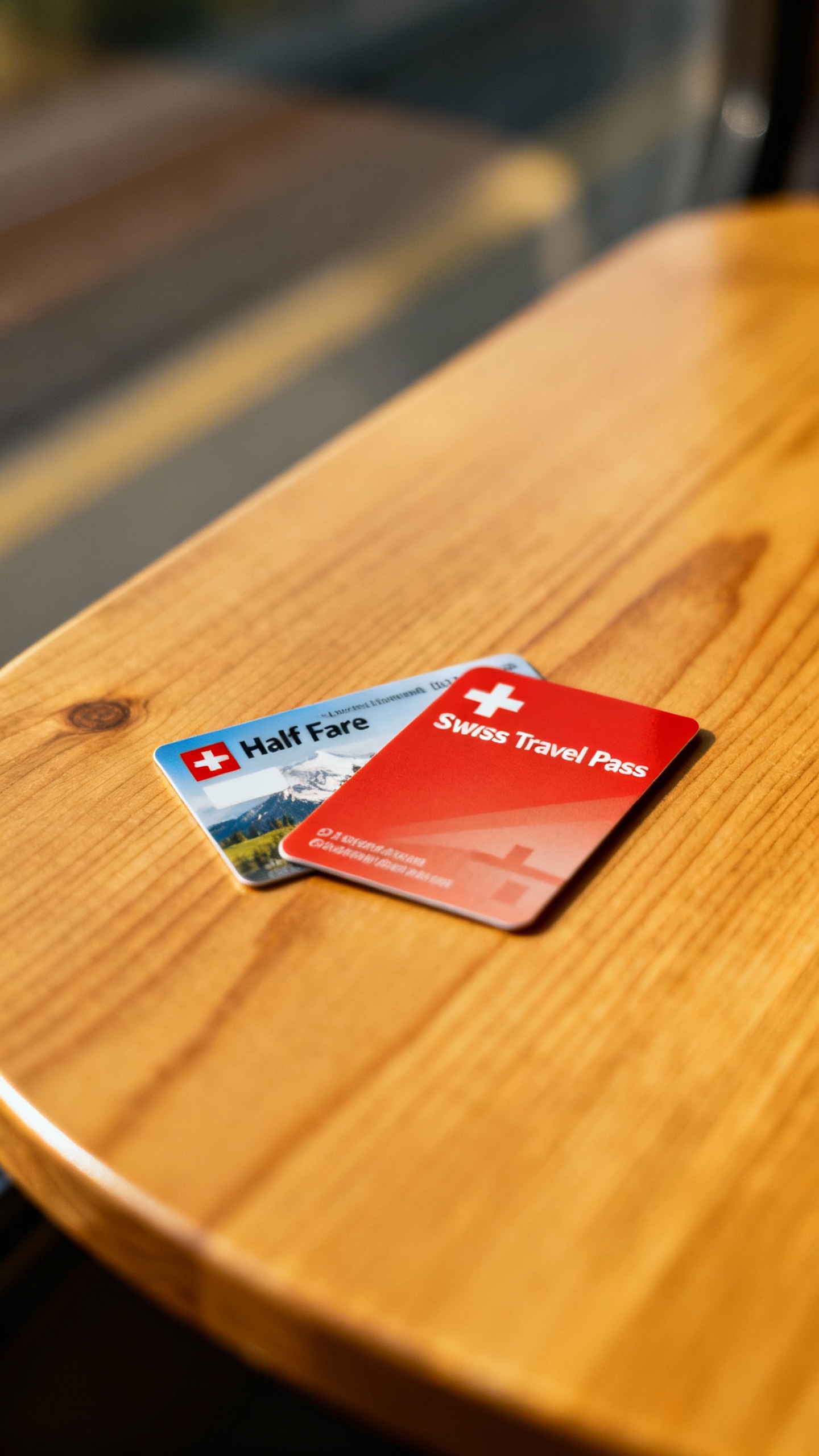
- Swiss Travel Pass: Best for first-timers visiting multiple regions over 3–15 days.
Covers most trains, boats, and many museums, plus 25–50% off mountain rides.
- Half Fare Card: Pay half-price on almost all transport for a month. Great if you’re mixing long travel days and chill days.
- Regional passes: Like the Jungfrau Travel Pass or Tell-Pass. Worth it if you plan to stay in one area and ride a lot.
How to Choose (Quick Math, IMO)
– If you’ll take trains and boats constantly over 3+ days, Swiss Travel Pass pays off. – If you’ll sit tight in one region with a couple of big trips, Half Fare Card wins. – If you’re based in one mountain area and doing multiple lifts, check a regional pass before buying anything else.
Packing Like It’s One Season
You’ll stand in sunshine by the lake at noon and freeze on a mountain at 3 p.m.
The Swiss Alps don’t care about your cute outfit plan.
- Layers: Base layer, fleece or sweater, windproof/waterproof shell.
- Shoes: Proper walking shoes with grip. City sneakers slip on wet trails.
- Extras: Sunglasses, sunscreen, and a light hat. UV hits hard at altitude.
Weather Reality Check
– Summer: Warm in cities, chills quickly in the mountains. – Shoulder seasons: Unpredictable—bring a jacket. – Winter: Cold, obviously—but dry and manageable with layers.
Overstuffing the Itinerary
People plan Geneva → Zermatt → Interlaken → Lucerne → Lugano → Zurich in four days and wonder why everything feels like a blur.
Switzerland rewards slow travel.
- Pick 2–3 bases max for a week. Use day trips to explore.
- Account for transport time. Even fast trains take time between valleys.
- Leave buffer hours for weather delays and spontaneous views. You’ll want them.
Solid Base Combos
– Lucerne + Interlaken/Grindelwald + Zermatt – Zurich + Appenzell + Lucerne (for a quieter vibe) – Geneva/Lausanne + Zermatt + Bernese Oberland
Ignoring Mountain Logistics
You don’t just “pop up” to Jungfraujoch or Matterhorn Glacier Paradise.
These are big excursions with weather variables, multiple connections, and limited departure times.
- Start early. Morning visibility often beats afternoon haze.
- Check webcams and forecasts before you buy tickets. No point paying for clouds.
- Book popular peaks in advance during summer—but keep flexibility if you can.
Altitude Gotchas
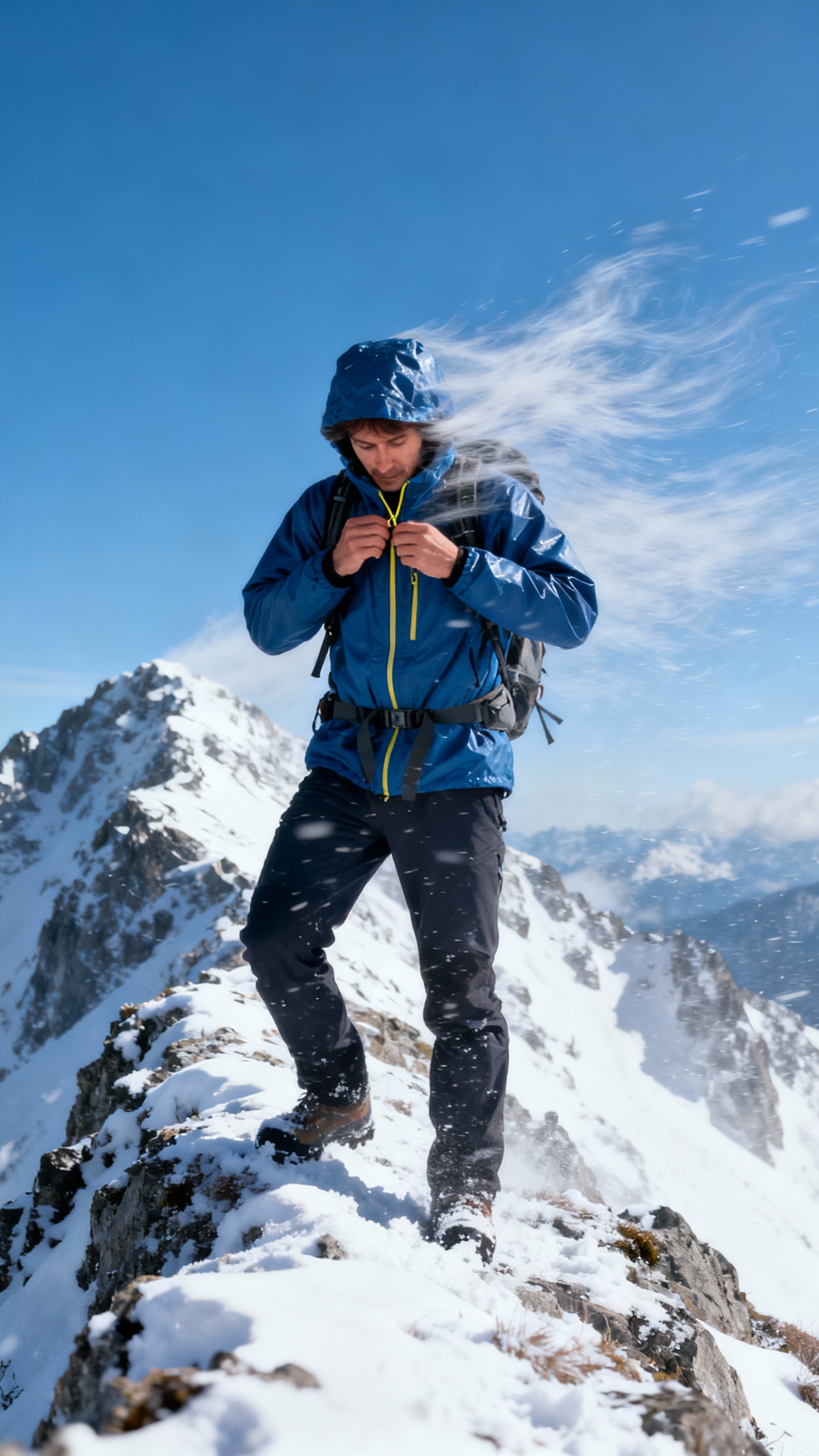
– You might feel light-headed above 3,000 m. Hydrate, go slow, skip the sprint selfies. – Dress warmer than you think.
Wind on the ridges is no joke.
Missing Out on “Free” Scenic Routes
Everyone books the famous panorama trains and you absolutely can—but the regular trains run along many of the same routes with similar views. FYI, those big-window cars are cool, but the scenery doesn’t care what carriage you sit in.
- GoldenPass Line: Regular trains still deliver epic lake-and-mountain views.
- Lucerne–Interlaken Express: Included with passes; reservations optional.
- Bernina/Glacier Express: Stunning, but pricey. Do it if it’s a bucket-list item; otherwise, ride regional segments for less.
Forgetting Sundays and Early Closures
Shops often close on Sundays.
Small towns shut early. Even in cities, things quiet down faster than you might expect.
- Plan shopping for weekdays or Saturday.
- Eat early in mountain villages—kitchens may close by 9 p.m.
- Grocery hacks: Look for Coop Pronto or gas station shops on Sundays.
Not Respecting Etiquette (or Fines)
Switzerland runs on unspoken rules that keep everything pleasant. Break them and you’ll feel the side-eye—and maybe pay for it.
- Transport tickets: Always have one.
Inspections happen and fines sting.
- Quiet cars: They’re really quiet. Don’t phone, don’t blast TikToks.
- Trails and fields: Keep gates closed, stick to marked paths, greet hikers with a quick “Grüezi.”
Eating Only in Restaurants
Restaurant meals add up fast and you’ll miss the fun of Swiss picnics with outrageous views.
- Supermarket meals: Fresh sandwiches, salads, hot counters, and pastries. Tasty and affordable.
- Mountain huts: Try rösti, soups, and pies—often fairly priced and hearty.
- Bakeries: Grab nussgipfel or pretzels for the train.
You’ll thank me later.
Skipping Lesser-Known Regions
Yes to Jungfrau and Zermatt. But Switzerland has more flavor than a chocolate sampler box. Don’t sleep on quieter gems.
- Appenzell: Rolling hills, cheese, painted houses, easy hikes.
- Valais side valleys: Saas-Fee and Aletsch region rival big-name views with fewer crowds.
- Engadin: St.
Moritz area offers dramatic scenery and sparkling lakes.
- Ticino: Italian vibes, palm-lined lakes, stone villages like Corippo.
FAQ
What’s the best time to visit Switzerland?
You can’t really lose. For hiking and lakes, go June–September. For snow and Christmas markets, go December–March.
Shoulder seasons (April–May, October–November) offer fewer crowds but more unpredictable weather. IMO, September hits the sweet spot: clear skies, open lifts, calmer trails.
Do I need to book trains in advance?
For regular intercity and regional trains, no—just hop on. For panoramic trains like Glacier Express, yes—reserve a seat, especially in summer.
If you’re using a Swiss Travel Pass or Half Fare Card, you can still make seat reservations when required.
Is the Swiss Travel Pass worth it?
If you’ll travel across multiple regions and use boats, museums, and frequent trains, it’s usually great value. If you’re focusing on one area with a few big rides, the Half Fare Card often costs less. Do a quick itinerary cost comparison before you buy—five minutes of math can save you a lot.
Can I pay by card everywhere?
Cards work almost everywhere, but small mountain huts and rural buses sometimes prefer cash.
Keep a little CHF on hand for peace of mind. Apple Pay and contactless work widely in cities.
What should I wear for the mountains?
Think layers: breathable base, warm mid-layer, wind/rain shell. Add solid shoes with grip, sunglasses, and sunscreen.
Even in summer, it can feel wintry at altitude.
How many days do I need?
For a taste, 4–5 days works. For a balanced trip with mountains and cities, 7–10 days feels right. If you love hiking or scenic routes, two weeks flies by—no regrets.
Conclusion
Switzerland rewards the traveler who plans just enough and then lets the landscape do the heavy lifting.
Keep your itinerary lean, your layers handy, and your transport strategy tight. Mix splurge moments with supermarket picnics, chase good weather windows, and don’t ignore the quieter corners. Do that, and you’ll get the postcard views without the rookie headaches—FYI, the chocolate tastes better that way.