
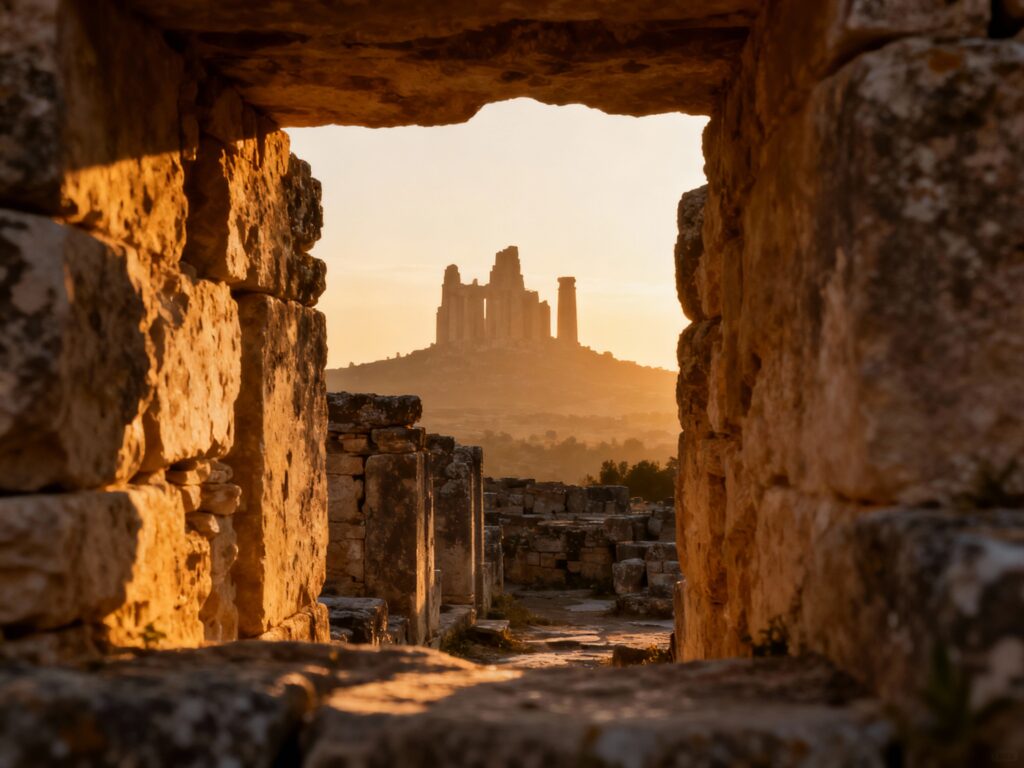
Some places don’t just “have history”—they feel like it. The kind of landmarks where you can zoom out and actually understand why the world looks the way it does today.
If you’re the friend who reads plaques, loves a good audio guide, and will happily walk “just one more block” for the view, these five are worth the flight, the train, and the extra steps.
Top 5
1) The Colosseum (Rome, Italy)
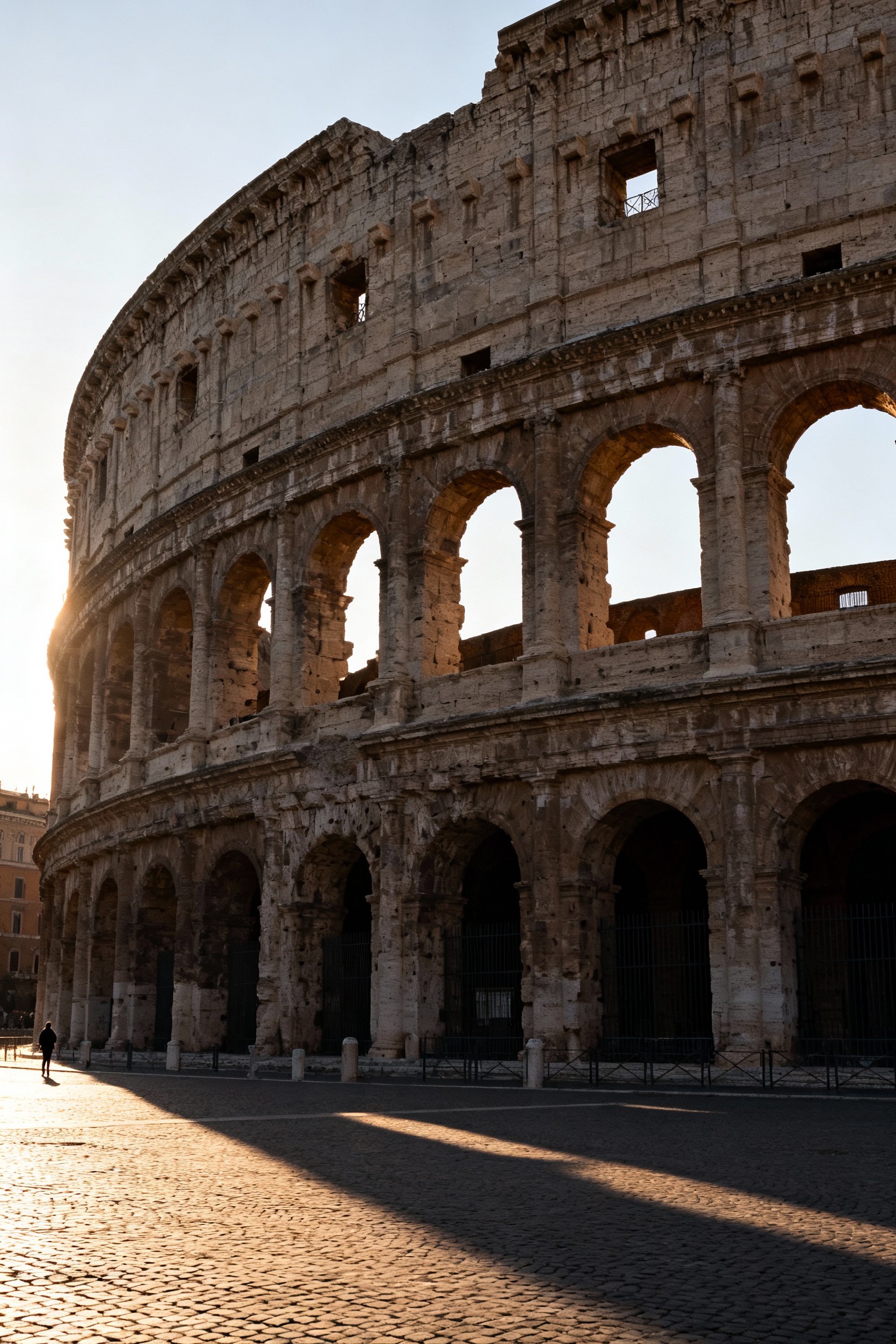
Book a timed-entry ticket in advance and aim for the first slot of the day to beat the crowds and the heat. If you can, add the Underground or Arena Floor access—seeing where gladiators and animals waited changes the whole experience. Wear cushy shoes (the stones are uneven) and pair your visit with the Roman Forum next door for a full ancient-Rome day. Stay in Monti for a walkable base with cute cafés and quick metro access.
2) Machu Picchu (Peru)
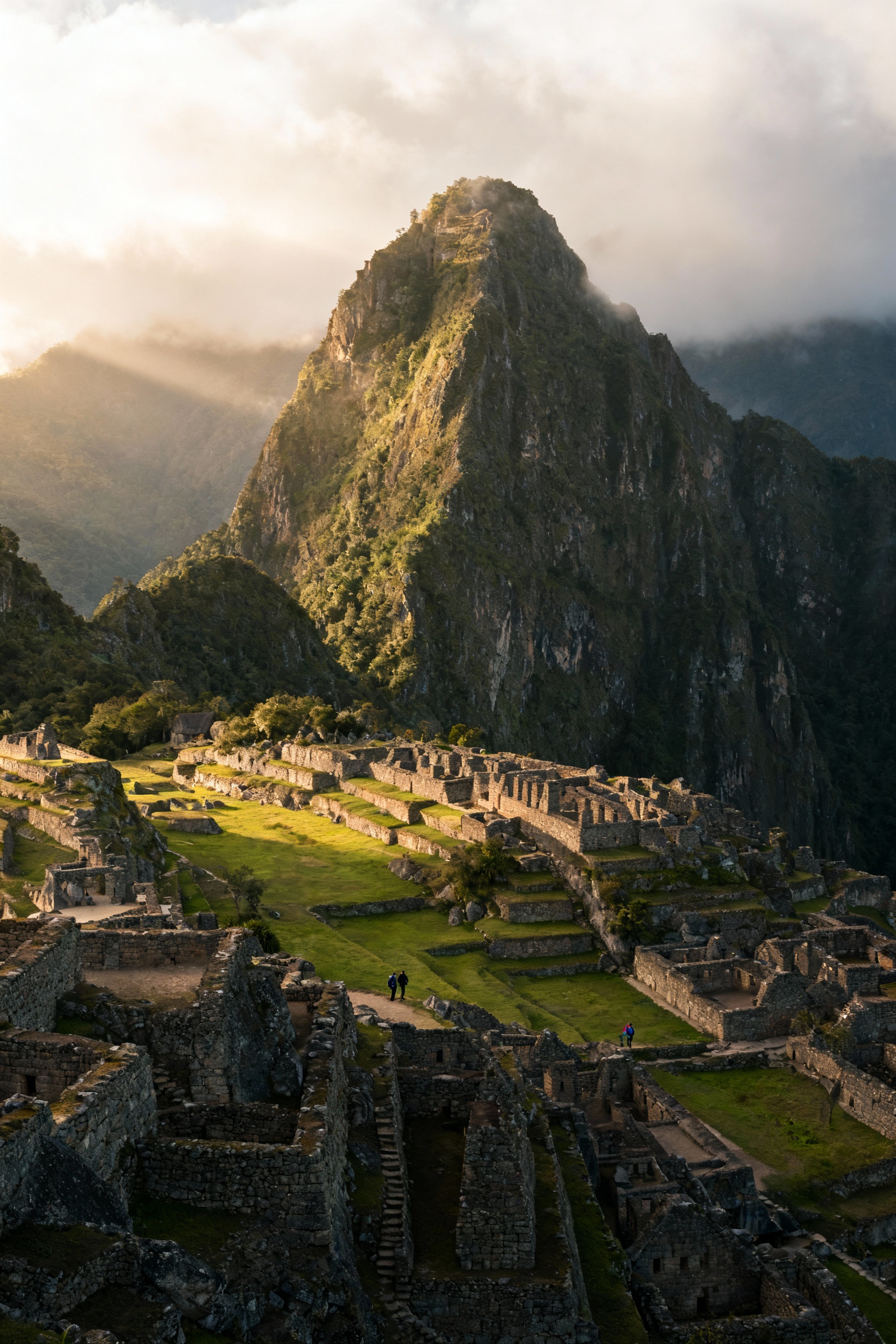
Permits are limited, so lock in your entrance ticket early and decide if you want an add-on hike like Huayna Picchu (steep, epic views) or Machu Picchu Mountain (longer, a bit less intense). Sleep in Aguas Calientes the night before so you can catch an early bus up and see the ruins before clouds roll in. Pack layers, rain protection, and bug spray—mountain weather changes fast. If you’re sensitive to altitude, spend at least a day in Cusco or the Sacred Valley first to acclimate.
3) The Acropolis (Athens, Greece)
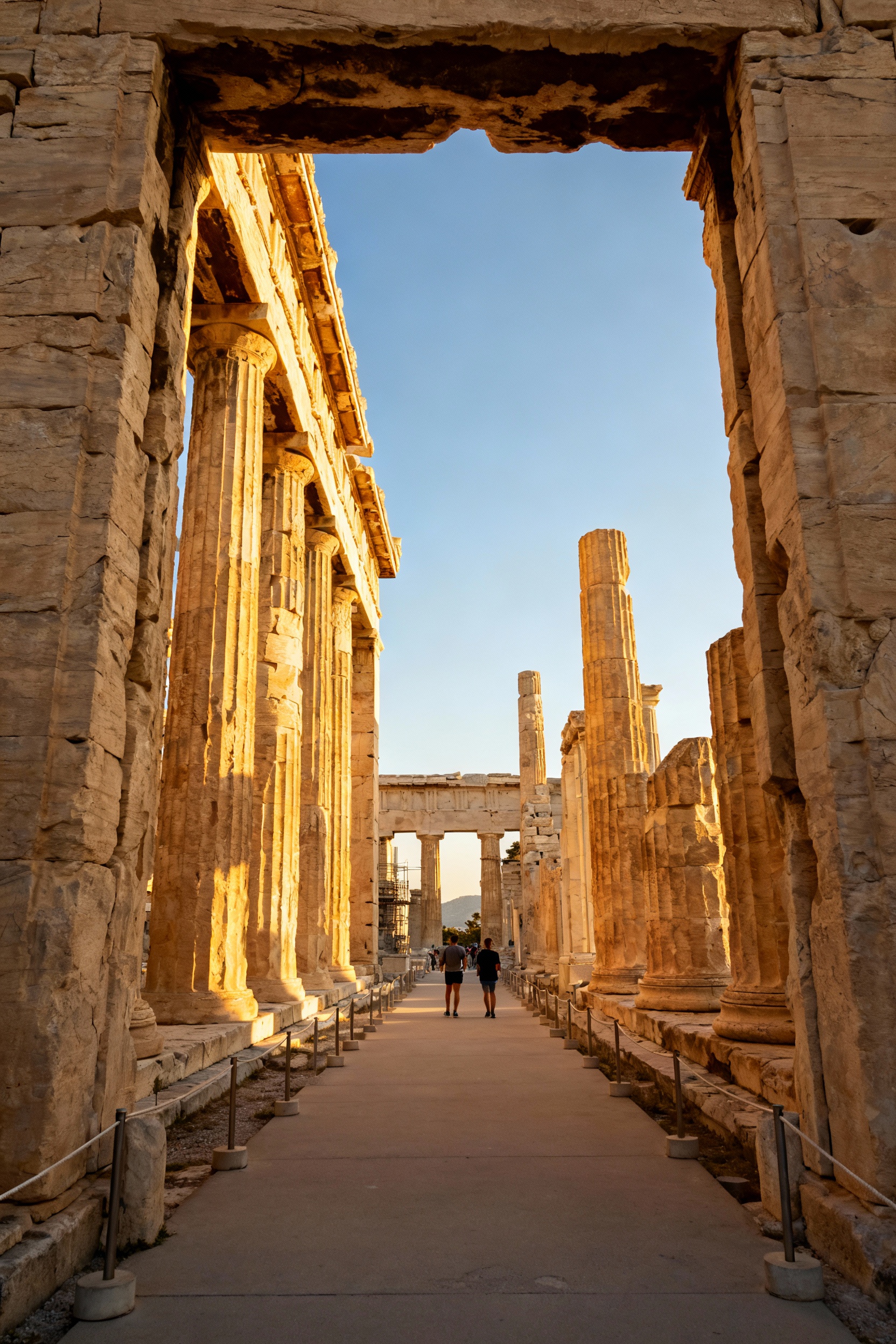
Go early or late (golden hour is stunning) and bring water—there’s very little shade on the hill. Buy a combo ticket if you’ll also hit the Ancient Agora and other nearby sites; it’s a smart way to stack history without overpaying. Shoes with grip are a must because the marble can be slick, especially after rain. Stay in Plaka or Koukaki for easy walks to the Acropolis plus plenty of restaurants for a post-site refuel.
4) The Pyramids of Giza (Cairo, Egypt)
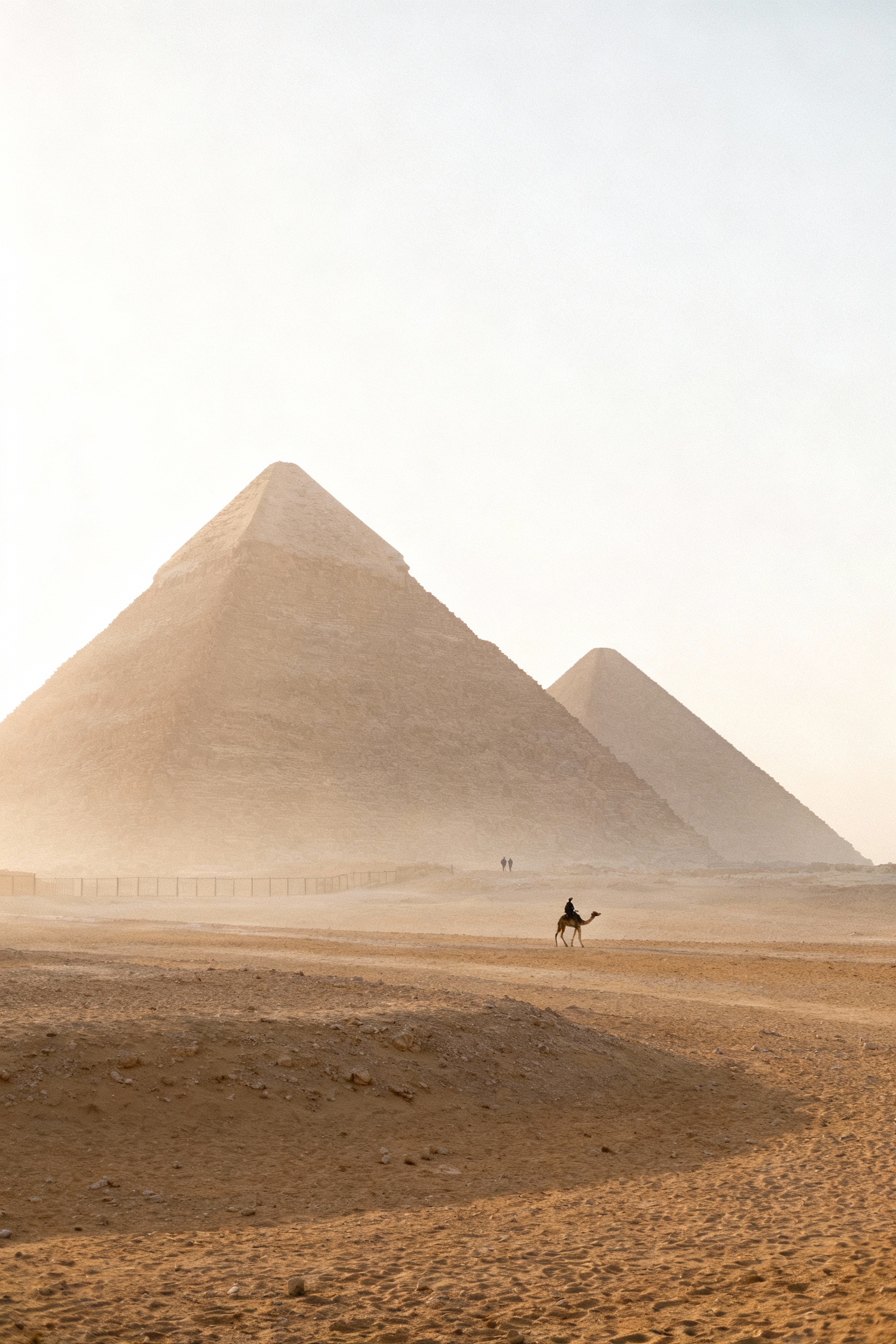
Get there right when the gates open for softer light, fewer tour groups, and a calmer vibe before midday heat. Hire a licensed guide at the entrance or pre-book a reputable tour—context makes the scale and engineering feel even more unreal. Bring cash for small purchases, sunglasses, and a scarf for dust, and don’t feel pressured into add-ons you didn’t plan (stick to your budget and your comfort level). Consider pairing Giza with the Grand Egyptian Museum (if open during your dates) or the Egyptian Museum to connect the monuments with the artifacts.
5) Angkor Wat (Siem Reap, Cambodia)
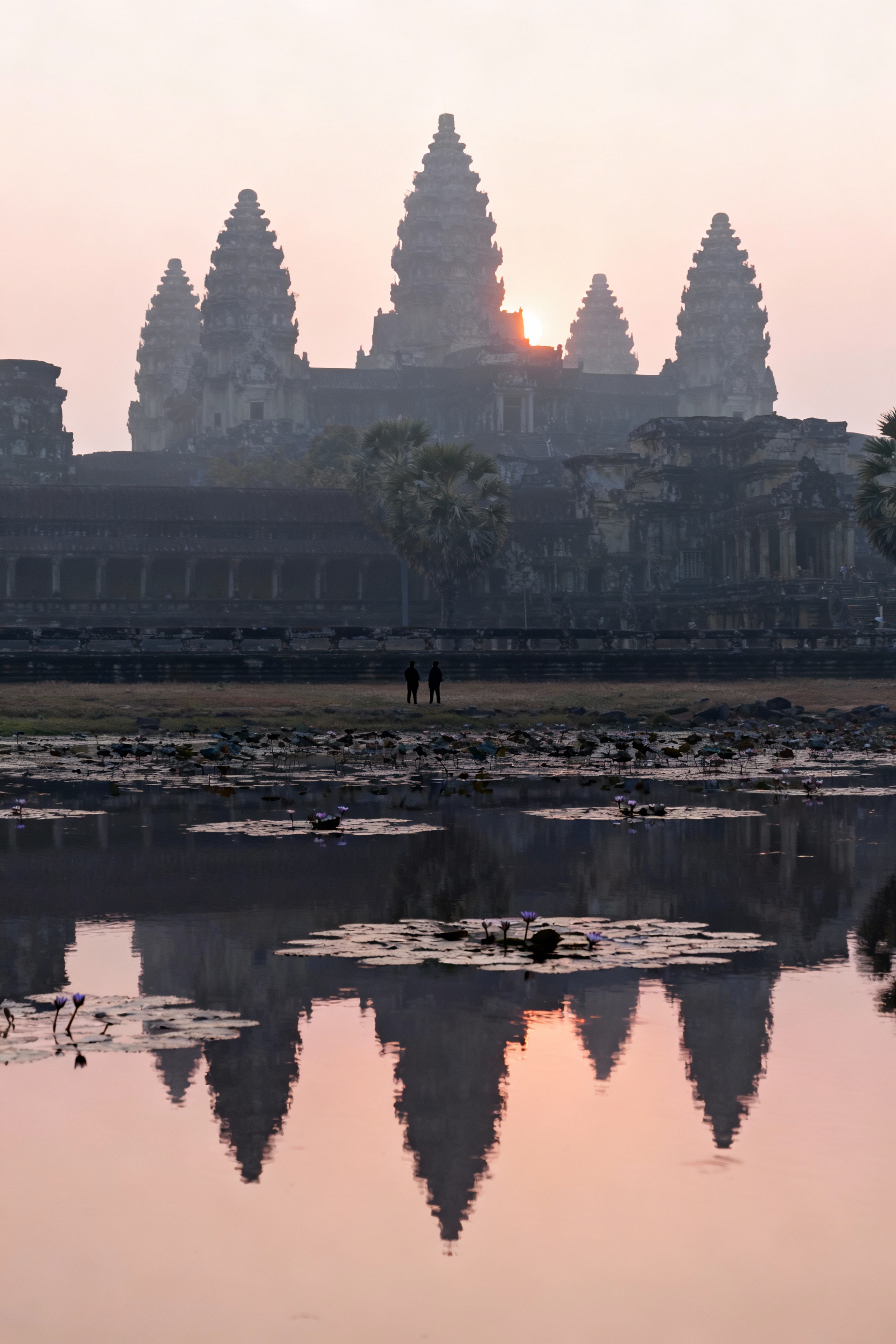
Buy the multi-day pass if you can—Angkor isn’t one temple, it’s a whole ancient city spread out, and rushing it is the quickest way to feel overwhelmed. Sunrise at Angkor Wat is iconic, but plan a second early morning for quieter temples like Ta Prohm and Bayon before the day heats up. Book a tuk-tuk driver for the day or rent a bicycle only if you’re confident in the heat and distances; either way, pack electrolytes, sunscreen, and something to cover shoulders and knees for temple etiquette. Base yourself in Siem Reap near Pub Street if you want easy nightlife, or closer to the river for a calmer stay.
FAQ
How far in advance should I book tickets for major landmarks?
For big-demand sites like the Colosseum and Machu Picchu, book as soon as your dates are set—weeks to months ahead in peak season. For places like the Acropolis, you can often book closer in, but timed-entry slots still sell out on popular days. If you’re traveling in summer or around holidays, earlier is always safer.
Are guided tours actually worth it for history landmarks?
Yes, especially at sites where you’re looking at ruins without much context. A good guide (or a well-reviewed audio guide) helps you notice details you’d walk past and makes the timeline click. If you’re on a budget, choose one “deep dive” tour and do the rest self-guided.
What should I pack for a landmark-heavy trip?
Prioritize comfortable walking shoes, sun protection (hat, sunscreen), and a refillable water bottle. Add a light rain layer for mountain/jungle sites like Machu Picchu and Angkor, plus a small day bag that zips. For temples and religious areas, pack a scarf or lightweight layer to cover up quickly.
How do I avoid crowds at famous historical sites?
Go at opening time or in the last 1–2 hours before closing, and visit on weekdays when possible. Book the earliest timed-entry slot you can, and plan popular “photo moments” (like Angkor sunrise) with a backup viewpoint so you’re not stuck in a shoulder-to-shoulder cluster. Staying nearby the night before also helps you start earlier.
Which landmark is best for first-time international travelers?
The Acropolis and the Colosseum are very first-timer friendly because they’re in big cities with strong transit, lots of lodging options, and easy-to-book tickets. If you want a bigger adventure, Machu Picchu and Angkor Wat are unforgettable—just plan a bit more carefully for weather, early starts, and pacing. The Pyramids are a must if Egypt is on your list; going with a reputable guide makes the day smoother.