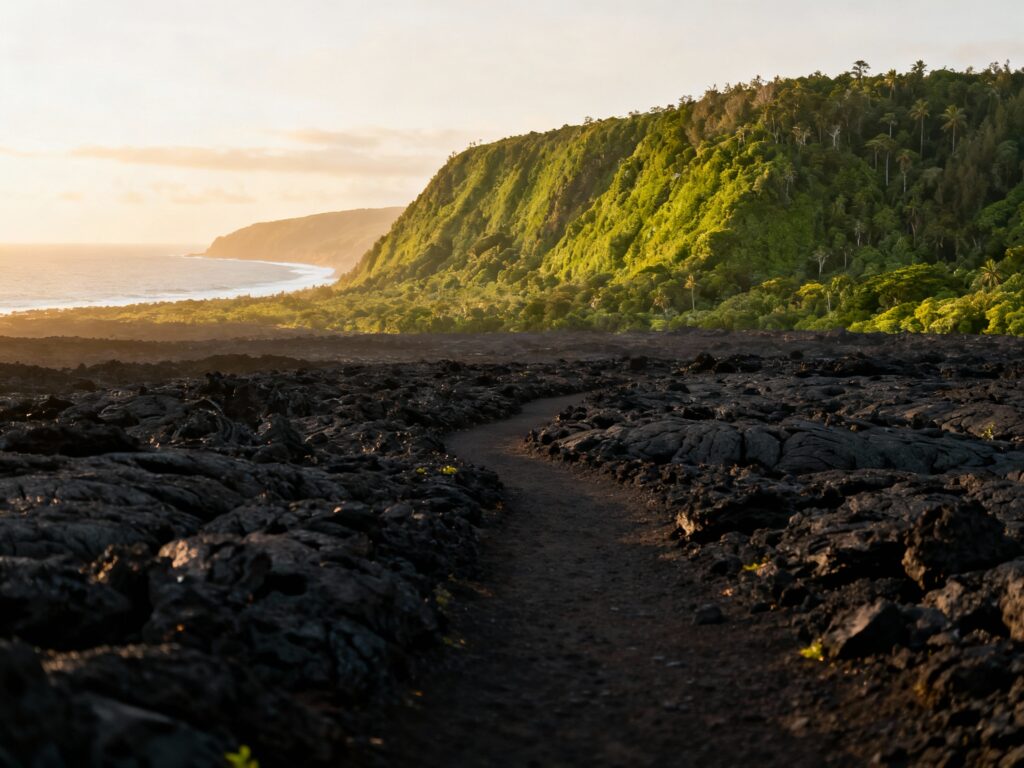
The Big Island is Hawaii’s “do it all” destination: lava landscapes, rainforest trails, manta rays, and beach days—all in one trip. It’s also huge, so a little planning goes a long way.
These five spots are the best mix of iconic and actually doable for first-timers, with tips on timing, what to book, and what to pack.
Top 5
1) Hawaiʻi Volcanoes National Park
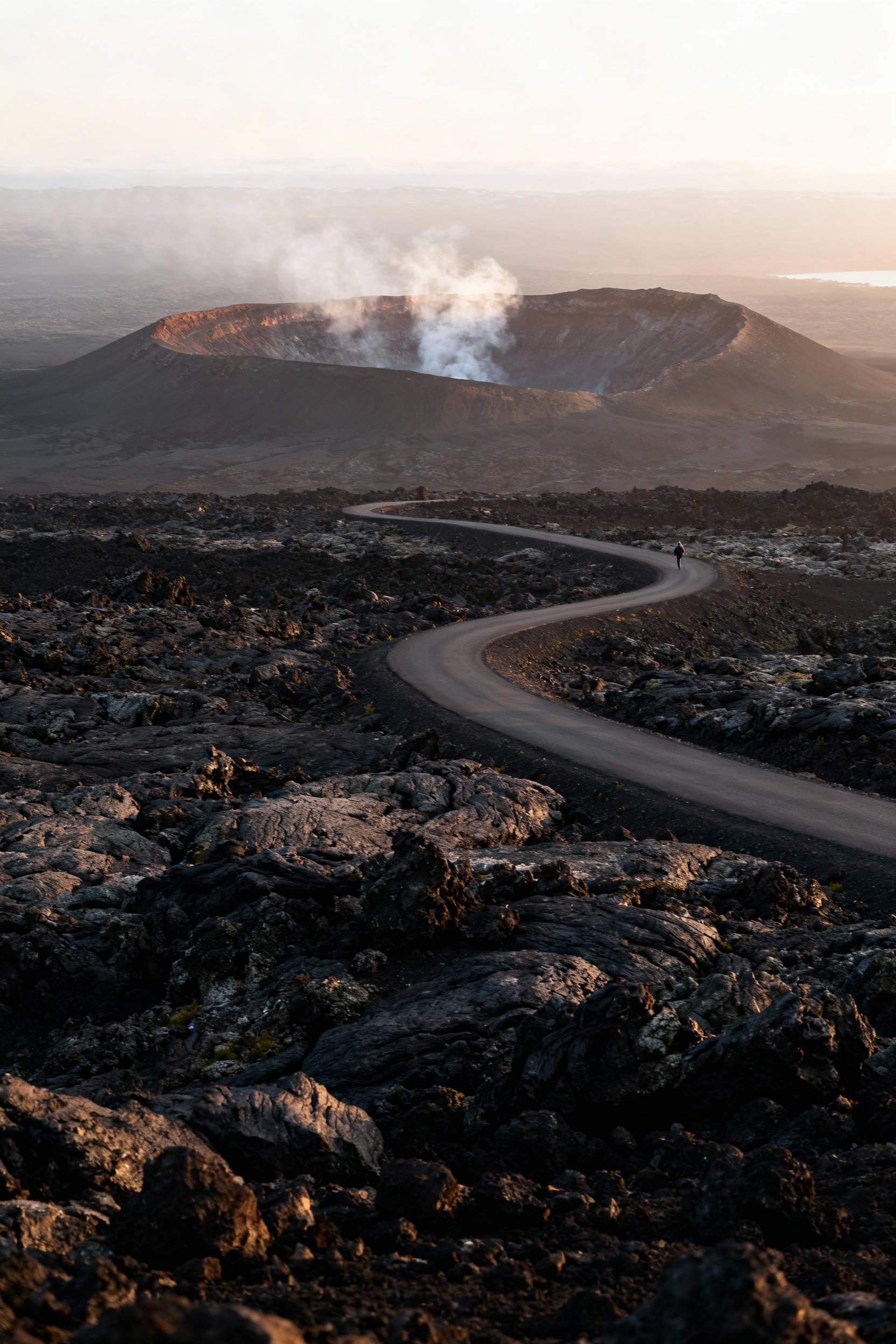
This is the Big Island’s headline act—craters, lava fields, and surreal views that feel like another planet. Go early morning for cooler temps and fewer crowds, then do Chain of Craters Road and stop at the overlooks for quick, high-reward views. Pack a light rain jacket (weather changes fast) and real shoes for sharp lava rock; sandals won’t cut it. If you can, join a ranger program or plan around sunset for dramatic skies (and check current eruption/closure updates before you drive over).
2) Mauna Kea Summit & Stargazing (Visitor Center)
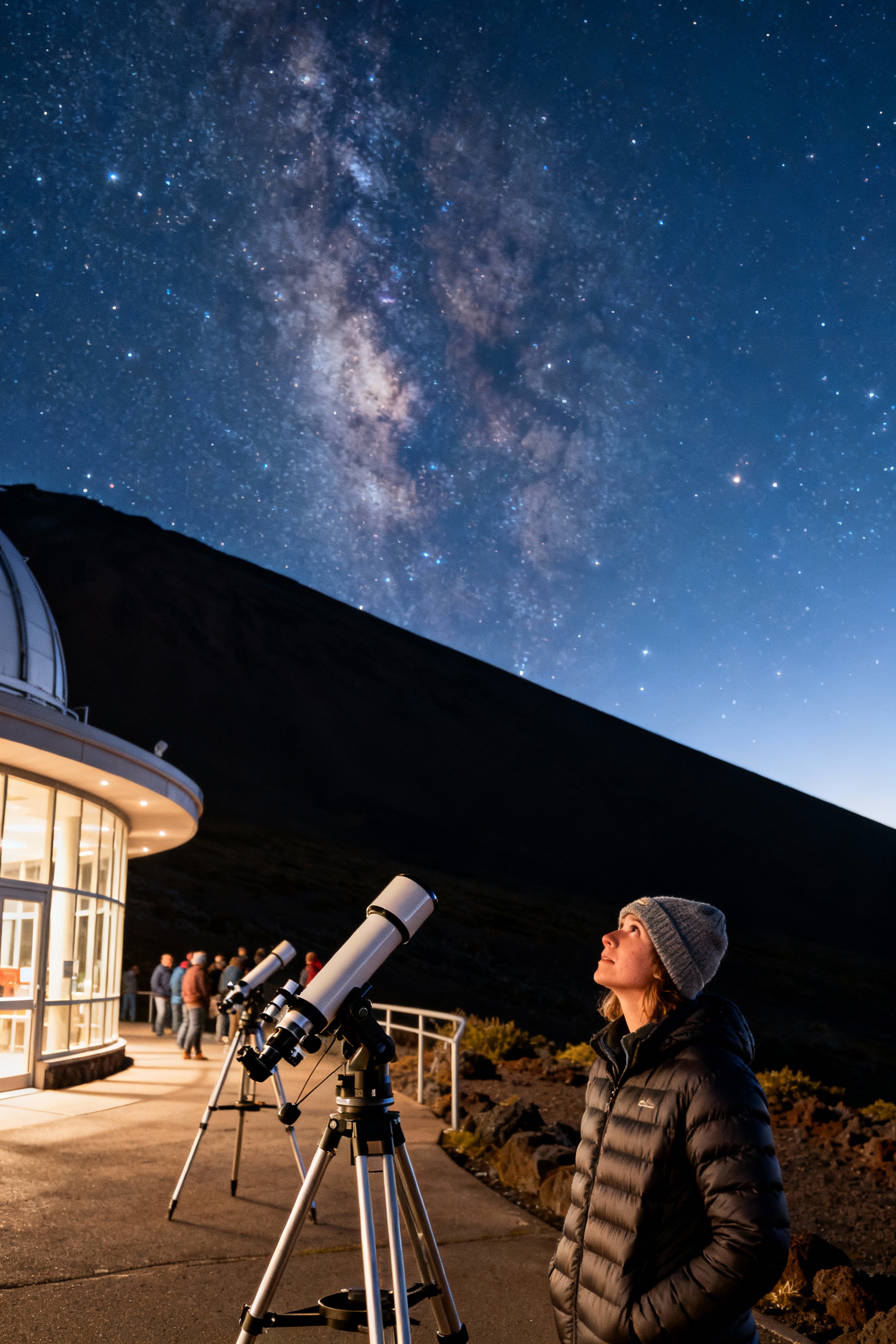
For most first-timers, the sweet spot is sunset + stargazing from the Mauna Kea Visitor Information Station—no intense drive required, and the night sky is unreal. Bring layers (think puffer + beanie level; it gets cold fast), and arrive before sunset to snag parking and let your eyes adjust. If you’re set on the summit, book a reputable guided tour so you don’t have to handle the 4WD requirement and altitude logistics. Skip this if you’re feeling sick or prone to altitude issues—your body will thank you.
3) Kona Coffee Country (Holualoa & Farm Tours)
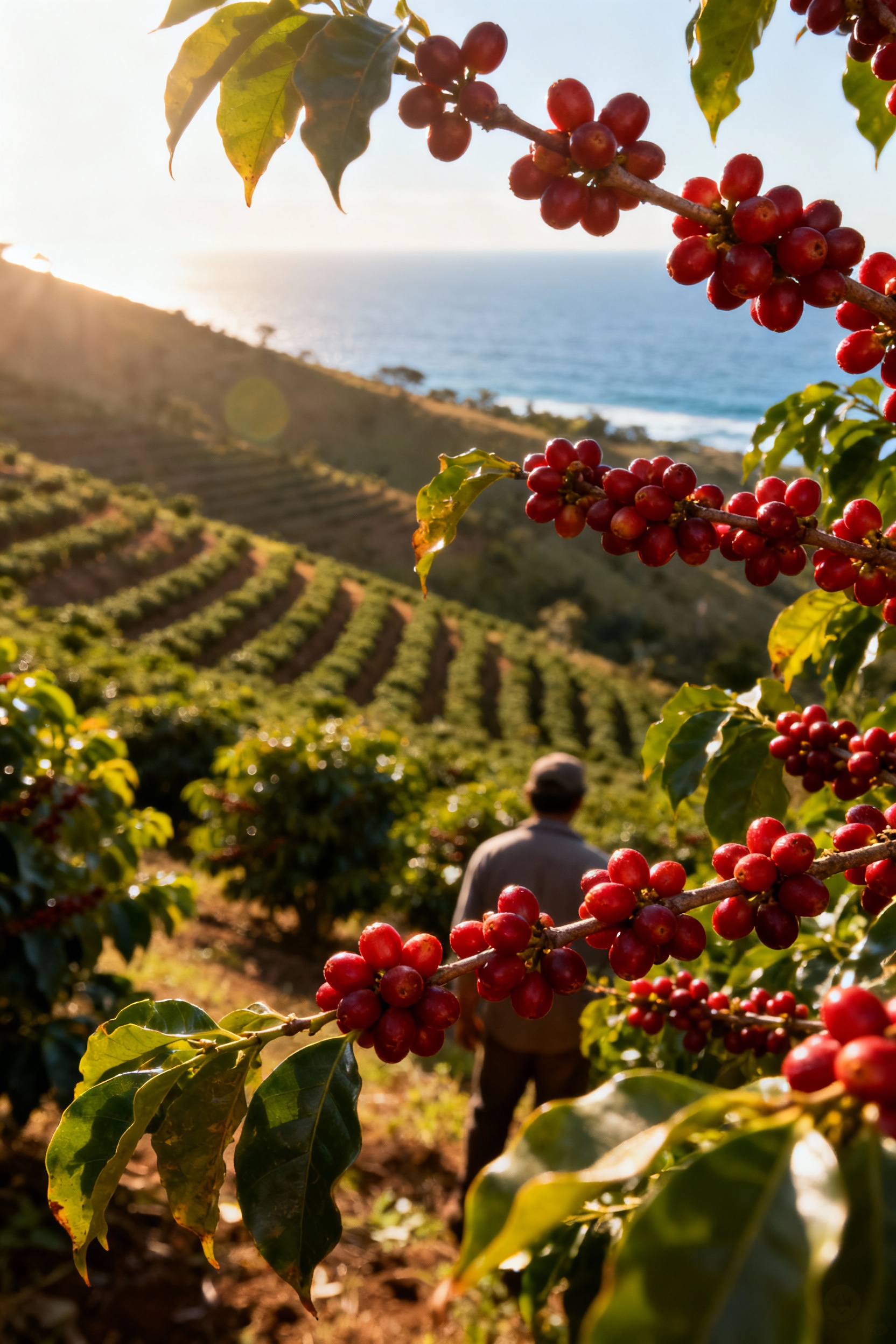
Spend a morning tasting your way through Kona’s coffee farms—many offer free or low-cost tours where you’ll learn how coffee goes from cherry to cup. Aim for earlier in the day for cooler temperatures and better tour availability, especially in peak seasons. Holualoa is a cute stop nearby for galleries and a laid-back lunch, and it’s a great break from nonstop beach time. If you love coffee, pack an extra tote—beans make the best souvenir, and you’ll want more than one bag.
4) Hapuna Beach State Recreation Area
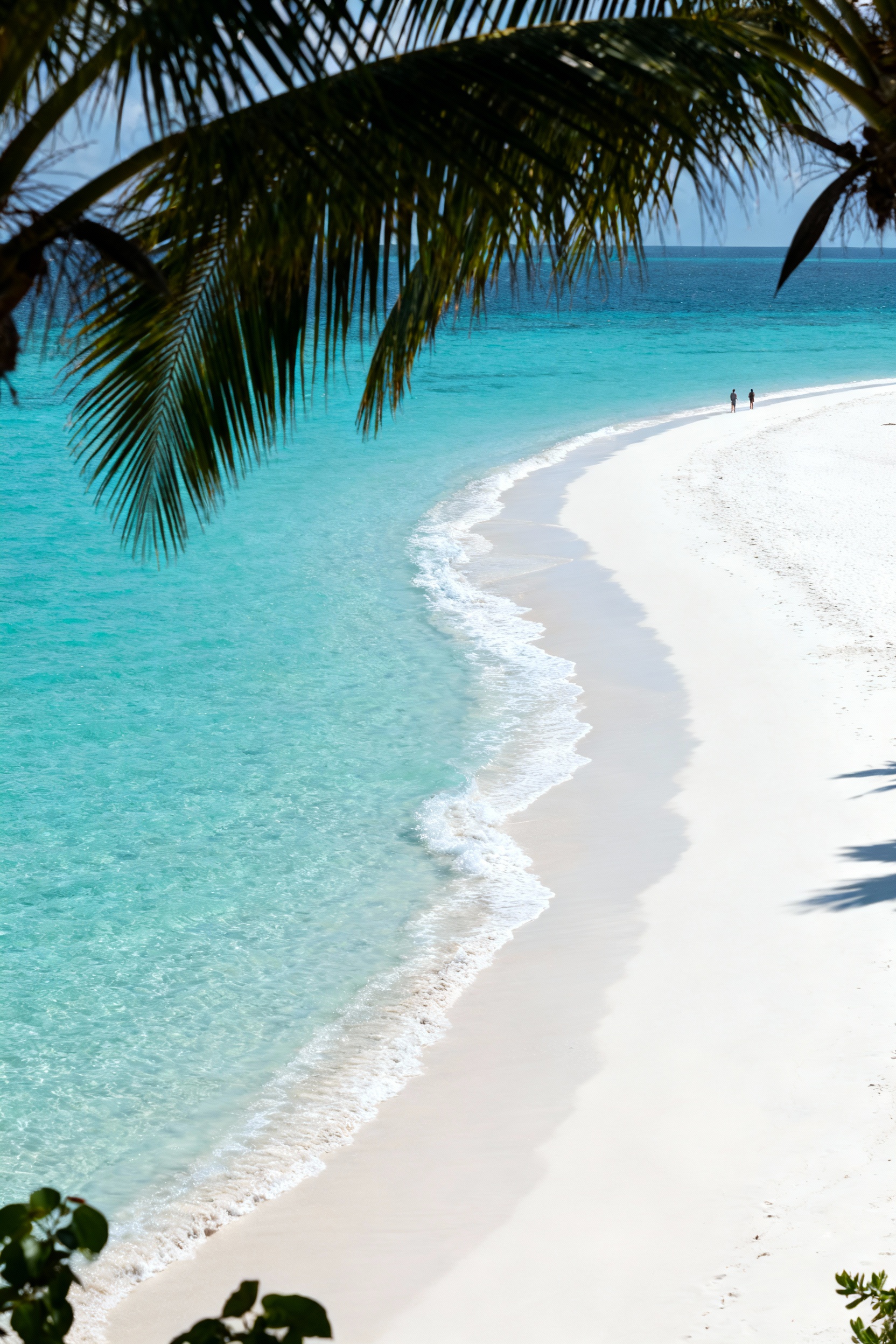
If you want one classic Big Island beach day with soft sand and clear water, make it Hapuna. Arrive mid-morning for easier parking, and check surf conditions before you commit to a long swim—some days are mellow, other days are “admire from shore.” Bring reef-safe sunscreen, water shoes if you’re sensitive to hot sand or rocky edges, and a shade setup (there isn’t always natural cover). It’s also a solid sunset spot, so consider timing your visit late afternoon if you’re not doing Mauna Kea that night.
5) Manta Ray Night Snorkel (Kona)
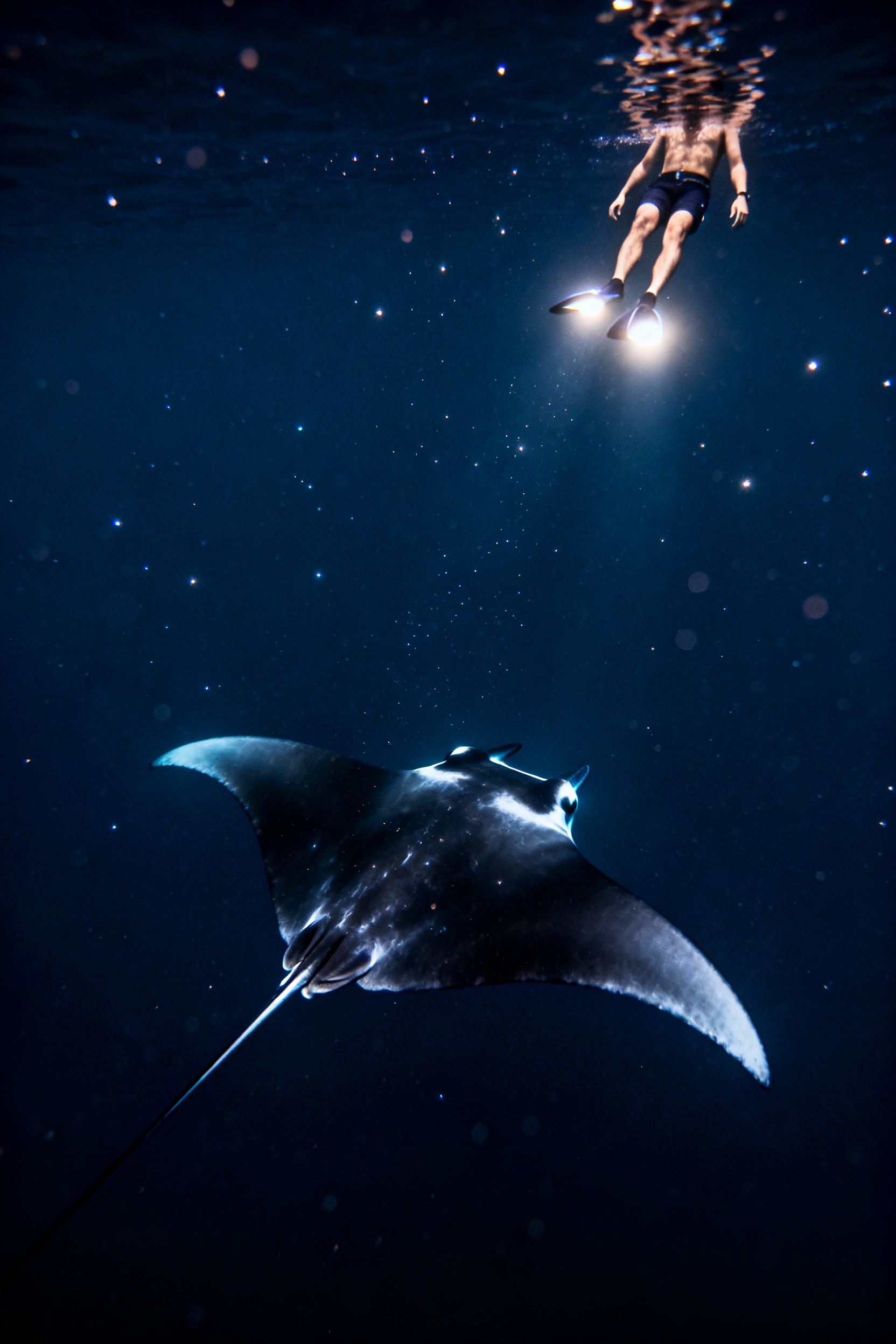
This is a bucket-list experience that’s surprisingly beginner-friendly: you float at the surface while manta rays glide beneath you. Book in advance, choose an operator with strong safety reviews, and pick an earlier evening slot if you get cold easily or want a calmer vibe. Bring a towel, dry layers for after, and motion-sickness meds if you’re even slightly prone—night ocean conditions can feel extra bouncy. If you don’t want to get in the water, some tours offer a ride-along option, but snorkeling is the main event.
FAQ
How many days do I need on the Big Island?
Plan for 5–7 days to do the highlights without living in your car. With 5 days, pick one home base (Kona or Waikoloa) and do one longer day trip to Volcanoes. With 7 days, split your stay between the Kona side (sunny) and Hilo side (lush, closer to the park).
Is it better to stay in Kona or Hilo?
Kona (and the Kohala Coast) is best for beaches, manta tours, and drier weather. Hilo is best for rainforest vibes, waterfalls, and quicker access to Hawaiʻi Volcanoes National Park. First-timers who want the “classic vacation” feel usually choose Kona; nature-forward travelers often add 1–2 nights in Hilo.
Do I need a rental car on the Big Island?
Yes—this island is big, and the best sights are spread out with limited public transportation. Book your rental early, especially for holidays and summer, and consider a vehicle with good comfort for longer drives. You don’t need 4WD unless you’re attempting specific rough roads (and many are not recommended).
What should I pack for the Big Island?
Pack beach gear plus layers: a light rain jacket, a warm layer for Mauna Kea, and sturdy walking shoes for lava terrain. Add reef-safe sunscreen, a reusable water bottle, and a small daypack. If you’re snorkeling, a rash guard is a game-changer for sun protection and warmth.
What’s one common mistake first-timers make?
Underestimating drive times and trying to do too much in one day. Build in buffer time for weather, road closures, and spontaneous stops (they happen), and don’t schedule Volcanoes + Mauna Kea summit in the same day unless you’re doing a guided tour with a clear plan. The Big Island rewards slower days.