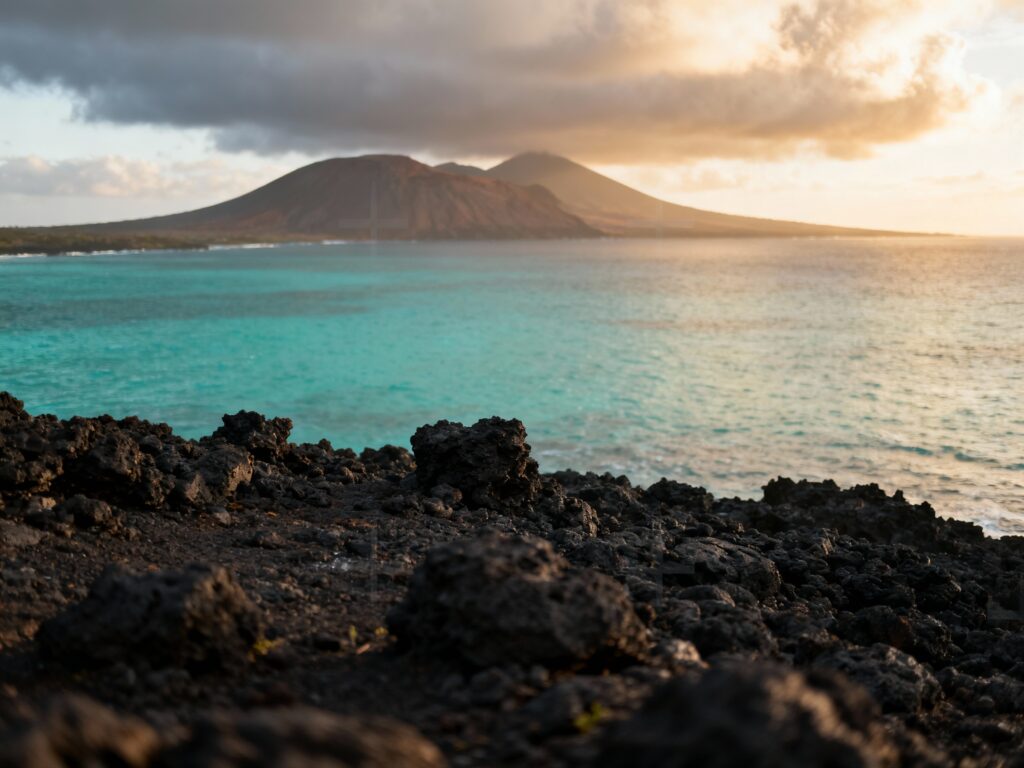
The Big Island isn’t a “one highlight” kind of place. It’s volcanoes and beaches, rainforest drives and stargazing—sometimes all in the same day.
If it’s your first time, these are the five experiences that deliver the biggest wow with the least guesswork (plus a few smart tips so you don’t waste a single vacation hour).
Top 5
1) Hawaiʻi Volcanoes National Park: Lava Landscapes & Craters
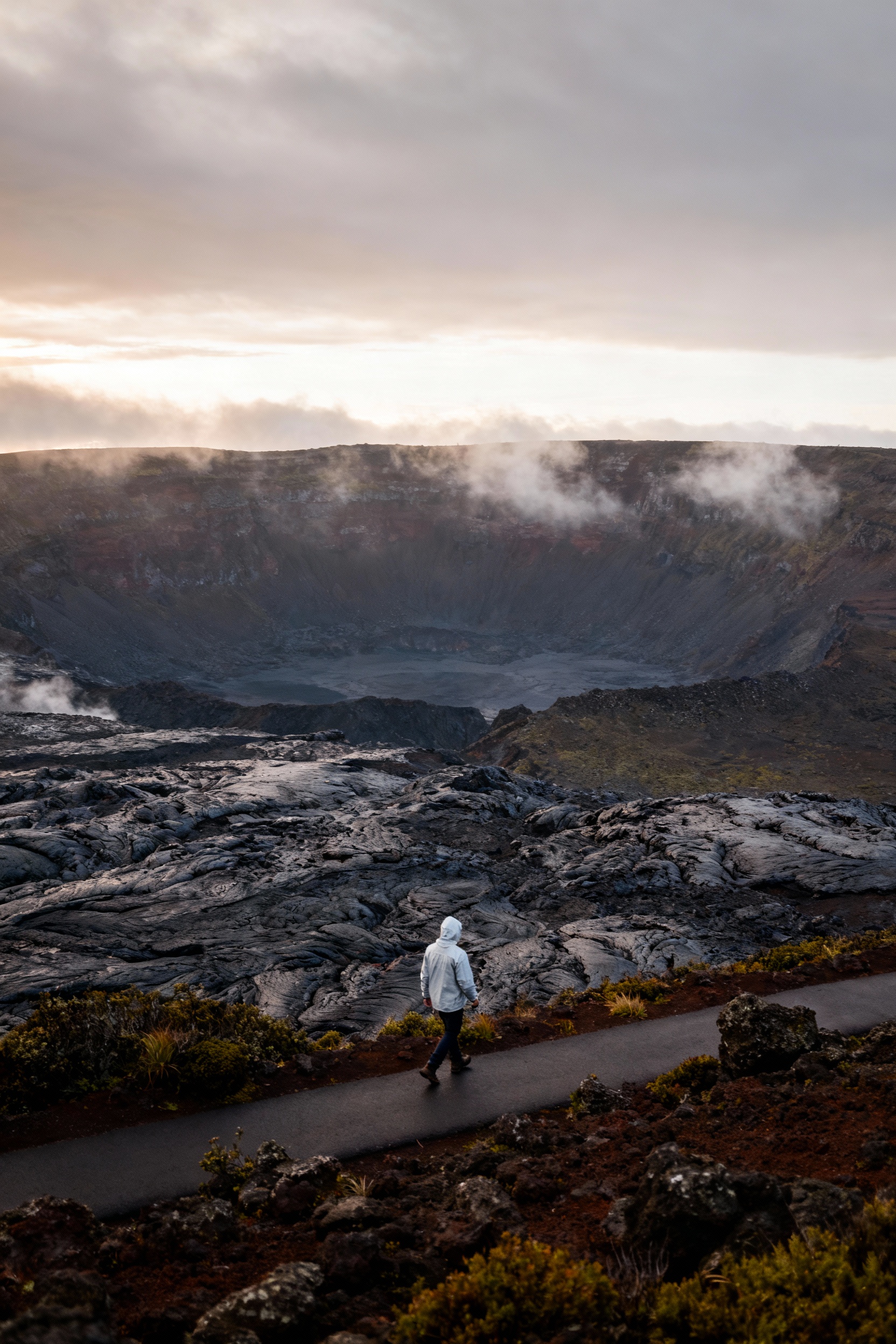
Start early and drive the Crater Rim routes, then walk the Kīlauea Iki Trail for an easy-but-epic crater hike (bring a light rain jacket—weather flips fast). Plan 4–6 hours if you want to do a short hike plus scenic stops. Check the NPS website the night before for closures and lava updates, and pack snacks because food options inside the park are limited. If you’re staying in Kona, it’s a long day trip—consider one night in Volcano Village to make it relaxed.
2) Mauna Kea Sunset + Stargazing (With a Tour)
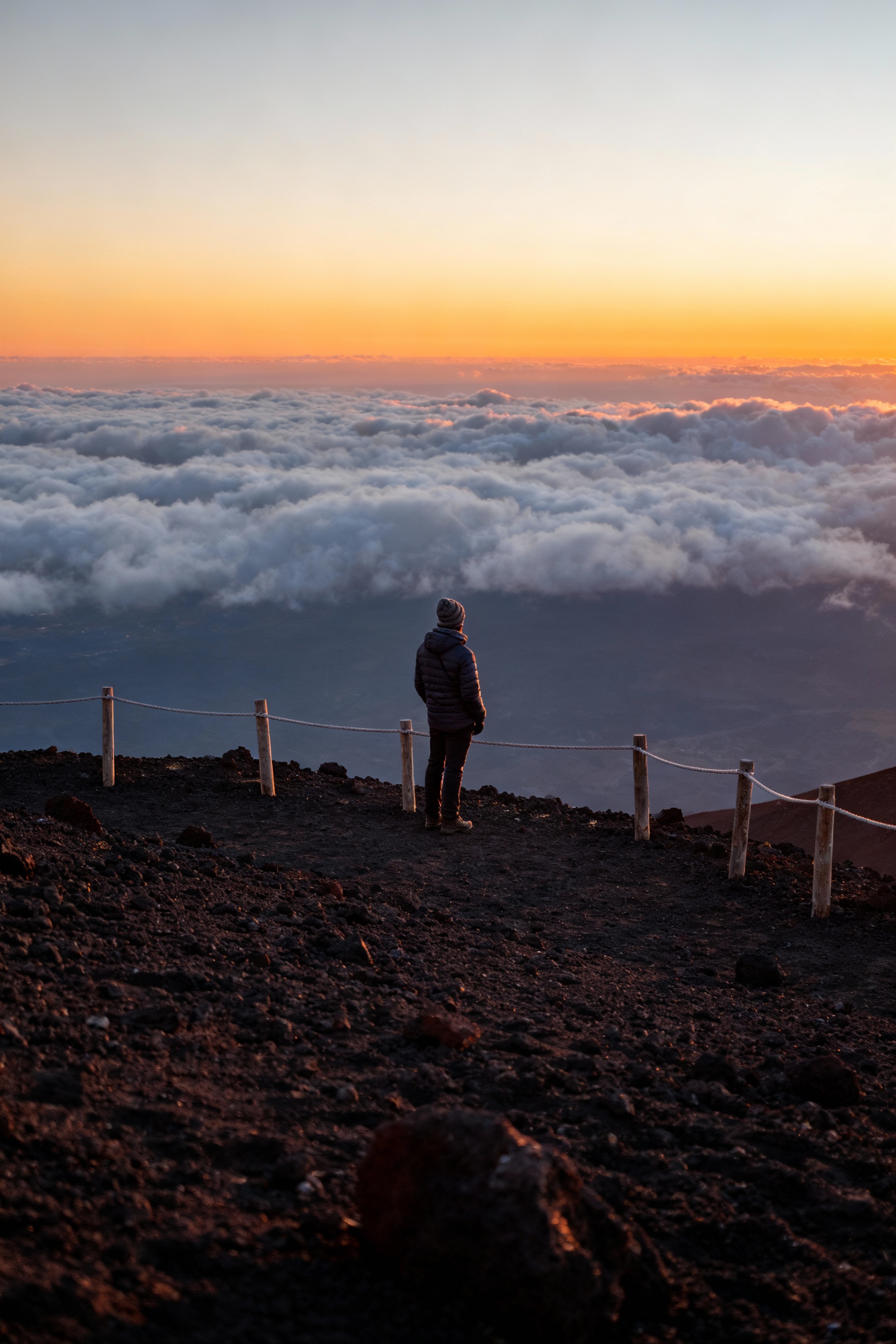
Mauna Kea is the “I can’t believe this is real” moment—sunset above the clouds and then a sky full of stars. Book a reputable guided tour if you’re not experienced with altitude; it’s safer, warmer (they provide parkas), and you’ll actually learn what you’re seeing. Expect serious cold even in summer: wear long pants and closed-toe shoes, and bring gloves if you run cold. Skip driving to the summit yourself unless you’re confident with 4WD rules and altitude considerations—most first-timers are happier at the Visitor Information Station with a guide.
3) Snorkel Kealakekua Bay (Captain Cook) by Kayak or Boat
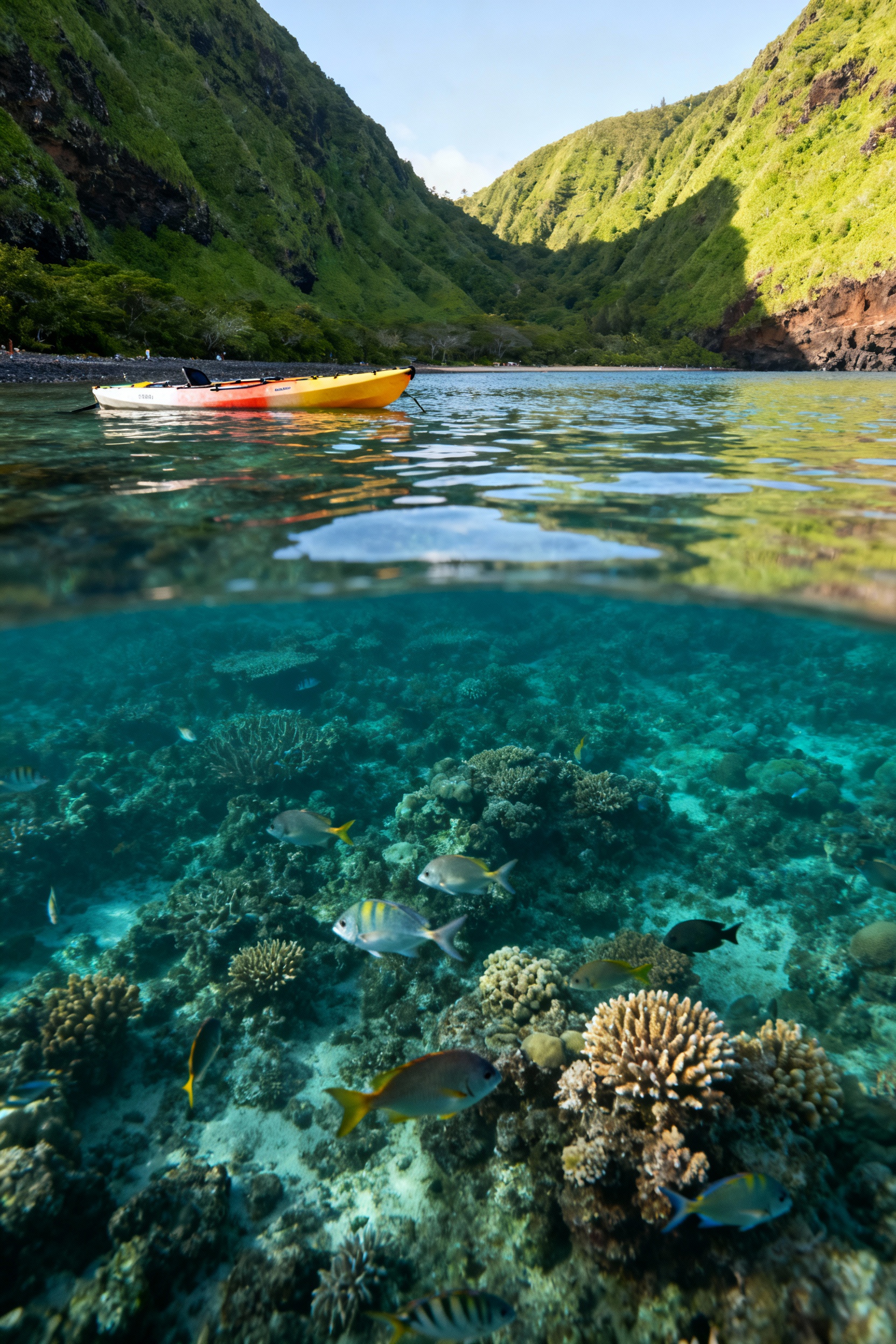
This is one of the clearest snorkel spots on the island, with vibrant fish and a strong chance of spotting spinner dolphins in the area (from a respectful distance). Go in the morning for calmer water and better visibility; afternoon winds can make it choppy. If you don’t want the workout, book a boat tour from Kailua-Kona; if you want an active day, a permitted guided kayak tour is a great pick. Pack reef-safe sunscreen, water shoes for rocky entries, and a dry bag for your phone.
4) Road Trip: Kona Coffee Country to Waimea (Scenic Upcountry Day)
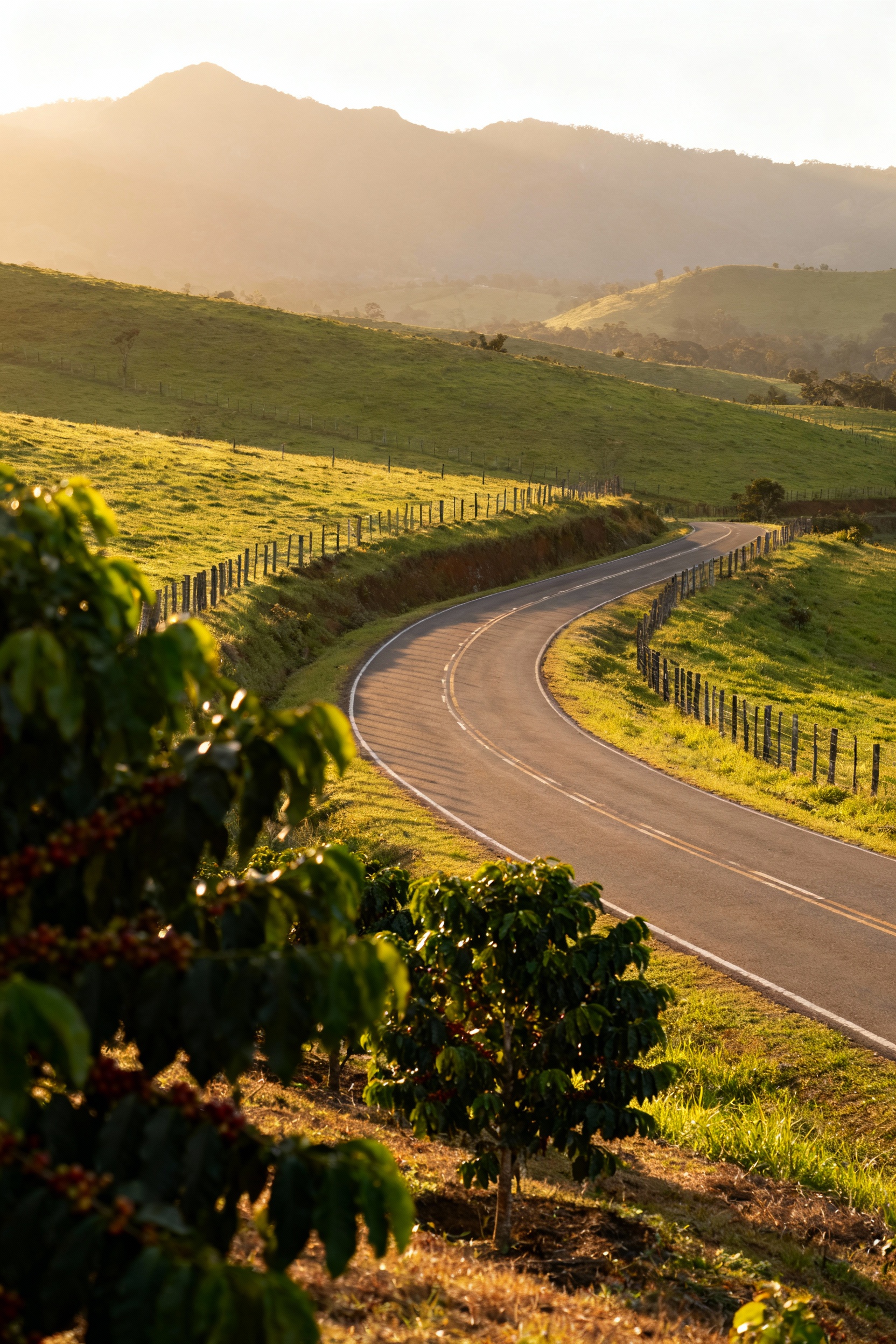
Trade the beach for an upcountry cruise: start in Holualoa or Captain Cook for a coffee farm tasting, then drive toward Waimea for cooler air and big ranch views. Aim for weekday mornings for fewer crowds at farms, and call ahead if you want a full tour (some are walk-in tasting only). In Waimea, grab lunch and browse local shops—this area feels like a different island altogether. Bring a light layer; the temperature drop from Kona can be real.
5) Waterfall + Rainforest Day in Hilo (Akaka Falls + Downtown Eats)
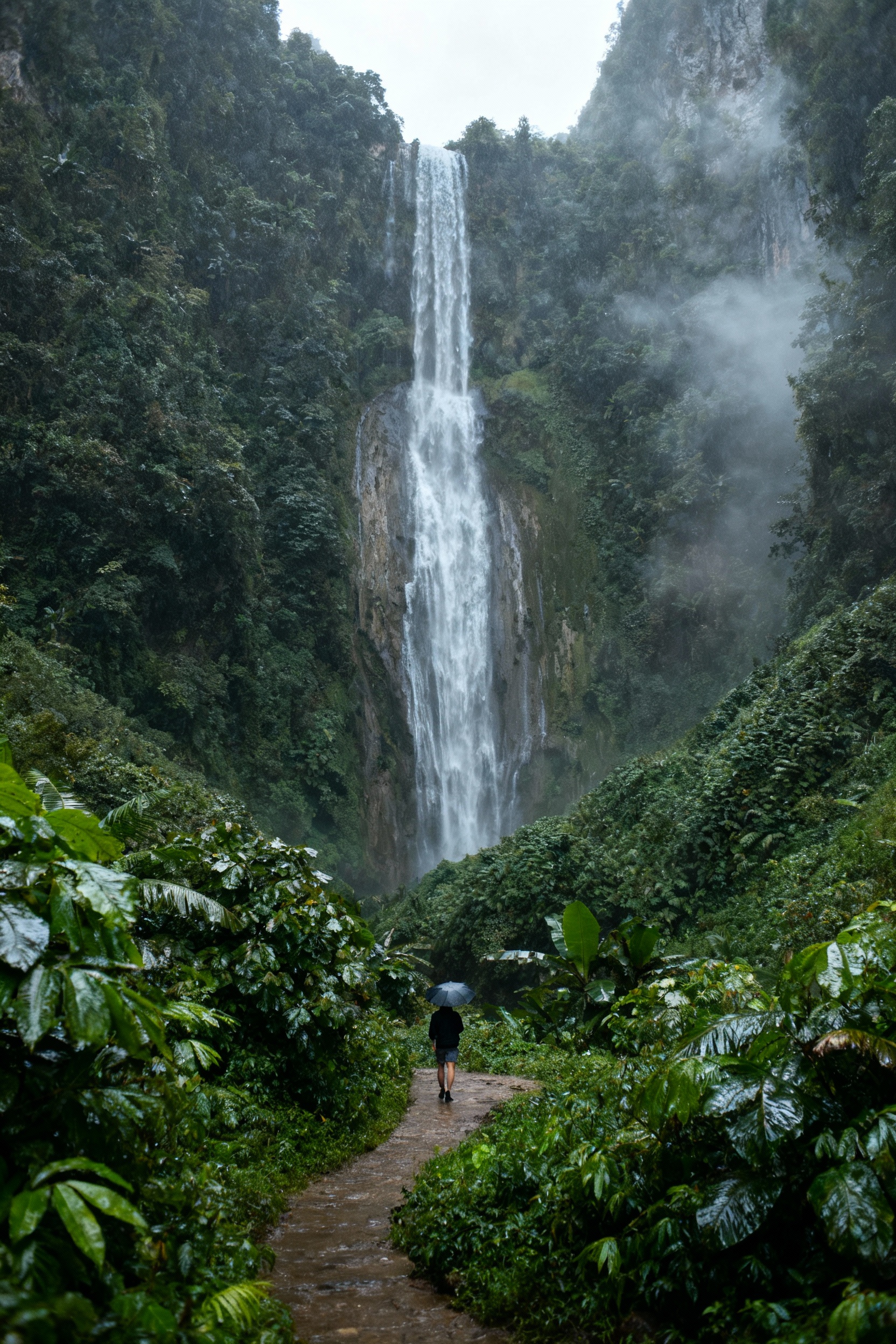
Hilo is lush, local, and perfectly green—plan a “rain doesn’t ruin it” day here. Hit ʻAkaka Falls State Park in the morning, then drive the Hamakua Coast for pullouts and views; keep a small umbrella in your car and wear shoes you don’t mind getting damp. After, wander downtown Hilo for cafés, shaved ice, and the farmers market vibe (best earlier in the day). If you’re short on time, skip trying to cram Hilo and Volcanoes into one rushed loop—each deserves its own pace.
FAQ
How many days do I need on the Big Island for a first trip?
Plan 5–7 days for a solid first-timer itinerary: 2–3 days based in Kona (snorkel, coffee country, west side beaches) and 2–3 days based in Hilo/Volcano (rainforest, waterfalls, national park). If you only have 3–4 days, pick one home base and do fewer long drives.
Is it better to stay in Kona or Hilo?
Kona is sunnier with easier access to snorkeling and classic resort-style beaches. Hilo is closer to waterfalls, lush scenery, and Hawaiʻi Volcanoes National Park. Many first-timers love splitting the stay to cut down on drive time and see both sides.
Do I need a rental car on the Big Island?
Yes—almost always. The Big Island is, well, big, and public transportation won’t realistically cover the top sights on a vacation schedule. Book early, especially for peak seasons, and consider an SUV if you’re packing beach gear and doing lots of day trips (you don’t need 4WD for most itineraries).
When is the best time to go snorkeling?
Morning is typically best for calmer water and clearer visibility, especially on the Kona side. Check daily ocean conditions, and don’t force it if surf is up—choose a protected bay or book a boat tour that can adjust locations. Always use reef-safe sunscreen and never touch coral.
What should I pack for these Big Island experiences?
Bring a light rain jacket, a warm layer for Mauna Kea, sturdy walking shoes, and reef-safe sunscreen. Add a reusable water bottle, a dry bag for boat/snorkel days, and a swimsuit you can comfortably wear under clothes for quick beach stops. If you’re doing Volcanoes, toss in a small flashlight or headlamp for late-day walks.