
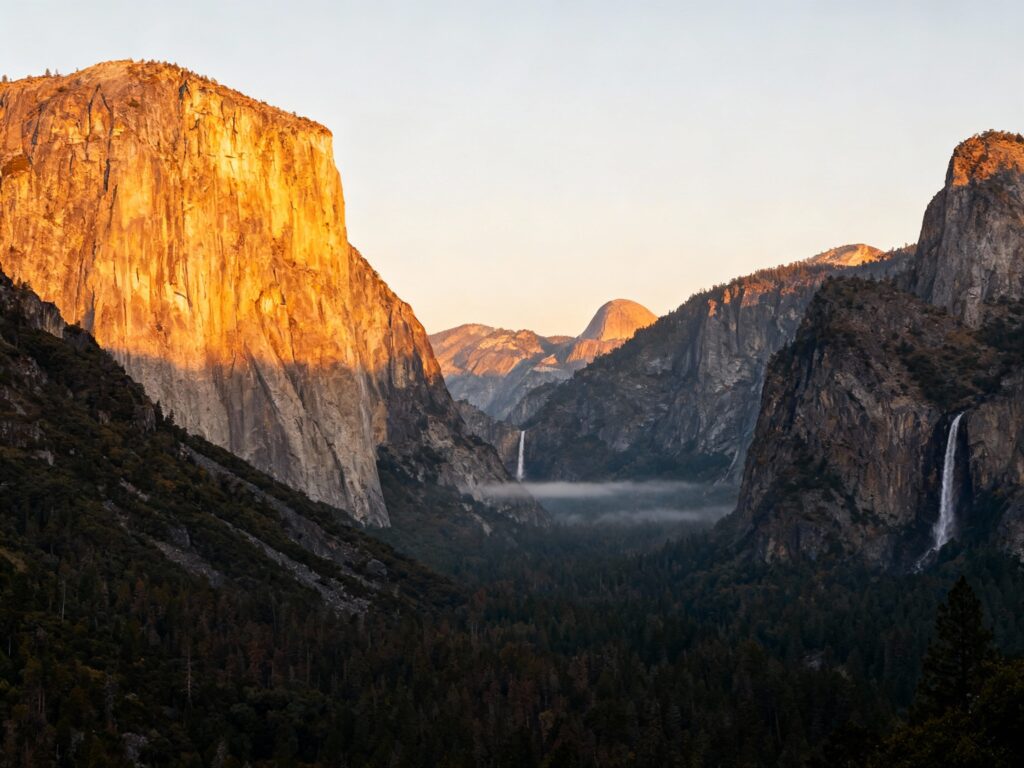
Yosemite at sunrise hits different: calmer trails, softer light, and that quiet-before-the-park-wakes-up vibe that makes every photo feel extra intentional. If you’re shooting your first Yosemite sunrise, the trick is picking viewpoints you can actually reach in the dark—without turning your morning into a stress test.
Below are five sunrise locations that consistently deliver for photographers, plus exactly what time to show up, what to pack, and what to know about access.
Top 5
1) Tunnel View
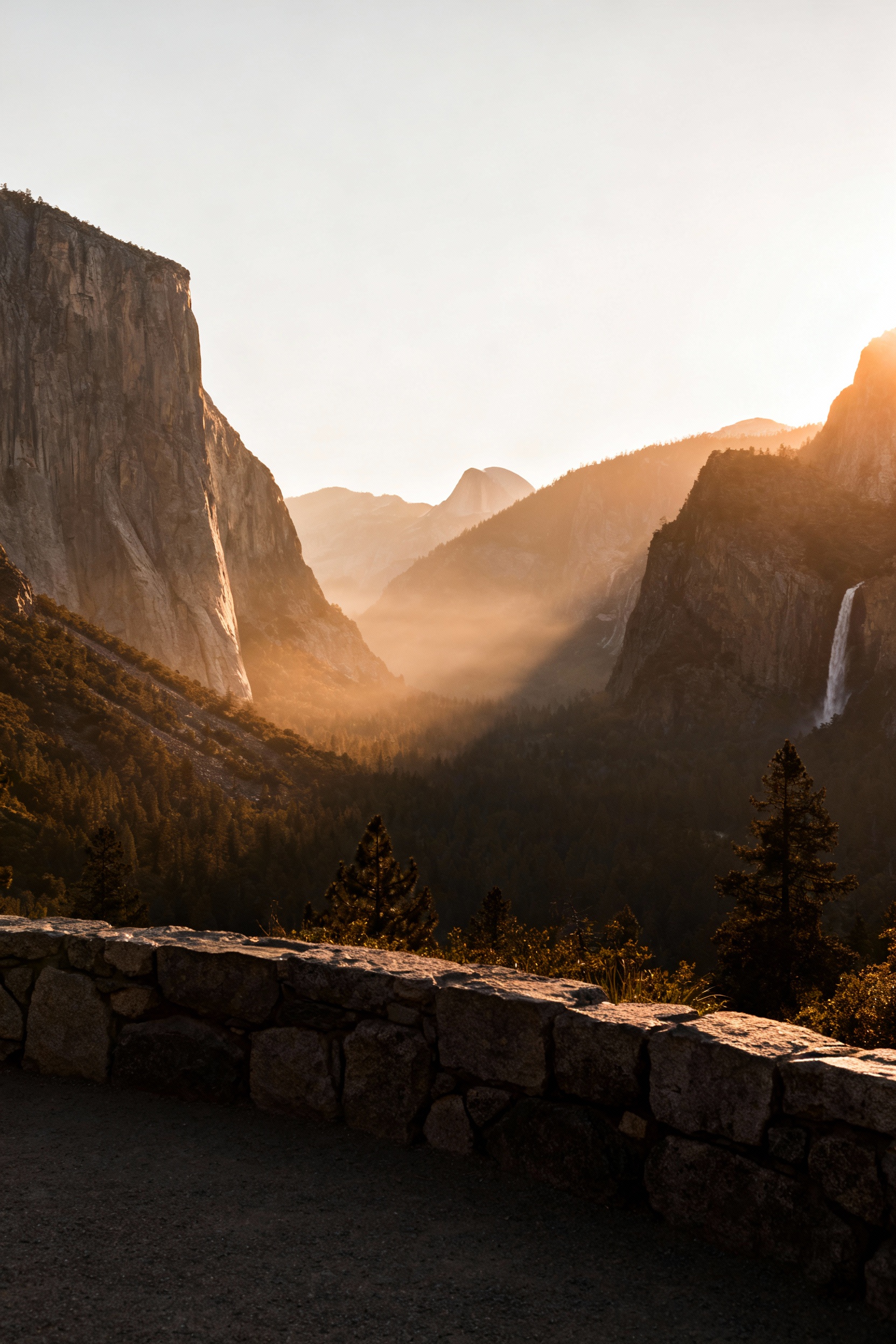
This is the classic Yosemite Valley panorama (El Capitan, Half Dome, Bridalveil Fall) and it’s one of the easiest sunrise wins for first-timers. Arrive 45–60 minutes before sunrise to claim a spot and catch the color shift as the sky warms up—parking is limited and fills fast. Pack a tripod and a mid-range zoom (24–70mm is perfect), and bring a headlamp for walking around safely in the dark. If you’re visiting in winter, check for icy patches in the lot and along the roadside pullouts.
2) Valley View (Gates of the Valley)
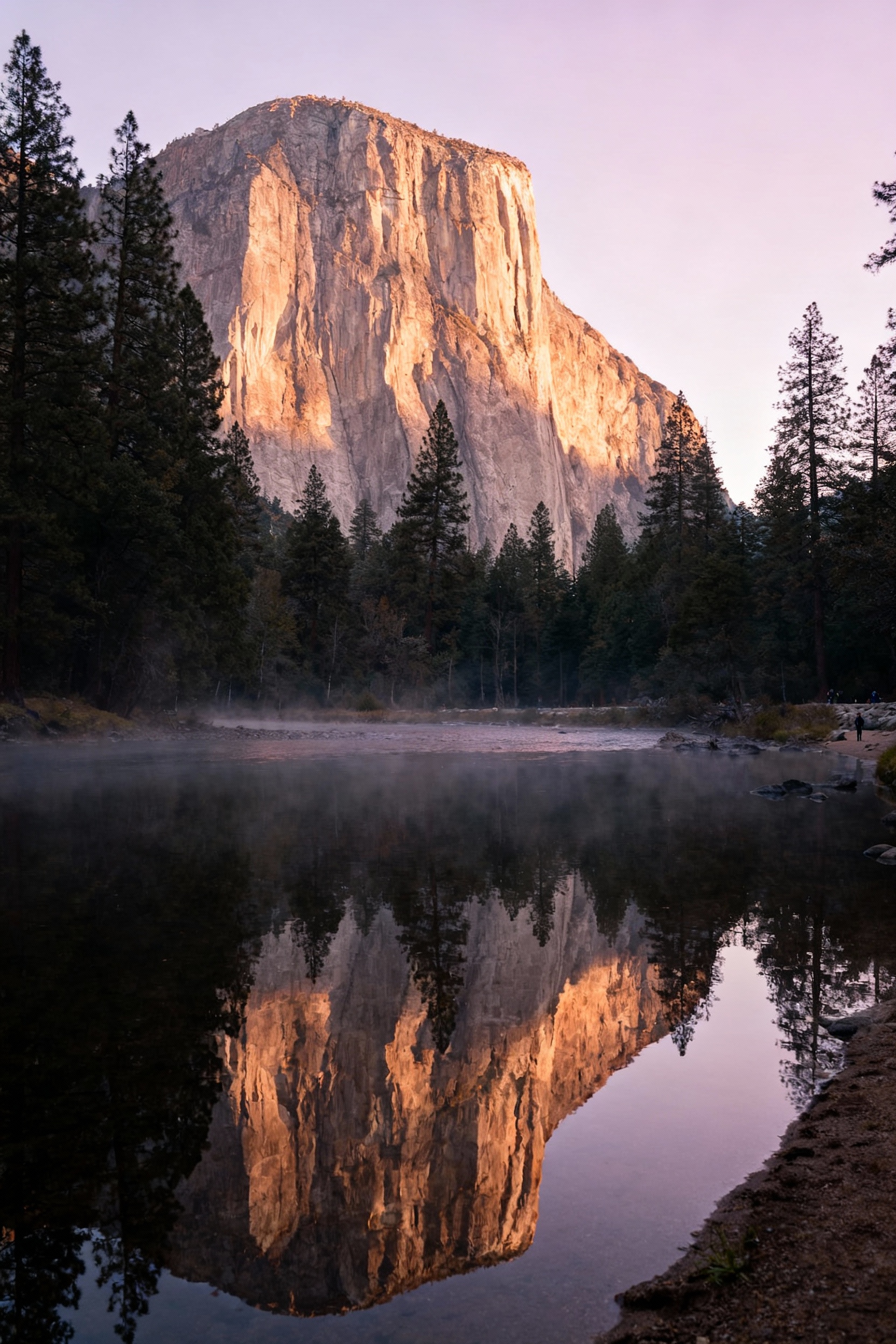
Valley View gives you a quieter, lower-angle sunrise scene with the Merced River reflections and a clean look at El Capitan—especially gorgeous when the water is calm. Show up 30–45 minutes before sunrise; it’s a small pullout and one of the first to fill because it’s so quick to access. A polarizing filter helps manage glare on the river, and waterproof boots are smart if you want to step closer to the shoreline for a better reflection. If the pullout is packed, don’t block traffic—loop back once or twice as people leave after the first light.
3) Cook’s Meadow Loop (Half Dome View)
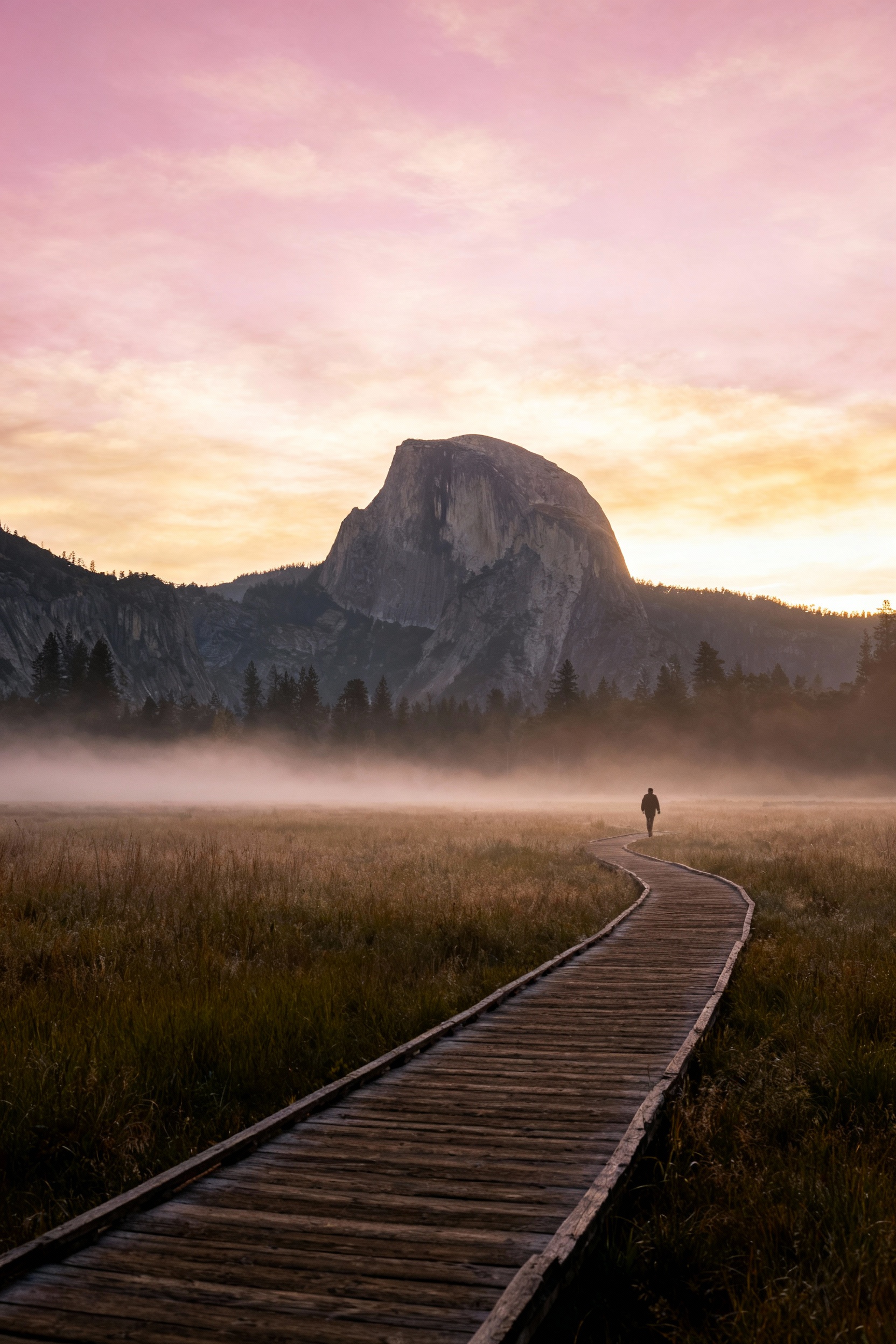
For a peaceful, “wide-open meadow” sunrise with Half Dome floating in the distance, Cook’s Meadow is a low-effort, high-reward option. Start at one of the Yosemite Valley shuttle stops nearby and walk the flat boardwalk/paths about 30 minutes before sunrise so you can pick a composition without rushing. Bring a wide lens for the full scene and a telephoto (70–200mm) if you want to compress the layers of trees and granite. This is also one of the best places to shoot misty mornings—pack a microfiber cloth because your lens can fog up fast.
4) Glacier Point (When the Road Is Open)
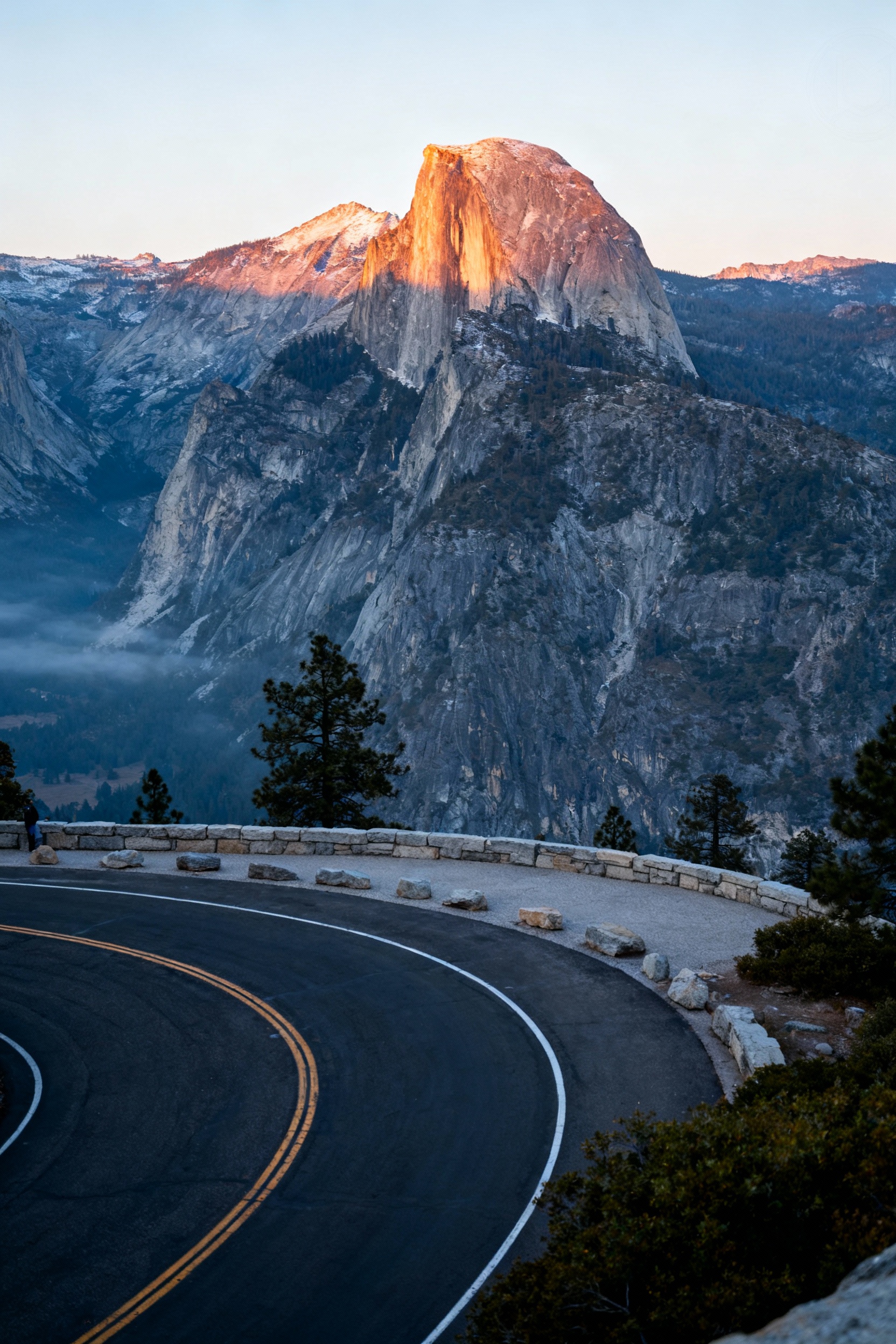
Glacier Point is the “jaw-drop” sunrise viewpoint overlooking Half Dome and the entire valley, but it’s seasonal—confirm Glacier Point Road status before you plan your morning. If it’s open, aim to arrive 60–90 minutes before sunrise; it’s a popular spot and you’ll want time to set up and scout angles along the railings. Dress warmer than you think you need (it’s much colder at elevation), and pack a thermos plus gloves that still let you use your camera controls. For a smoother morning, stay in or near Yosemite the night before so you’re not doing a long pre-dawn drive.
5) Taft Point (Short Hike, Huge Payoff)
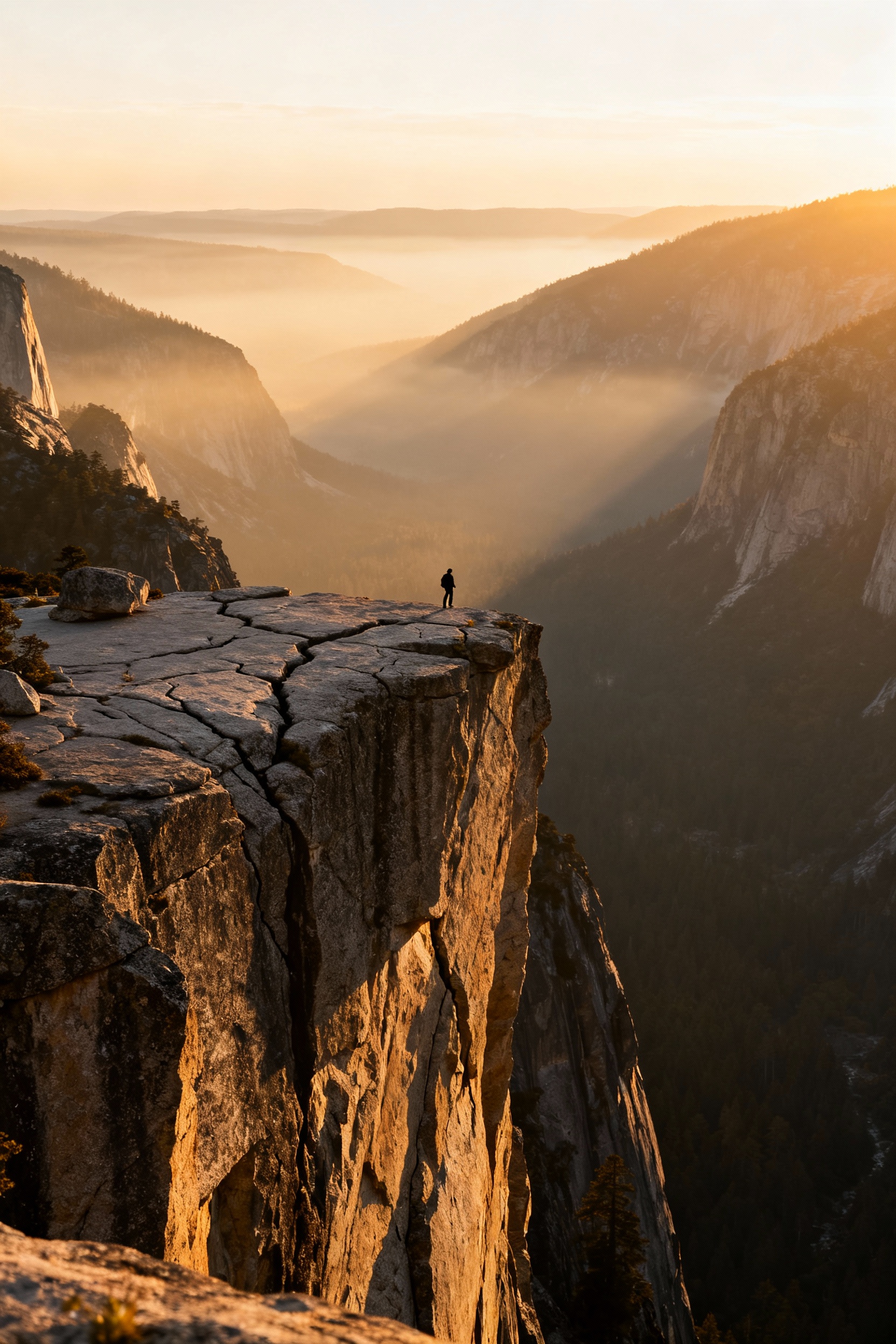
Taft Point is a short hike with dramatic cliff-edge views and deep valley drop-offs that feel unreal at sunrise, but it requires more planning because you’re hiking in the dark. Start 60–90 minutes before sunrise with a headlamp (plus a backup light) and keep your group close—there are exposed edges and it’s not the place to wander off-trail for “one more angle.” A wide lens is ideal for the fissures and sweeping views, and a tripod helps if you want silhouettes or longer exposures as the sky brightens. Check trail conditions and avoid this one in high winds or icy conditions; safety beats any shot.
FAQ
What time should I arrive for sunrise photos in Yosemite?
Plan to be parked and ready 45–60 minutes before official sunrise for Valley viewpoints, and 60–90 minutes early for places that require hiking or have limited parking. That gives you time for scouting, setting up a tripod, and catching the best color that often happens before the sun crests the horizon.
Do I need a reservation or permit for sunrise photography?
For most viewpoints in Yosemite Valley, you just need park entry. Permits come into play for wilderness areas, special activities, or certain peak-season entry systems—always check the current Yosemite National Park website for reservation requirements for your dates.
What camera gear should I bring for Yosemite sunrise?
A wide-angle lens (around 16–35mm) plus a mid-range zoom covers most sunrise scenes, and a tripod is worth it for low light. Bring a headlamp, extra batteries (cold drains them fast), and a microfiber cloth for fog or spray near rivers and falls.
Where should I stay to make sunrise easier?
Staying inside Yosemite Valley (or as close as you can) makes early mornings dramatically less stressful. If lodging is booked, look at nearby gateway towns like El Portal, Yosemite West (limited), or Oakhurst, but build in extra drive time and possible delays at entrances.
What should I skip if I only have one morning?
If you have one sunrise, skip complicated hikes and go for a guaranteed, easy-access classic like Tunnel View or Valley View. You’ll spend less time navigating and more time shooting, and you can always add a hike later in the day when visibility and safety are better.