
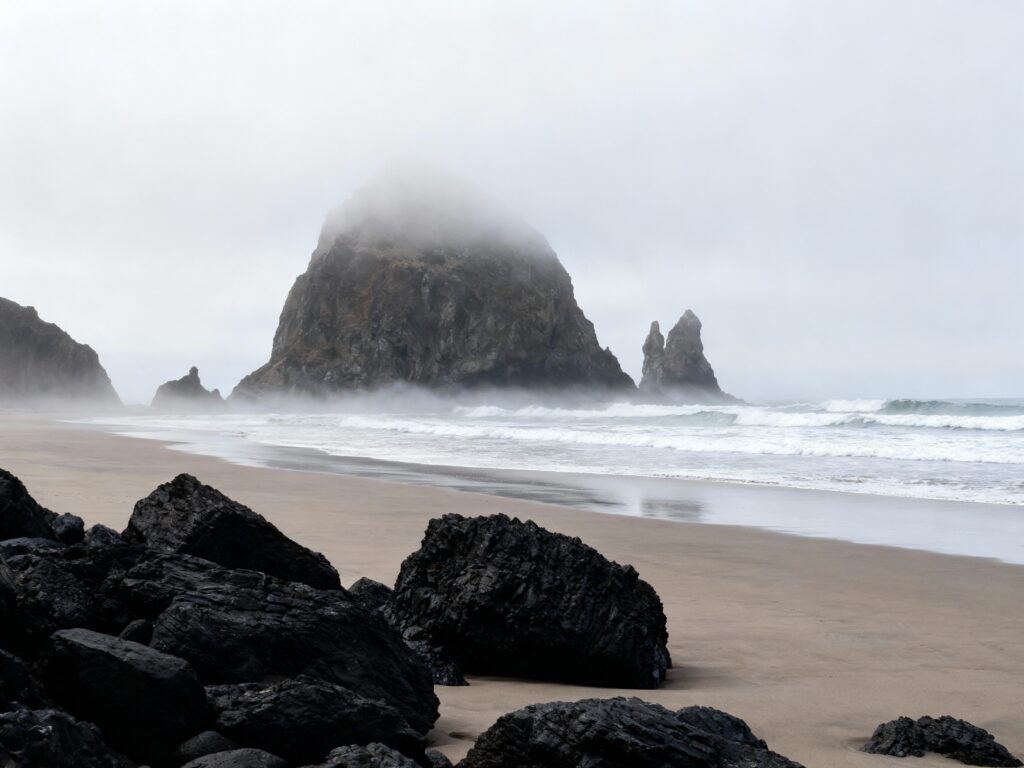
Oregon’s coast is the kind of place that makes you want to wake up early, chase foggy viewpoints, and end the day with salt air in your hair and chowder on your sweatshirt. It’s wild, moody, and ridiculously scenic—plus it’s packed with adventures that feel big without requiring expert-level skills.
Below are five coastal experiences that are perfect for first-timers: a mix of hikes, water time, wildlife, and iconic views. Plan for layers, expect weather changes, and keep a little flexibility in your schedule—because the best moments here are often spontaneous.
Top 5
1) Tidepooling at Haystack Rock (Cannon Beach)
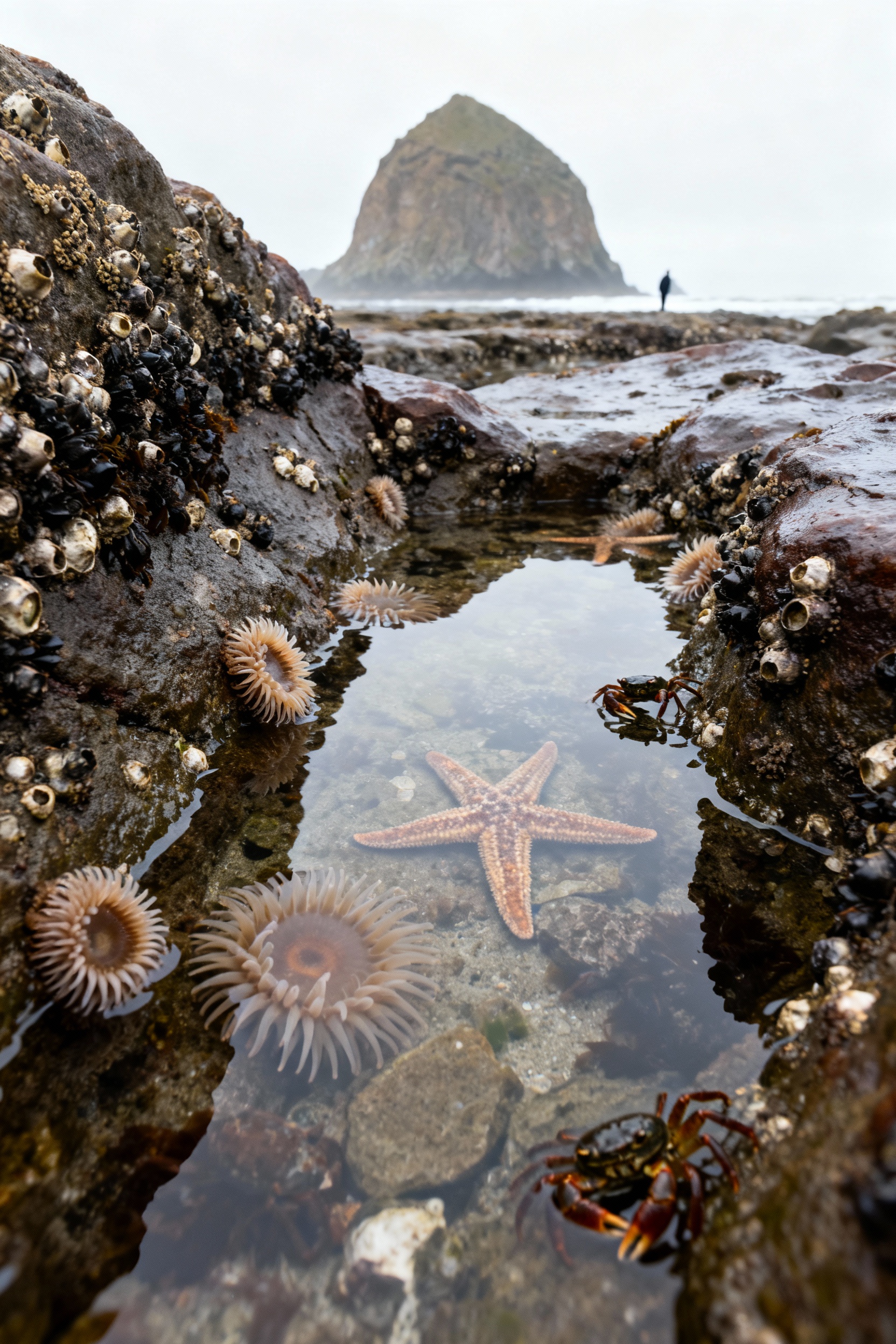
Time this for low tide and you’ll get an up-close look at anemones, sea stars, and tiny crabs in the exposed tidepools around Haystack Rock. Check the tide chart the night before (aim for a tide under +1.0 ft if you can), and wear shoes that can handle slippery rocks—no cute flat soles. Park early in Cannon Beach during summer weekends, then warm up after with coffee on Hemlock Street.
2) Kayaking the Sea Caves in Depoe Bay
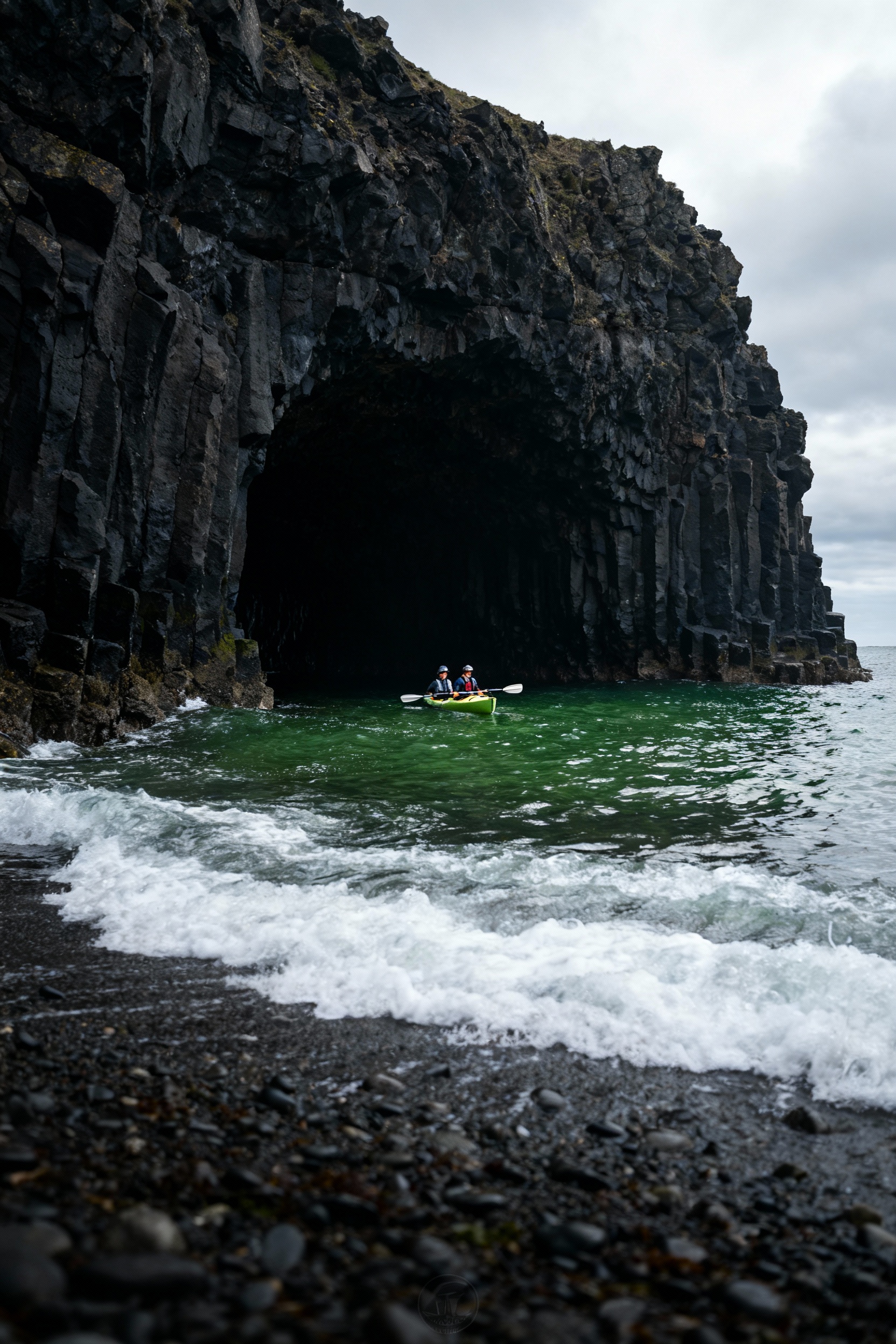
Depoe Bay calls itself the “world’s smallest harbor,” and it’s a surprisingly fun base for a coastal paddle. Book a guided kayak tour if it’s your first time on the ocean—conditions change fast, and local guides know where it’s safe to explore sea caves and kelp-lined coves. Dress for splash (quick-dry layers), pack a dry bag for your phone, and go in the morning when winds are usually calmer.
3) Hiking the Cape Perpetua Scenic Area (Yachats)
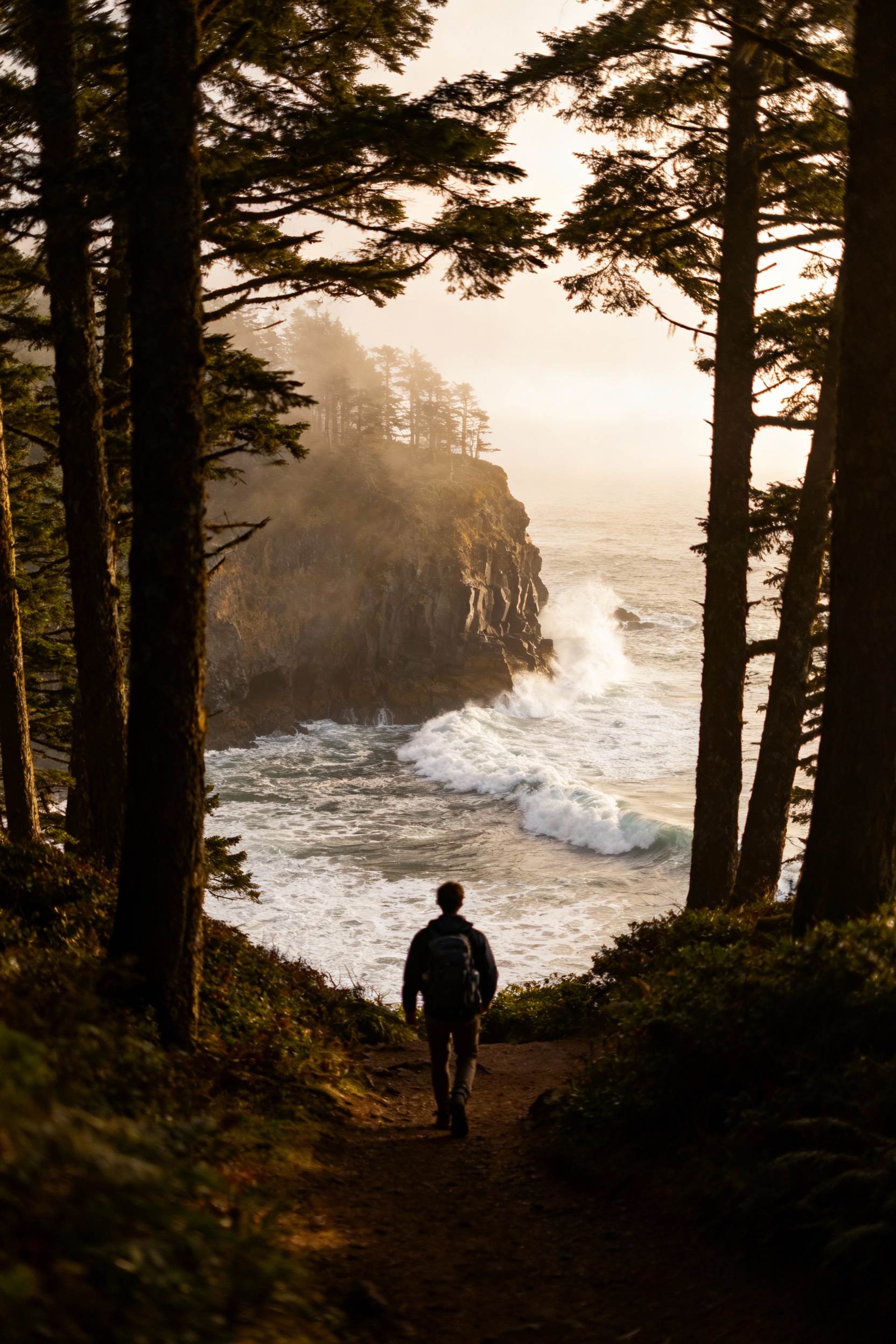
If you want the “wow” factor without a full-day trek, Cape Perpetua delivers: forest trails, cliff views, and dramatic surf spots like Thor’s Well and the Spouting Horn. Start at the Cape Perpetua Visitor Center, then do a loop that includes a viewpoint and one shoreline stop—just stay well back from sneaker-wave zones. Go near sunset for golden light, but bring a headlamp if you’re lingering and expect limited cell service.
4) Dune Buggying or Sandboarding at Oregon Dunes (Florence)

The Oregon Dunes National Recreation Area is pure adrenaline with a side of epic scenery—think rolling sand hills right next to coastal forests. For an easy entry, book a guided ATV/UTV ride out of Florence or nearby communities so you don’t have to worry about routes or permits. Wear sunglasses, closed-toe shoes, and a buff or mask for wind-blown sand, and avoid peak afternoon heat in summer by going earlier.
5) Whale Watching from Shore in Depoe Bay or Cape Kiwanda
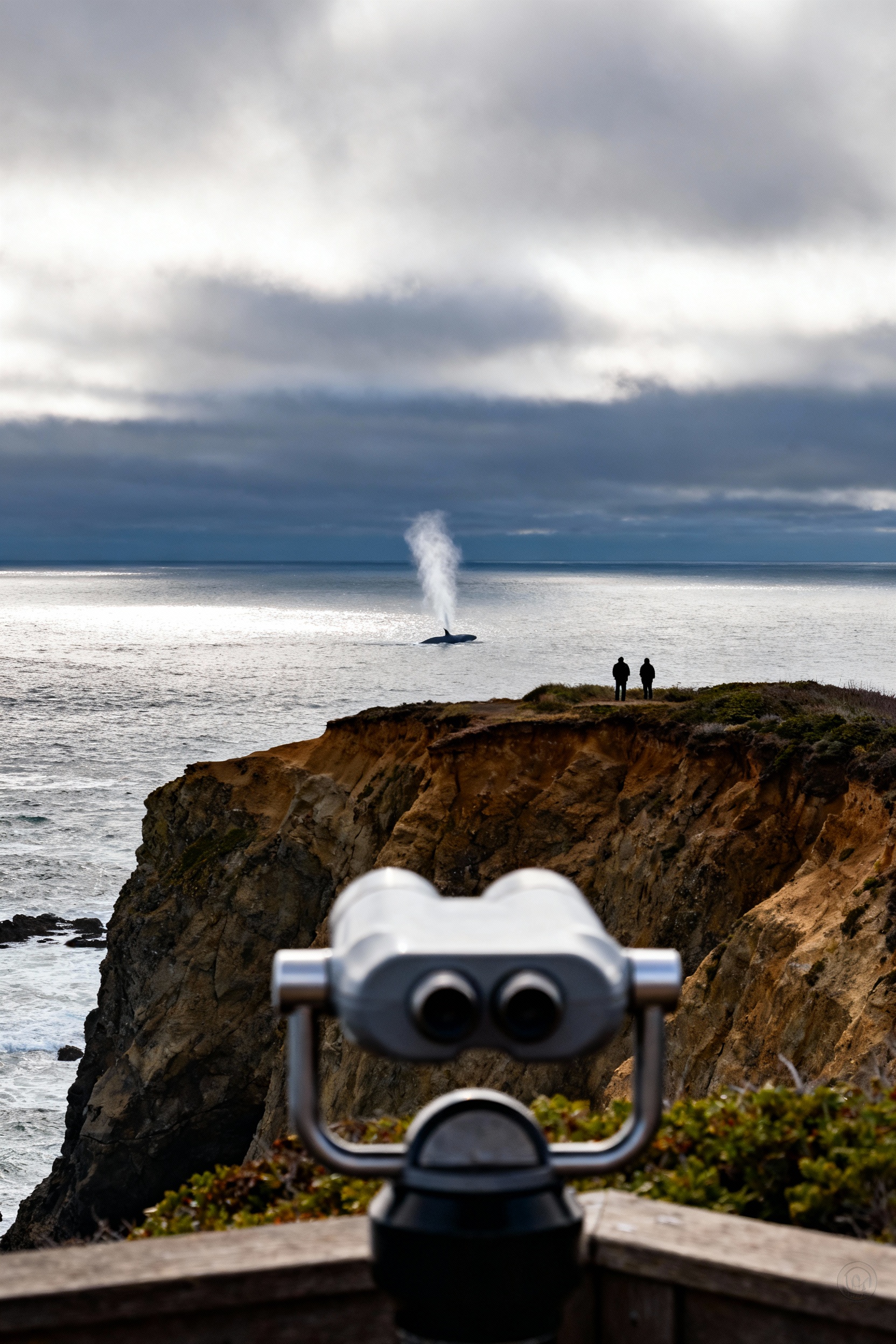
You don’t need a boat to see whales on the Oregon coast—shore viewing can be incredible, especially during migration seasons. For the best odds, bring binoculars and post up for at least 30–60 minutes; look for spouts (brief “puffs” on the horizon) and bird activity. Winter and spring are prime, but even in summer you can catch resident gray whales—just dress warm because the wind will humble you.
FAQ
When is the best time to visit the Oregon coast?
Late spring through early fall is the easiest for road-tripping and long outdoor days, but it’s also busier. Winter is stormy and dramatic (great for cozy stays and big waves), while shoulder seasons often give you fewer crowds and still-solid weather—just plan for rain and wind any month.
Do I need a 4WD vehicle for coastal adventures?
Not for most of the coast—highways and beach towns are easy with a normal car. You only need 4WD if you’re planning to drive on sand in designated areas (and even then, it’s smart to go with a guided tour). For dunes and remote trailheads, prioritize good tires and extra time over a specific vehicle type.
What should I pack for Oregon’s coast?
Pack layers you can mix: a light puffer or fleece, a waterproof shell, and quick-dry basics. Add grippy shoes for wet trails, a beanie, and a small daypack with snacks and water. If tidepooling or kayaking is on your list, bring a dry bag and a towel for the car.
How do I stay safe around the ocean in Oregon?
Respect sneaker waves: stay far back from the waterline on rocky shorelines and never turn your back on the ocean. Avoid climbing on driftwood logs near the surf—they can roll fast. If you’re on a beach with steep drop-offs, keep extra distance because waves can surge up suddenly.
How many days do I need for a first Oregon coast trip?
Three days is a solid starter for one region (like Cannon Beach to Tillamook, or Yachats to Florence). Five to seven days lets you road-trip a bigger stretch with time for hikes, viewpoints, and slower mornings. Build in buffer time because you’ll want spontaneous stops—every other pullout is basically a postcard.