
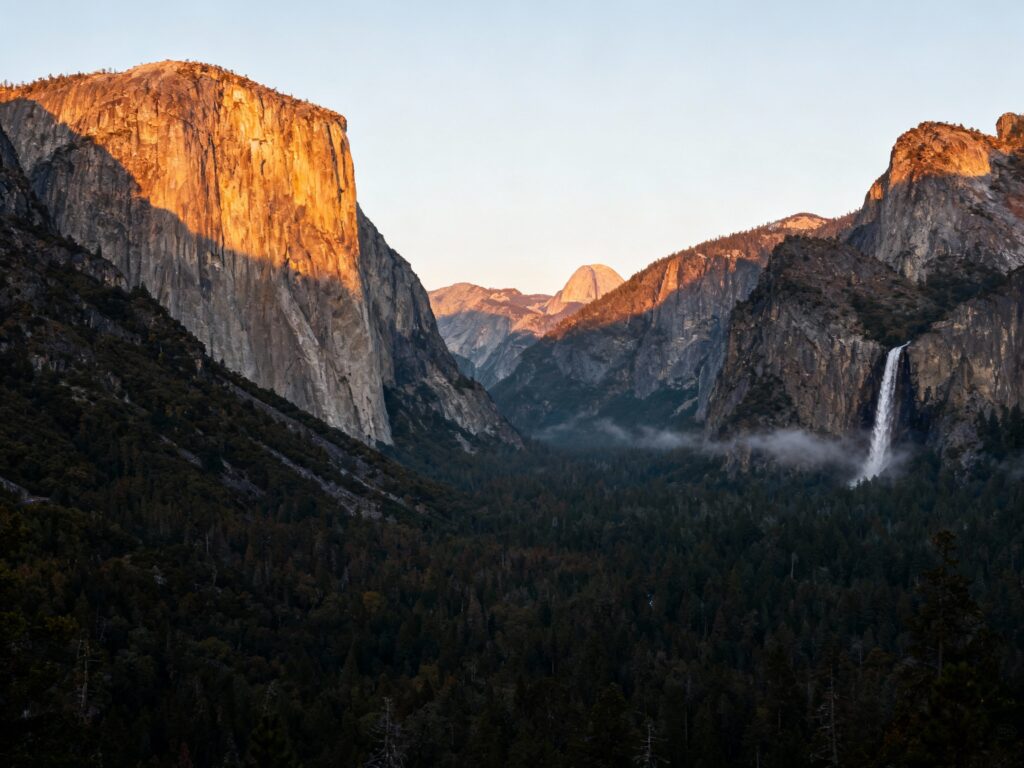
Yosemite is one of those places that looks unreal in photos and somehow looks even better in real life. If it’s your first visit, the options can feel endless—so here are the five experiences that give you the biggest “this is why I came” moments.
These are beginner-friendly, iconic, and totally doable with a little planning. Mix a couple of big-view stops with one solid hike and you’ll leave feeling like you actually did Yosemite, not just drove through it.
Top 5
1) Tunnel View at Sunrise (or Golden Hour)
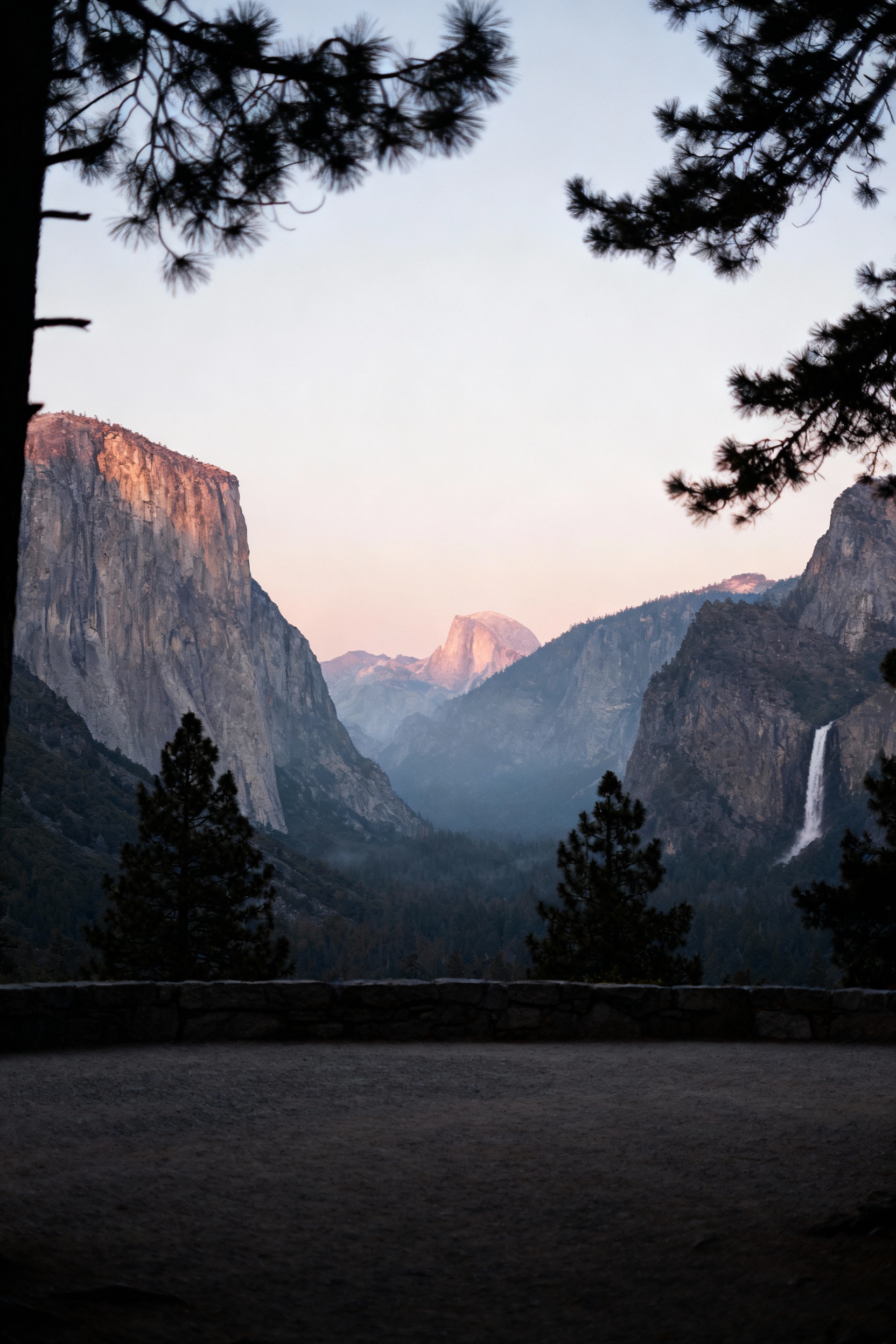
This is the classic Yosemite postcard view: El Capitan on the left, Bridalveil Fall on the right, Half Dome peeking in the distance. Go at sunrise for fewer crowds and soft light, or near sunset for that warm glow (just expect more people). Bring a layer even in summer—Valley mornings can be chilly—and don’t forget binoculars if you want to spot climbers on El Cap.
2) Hike the Mist Trail to Vernal Fall (and Maybe Nevada Fall)
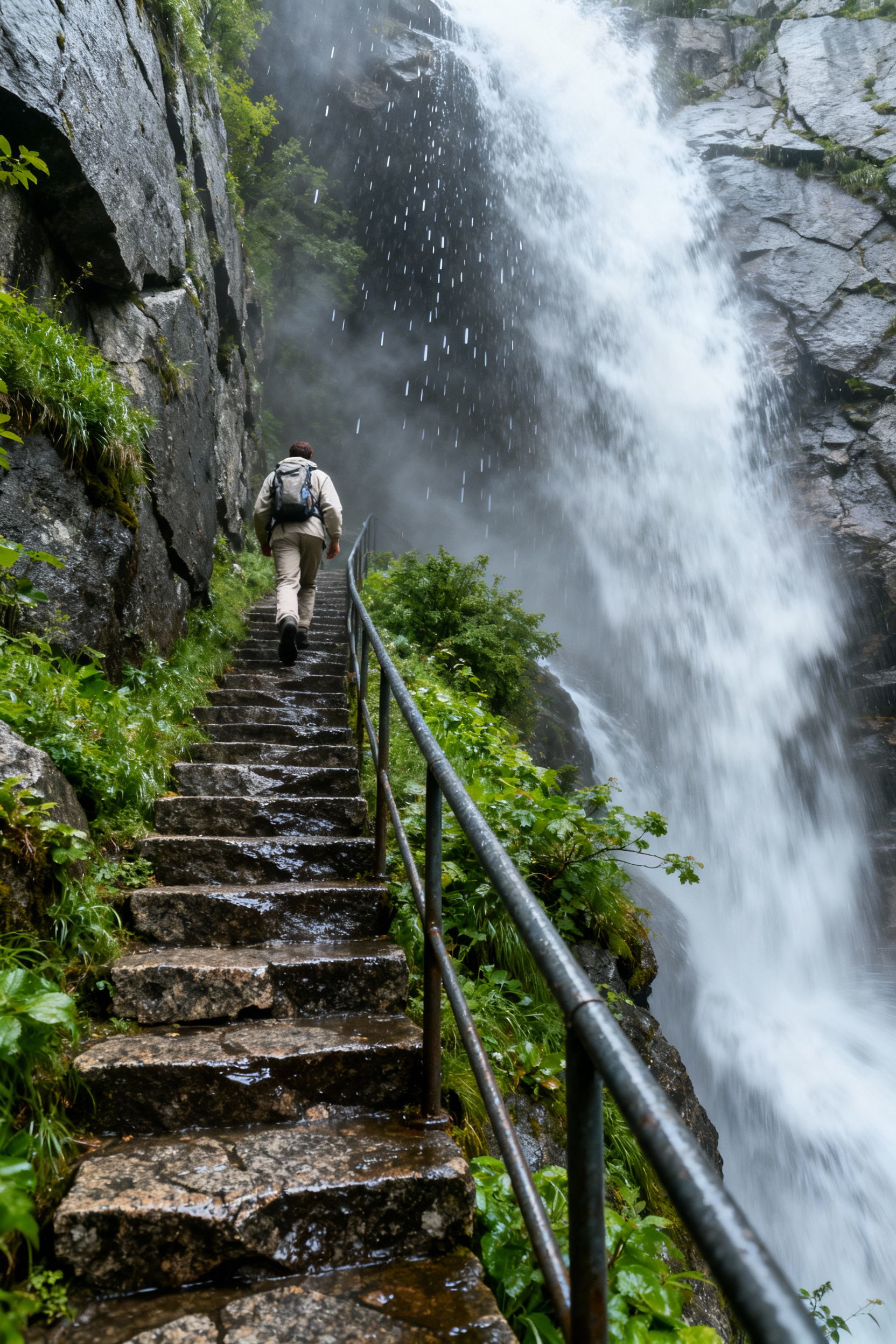
If you only do one hike, make it this one: loud waterfalls, granite steps, and full-on Yosemite energy. Start early (ideally before 8 a.m.) to beat crowds and midday heat, and pack water plus salty snacks—the stairs are no joke. In spring/early summer you’ll get soaked near the falls, so wear grippy shoes and bring a light rain shell; later in summer, expect less mist but still big views.
3) Glacier Point for the Big-Picture Panorama
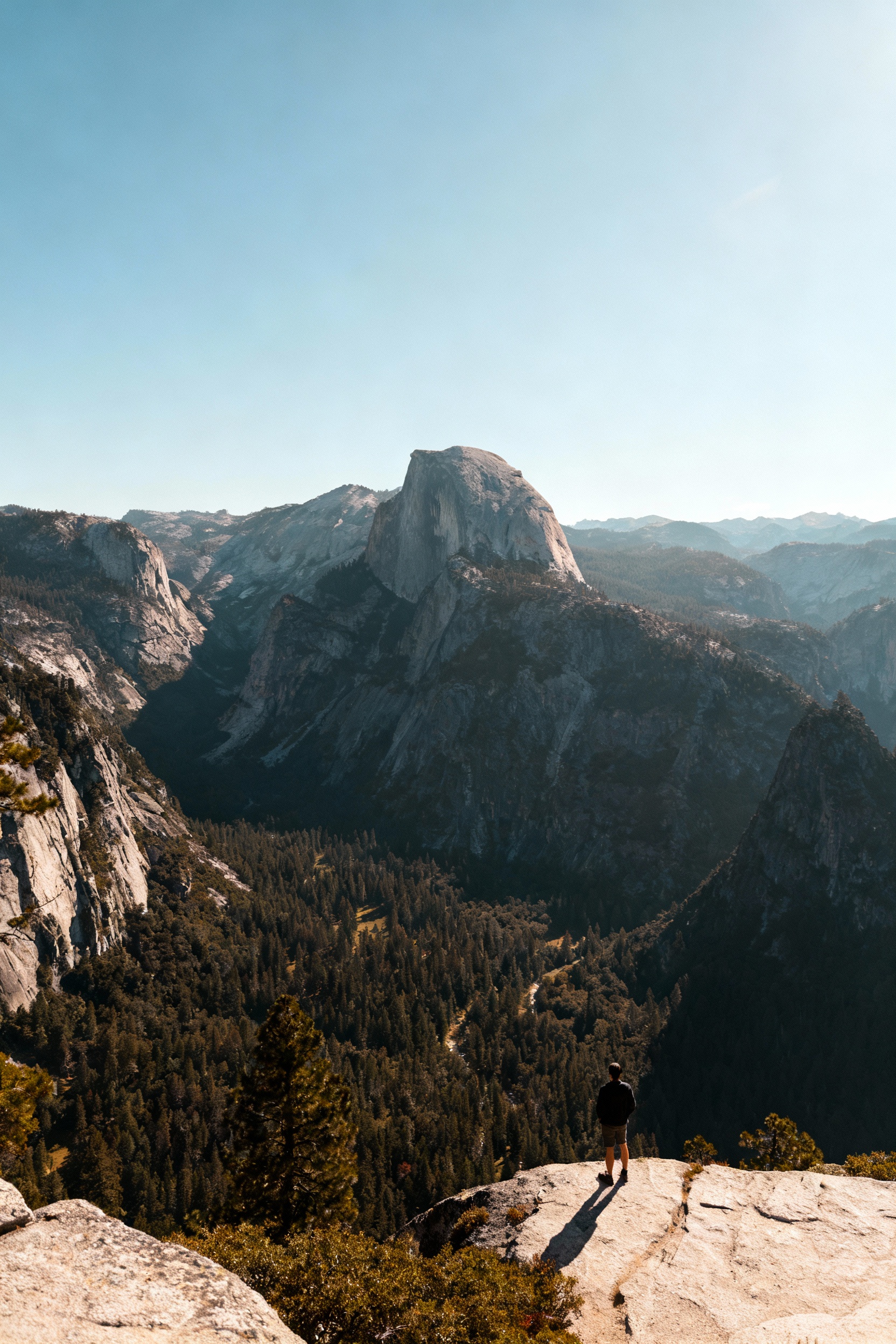
Glacier Point is the “wow, the whole Valley is right there” moment, with a straight-on view of Half Dome. When the road is open (typically late spring through fall), you can drive up and walk to multiple overlooks in minutes—perfect if you want epic views without a major hike. Aim for late afternoon into sunset for dramatic lighting, and bring a headlamp if you’ll be walking around after dark.
4) Rent Bikes and Cruise Yosemite Valley Loop
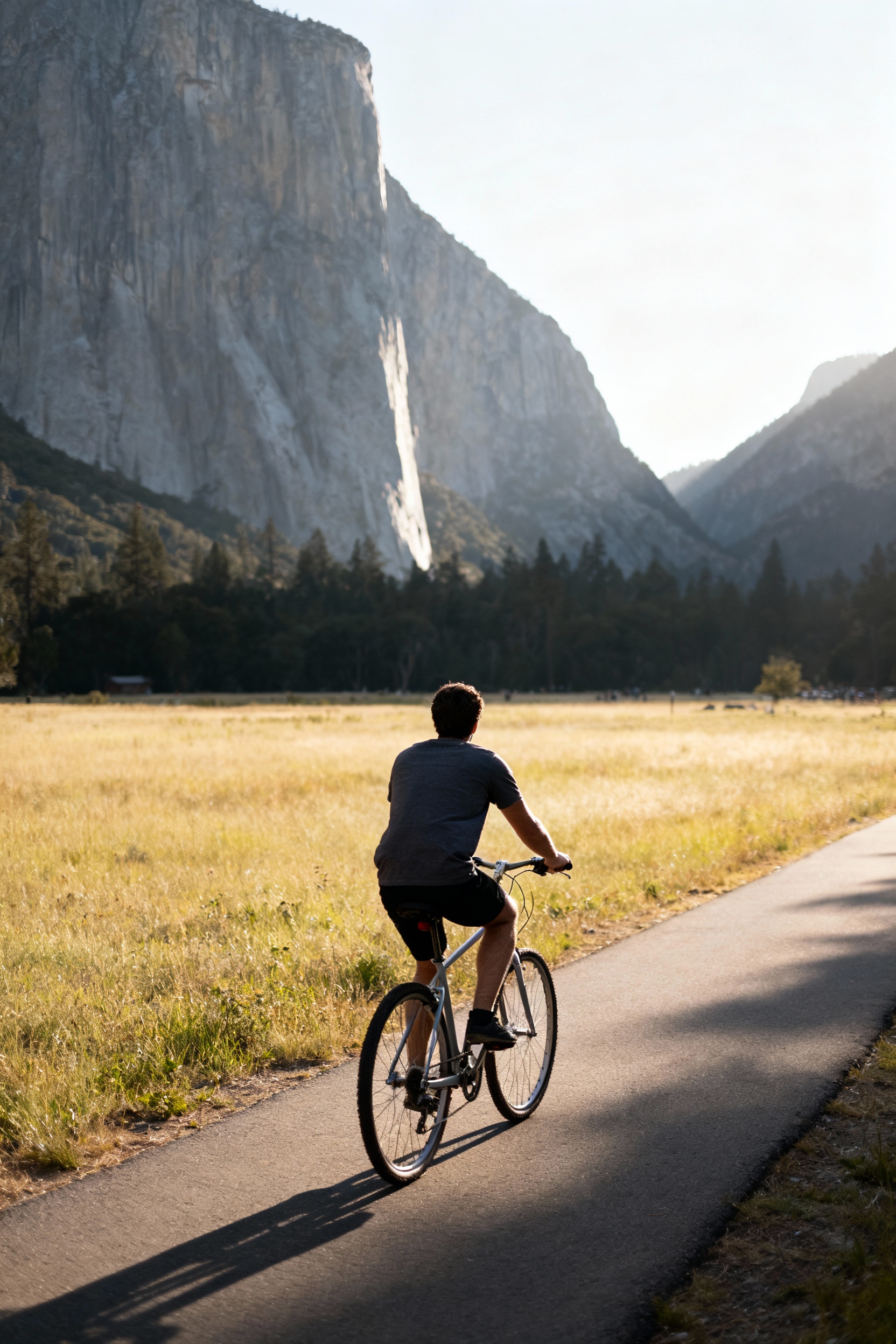
Biking the Valley is an easy way to cover more ground without fighting for parking at every stop. Rent bikes near Yosemite Valley Lodge/Curry Village area (seasonal), then cruise to spots like Yosemite Falls, El Capitan Meadow, and Sentinel Bridge at your own pace. Go mid-morning on weekdays for the smoothest ride, and pack a small lock, sunscreen, and a refillable water bottle for quick stops and photo breaks.
5) Stargazing in Yosemite Valley (or at a High Viewpoint)
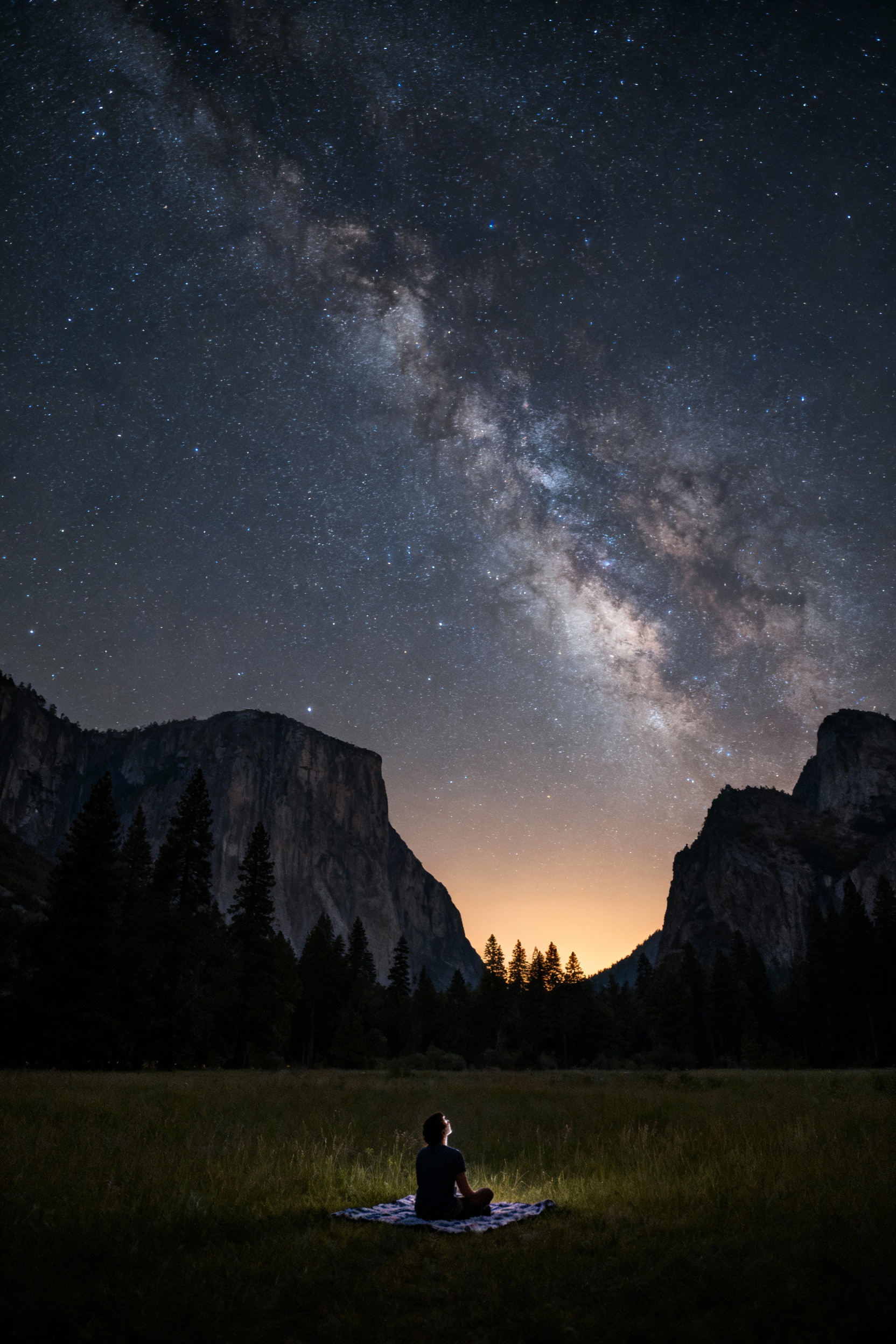
Yosemite nights can be ridiculously clear, especially in late summer and fall when the air is dry and skies are steady. For an easy first-timer option, stargaze from an open meadow area in the Valley—bring a blanket, a puffy layer, and a thermos drink because temps drop fast. Check the moon phase before your trip (new moon = darkest skies), and download an offline star map app since cell service can be spotty.
FAQ
Do I need a reservation to enter Yosemite?
It depends on the season and current park management rules—some peak periods require an entry reservation in addition to the park fee. Check the official National Park Service Yosemite page a few weeks before your trip, and book as soon as your dates open if reservations are required. If you’re staying inside the park or have certain permits, that can sometimes change what you need.
Where should first-timers stay: in the Valley or outside the park?
If you can swing it, staying in Yosemite Valley is the most convenient for early starts and less driving (especially for sunrise and hikes). Lodging books far ahead, so look early; if it’s sold out, consider El Portal, Yosemite West, or Oakhurst for more options. Outside the park means more driving time, so plan your days with earlier departures and fewer “quick” stops.
What’s the best time of year to visit Yosemite?
Late spring is peak waterfall season, while summer brings long days and full services (plus bigger crowds). Fall is quieter with crisp air and great hiking, but waterfalls may be lighter. Winter is stunning and calm, though some roads (like Glacier Point Road) are typically closed and you’ll need to plan around snow conditions.
How many days do I need to hit the highlights?
Two days is a solid first trip: one day for Valley viewpoints and an easy hike, and another for a bigger hike plus Glacier Point (if open) or more Valley exploring. Three days lets you slow down, add a sunrise/sunset, and fit in a second hike without feeling rushed. If you only have one day, prioritize Tunnel View, a waterfall walk, and one viewpoint loop in the Valley.
What should I pack for a Yosemite day trip?
Bring layers (warm morning, hotter afternoon), plenty of water, snacks/lunch, sunscreen, and comfortable shoes with good traction. A small daypack, a portable phone charger, and a headlamp are clutch if you’re out for sunrise/sunset. In shoulder seasons, toss in a rain shell and check trail conditions the night before for closures or ice.