
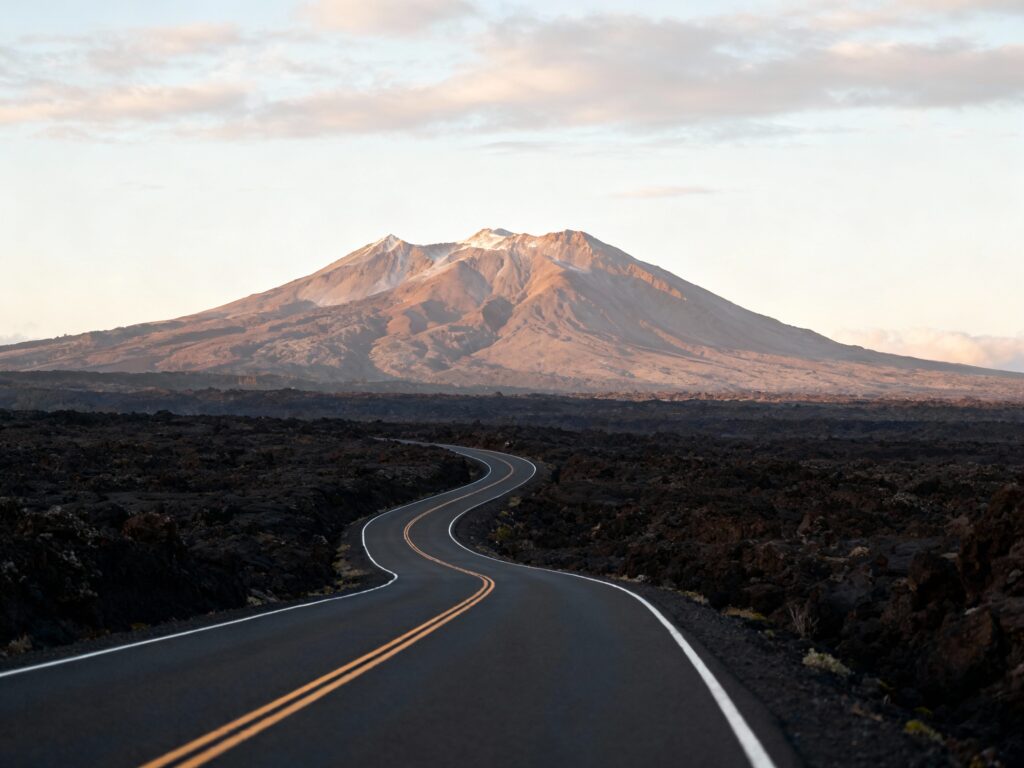
The Big Island is basically a choose-your-own-adventure road trip: lava fields, rainforest, coastline cliffs, and high-altitude views—all in one day if you plan it right. If you’re here for scenery (and the kind of “pull over right now” moments that fill your camera roll), these are the drives to build your itinerary around.
Quick heads-up: conditions change fast on Hawaiʻi Island. Check weather, road closures, and volcano updates before you go, and start early for the clearest skies and the easiest parking at the best viewpoints.
Top 5
1) Saddle Road (Daniel K. Inouye Highway): Kona to Hilo
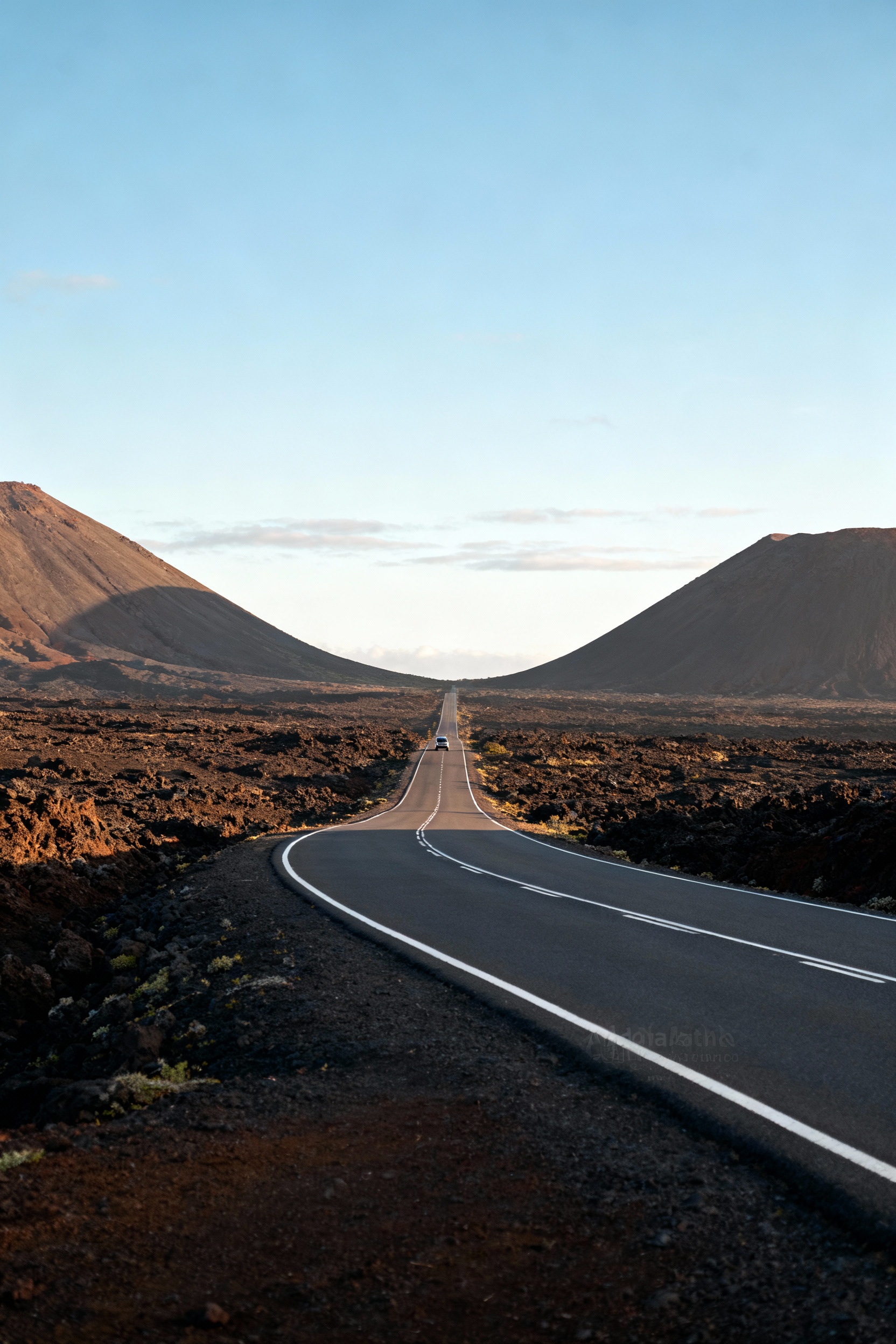
This is the iconic cross-island drive between Kona and Hilo, cutting between Mauna Kea and Mauna Loa with huge sky-and-volcano views. Go in the morning for fewer clouds and a smoother ride; the road is modern and fast, but weather can flip quickly. Pack a light jacket (it gets chilly) and fill up on gas before you leave Kona or Hilo since services are limited. If you want a bonus stop, add the Mauna Kea Access Road for stargazing—but only if you’re comfortable with steep grades and you’ve checked conditions.
2) Chain of Craters Road (Hawaiʻi Volcanoes National Park)
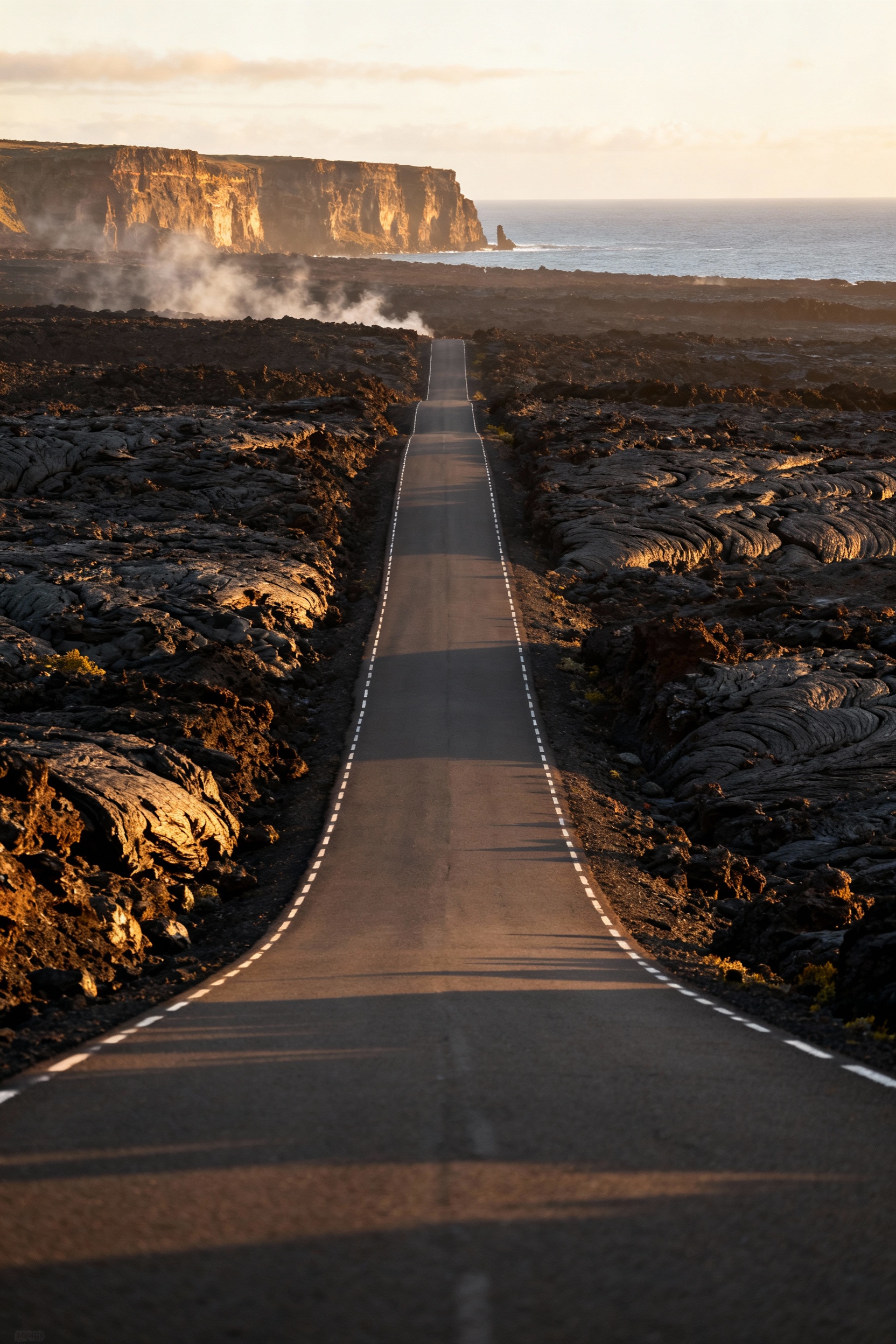
This drive feels like another planet: fresh lava landscapes, dramatic craters, and ocean cliffs at the end. Start at the park early, grab the latest closure info at the visitor center, then cruise downhill with frequent pullouts for quick photo stops. Bring water, sunscreen, and closed-toe shoes if you plan to hop out and explore short trails at overlooks. Plan to spend at least half a day in the park, and book park time around sunset if you want extra-moody lighting (or a shot at seeing glow when conditions allow).
3) Kohala Mountain Road (Waimea to Hawi via Route 250)
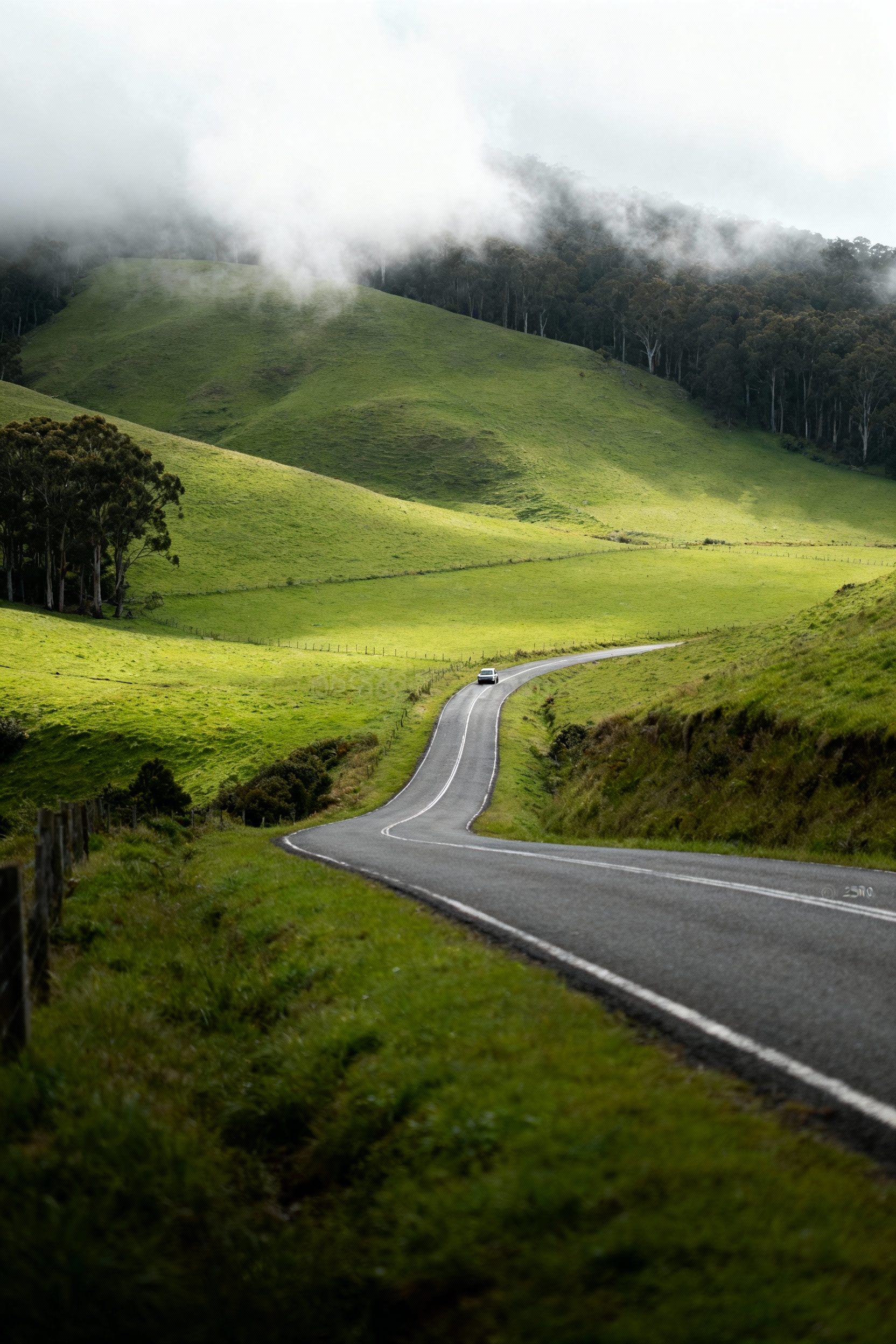
If you want lush, rolling green views and “windows down” vibes, take Kohala Mountain Road from Waimea toward Hawi. It’s curvy and narrow in spots, so drive slow and pull over only where it’s safe—this route rewards patience with sweeping ranchland and coastline glimpses. Go mid-morning when the light is bright but before afternoon clouds settle in. Pair it with a stop in Hawi for coffee and boutiques, then continue down to the coast for your beach time.
4) Hamakua Coast Scenic Drive (Hilo to Waimea via Route 19)
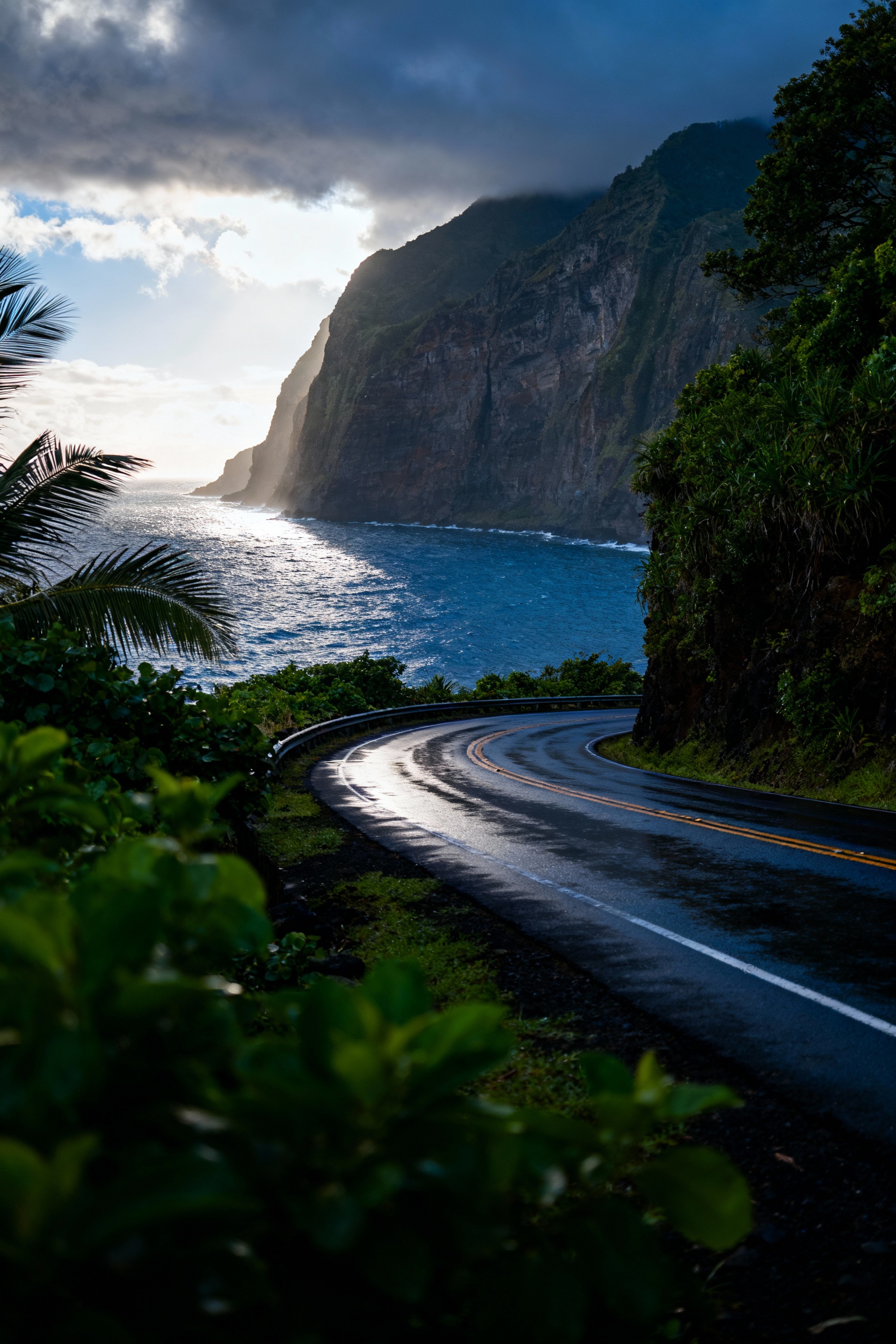
This is your waterfall-and-cliffs route, packed with quick detours that make the day feel like a highlight reel. Start in Hilo, then hop between scenic stops like Hawaiʻi Tropical Botanical Garden (ticketed, worth it if you love plants) and the short walk to ʻAkaka Falls. Pack rain gear or a poncho—this side of the island is famously drizzly, and the mist makes everything extra green. If you’re prone to car sickness, take breaks often because the road has gentle curves and lots of “just one more lookout” moments.
5) South Point + Kaʻū Coast Drive (Kailua-Kona to Punaluʻu & Ka Lae)
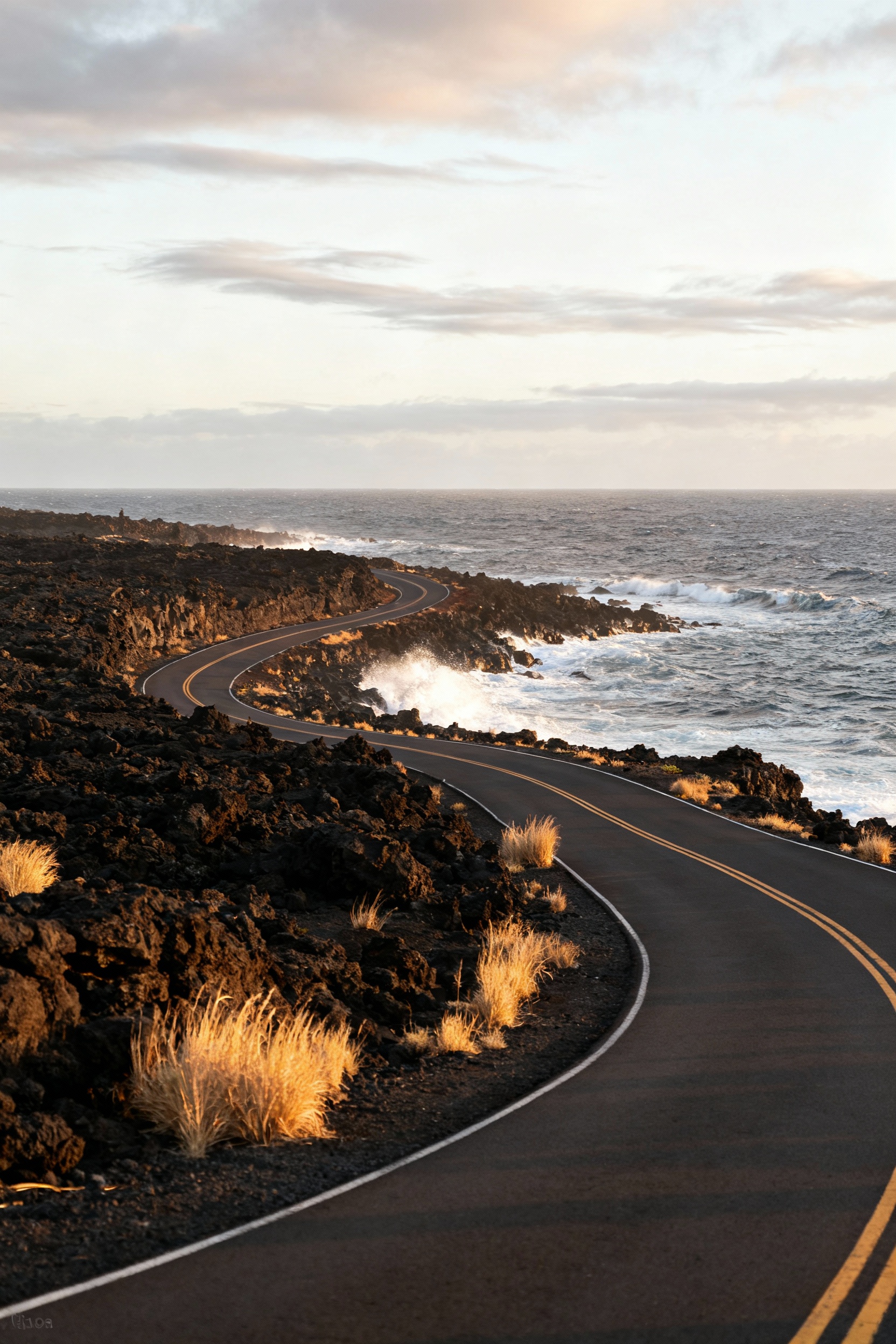
For rugged coastline drama, drive south from Kona through the Kaʻū region toward Punaluʻu Black Sand Beach and Ka Lae (South Point). The views feel wide-open and windy, and the stops are the whole point—bring snacks, water, and a windbreaker because it can be intense near the cliffs. If you’re tempted by the famous “green sand beach,” know it’s a long hike (and often muddy), and you should skip sketchy shuttle offers that aren’t permitted. Time your day so you hit Punaluʻu earlier when parking is easier, then end at South Point for golden-hour photos.
FAQ
Do I need a 4WD vehicle for these scenic drives?
No—these five drives are on paved roads suitable for most standard rental cars. You only need to think about higher-clearance/4WD if you’re planning off-road detours or certain steep access roads when conditions are poor. Always double-check your rental agreement and current road advisories.
What’s the best time of day to drive for the clearest views?
Morning is usually best, especially for Saddle Road and volcano-country drives, because clouds tend to build in the afternoon. For coastal routes, late afternoon is great for softer light, but watch your return time so you’re not driving unfamiliar roads in the dark.
How long should I budget for each drive?
Plan 2–3 hours for the drive itself, but 4–8 hours total once you add stops, short walks, and food. Hawaiʻi Island distances look simple on a map, but viewpoints, weather delays, and “quick photo stops” add up fast.
What should I pack for a Big Island road trip day?
Bring water, snacks, sunscreen, a light rain jacket, and a warm layer for higher elevations like Saddle Road. Keep a phone charger, a reusable bag for trash, and comfortable shoes for pullouts and short trails. If you’re doing Volcanoes National Park, add a flashlight for after-sunset exploring and extra water.
Any safety tips for first-timers driving the Big Island?
Drive slower than you think you need on curvy routes, and only pull over at marked viewpoints or safe wide shoulders. Don’t leave valuables visible in the car at trailheads, and keep your gas tank above half when you’re heading into remote areas. Most importantly: check weather and closures before you go, and be flexible if conditions change.