
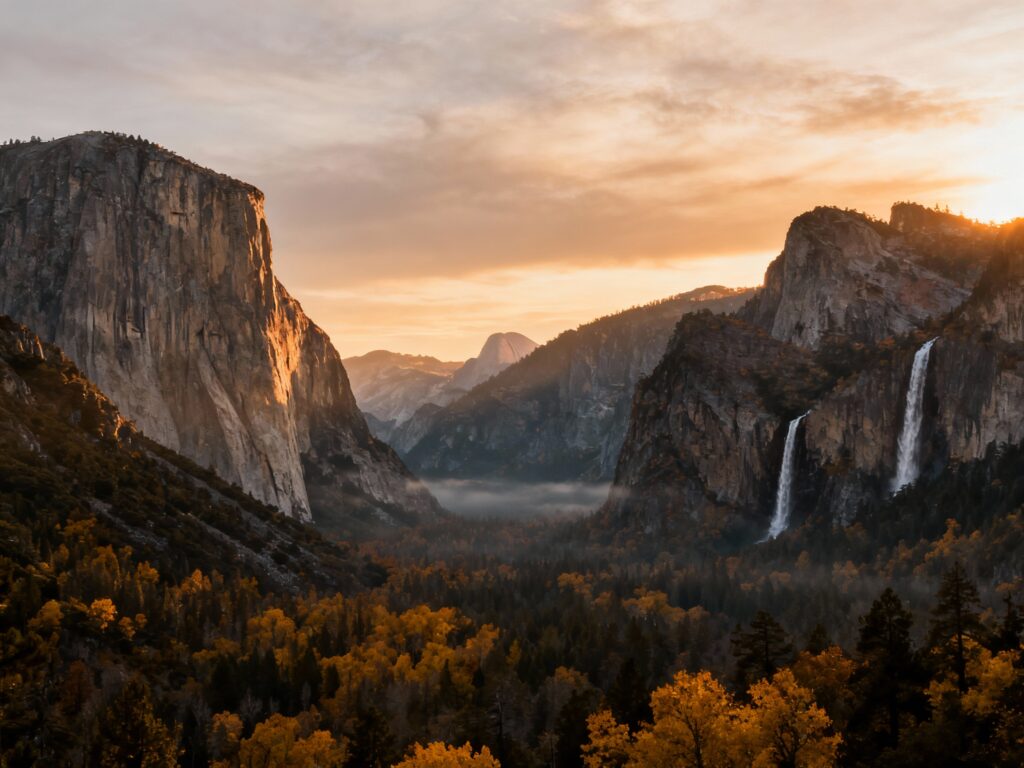
October in Yosemite is that sweet spot: fewer crowds, crisp air, and golden color starting to show up in the Valley. Waterfalls can be lighter than spring, but the light is softer, the mornings are moody, and the granite looks extra dramatic at sunrise and sunset.
If you’re visiting for the first time with a camera (or just an iPhone you actually use), these five locations give you classic Yosemite shots plus some fall vibes. Plan for early starts, layer up, and keep a flexible schedule so you can chase the best light.
Top 5
1) Tunnel View (Sunrise + First Light)
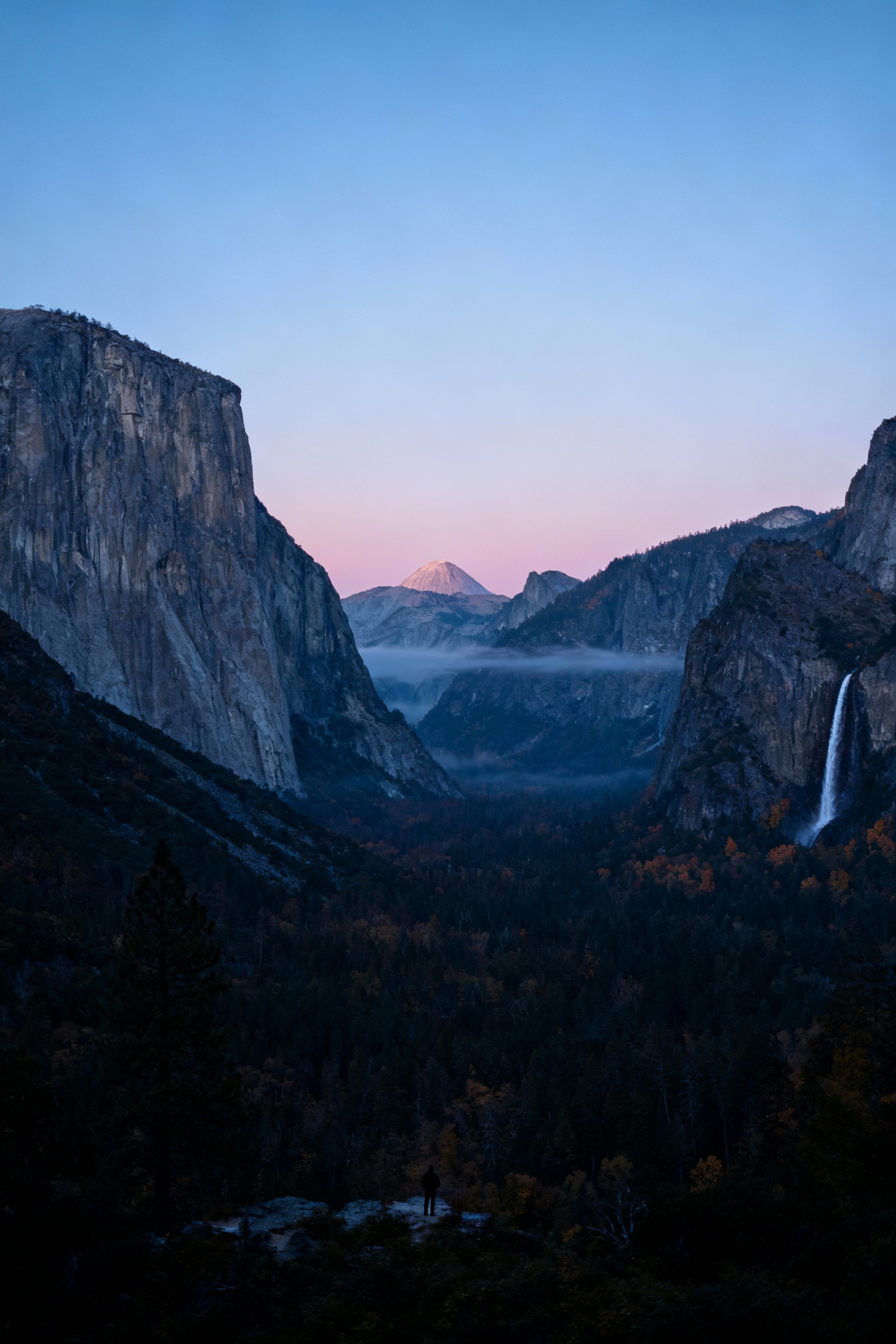
This is the iconic Yosemite postcard view: El Capitan on the left, Bridalveil Fall on the right, and Half Dome peeking in the distance. In October, arrive 30–45 minutes before sunrise for that soft, pastel glow and fewer cars fighting for the front rail. Pack a tripod for low light and bring a lens cloth—cold mornings can fog up glass fast. If you’re staying outside the park, leave earlier than you think; it’s worth it for the calm, empty-vibe shots.
2) Cook’s Meadow Loop (Golden Hour Valley Walk)
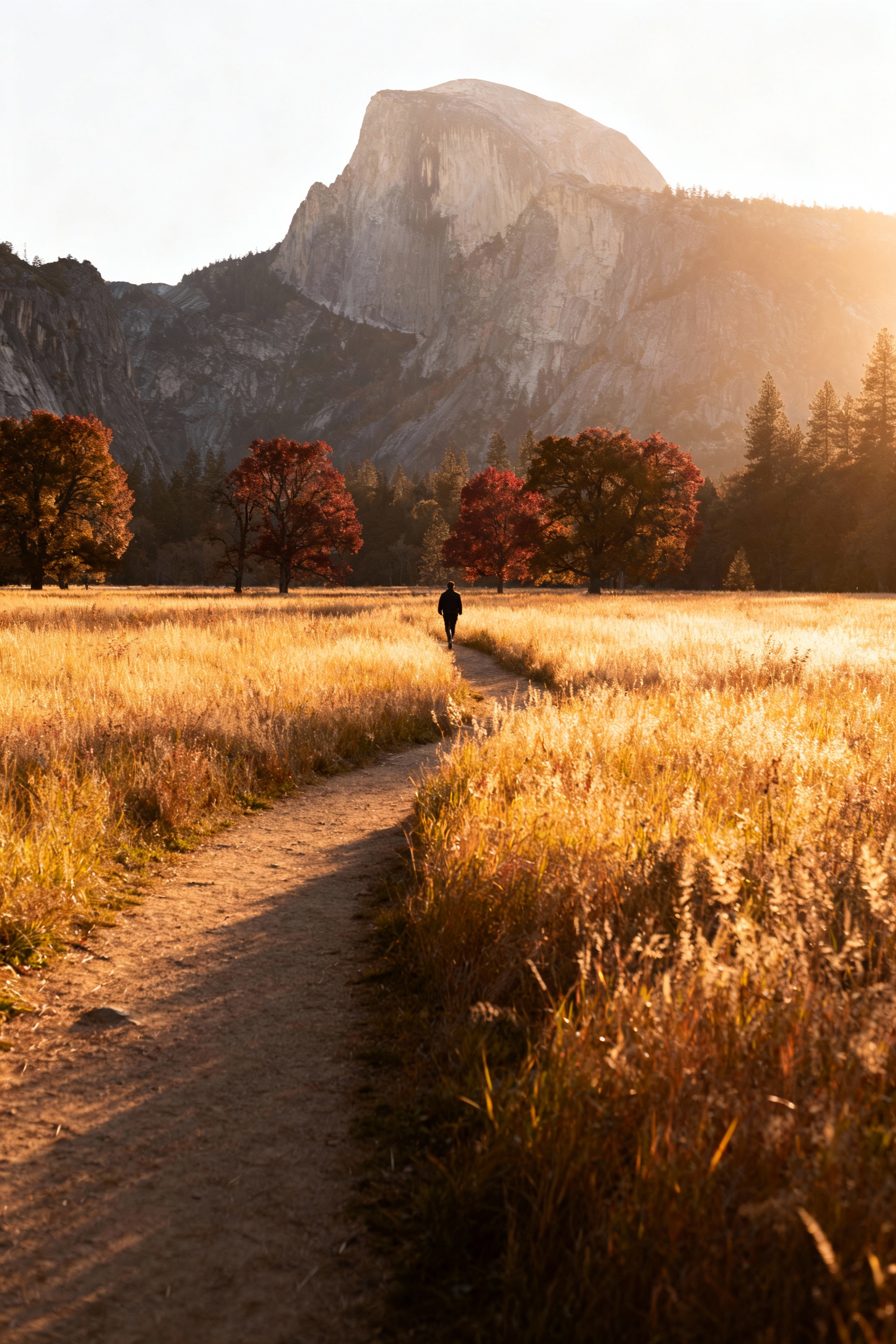
Cook’s Meadow is beginner-friendly and ridiculously photogenic because you get wide-open views of Half Dome with easy, flat paths. Hit it in late afternoon to golden hour for warm tones on the grasses and a softer look on the cliffs. In October, expect chilly shade along the boardwalk—wear layers and consider gloves if you’re shooting handheld. Bonus: it’s a great spot for slow, steady composition practice (leading lines, reflections, and big-sky framing).
3) Valley View (Sunset Reflections on the Merced River)
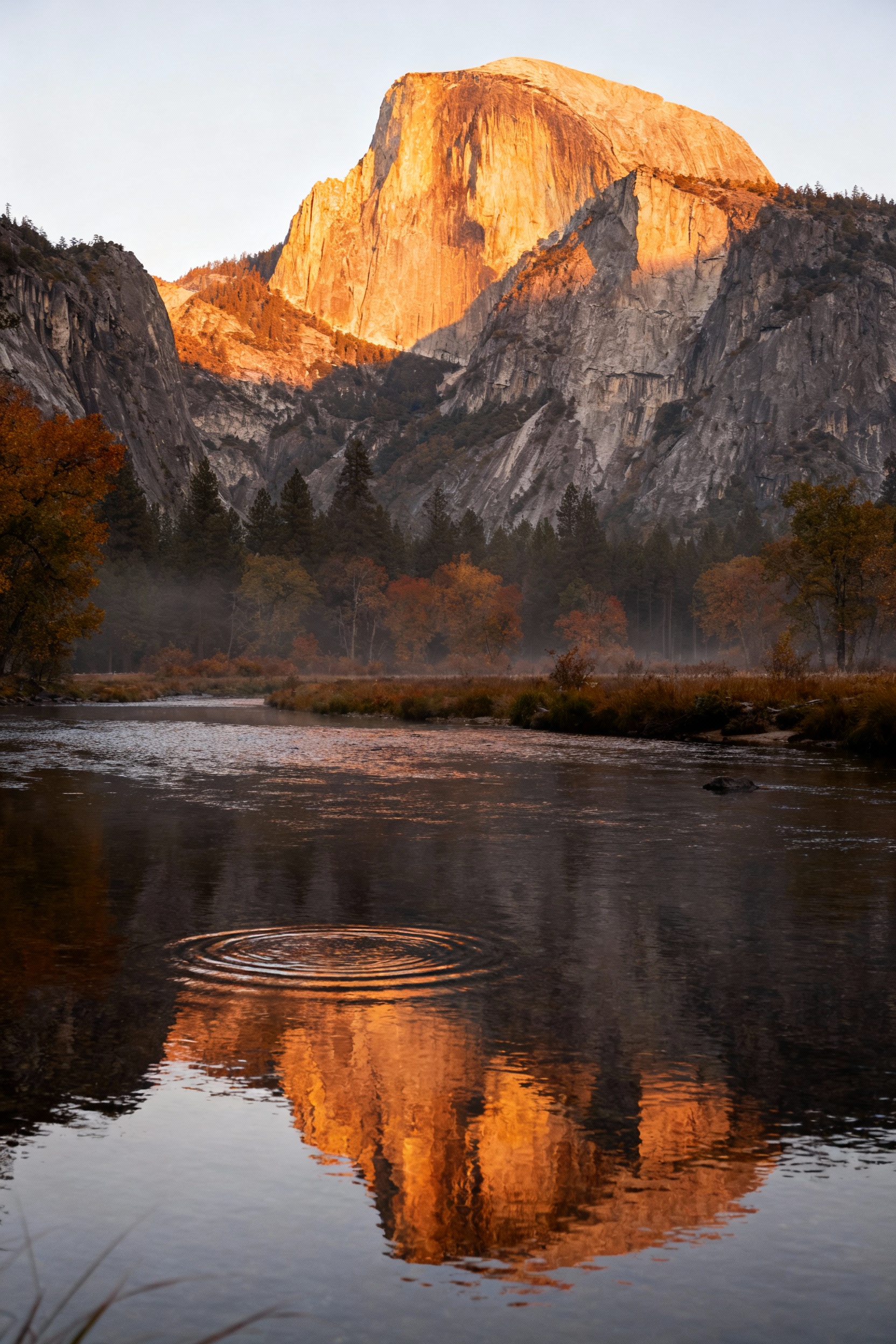
Valley View is your go-to for reflections when the Merced River is calm, and October often delivers that glassy water look—especially near sunset. Get there a little early to scout angles and claim a spot by the riverbank; it’s a small pullout and fills quickly at prime time. A polarizing filter helps cut glare and deepen the sky, but even without one you can nail a clean reflection shot by shooting slightly off-center. Pack shoes you don’t mind getting dusty or damp if you step closer to the waterline.
4) Yosemite Falls Trail (Lower Falls View + Misty Details)
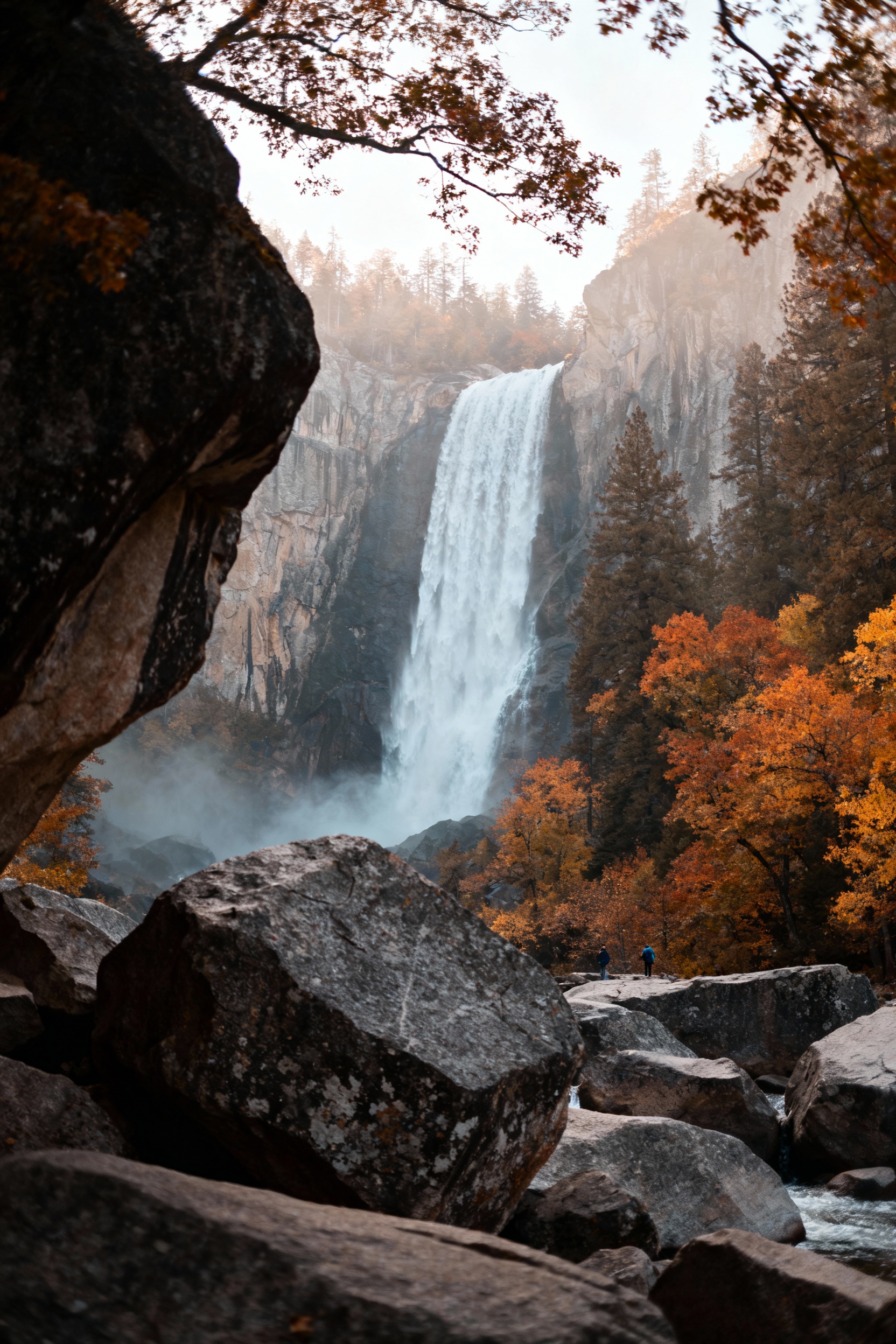
Even if the flow is lower in October, Yosemite Falls is still a solid photography stop because the surrounding granite and forest scenery is the main character. Walk to the Lower Yosemite Fall viewpoint in the morning for softer light and fewer people in your frame. If you’re aiming for silky water shots, bring a tripod and try a slower shutter speed—just watch for slippery rocks near the viewing area. This is also a great spot to capture fall textures: bark, boulders, and yellowing leaves in the foreground.
5) Glacier Point Road Area (If Open) for Big Half Dome Views
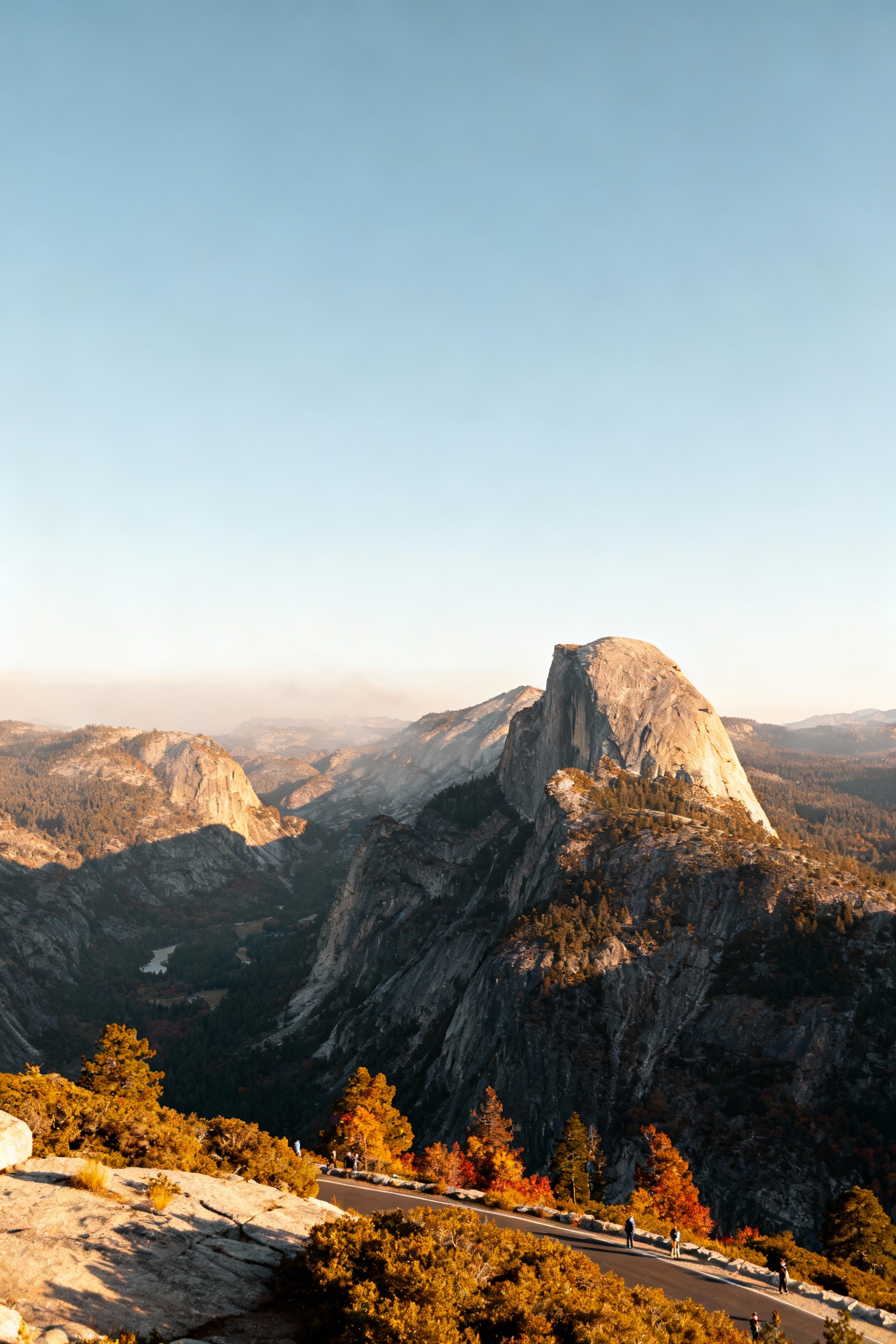
If Glacier Point Road is open during your October dates, add it immediately—this is where you get huge, dramatic Half Dome and Valley overlook shots with minimal hiking. Aim for late afternoon into sunset for depth and shadow shaping on the cliffs, and pack a warm jacket because it gets colder up there fast. Check the National Park Service updates before you go; closures can happen seasonally, and you don’t want to build your whole shoot plan around a road you can’t access. If it’s closed, pivot to Tunnel View for a similar “big view” payoff without the drive.
FAQ
What time should I start photographing in Yosemite in October?
Plan for sunrise and sunset as your anchors, then fill the middle with easy walks like Cook’s Meadow. In October, mornings can be especially clear and quiet, so starting before sunrise helps you park easily and catch the best light.
Do I need a permit for photography at these spots?
For personal/travel photography, you typically don’t need a special permit at viewpoint areas and trails. If you’re doing commercial shoots, large setups, or anything that looks like a production, check Yosemite’s official permit rules before you arrive.
What camera gear is most useful for Yosemite in October?
A wide-angle lens is great for Tunnel View and Valley View, and a mid-range zoom covers most scenes without swapping lenses constantly. A tripod helps a lot for sunrise/sunset and slower shutter shots, and a small microfiber cloth is essential for condensation and dust.
What should I wear and pack for October photography days?
Dress in layers: a warm base layer for sunrise, a mid-layer for hikes, and a windproof outer layer for viewpoints like Glacier Point. Pack water, snacks, and a headlamp for pre-dawn starts, plus gloves if your hands get cold while adjusting settings.
Where should I stay to make sunrise shoots easier?
Staying inside Yosemite Valley (or as close as you can) makes early shoots way less stressful. If Valley lodging is booked, look at El Portal or Foresta for quicker access than farther towns, and build extra time into your drive for entrance lines and parking.