
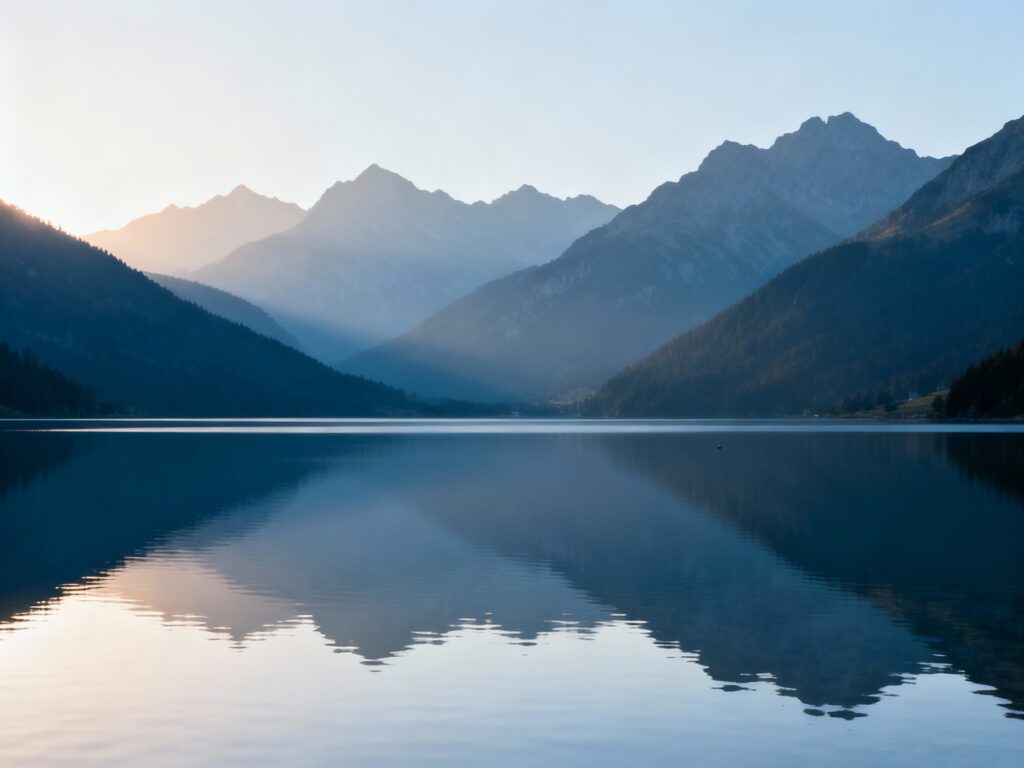
If your camera roll is begging for that crisp travel wallpaper vibe, nature is the easiest way to get it. Think big horizons, clean color palettes, and textures that look expensive with zero editing.
These five spots are beginner-friendly, wildly photogenic, and totally worth planning around—especially if you time it right for light, weather, and crowd levels.
Top 5
1) Moraine Lake, Banff National Park (Canada)
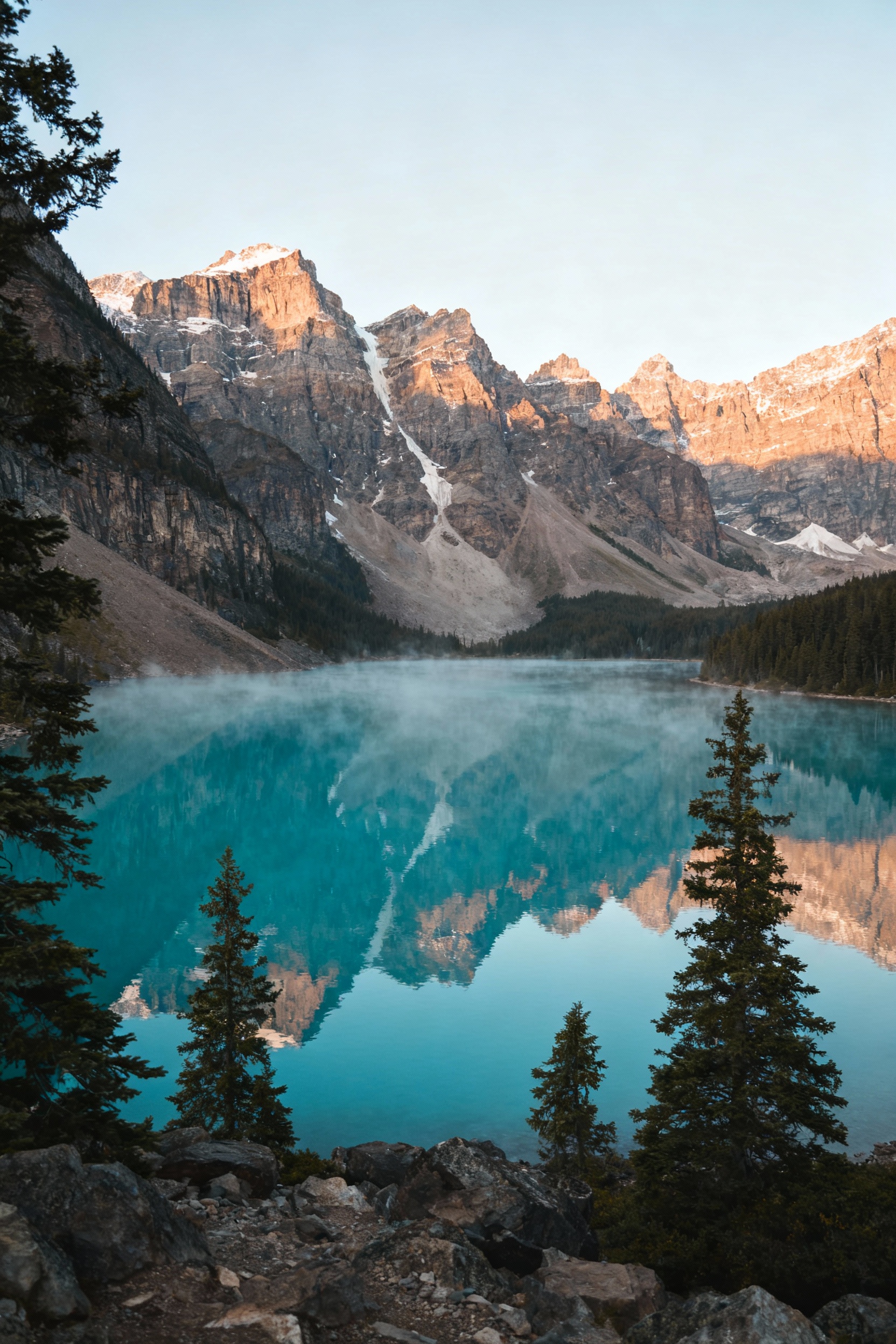
For that unreal turquoise-water-and-jagged-peaks look, Moraine Lake is the blueprint. Go at sunrise for glassy reflections and fewer people; if you’re visiting in peak season, you’ll likely need to book a shuttle or tour in advance since parking fills fast. Pack a warm layer even in summer (it’s chilly early), and bring a wide-angle lens or use 0.5x on your phone for the full valley vibe. Best wallpaper angles: the Rockpile Trail overlook and any spot where the shoreline curves into the frame.
2) Lofoten Islands (Norway)
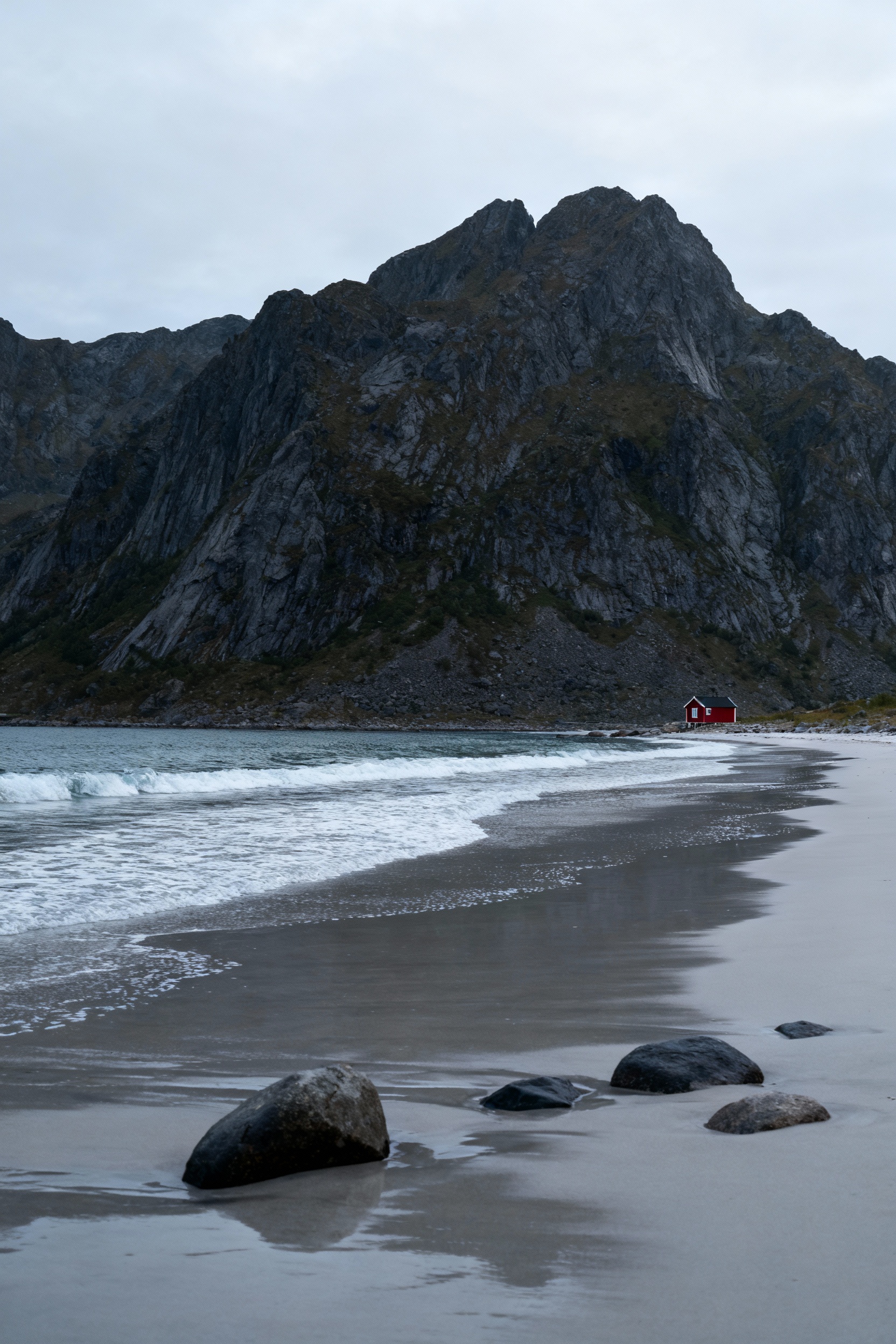
Lofoten is all moody coastal drama: sharp mountains, quiet beaches, and little red cabins that make every shot look curated. Base yourself around Reine or Hamnøy for iconic viewpoints, and rent a car so you can chase light between fjords and fishing villages. Summer gives you long golden hours (hello, midnight sun), while winter is prime for northern lights—just pack traction spikes and weatherproof layers. For clean wallpapers, shoot during overcast skies for soft tones and minimal harsh shadows.
3) Lake Tekapo & Aoraki/Mount Cook (New Zealand)
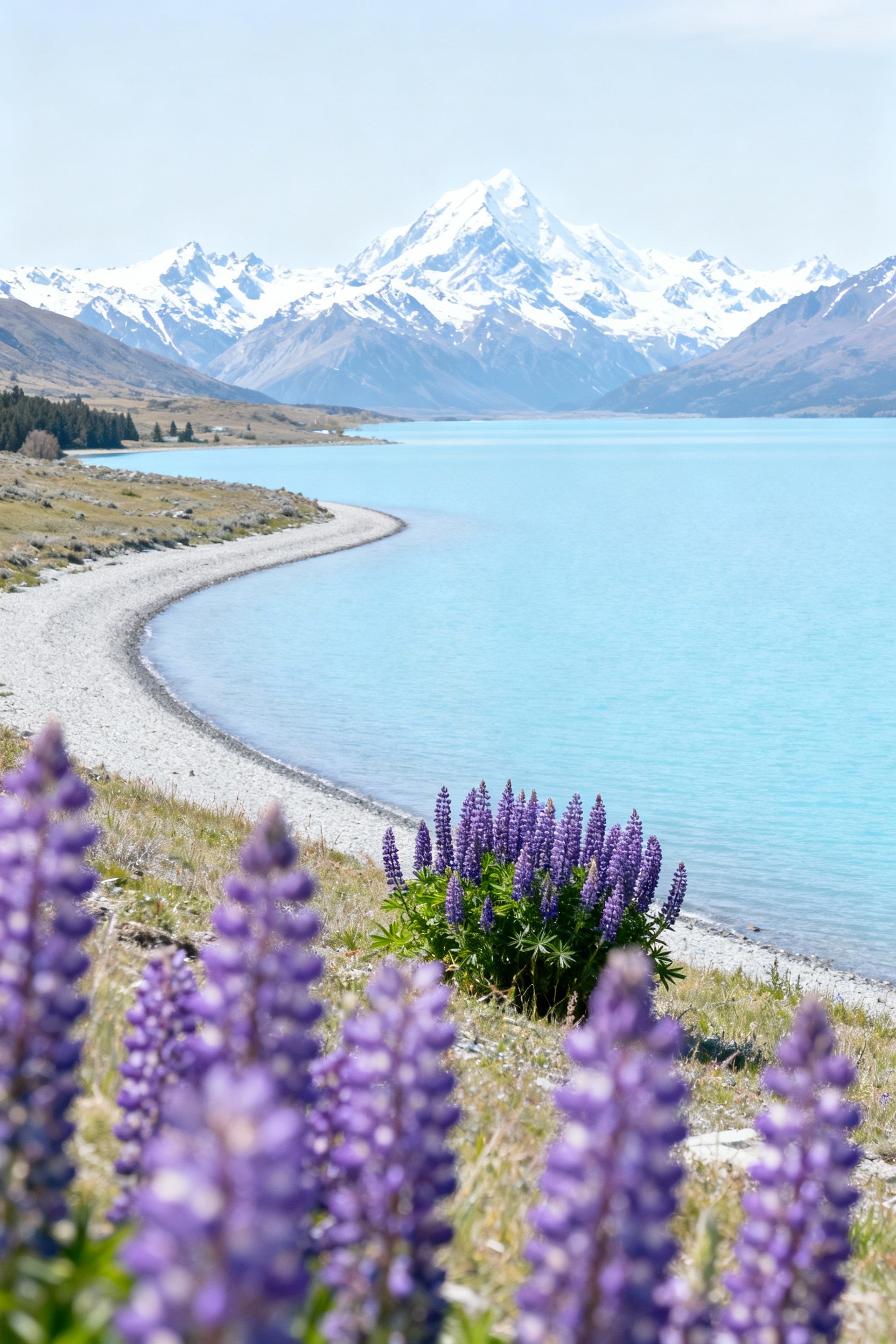
If you want a pastel-blue lake, snowy peaks, and next-level night skies, Lake Tekapo and nearby Aoraki/Mount Cook deliver. Visit in late spring or early summer for bright lupin fields (season varies year to year), and stay overnight to catch both sunset and stargazing. Book a stargazing tour if you’re new to astrophotography, or just bring a tripod and set up along the lakeshore away from streetlights. Don’t skip the Hooker Valley Track near Mount Cook—easy, scenic, and packed with “phone wallpaper” frames.
4) White Sands National Park, New Mexico (USA)
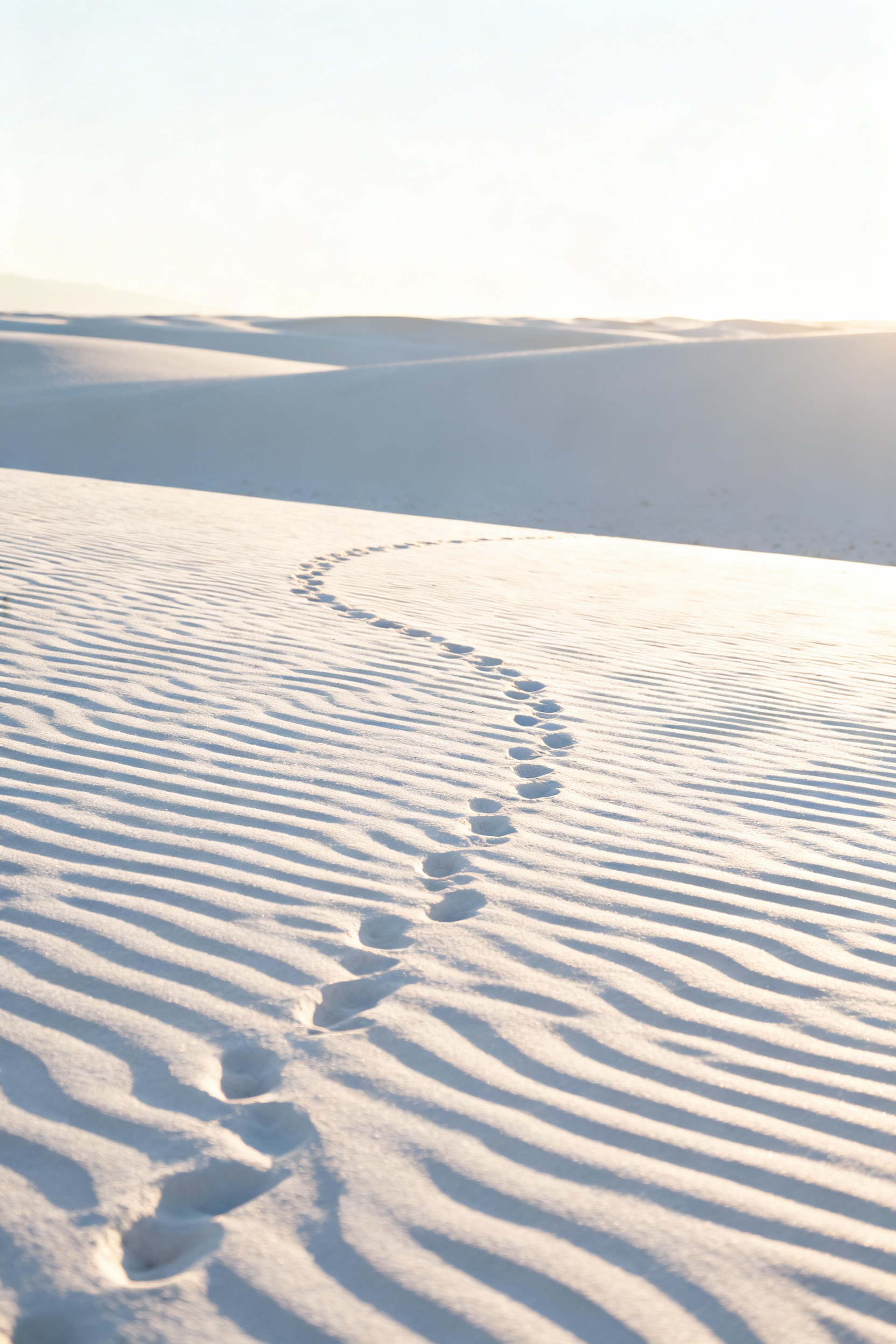
White Sands is minimalist perfection: bright dunes, clean lines, and a dreamy glow that makes portraits look editorial. Aim for sunrise or the last hour before sunset when shadows create texture—midday is pretty but can feel flat and harsh. Bring sunglasses, water, and a scarf or brush to manage sand, and wear solid-color outfits for that pop against the white background. Check wind conditions the day before; a breezy day can mean fresh, smooth dune surfaces with fewer footprints.
5) Wadi Rum Desert (Jordan)
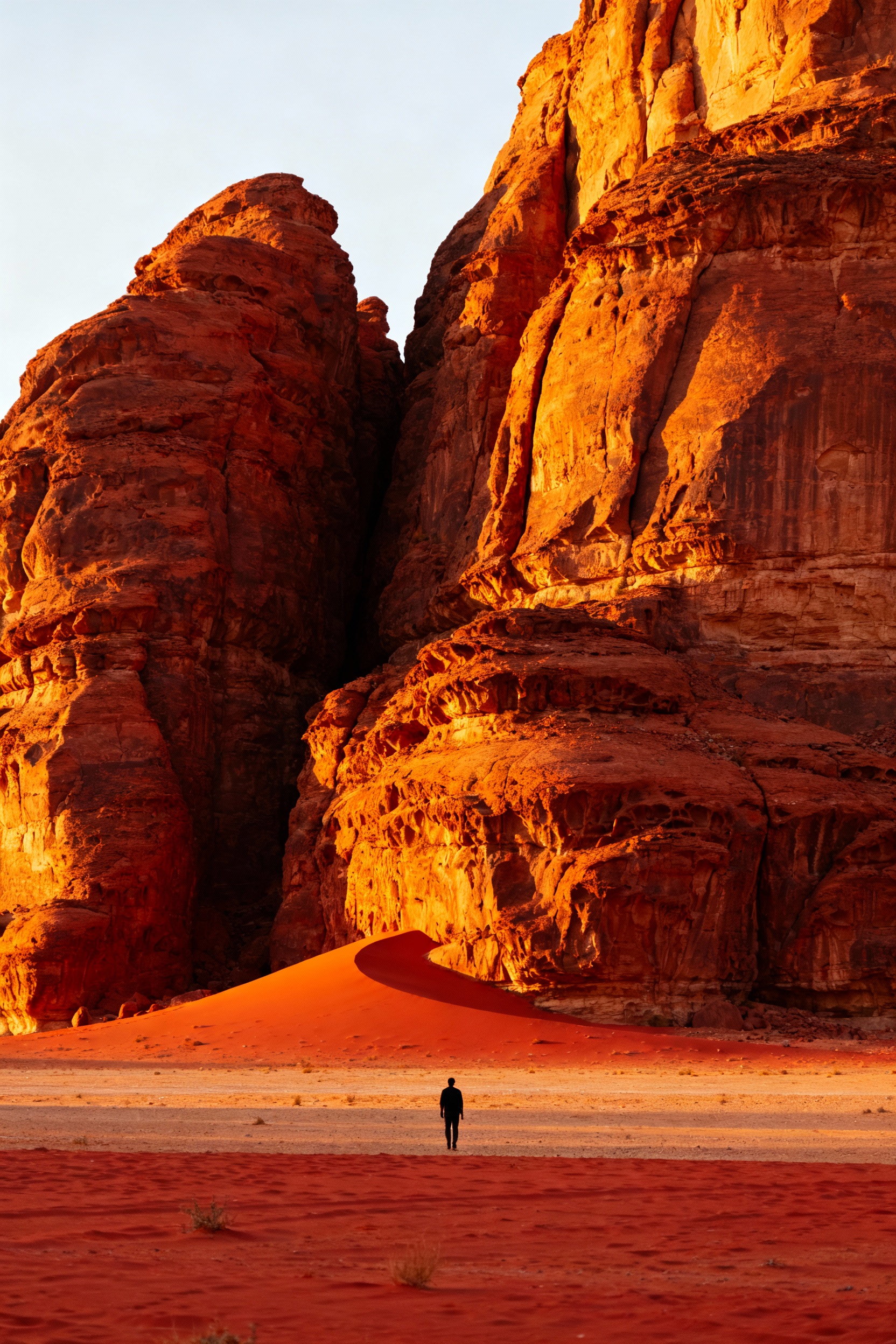
Wadi Rum is the “Mars on Earth” backdrop: red sand, towering rock formations, and wide-open silence that reads cinematic on camera. Book a desert camp overnight so you can shoot golden hour, blue hour, and a star-filled sky without rushing back to town. A guided 4×4 tour is the easiest way to hit the best photo spots (arches, canyons, and viewpoints) efficiently—especially for first-timers. Pack a light jacket for chilly nights and a lens cloth; dust happens, and your wallpaper-worthy shots will thank you.
FAQ
What time of day is best for “travel wallpaper aesthetic” nature photos?
Sunrise and sunset are the safest choices because the light is softer and shadows add depth without blowing out highlights. If you’re shooting midday, look for scenes with natural contrast (dunes, patterns, cliffs) or embrace overcast weather for a smoother, more muted look.
Do I need a camera, or is a phone enough?
A phone is absolutely enough for wallpaper-style shots, especially with wide landscapes and good light. Use grid lines for clean composition, tap to expose for the sky (then slightly lower brightness), and keep your lens clean—smudges are the #1 silent photo killer.
How do I avoid crowds in famous nature spots?
Go early, stay overnight nearby, and plan weekday visits when possible. In high-demand places (like Banff), book shuttles or timed-entry options ahead of time and build your day around the first departure to get emptier trails and overlooks.
What should I pack specifically for scenic photo days?
Bring layers (temperatures change fast), water, snacks, sunscreen, and a microfiber cloth for your lens. A small tripod or phone clamp helps with low-light shots, and a power bank is essential when you’re using maps and the camera all day.
Any quick composition tips to make photos look like wallpapers?
Keep the frame simple: one main subject, clean lines, and negative space (sky, water, sand) that feels calming. Try placing the horizon on the top or bottom third, and look for curves (shorelines, roads, dune ridges) that guide the eye through the image.