

You don’t need trust-fund energy to travel a lot—you need a system. The biggest “secret” is stacking small choices that cut your biggest costs (flights + lodging) and stretching every trip with smart timing.
Here are five practical ways to build a travel lifestyle on a normal budget, without turning your life into a constant hustle.
Top 5
1) Travel in the “Almost-Shoulder” Season
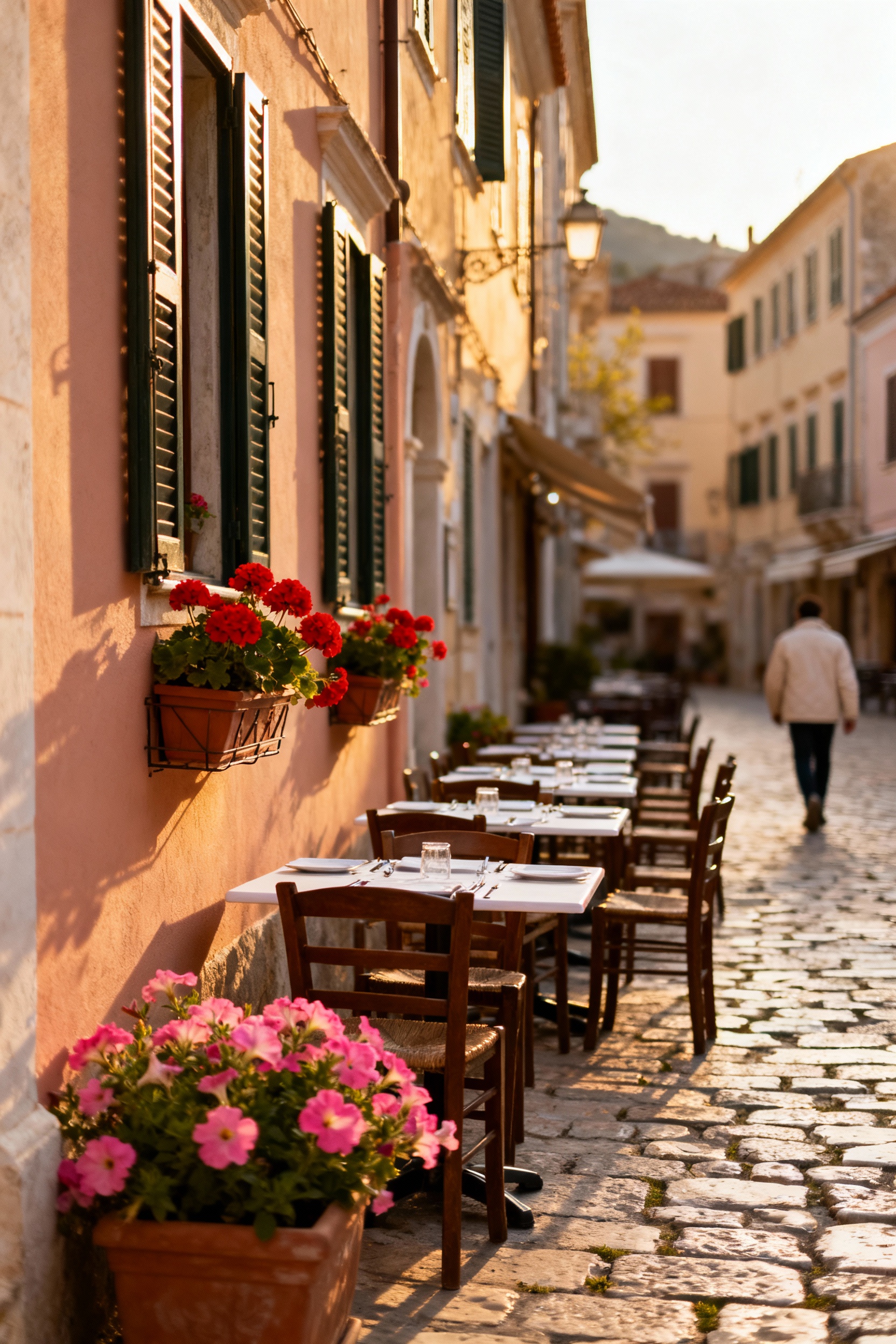
Aim for the weeks right before or after peak season: think late April–May and September–early November in many places. You’ll get cheaper flights, better hotel deals, and fewer crowds, while the weather is still solid. Use flexible date search (±3 days) and prioritize midweek departures (Tue–Thu) to drop prices fast. Pack one light layer and a compact rain jacket—shoulder season is usually “cute weather,” not survival mode.
2) Build Trips Around One Cheap Flight (Not a Dream Itinerary)
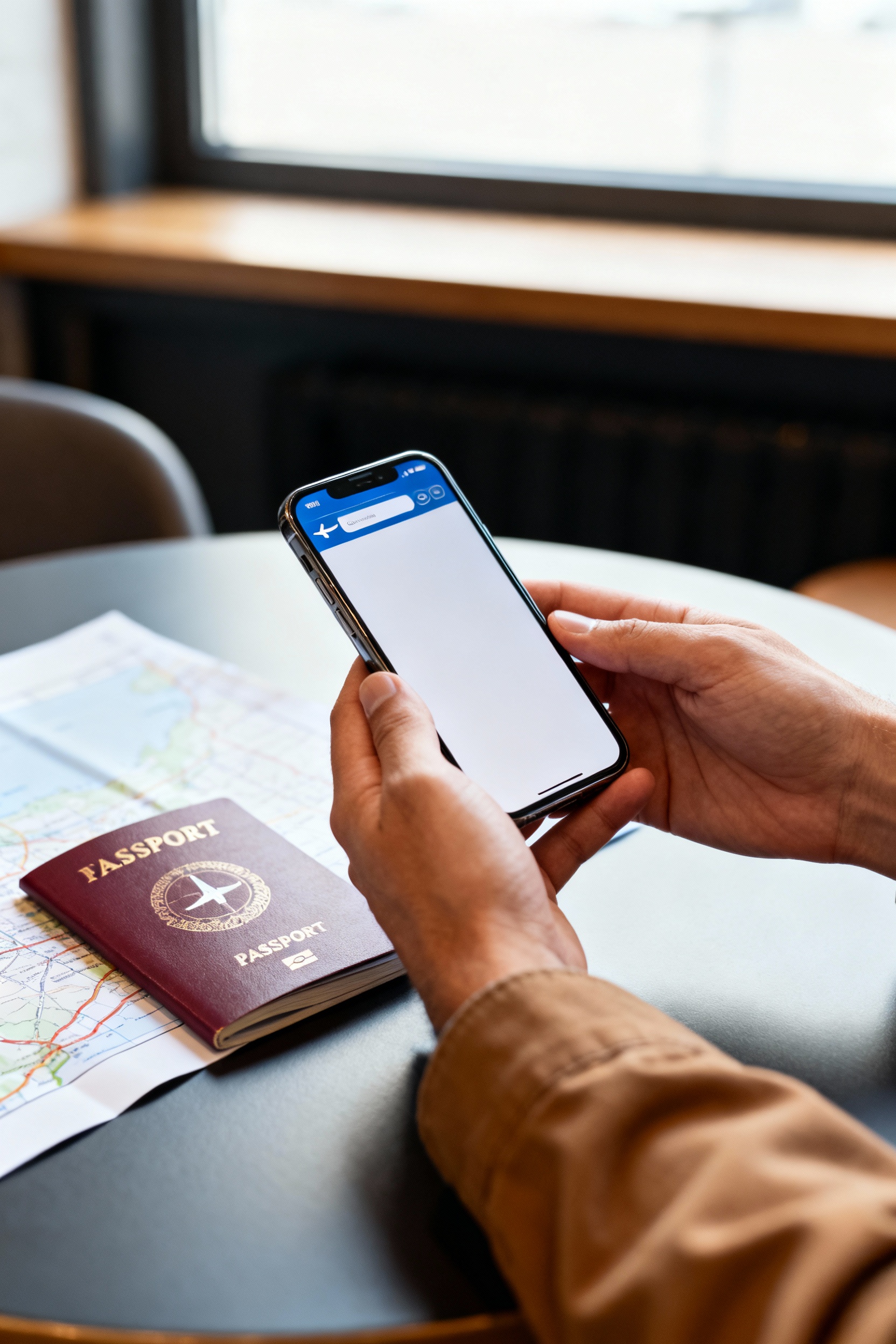
Pick the flight first, then design the trip around it: set fare alerts from your home airport to 10–20 destinations and grab the best value. Once you book, keep the itinerary simple—choose one “base neighborhood” and do day trips instead of bouncing hotels every two nights. In big cities, stay just outside the center near a metro line (think: Queens in NYC, Eixample in Barcelona, Shimokitazawa area for Tokyo vibes with transit access). This approach saves money and energy, which is basically the best travel combo.
3) Treat Lodging Like Your Biggest Expense (Because It Is)
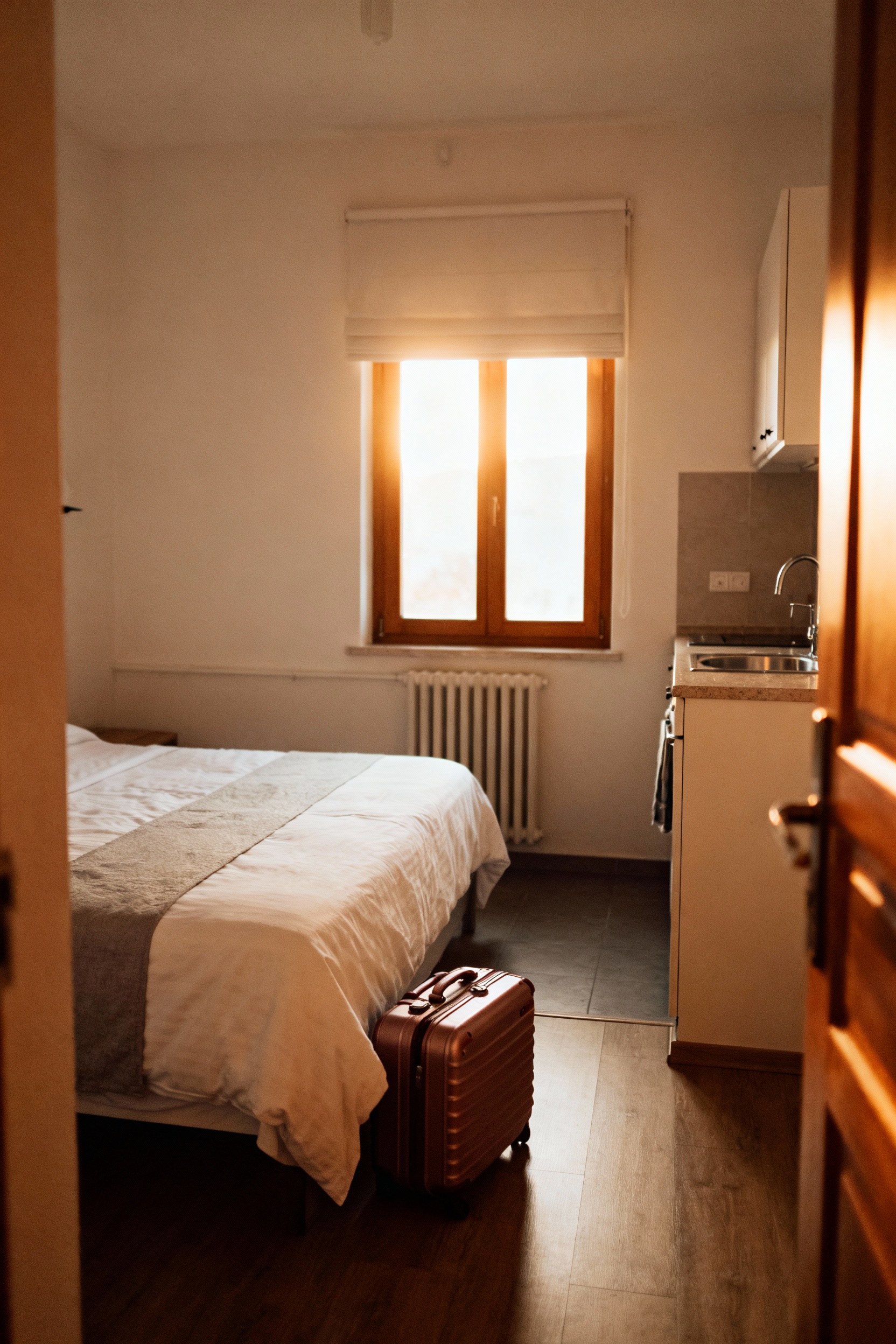
To travel more, get ruthless about lodging: aim for private rooms in guesthouses, well-rated hostels with curtains, or simple aparthotels with kitchens. Filter for “free cancellation” early, then re-check prices two weeks out—sometimes rates drop and you can rebook. Book places with a grocery store nearby and plan 2–3 easy meals (breakfast + one simple dinner) to keep your daily spend under control. If you’re traveling with a friend, prioritize twin rooms over two beds in different places—splitting one good room is usually cheaper than two “cheap” ones.
4) Use Work and Life to Create “Travel Blocks”
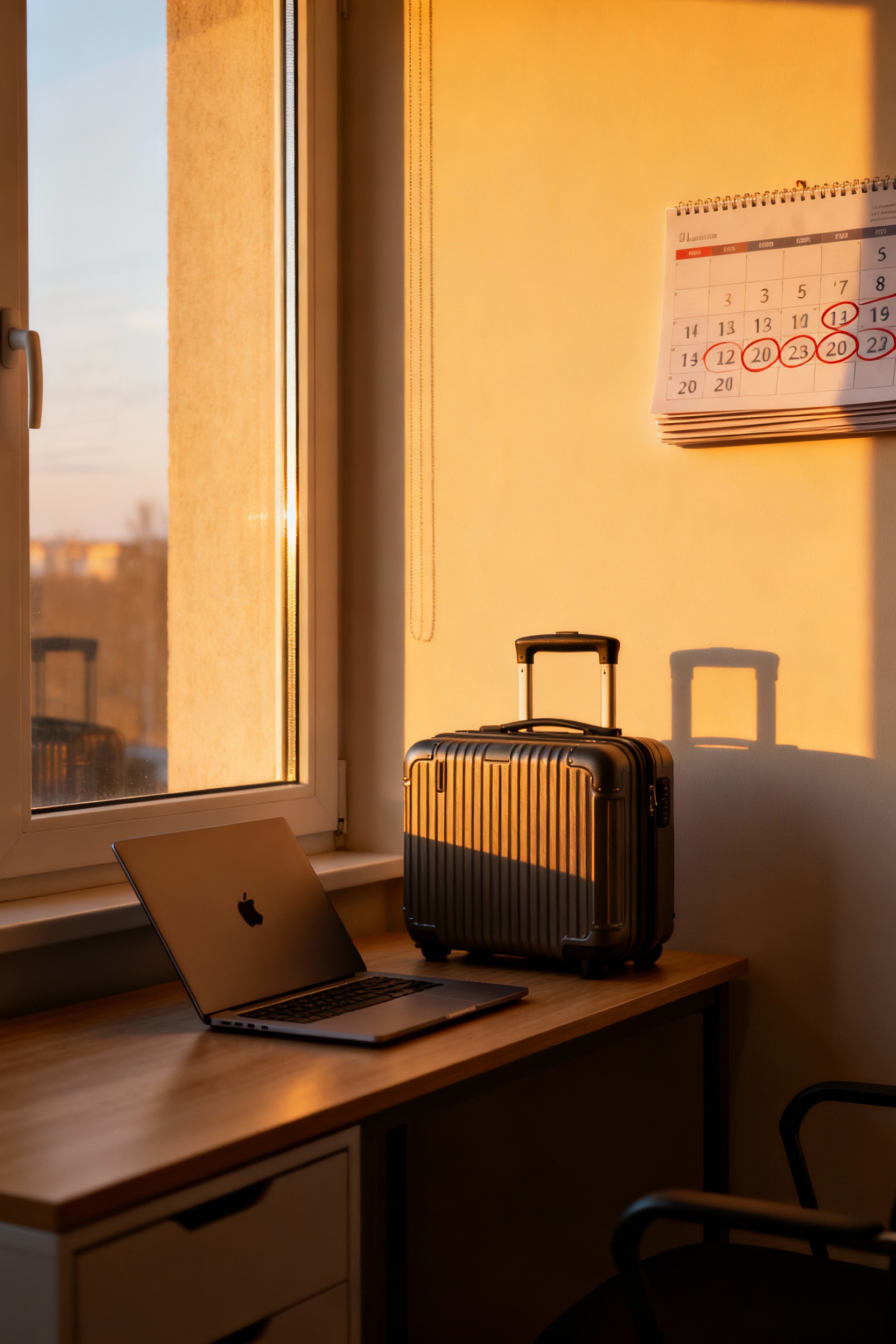
You don’t need unlimited vacation; you need strategically placed time off. Stack PTO with holidays (or long weekends) to get 9–10 days away using 4–5 PTO days, and book flights for the night before your first day off to maximize time. If remote work is part of your life, try a “work-week, explore-weekend” setup: pick one walkable neighborhood, book a place with reliable Wi-Fi, and plan one highlight per day after work. Keep the schedule light—travel burnout is real, and it gets expensive when you start “fixing it” with last-minute upgrades.
5) Travel Like a Local on Purpose

Skip the overpriced tourist track unless it’s truly iconic—your budget stretches more when you choose local rhythms. Buy a transit pass, walk in the mornings, and plan your “big spend” for one thing (a museum, a show, a special meal) instead of random small splurges daily. Use free city assets: public markets, beaches, parks, street festivals, and viewpoints are often the best memories anyway. Pack a refillable water bottle, a tote bag for groceries, and one “nice” outfit so you can do a great dinner without shopping on the road.
FAQ
How do I find cheap flights without spending hours searching?
Set fare alerts and let deals come to you: use Google Flights alerts for flexible dates and track 10–20 destinations you’d actually visit. If you see a good price, book it first and plan around it. Also check nearby airports if they’re realistic for you (sometimes a short train ride saves a lot).
Is it actually safe to stay in hostels as a first-timer?
Yes, if you choose carefully: look for high recent ratings, lockers, 24/7 reception, and a clear location near transit. If dorms aren’t your vibe, many hostels offer private rooms that still give you the social + budget perks. Bring a small lock, earplugs, and a sleep mask.
What’s the easiest way to cut daily spending while traveling?
Do a simple “one paid meal per day” rule: grab breakfast from a grocery store, pick one great lunch or dinner, and keep snacks on hand. Use transit passes and walk when it makes sense. Planning just two anchor activities per day also prevents pricey impulse decisions.
How far in advance should I book flights and hotels?
For most trips, aim for 1–3 months ahead for flights (longer for peak summer and holidays) and book lodging early with free cancellation. Then re-check prices closer to the date and rebook if you find a better deal. The key is locking in options early while keeping flexibility.
What destinations are best for a budget travel lifestyle?
Look for places with strong public transit, affordable food, and lots of free activities. In Europe, consider Portugal, parts of Spain, and Central/Eastern Europe; in the Americas, Mexico City and Medellín are popular; in Asia, Vietnam and Thailand are classic value picks. Wherever you go, choose one base neighborhood and do day trips to keep costs steady.