

Living a life of travel sounds like freedom—until you’re on your fifth museum day in a row, eating snacks for dinner, and wondering why your camera roll is full but your energy is empty. The goal isn’t to travel nonstop; it’s to travel sustainably.
These five habits keep the magic without the meltdown. Think: fewer rushed itineraries, smarter logistics, and a rhythm that actually lets you enjoy where you are.
Top 5
1) Build a “Slow Travel” Base Every Month
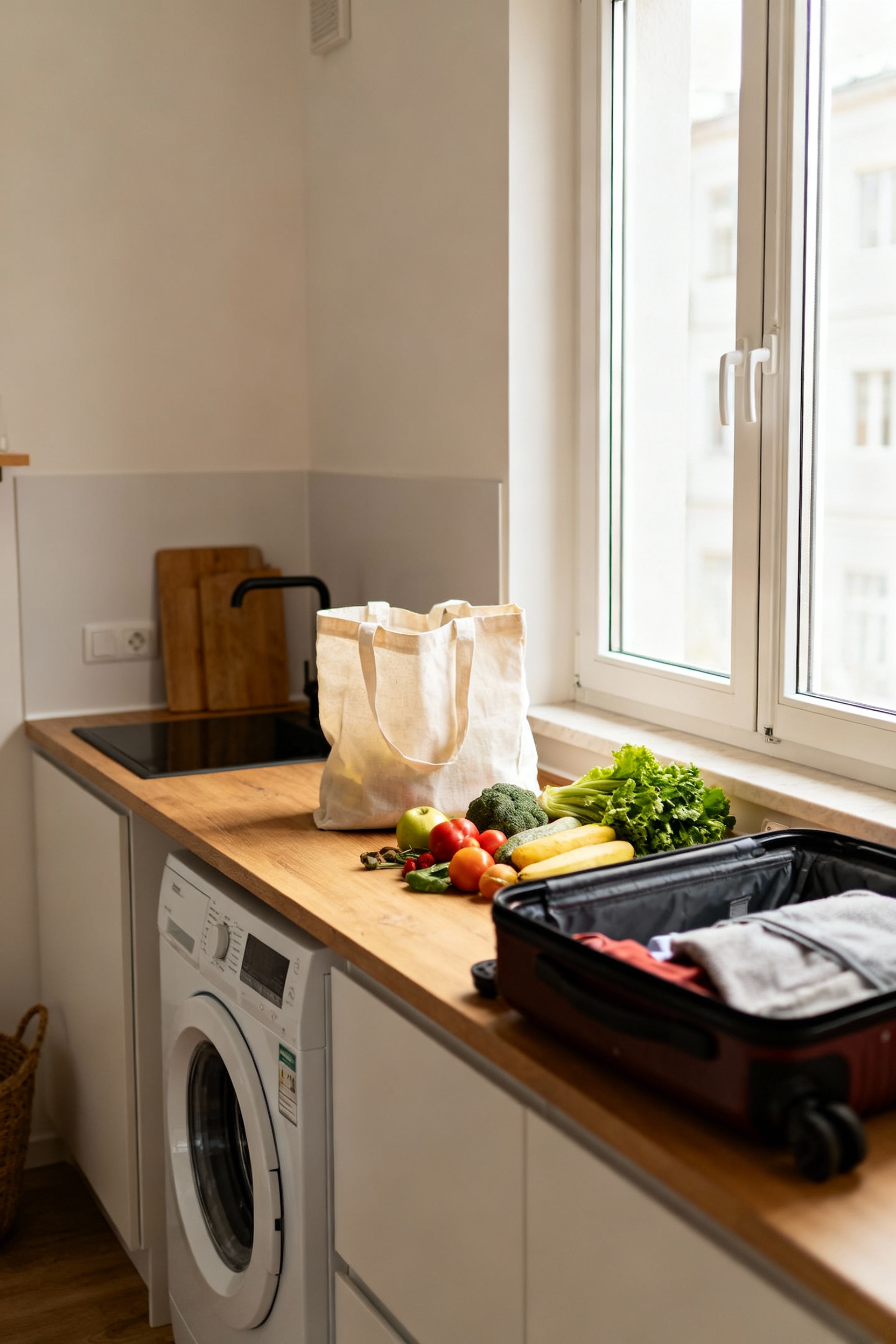
Pick one city to stay 2–4 weeks and treat it like a home base, then do day trips or short overnights from there. Book a place with a kitchen and laundry (even a compact washer) so you’re not constantly “resetting” your life. Aim for a walkable neighborhood with a grocery store, gym/yoga studio, and a couple of cafés—your daily routine will do half the burnout prevention for you.
2) Use the 70/30 Itinerary Rule (and Protect Rest Days)

Plan only 70% of your days and leave 30% intentionally blank for naps, rain, laundry, or a random local recommendation. For busy destinations, pre-book just one “anchor” activity per day (like a timed ticket at 10 a.m.) and keep everything else flexible. Add a real rest day every 5–7 days: no alarms, no long transit, and dinner somewhere close to your stay.
3) Master Transit to Reduce Decision Fatigue
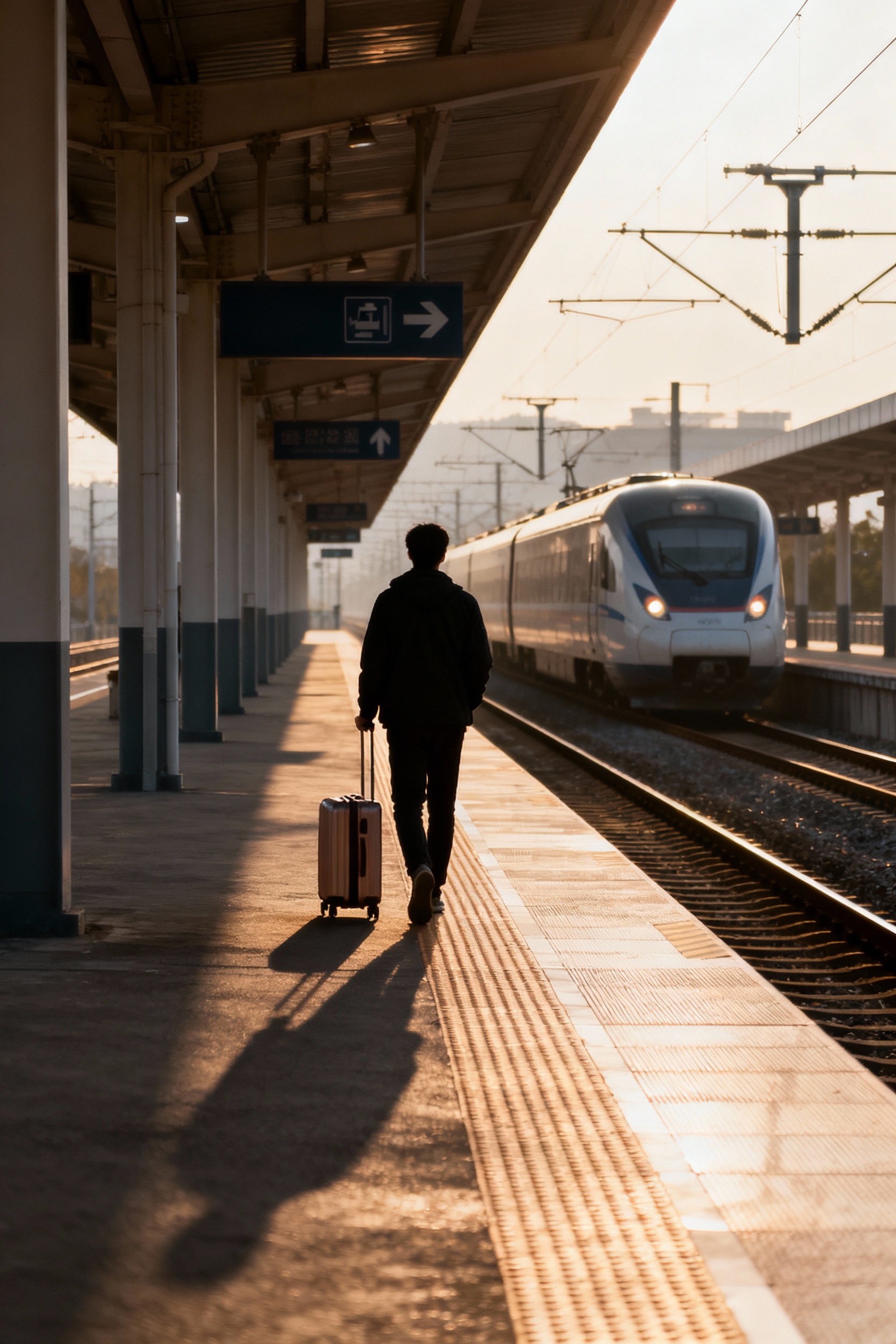
Burnout often comes from constant micro-decisions—especially around getting around. Choose trips with easy connections: direct flights over two-stop bargains, trains over buses when the price difference is small, and accommodations within a 10–15 minute walk of a major transit hub. Download offline maps, pin your top three neighborhoods, and save the local rideshare and transit apps before you arrive.
4) Pack Like You’re Repeating Outfits (Because You Are)

Overpacking makes travel feel heavier—literally and mentally—so build a capsule wardrobe you can re-wear without thinking. Try: two bottoms, three tops, one layer, one nicer outfit, and shoes that can handle 15,000 steps; then do laundry weekly. Keep a tiny “recovery kit” accessible (electrolytes, blister patches, ibuprofen, eye mask, earplugs) so small issues don’t spiral into trip-ruiners.
5) Budget for Comfort Upgrades (They’re Not Splurges)

Comfort is a strategy, not a luxury, when you’re traveling long-term. Decide your “always worth it” upgrades—like one private room a week, airport lounge access on long layovers, or a ride to the airport at 5 a.m.—and build them into your monthly budget. Use the cheapest days for free/low-cost fun (parks, beaches, walking tours) and save paid attractions for the days you’re actually energized.
FAQ
How long can you travel continuously without burning out?
It depends on pace, not time. Many people feel great traveling for months if they slow down (2–4 weeks per base) and schedule true rest days. If you’re moving every 2–3 days, burnout can hit in as little as two weeks.
What’s the best way to choose a long-stay neighborhood as a first-timer?
Start with safety and walkability, then prioritize daily-life needs: grocery store, transit access, and a few casual food options. Look for areas where locals live (not only hotels) and read recent reviews about noise, stairs/elevators, and Wi-Fi reliability.
How do I balance “seeing everything” with actually enjoying a place?
Pick one must-do per day and let the rest be optional. Group sights by neighborhood so you’re not crisscrossing the city, and stop sightseeing by late afternoon at least a couple days a week. Your favorite memories often come from the unplanned moments you leave room for.
What are the easiest destinations for sustainable long-term travel?
Look for places with strong public transit, affordable groceries, and lots of walkable neighborhoods. Many travelers find parts of Portugal, Spain, Mexico City, Chiang Mai, and much of Central Europe easy for longer stays. Choose based on season, your budget, and what kind of daily routine you want.
How do I avoid getting sick or run down while traveling a lot?
Protect sleep first: consistent bedtime, eye mask, and earplugs. Hydrate aggressively on travel days, keep simple meals in rotation (fruit, yogurt, rice bowls), and schedule low-key days after big transit. If you’re crossing time zones, get morning sunlight and keep caffeine earlier in the day to reset faster.