

Vacations are cute, but a travel lifestyle hits different: you stop “escaping” your life and start designing it around movement, curiosity, and flexibility.
The secret isn’t endless money or quitting your job overnight. It’s building repeatable systems—where you go, how you work (or earn), what you pack, and how you plan—so travel feels normal instead of chaotic.
Top 5
1) Build a “Home Base” Rhythm (So You Don’t Burn Out)
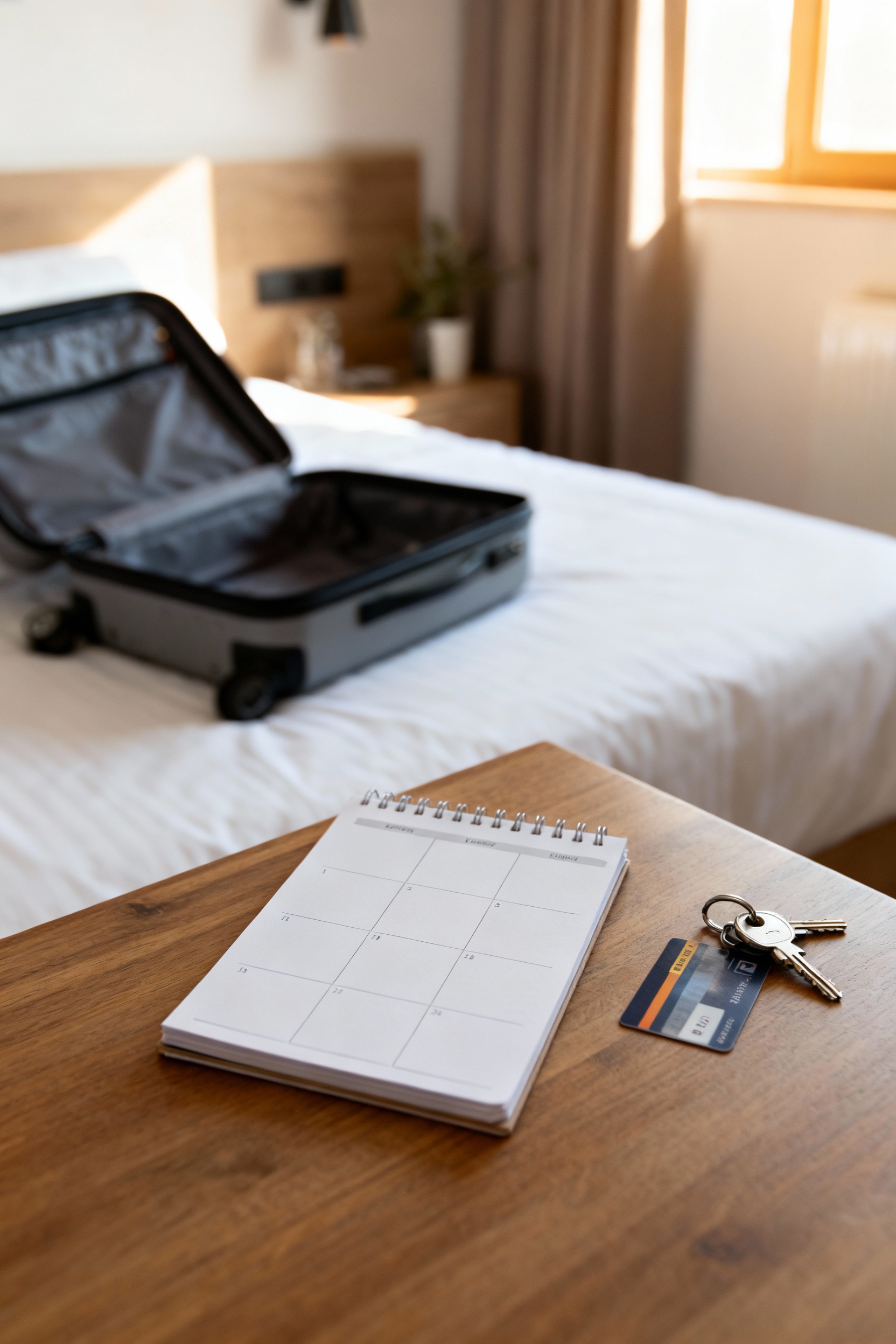
Pick one affordable, well-connected city to return to every 2–4 months—think Lisbon, Mexico City, Bangkok, or Barcelona depending on your vibe and visa options. Book longer stays there (2–6 weeks) to reset routines: laundry, workouts, admin, friendships, and a favorite café you can walk to. Choose neighborhoods with grocery stores, transit, and a safe nighttime vibe; being close to daily essentials matters more than being near the “top sights.” If you’re new to long-term travel, start with a 1-month base and add short side trips (3–5 days) so you’re not constantly repacking.
2) Travel Slower (And Budget Like You’re Staying, Not Visiting)

Switch from “3 cities in 7 days” to “1 city per 2–4 weeks” and watch your costs and stress drop instantly. Prioritize rentals with a kitchen and laundry; cooking two meals a day can fund your weekend activities without feeling like you’re depriving yourself. Time your arrivals midweek for cheaper flights, and avoid checking bags by packing for 7–10 days and doing laundry—this is the easiest lifestyle upgrade. Pro tip: if a place feels expensive, don’t force it—use it as a short stopover and spend longer in nearby, less-hyped towns.
3) Make Your Money and Time Portable

Even if you’re not remote yet, you can start training your life to be flexible: stack PTO with public holidays, negotiate one “work from anywhere” week per quarter, or shift to a role that’s location-light (client calls, project-based work, seasonal gigs). Build a travel calendar that respects your energy—plan “deep work weeks” in calm neighborhoods and “explore weeks” when you’ll actually want to be out late. Keep your setup simple: a lightweight laptop, universal adapter, and a backup internet plan (local SIM or eSIM plus a hotspot option). If you freelance, create a 2–3 service menu you can deliver from anywhere and block admin time weekly so your travel doesn’t turn into constant catch-up.
4) Master Long-Stay Logistics: Visas, Healthcare, and Backups
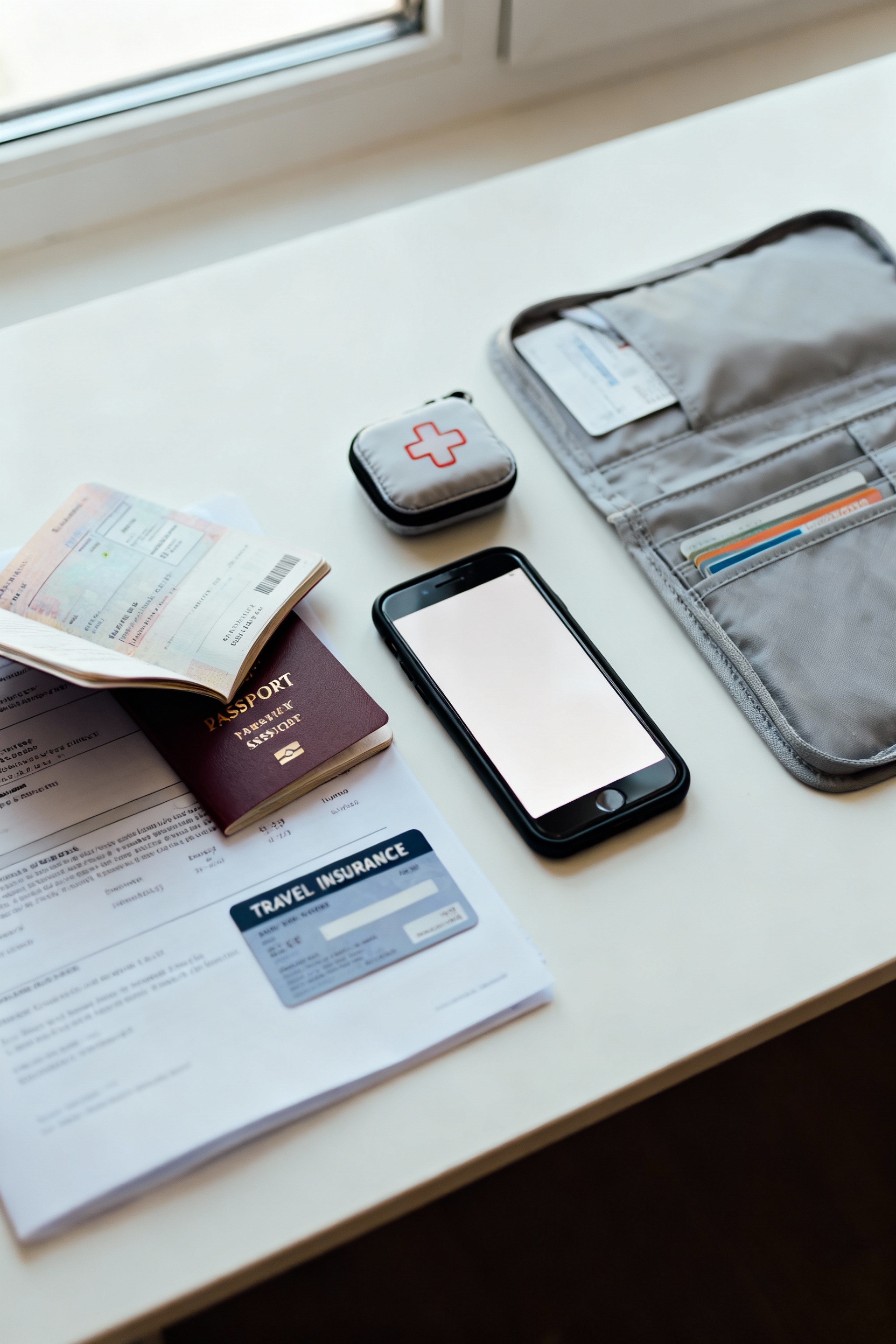
Before you fall in love with a destination, check the boring stuff: entry rules, maximum stay, and whether you need onward travel proof. Keep a “travel folder” with passport scans, insurance details, prescriptions, and emergency contacts—online and offline—so you’re never scrambling at an airport. Get travel medical insurance that covers longer trips and includes emergency evacuation; it’s not optional when travel becomes routine. Also plan for the unglamorous: always know where the nearest pharmacy is, keep a small first-aid kit, and have one backup plan for lost cards (at least two cards, stored separately).
5) Create a Repeatable Planning System (Not a Giant Spreadsheet)

Use a simple three-layer plan: (1) anchor dates (work, weddings, big events), (2) seasonal picks (where you actually want to be that month), and (3) flexible fillers (nearby easy add-ons). Book only the first 2–5 nights in a new city, then extend once you’ve checked the neighborhood noise, Wi-Fi, and vibe—especially if you’re staying a month. Keep packing uniform: one “always list” (chargers, meds, copies), one capsule wardrobe, and one “comfort item” that makes any place feel like yours. Finally, set a weekly reset ritual—Sunday planning, expense check, laundry—so travel feels like a lifestyle with structure, not a constant improv show.
FAQ
How much money do I need to turn travel into a lifestyle?
You don’t need unlimited funds, but you do need predictability. Aim for a baseline monthly budget (housing + food + transport + insurance) and add a buffer for flights and surprises. Traveling slower and booking month-long stays usually costs less than hopping cities every few days.
What’s the best way to start if I only have limited PTO?
Start with “mini long stays”: pick one city and stay 7–10 days instead of splitting it into multiple destinations. Stack PTO around holidays, take early/late flights to maximize full days, and choose places with direct flights so you don’t waste time in transit. Build the habit now, then expand as your flexibility grows.
How do I choose destinations that support a travel lifestyle?
Look for cities with reliable public transit, walkable neighborhoods, stable internet, and a range of accommodation options. Prioritize shoulder seasons for better prices and fewer crowds. If you’re staying longer, choose places where day-to-day living is easy (grocery stores, gyms, coworking, safe streets) not just sightseeing.
What should I pack when travel is ongoing, not a one-off trip?
Pack for repeat wear and easy laundry: neutral tops, one nicer outfit, a light jacket layer, and comfortable walking shoes you can wear daily. Keep a tiny essentials kit (meds, chargers, adapter, copies of documents) permanently stocked so you can leave fast. If you’re moving often, keep it carry-on only—mobility is the whole point.
How do I avoid feeling lonely while traveling long-term?
Choose one or two “community anchors” in each place: a coworking space, a group class, a weekly walking tour, or a local café you return to. Stay longer (2+ weeks) to let connections happen naturally, and schedule regular calls with friends back home so your relationships don’t fade. If you find a city that feels like you, return—repeat destinations create real roots.