

Want a life with more stamps in your passport but you’re starting at zero—no points, no remote job, no “travel friend” group chat? Perfect. Starting from scratch is actually an advantage because you can build a travel life that fits your budget, schedule, and energy.
Here are five practical moves that make travel feel normal (not a once-a-year, big-deal event). Pick one to start this week, then stack the rest over time.
Top 5
1) Build Your “Travel Fund” Like a Subscription
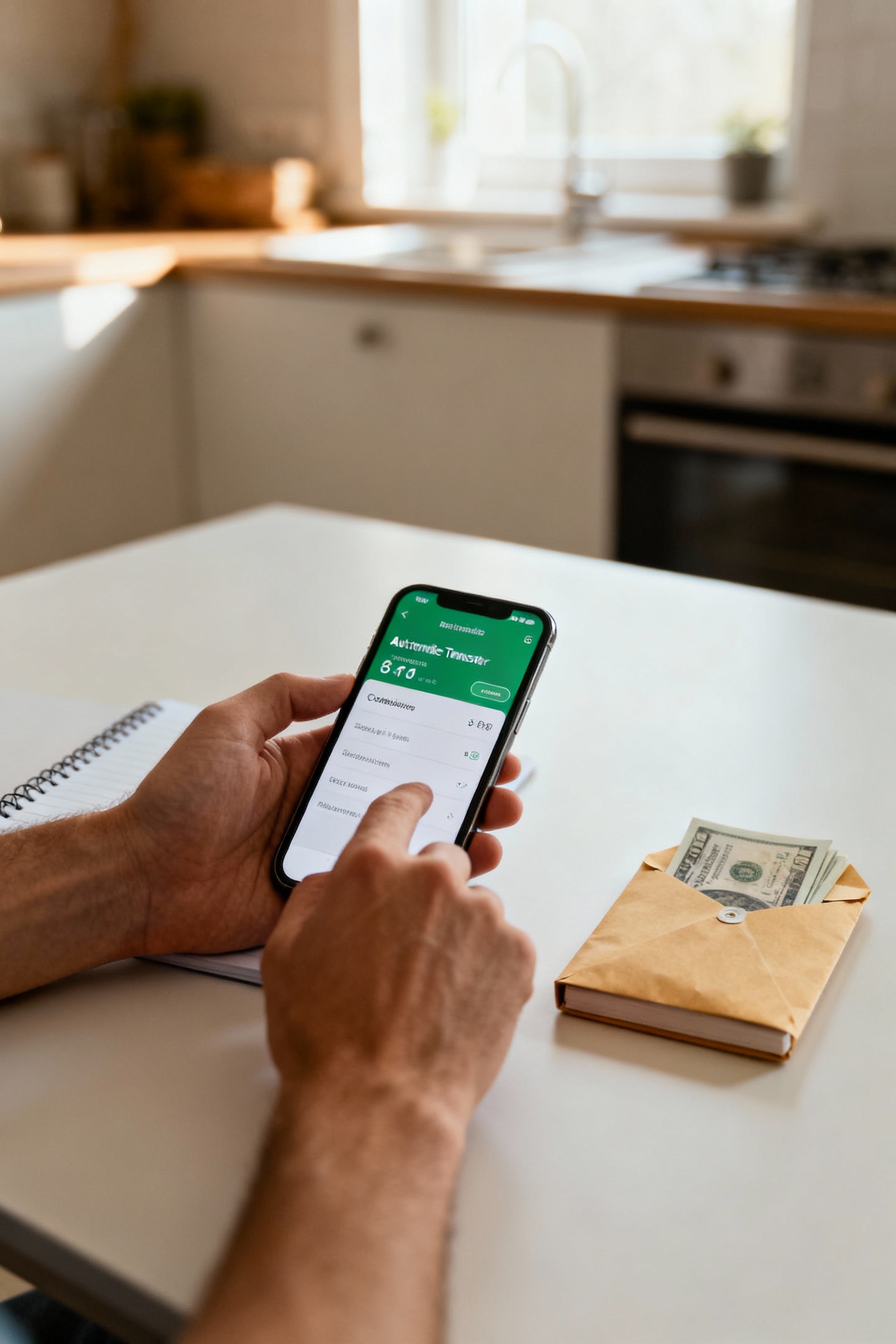
Open a separate savings account and set an automatic transfer for every payday—even $20–$50 is a win. Name it after your next destination (seriously, it works) and decide what it covers: flights only, or flights + lodging. Start with one short trip 6–10 weeks out so you have a deadline, then book as soon as you hit your minimum number. Keep it easy by planning around long weekends and flying midweek if you can.
2) Choose One Home Base City That’s Cheap to “Practice” Travel

Pick a beginner-friendly city with solid transit, walkable neighborhoods, and lots of budget food—think places where you don’t need a car. Book a 2–3 night “practice trip” to learn your rhythm: how you pack, how early you like to arrive at the airport, what kind of lodging you actually enjoy. Aim for neighborhoods near the main transit lines so you can explore without constantly ridesharing. Keep your schedule light: one anchor activity per day, plus wandering.
3) Learn the Three-Tab Trip System (So Planning Doesn’t Spiral)
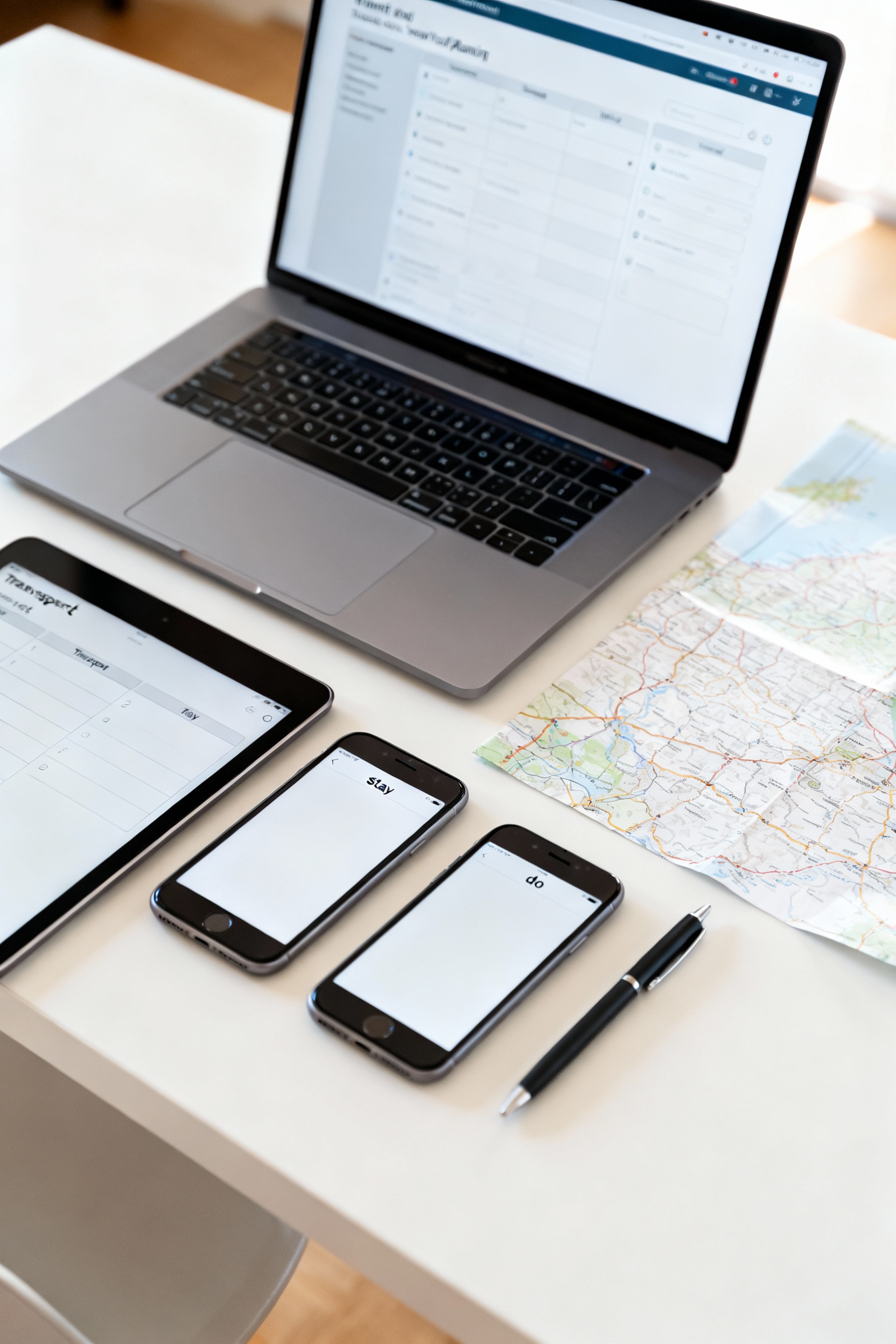
Planning gets overwhelming when everything is “research.” Use three tabs only: transport (flight/train/bus), stay (hotel/hostel/rental), and do (a short list). Book transport first when prices look fair, then lock lodging in a safe, central area—close to a metro stop or the attractions you’ll visit most. For “do,” save 5–8 spots max and star your top two; you can always add later. Pack around your itinerary: comfortable shoes, a light layer, and one outfit that works for a nicer dinner.
4) Make Points and Perks Work for You (Without Getting Complicated)
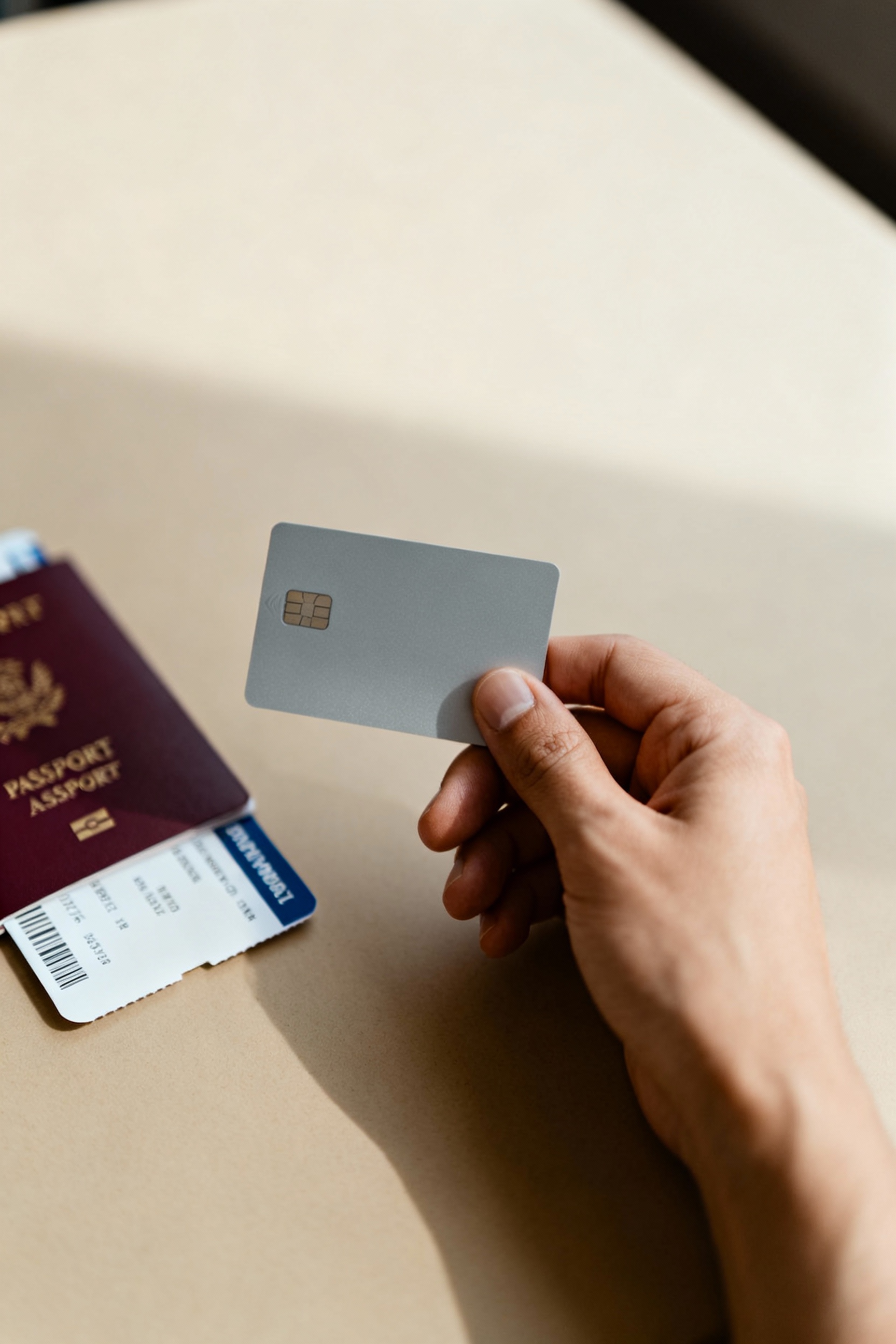
If you’re starting from scratch, keep it simple: choose one travel credit card (only if you pay it off monthly) and one airline or hotel loyalty program you’ll actually use. Put predictable expenses on the card (groceries, gas, phone bill), then redeem for your next flight or a couple hotel nights. Set fare alerts for 2–3 destinations you’d genuinely go to on short notice and be flexible with dates. Also, don’t sleep on basics: free hotel breakfast, public transit passes, and walking tours can cut costs fast.
5) Design Your Job/Life Around Travel—One Boundary at a Time

You don’t need a fully remote job to travel more; you need a plan for time off and a way to protect it. Start by choosing travel windows (like one long weekend every other month) and requesting PTO early, or stacking holidays with a day or two off. If you can work remotely sometimes, ask for a “work-from-anywhere week” policy and prove you can keep output steady. Build a packing list you reuse and keep a small travel kit ready (toiletries, adapters, meds, copies of IDs) so spontaneous trips are actually doable.
FAQ
How much money do I need to start traveling?
You can start with whatever you can consistently save. A realistic beginner goal is $300–$800 for a short domestic trip (2–3 nights) depending on flights and lodging. The key is automating savings and choosing one “starter” destination where you won’t need a car.
What’s the easiest first trip if I’m nervous?
Pick a direct flight (or a train) to a walkable city, stay somewhere central, and keep the trip short. Book a place with a 24/7 front desk if that makes you feel safer, and plan one guided activity like a walking tour for day one. Confidence comes fast once you’ve done the airport-to-hotel-to-dinner loop once.
How do I travel more with a full-time job?
Use long weekends, plan 6–10 weeks ahead, and request PTO early. Look for Thursday-night flights and Monday returns, or fly out early Saturday and come back Sunday night for micro-trips. If your job allows it, add one remote workday to stretch a weekend into a 4–5 day trip.
What should I pack for my first few trips?
Keep it simple: one comfortable pair of walking shoes, one nicer outfit, a light jacket, and a compact day bag. Bring a portable charger, a reusable water bottle, and any meds you might need (plus backups). Pack outfits that mix and match so you’re not hauling options you won’t wear.
What’s the biggest mistake new travelers make?
Overplanning and overpacking. Choose one main neighborhood to stay in, one or two must-dos per day, and leave room for food stops and wandering. You’ll have a better trip—and you’ll actually want to do it again soon.