
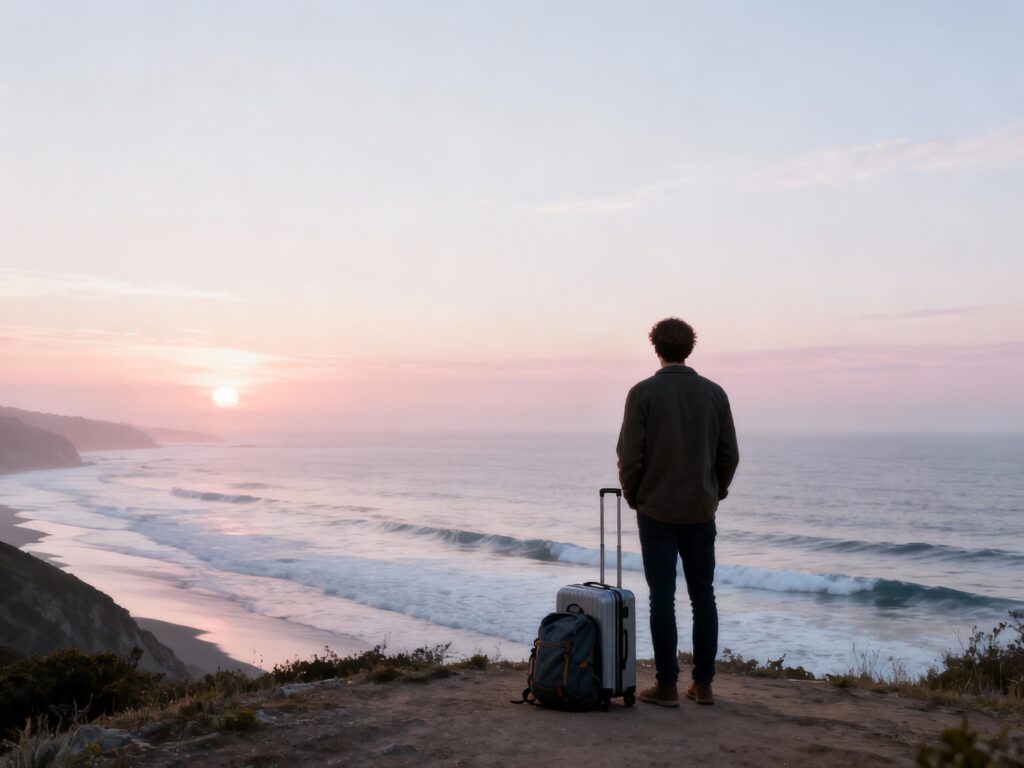
Travel sounds dreamy until you realize the hard part isn’t booking one big trip—it’s building a lifestyle that keeps working month after month. The goal is freedom without burnout, and fun without constantly “starting over” financially and mentally.
Here’s how to design a life of travel that actually lasts, with systems you can repeat anywhere (and tweak as you learn what you love).
Top 5
1) Build a Travel Budget That Survives Real Life

Start with a monthly baseline: rent/home base costs (even if it’s storage), insurance, phone, subscriptions, and a realistic food/transport spend. Use the “two-bucket” method: fixed costs in one account, travel spending in another, so you don’t accidentally overspend early in the month. Aim to fund a 1–2 month cushion before you leave, and track your costs by week (not by trip) to keep the pace sustainable. If you’re bouncing countries, budget extra for visas, baggage fees, and “admin days” where you’ll pay for convenience.
2) Choose a Pace You Can Repeat (Slow Travel Wins)
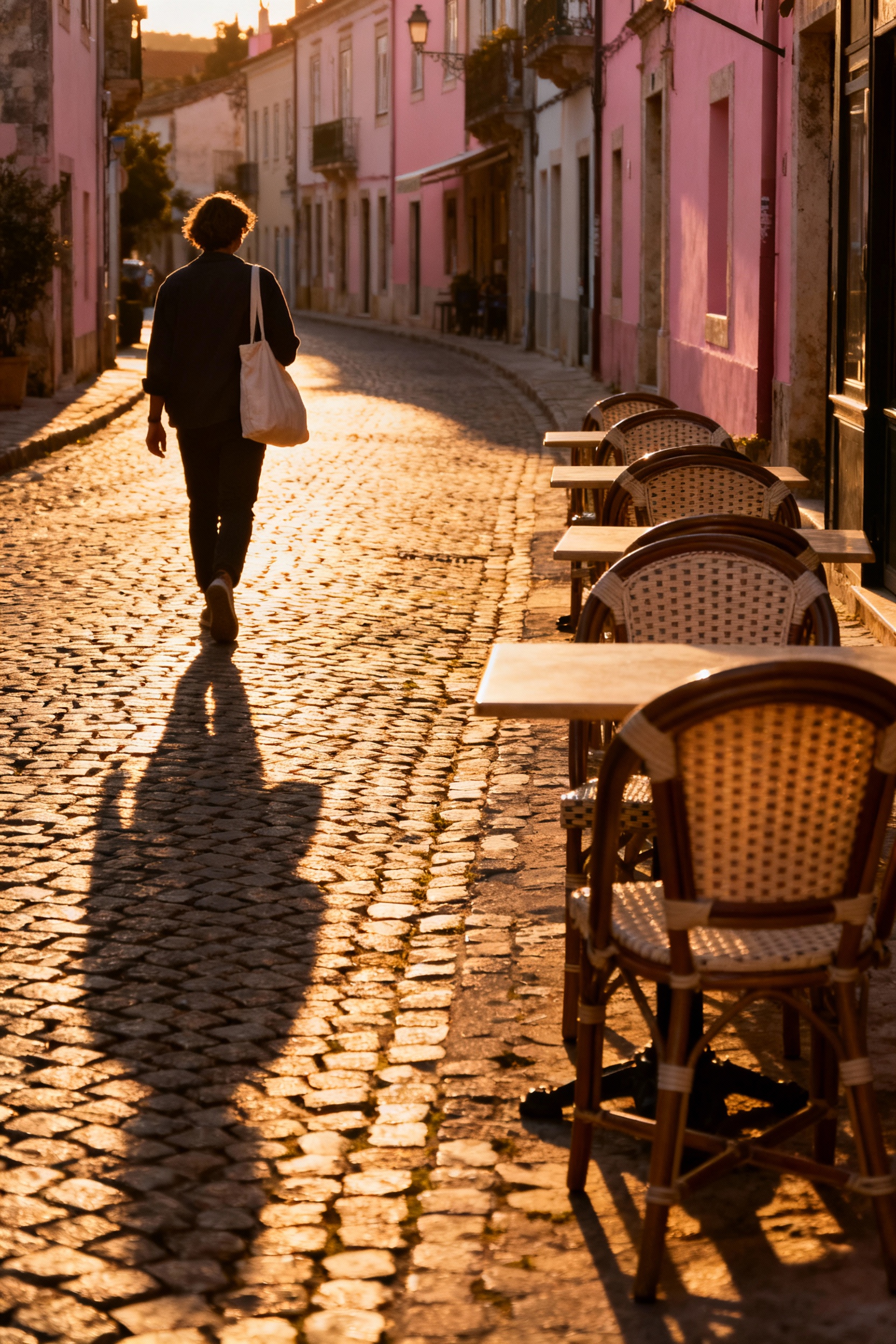
If you want travel to last, stop treating every week like a highlight reel. Try the 10–21 day rule: stay at least 10 days per stop (21 is even better) so you’re not constantly packing, navigating new systems, and paying premium prices for last-minute plans. Book arrivals for earlier in the day when possible—night arrivals are where expensive taxi mistakes happen. Keep one “no plans” day every 5–7 days for laundry, long walks, errands, and catching up on life.
3) Set Up a Reliable Home Base (Even If You’re “Always Traveling”)
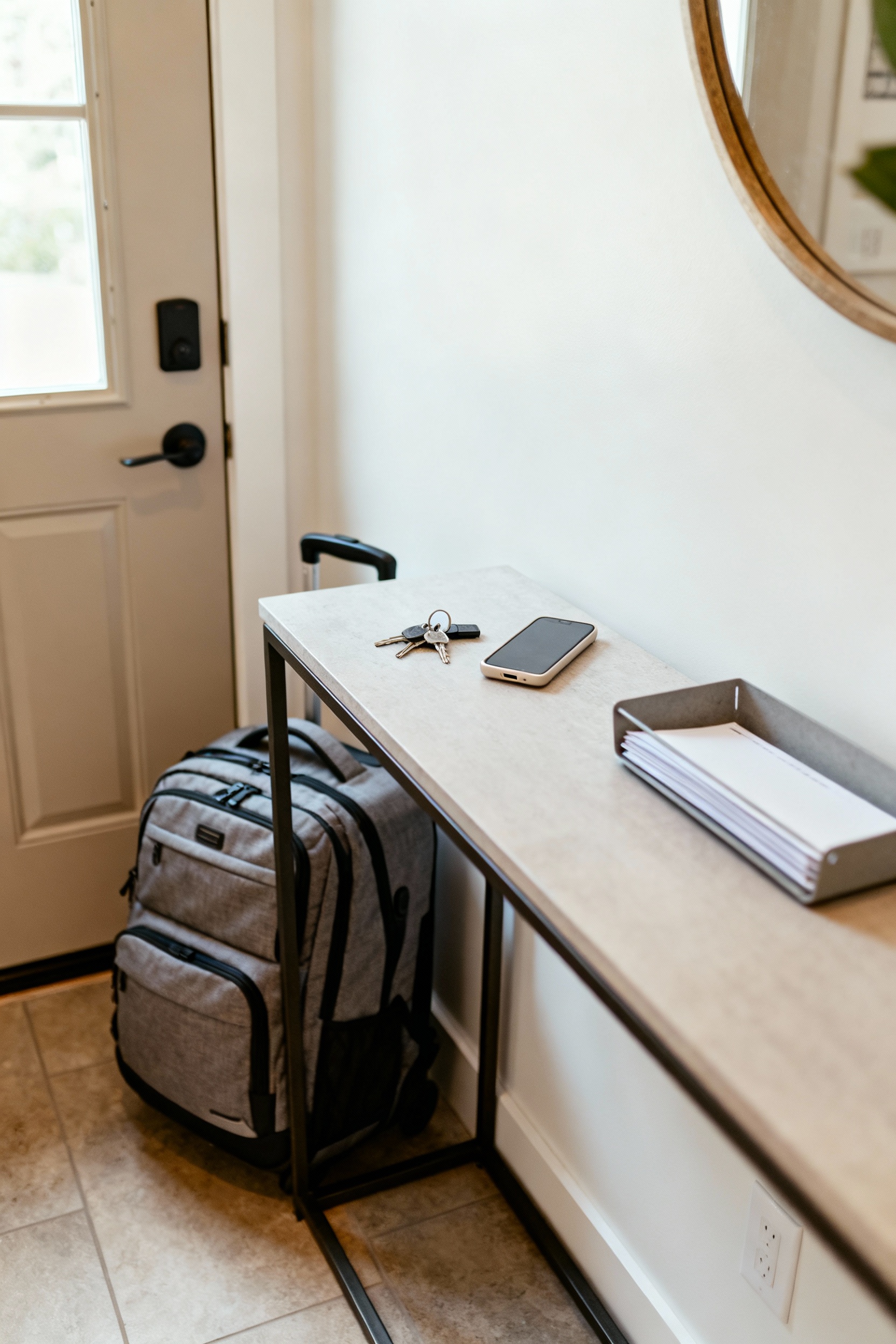
A lasting travel life usually has some kind of anchor: a home city, a recurring region, or a family/friend hub you return to. If you don’t want a lease, look at a storage unit plus a trusted mailing solution (virtual mailbox or a friend who can forward essentials), and keep one “home kit” there (winter coat, formal outfit, extra tech cables). When picking longer stays, choose neighborhoods that make daily life easy: near a grocery store, a gym or walkable park, and public transit—tourist centers are fun, but they’re rarely relaxing long-term. For accommodation, prioritize a kitchen, a desk/table, and laundry access over a fancy view.
4) Pack Like You’re Moving Through Real Weather and Real Errands
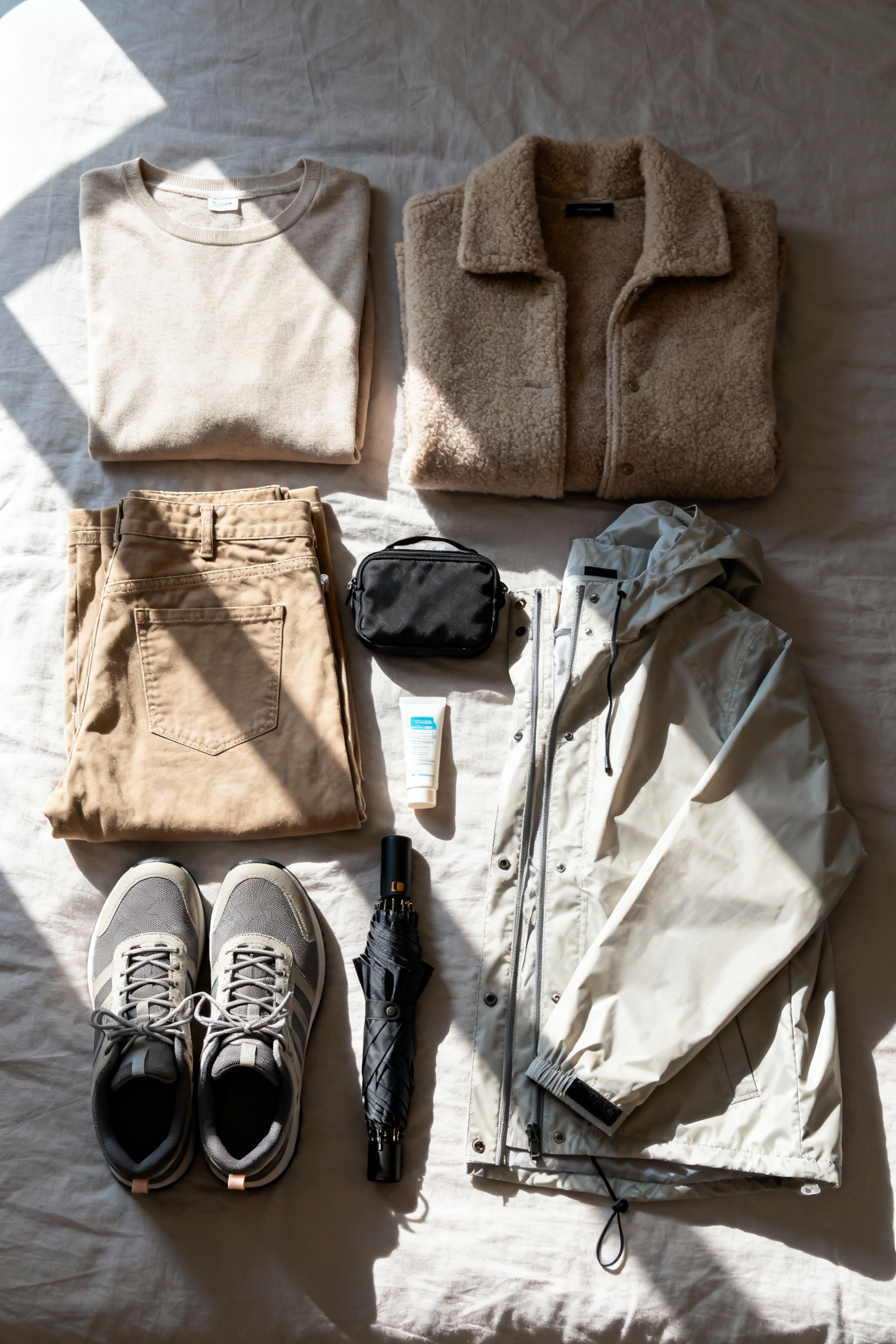
Pack for your life, not your photos: think layers, comfortable shoes, and one outfit that works for “nice dinner” without being precious. A small capsule wardrobe (3 tops, 2 bottoms, 1 warmer layer, 1 rain layer) makes repeat-wearing normal and keeps luggage light. Bring a compact day bag, a universal adapter, and a tiny first-aid kit with basics you actually use (bandages, blister care, pain relief, electrolytes). The secret upgrade: pack a “reset kit” for long travel days—snacks, an empty water bottle, wipes, and a spare shirt—because feeling human is how you avoid burnout.
5) Design Your Travel Calendar Around Energy, Seasons, and Costs

Instead of chasing everywhere at once, plan in “travel seasons” that match weather and pricing: shoulder season is your best friend for longer stays and fewer crowds. Build your year in quarters—pick one main region per quarter, then sprinkle in short side trips so you’re not constantly crossing time zones. Use rules that protect your energy: no more than one red-eye per month, and schedule a calm week after any big move. Book flights with flexible change options when you’re testing a new rhythm, and lock in longer rentals early when you find a place that fits.
FAQ
How much money do I need to travel long-term?
It depends on your destinations and pace, but the most helpful starting point is your monthly “all-in” number (fixed costs + travel spending). Many first-timers do well by saving 1–2 months of expenses as a cushion before leaving, plus a separate emergency fund if possible. Slower travel and longer rentals usually cut costs fast compared to moving every few days.
Is it better to book everything in advance or stay flexible?
Do a hybrid plan: book the first 1–2 weeks (including your first stay and how you’ll get there), then keep the rest flexible. In expensive peak seasons or small towns with limited lodging, book longer stays earlier. For longer-term travel, flexibility is what lets you rest, change plans, and follow good deals.
How do I avoid burnout while traveling?
Slow down and schedule normal life on purpose: errands, workouts, quiet mornings, and no-plan days. Choose accommodations with a kitchen and a comfortable place to sit so you’re not always “out” spending money and energy. Limit major transit days and give yourself recovery time after flights, long bus rides, or border crossings.
What’s the best way to choose where to go next?
Use a simple filter: weather you’ll enjoy, costs you can afford, and logistics you can handle (flight length, time zones, visa rules). Then pick neighborhoods that support routines—walkable areas near groceries and transit will make you happier than being right next to every attraction. If you loved a place once, returning for a longer stay can be even better the second time.
What should I do if I’m traveling solo for the first time?
Start with destinations known for easy transportation and strong traveler infrastructure, and book a well-reviewed stay in a central, safe neighborhood. Share your rough itinerary with someone you trust, keep copies of important documents, and plan your first day to be low-pressure (food, a walk, early sleep). Consider mixing in social stays like small group tours or a few nights in a social hostel/private room setup if you want easy connections.