
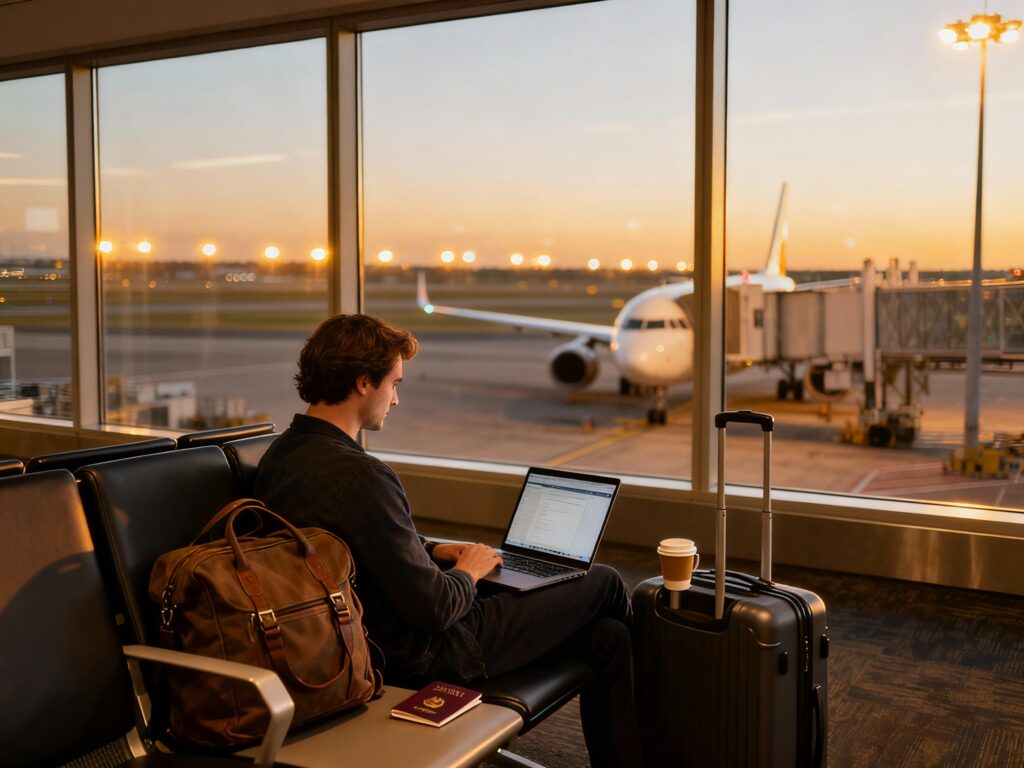
Living a life of travel with a stable income isn’t about winning the lottery or “quitting everything.” It’s about building a repeatable system: predictable money, predictable time off, and a travel style that won’t wreck your budget or energy.
If you’re a first-timer, start smaller than you think: one well-planned trip every 6–8 weeks can feel like a whole new lifestyle. Here are five practical ways to make it real without chaos.
Top 5
1) Build a Travel-First Budget (That Runs on Autopilot)
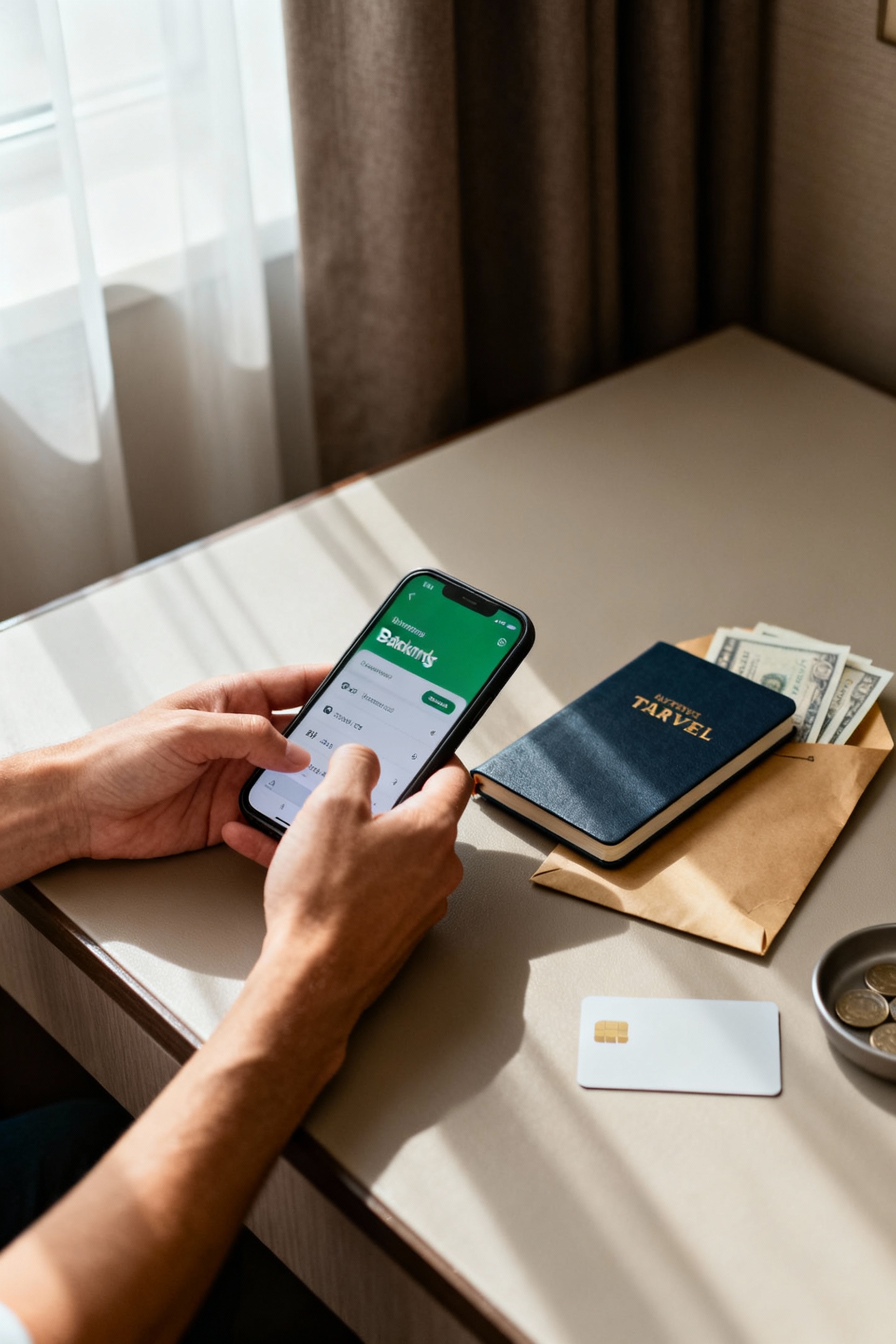
Open a dedicated “Travel” savings account and set an automatic transfer for every payday (even $50–$200 adds up fast). Use a simple rule: book flights only when you’ve already saved at least 70% of the trip cost, then let the remaining 30% cover food, local transit, and activities. Choose destinations with cheap day-to-day costs (Lisbon, Mexico City, Budapest, Vietnam) so your income goes further. Keep a running checklist of “always-pack” basics (universal adapter, packable day bag, meds, backup card) so you don’t rebuy essentials every trip.
2) Pick One Stable Income Lane and Make It Boring (In a Good Way)

Stability usually comes from one primary lane: a remote job, a hybrid job with predictable PTO, or a service-based freelance offer you can deliver anywhere. If you’re freelancing, productize your work (ex: “4 Reels + captions weekly” or “monthly website updates”) so income is less random and easier to schedule around travel days. Keep your “travel setup” consistent: lightweight laptop, noise-canceling headphones, portable charger, and a SIM/eSIM plan you trust. Book accommodations with a real desk or table, strong Wi-Fi reviews, and a quiet-ish neighborhood so you’re not working from a wobbly café chair all week.
3) Plan Trips Around a Repeatable Calendar (Not Random Weekend Panic)
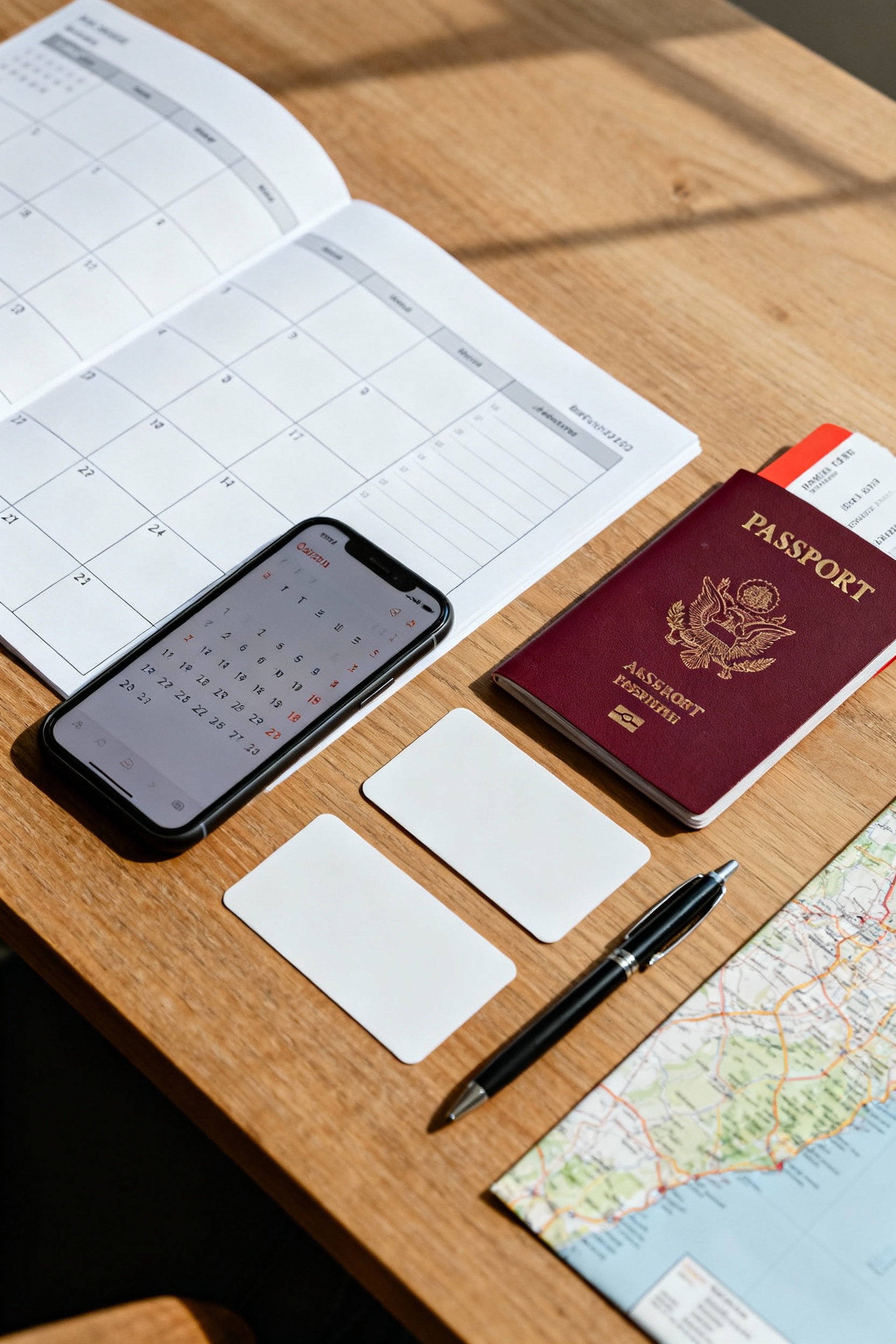
Use a simple rhythm: one “big” trip every quarter and one “mini” trip in between, then block those dates on your calendar 3–6 months out. Travel midweek when possible—flying Tuesday/Wednesday is often cheaper and calmer, and you’ll dodge the worst airport crowds. For city trips, aim for 4–6 nights in one neighborhood instead of hopping around; you’ll save money, reduce transit stress, and actually learn the place. If you’re working during the trip, schedule sightseeing in “anchors” (one morning market, one sunset viewpoint, one museum) so you don’t overpack your days.
4) Master Long-Weekend Logistics (So You Travel More, Not Harder)

Long weekends are the secret weapon: book a flight after work on Thursday or early Friday, then return Monday night to stretch your time without burning a full week of PTO. Stay near reliable transit (metro lines, central train stations, or walkable areas) so you’re not wasting hours in rideshares; in many cities, that’s the difference between feeling rushed and feeling relaxed. Pack a carry-on-only capsule: one jacket, two shoes max, and outfits that mix-and-match so you’re not doing suitcase Tetris. Pre-book one “must-do” ticket (popular museum, tour, or train) and leave the rest flexible for weather and vibes.
5) Create a Safety + Admin System That Protects Your Income
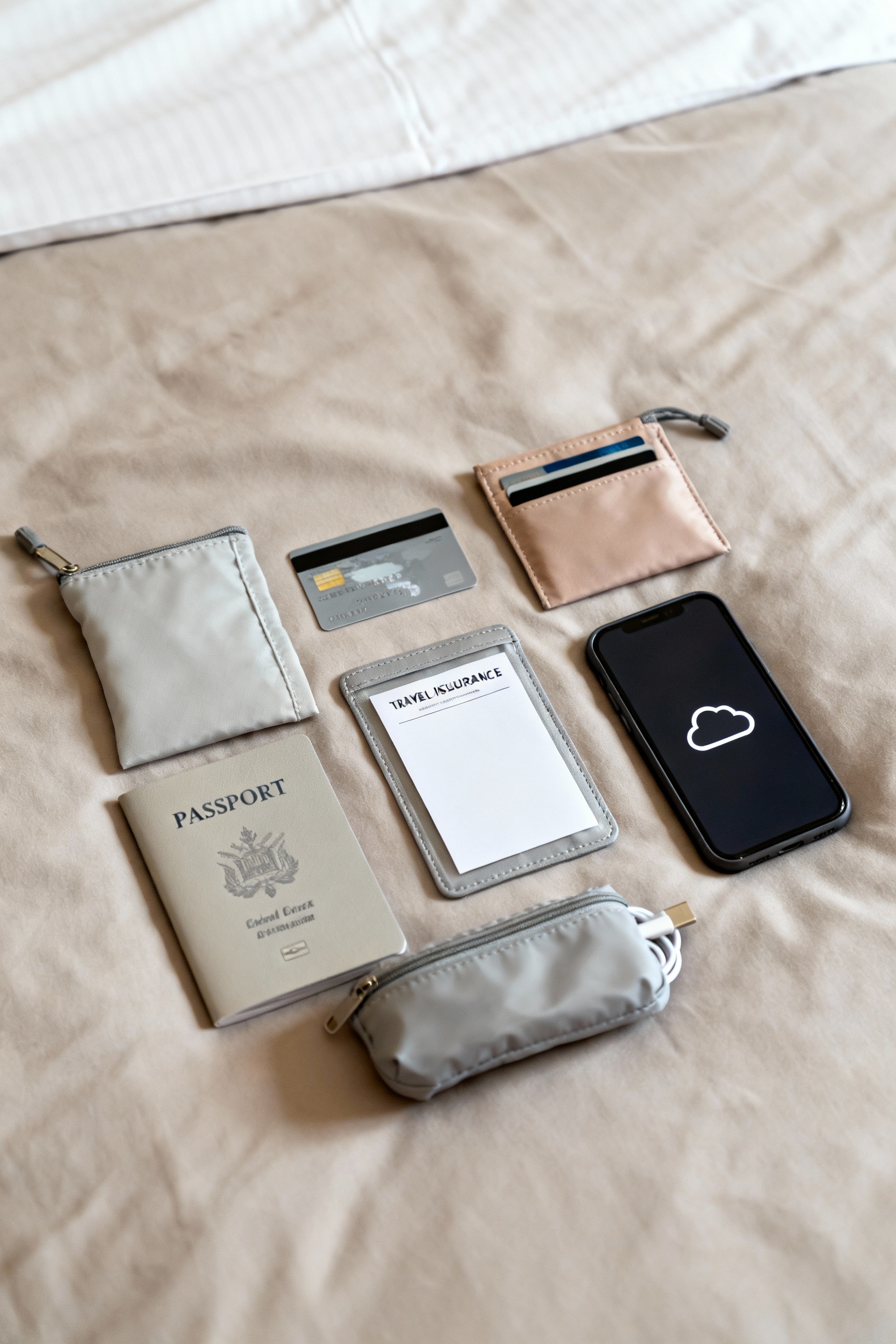
Your travel life stays stable when the boring admin is handled: set bills to autopay, keep digital copies of passport/ID, and store a backup card separately from your wallet. Buy travel insurance when you’re booking expensive flights or non-refundable stays, and double-check what your health coverage actually does abroad. Use a “two-internet” rule when working: primary Wi-Fi plus a hotspot option (local SIM/eSIM or pocket hotspot) so one outage doesn’t derail your day. If you’re crossing time zones, plan a buffer day before big work deadlines and choose accommodations with blackout curtains so you can sleep like a professional.
FAQ
How much money do I need to start traveling regularly?
You can start with a small but consistent amount: $100–$300 per paycheck is enough to build momentum if you focus on affordable destinations and off-peak dates. A good first goal is a $1,000–$2,000 travel fund so you can cover flights plus a few nights without stress. Once you’ve done one trip, you’ll know your real average spend and can adjust.
Is it better to travel full-time or take frequent shorter trips?
For stable income, frequent shorter trips are usually easier: less disruption, fewer timezone headaches, and you can keep routines. Try 4–6 night trips and “work a little, explore a lot” days. Full-time travel can work too, but it requires tighter systems for Wi-Fi, healthcare, and consistent client/work availability.
How do I choose destinations that fit a work-and-travel lifestyle?
Prioritize places with reliable infrastructure: strong Wi-Fi, easy transit, safe walkable neighborhoods, and plenty of grocery/café options. Look for cities with good day-trip potential so you can keep one base (ex: Barcelona + Montserrat, London + Bath, Tokyo + Nikko). For your first few trips, pick destinations with direct flights to reduce delays and burnout.
What should I book first: flights, hotels, or activities?
Start with flights if prices are good and your dates are locked, then book accommodations in a convenient neighborhood with flexible cancellation. Activities come last unless they sell out (major museums, popular tours, special trains). If you’re working on the trip, choose lodging first when Wi-Fi quality is non-negotiable.
How do I avoid burnout while traveling and working?
Build in “no-plan” time and keep your daily expectations realistic: one main activity per day is plenty. Stay in one neighborhood longer, walk more than you commute, and schedule rest like it’s an appointment. The goal is a sustainable travel life—coming home energized, not needing a vacation from your vacation.