
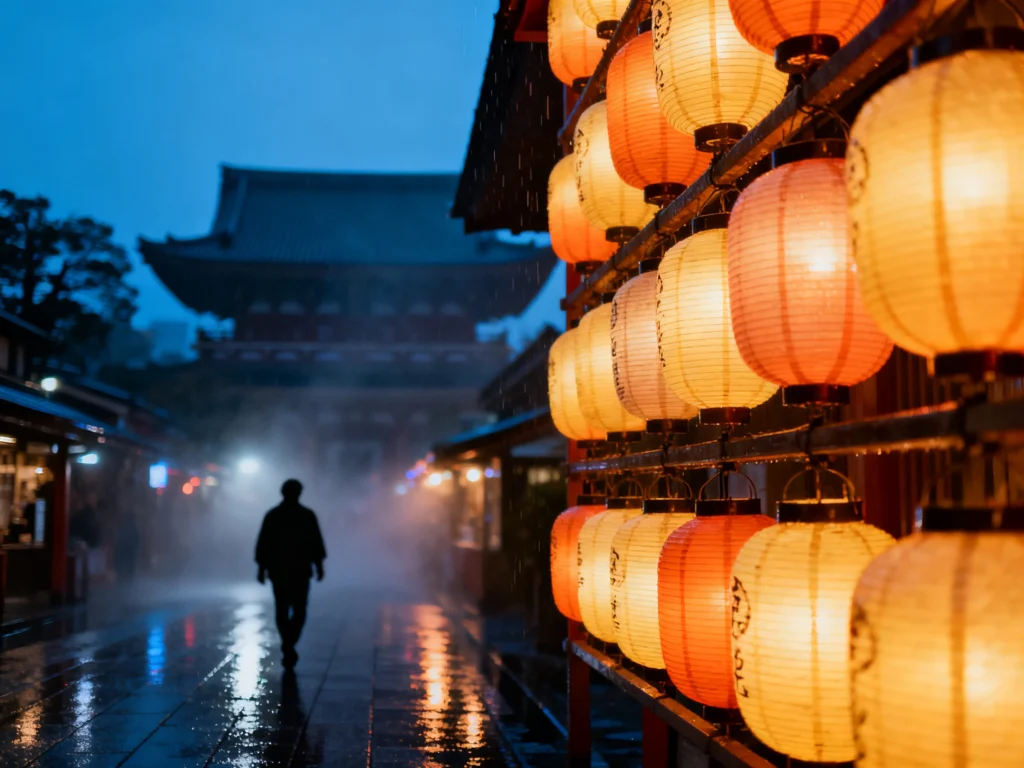
Planning Japan for the first time can feel like trying to choose one snack in a convenience store: impossible, because everything looks amazing. The trick is to pick an itinerary style (cities, nature, culture, food) and build a route that keeps transit easy.
Below are five Japan itinerary ideas you can copy-paste, each with practical planning tips so your days feel full—but not rushed.
Top 5
1) Classic First-Timer: Tokyo + Hakone + Kyoto (7–10 Days)
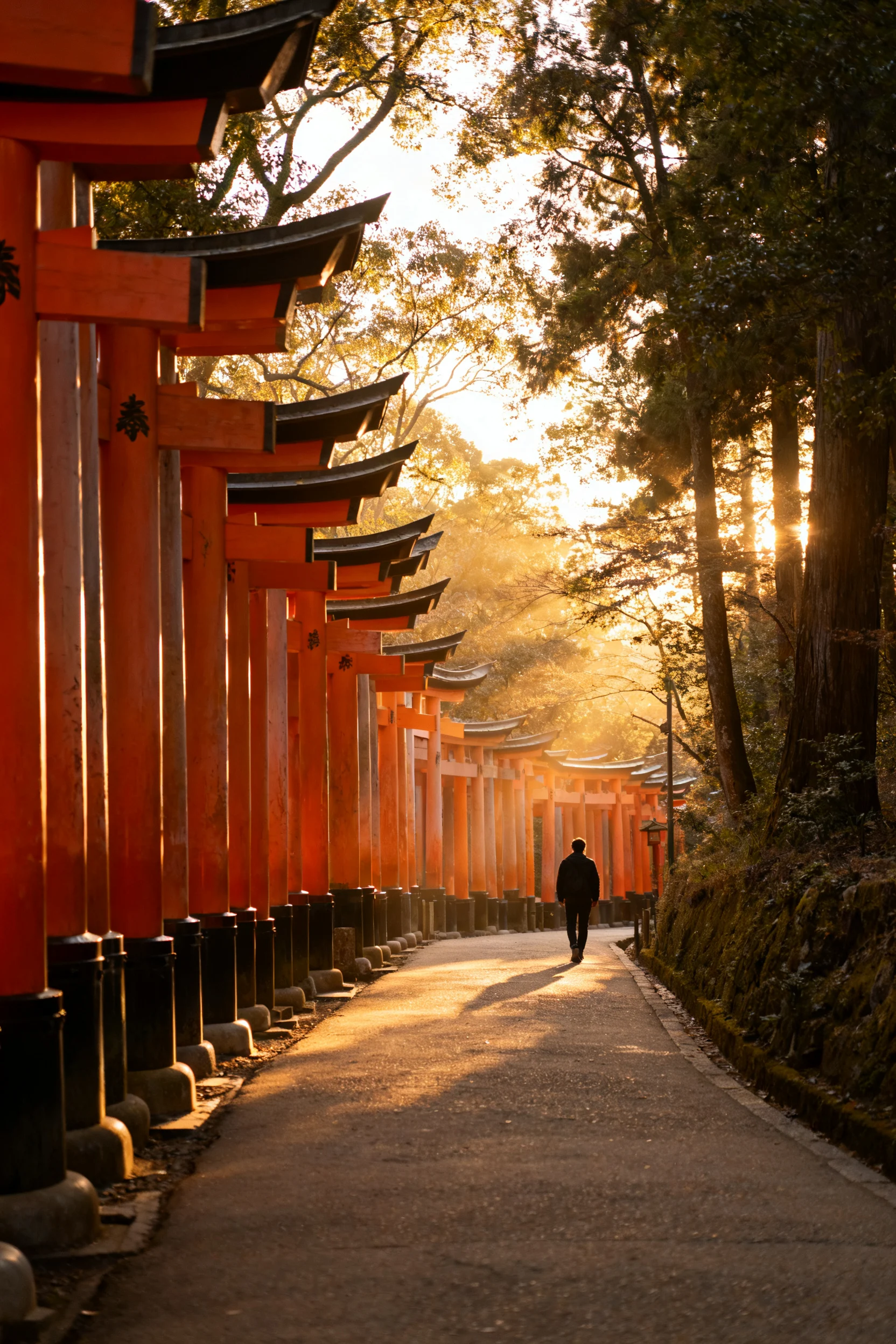
Do 3–4 nights in Tokyo (stay in Shinjuku, Shibuya, or Asakusa depending on your vibe), then take the Romancecar or Shinkansen to Hakone for one onsen night, and finish with 3–4 nights in Kyoto. Book Shinkansen seats and your Hakone ryokan early, especially in spring and fall. Pack comfy shoes and a lightweight day bag—Kyoto’s temple days are a lot of walking. If you want a smooth Kyoto base, consider staying near Kyoto Station for easy day trips, or Gion for atmosphere (and earlier nights).
2) Food & Street Style: Tokyo Deep Dive (5–7 Days)
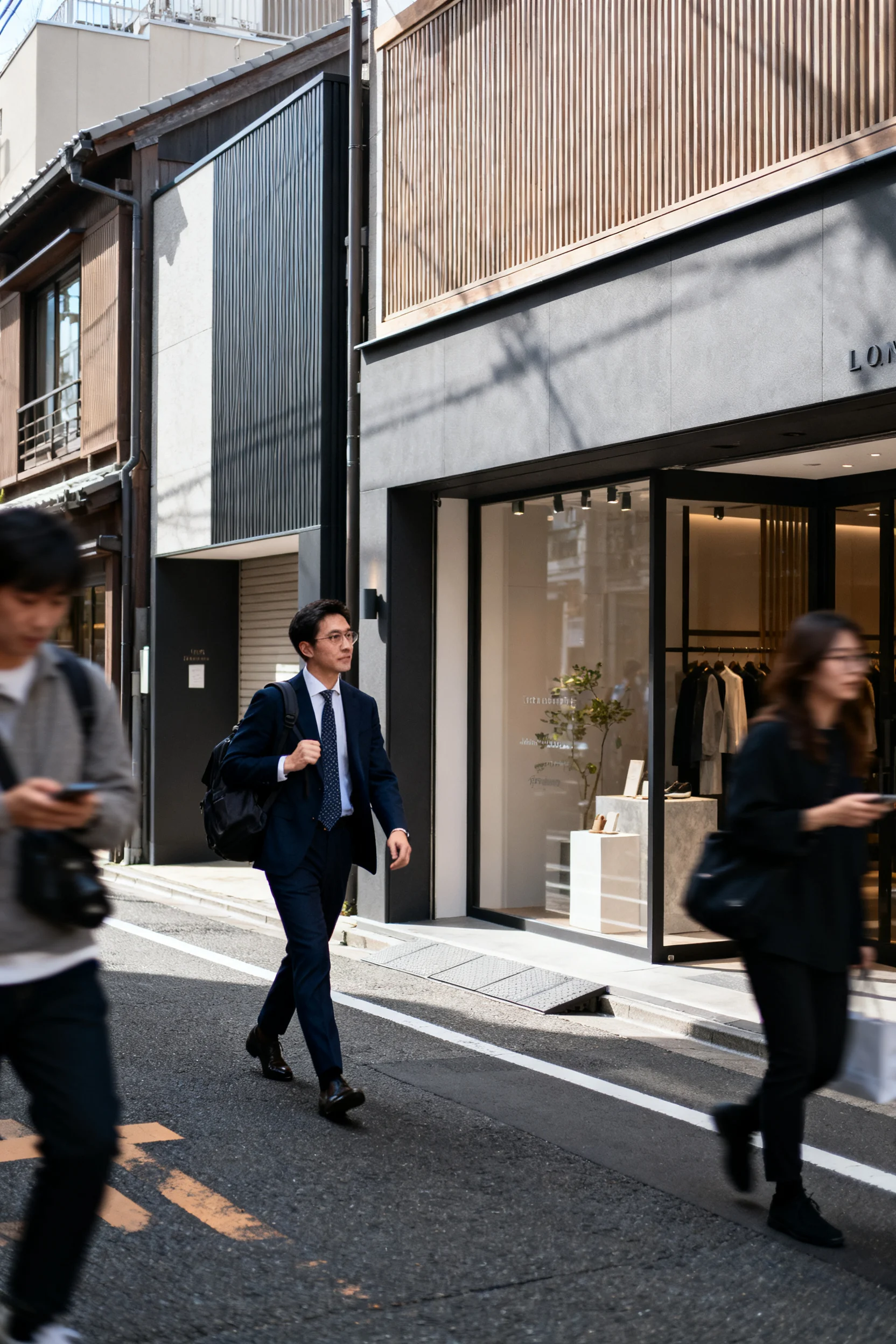
Skip constant city-hopping and stay in Tokyo the whole time, using neighborhoods as “mini trips”: Harajuku/Omotesando for style, Shimokitazawa for thrifting, Asakusa for old-school vibes, and Ginza for polished shopping. Reserve one splurge meal (sushi or kaiseki) and keep the rest casual with depachika (department store food halls), ramen, and izakaya. Plan one day around a market and a cooking class, and one evening for a rooftop view (go on a weekday to dodge lines). Buy a Suica/PASMO card on day one and keep Google Maps transit settings on “train” to make the subway feel effortless.
3) Culture + Day Trips: Kyoto Base with Nara & Osaka (6–9 Days)
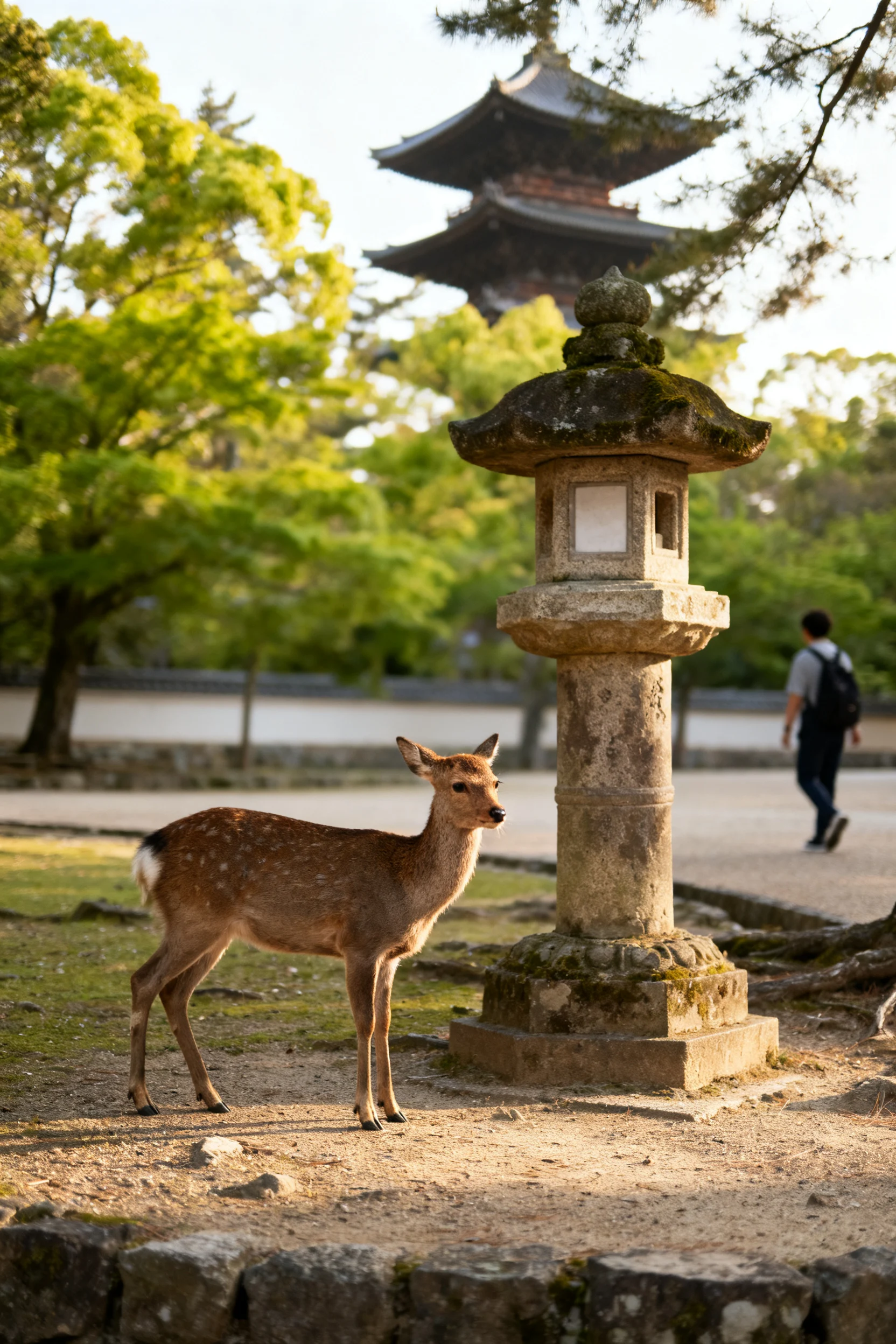
Make Kyoto your home base for 4–6 nights and take easy day trips: Nara for temples and deer, and Osaka for food and nightlife—both are simple train rides. In Kyoto, start early for the big hitters (Fushimi Inari and Arashiyama) to beat crowds, then spend afternoons exploring quieter areas like Philosopher’s Path or the backstreets of Higashiyama. Book a tea ceremony or a guided walking tour to understand what you’re seeing (it makes the temples hit harder). If you’re visiting in summer, pack a handheld fan and plan a mid-day cafe break—heat and humidity are real.
4) Nature & Onsen Escape: Japanese Alps + Ryokan Stay (7–10 Days)
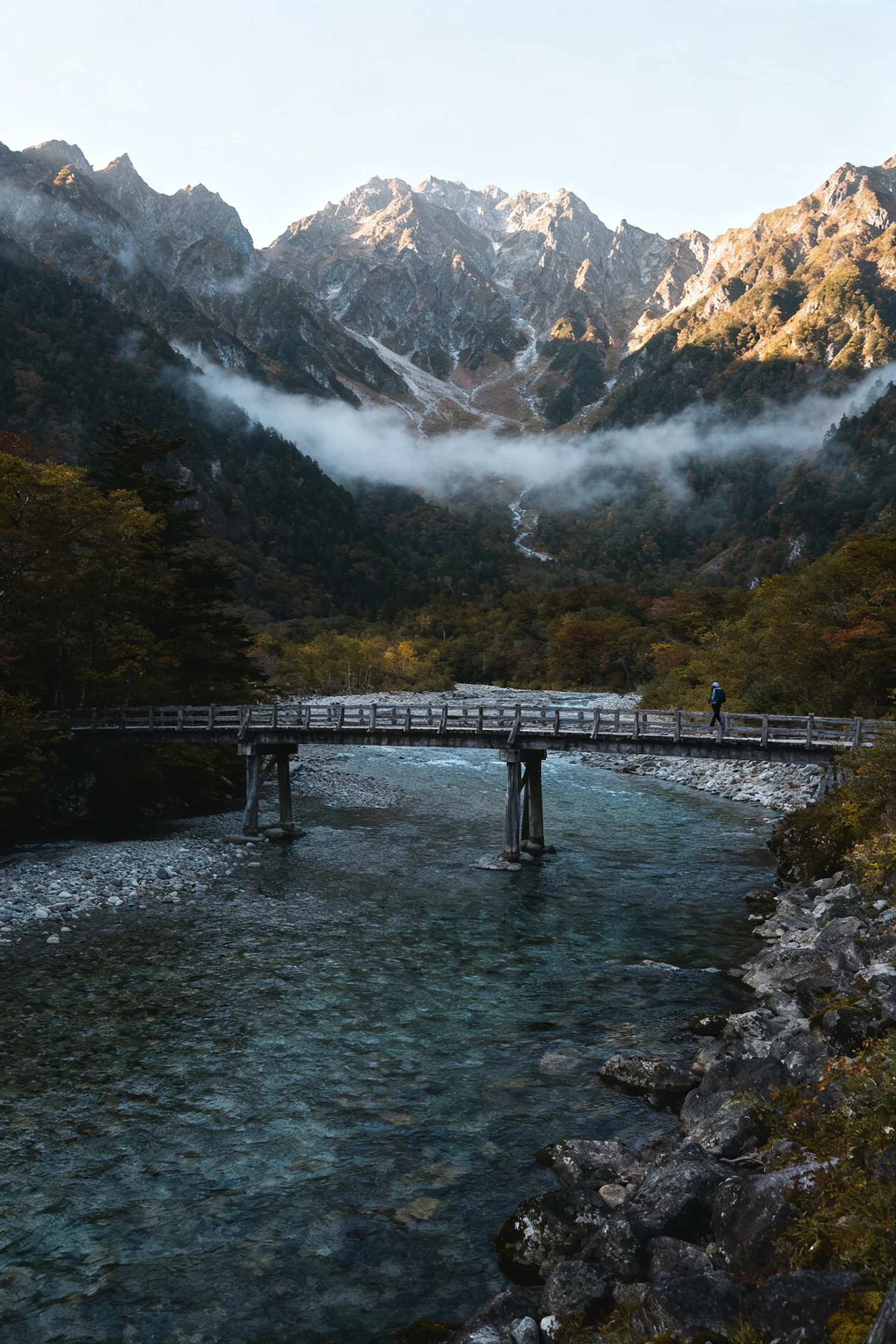
Pair a big city with mountain towns: do Tokyo or Kyoto first, then head to Matsumoto (castle + vibes), Kamikochi (hiking), and a hot-springs town like Kusatsu, Kinosaki, or Okuhida. Reserve your ryokan with dinner and breakfast included—this is the easiest way to have a “wow” meal without extra planning. Bring a small overnight bag and use luggage forwarding (takkyubin) so you’re not dragging a suitcase onto local trains. Best seasons are late spring, early summer, and autumn; in winter, check if hiking routes are closed and swap in snow scenery + onsen instead.
5) South Japan Sun Route: Osaka + Hiroshima + Miyajima + Fukuoka (8–12 Days)
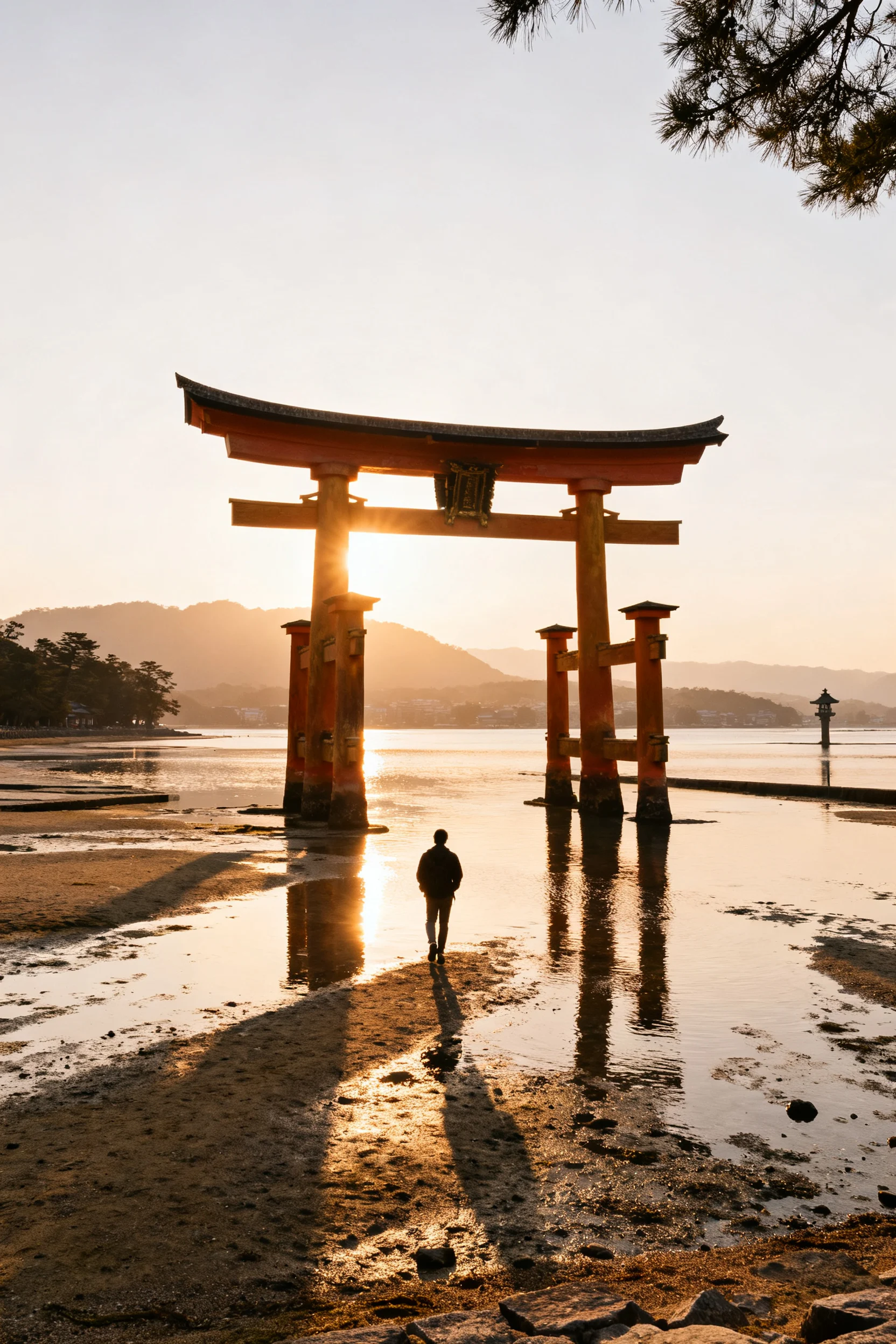
If you want a different Japan than the usual Tokyo-Kyoto loop, ride the Shinkansen west from Osaka to Hiroshima (Peace Memorial Park is a must), then ferry to Miyajima for an overnight and a calm early-morning shrine visit. Continue to Fukuoka for beachy energy, yatai food stalls, and easy day trips—Dazaifu is a quick win, and you can even hop to Nagasaki if you add time. This route is super train-friendly, but seat reservations help during holidays. Pack layers: it’s generally milder than Tokyo, but evenings can still get breezy near the water.
FAQ
How many days do I need for a first trip to Japan?
7–10 days is the sweet spot for a first-timer: enough time for Tokyo plus one to two additional stops (Kyoto, an onsen town, or a day-trip-heavy base). If you only have 5–6 days, choose one region (Tokyo area or Kansai) and go deeper instead of rushing.
Should I buy the Japan Rail Pass?
It depends on your route. Price out your major train legs (especially Shinkansen) and compare—many travelers now save money with individual tickets or regional passes (like Kansai or Kyushu) instead of the nationwide pass.
What’s the best time of year to visit Japan?
Late March–April (cherry blossoms) and November (fall colors) are iconic but crowded and pricier. May and October are often perfect for weather with slightly fewer people, while summer is hot/humid and winter is great for snow regions and hot springs.
Where should I stay in Tokyo and Kyoto?
In Tokyo, Shinjuku and Shibuya are convenient for nightlife and transit, while Asakusa is calmer and more traditional. In Kyoto, Kyoto Station is the easiest for day trips, while Gion/Higashiyama is best if you want classic scenery and don’t mind paying more.
What should I book in advance for Japan?
Book popular ryokan, special dinners, and limited-entry attractions (like certain museums) as soon as your dates are set. For trains, reserving Shinkansen seats is smart during peak seasons, but you can often buy tickets a few days ahead if your schedule is flexible.