
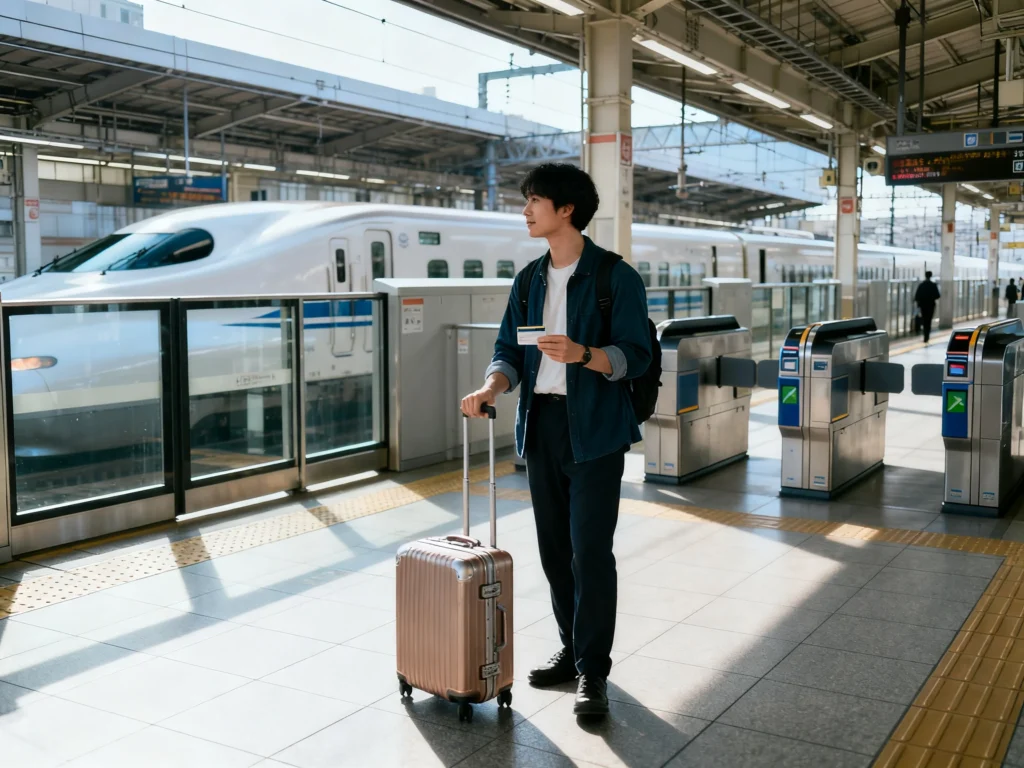
Japan is one of those places where everything feels easy… until you realize the “small” choices (airport transfer, train passes, where you stay) can quietly eat your budget and your schedule.
These Japan travel tips are built for first-timers who want smoother days, fewer surprise costs, and more time doing the fun stuff—like wandering cute neighborhoods, eating your way through stations, and actually making that last train.
Top 5
1) Use an IC Card for Daily Transit (and Skip the Guesswork)
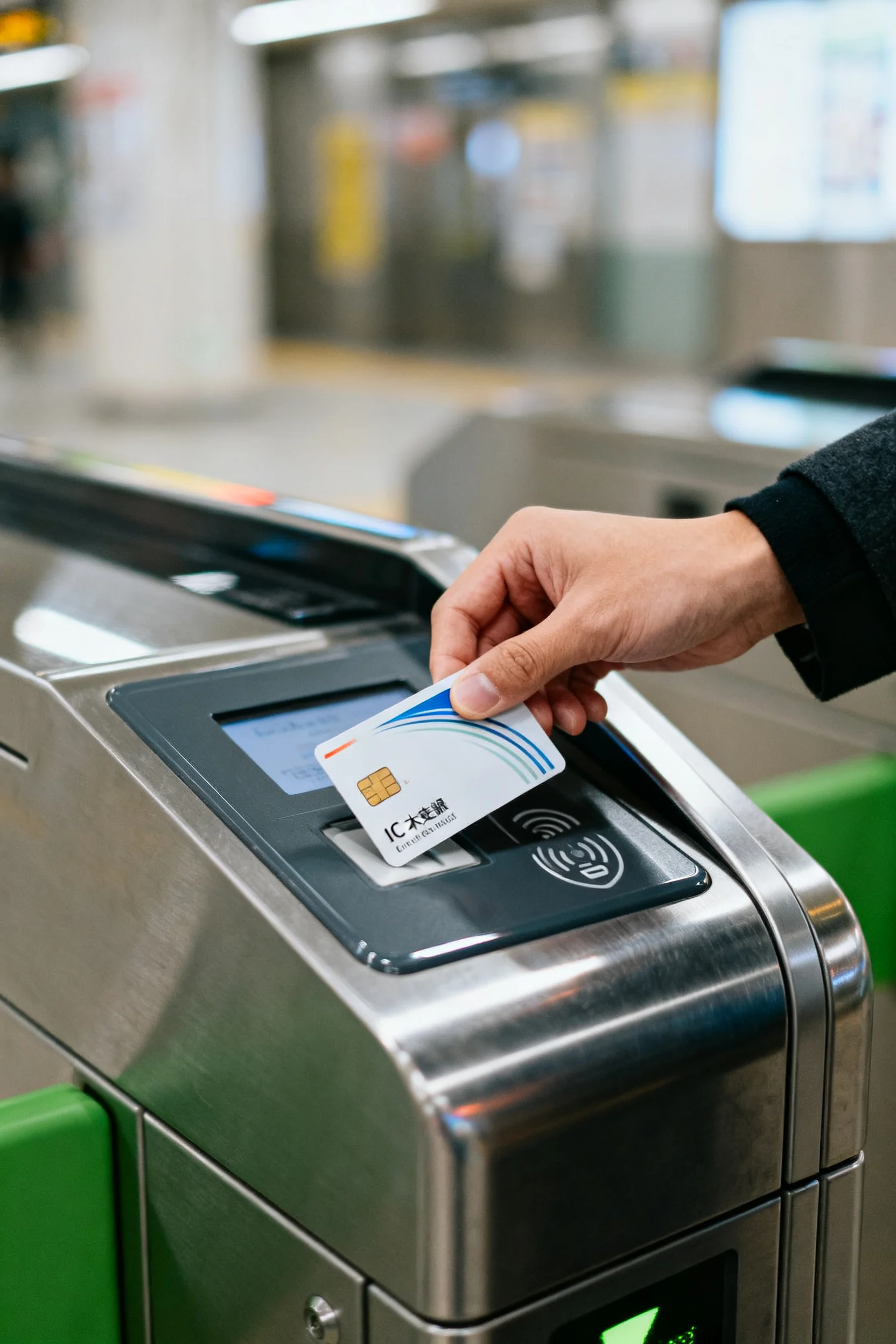
Get an IC card (Suica, PASMO, ICOCA) as soon as you land and use it for most subways, local trains, buses, and even convenience stores. It saves time because you don’t have to buy single tickets or calculate fares, and it saves money by avoiding accidental overpaying (or missed exits). If you have an iPhone, add a digital IC card to Apple Wallet before your trip and load it anytime—no lines, no stress.
2) Don’t Default to a Rail Pass—Price Your Route First
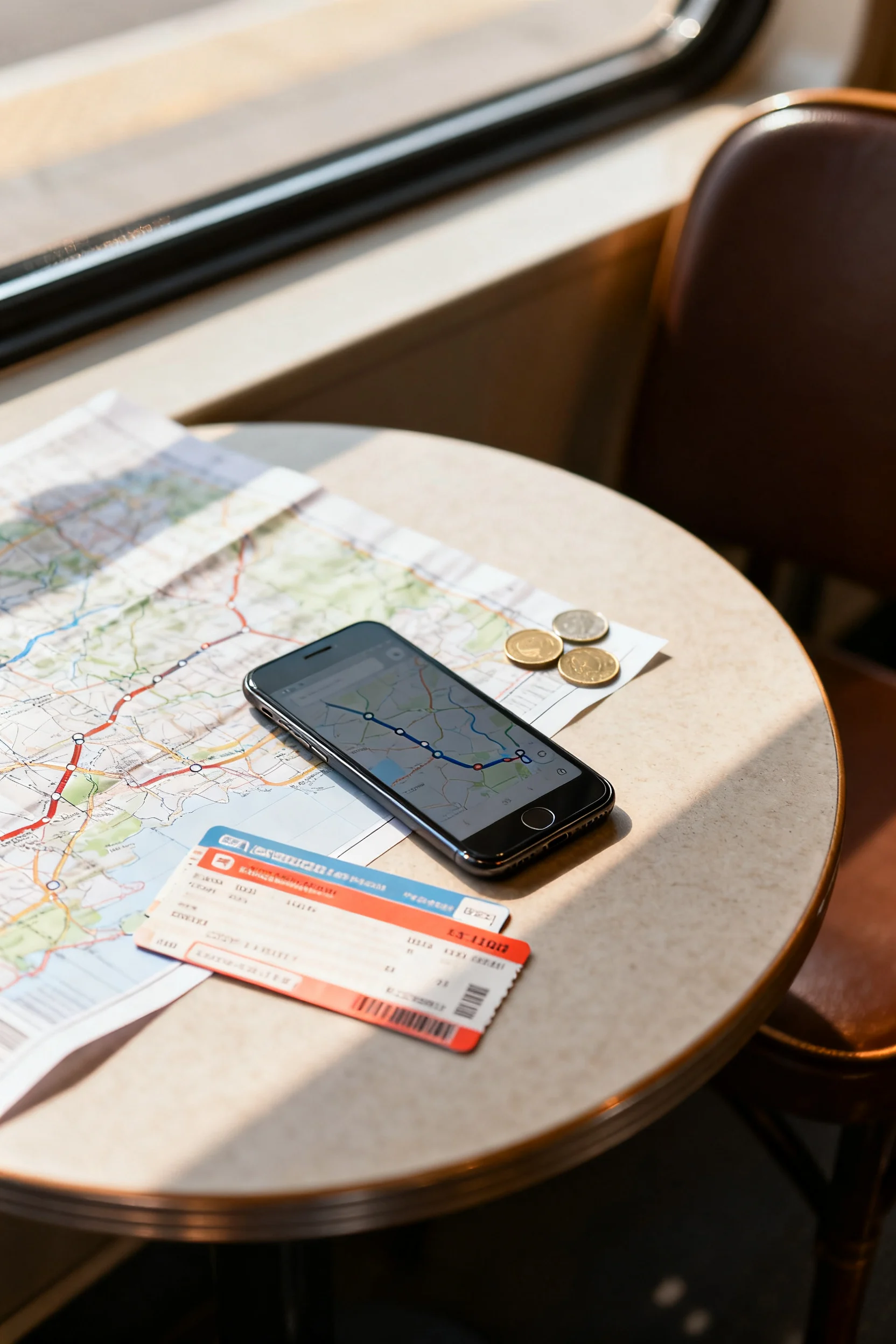
The JR Pass isn’t automatically the best deal anymore, so run a quick “math check” before you buy. If you’re only doing one big round trip (like Tokyo → Kyoto → Tokyo), buying individual Shinkansen tickets can be cheaper and more flexible. Save money by using regional passes (like JR West for Kansai/Hiroshima) or mixing Shinkansen with cheaper limited express or local trains when you’re not in a rush.
3) Book Key Tickets Early (But Don’t Overbook Your Whole Trip)
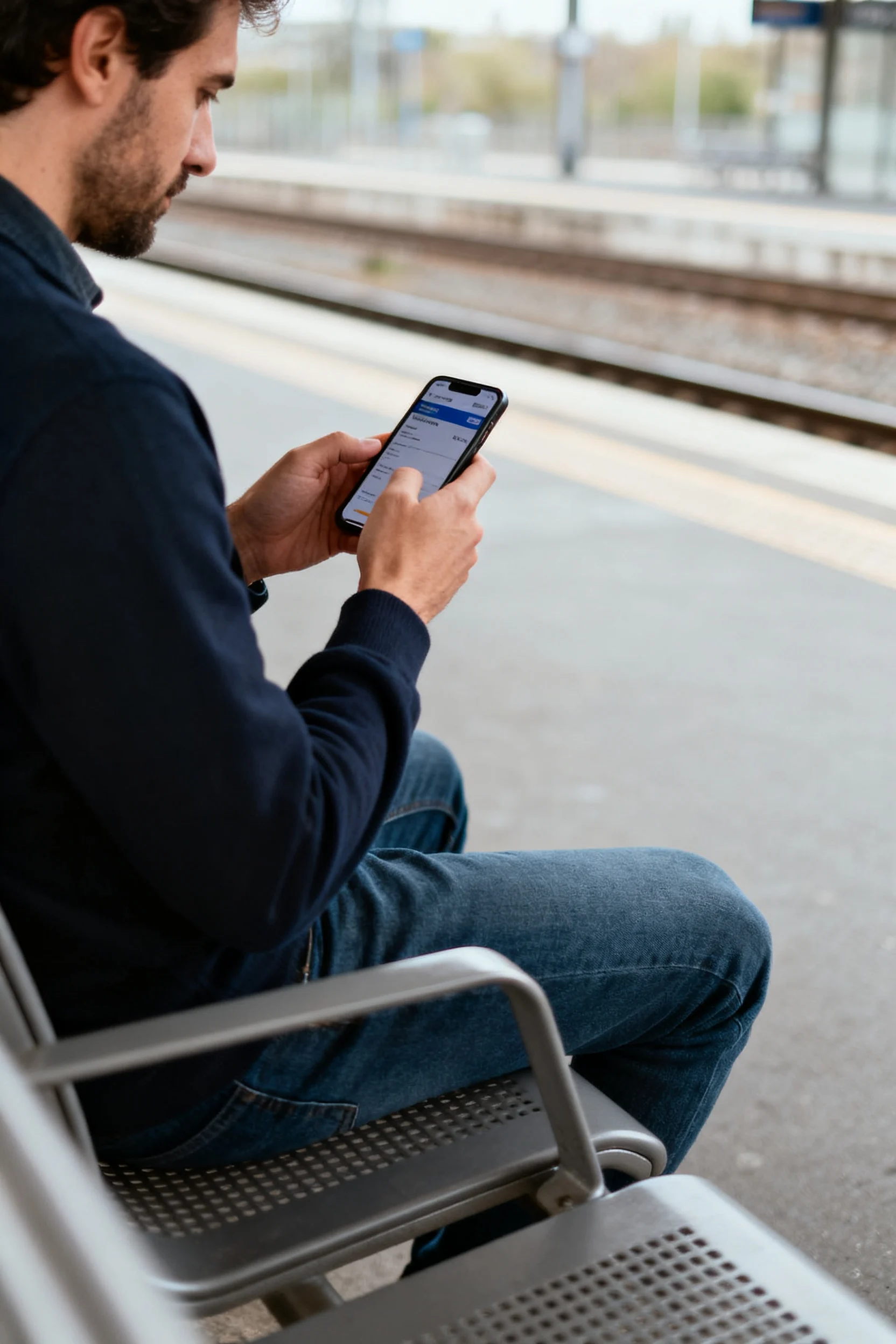
Japan rewards a little planning: reserve must-dos like popular museums, theme parks, and certain observation decks as soon as your dates are set. For trains, consider reserving Shinkansen seats for travel days with luggage or weekends—especially on busy routes like Tokyo–Kyoto–Osaka. At the same time, leave breathing room for spontaneous finds (a neighborhood festival, a random café, an extra hour in a department store food hall).
4) Stay in the Right Neighborhood to Cut Commute Time
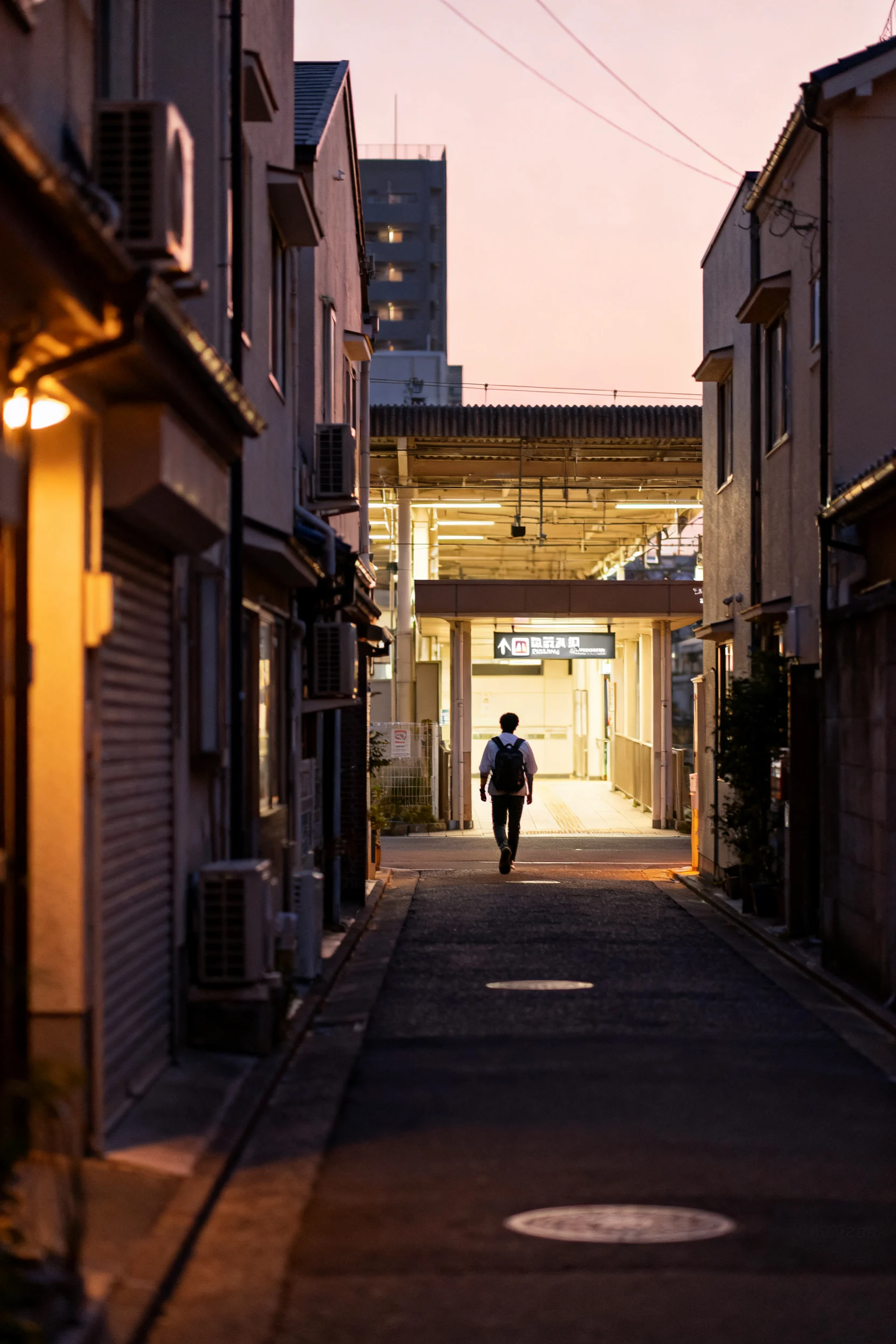
Choose your base by train lines, not vibes alone—being near a major station can save you an hour a day. In Tokyo, first-timer-friendly options include Shinjuku (connections everywhere), Ueno (easy airport access + museums), and Tokyo Station area (clean, central, great for day trips). In Kyoto, stay near Kyoto Station for easy arrivals/departures, or near Gion/Kawaramachi if you want evening strolls—just know buses can be slow, so walkable beats “pretty but far.”
5) Pack Light and Use Luggage Delivery for Big Moves

Dragging a large suitcase through rush-hour stations is the fastest way to lose time and patience. Pack a small carry-on or medium suitcase and do laundry once (coin laundries are common), then use luggage delivery (takkyubin) between cities or hotels for major transitions. It costs less than you’d think, and it unlocks a game-changing move: traveling hands-free on your transfer day so you can sightseeing before check-in.
FAQ
Do I need cash in Japan, or can I use cards everywhere?
Cards are widely accepted in cities, but you’ll still want some cash for small restaurants, shrine/temple entries, rural transit, and street food. A simple plan: carry a “daily cash buffer” and top up at 7-Eleven ATMs, which are reliable for foreign cards. IC cards also help because you can pay for transit and convenience stores without pulling out cash every time.
What’s the best way to get from the airport to Tokyo?
It depends on which airport and where you’re staying. From Narita, the Narita Express is great for major hubs like Tokyo and Shinjuku, while the Keisei Skyliner is fast for Ueno/Nippori. From Haneda, the Tokyo Monorail and Keikyu Line are usually quickest. Price out the route to your hotel before you land so you’re not deciding while tired in the arrivals hall.
Is it worth reserving Shinkansen seats in advance?
If you’re traveling on weekends, holidays, or with oversized luggage, yes—seat reservations can save you time and guarantee you’re together. If you’re flexible on timing and traveling midweek, you can often buy tickets the day of. Either way, try to avoid peak commuter times when moving between big stations.
How many days should I spend in Tokyo vs. Kyoto/Osaka?
A classic first trip split is 4–5 days Tokyo and 3–4 days Kyoto/Osaka, with day trips layered in (like Nara, Hakone, or Kamakura). Tokyo is huge and neighborhood-based, while Kyoto is more about temples, early mornings, and scenic walks. If you love food and nightlife, give Osaka a dedicated night or two instead of treating it only as a day trip.
What’s one easy way to save money on food without missing out?
Use the “station food + department basement” strategy: grab breakfast or snacks from station bakeries and don’t skip depachika (department store food halls) for quality meals and gift-worthy treats. Convenience stores are also genuinely solid for quick lunches. Save the sit-down restaurant splurges for a few memorable meals rather than trying to do it every night.