
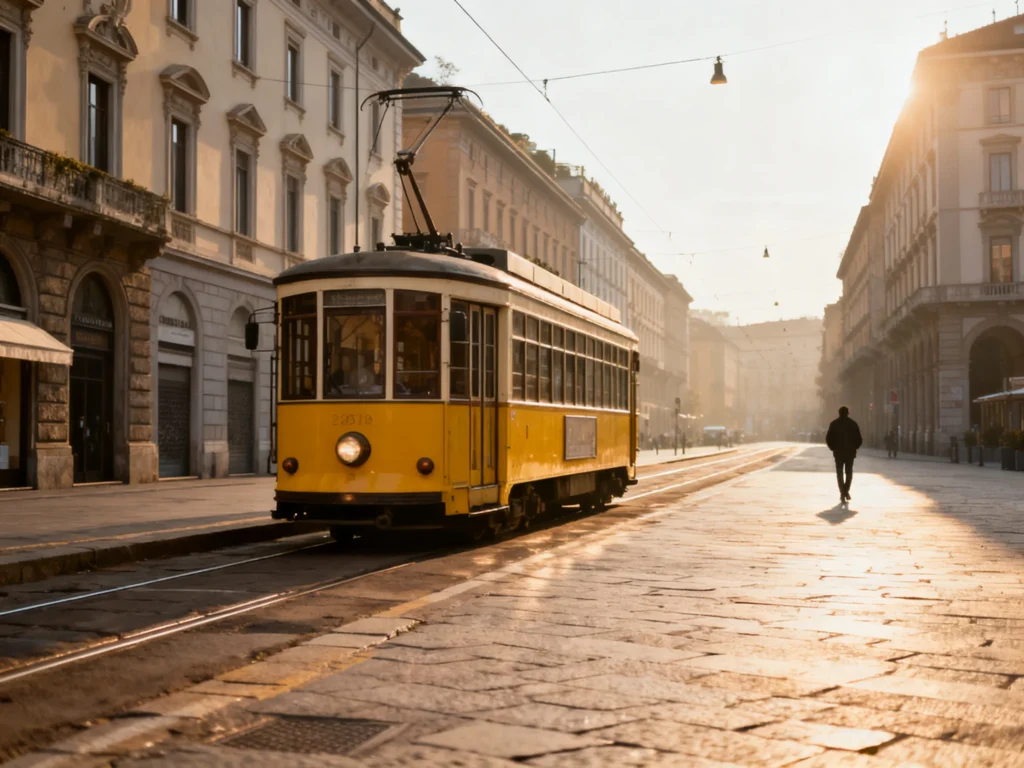
Milan can look expensive at first glance, but it’s a surprisingly manageable city if you plan around public transportation. The metro, trams, and buses cover the neighborhoods you actually want to explore, so you can skip taxis and still move fast.
This guide focuses on keeping your Milan trip budget-friendly using transit: what tickets to buy, where to stay, how to structure your days, and the little choices that save you the most.
Top 5
1) Pick a Transit-Friendly Home Base (Not Necessarily the Duomo)
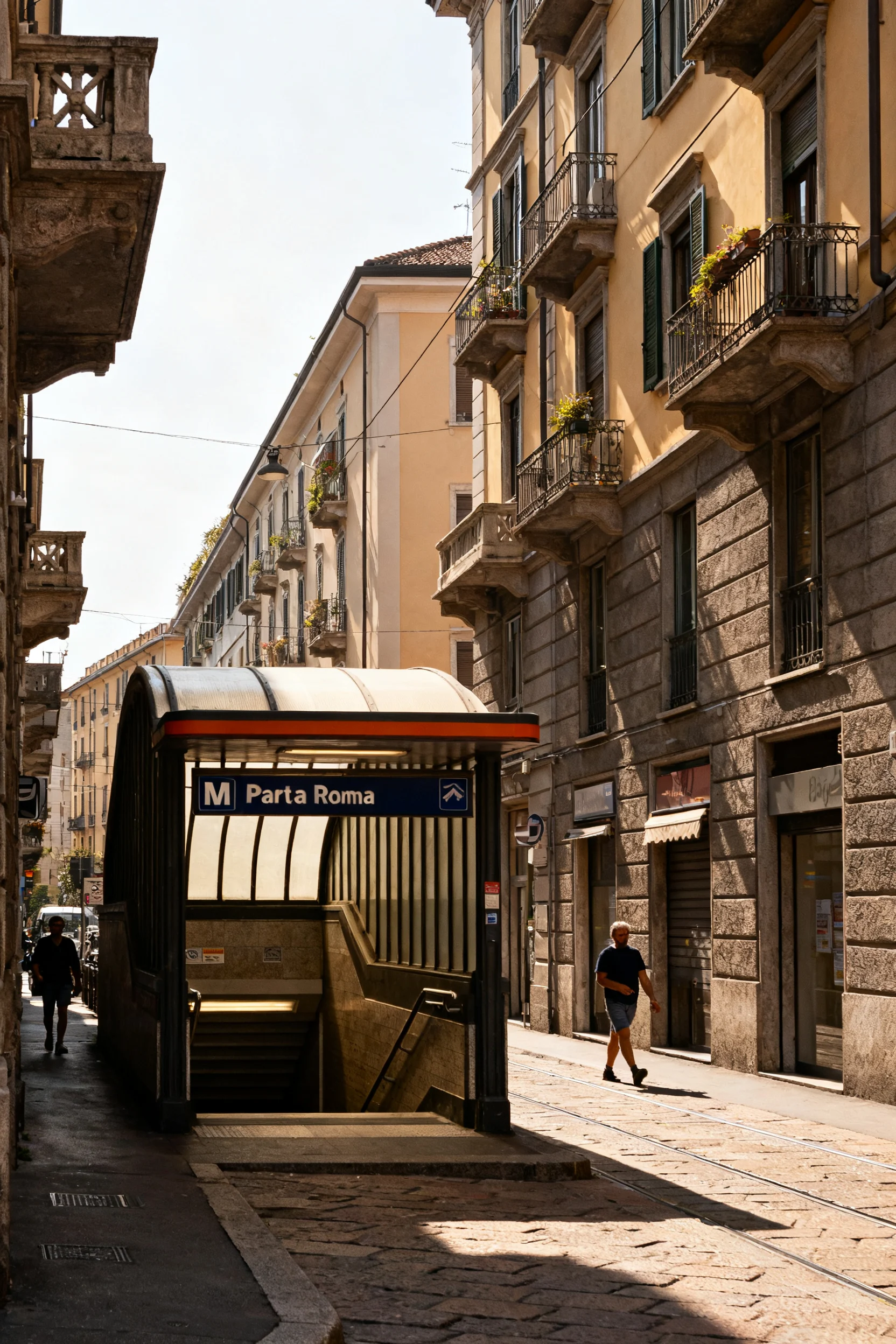
Staying one metro line away from the center can cut your hotel cost without adding much hassle. Look around Porta Romana (M3), Loreto/Pasteur (M1/M2), and Garibaldi/Isola (M2/M5): you’ll still reach Duomo in about 10–15 minutes. Before booking, check that your place is within a 7–10 minute walk of a metro stop, not “near” in vague listing terms. If you arrive late, prioritize neighborhoods with evening food options so you’re not forced into pricey room service.
2) Buy the Right ATM Ticket Strategy (And Validate Every Time)
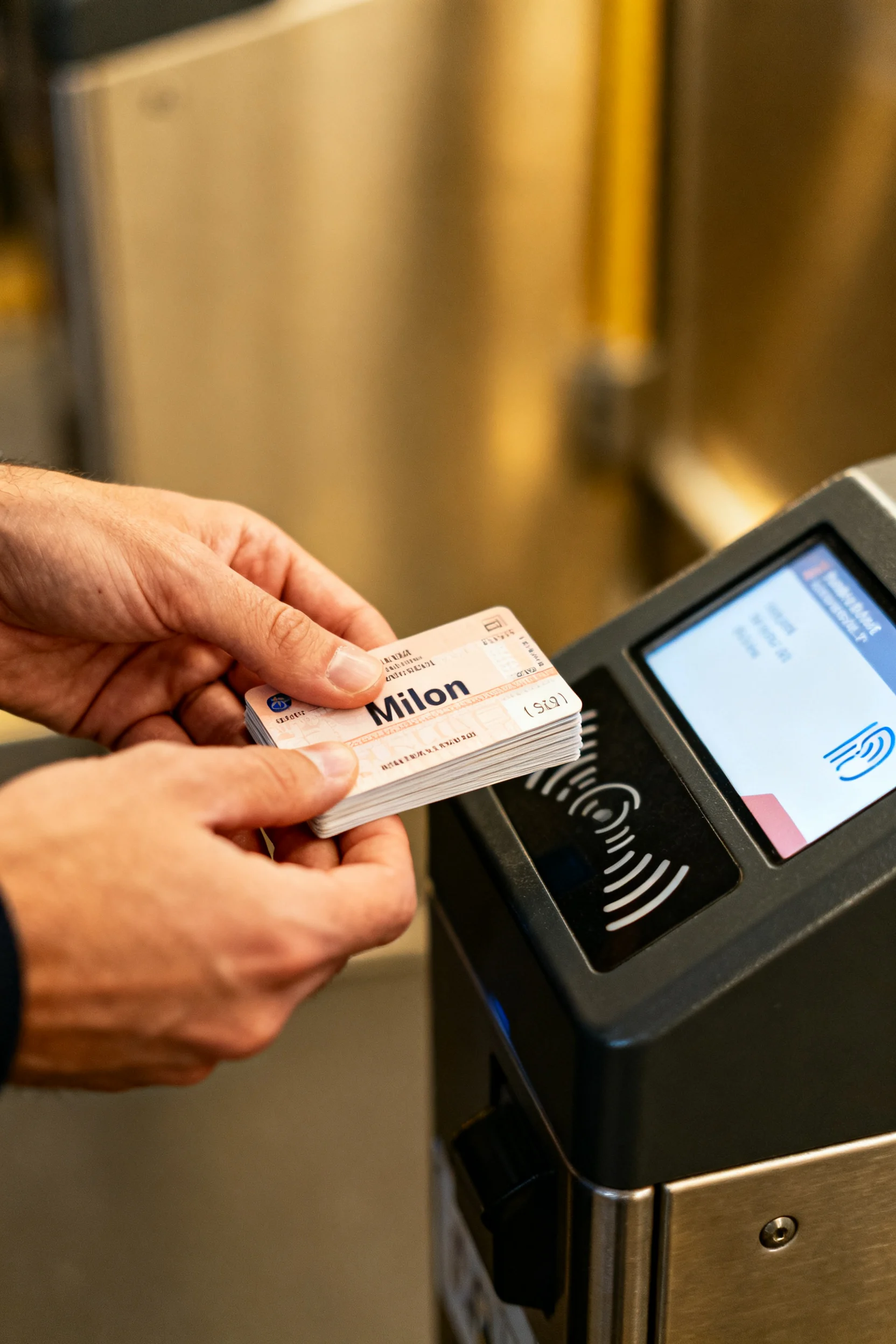
Milan’s public transit is run by ATM, and the cheapest plan depends on how many rides you’ll take per day. If you’re doing multiple stops (morning sights, afternoon museum, evening aperitivo), a day pass often beats buying single rides; for a longer stay, consider multi-day options so you stop thinking about each tap. Always validate paper tickets at the machines and follow the rules at turnstiles—fines are not “budget travel.” Screenshot your ticket info and keep it handy so you’re not fumbling at gates during rush hour.
3) Use the Tram for Sightseeing, Metro for Speed
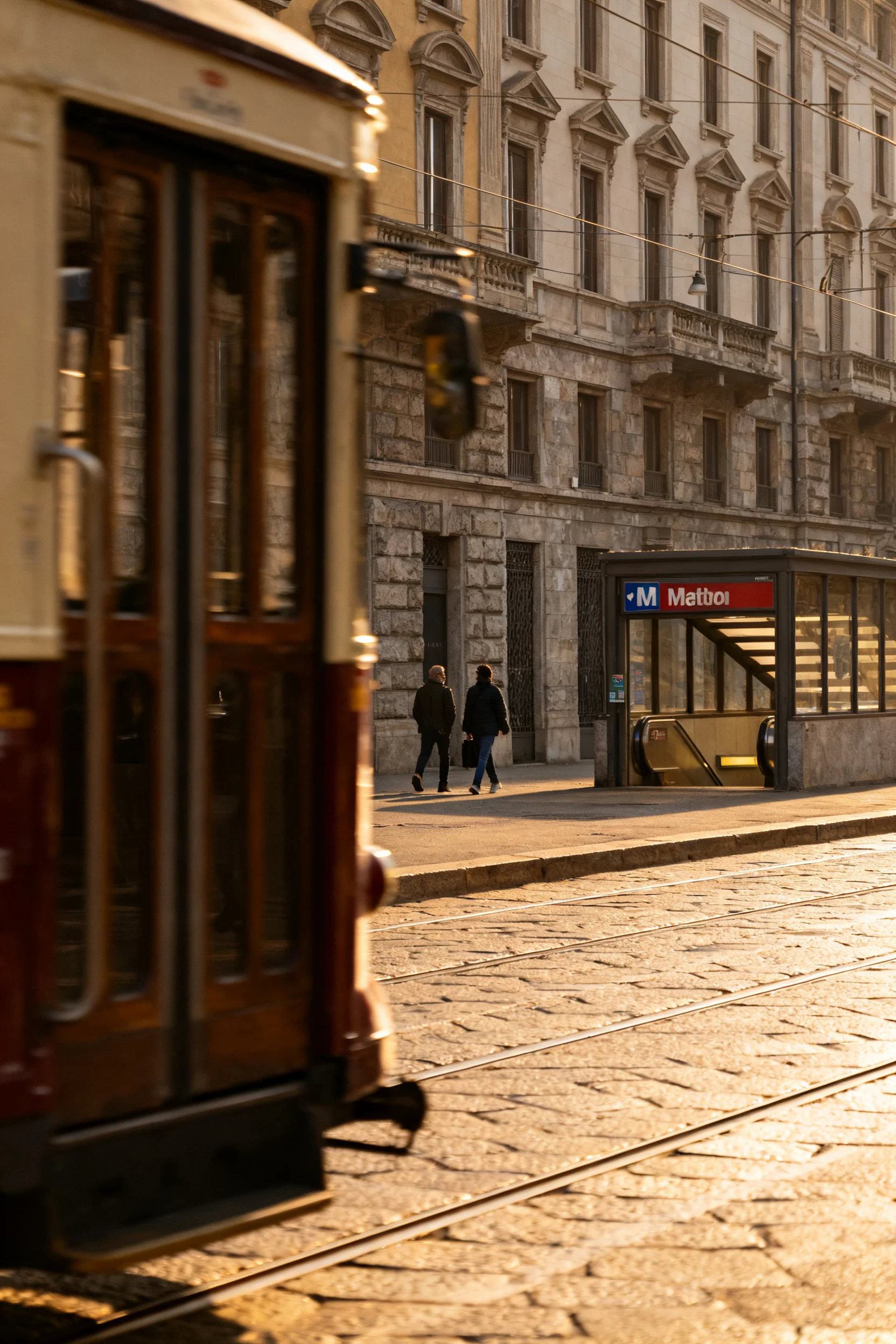
The metro is your time-saver for longer hops, but trams are your low-cost “moving postcard” through Milan streets. Build your itinerary with metro to get across town, then switch to tram for the scenic middle: it’s a fun way to see neighborhoods without paying for a separate tour. Aim for trams mid-morning or early afternoon when they’re less crowded, and keep small bags close—older trams can be cozy. If you’re trying to squeeze in a lot, start your day with metro to beat museum lines, then let the tram slow you down later.
4) Budget Airport Transfers Like a Local (And Avoid Last-Minute Taxi Panic)
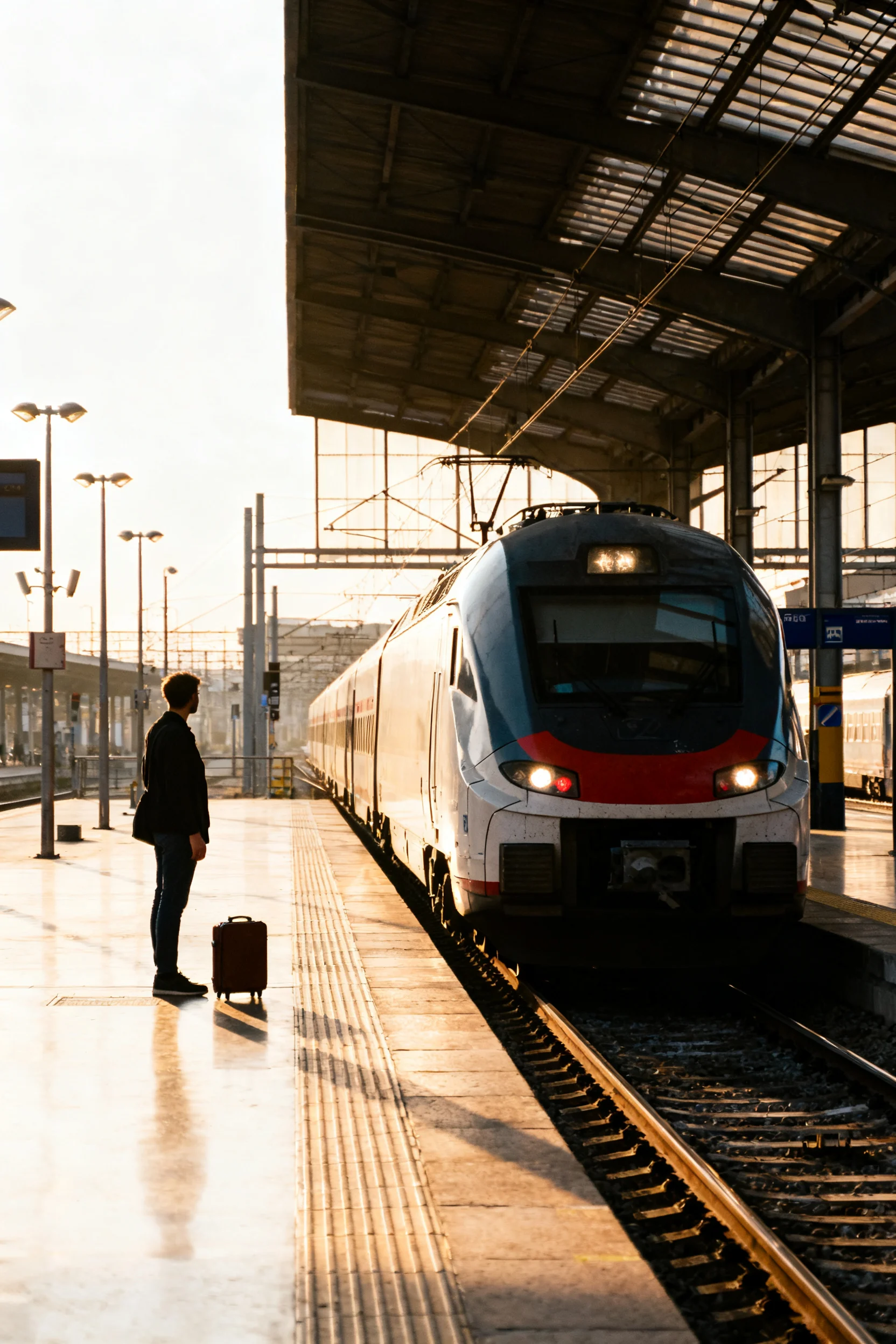
Airport rides can be the sneaky budget breaker, so lock in your plan before you fly. For Malpensa, trains to Milano Centrale/Cadorna are usually the best balance of price and reliability; for Linate, the newer metro connection can be a game-changer; for Bergamo, coaches to Centrale are common and straightforward. Buy tickets from official machines/apps and leave buffer time for validation, platforms, and crowds. If you land late, check the last train/bus time in advance—missing the final departure is how people end up paying triple for a cab.
5) Plan “Neighborhood Days” to Cut Transit Costs (And Eat Better for Less)
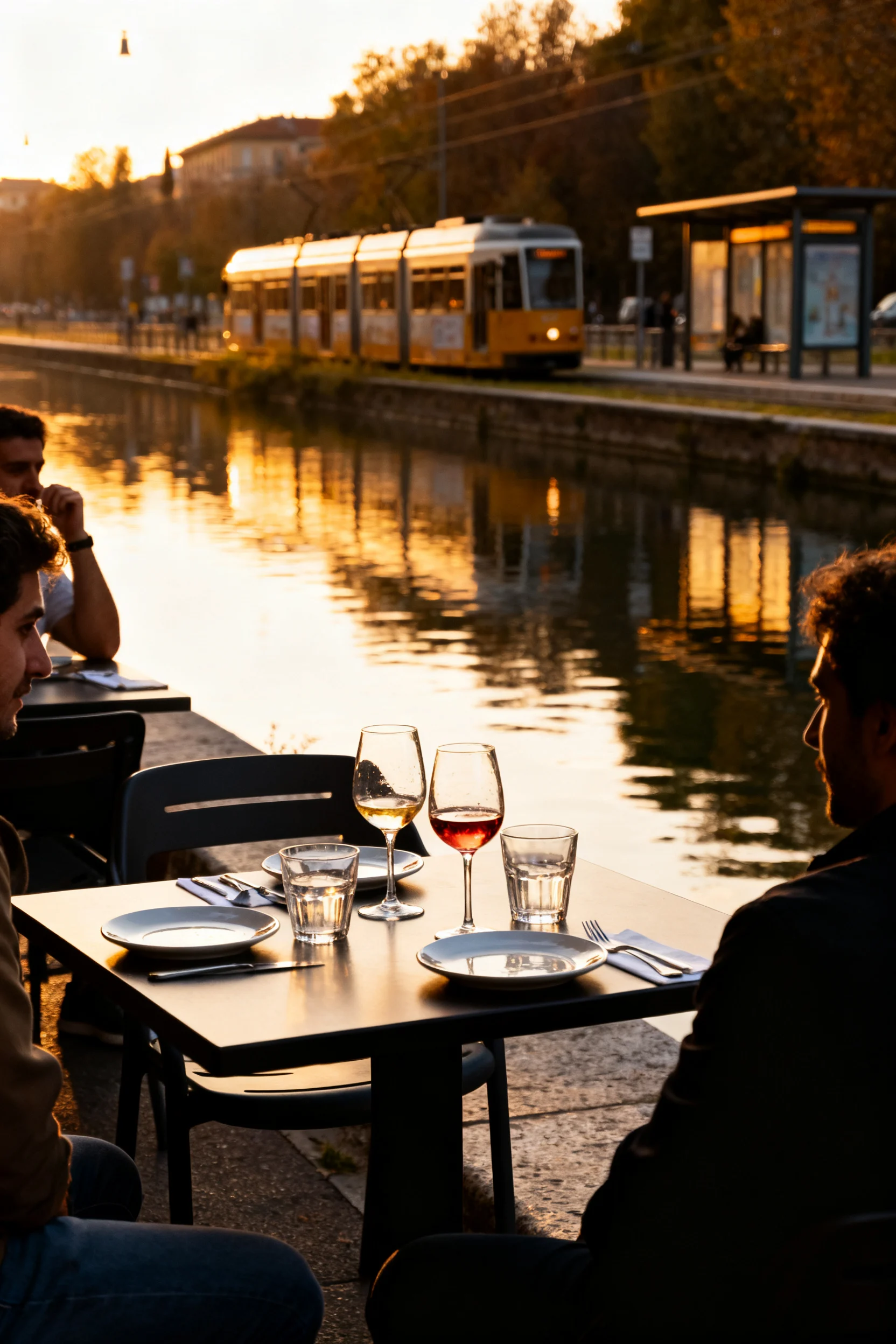
Instead of bouncing across the city all day, cluster your plans so you’re doing one area at a time—your wallet and your feet will thank you. Do a Duomo + Galleria + Brera day, a Navigli + Porta Genova day for canals and aperitivo, and an Isola/Garibaldi day for modern Milan vibes. You’ll spend less on extra rides, and you’ll naturally find better-value cafés and bakeries away from the main tourist blocks. Pack a refillable water bottle and a small snack so you’re not buying overpriced drinks every time you change locations.
FAQ
Is Milan’s public transportation safe for first-timers?
Yes, it’s generally safe and easy to use, especially on the metro and main tram lines. Like any big city, watch your phone and wallet in crowded stations (Duomo, Centrale) and during rush hour. Keep your bag zipped and wear it in front of you on packed trains.
What’s the cheapest way to get around Milan for 2–3 days?
If you plan to take multiple rides daily, a day pass or multi-day pass is often cheaper than buying single tickets repeatedly. For lighter sightseeing (one or two rides a day), single tickets may be enough. Estimate your daily stops the night before and choose the option that matches your schedule.
Do I need cash for tickets, or can I use contactless?
Many stations and machines accept cards, and contactless payment is common, but it’s smart to carry a small amount of cash as backup. If a machine is out of service or your card fails, you don’t want to waste time hunting for an ATM. Also, keep your payment method consistent when tapping in/out to avoid fare issues.
Which station should I use if I’m arriving by train?
Milano Centrale is the major hub and connects easily to the metro, but it can be busy and overwhelming at peak times. Porta Garibaldi is also very convenient, especially if your hotel is in Isola or near the M2/M5 lines. Check which station minimizes transfers to your accommodation.
How do I avoid overspending on food while using public transportation?
Eat like a neighborhood regular: grab breakfast at a bar (coffee + pastry), do a casual lunch away from the Duomo blocks, and treat aperitivo as your budget-friendly early dinner when it’s included with a drink. Use transit to reach better-value areas like Isola, Porta Romana, or parts of Navigli, then walk once you’re there. Planning one “nice meal” and keeping the rest simple is the easiest way to stay on budget.