
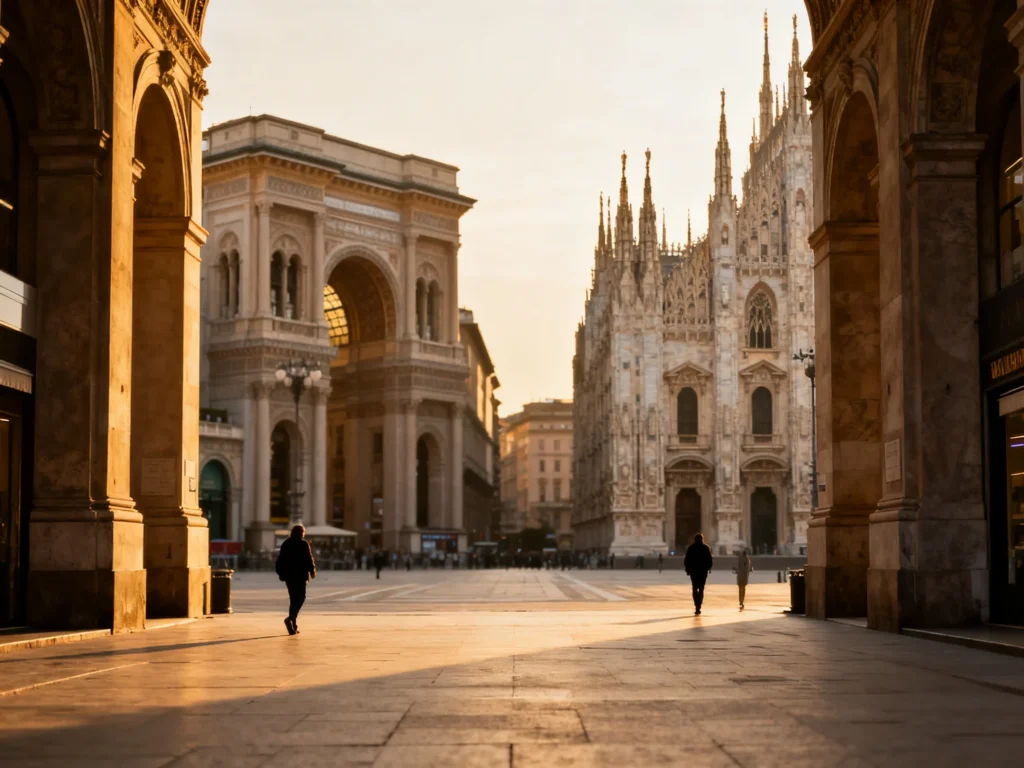
Milan can look intimidating price-wise (fashion capital energy), but your total cost mostly comes down to two things: where you sleep and how you move around. The good news: the city is super doable on a smart, first-timer budget.
Below is a realistic “what you’ll actually spend” guide for a 3–4 day Milan trip, with the categories that make the biggest difference—plus specific ways to keep costs predictable.
Top 5
1) Flights & Airport Transfers (Plan for €15–€60 one-way to the city)
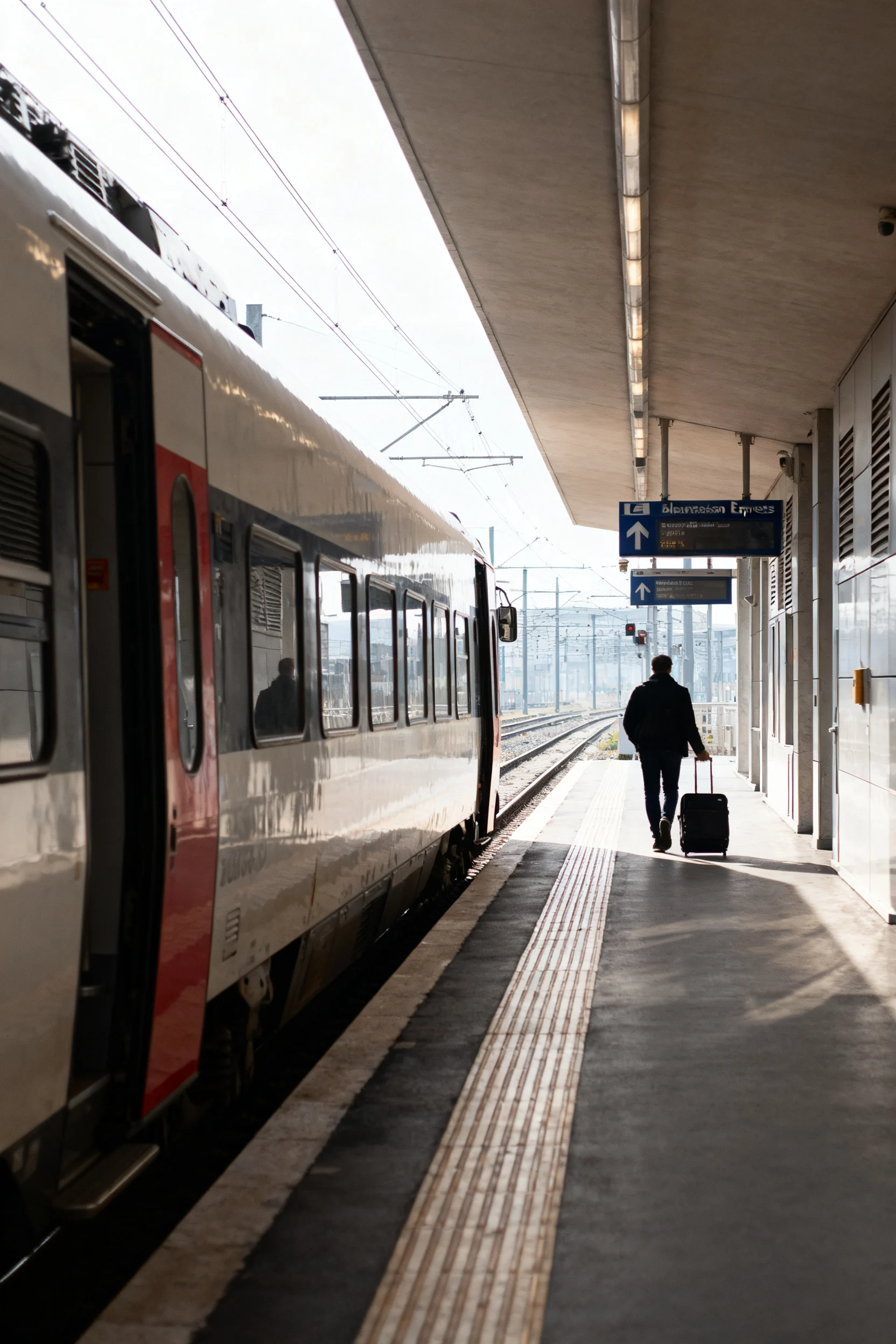
Milan has three airports, and your transfer choice can swing your budget fast. From Malpensa (MXP), budget around €10–€13 for the Malpensa Express to Centrale, or more for taxis; from Bergamo (BGY), many travelers use shuttle buses to Centrale (often €10–€12). If you land late, price out a pre-booked transfer versus a taxi so you’re not stuck with surge pricing or limited options.
2) Accommodation (Most people land at €90–€180/night for a solid double)
For first-timers, the sweet spot is staying near a metro line so you can skip pricey taxis and still get around fast. Porta Venezia, Centrale (if you’re day-tripping), and areas near Garibaldi/Isola can be good value if you book early; Brera and around the Duomo usually cost more for less space. Aim to book 6–10 weeks out for spring/fall weekends, and double-check city tax (often charged per person, per night) so it doesn’t surprise you at check-in.
3) Transportation in the City (€2.20 per ride or €7.60 for a 24-hour pass)
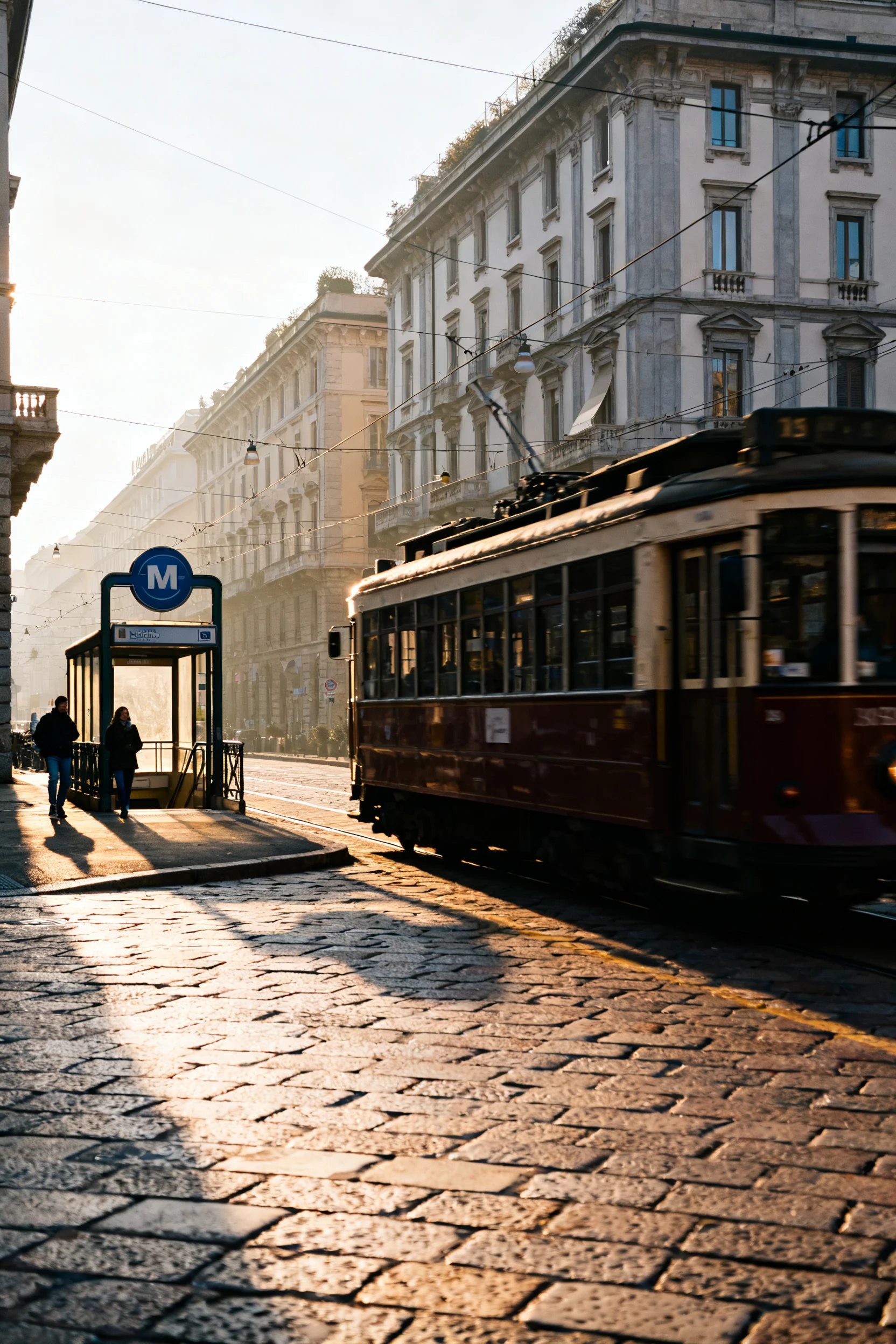
Milan is made for metro + tram life, and it’s one of the easiest ways to control spending. If you’re doing lots of hopping (Duomo area, Navigli, Porta Nuova, museums), a day pass can pay for itself quickly; otherwise, tap in with a contactless card and keep it simple. Wear comfy shoes anyway—Milan is super walkable, and walking between nearby neighborhoods (like Brera to Duomo) saves money and time.
4) Food & Coffee (€30–€55/day if you do it the Milan way)
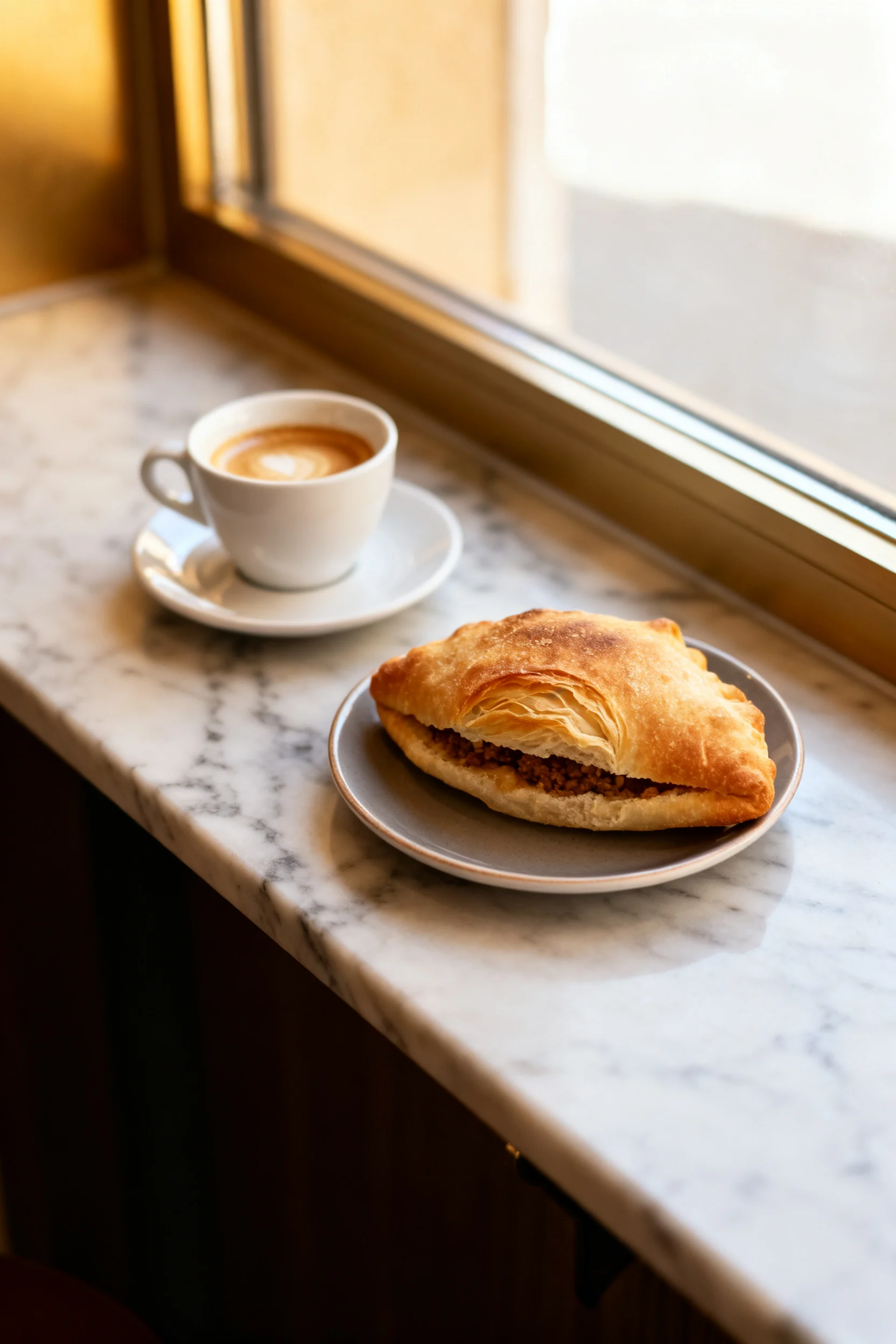
Budget breakfast at a bar (coffee + pastry) is usually a small, happy spend, especially if you stand at the counter instead of sitting. For lunch, look for “pranzo” deals or grab a panzerotto/sandwich to keep your day flexible, then plan one nicer dinner. Milan’s aperitivo is the move for budgeting: order a drink and you’ll often get access to a buffet or small plates—perfect for a light dinner without feeling like you skipped the experience.
5) Sights, Shopping & “Milan Extras” (€25–€80/day depending on your picks)
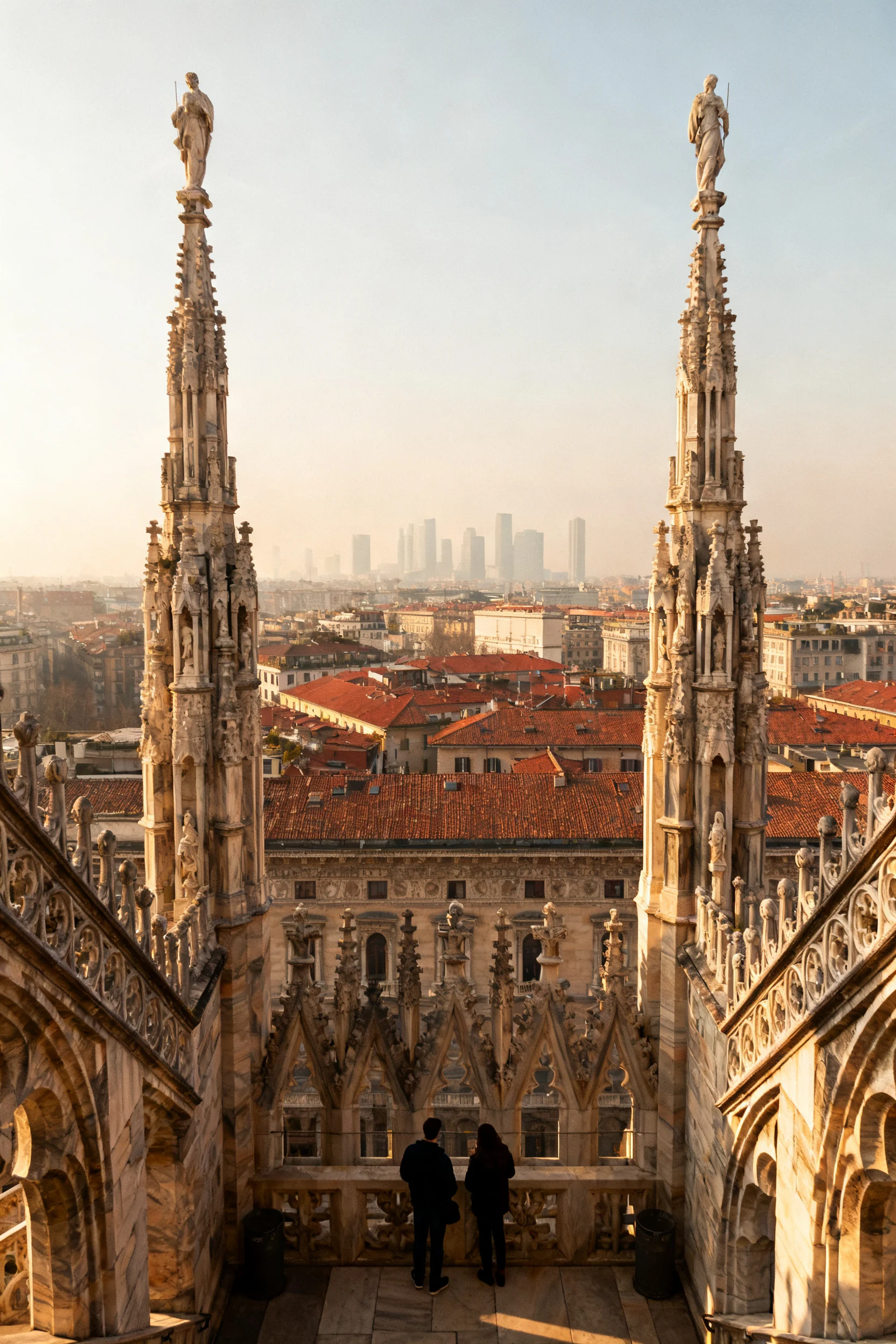
Set aside a dedicated attractions fund so you can splurge intentionally instead of randomly. The Duomo rooftop is a classic, and “The Last Supper” requires booking well in advance—if it’s a priority, lock it first and build the rest of your itinerary around it. For shopping, decide your rule before you arrive (one statement item, or a strict souvenir budget) because Milan’s temptation level is high; also, window-shopping in the Quadrilatero della Moda is free and still feels iconic.
FAQ
How much should I budget per day in Milan for a first trip?
A realistic mid-range budget is around €140–€220 per person per day including lodging (shared), transit, food, and a couple paid sights. If you’re staying in a private room/solo, your daily average will jump mostly because accommodation costs aren’t split.
Is Milan expensive compared to other Italian cities?
It can be pricier than places like Bologna or Naples, especially for hotels and “cute neighborhood” dining. You can still keep Milan reasonable by staying near (not on top of) the Duomo area, using public transit, and leaning into aperitivo and casual lunches.
What neighborhood is best for saving money without feeling far away?
Look at Porta Venezia, Centrale, or areas near Garibaldi/Isola for good connections and often better value than the historic core. The goal is being within a short walk of a metro stop so you’re not spending on taxis or losing time.
Do I need cash in Milan?
Not much—cards and contactless payments are widely accepted, including on transit. Still, carry a small amount of cash for tiny purchases, markets, or places that prefer it, and keep coins handy for quick grabs like espresso.
What’s one thing I should book early to avoid paying more later?
Book your big-ticket “must-do” in advance—especially tickets for “The Last Supper” and popular weekend hotel stays. Once those are set, you can fill in the rest with flexible, lower-cost plans like walking routes, free churches, and neighborhood exploring.