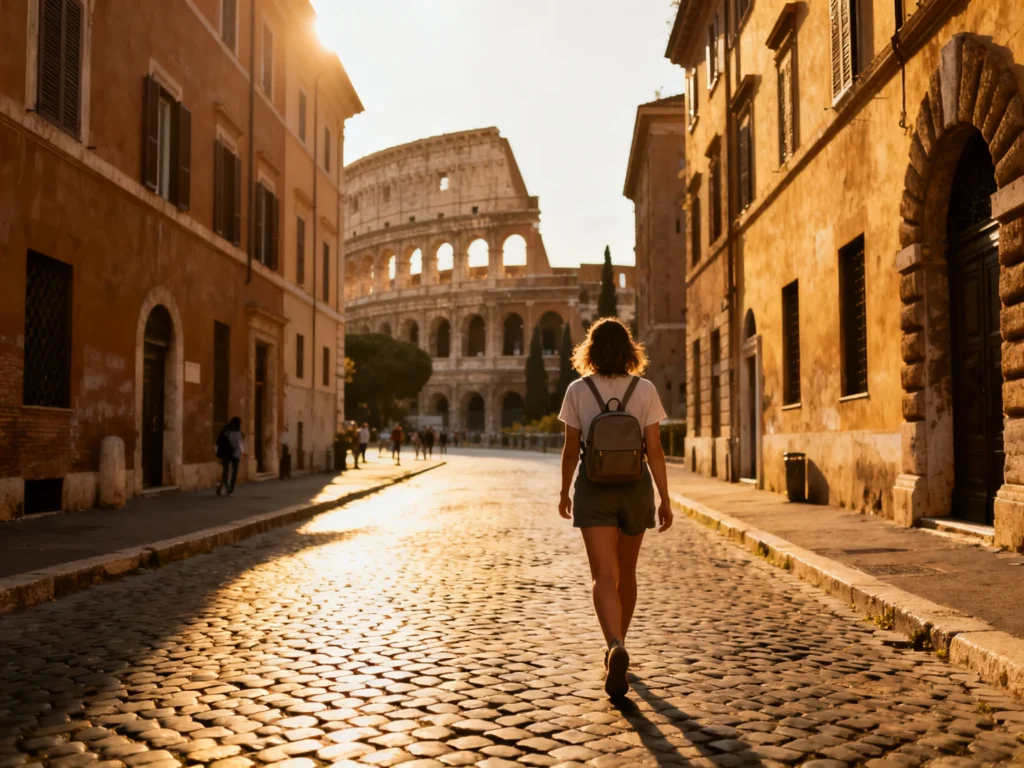
Italy is one of those trips that feels effortless in photos… and then real-life logistics show up (tickets, trains, timing, and a sudden need for cash). A little strategy goes a long way here.
These Italy travel tips are the kind you only learn after you’ve waited in the wrong line, booked the wrong train, or paid “tourist prices” for something you could’ve planned smarter.
Top 5
1) Pre-Book the “Big Three” Tickets (and Pick the Right Time Slot)
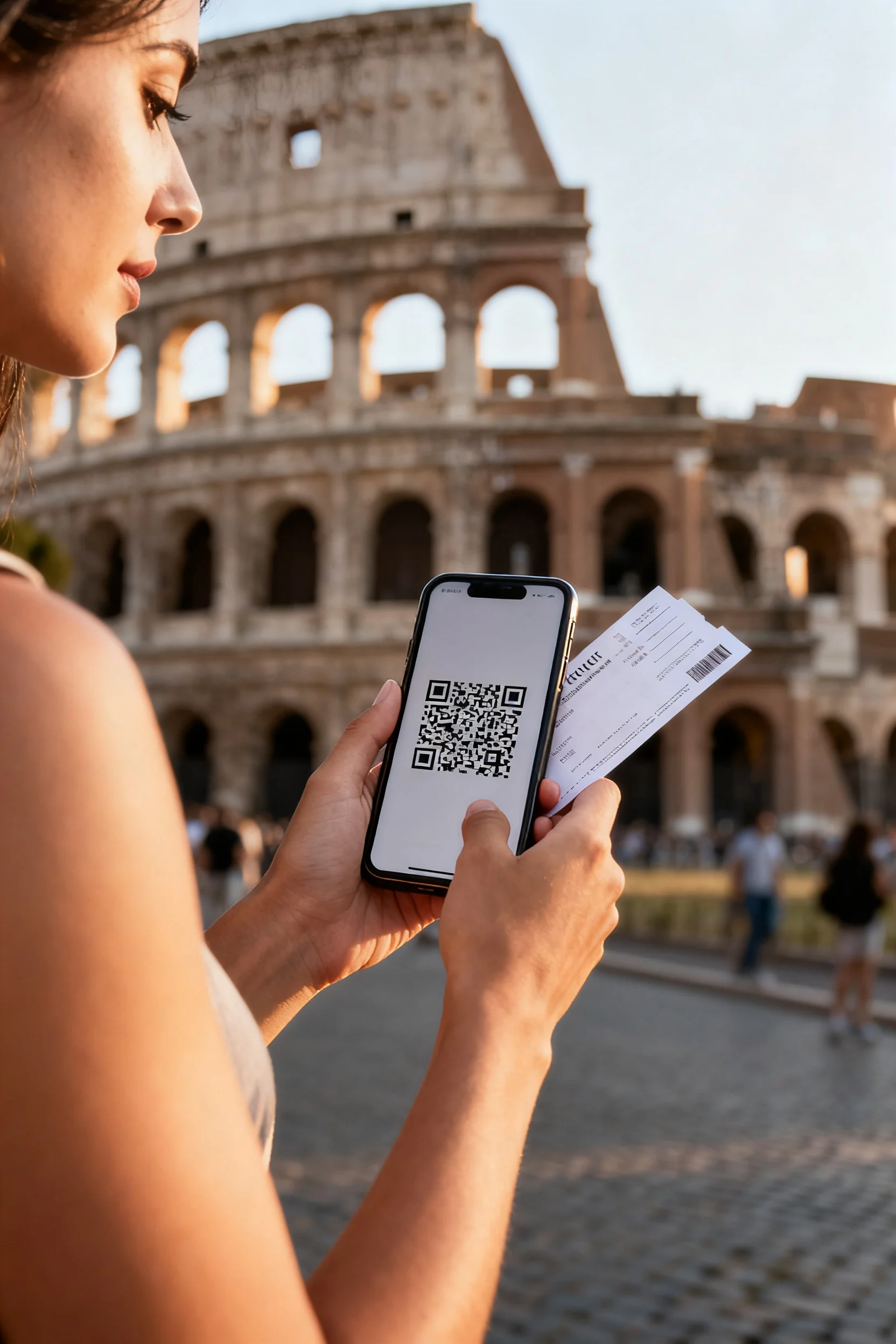
For first-timers, the biggest time-savers are timed-entry tickets for the Colosseum/Roman Forum, Vatican Museums (including Sistine Chapel), and Florence’s Uffizi or Accademia (David). Aim for the earliest entry of the day or late afternoon—midday lines and crowds hit different. Buy from official sites when possible, and screenshot your QR codes because signal can be spotty inside thick-walled attractions.
2) Master Trains: Validate Where Needed, Reserve Where It Matters
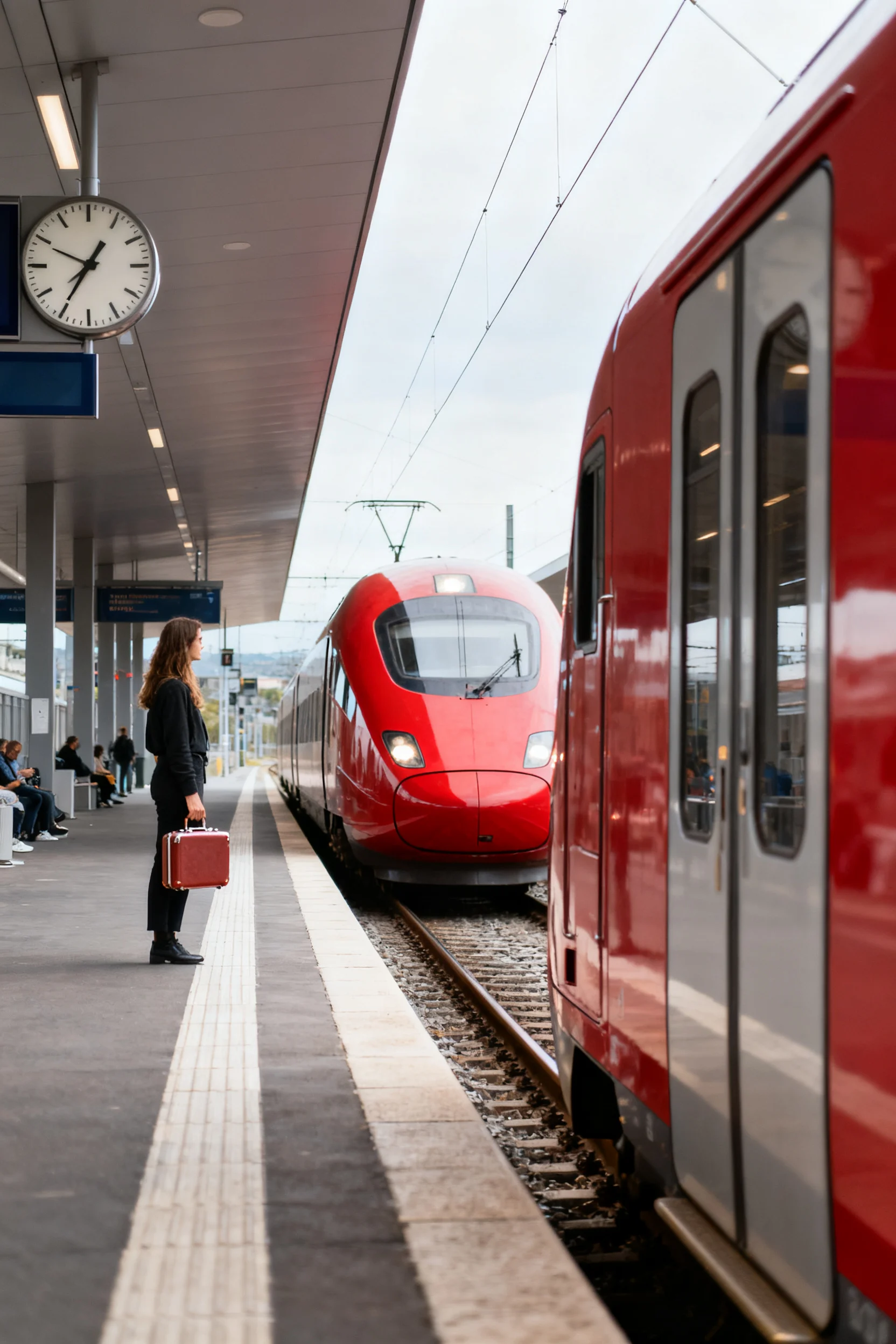
High-speed trains (Frecciarossa/Italo) are the move for city-to-city routes like Rome–Florence–Venice; book a week or two ahead for better fares and guaranteed seats. Regional trains are flexible, but rules vary—many routes now use e-tickets, while some still require validation for paper tickets (look for the little machines near platforms). Build in a 10–15 minute buffer for platform changes and remember that “Binario” (platform) can post late.
3) Choose a Home Base Neighborhood, Not Just a City
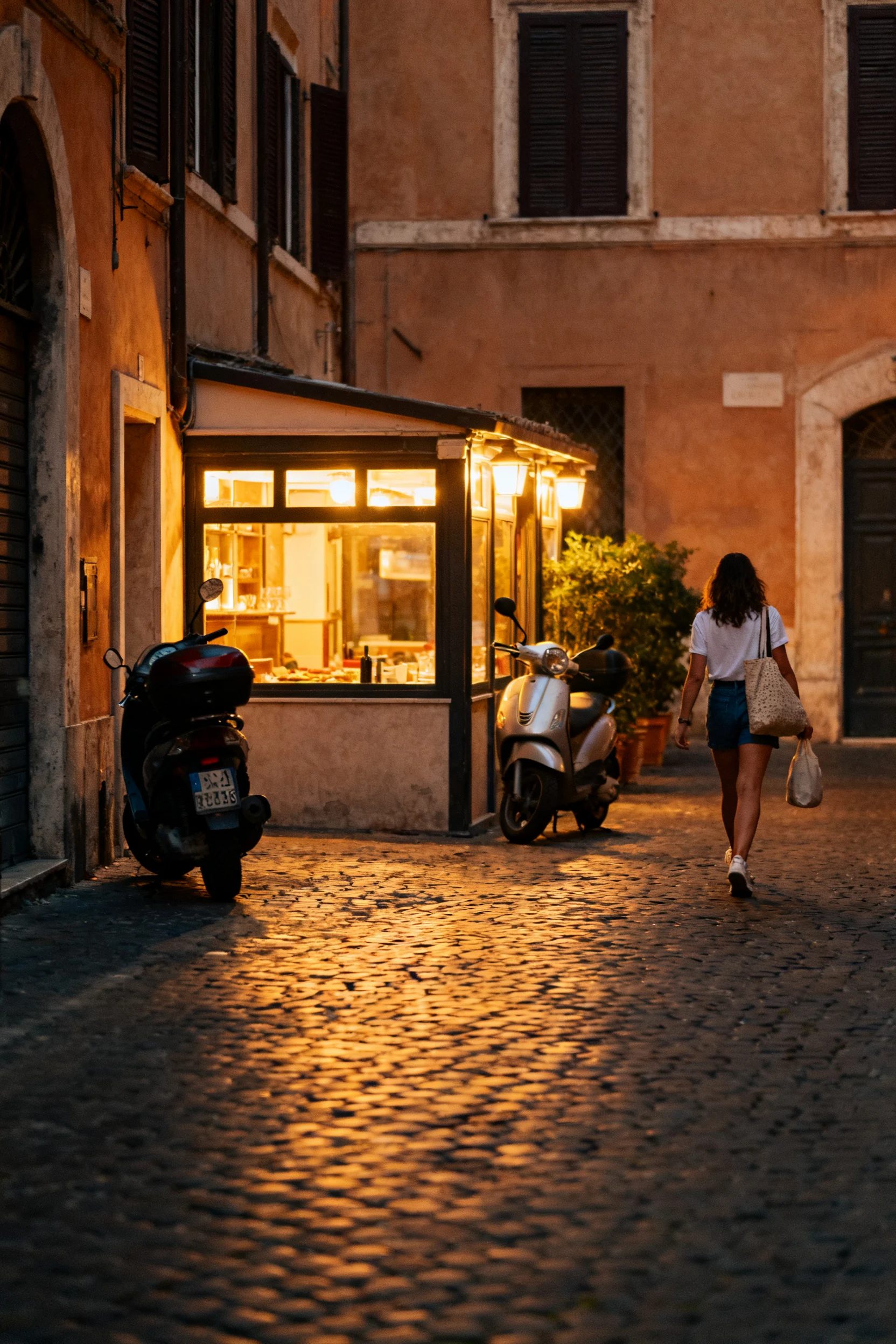
Staying slightly outside the most touristy core can mean better sleep, better food, and easier logistics. In Rome, look at Prati or Monti; in Florence, Santa Croce or San Frediano; in Venice, Cannaregio; in Milan, Brera or Porta Romana. Prioritize being near a metro stop or walkable zone, and double-check if your accommodation has stairs-only access (common in historic buildings).
4) Pack for Churches, Cobblestones, and Microclimates
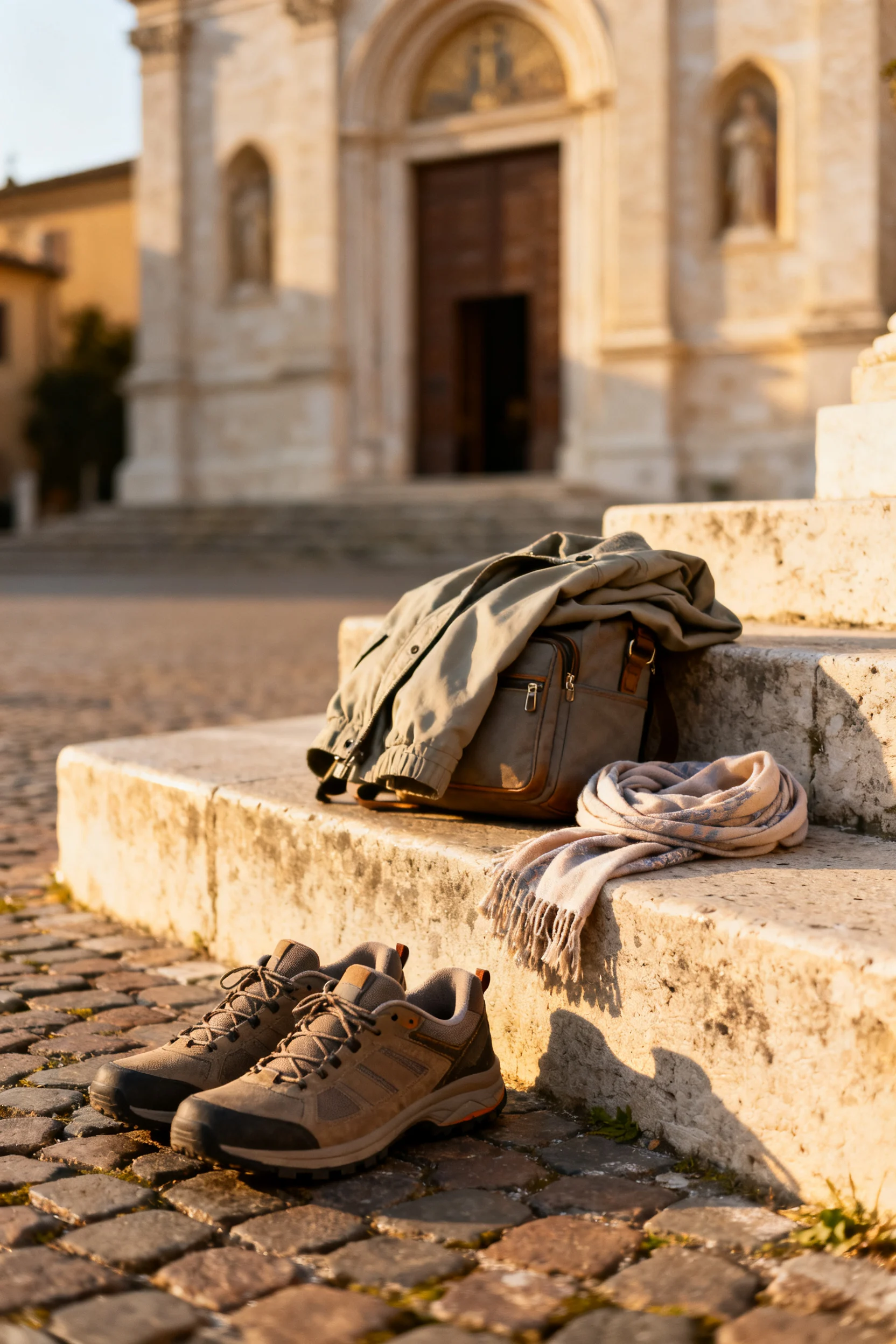
Bring comfortable shoes with real soles—cobblestones and slippery stone steps will humble you fast. Pack a light layer even in shoulder season: mornings can be chilly, and big cathedrals feel cooler inside. Keep a scarf or shirt that covers shoulders handy for churches, and toss a small umbrella or packable rain jacket in your day bag (weather changes quickly, especially in the north).
5) Carry a Little Cash and Learn Two Tiny Etiquette Wins
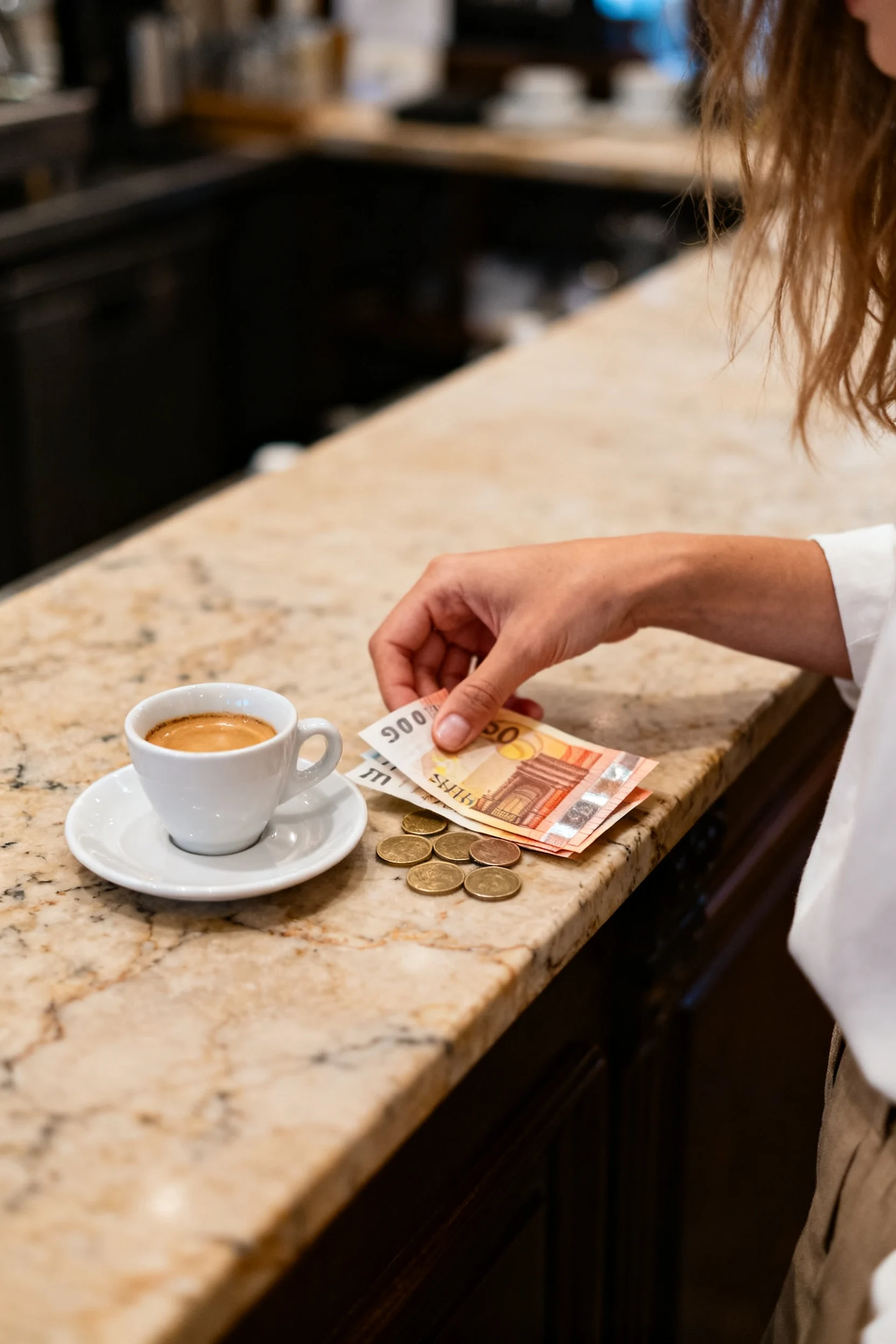
Cards are common, but cash still saves you for small cafés, markets, tips, and places with minimum card spends—carry a mix of €5/€10/€20. For coffee: “al banco” (at the bar) is usually cheaper than sitting at a table, especially in tourist zones. And for meals, avoid restaurant traps by walking 5–10 minutes off the main piazzas; if a menu has photo collages, ten languages, and someone inviting you in, keep it moving.
FAQ
How many days do I need for a first Italy trip?
Plan 7–10 days for a classic first route like Rome + Florence + Venice (or Milan/Lake Como). With 10–14 days, you can add the Amalfi Coast, Tuscany countryside, or Bologna for food. Fewer than 7 days? Pick two places max and enjoy them properly.
What’s the best month to visit Italy to avoid crowds?
Late April–May and mid-September–October are the sweet spots for weather and fewer crowds. July and August are hot and busy (and some local businesses take holidays), while winter can be quieter but with shorter days and more limited coastal options.
Do I need to tip in Italy?
Tipping isn’t required like in the U.S., but it’s appreciated for great service. Many restaurants include a “coperto” (cover charge) or service fee, so check the bill first. If you want, round up or leave a few euros; for taxis, rounding up is normal.
Is it better to rent a car or use trains?
Use trains for major cities—parking and ZTL (restricted traffic zones) can be a headache and expensive. Rent a car for countryside areas like Tuscany, parts of Puglia, or Sicily, where small towns are easier to reach by road. If you do drive, learn ZTL rules and book accommodations with clear parking instructions.
What should I book in advance besides attraction tickets?
Reserve popular restaurants (especially in Florence, Rome, and along the Amalfi Coast), high-speed trains, and key day trips like Vatican guided tours or Capri ferries in peak season. If you’re visiting during holidays or summer weekends, book hotels earlier than you think—good locations sell out fast.