
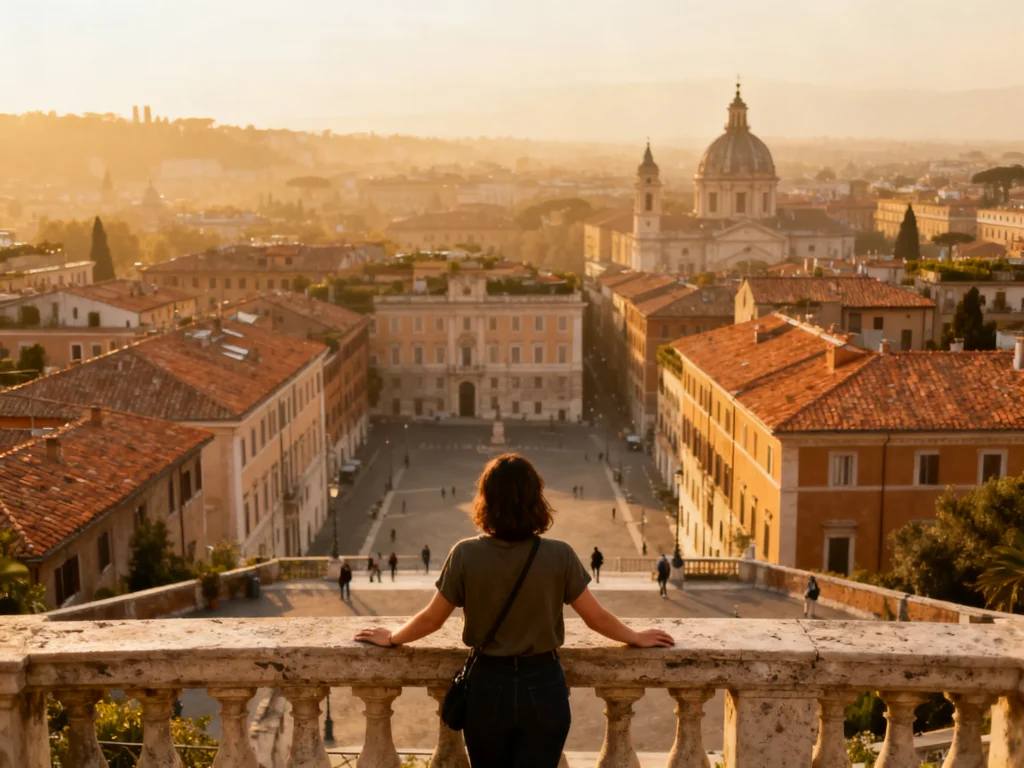
Italy on a budget is absolutely doable—and no, it doesn’t mean living on plain pasta in a bus station. The trick is spending where it counts (the “magic moments”) and cutting costs on everything else without feeling deprived.
Here’s how to plan an Italy trip that still feels cinematic: think sunrise piazzas, local trains, aperitivo views, and a few strategic reservations that save money and time.
Top 5
1) Travel in Shoulder Season (and Book Smarter)
Aim for late April–May or mid-September–October for lower hotel rates, fewer crowds, and still-gorgeous weather. Book big-city stays (Rome/Florence/Venice) 6–10 weeks ahead, but smaller towns can often be booked closer in. Pack layers and a compact umbrella—shoulder season is the sweet spot, but showers happen.
2) Sleep Just Outside the Tourist Core
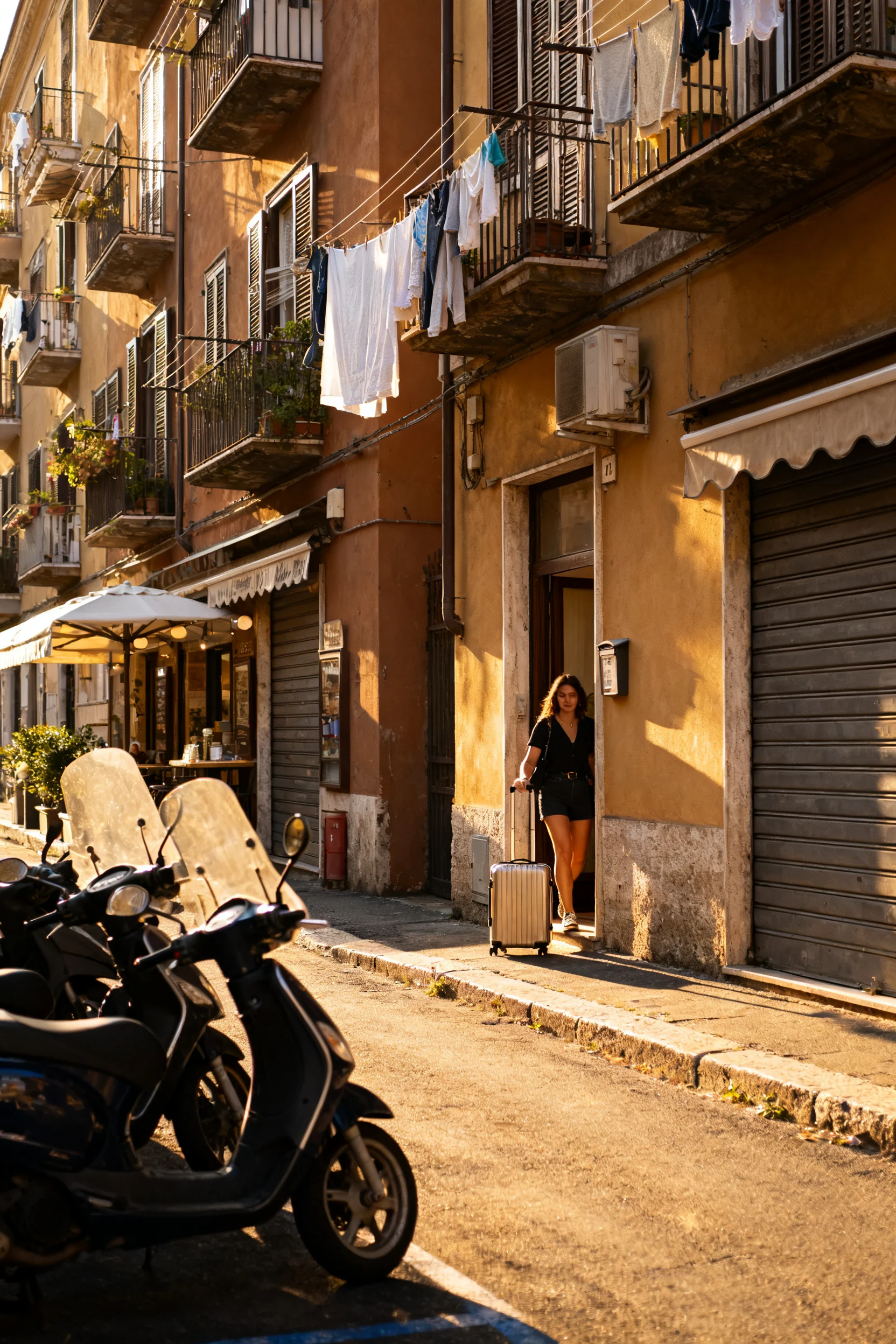
Pick neighborhoods that feel local but keep you connected: in Rome, stay in Testaccio or San Giovanni; in Florence, try Oltrarno or Campo di Marte; in Venice, look at Cannaregio or Mestre for serious savings. Prioritize places within a 10–15 minute walk of a metro or major bus/tram line. If the price difference is small, choose the more central option—you’ll save on transit and time.
3) Use Regional Trains Like a Pro (Skip Expensive Mistakes)
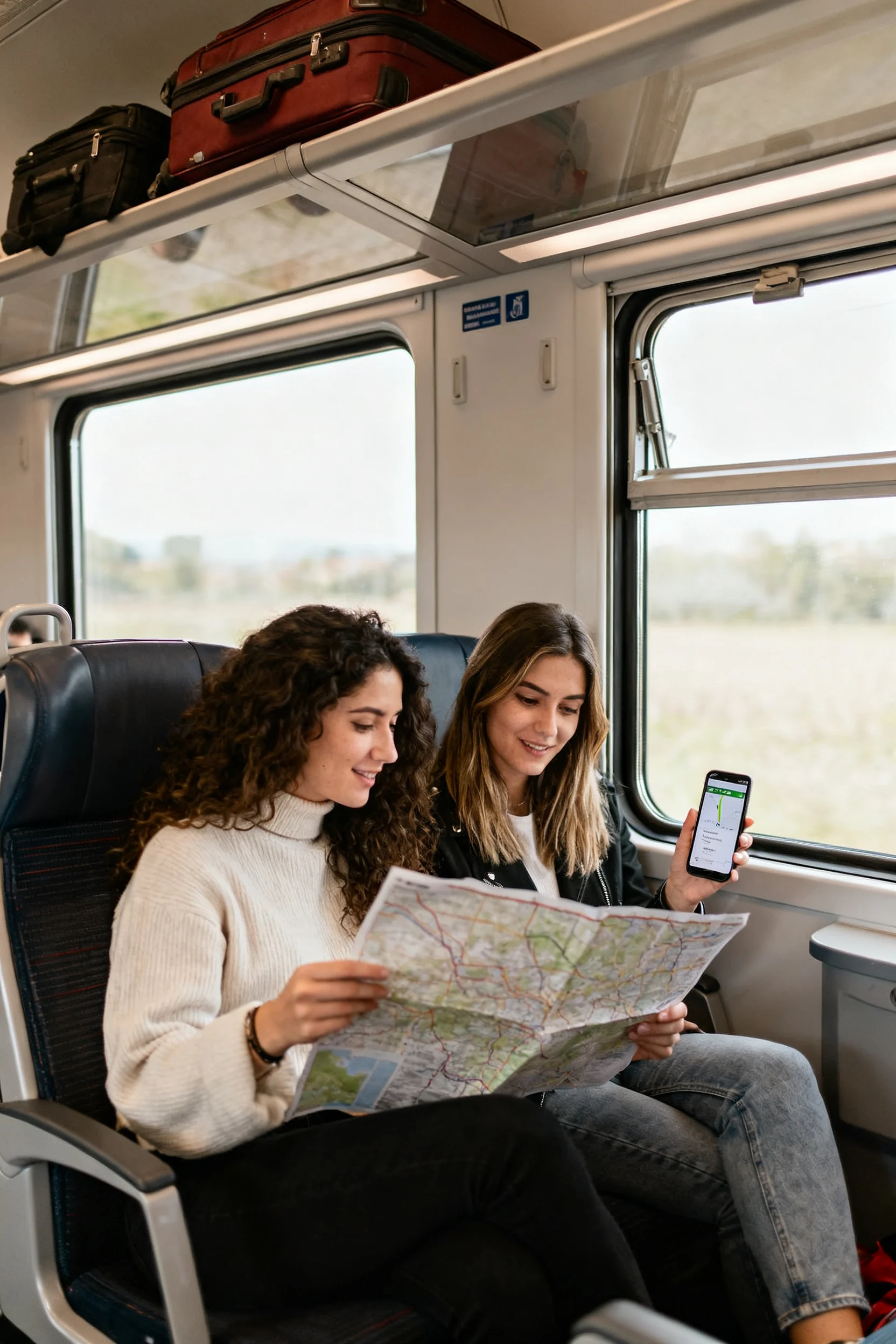
Regional trains are the budget hero for day trips and shorter routes—buy tickets online or at the station, and remember to validate paper tickets if required. High-speed trains (Frecciarossa/Italo) are worth it on long routes, but only if you book early for the cheapest fares. Build your itinerary with clusters (Rome + Naples, Florence + Tuscany, Milan + Lake Como) so you’re not paying for constant long-haul jumps.
4) Eat Like an Italian: Set Menus, Aperitivo, and Market Picnics
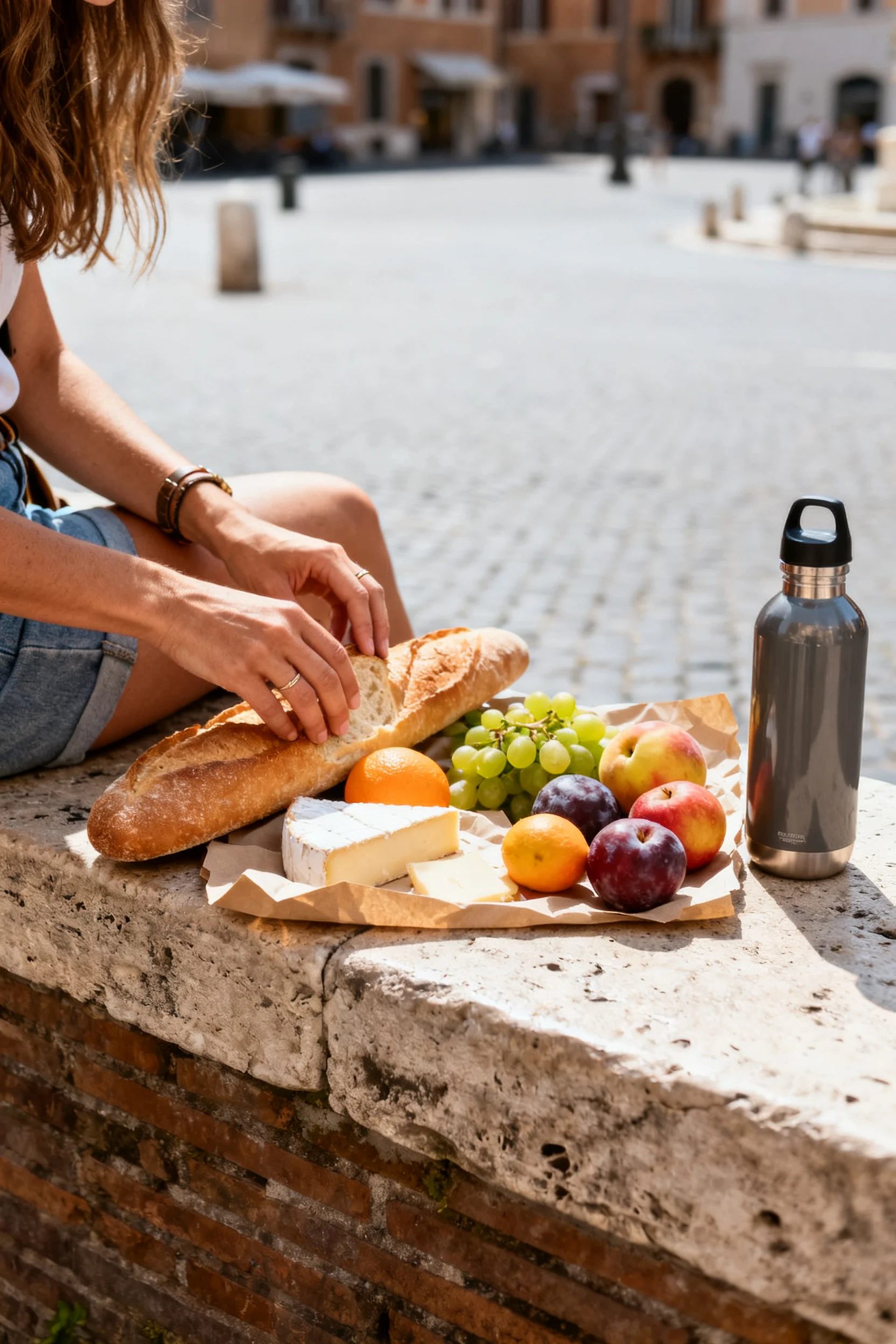
Do your “big meal” at lunch when prix-fixe menus are common and cheaper than dinner, then go lighter at night with aperitivo (a drink plus snacks) or a simple secondi. Shop markets (like Rome’s Mercato Testaccio or Florence’s Sant’Ambrogio) for picnic supplies—fresh fruit, cheese, focaccia—and eat in a scenic spot. Avoid restaurants with aggressive hosts, photo menus, or tourist-trap views; instead, look one or two streets back and follow the Italian-language chalkboard specials.
5) Prioritize One Paid Icon per City (and Make the Rest Free)
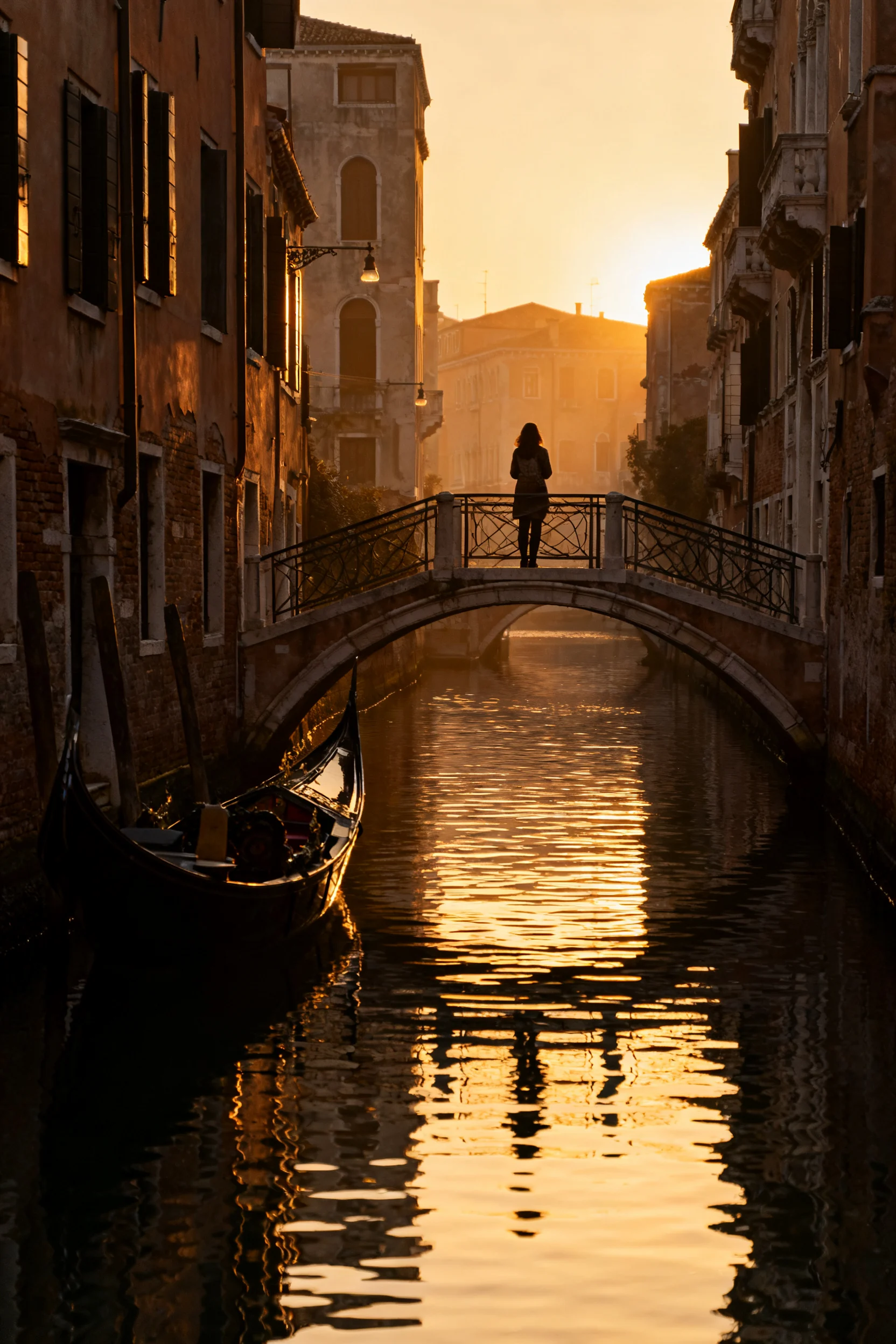
Choose one “must-pay” experience per city—like the Colosseum/Forum combo in Rome, the Uffizi in Florence, or a skip-the-line Doge’s Palace ticket in Venice—then fill the rest with free magic: sunset viewpoints, churches, piazzas, and wandering. Book timed-entry tickets online to avoid long lines that waste your day (and tempt you into pricey last-minute tours). For free museum days, check schedules carefully and arrive early—lines can be intense, so it’s only a win if you plan for it.
FAQ
How much money do I need per day for Italy on a budget?
For a first-timer traveling comfortably but affordably, plan roughly €90–€150 per person per day excluding long-distance transport: €35–€70 lodging (shared), €25–€45 food, €10–€20 local transit, and €10–€30 sights. Costs jump in peak summer and in Venice, so balance expensive cities with cheaper bases like Bologna, Verona, or Naples.
What’s the cheapest way to get around between cities?
Regional trains are usually the cheapest and are great for shorter distances; high-speed trains can be affordable if booked early. Buses can be cheaper on some routes, but they’re slower and less comfortable—use them when trains are limited. Keep your route efficient to reduce travel days (which often become sneaky “extra spending” days).
Is Venice possible on a budget?
Yes—go for 1–2 nights max, stay in Cannaregio or on the mainland (Mestre), and explore on foot instead of paying for multiple boat rides. Spend on one key activity (like Doge’s Palace) and keep the rest simple: sunrise canals, cicchetti (small bites) at local bars, and wandering quieter alleys away from San Marco.
Do I need to reserve attractions in advance?
For major icons (Colosseum, Uffizi, Vatican Museums, Last Supper in Milan), yes—book timed tickets as soon as your dates are set. You’ll often pay the same or slightly more, but you’ll save hours of waiting and avoid sold-out days. Smaller churches and viewpoints usually don’t require reservations, so keep those flexible.
What are easy ways to avoid tourist traps without overplanning?
Use this quick filter: skip places with touts, giant photo menus, and “international” signage right next to major landmarks. Eat where locals are—look for busy spots with short menus and lots of Italian being spoken, even if it’s a 10-minute walk from the main square. And build in one “wander hour” daily; Italy’s best moments are often the unplanned ones.