
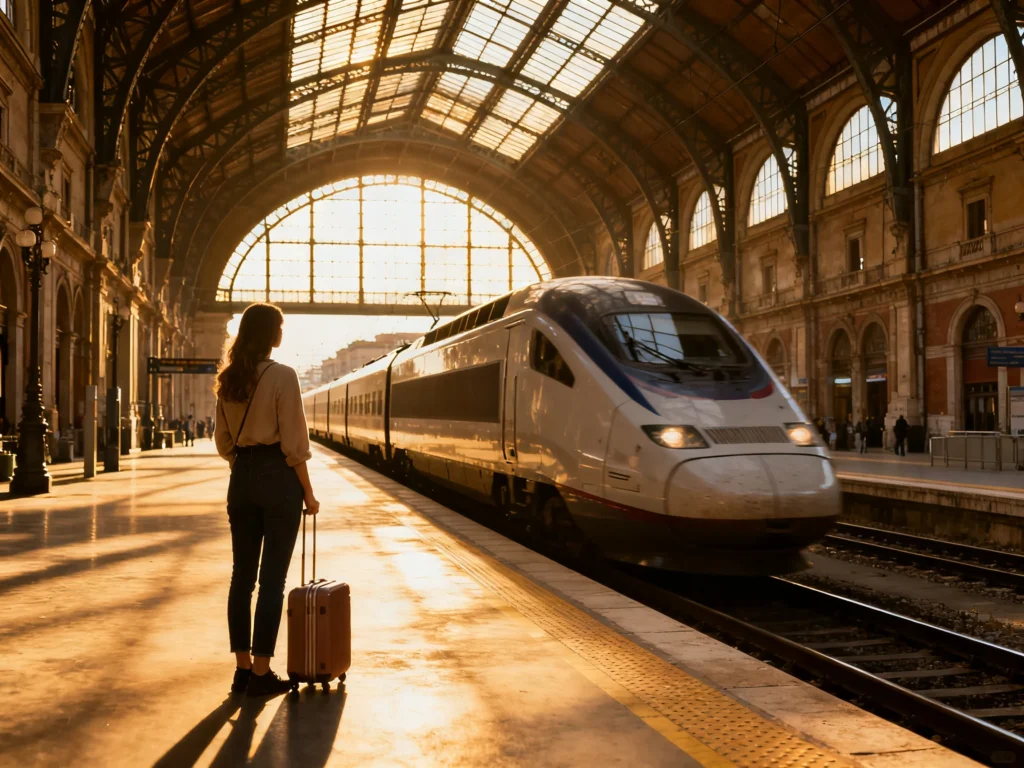
Italy by train is the ultimate “see more, stress less” move: fast connections, city-center stations, and zero parking drama. The trick is planning the right routes and booking the right trains so you’re not paying extra or losing time.
This guide walks you through how to plan Italy travel by train the smart way, from building an itinerary that actually flows to booking seats, packing, and avoiding the classic first-timer mistakes.
Top 5
1) Build an itinerary that matches the rail lines (not your Pinterest map)

Start by grouping cities that connect cleanly: Milan–Venice–Florence–Rome–Naples is a classic for a reason. Keep it to 3–5 bases and do day trips by regional trains (like Florence to Pisa/Lucca, Rome to Tivoli, Naples to Pompeii). A good rule: 2–4 nights per city so you’re not constantly checking in and out. If you’re tempted to add the Amalfi Coast, plan it as a Naples or Sorrento extension, not a quick detour between major cities.
2) Know the train types: high-speed vs regional (and when passes don’t help)
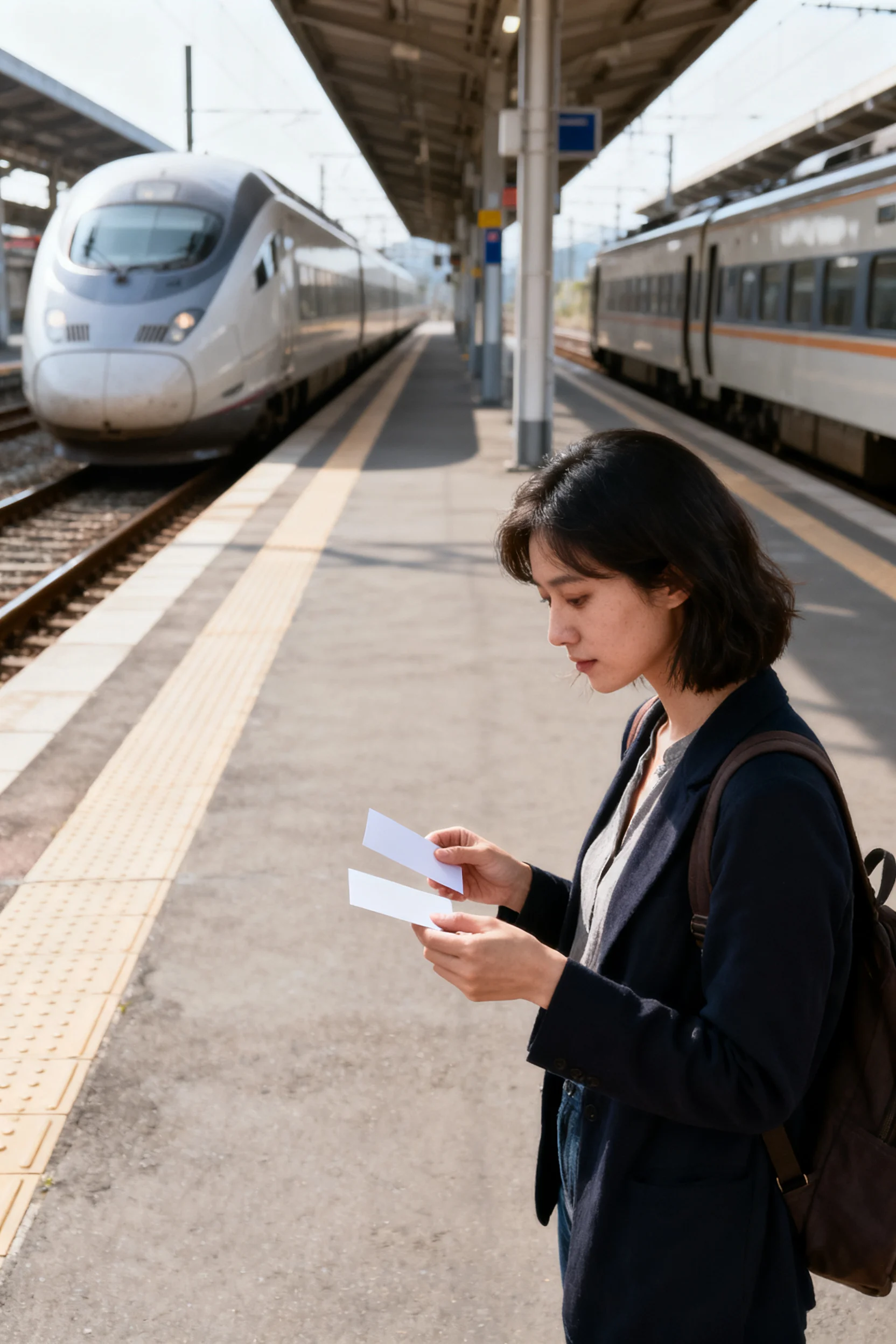
High-speed trains (Frecciarossa, Frecciargento, Italo) are for big-city hops and should be booked ahead for the best fares and seat choice. Regional trains (Regionale/Regionale Veloce) are slower, cheaper, and usually don’t require advance booking—perfect for day trips and smaller towns. Rail passes can look tempting, but they often don’t beat advance high-speed tickets, especially if you’re traveling on popular routes at peak times. If your trip is mostly 3–6 long hops, compare point-to-point prices before committing to a pass.
3) Book tickets the right way: timing, seats, and validation
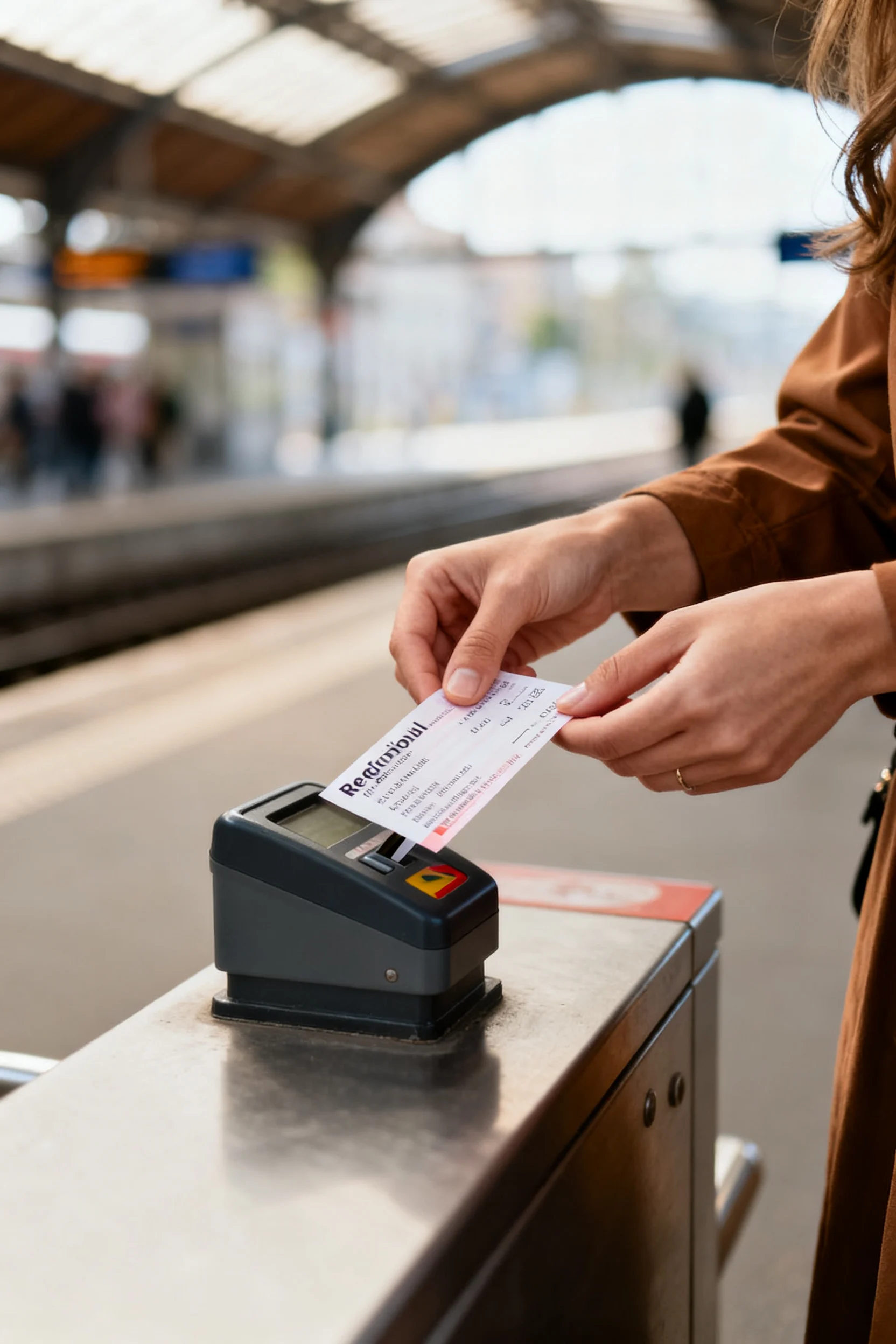
For high-speed routes, aim to book 2–8 weeks ahead (earlier for summer and holidays) and choose an assigned seat so you’re not standing by the doors. For regional trains, you can buy same day, but always check whether your ticket needs validation before boarding—paper tickets often do, while app tickets typically don’t. Save screenshots or download tickets offline because station Wi‑Fi can be flaky. If you’re switching trains, leave a buffer (20–40 minutes) so one delayed train doesn’t wreck your whole day.
4) Master stations like a local: where to arrive, what to watch for, what to skip

Arrive 20 minutes early for high-speed trains and 10–15 for regional, especially in big stations like Roma Termini, Milano Centrale, and Firenze Santa Maria Novella. Watch the departure boards for binario (platform) changes—platform numbers can post late, and they do change. Keep your bag close and skip anyone offering “help” with ticket machines; use official info desks or staff in uniform. Choose hotels near major stations only if you value early starts; otherwise, pick a walkable neighborhood and take a quick taxi/metro to the station.
5) Pack for trains: luggage strategy, day bag essentials, and comfort upgrades
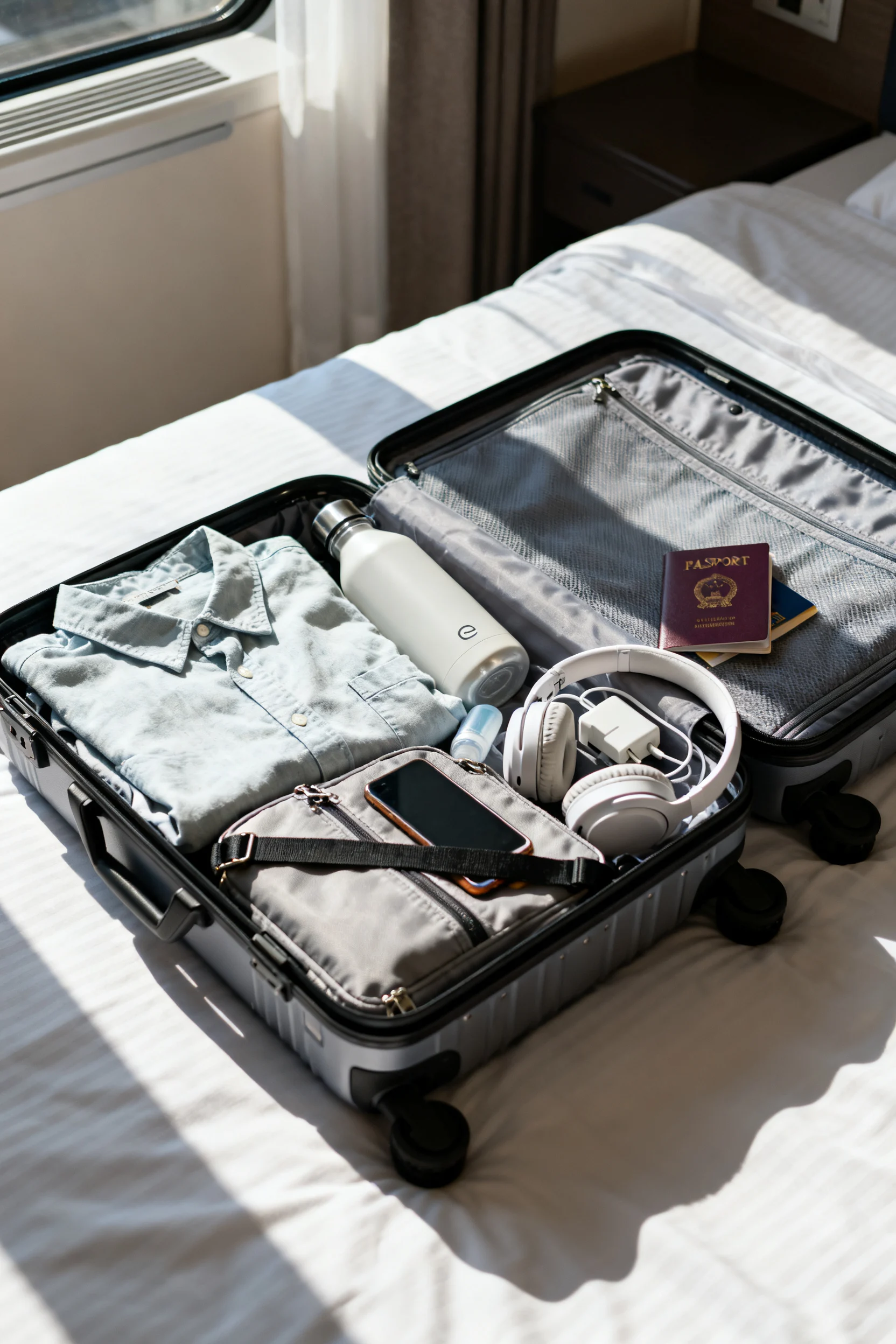
Pack lighter than you think: you’ll lift your own bag onto racks and up station stairs, and not every platform has elevators. Use a carry-on-sized roller or backpack plus a small crossbody for passport, wallet, chargers, and snacks. Bring a refillable water bottle and a few easy snacks for regional rides (cafés aren’t always nearby on smaller routes). If you want a calmer ride, book high-speed in Standard/Premium with a window seat, and avoid tight connections so you’re not sprinting through stations.
FAQ
Do I need to reserve seats on trains in Italy?
On high-speed trains, yes—your ticket includes a seat reservation, and booking ahead usually saves money. On most regional trains, seats are first-come, first-served and you just buy a ticket for that route.
Is a rail pass worth it for Italy?
Sometimes, but not automatically. If you’re doing many long-distance trips in a short window and don’t want to lock in exact times, a pass can be convenient. If you have a clear plan and can book high-speed trains early, point-to-point tickets are often cheaper.
How far in advance should I book Italy train tickets?
For high-speed routes, 2–8 weeks ahead is a sweet spot, with earlier booking for summer, weekends, and holidays. For regional trains, same-day or a day ahead is usually fine.
Do I have to validate train tickets in Italy?
Paper tickets for regional trains may need validation in the little machines on the platform before boarding. Digital/app tickets typically don’t require validation, but always read the ticket rules and follow what’s shown in your confirmation.
What’s the easiest first-timer train route in Italy?
Milan → Venice → Florence → Rome is the smoothest, most train-friendly classic, with frequent high-speed options and easy station locations. Add Naples as the next stop if you want Pompeii and a southern-food moment without complicated transfers.