
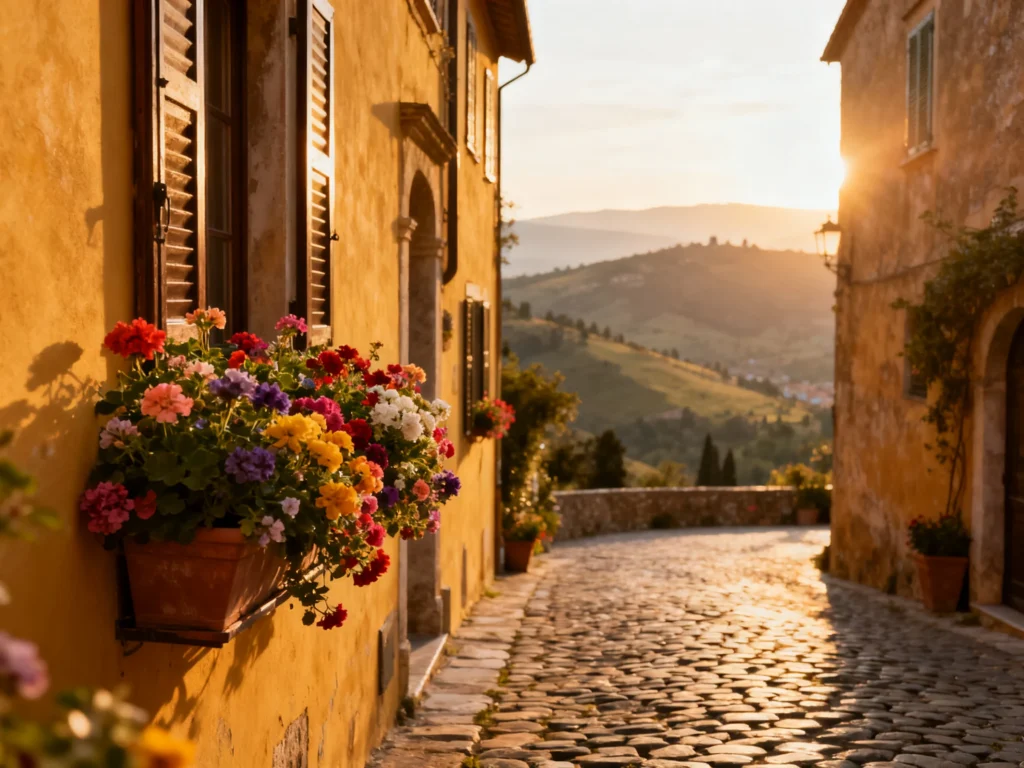
Italy does “small town” better than basically anywhere: stone lanes, slow mornings, unreal views, and meals that casually change your standards. The trick is picking places that are actually worth the detour (and knowing how to visit without losing half your day to logistics).
These five towns are first-timer friendly, insanely photogenic, and easy to pair with a bigger city base. Think: day trips that feel like you found a secret, even if you didn’t.
Top 5
1) Alberobello (Puglia)
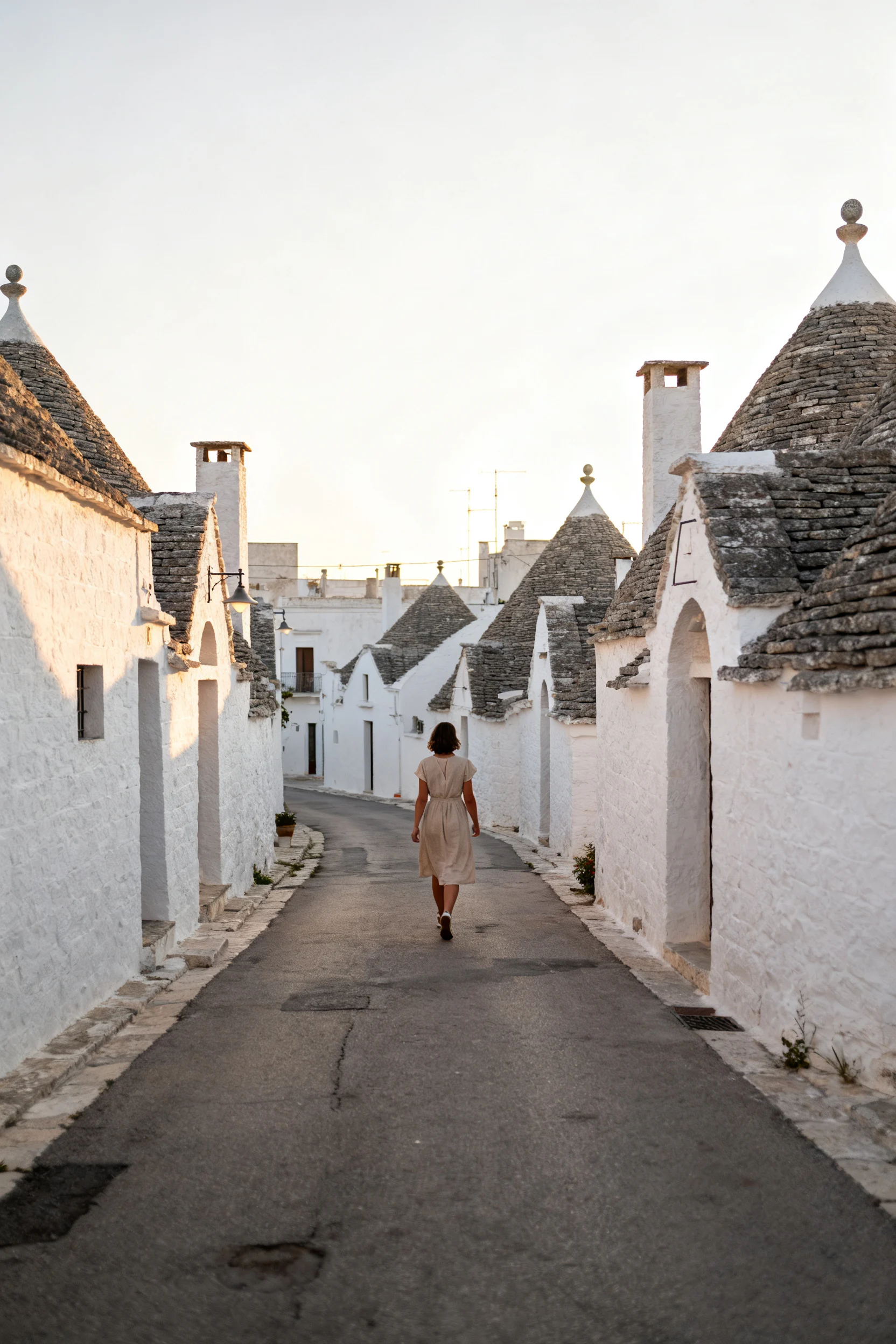
Alberobello is the trulli capital—those white, cone-roof houses you’ve seen all over Pinterest, but somehow even cuter in real life. Go early (before 10 a.m.) to get quiet streets in Rione Monti and Rione Aia Piccola, then stay for lunch when the day-trippers thin out. Book a trullo stay for one night if you can; it’s the easiest way to see the town after the crowds. Pack light layers—Puglia evenings can get breezy, even in warm months.
2) Vernazza (Cinque Terre, Liguria)
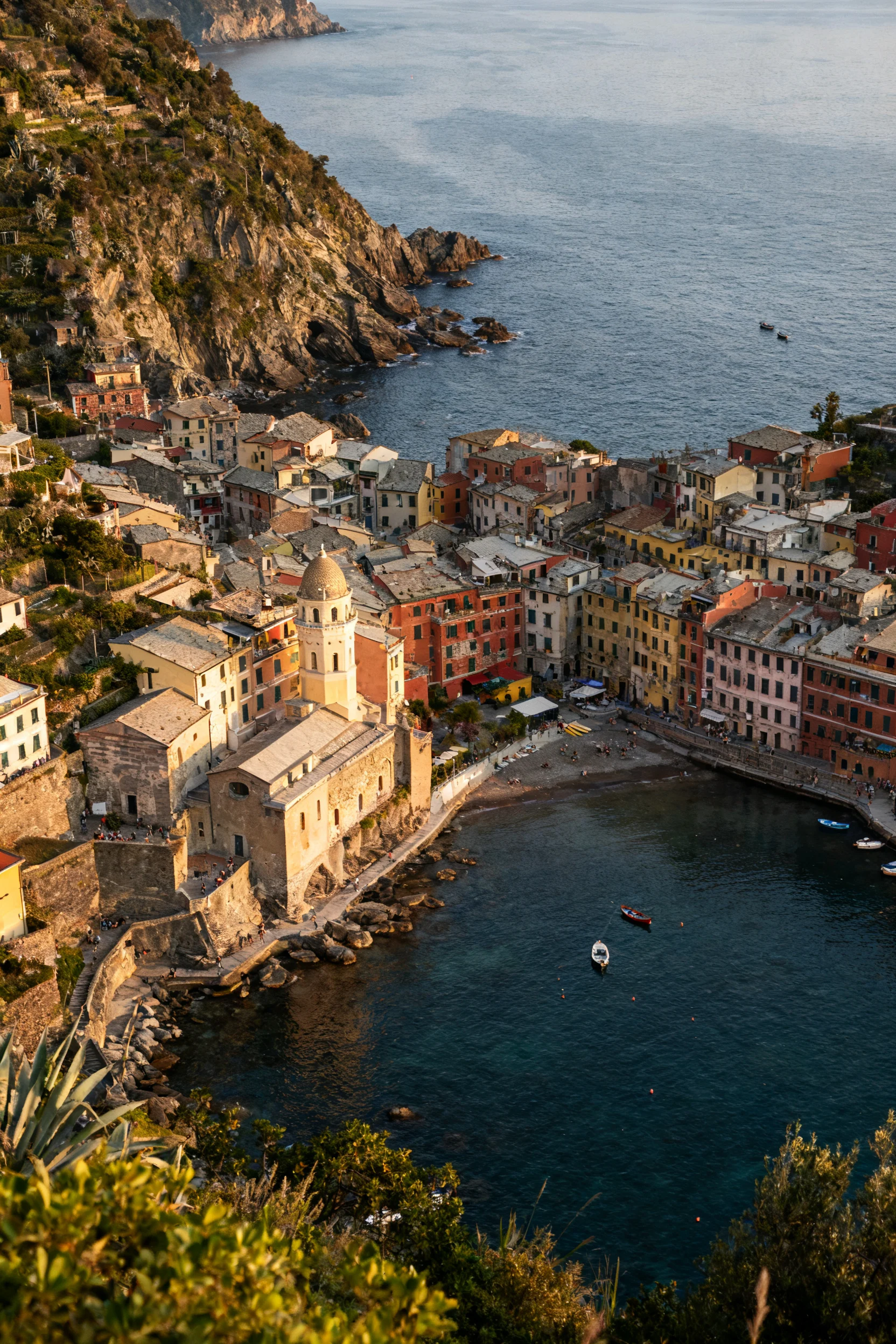
Vernazza is the Cinque Terre town that feels like a postcard from every angle: a tiny harbor, colorful buildings, and a short climb to epic viewpoints. If you’re hiking, buy the Cinque Terre Card ahead of time and start with the Sentiero Azzurro segments that are open (trail status can change). For the best photos, walk up toward Castello Doria near sunset, but wear shoes with grip—those cobbles are no joke. Skip driving entirely and arrive by train; it’s faster and way less stressful.
3) Orvieto (Umbria)
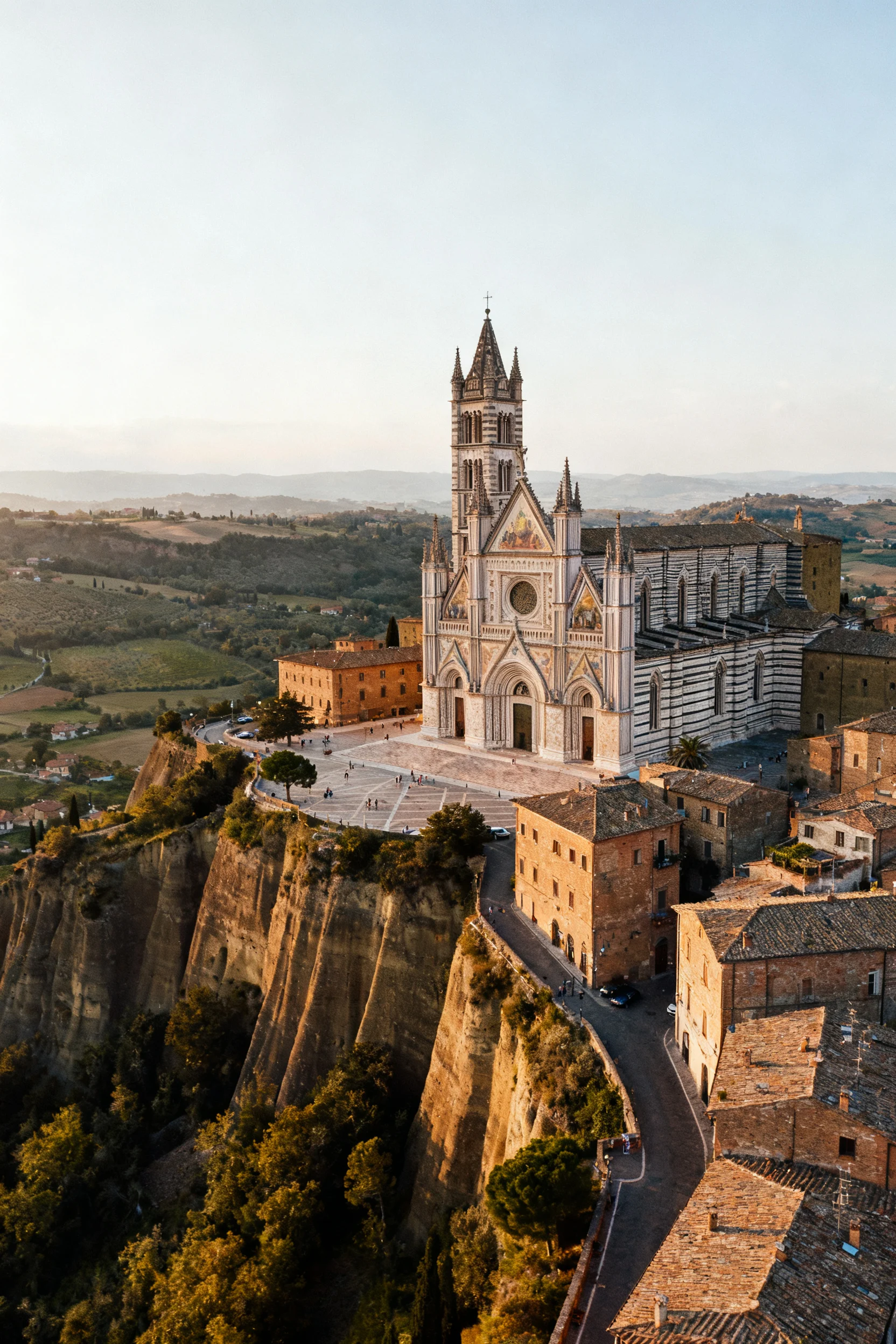
Orvieto sits dramatically on a volcanic rock cliff, and the Duomo alone is worth the trip—aim for a morning visit so you can enjoy the façade without the midday crowd. Take the funicular up from the train station (it’s simple and saves your legs), then wander the historic center on foot. Don’t miss the underground tours (Orvieto Underground) for a cooler midday activity, especially in summer. If you’re sleeping over, choose a stay inside the old town walls so you can enjoy the golden-hour views when day trippers leave.
4) San Gimignano (Tuscany)
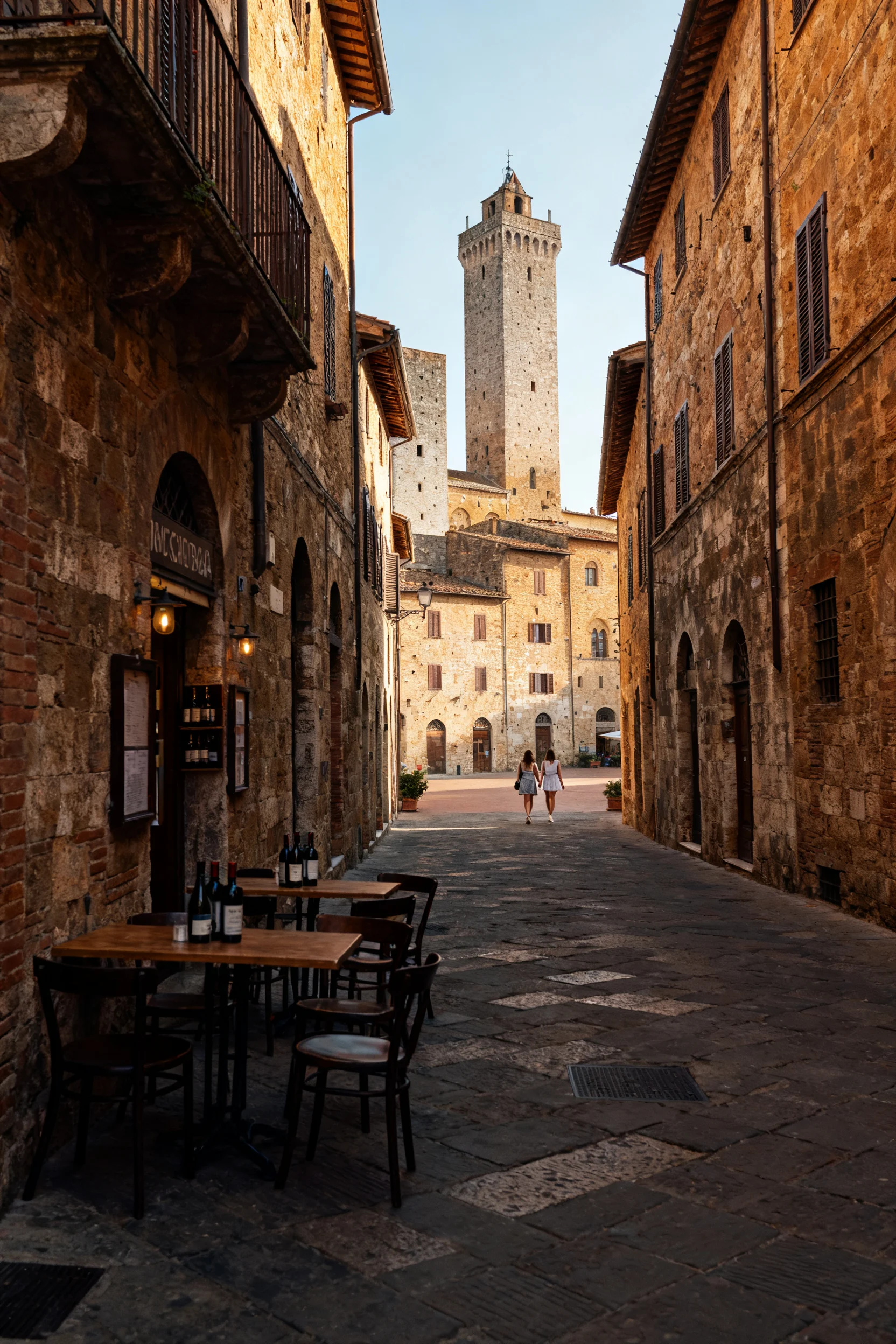
San Gimignano is famous for its medieval towers and that classic Tuscan vibe—stone streets, little wine bars, and views over rolling hills. Visit on a weekday and arrive before lunch; by afternoon, tour buses can make the main streets feel packed. Pre-book a small-group winery visit in the surrounding countryside if you want the full experience without renting a car (many tours pick up from Florence or Siena). Bring a refillable water bottle and comfortable sandals or sneakers because the streets are steep and sun-baked in warmer months.
5) Civita di Bagnoregio (Lazio)
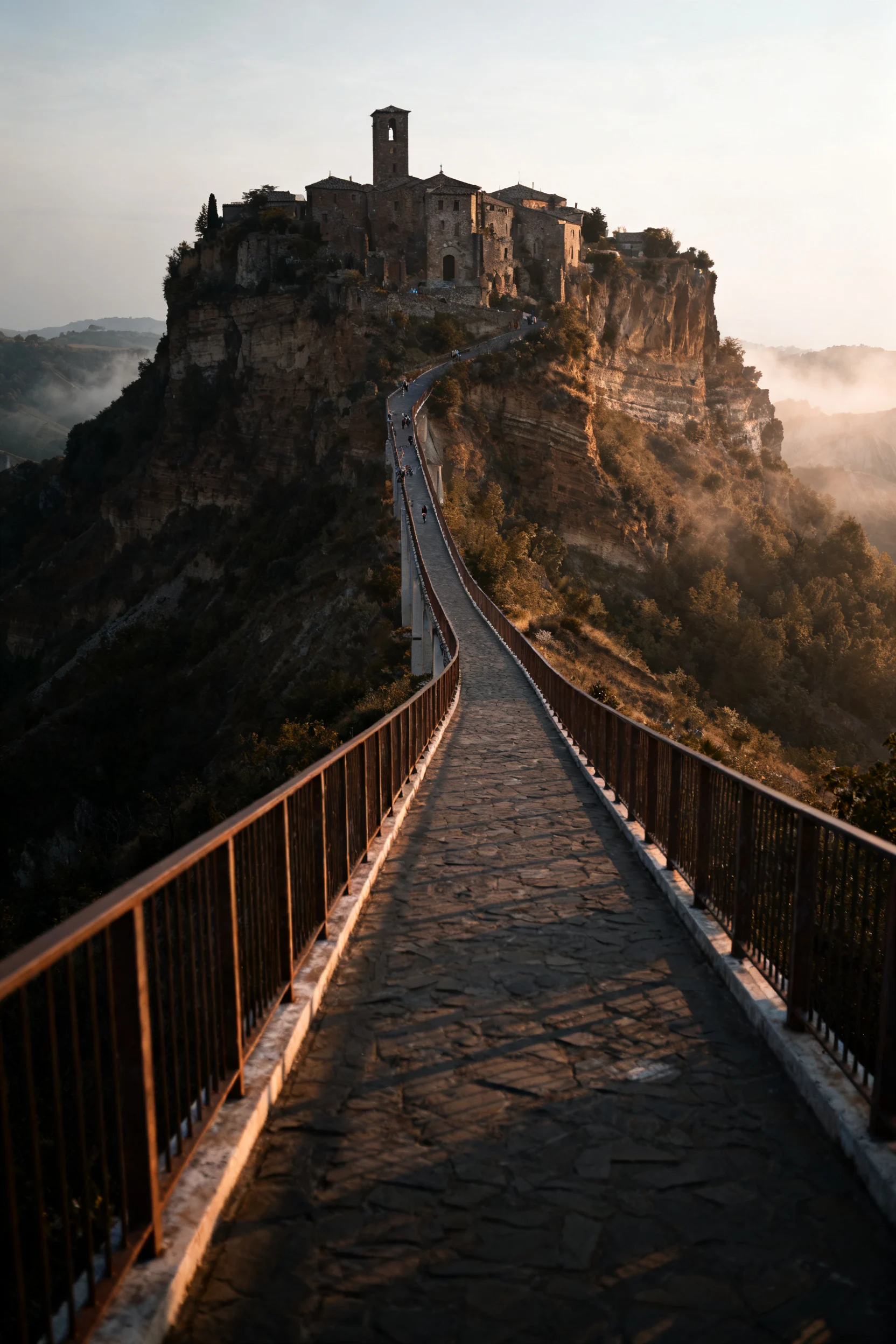
Civita di Bagnoregio is the “dying town” perched on a crumbling hill, reached by a long pedestrian bridge—aka: maximum drama, minimum effort (it’s a walk, but totally doable). Go at opening time or late afternoon to avoid the peak rush and get softer light for photos. Wear solid walking shoes and avoid slick soles if it rained; the path and lanes can be slippery. Pair it with a base in Orvieto or Viterbo, and consider staying nearby if you want the quiet, after-hours version of Civita.
FAQ
What’s the best time of year to visit Italy’s small towns?
Late spring (May–June) and early fall (September–early October) are the sweet spot: great weather, longer days, and fewer crowds than peak summer. If you’re going in July or August, plan early mornings and slower afternoons to avoid heat and peak tour times.
Do I need a rental car for these towns?
Not always. Vernazza is best by train, and Orvieto is easy by train plus funicular. San Gimignano, Alberobello, and Civita are easiest with a car, but you can still do them via day tours or a mix of train + local buses/taxis—just expect longer travel times.
How many small towns should I plan in one trip?
For a first trip, aim for 2–4 towns total and build them around one or two home bases (like Florence, Rome, or Bari). You’ll get better experiences by slowing down than by racing through five day trips in a row.
Any packing tips specifically for small towns?
Bring comfortable walking shoes (cobbles + hills), a light layer for evenings, and a small day bag that zips. In summer, add sun protection and a water bottle; in shoulder season, a compact rain jacket is a smart save.
What should I book in advance?
Book accommodations early if you want to sleep inside historic centers (limited inventory), plus any guided experiences like underground tours in Orvieto or winery visits near San Gimignano. For Cinque Terre, it helps to buy train passes/cards and check trail updates ahead of time, especially in busy months.