
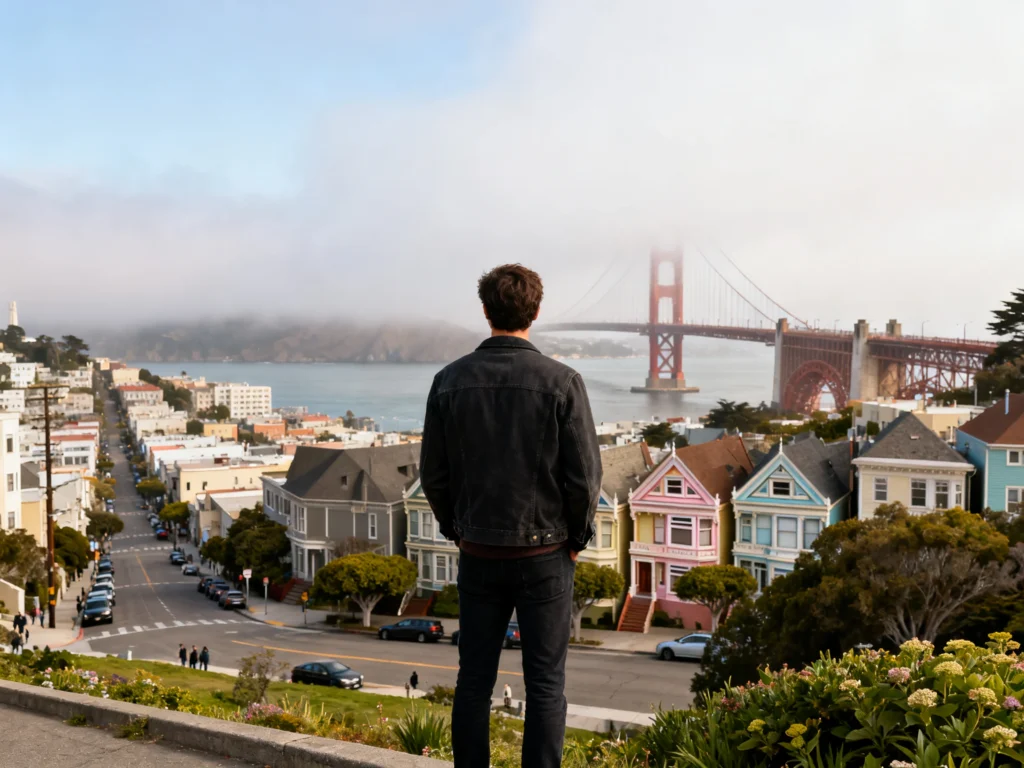
San Francisco is iconic, but it’s also the kind of city where a few small planning slip-ups can quietly wreck your day (hello, surprise hills and surprise fog). The good news: most of the common mistakes are super easy to avoid.
Here are the biggest first-timer pitfalls—and exactly what to do instead—so you can spend more time eating well, wandering pretty neighborhoods, and actually enjoying the views.
Top 5
1) Underestimating the weather (aka forgetting layers)
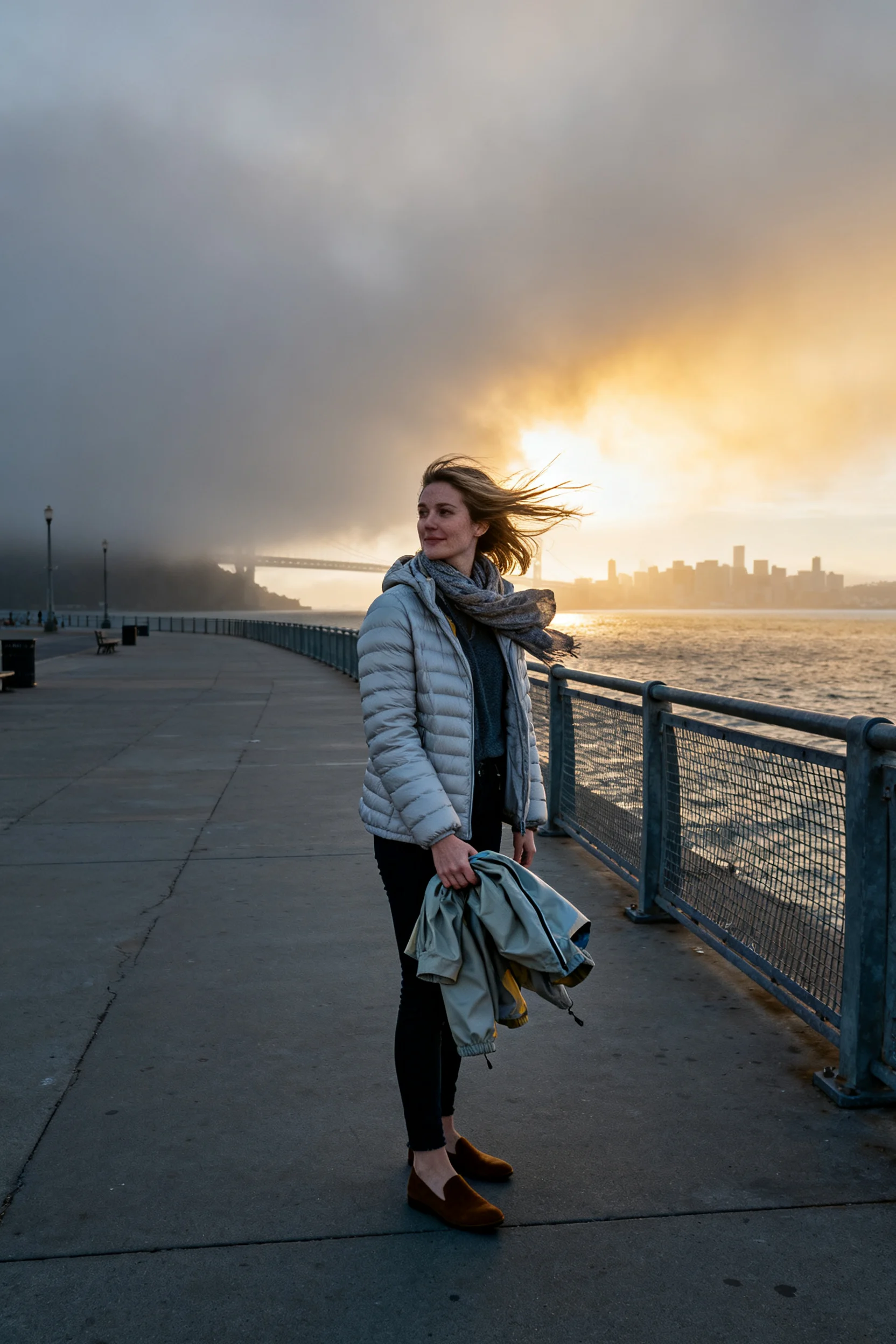
San Francisco can swing from sunny to windy-and-cold in one neighborhood change, especially near the water. Pack a light puffer or windbreaker, a scarf, and comfy closed-toe shoes—even in summer. If you’re doing Golden Gate Bridge, Lands End, or a bay cruise, bring an extra layer and aim for late morning to early afternoon for the best combo of light and slightly less fog. Check the forecast by neighborhood (Outer Sunset is not Downtown) and you’ll dress like a local fast.
2) Renting a car (and then paying the parking tax)
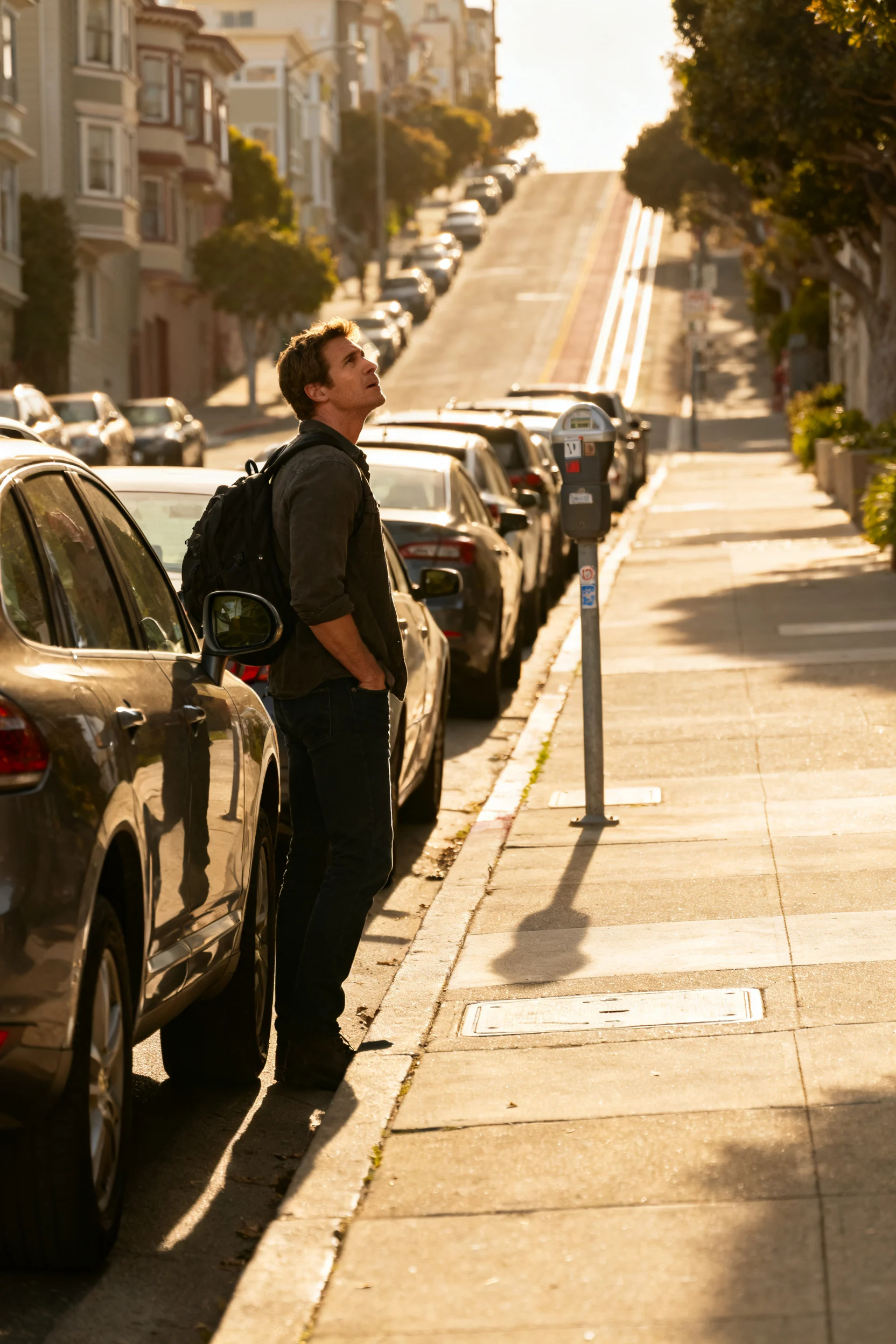
A car sounds convenient until you meet steep hills, tight streets, break-in risk, and parking costs that add up fast. If you’re staying in Union Square, SoMa, Nob Hill, North Beach, or Fisherman’s Wharf, skip the rental and use Muni, BART, walking, and rideshares when needed. If you’re doing day trips (Muir Woods, Napa, Big Sur), rent a car only for those specific days and pick it up from an airport or neighborhood location with easier access. If you must park, choose a hotel with secured parking and never leave anything visible in the car—ever.
3) Spending your whole trip at Fisherman’s Wharf
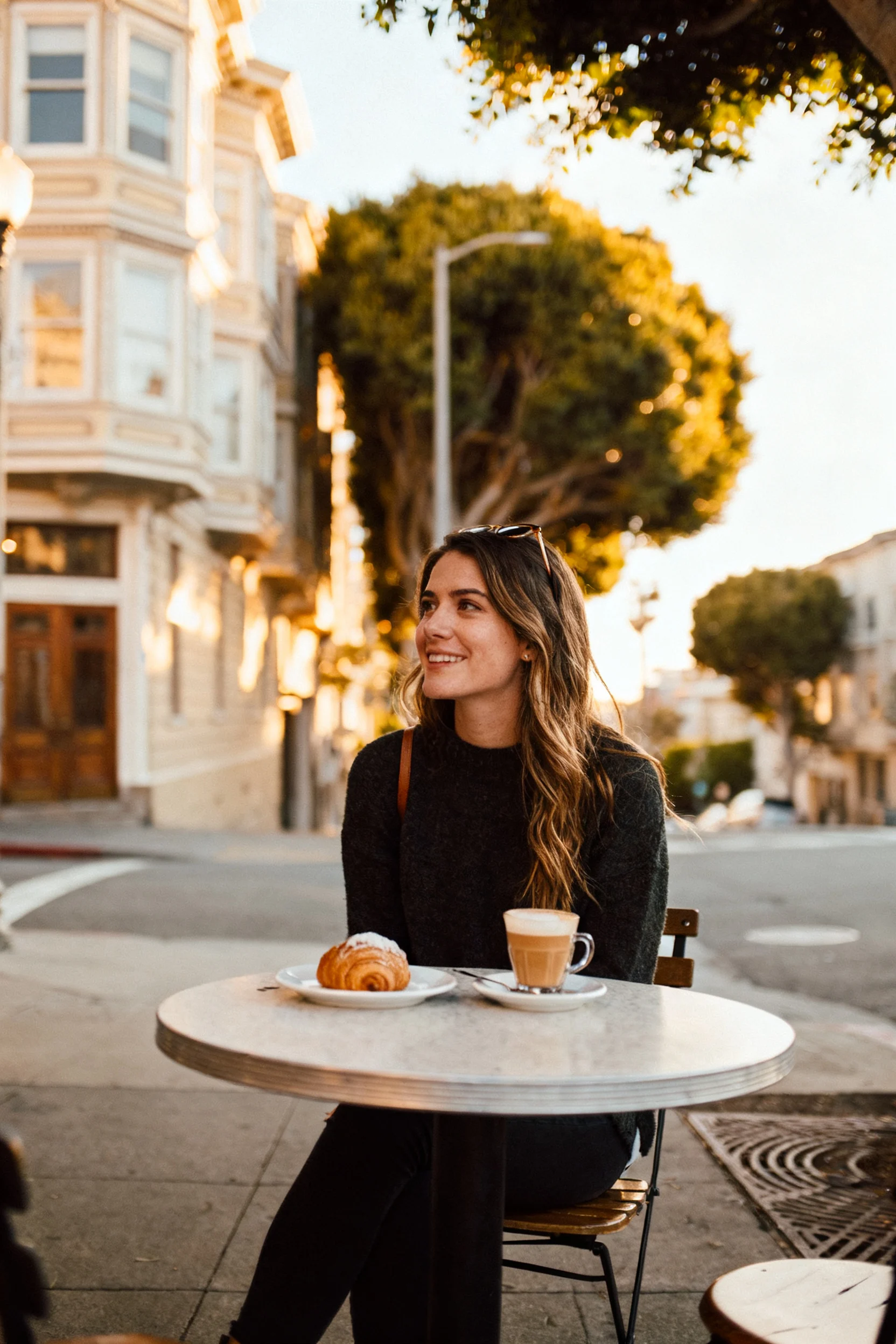
Fisherman’s Wharf is fine for a quick hit (sea lions at Pier 39, ferry views), but it’s not the full SF experience. Balance it with neighborhoods that actually feel like the city: North Beach for cafes and Italian food, the Mission for murals and tacos, Hayes Valley for shopping, and Japantown for low-key strolling and snacks. For the “postcard SF” vibe, do a Golden Gate Bridge viewpoint (Battery Spencer or Crissy Field) and a sunset at Twin Peaks or Bernal Heights. Time-saver tip: go to Pier 39 earlier in the day, then escape to North Beach on foot in 15–20 minutes.
4) Not planning Alcatraz (and settling for the wrong tour)
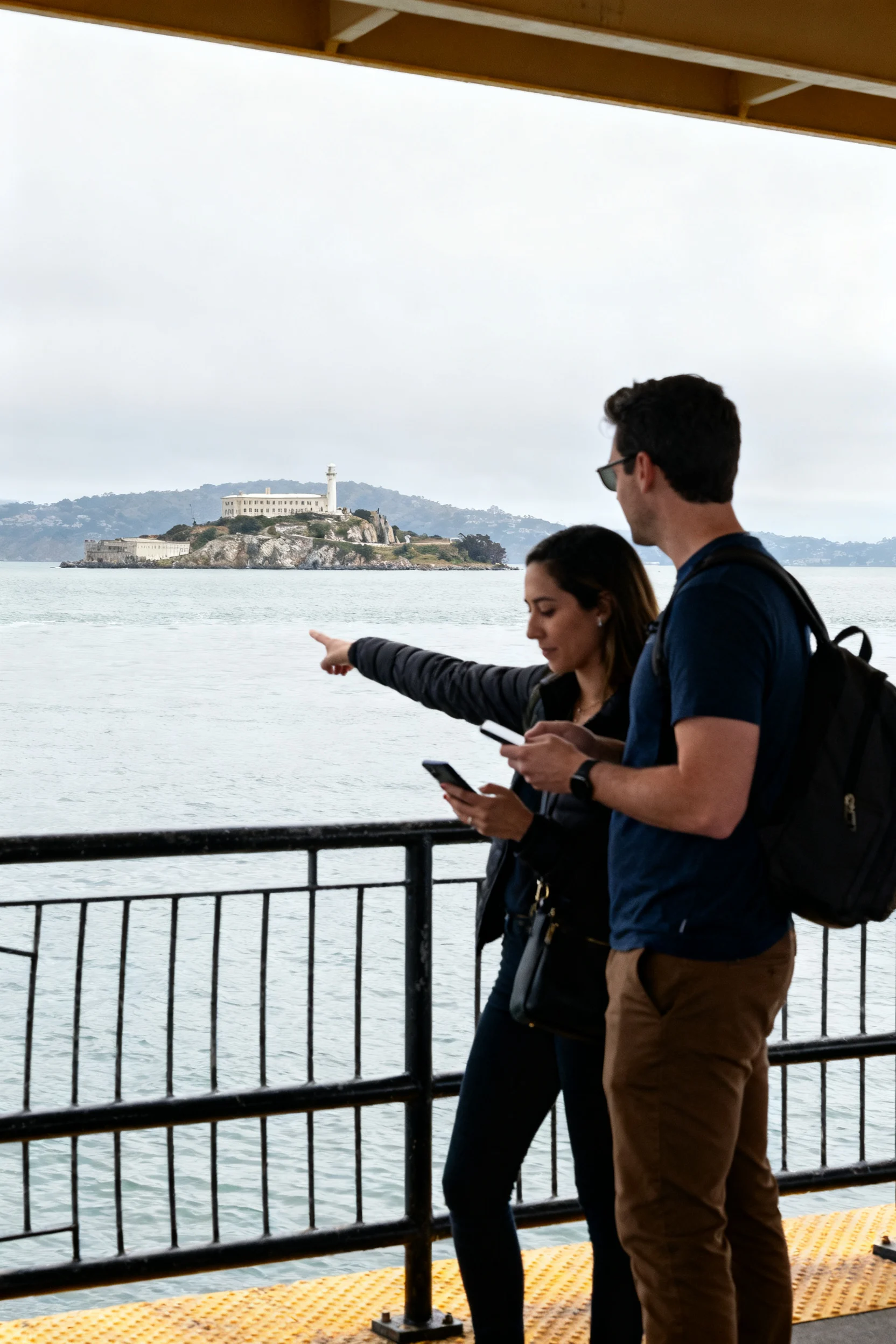
Alcatraz is one of the few SF attractions that truly sells out, and last-minute plans often mean you’ll overpay or miss it entirely. Book directly through Alcatraz City Cruises as soon as you know your dates, and double-check your departure pier and check-in time. Night tours are popular and moodier; daytime is better if you want brighter views for photos. If tickets are gone, skip the sketchy resellers and do a scenic ferry to Sausalito or Angel Island instead for a similar bay-day win.
5) Trying to walk “everywhere” without a hill strategy
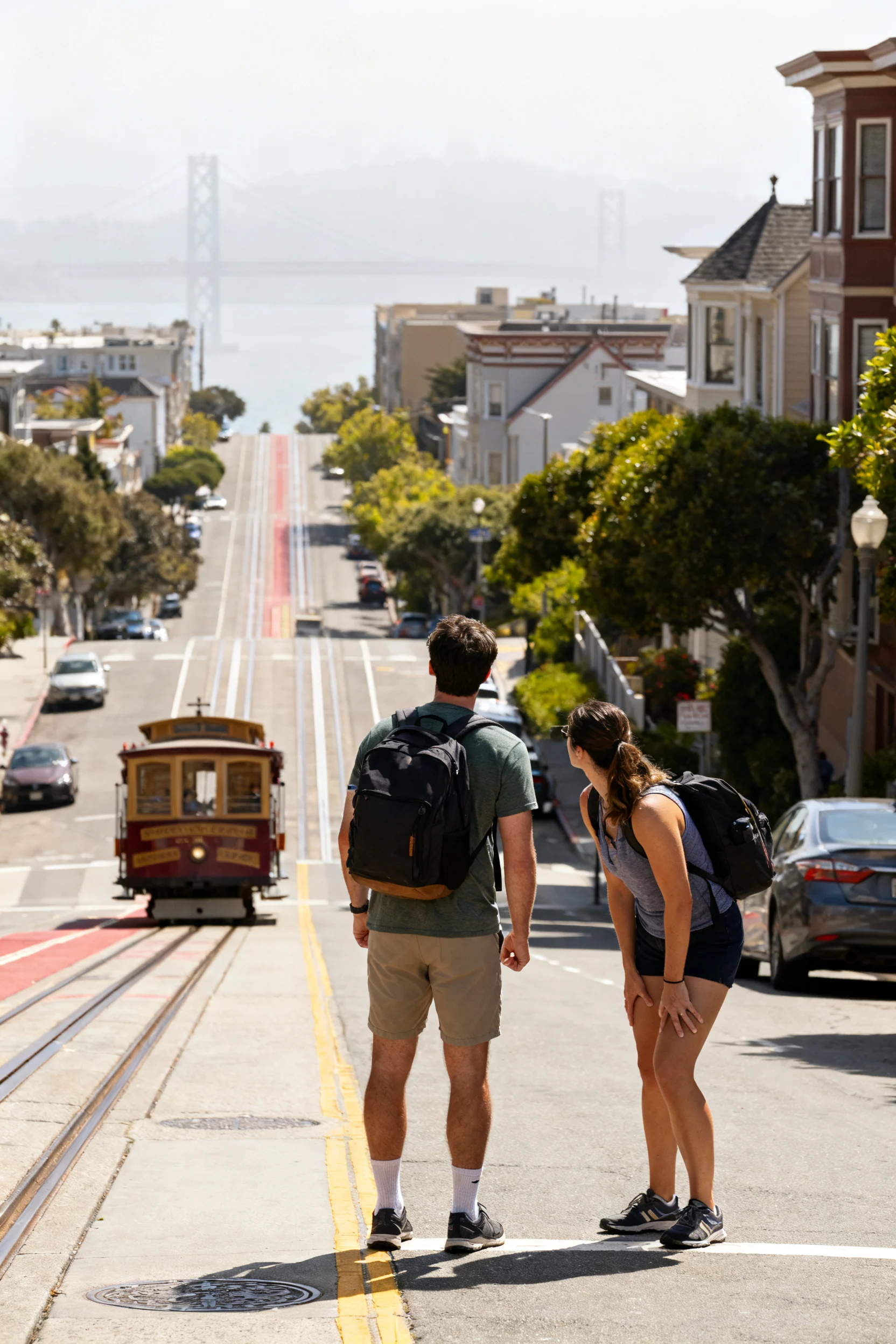
SF is walkable, but the hills are not a cute surprise when you’ve planned a 25,000-step day with no breaks. Use cable cars or buses to climb and save your legs for flatter scenic strolls like the Embarcadero, Marina/Crissy Field, Golden Gate Park, or the Valencia Street corridor. Build your itinerary by clusters: North Beach + Chinatown together, Mission + Dolores Park together, Japantown + Fillmore/Pacific Heights together. If you’re sensitive to steep climbs, bring supportive shoes and map your route in advance using the walking directions “elevation” view.
FAQ
What’s the best area to stay in for first-time visitors?
For easy transit and sightseeing, look at Union Square (central, lots of hotels), Nob Hill (pretty and walkable but hilly), Fisherman’s Wharf (touristy but convenient), or Hayes Valley (cute, great food, central). If you want a more local feel, consider North Beach or the Mission, but choose a well-reviewed hotel and plan your late-night transportation.
Is public transportation in San Francisco easy to use?
Yes—Muni covers most tourist areas (buses, light rail, streetcars), and BART is best for the airport and East Bay. Use a Clipper Card (or the Clipper app) for tap-and-go payments, and plug routes into Google Maps for the fastest combo. For cable cars, expect lines midday; go early or hop on near the start of the route.
How many days do you need in San Francisco?
Three days is a sweet spot for first-timers: one day for the waterfront and bridge viewpoints, one day for neighborhoods (North Beach/Chinatown + Mission), and one day for Golden Gate Park or a bay/day trip. If you have only two days, pick one “classic sights” day and one “neighborhood food” day and keep distances tight.
What are the best day trips from San Francisco?
Top picks are Muir Woods (reserve parking/shuttle early), Sausalito (easy ferry), Napa/Sonoma (book a driver or tour if you’re tasting), and Half Moon Bay for a coastal reset. If you’re going to Muir Woods, pair it with Sausalito or a Marin viewpoint for a full, satisfying loop.
What should you do about safety and theft concerns?
Use big-city basics: keep your phone secured, don’t flash valuables, and be aware in crowded areas. The biggest travel mistake is leaving anything in a parked car—bags, jackets, chargers, all of it—so bring items with you or store them at your hotel. At night, stick to well-lit streets, and if you’re tired, rideshare is worth it.