

“Travel-first” doesn’t have to mean selling everything you own and moving to Bali tomorrow. It can mean building your life around consistent trips, smarter scheduling, and choices that keep your calendar open for takeoff.
Here’s how to make travel a default setting while keeping your job, your routines, and your sanity.
Top 5
1) Build a “micro-trip” calendar (and protect it)
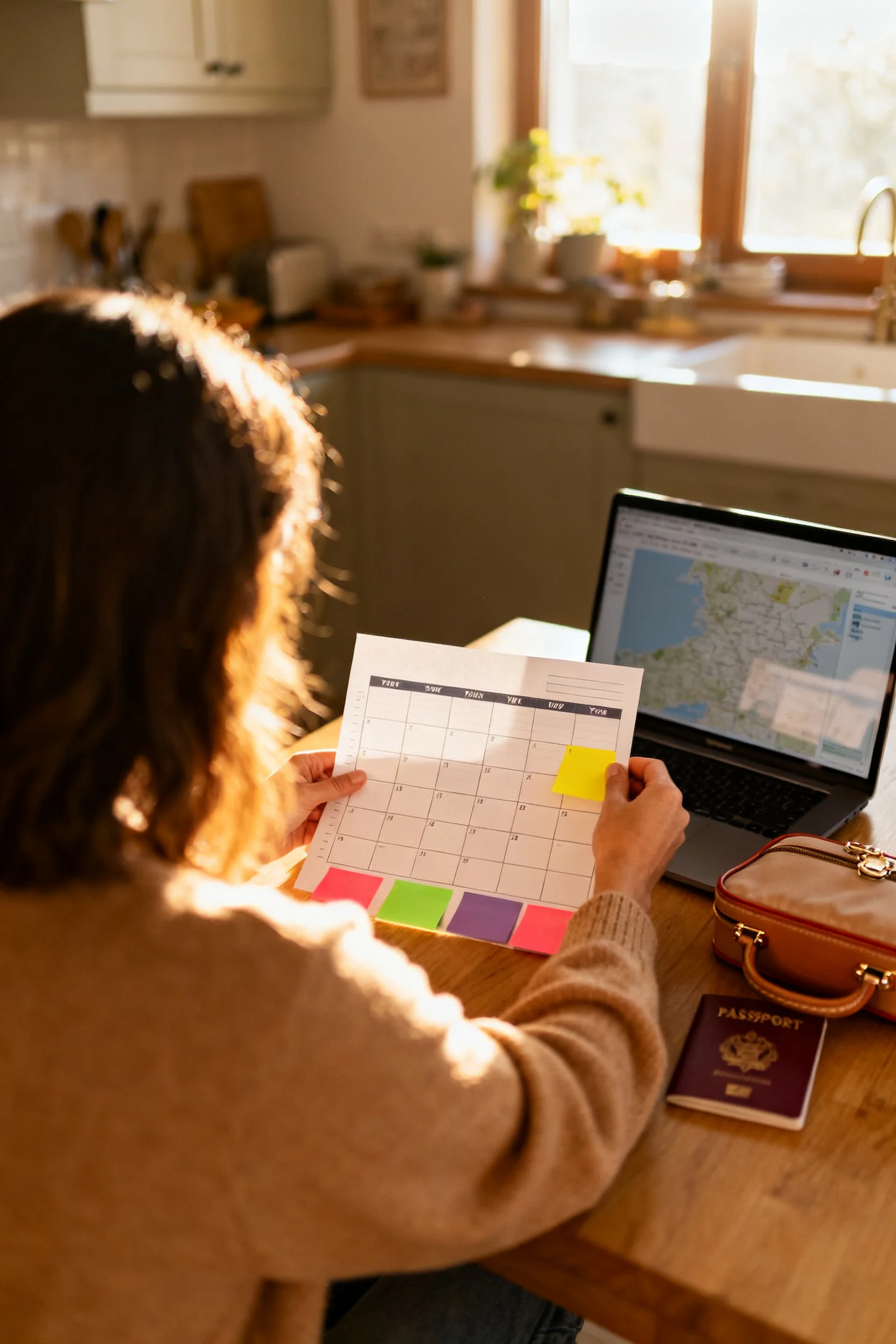
Start by planning 3–6 micro-trips (2–4 nights) for the next 12 months and add them to your calendar like real commitments. Aim for long weekends: take Friday or Monday off, or travel overnight to maximize days without burning PTO. Book flexible hotels (free cancellation) first, then set flight price alerts 6–10 weeks out for domestic routes. Keep a running list of “easy wins” destinations—places with direct flights and walkable neighborhoods—so you’re never stuck overplanning.
2) Choose trips that are low-lift, not low-quality

Pick destinations that make travel feel effortless: direct flights, reliable public transit, and areas where you can do a lot without a car. For first-timers, stay central—think Centro (Mexico City), Eixample (Barcelona), Shoreditch (London), or the CBD (most big cities) so you can walk, metro, and taxi without drama. Keep itineraries “2 anchors per day” (like one museum and one food spot), then let the rest be wandering. Your goal is repeatable travel, not a once-a-year epic that wipes you out.
3) Turn work into a travel tool (without quitting)

Audit your job for travel-friendly moves: shifting hours, compressing your schedule, or adding remote days around a trip. If you can work remotely even one day a week, stack it next to a weekend and you’ve basically created a mini-vacation without extra PTO. Pack a “work-travel kit” so you’re never scrambling: compact extension cord, universal adapter, noise-canceling headphones, and a lightweight laptop stand. When booking, prioritize hotels/Airbnbs with a desk or table, strong reviews for Wi-Fi, and a lobby/café backup nearby.
4) Make money decisions that buy you freedom, not stuff

Create a “travel line item” in your budget that’s automatic—treat it like rent, not a leftover. Use one main travel card for points, but only if you pay it off monthly; points are cute until interest shows up. Save even more by traveling in shoulder season (think April–May, September–early November) when flights and hotels dip but the vibe is still great. Also: keep your packing tight (carry-on when possible) so you’re not paying baggage fees or wasting time at carousels.
5) Build a repeatable travel system (so planning takes minutes)
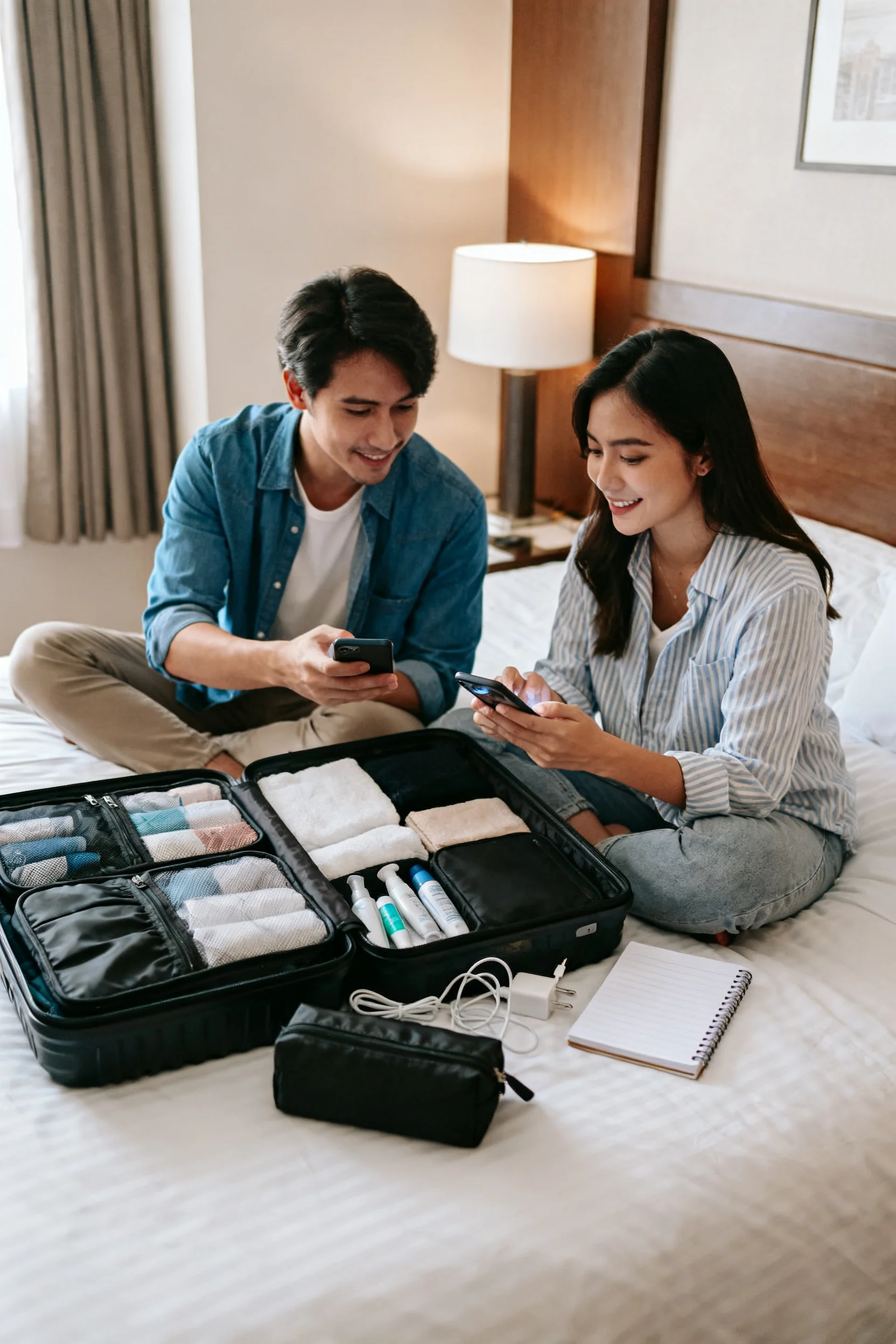
Make a simple travel template you reuse: flight tracker, hotel checklist, and a “first 10” list for every city (best neighborhood to stay, top food streets, must-book museum, easy day trip). Keep a pre-packed toiletry bag and a capsule packing list by climate so you can leave with 24–48 hours’ notice. For transportation, preload apps before you land: local transit app, rideshare, offline maps, and a translation app. The more you standardize, the less travel feels like a project—and the more it feels like your normal life.
FAQ
How many trips should I plan per year for a travel-first lifestyle?
A solid starter goal is 2 bigger trips (5–10 days) plus 3–6 micro-trips (2–4 nights). Micro-trips are what make travel feel consistent, and they’re easier to fit around work and budgets. If you’re brand new, start with one micro-trip per quarter and scale up.
What’s the best way to find cheap flights without spending hours searching?
Set price alerts on 2–4 destination options and stay flexible with departure days (Tuesday, Wednesday, Saturday often price well). For domestic travel, start watching 6–10 weeks out; for international, 2–6 months is a good range. If you can, fly carry-on only and consider early morning departures for better on-time odds.
Where should I stay as a first-timer in a new city?
Choose a central, transit-connected neighborhood even if it costs a little more—your time and energy are part of the budget. Look for walkability, close access to a main metro line, and plenty of food options nearby. Read recent reviews for noise, safety, and Wi-Fi if you’ll work even a little.
How do I travel more if I have limited PTO?
Use long weekends, take one day off to turn 2 days into 4, and travel overnight when it makes sense. If your job allows, stack one remote workday next to a weekend to extend trips without using extra PTO. Plan around holiday weekends, but book early because prices spike.
What’s the easiest packing strategy for frequent travel?
Create a default capsule: 2 bottoms, 3 tops, 1 layer, 1 nicer outfit, and comfortable walking shoes, then adjust for weather. Keep toiletries packed and replenish after each trip so you’re always ready. If you’re unsure, choose neutral colors and pack one “hero” accessory (jacket, scarf, or bag) to make outfits feel intentional with minimal effort.