
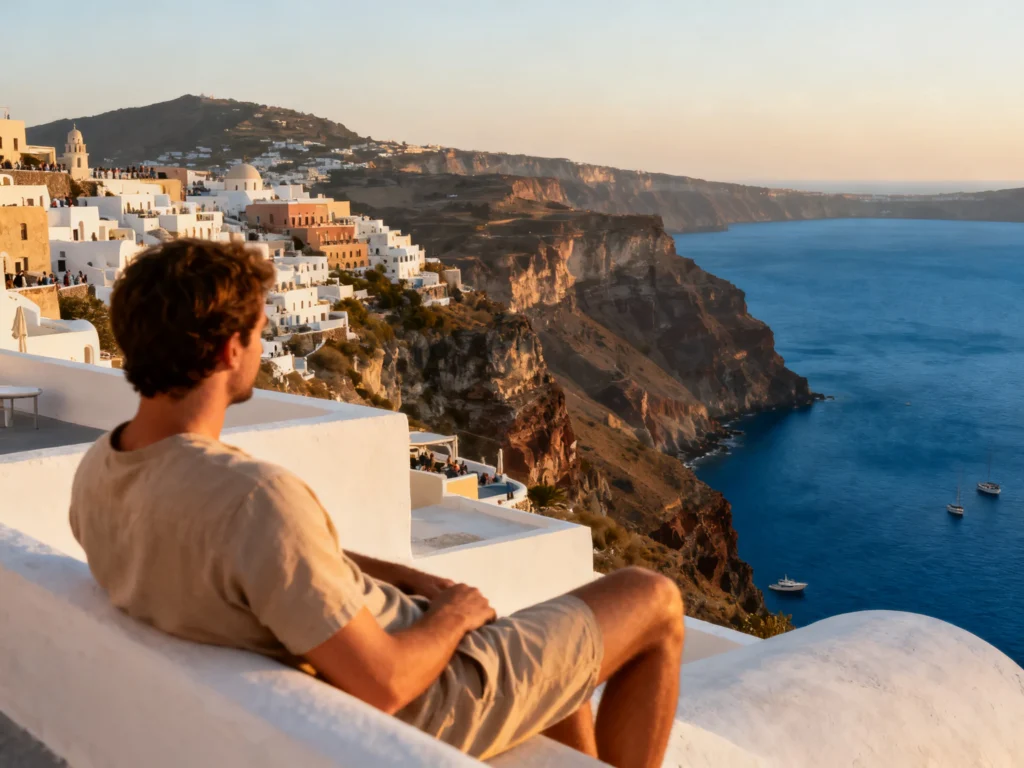
Santorini hits different the moment you arrive: whitewashed villages stacked like sugar cubes, blue domes catching the sun, and that dramatic caldera that makes every view feel cinematic. It’s not just pretty—it’s the mix of geology, light, and little moments that somehow feel bigger here.
If you’re visiting for the first time, the “magic” is easiest to find when you plan around the island’s rhythms: early mornings, golden hour, and a few strategic reservations. Here are the five places and experiences where Santorini truly shines.
Top 5
1) Sunrise Streets in Oia (Without the Crowds)
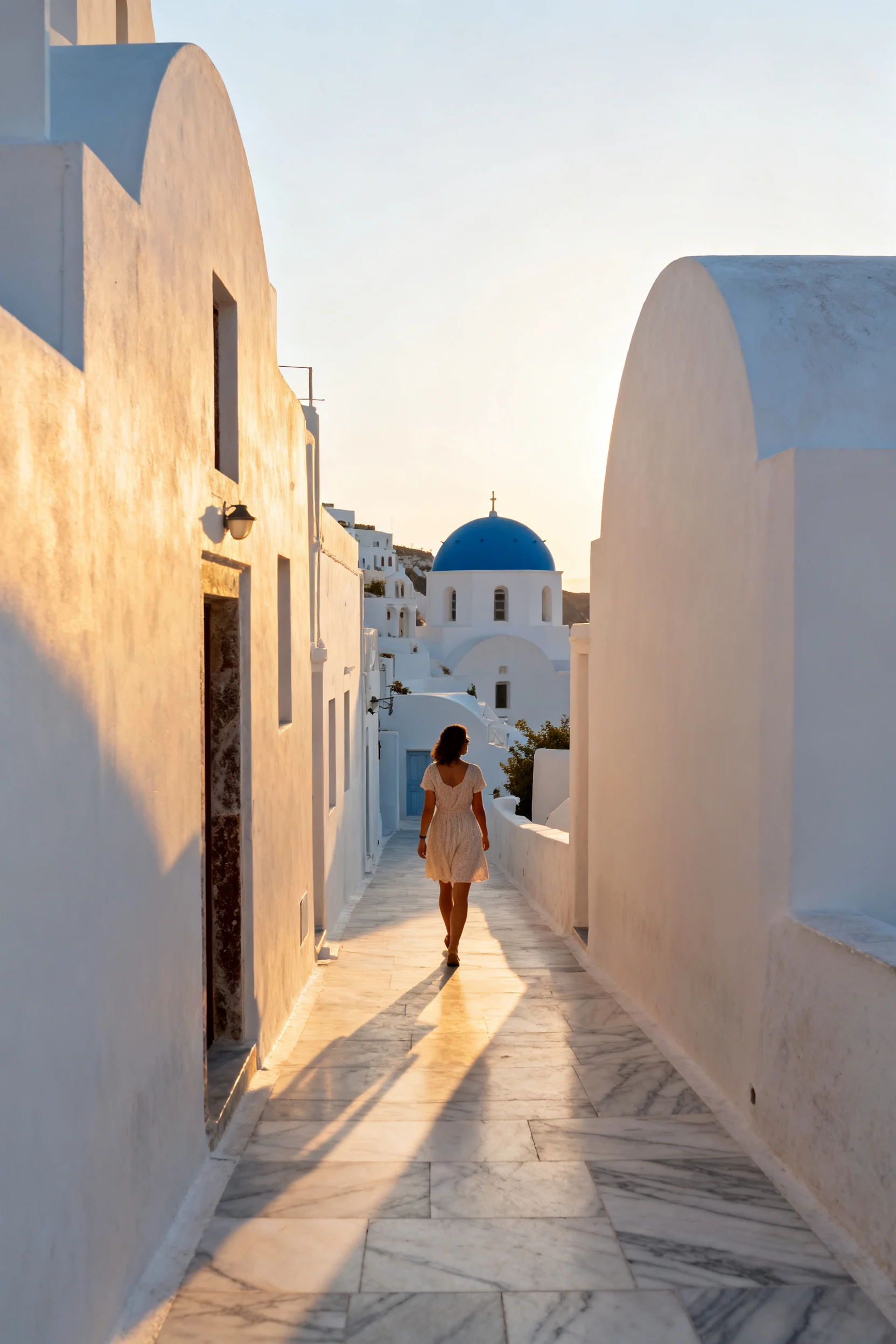
Oia is iconic, but the real magic is early—think 7:00–9:00 a.m., when the alleys are quiet and the light is soft. Start near the blue domes and wander down the side lanes toward the old castle area, then grab breakfast before tour groups roll in. Wear grippy sandals because the marble steps get slick, and pack a light layer even in summer mornings. If you want those postcard photos, stay in Oia or book a private early-morning photo session instead of chasing sunset crowds.
2) Caldera Views in Imerovigli (The “Goldilocks” Spot)
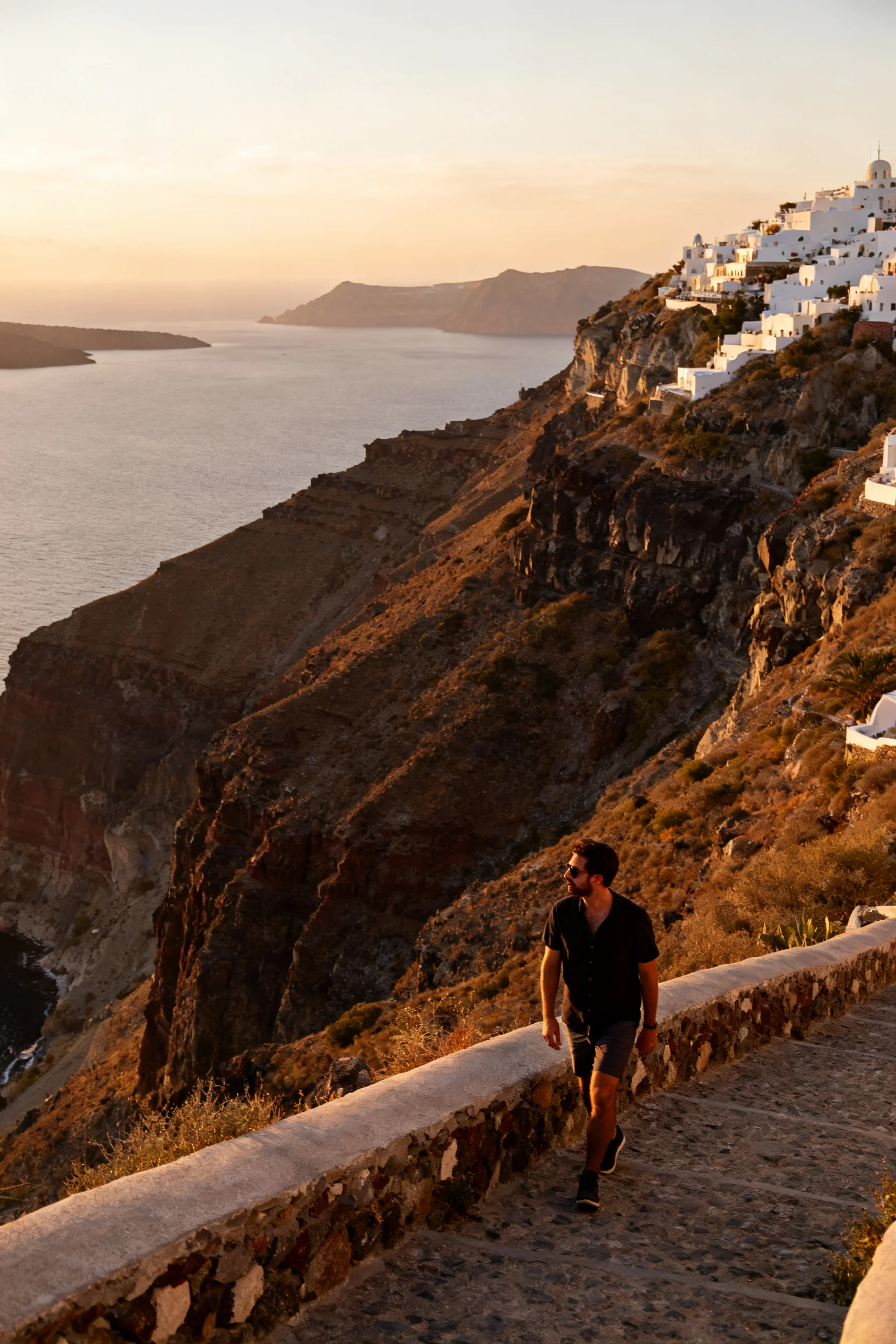
Imerovigli is where Santorini feels calm but still jaw-dropping—less hectic than Oia, more dramatic than Fira, and basically built for slow, scenic walks. Do the clifftop path around golden hour and stop for a drink with a view; you’ll get the same caldera wow factor with way more breathing room. If you’re choosing where to stay, Imerovigli is a smart base for first-timers who want views and quieter nights. Book dinner reservations for terraces here 1–2 days ahead in shoulder season, and a week ahead in peak summer.
3) A Boat Day to the Volcano + Hot Springs (Do It the Right Way)
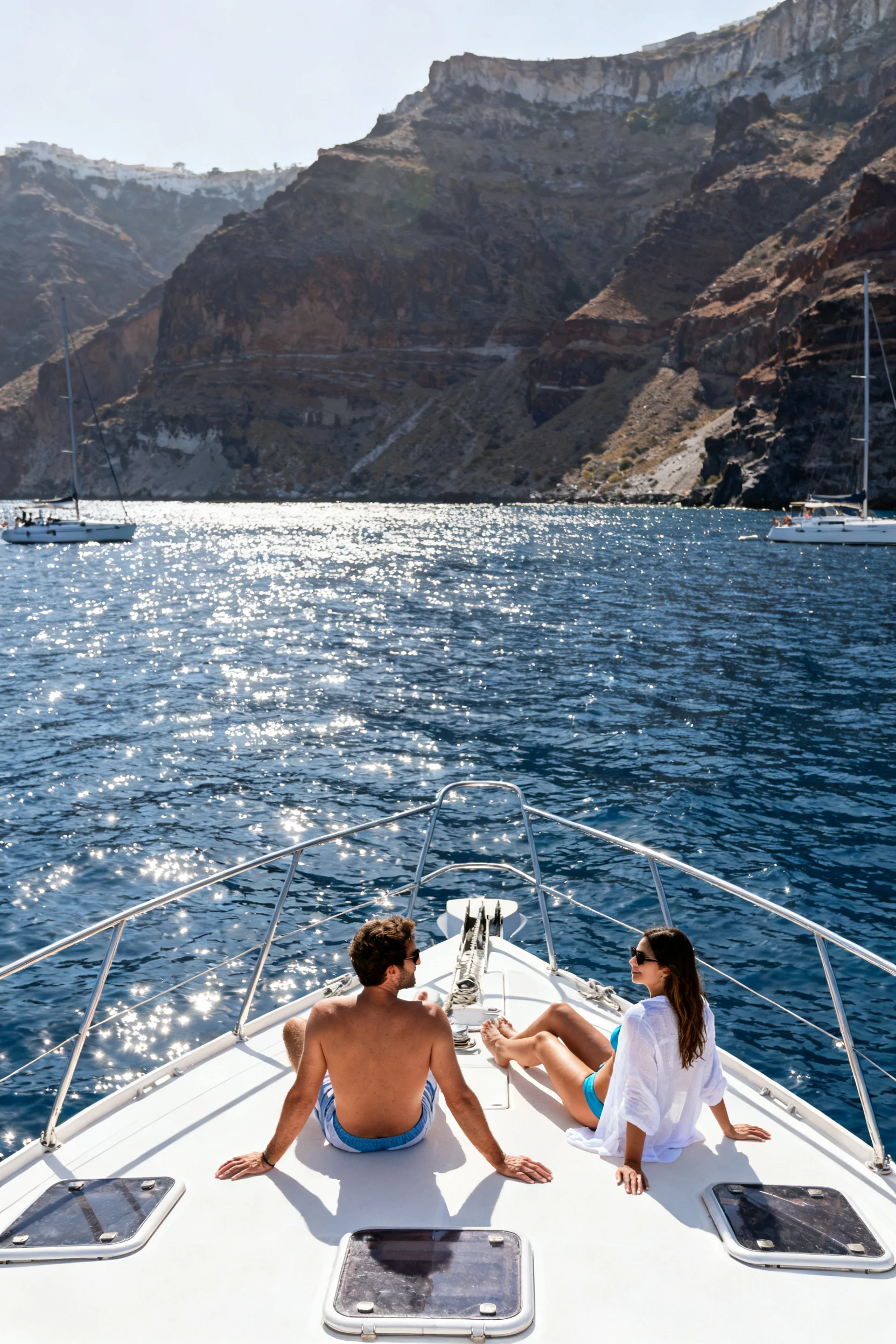
The caldera is literally the reason Santorini exists, so seeing it from the water is non-negotiable. Choose a small-group catamaran that includes a meal and stops at Red Beach/White Beach, plus a sunset sail if you want maximum drama without fighting for a viewpoint. Bring a dark swimsuit you don’t mind staining—the hot springs are rusty from minerals—and water shoes for rocky entries. If you get seasick, take ginger chews and book a morning tour when winds are usually gentler.
4) Wine Tasting at Sunset in Pyrgos or Megalochori
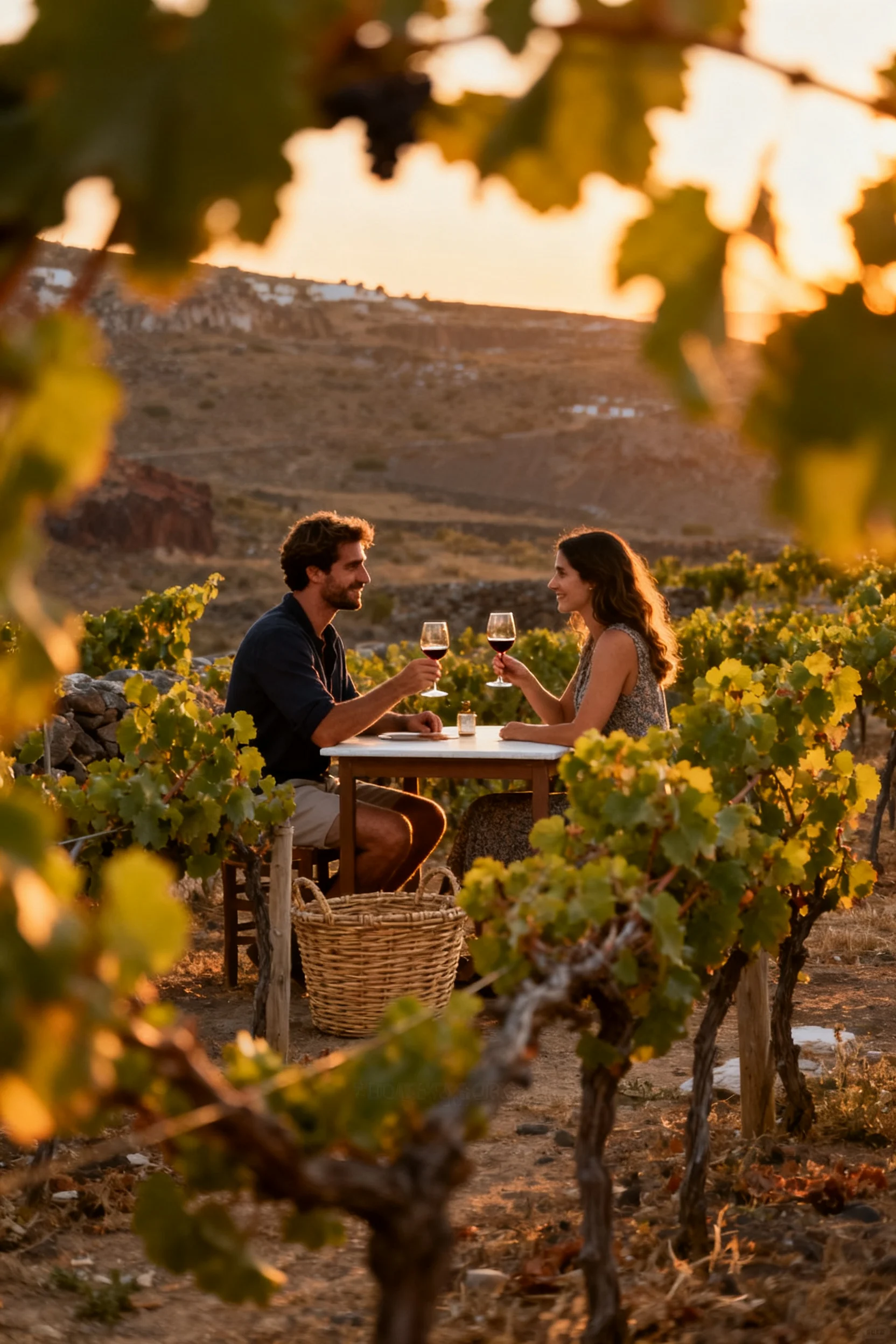
Santorini’s wines are part of the magic because the grapes grow in basket-shaped vines designed to survive the island’s wind and sun. Head inland to Pyrgos or Megalochori for a slower, more local vibe, then book a tasting that includes Assyrtiko (crisp and mineral) and Vinsanto (sweet, iconic). Plan for late afternoon so you can roll straight into sunset views without rushing, and eat beforehand if you’re doing multiple wineries. Skip driving yourself—taxis can be limited—so pre-book a transfer or join a small wine tour.
5) Black-Sand Beach Time in Perissa (With a Low-Key Itinerary)
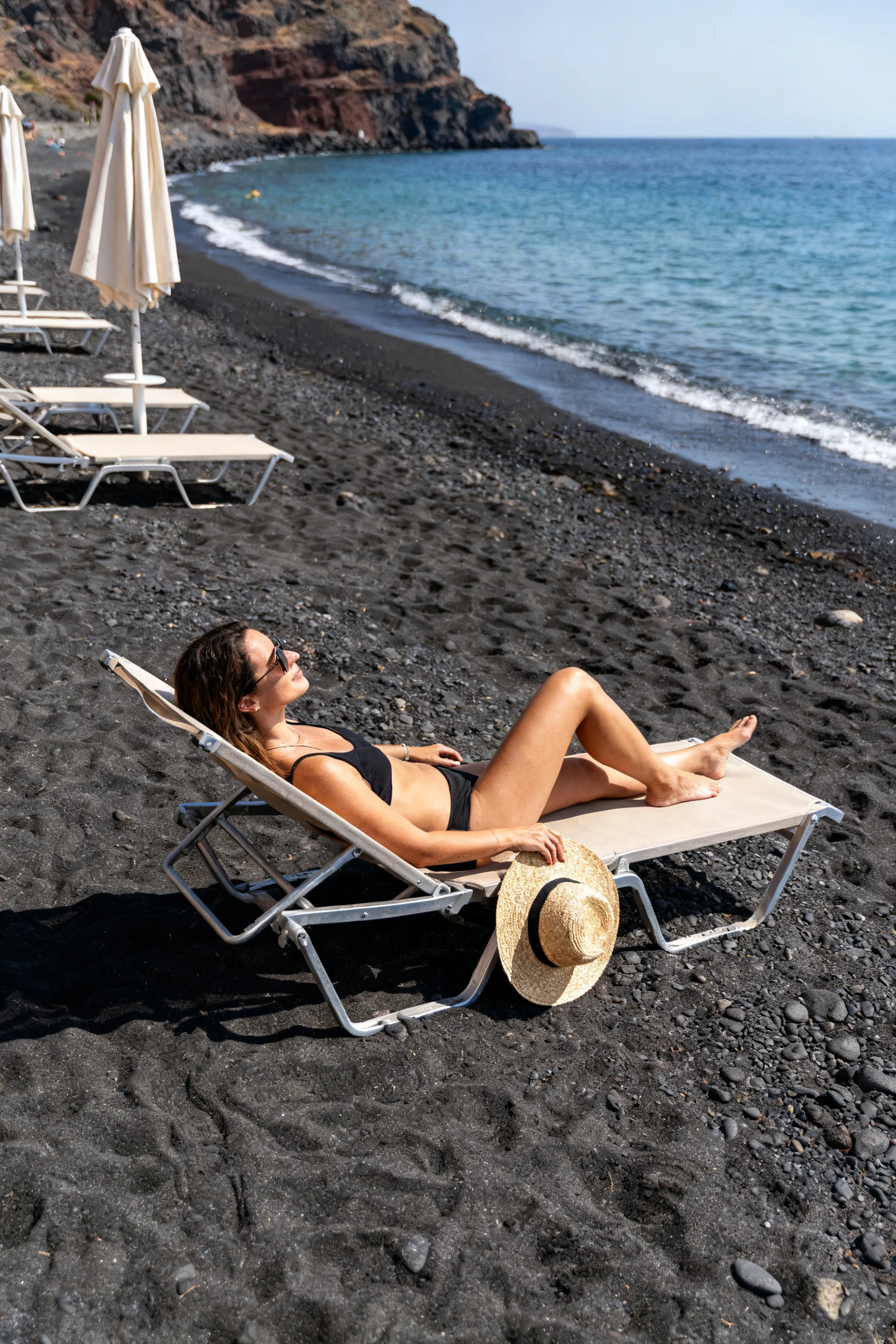
Santorini isn’t a “perfect sand” island, but Perissa’s black beach is a whole vibe—especially on a chill day between sightseeing. Go late morning, rent a sunbed from a beachfront café (usually with a minimum spend), and swim when the water warms up mid-day. Pack sturdy flip-flops because the dark pebbles get hot, and bring a cover-up for the breezes that kick up in the afternoon. If you want fewer families and more quiet, walk a bit farther from the main cluster of bars and restaurants.
FAQ
How many days do you need in Santorini?
Three days is a sweet spot for first-timers: one day for Oia/Fira and viewpoints, one day for a boat trip, and one day for beaches or wineries. If you want slower mornings and nicer dinners without rushing, aim for 4–5 days.
Where should first-timers stay: Oia, Fira, or Imerovigli?
For the classic caldera-view experience with a calmer feel, choose Imerovigli. Pick Oia if your top priority is the iconic look and you’ll wake up early (or you’re splurging on a view hotel). Fira is best for convenience, bus connections, and more budget-friendly options.
What’s the best time of year to visit Santorini?
Late April to early June and September to mid-October give you warm weather, fewer crowds, and easier reservations. July and August are the busiest and most expensive, with hotter afternoons and more packed sunset spots.
Do you need to rent a car in Santorini?
Not required, but it helps if you want to explore beaches and inland villages on your own schedule. For a low-stress first trip, use buses between major towns, add taxis/private transfers for key moments (like dinner reservations), and rent a car or ATV for just 1–2 days.
What should you book in advance?
Book caldera-view hotels as early as you can (especially for summer), plus catamaran cruises, popular wineries, and any “sunset terrace” dinners. For everything else, you can stay flexible—just plan your viewpoints and walks for mornings or golden hour to avoid the biggest crowds.