
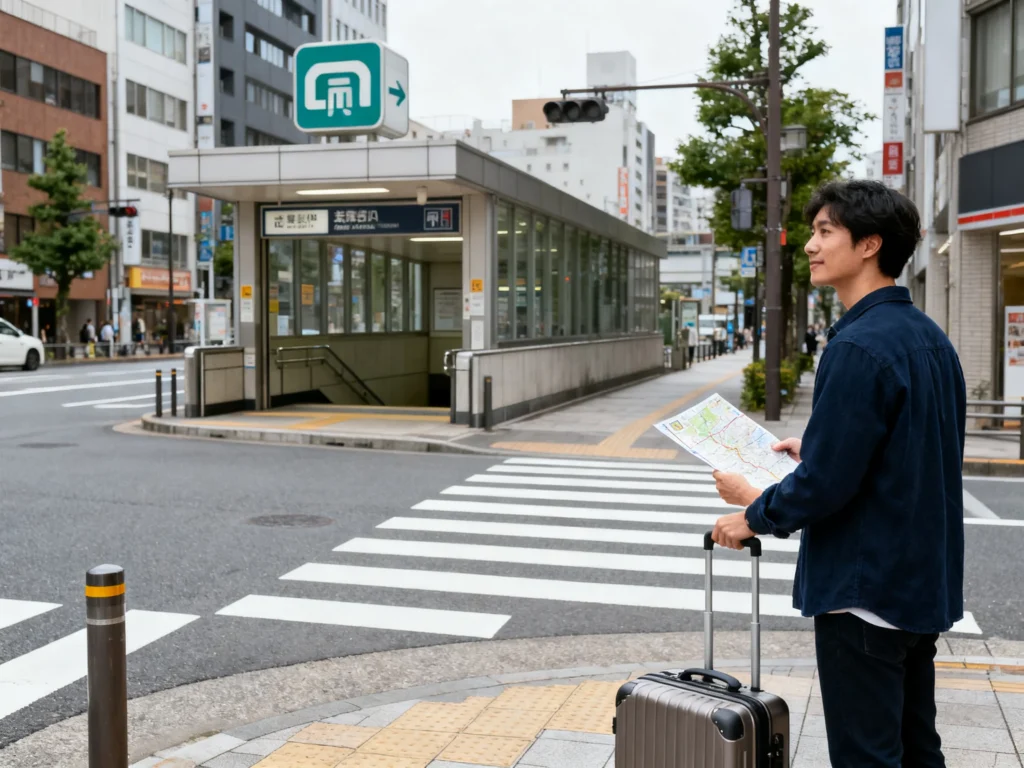
Japan for the first time is exciting… and also a little overwhelming if you try to do “everything.” This plan is built to feel doable: fewer bases, smooth transport, and enough structure that you’re not constantly decision-fatigued.
Think of it as a greatest-hits route with breathing room. You’ll see the classics (Tokyo, Kyoto, Osaka) plus one easy day trip, and you’ll still have time to wander, snack, and shop without sprinting.
Top 5
1) Choose 2 Home Bases: Tokyo + Kyoto (With Osaka as a Side Quest)
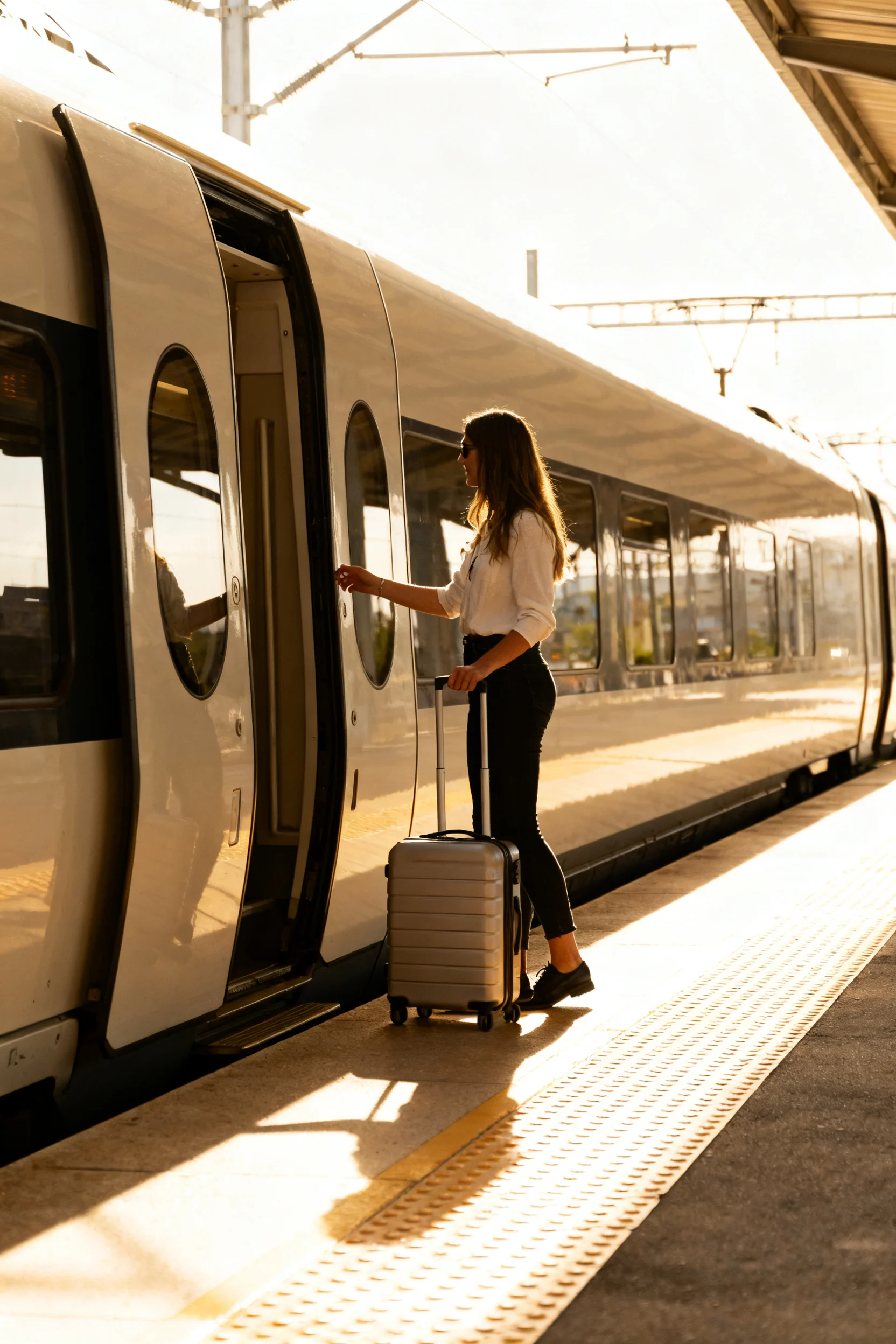
For a manageable first trip, stay in Tokyo for 4–5 nights and Kyoto for 3–4 nights, with Osaka as a day trip or 1-night add-on. In Tokyo, first-timers love Shinjuku (transport), Shibuya (vibes), or Asakusa (classic sights). In Kyoto, aim for Gion/Higashiyama (walkable sights) or Kyoto Station area (easy trains + buses). Keep hotels near major stations so you’re not hauling luggage up endless stairs.
2) Book the “Big 3” Early: Flights, Shinkansen Plan, and One Nice Stay
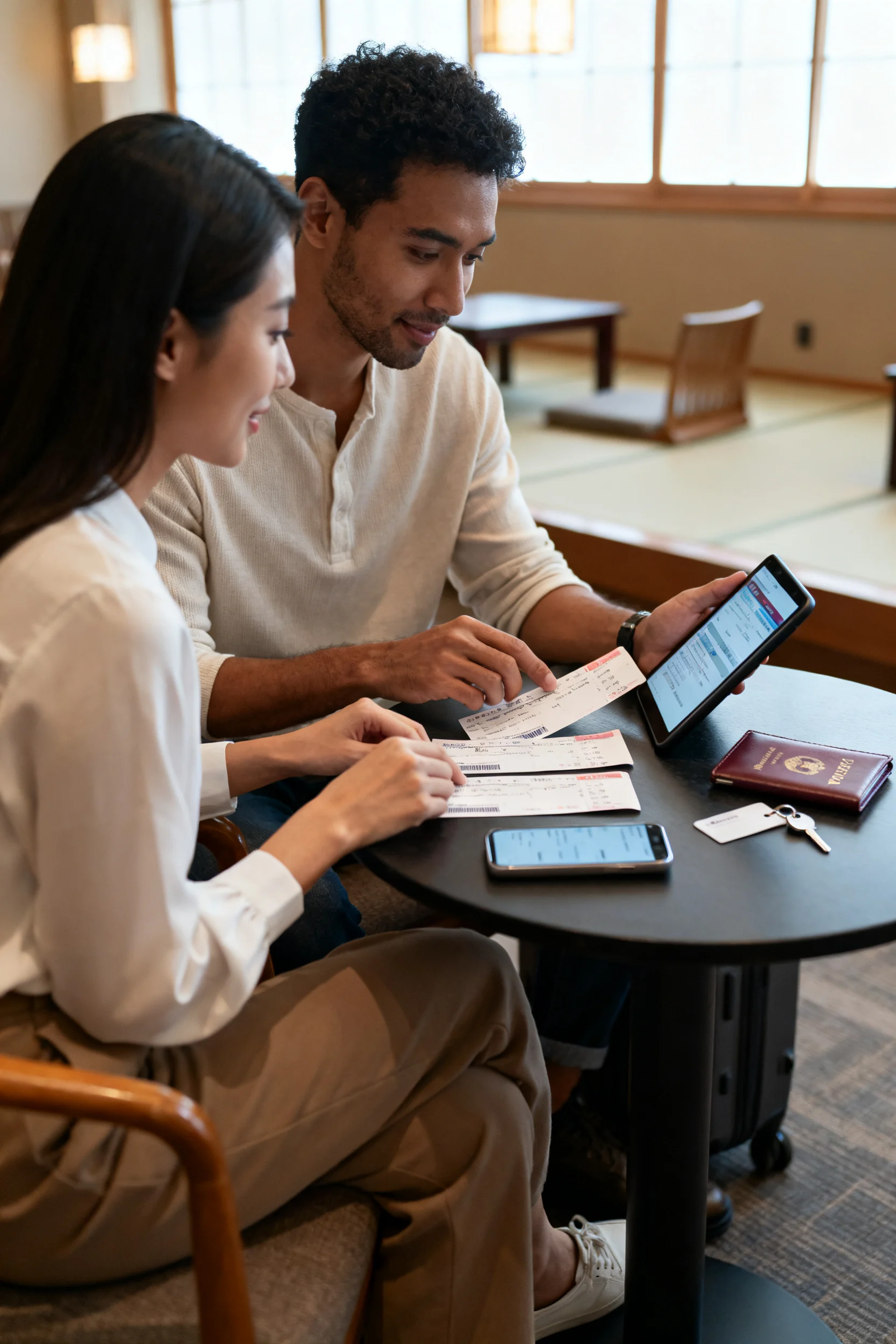
Lock in flights first, then decide your long-distance train timing (Tokyo → Kyoto is the core move). Buy individual Shinkansen tickets if your trip is mostly Tokyo/Kyoto/Osaka—passes don’t always pay off now, so price it out before you commit. Finally, book one “treat” stay (like a ryokan in Kyoto or a hotel with a view in Tokyo) to make the trip feel special without blowing the whole budget.
3) Do a 7-Day “Goldilocks” Itinerary (Not Too Packed)
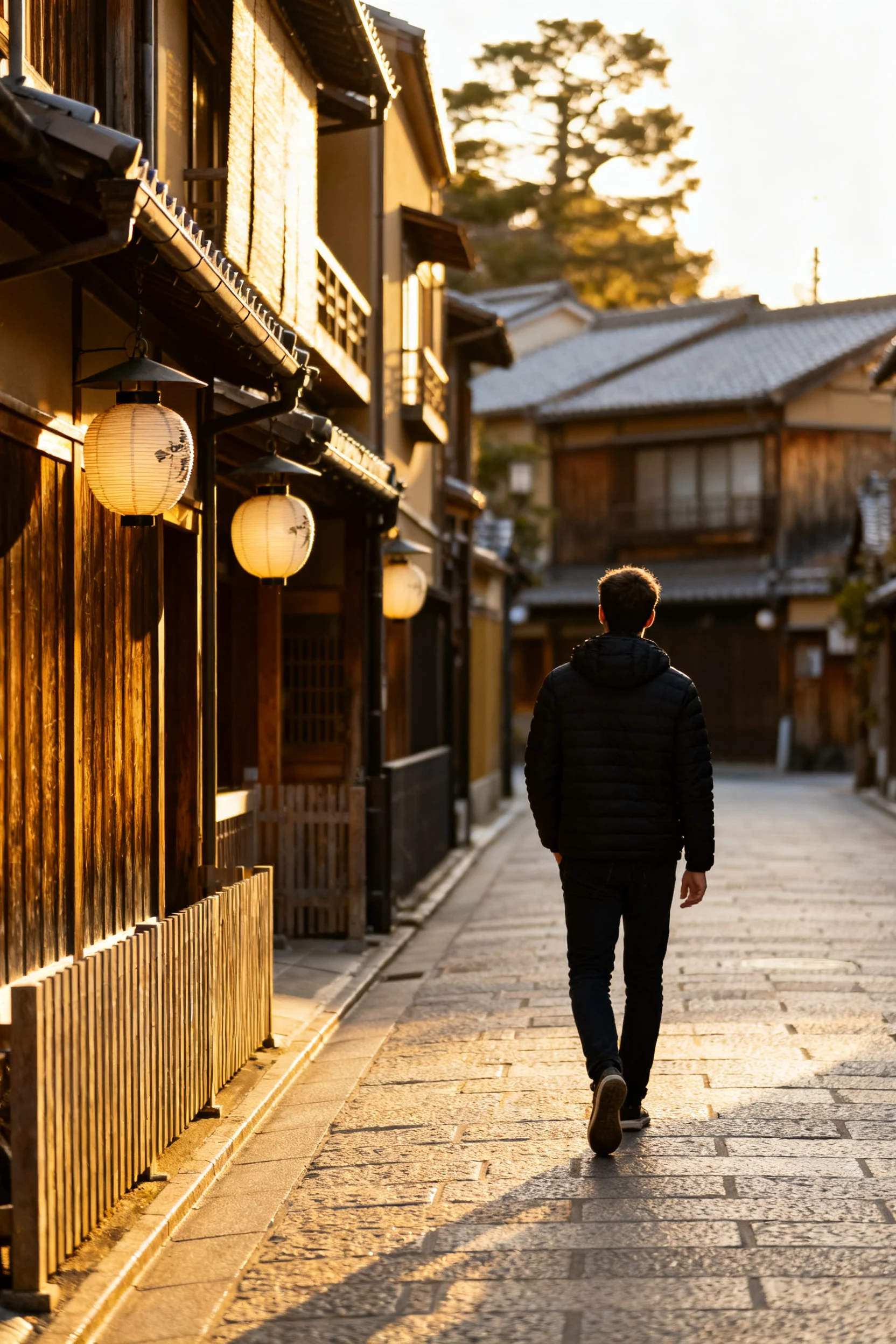
Try this pacing: Tokyo (Days 1–4), Kyoto (Days 5–6), Osaka day trip (Day 7) or swap in another Kyoto day if you want calm. In Tokyo, cluster by area: one day for Asakusa/Ueno, one for Shibuya/Harajuku, one for Shinjuku + a neighborhood night stroll. In Kyoto, go early to the headline spots (Fushimi Inari at sunrise, Arashiyama before 9am) and keep afternoons for cafés, riverside walks, and temples you “happen” to find.
4) Master Transit Without Stress: Suica + Google Maps + Light Luggage
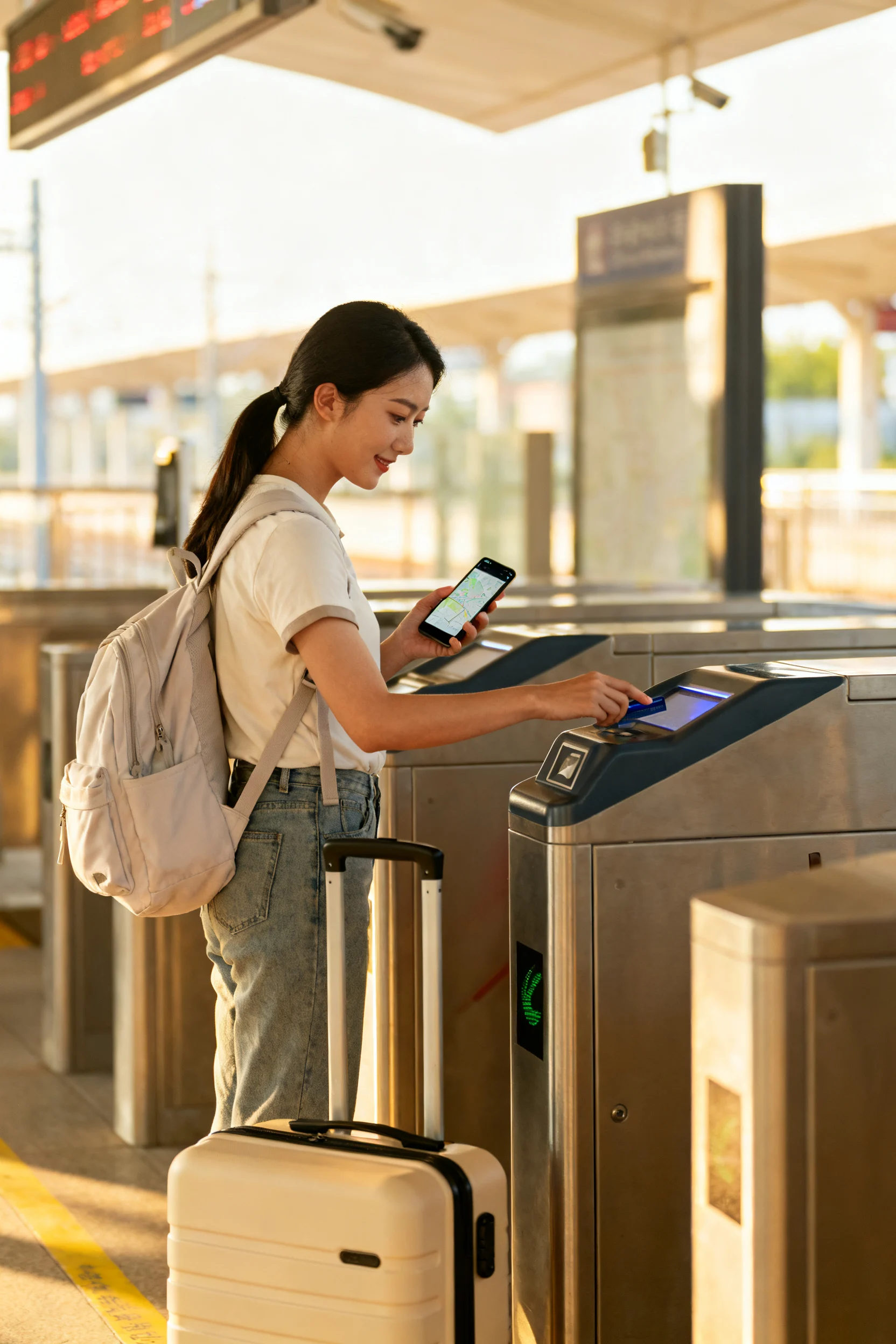
Get a Suica/PASMO card (physical or in Apple Wallet) for trains, subways, and convenience stores—it’s the ultimate friction-reducer. Use Google Maps for platform numbers and best exits, and screenshot your hotel name/address in Japanese for easy taxi help. Pack lighter than you think: a carry-on suitcase plus a tote/backpack is ideal, and most hotels have coin laundry so you can re-wear basics.
5) Build in “Soft Plans”: One Reservation Per Day, Then Wander
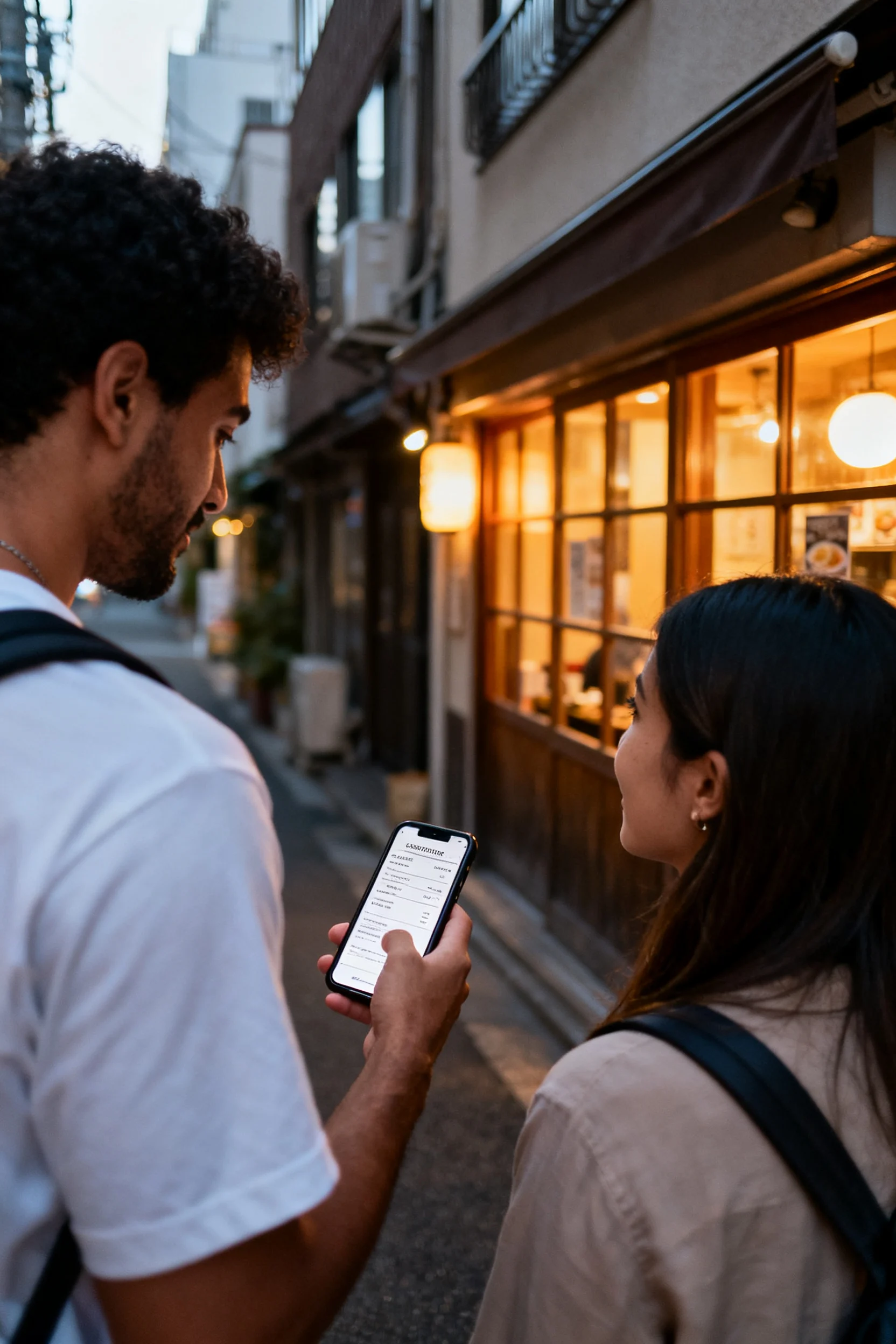
Japan rewards wandering, so keep one anchor booking daily (a teamLab slot, a museum, a food tour, or a nicer dinner) and let the rest be flexible. Reserve popular experiences 2–4 weeks ahead, especially on weekends and in peak seasons (spring/fall). For meals, plan neighborhoods rather than specific restaurants—aim for depachika (department store food halls), ramen streets near stations, and cozy izakaya lanes so you can choose based on the vibe.
FAQ
How many days do I need for a first trip to Japan?
Seven to ten days is the sweet spot for first-timers: enough time for Tokyo and Kyoto without feeling rushed. If you only have 5–6 days, pick one base (usually Tokyo) and add one day trip instead of changing hotels multiple times.
Should I buy a Japan Rail Pass?
Not automatically. If your route is mainly Tokyo + Kyoto/Osaka, individual Shinkansen tickets are often cheaper after the pricing changes. The pass can still make sense if you’re doing multiple long-distance rides (for example, Tokyo → Kyoto → Hiroshima → Tokyo), so compare your exact itinerary cost before buying.
What’s the easiest way to pay for transportation and small purchases?
Use a Suica or PASMO IC card for trains/subways and quick buys at convenience stores, vending machines, and some cafés. Keep a little cash for smaller eateries, temples, and rural spots, but you won’t need huge stacks in major cities.
Where should I stay in Tokyo and Kyoto for convenience?
In Tokyo, Shinjuku and Tokyo Station/Marunouchi are the most transit-friendly, while Shibuya is great if you want trendy shopping and nightlife nearby. In Kyoto, Gion/Higashiyama is best for classic sightseeing on foot, and Kyoto Station is best if you want simple train access and lots of buses.
What should I pack so the trip feels comfortable (not chaotic)?
Bring comfortable walking shoes, a light jacket layer, and a small day bag that fits a water bottle and portable charger. Pack a few mix-and-match outfits and plan one laundry day. If you’re traveling in summer, add breathable clothing and a small towel; in winter, add heat-tech layers and gloves for evenings.