
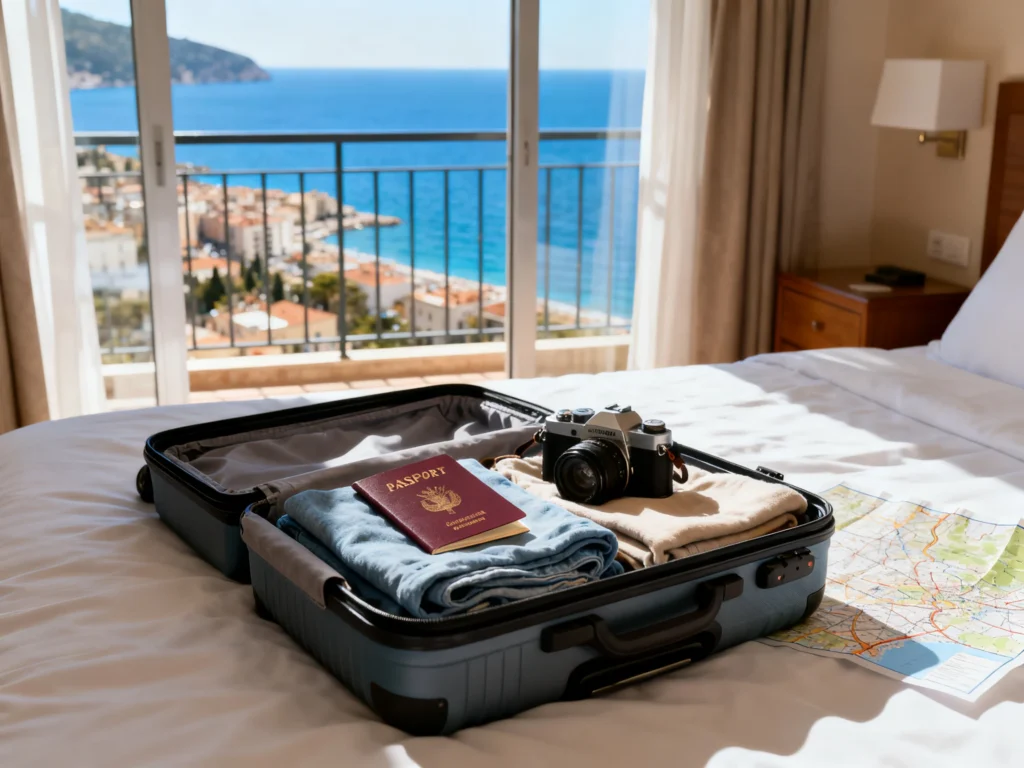
Scrolling travel content is fun, but building a real travel lifestyle is the part that changes everything. The good news: you don’t need to win the lottery or quit your job overnight.
You need a system. Think smaller moves, smarter planning, and a few go-to habits that make travel feel normal (and affordable), not like a once-a-year “big trip.”
Top 5
1) Turn “Someday” Trips Into a 12-Month Travel Map
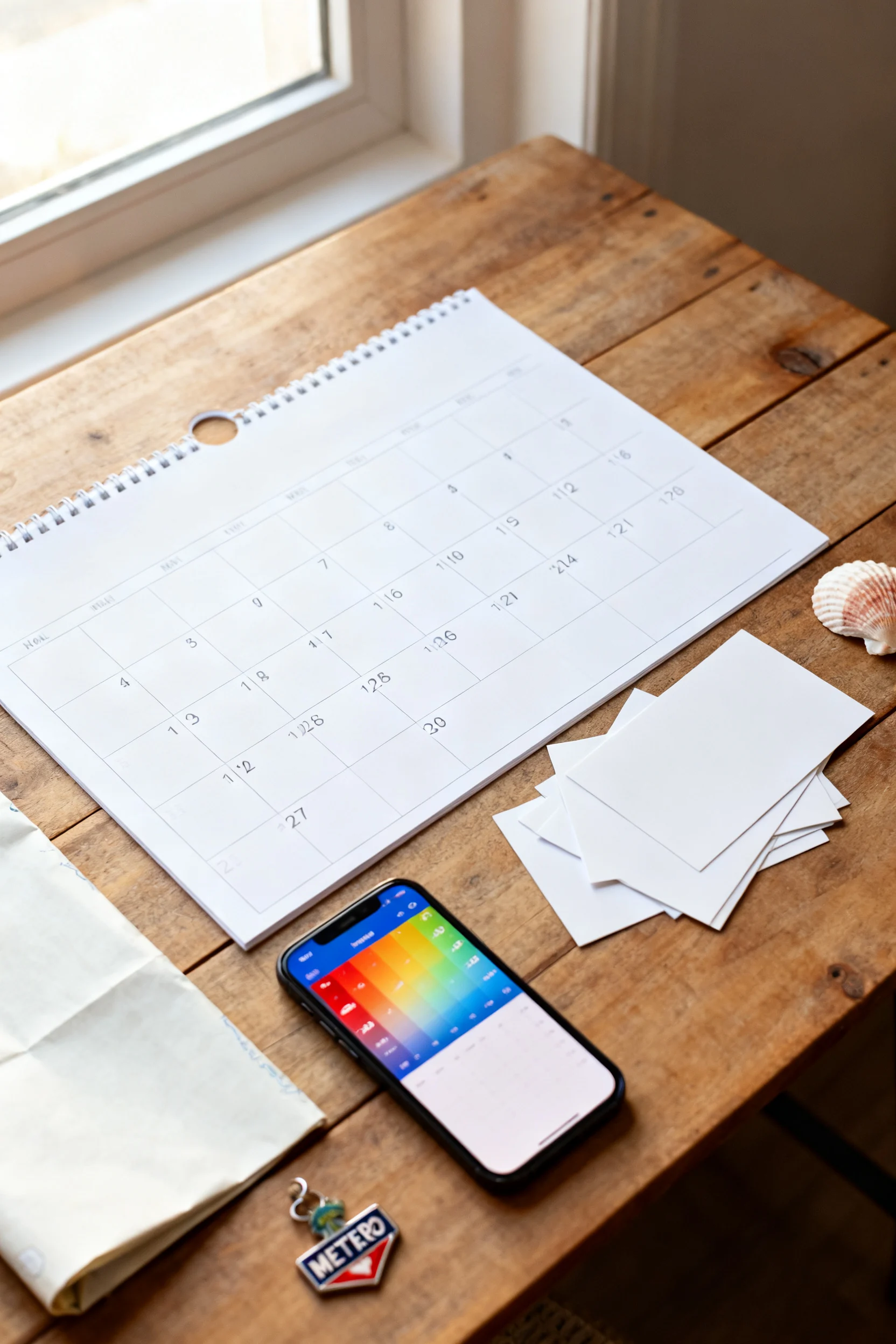
Pick 3–5 destinations you actually want, then map them to the calendar based on weather and costs (shoulder season is your best friend). Lock in one “anchor trip” first (wedding, festival, or a long weekend), then build smaller add-ons around it. Use flexible date search tools and set fare alerts, but also choose a hard “book by” deadline so you don’t keep delaying. Keep a single note with flight options, neighborhoods, and a rough budget so decisions stay quick.
2) Build a Travel Budget That Doesn’t Feel Like Punishment

Start with a simple monthly “travel fund” auto-transfer that happens the day you get paid, even if it’s small. Make travel cheaper by shifting categories that don’t add much joy (random delivery, unused subscriptions) into experiences you’ll remember. For first-timers, prioritize spending on location (a walkable neighborhood) and timing (cheaper weeks) over fancy hotels. If you’re traveling internationally, use a no-foreign-transaction-fee card and always pay in the local currency to avoid sneaky conversion markups.
3) Choose Home Bases Like a Pro (Neighborhoods Matter)

Pick a “home base” neighborhood that matches your travel style: near public transit for city-hopping, near cafés and parks if you want a slower pace, or near the old town if it’s your first visit and you want maximum sightseeing convenience. Before booking, check three things: distance to a main transit hub, late-night safety/lighting, and how many restaurants/markets are within a 10-minute walk. If you’re staying longer than a week, book a place with laundry access (in-unit or nearby) so you can pack lighter. Save money by staying one train stop outside the center—but only if the transit is frequent and reliable.
4) Pack a “Repeatable Kit” So You Can Say Yes to Last-Minute Trips
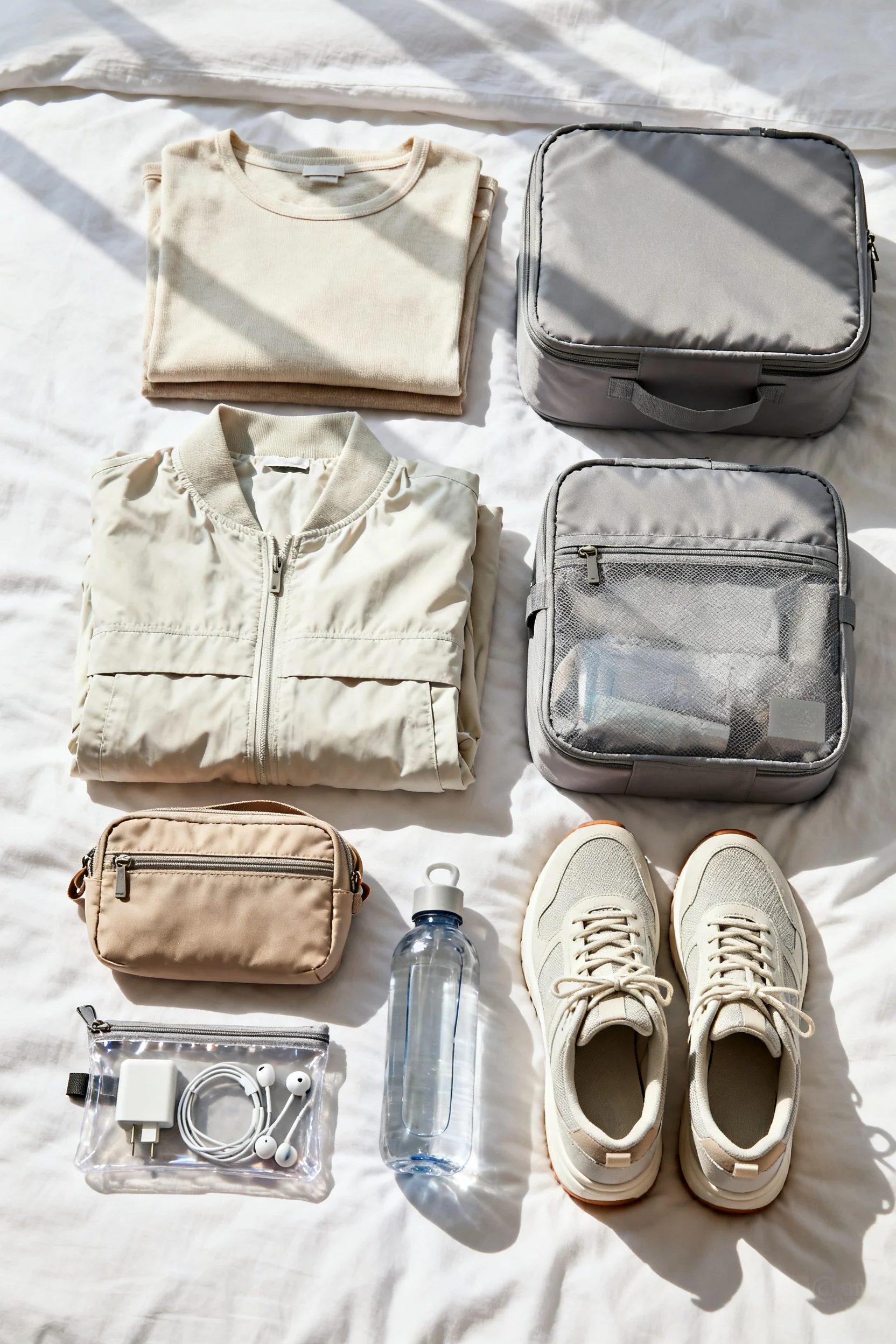
Create a standard packing list you can reuse every time: a capsule wardrobe, comfortable walking shoes, and a small day bag that fits a water bottle. Keep a pre-packed toiletry pouch and a small tech pouch (charger, adapter, power bank) so you’re never starting from zero. For flights, pack one outfit and essentials in your personal item in case your carry-on gets gate-checked. If you want the lifestyle, aim for carry-on-only whenever possible—less time waiting, more time exploring.
5) Make Travel Your Routine: Work, Time Off, and Trip Stacking

Use “trip stacking” to travel more without taking tons of vacation days: add a weekend on either side of a work trip, or book a Thursday-night flight and return Monday morning. If remote work is part of your plan, test it with a one-week “workcation” first and choose a stay with strong Wi-Fi, a desk/table, and a backup café nearby. Batch your planning: one night a month for booking, one hour a week for light research (transit passes, must-book tickets, and weather). Your goal is to make travel feel like something you do regularly—not something you recover from for weeks.
FAQ
How do I start traveling more if I’m on a tight budget?
Pick drivable or short-flight destinations first, and travel in shoulder season (spring/fall) when prices drop. Set a small auto-transfer to a travel fund and build trips around free or low-cost activities like city parks, museums on free days, and neighborhood food markets. Stay in walkable areas to cut rideshare costs, and prioritize one “splurge” per trip so your spending stays intentional.
What’s the best way to find cheap flights without wasting hours?
Use flexible date searches and set price alerts for 2–3 departure airports if you have options. Focus on booking windows: roughly 1–3 months out for domestic and 2–6 months out for international (then adjust for holidays). When you see a good fare for your route, book it—waiting for a “perfect” deal usually backfires.
How many days do I need for my first international trip?
Aim for 7–10 days if you can, especially if there’s a big time change. Choose one main city plus one easy day trip, instead of trying to cover three countries in a week. You’ll spend less time in transit and more time actually enjoying where you are.
Should I stay in hotels, hostels, or short-term rentals?
Hotels are the easiest for first-timers who want simplicity and consistent service. Hostels are great if you want built-in social plans—look for private rooms if you need quiet. Short-term rentals work best for longer stays when you want a kitchen or laundry, but always read recent reviews and confirm check-in details and Wi-Fi speed.
What are the biggest mistakes that stop travel goals from becoming a lifestyle?
The top ones: waiting for the “perfect time,” booking too late, and planning trips that are too complicated. Keep your travel map simple, book your anchor dates early, and choose one home base with day trips instead of constant hotel switches. Consistency beats intensity—two smart long weekends can be more sustainable than one expensive, exhausting mega-trip.