

Picking a Tokyo hotel can feel like a full-time job—there are so many neighborhoods, train lines, and “perfect” options. The good news: first-timers don’t need to overthink it if you choose an area that matches your pace and priorities.
These are the five best areas to stay for a first Tokyo trip, with practical tips on what they’re best for, how to plan your days, and what to book so your commute stays easy.
Top 5
1) Shinjuku: Best All-Around Base (and Easiest for Day Trips)
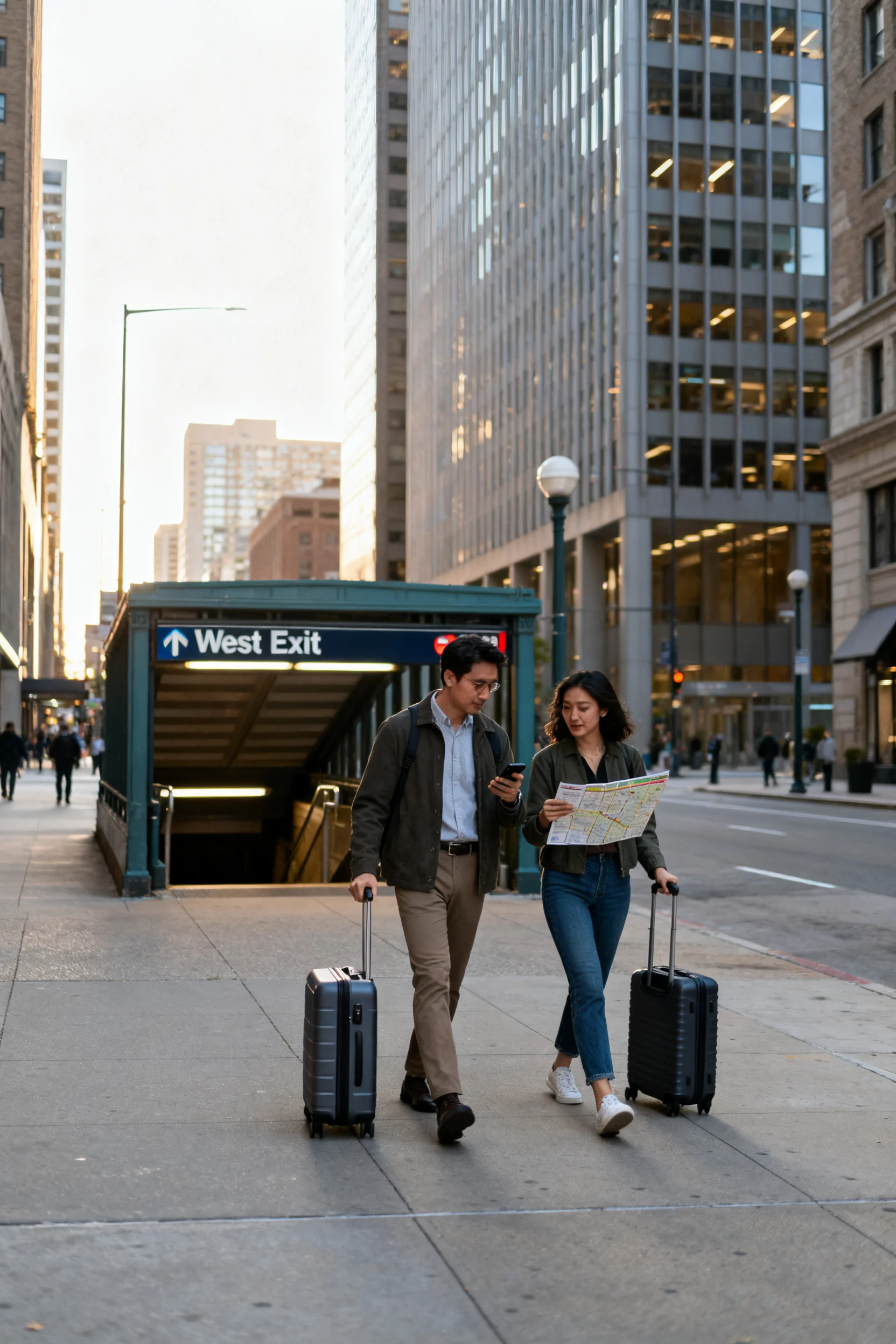
Stay near Shinjuku Station (West Exit area is especially convenient) for max flexibility—this is one of Tokyo’s biggest transport hubs, so day trips to Hakone, Nikko, and Mt. Fuji areas are smoother. If you want quieter nights, book a hotel a few blocks away from Kabukicho and aim for “Shinjuku-sanchome” or “Nishi-Shinjuku” on the map. First-timer tip: pin your hotel entrance and the nearest station exit in your phone because Shinjuku’s underground passages can be confusing at first.
2) Shibuya: Trendy, Walkable, and Great for a Short Stay

Shibuya is for you if you want to step outside into shopping, cafés, and iconic Tokyo energy (yes, the Scramble Crossing hits different in person). Book early if you’re coming on weekends or during cherry blossom season—hotels here fill fast and can get pricey. For easier navigation, choose a place within a 7–10 minute walk of Shibuya Station, and plan to use trains for most sightseeing since Shibuya is perfect for evenings but you’ll still be hopping around the city.
3) Asakusa: Old Tokyo Vibes + Budget-Friendly Stays
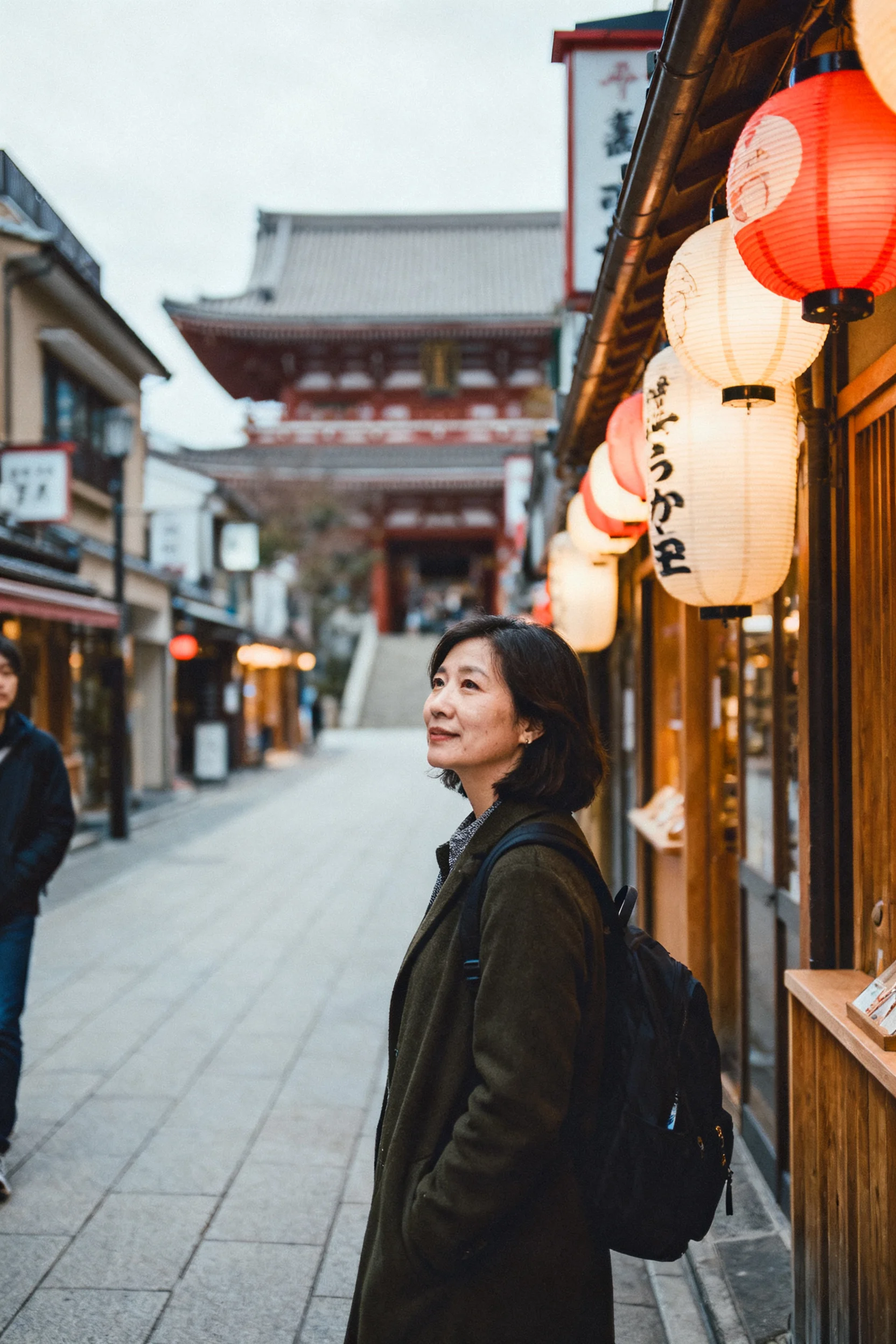
Asakusa is ideal if you want a more traditional feel, with Senso-ji and the Sumida River right there, plus lots of good-value hotels and smaller rooms that don’t cost a fortune. Stay close to Asakusa Station (Ginza Line or Asakusa Line) to cut down on transfers, and try to visit Senso-ji early in the morning before the crowds roll in. If you’re landing at Narita or Haneda, check whether your hotel is closer to the Asakusa Line for a simpler airport ride.
4) Ginza / Tokyo Station: Clean, Central, and Convenient for Business-Class Comfort

If you want a polished, easy-mode Tokyo stay with wide sidewalks, great department stores, and straightforward transit, base yourself near Ginza or Tokyo Station. This area is clutch for first-timers who value convenience: you’ll have fast access to multiple lines and the Shinkansen if you’re adding Kyoto, Osaka, or day trips. Pack comfortable walking shoes—Ginza looks compact on a map, but you’ll walk more than you think between stations, underground passages, and shopping blocks.
5) Ueno: Museums, Parks, and Great Train Access Without the Chaos
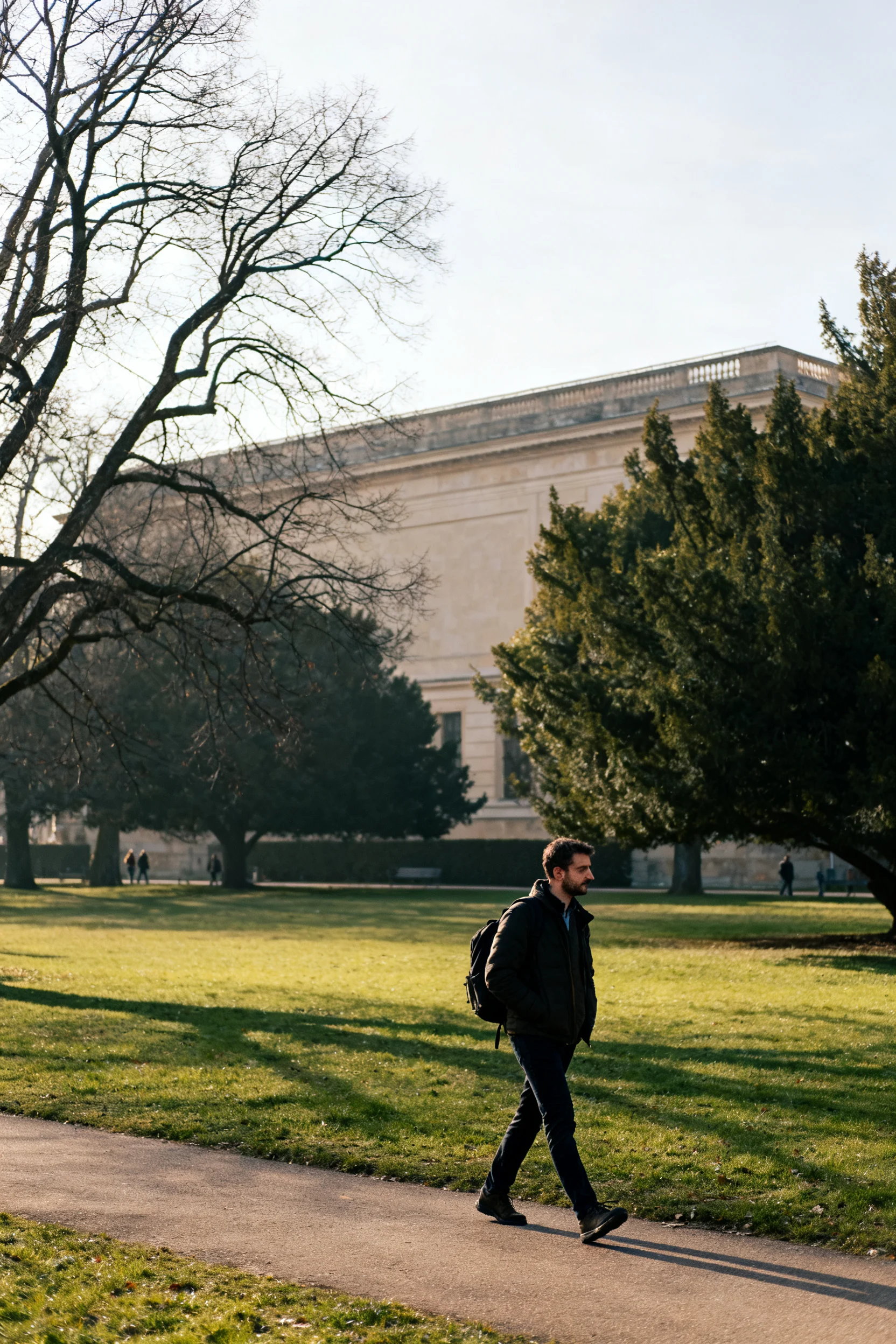
Ueno is a smart pick for first-time visitors who want strong connections (including the JR Yamanote Line) but a slightly calmer vibe than Shinjuku or Shibuya. You’re steps from Ueno Park, top museums, and Ameya-Yokocho for street food and bargain shopping, making it easy to fill a jet-lag day without crossing the whole city. For airport logistics, Ueno is also convenient for the Keisei Skyliner to Narita—book Skyliner seats ahead during peak travel weeks to save time.
FAQ
What area is best for first-time visitors who want the easiest transportation?
Shinjuku is the most flexible base because it connects to many JR and metro lines and makes day trips simple. If you’re adding Shinkansen travel, Tokyo Station (Ginza/Marunouchi area) is also extremely convenient.
Where should I stay in Tokyo if I’m on a budget?
Asakusa and Ueno usually offer better value than Shibuya or Ginza while still being well-connected. Look for hotels within a short walk of a major station and compare room sizes—Tokyo budget rooms can be compact, so prioritize location over extra space.
How many nights should I stay in Tokyo for a first trip?
Plan for 4 to 6 nights if Tokyo is your main destination—this gives you time for classic neighborhoods plus one day trip without rushing. If you only have 2 to 3 nights, stay in Shinjuku or Shibuya to minimize transit friction and keep evenings fun and easy.
Is it worth paying more to stay near a major station?
Usually, yes—especially for a first trip. Being within a 7–10 minute walk of a major station saves energy, simplifies navigation at night, and helps you avoid extra transfers when you’re bouncing between sights.
What should I avoid when choosing a Tokyo hotel area?
Avoid booking somewhere that requires multiple transfers for most of your plans, even if the room looks nice. Also skip “too good to be true” distances on maps—check walking time to the station and confirm the nearest line actually matches your itinerary (like Ginza Line, Yamanote Line, or direct airport routes).