
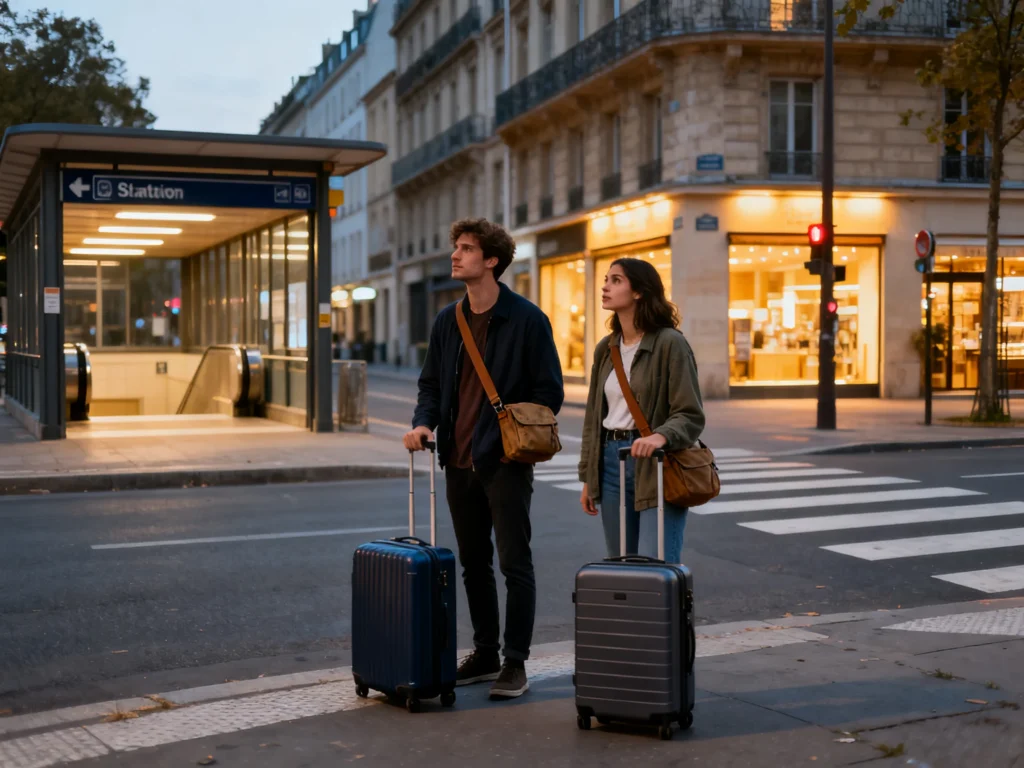
Solo travel is equal parts freedom and “wait, did I lock the door?” energy. The good news: a few smart systems can make traveling alone feel way easier, calmer, and safer—without overplanning your whole trip.
These tips are built for first-timers and practical people: what to book, where to stay, what to pack, and how to move through a new place with confidence.
Top 5
1) Book a “soft landing” for your first 24 hours
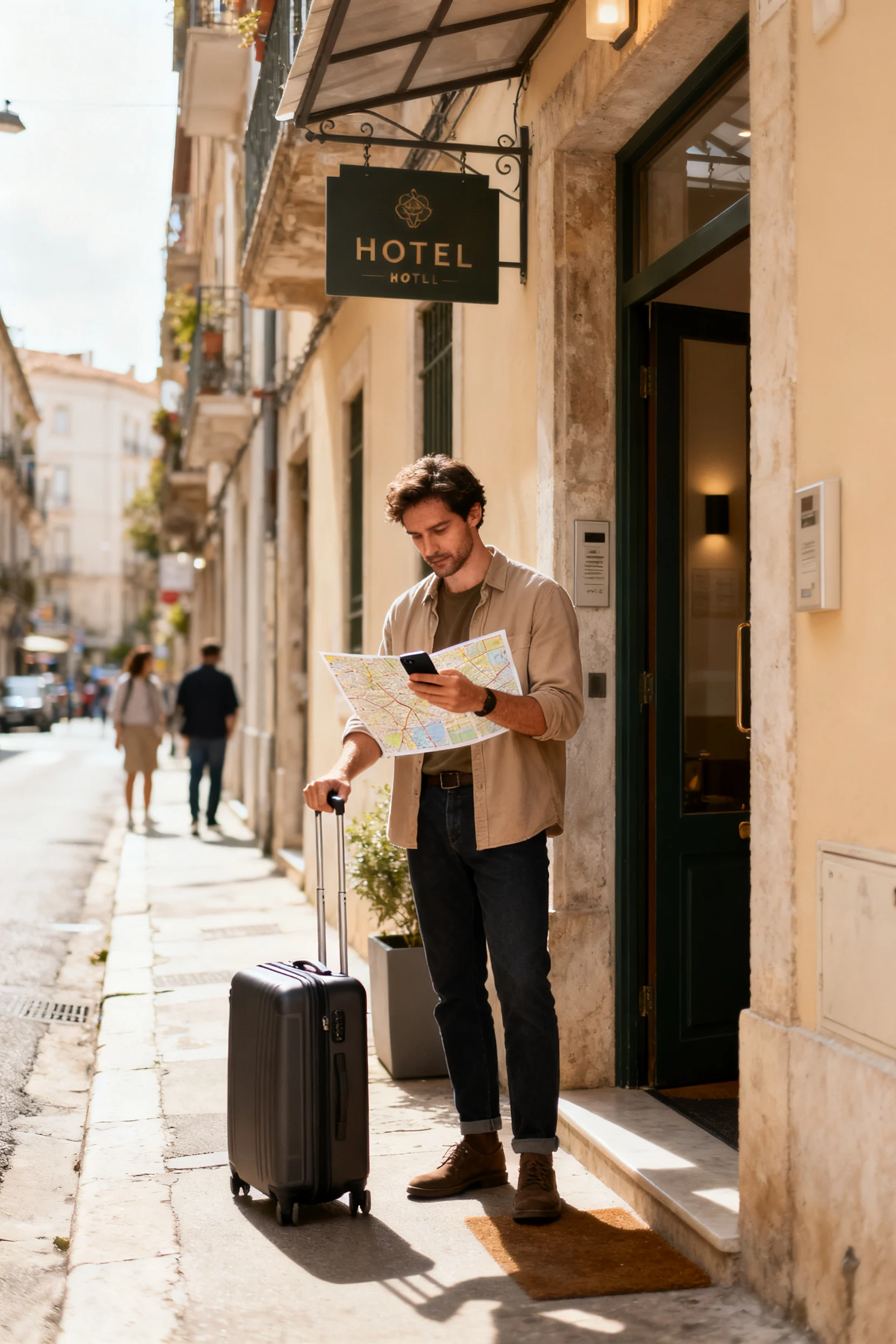
Plan your arrival like it’s a mini itinerary: land in daylight if you can, pre-book your first night, and choose a central, well-reviewed neighborhood over the cheapest deal. If you’re arriving late, book a hotel with 24/7 reception so you’re not fumbling with lockboxes in the dark. Save your accommodation address offline and screenshot the check-in details, Wi‑Fi name, and access codes.
2) Use the “three check” safety setup (people, place, and plan)
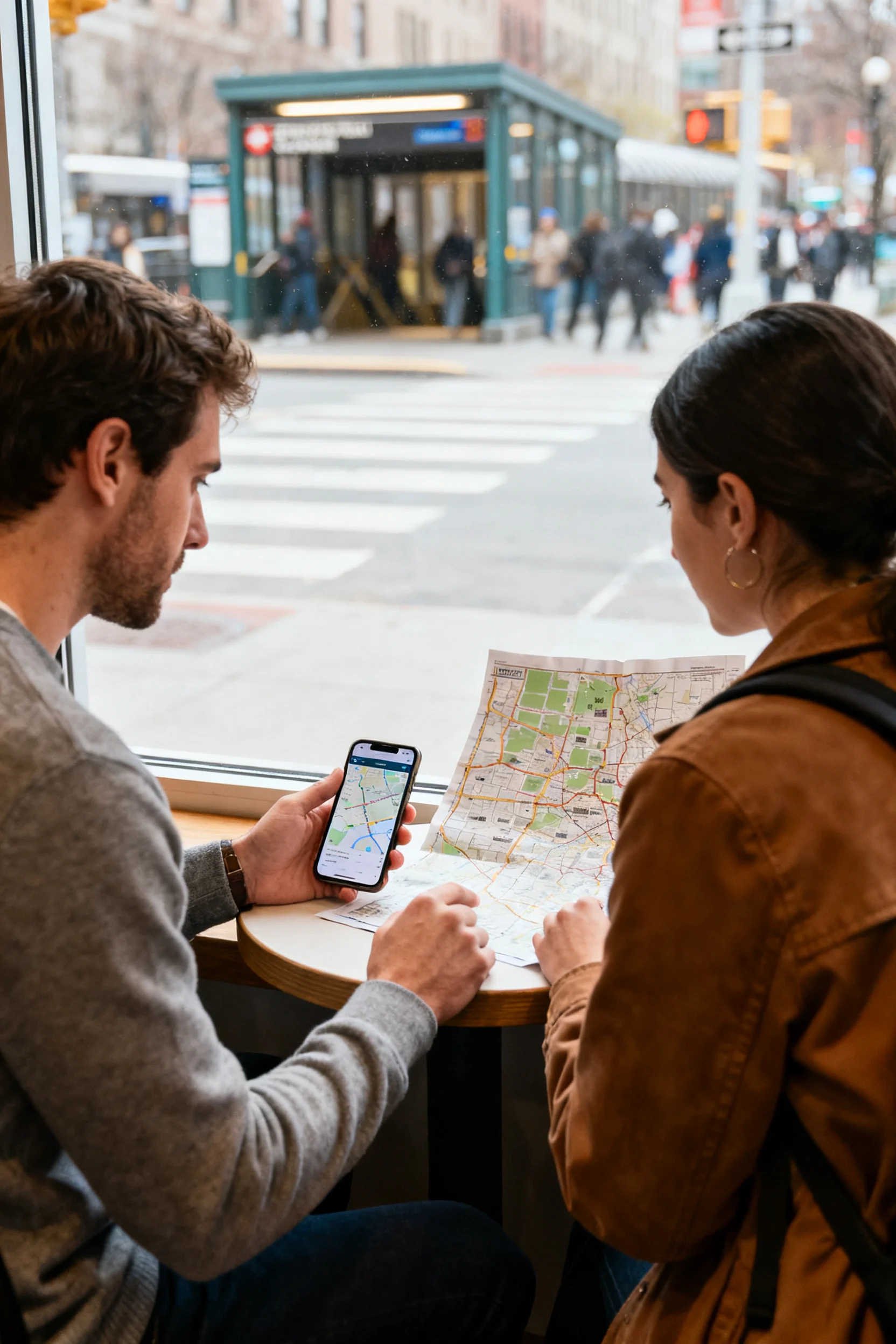
Before you commit to an area, check three things: reviews (especially from other solo travelers), the exact location on the map (near transit and busy streets), and your transport plan for getting back at night. Pick lodging within a 10–15 minute walk of a major station or in a busy, well-lit district with cafes and pharmacies nearby. In bigger cities, skip isolated suburbs even if they’re trendy—central and simple wins when you’re solo.
3) Get transportation on autopilot (and avoid decision fatigue)
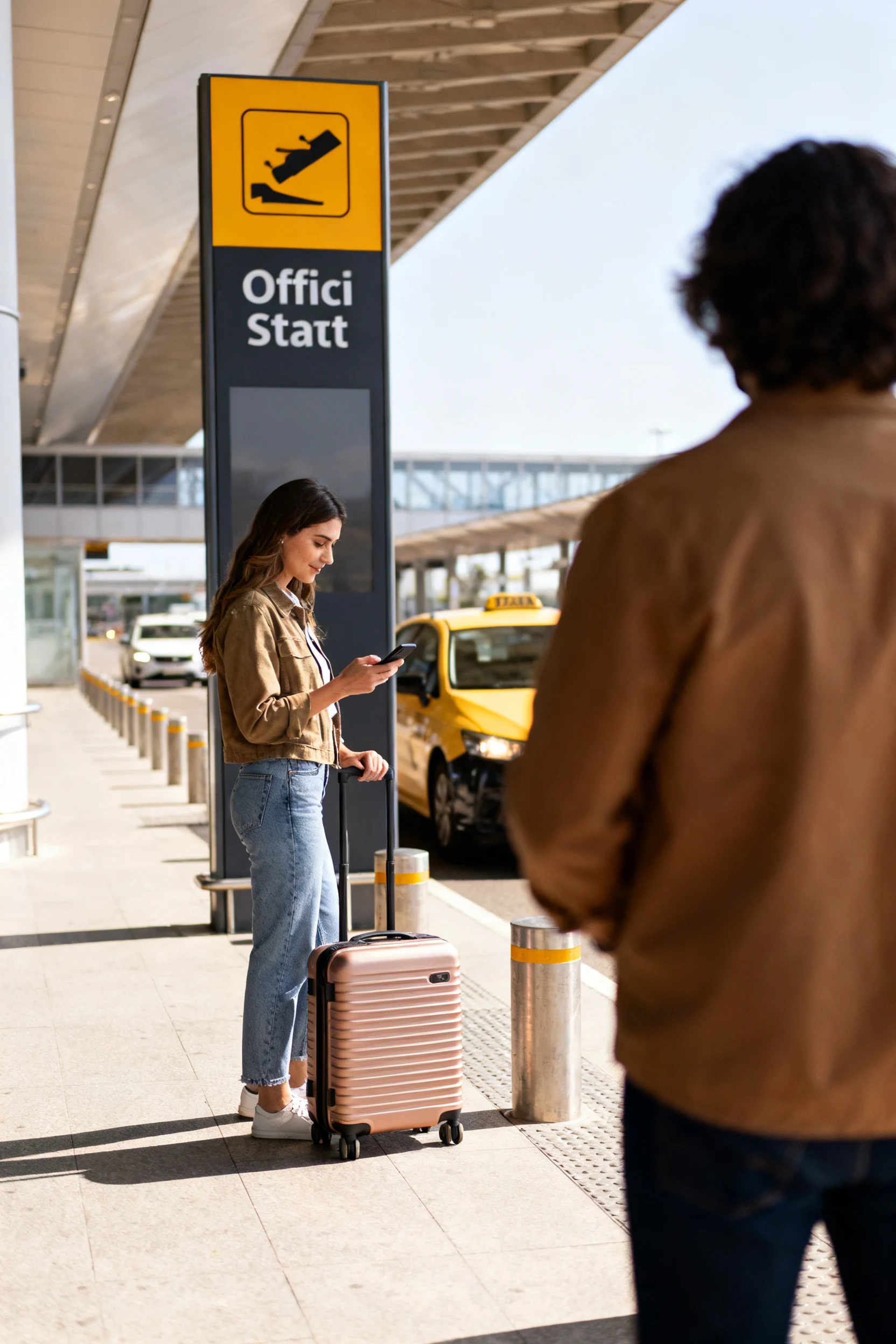
Decide your “default” transport before you arrive: airport transfer, local transit pass, and your safe backup option (licensed taxi app, official taxi stand, or rideshare). For airports, pre-book a fixed-price shuttle or use the official taxi queue—no negotiating after a long flight. Keep a small transit kit handy: a portable charger, a little cash, and a note in your phone with your hotel name in the local language.
4) Pack a low-key safety kit (small items, big peace of mind)
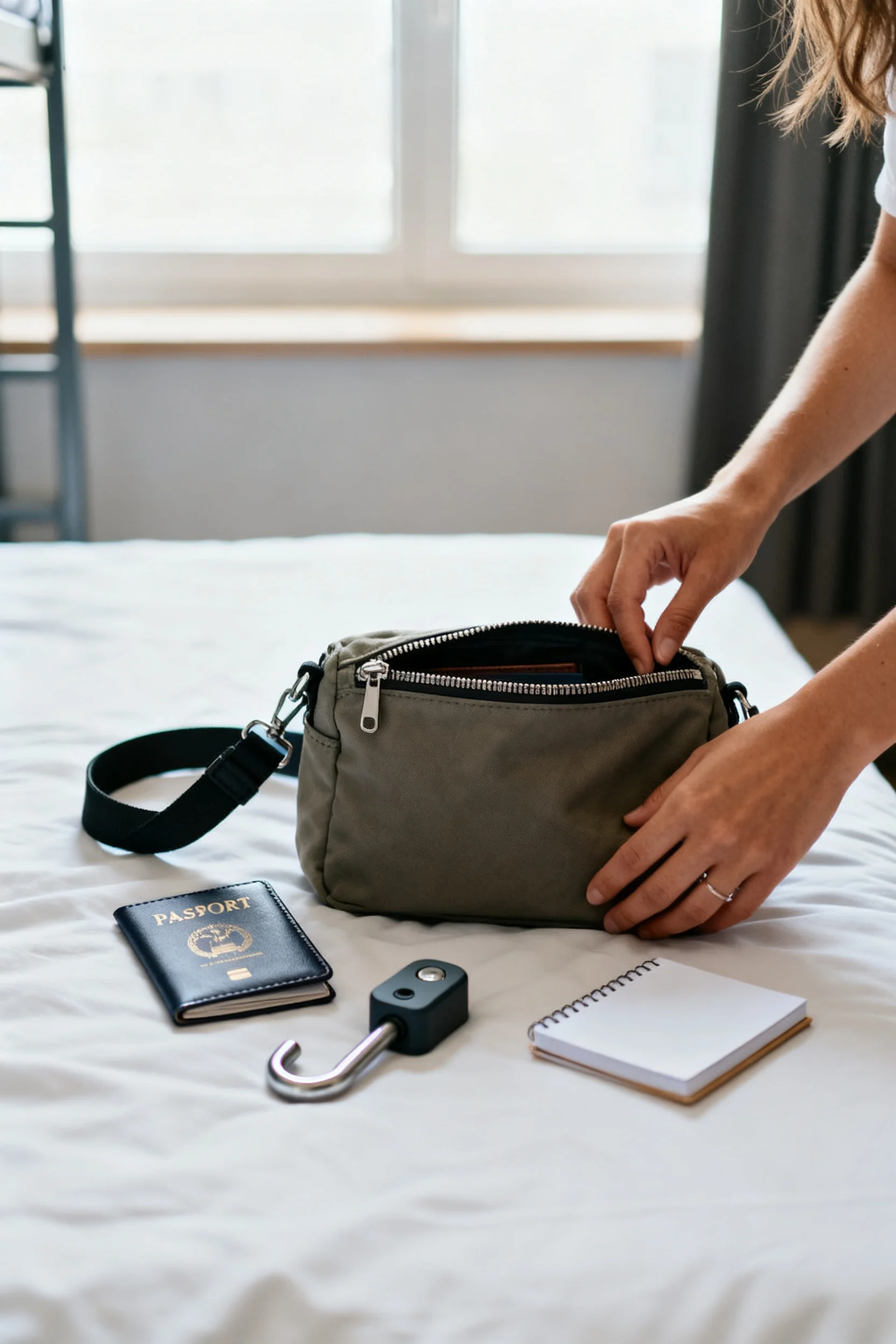
Bring a crossbody bag with a zipper, a slim money belt or hidden wallet for your passport, and a doorstop or portable door lock if you’re staying in budget places. Add a tiny “lost phone” plan: write down your emergency contacts, your accommodation info, and how to log into your email on paper (stored separately from your phone). If you’ll be out at night, pack one outfit with secure pockets so you’re not juggling a clutch and anxiety.
5) Make it social without forcing it (and set boundaries early)
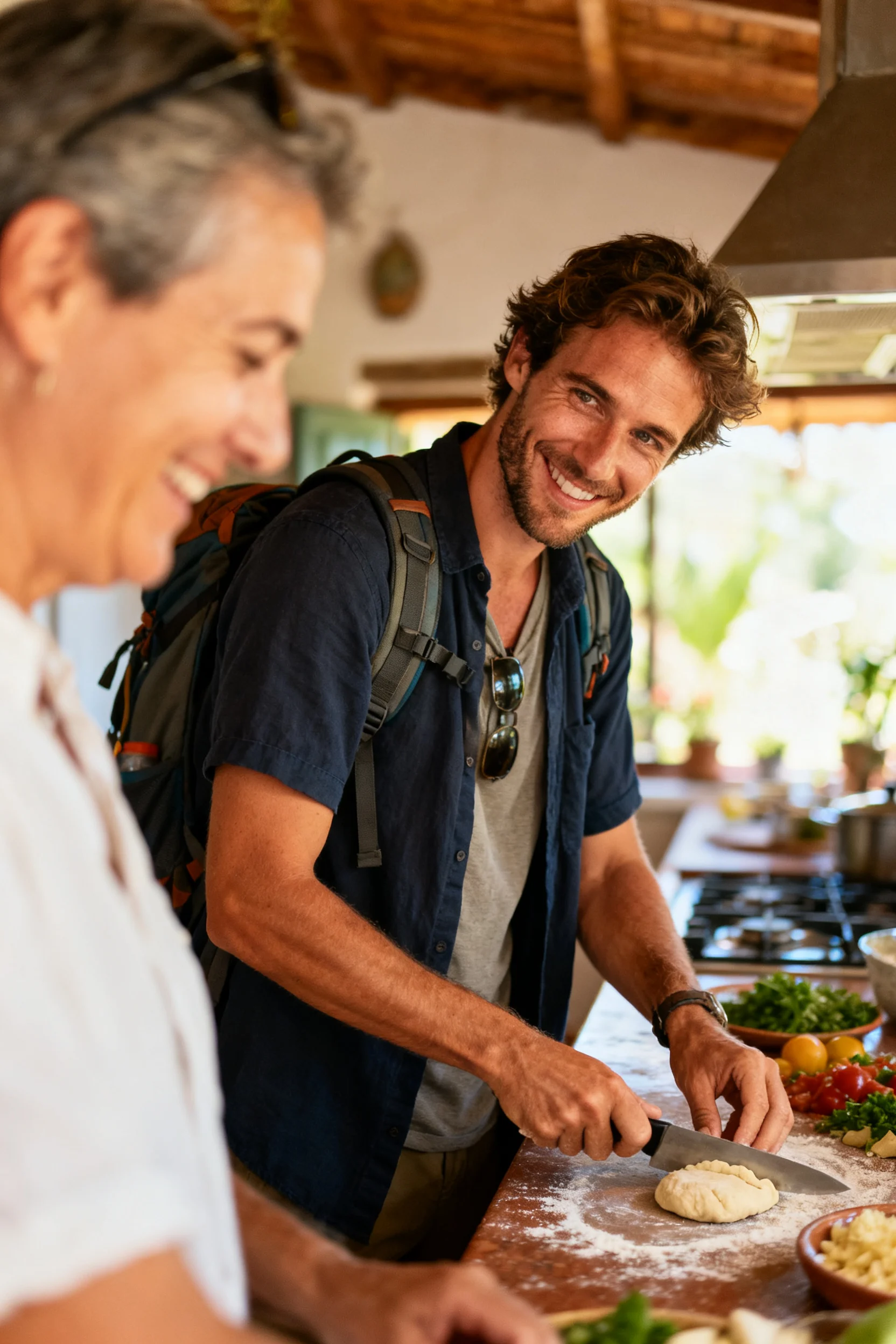
Choose one social anchor per day: a walking tour, a cooking class, or a small-group day trip—easy ways to meet people without the awkward “so… what now?” feeling. Stay somewhere with a friendly vibe (boutique hotels, hostels with private rooms, or guesthouses) and read recent reviews for staff helpfulness. If someone gives you a weird vibe, you don’t owe politeness: change seats, step into a shop, or say you’re meeting a friend—simple, calm exits work best.
FAQ
What’s the best type of accommodation for first-time solo travelers?
A centrally located hotel or guesthouse with 24/7 reception is the easiest start, especially if you’re arriving late. If you want to be social, pick a hostel with private rooms and strong recent reviews about cleanliness, lockers, and staff support. Prioritize location and safety over “cute but far.”
How do I choose a safe neighborhood in a city I’ve never visited?
Start with a short list of well-known central districts near major transit, then cross-check reviews, street lighting (via map street view when available), and how you’ll get home at night. Look for areas with restaurants and shops open into the evening—busy is usually better than empty. If the deal feels too good for the location, it usually is.
Should I share my location with someone back home?
Yes—share your live location with one trusted person and set a simple check-in rhythm (like a quick message after you arrive somewhere new). Also send them your accommodation name, address, and a screenshot of your booking confirmation. It’s not about worry; it’s about having a safety net.
What’s the safest way to handle nightlife when traveling alone?
Pick one or two spots, plan your ride home before you go out, and keep your phone charged. Sit at the bar or near staff, watch your drink, and skip over-sharing where you’re staying. If you’re exploring a new city, earlier evenings (sunset to 10 pm) often give you the best vibe with less hassle.
What should I do if I feel uncomfortable or followed?
Change your environment fast: step into a busy cafe, hotel lobby, or store and stay near other people. Call someone, ask staff for help, or request a taxi from inside rather than waiting outside. Trust your instincts and leave—even if you can’t explain why; your safety matters more than being “nice.”