
Planning your first holiday in Italy can feel like trying to choose a favorite pasta shape: impossible, but also kind of fun. This itinerary hits the classics (Rome, Florence, Venice) and adds just enough “wow” without turning your trip into a sprint.
Think of this as a practical, first-timer-friendly route with smart timing, what to book early, and a few skips that save you energy for the good stuff.
Top 10
1) Rome (3 Days): Ancient Sights + Best First Night Neighborhoods
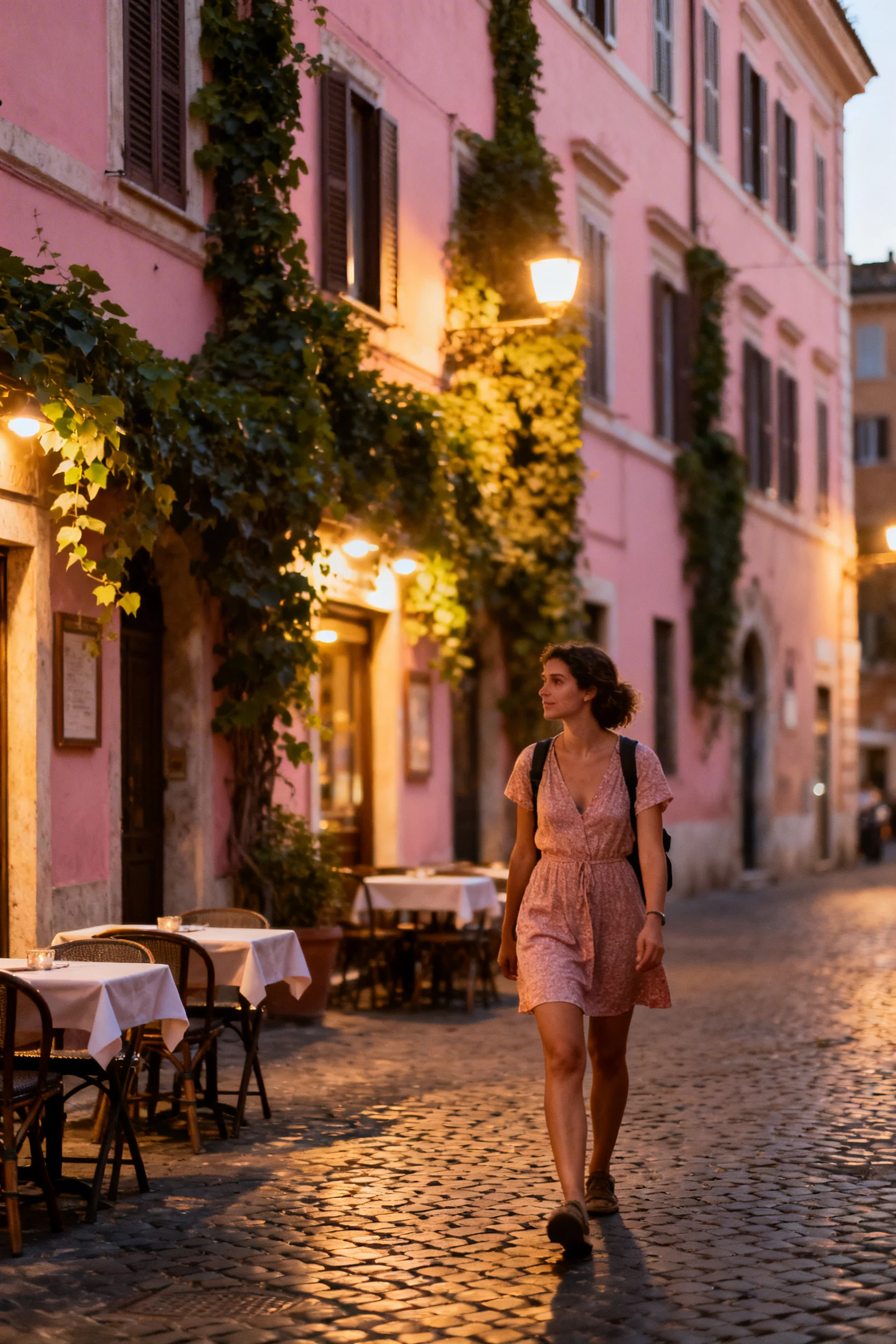
Base yourself in Centro Storico, Monti, or Trastevere so you can walk everywhere and keep evenings easy. Book the Colosseum/Forum and Vatican Museums at least 2–3 weeks ahead, ideally for the earliest slot to beat crowds. Pack a refillable water bottle (Rome’s “nasoni” fountains are everywhere) and comfortable shoes—cobblestones are not kidding.
2) Vatican City Game Plan: Museum Morning, Basilica After
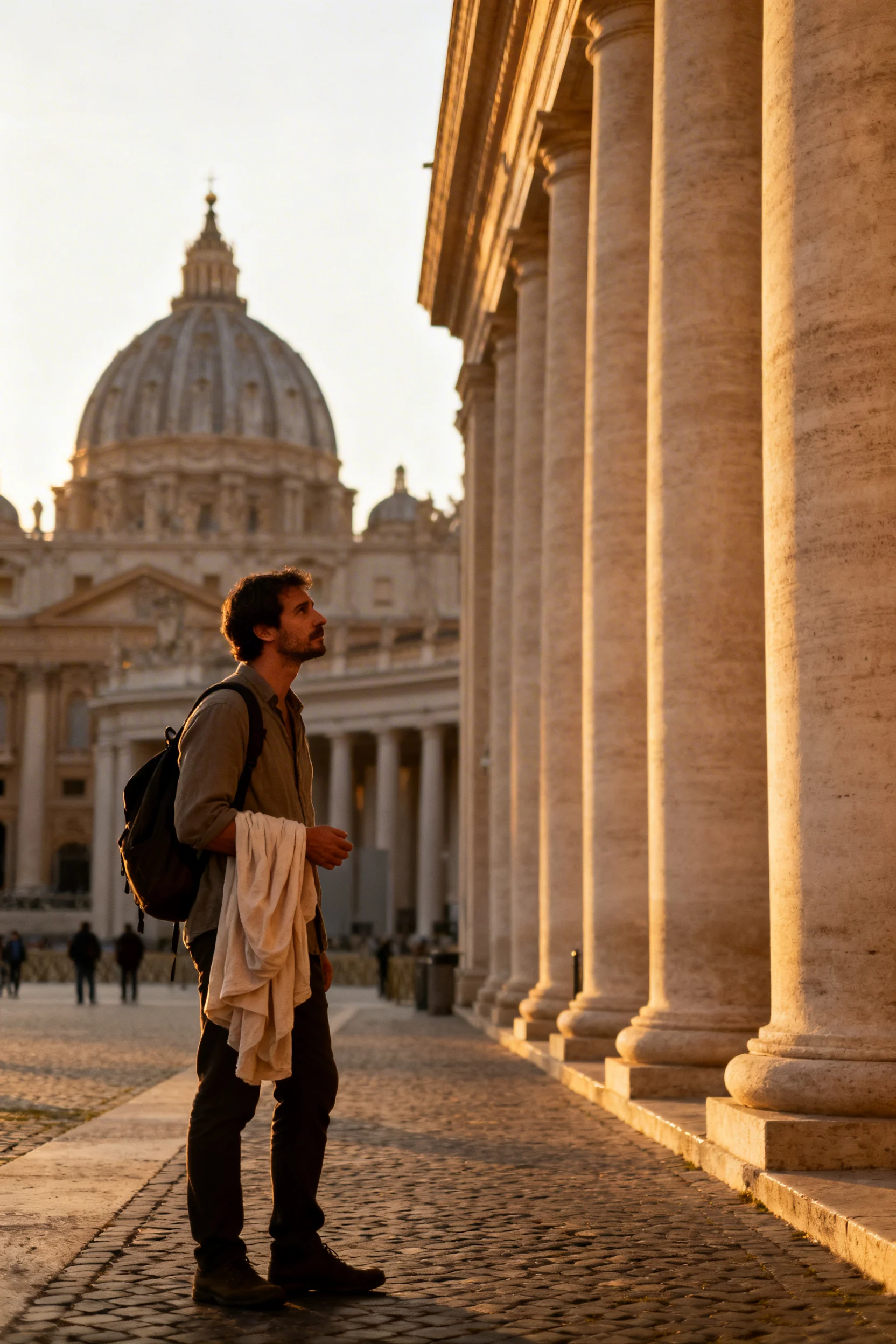
Buy timed-entry tickets and go first thing; late morning lines can eat your whole day. Dress code matters (cover shoulders and knees), so bring a light layer even in summer. After the museums, pop into St. Peter’s Basilica and consider the dome climb if you want the view—go before 4 pm for smoother access.
3) Rome Food Checklist: Book a Simple, Local Dinner

Make one reservation in Trastevere or Testaccio for classic Roman pastas—carbonara, cacio e pepe, amatriciana—then keep the rest flexible. Eat like locals: lunch is easier to grab last-minute, while dinner fills up fast on weekends. Skip restaurants with big photo menus near major monuments; walk 10 minutes out and the quality jumps.
4) Florence (2 Days): Art Hits + A Walkable Home Base
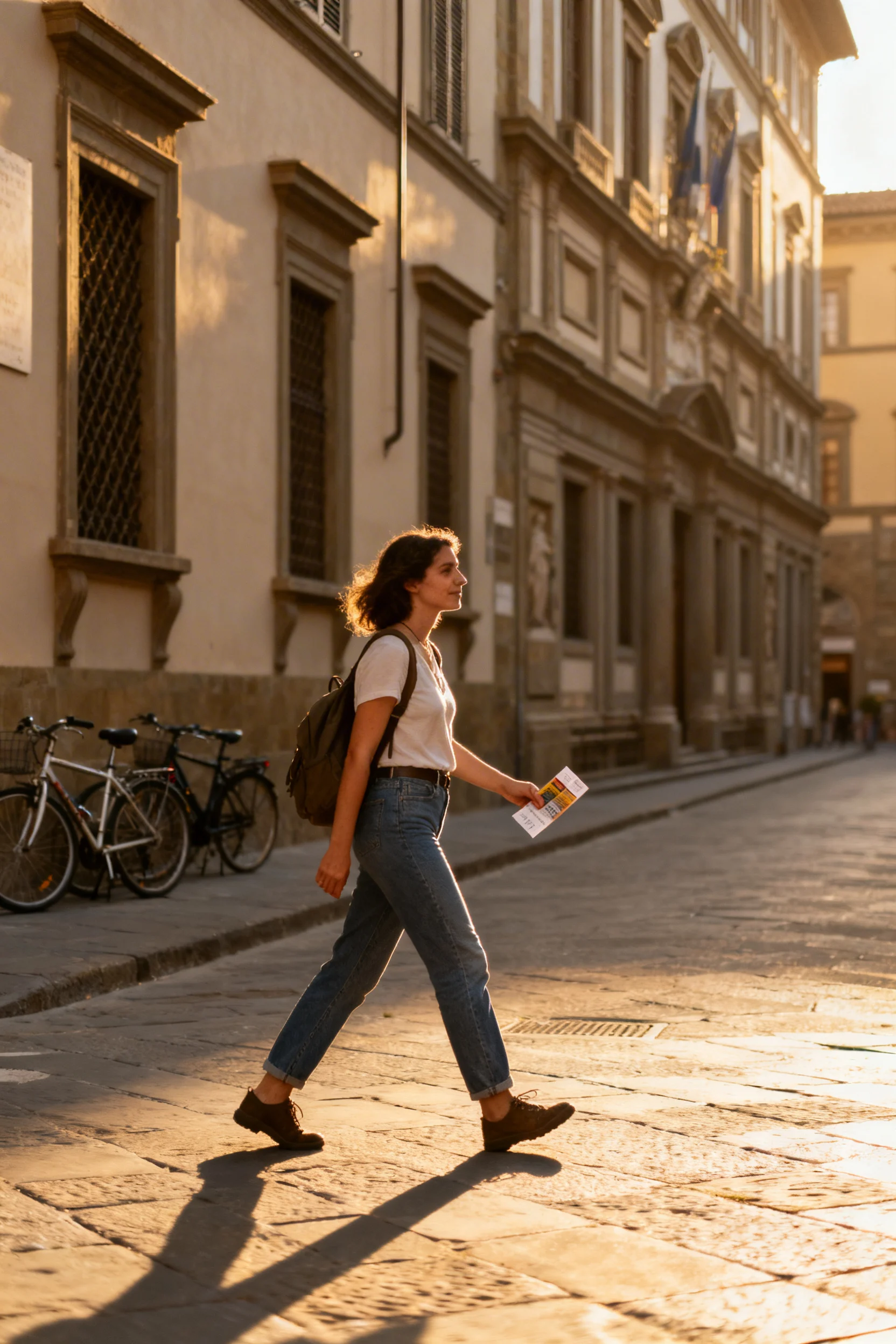
Stay near Santa Maria Novella or Santo Spirito for a balance of convenience and atmosphere. Book the Uffizi and Accademia (David) in advance, and schedule one museum per day so you’re not fried by 3 pm. For sunset, head to Piazzale Michelangelo—bring a small snack and arrive 45 minutes early for a good spot.
5) Tuscany Day Trip (Choose 1): Siena & San Gimignano or Chianti Wine

For first-timers, one guided day trip is worth it to skip parking stress and complicated buses. If you want medieval vibes, do Siena + San Gimignano; if you want vineyards, choose a Chianti tour with a small group and lunch included. Wear something you can walk in (hill towns = stairs), and carry cash for small tastings and pastries.
6) Cinque Terre (1 Day): Pick Two Villages, Not All Five
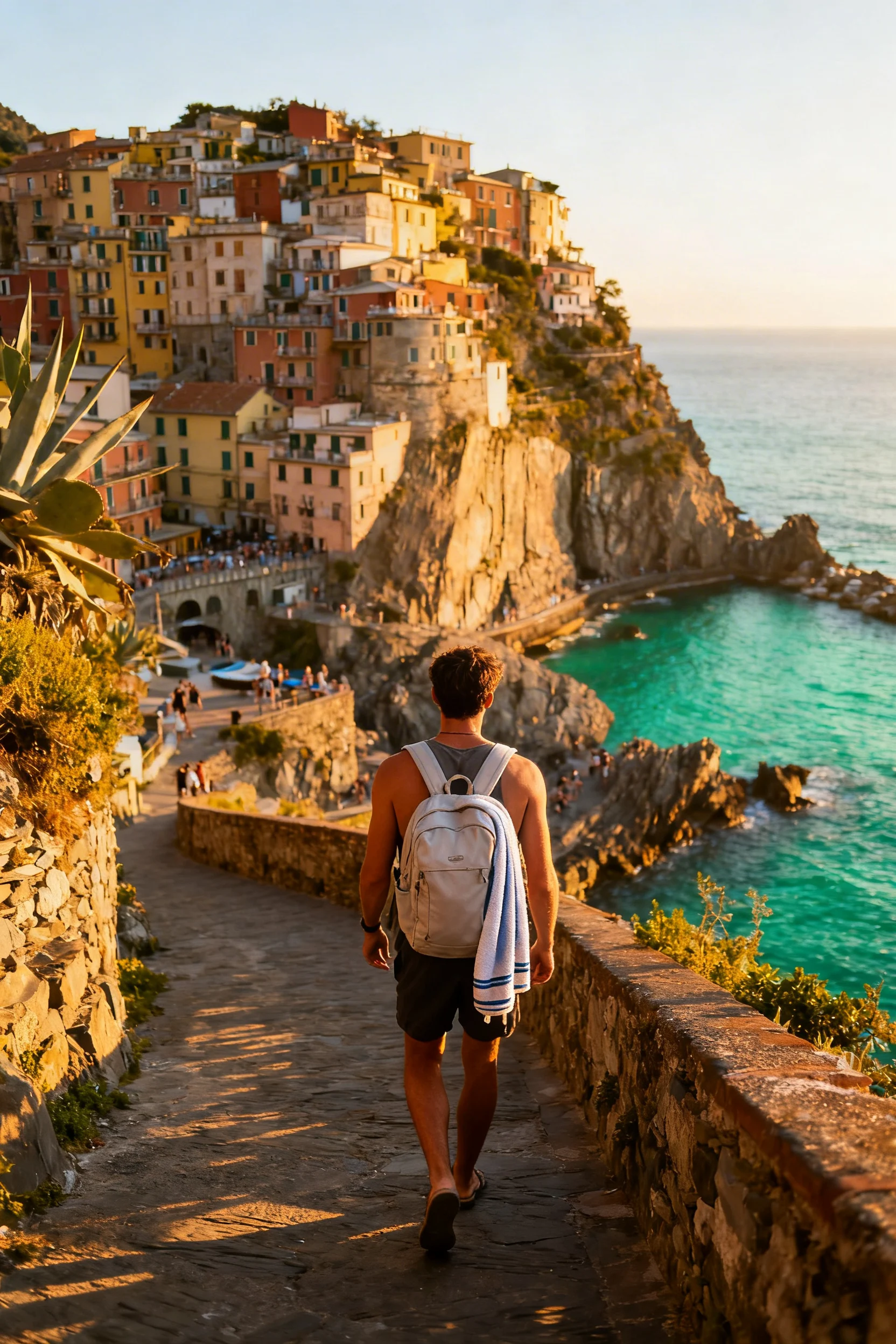
Go early and focus on two towns—like Vernazza + Monterosso—so you have time to swim, snack, and actually enjoy it. Buy the Cinque Terre Train Card if you’ll hop more than once; trains can get packed, so keep your bag small. If the coastal hiking trails are closed or crowded, don’t force it—use the scenic train instead.
7) Venice (2 Days): The Right Areas to Stay + How to Avoid Tourist Traps
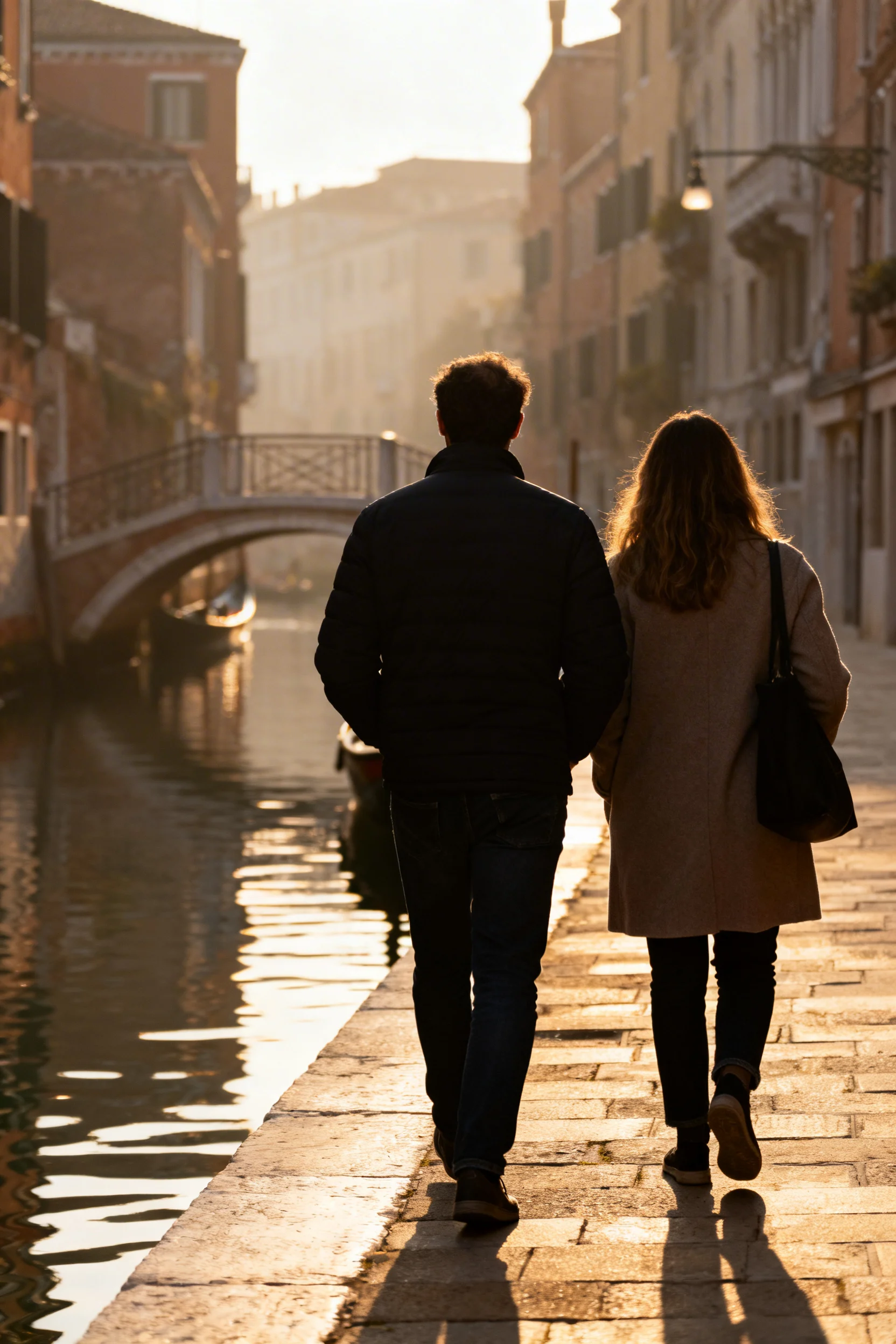
Stay in Cannaregio or Dorsoduro for a calmer, more local feel while still being walkable. Wake up early for St. Mark’s Square before the day-trippers arrive, then spend afternoons getting pleasantly lost in quieter lanes. Skip overpriced gondola rides on the Grand Canal—take a traghetto (standing gondola ferry) for a quick, cheap classic moment.
8) Venice Must-Book: Doge’s Palace + One Lagoon Island
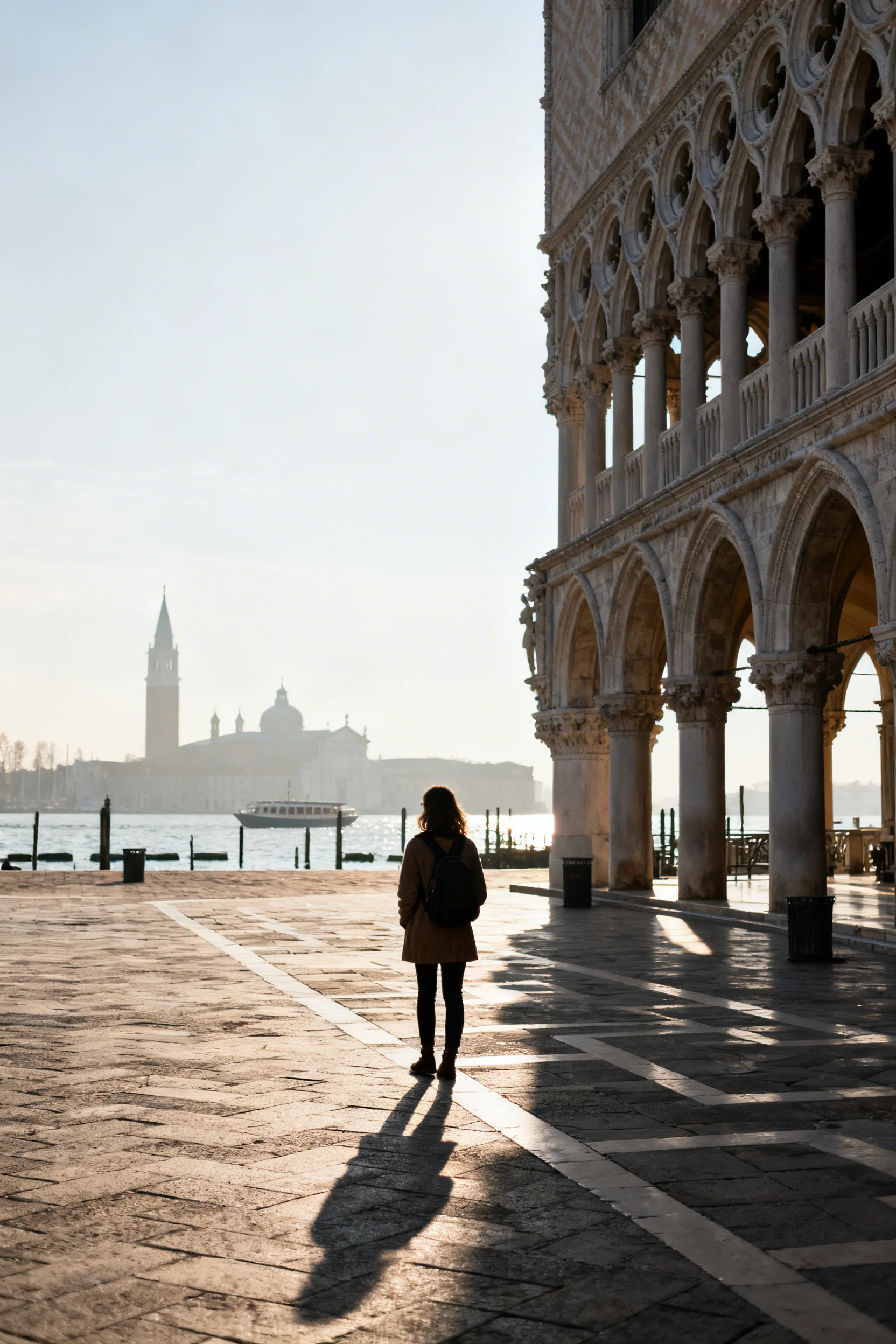
Reserve Doge’s Palace tickets ahead, and consider the “Secret Itineraries” tour if you like hidden passageways and history. For islands, pick one: Murano for glass, Burano for colorful photos, or Torcello for peaceful vibes. Start island-hopping before noon; boats get busier later, especially in peak season.
9) Milan (1 Day): Duomo Roof + A Smart Transit Plan
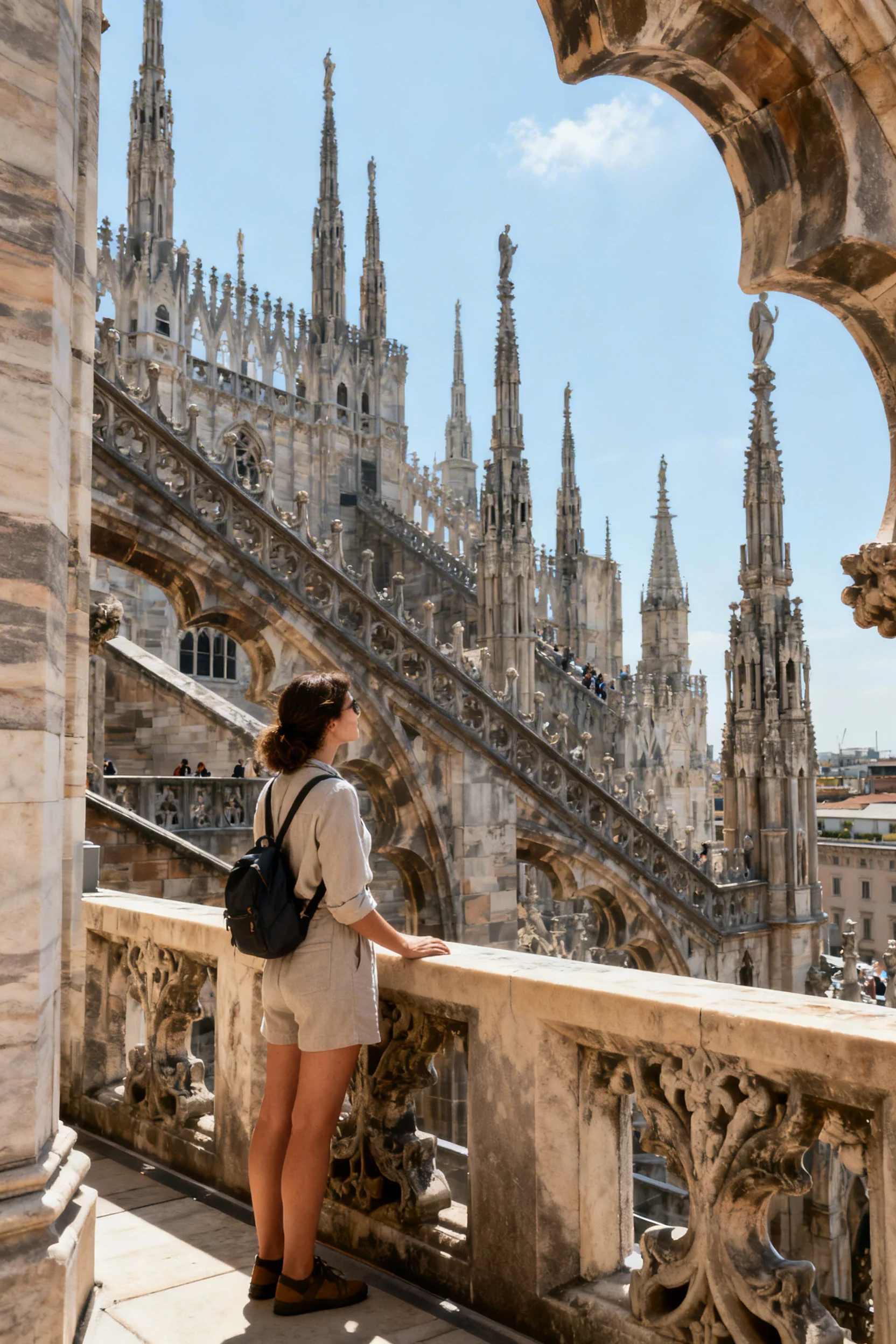
Milan is a clean, easy add-on for your flight route or train connections, and the Duomo rooftop is the main event—book a timed slot. If you’re seeing The Last Supper, lock tickets weeks ahead or book a tour (spots vanish fast). Use the metro to save time, and stay around Brera or Porta Garibaldi for a stylish, convenient base.
10) Italy Logistics: Trains, Tickets, and What to Pack

Use high-speed trains (Frecciarossa/Italo) between big cities and book as early as you can for better prices; keep regional legs flexible. Validate paper regional tickets if required, and always watch your platform numbers—they can change last-minute. Pack a light day bag, a universal adapter, one nicer outfit for dinners, and a crossbody with a zipper for crowded areas.
FAQ
How many days do I need for a first trip to Italy?
Plan 10–14 days to do Rome, Florence, and Venice comfortably, plus one or two day trips. If you have 7 days, stick to two cities (Rome + Florence is a great first combo) and save Venice for next time.
What’s the best time of year for this itinerary?
Late April to June and September to mid-October are the sweet spots: warm weather, longer days, and fewer extremes than peak summer. July and August are hot and crowded, so you’ll want earlier starts and more indoor breaks.
Should I rent a car in Italy for this route?
Not for the main cities—parking and ZTL restricted zones can be a headache. Trains are fast and simple for Rome–Florence–Venice–Milan, and guided tours cover Tuscany or Cinque Terre without you driving.
How far in advance should I book major attractions?
Book the Vatican Museums, Colosseum, Uffizi, Accademia, Doge’s Palace, and The Last Supper as soon as your dates are firm—ideally 2–6 weeks out (more for The Last Supper). Trains are best booked early for deals, but you can keep some regional trips flexible.
What are the biggest mistakes first-time travelers make in Italy?
Trying to see too many cities, starting days too late, and not pre-booking the big-ticket sights. Another common one: overpacking—Italy is walk-heavy, so bring fewer things and better shoes.