
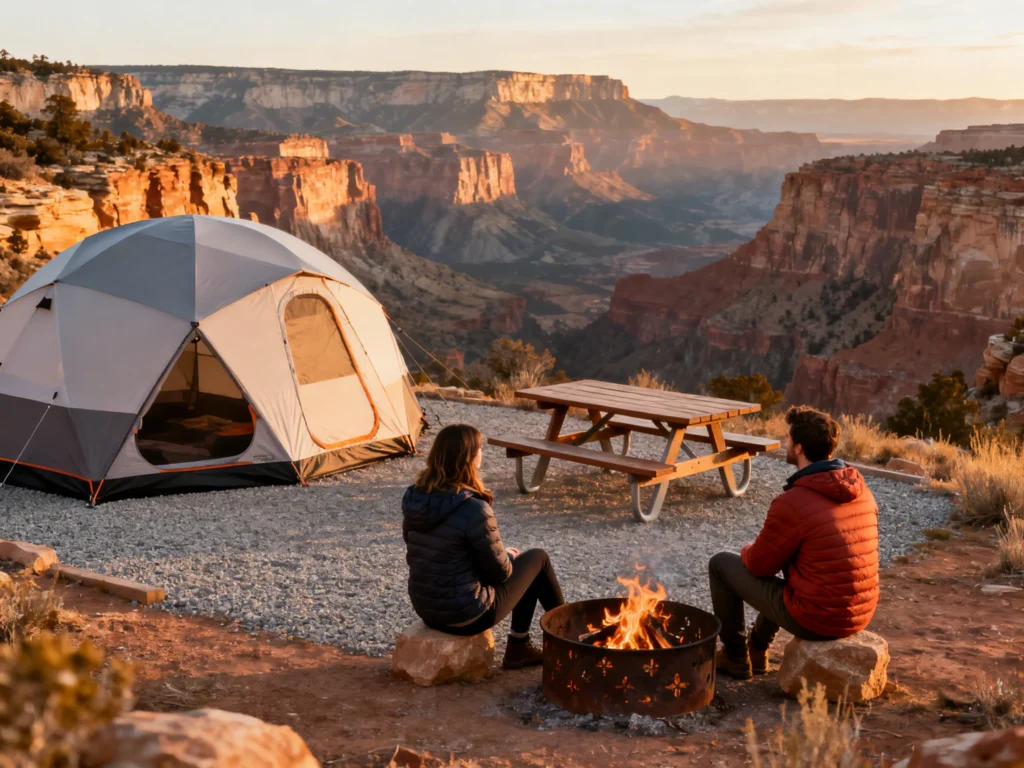
If you love a campsite with a “wow” view but also want clean bathrooms, hot showers, and a smooth setup, this list is for you. These campgrounds bring the scenery and the comforts—without turning your trip into a survival challenge.
Plan ahead (many of these book out months in advance), and pack for the vibe: layers for big temperature swings, a headlamp for late-night walks to the bathhouse, and a few easy meals so you can spend more time outside and less time cooking.
Top 10
1) Watchman Campground (Zion National Park, Utah)
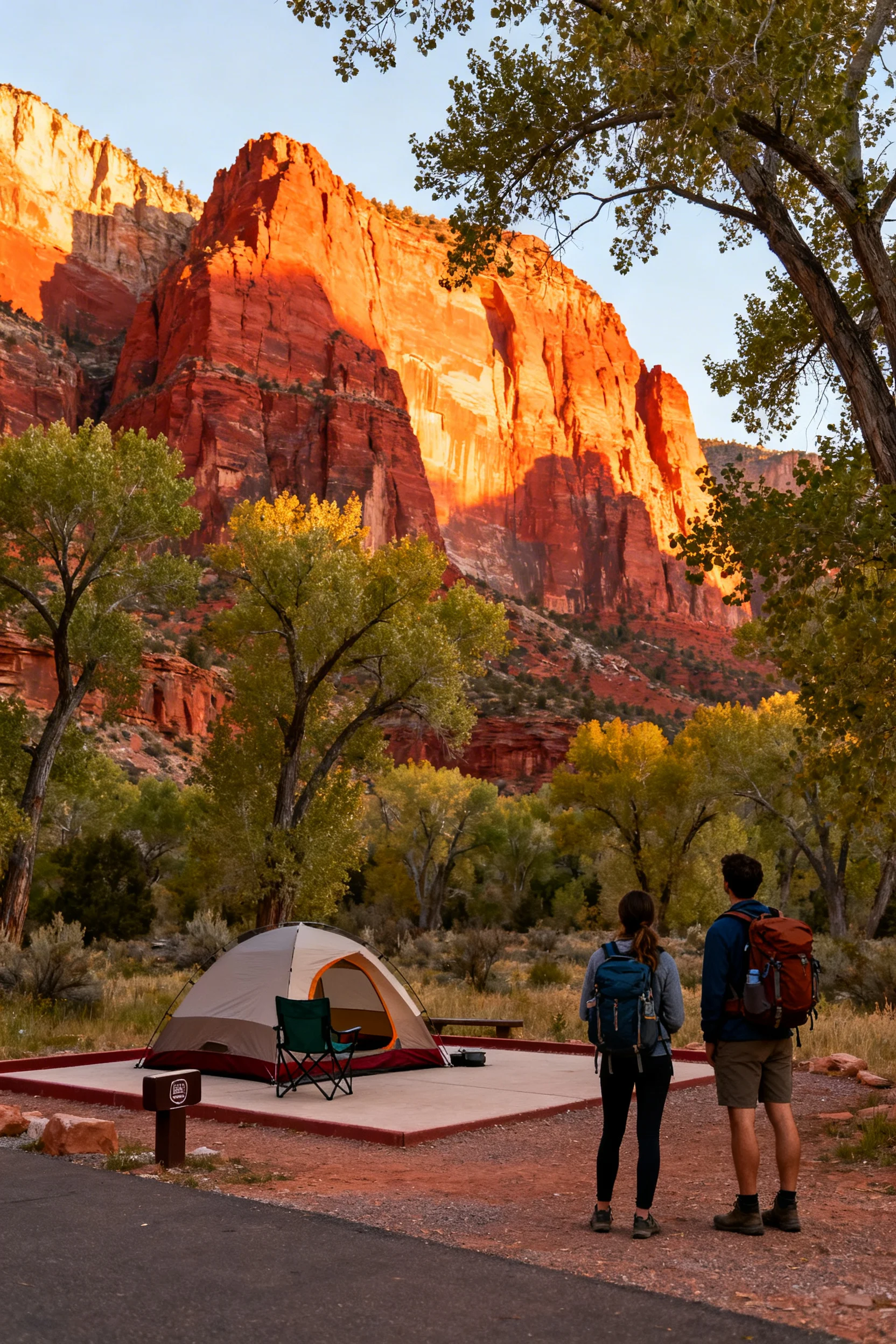
Red-rock cliffs, cottonwood trees, and prime access to Zion’s shuttle make this a top-tier first-timer campground. Book as early as the reservation window opens, especially for spring and fall weekends. Pack a bike if you can—riding into Springdale for coffee is a vibe, and it saves you shuttle stress. Bring earplugs if you’re sensitive; it’s popular and can feel lively.
2) Jenny Lake Campground (Grand Teton National Park, Wyoming)
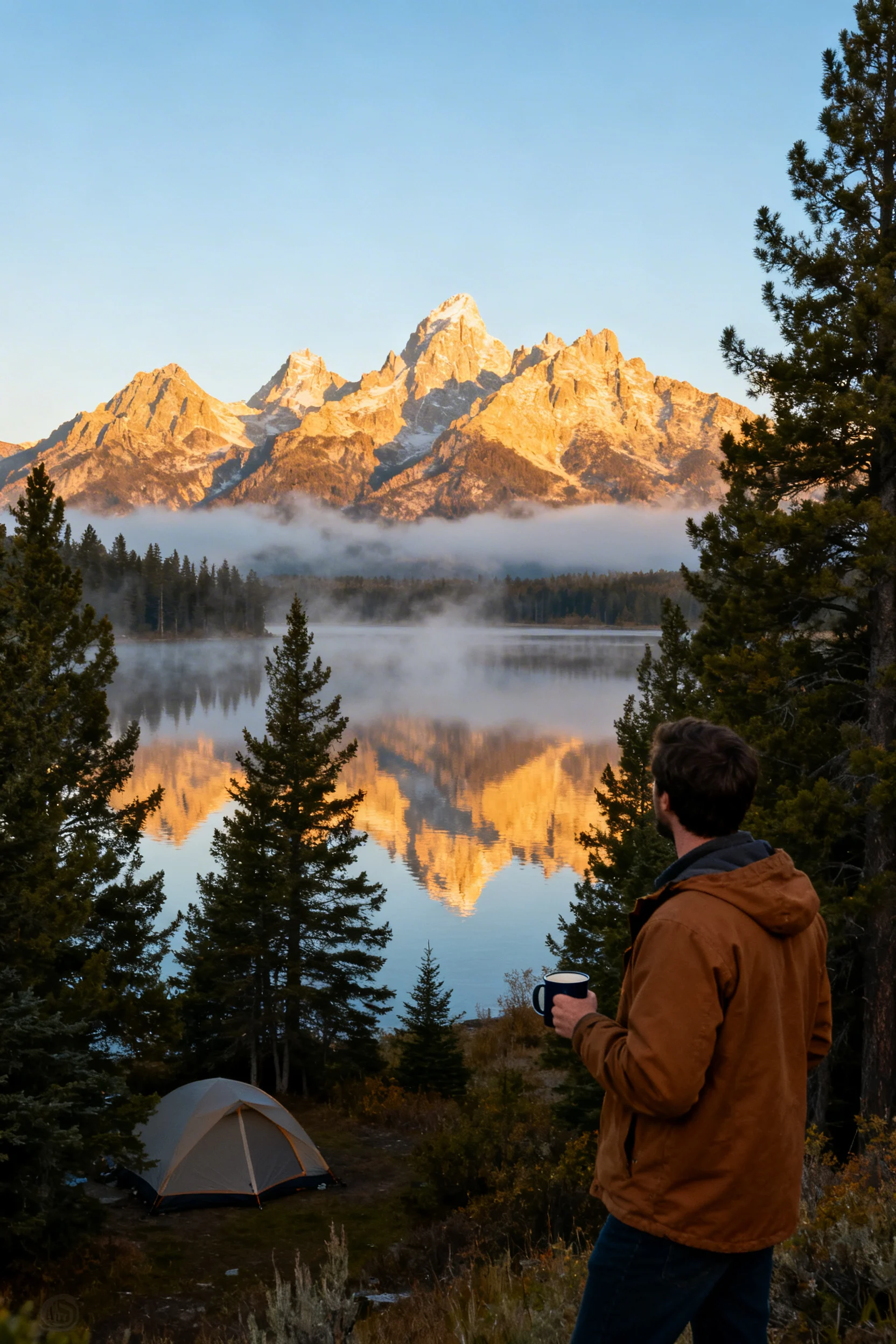
If waking up to the Tetons is on your bucket list, this one delivers, with quick access to Jenny Lake trails and iconic viewpoints. It’s first-come, first-served in peak season, so arrive early (think mid-morning) and have a backup plan nearby. Nights are chilly even in summer—pack a warmer sleeping bag than you think you need. Stock up on groceries before entering the park to keep things easy.
3) Upper Pines Campground (Yosemite Valley, California)
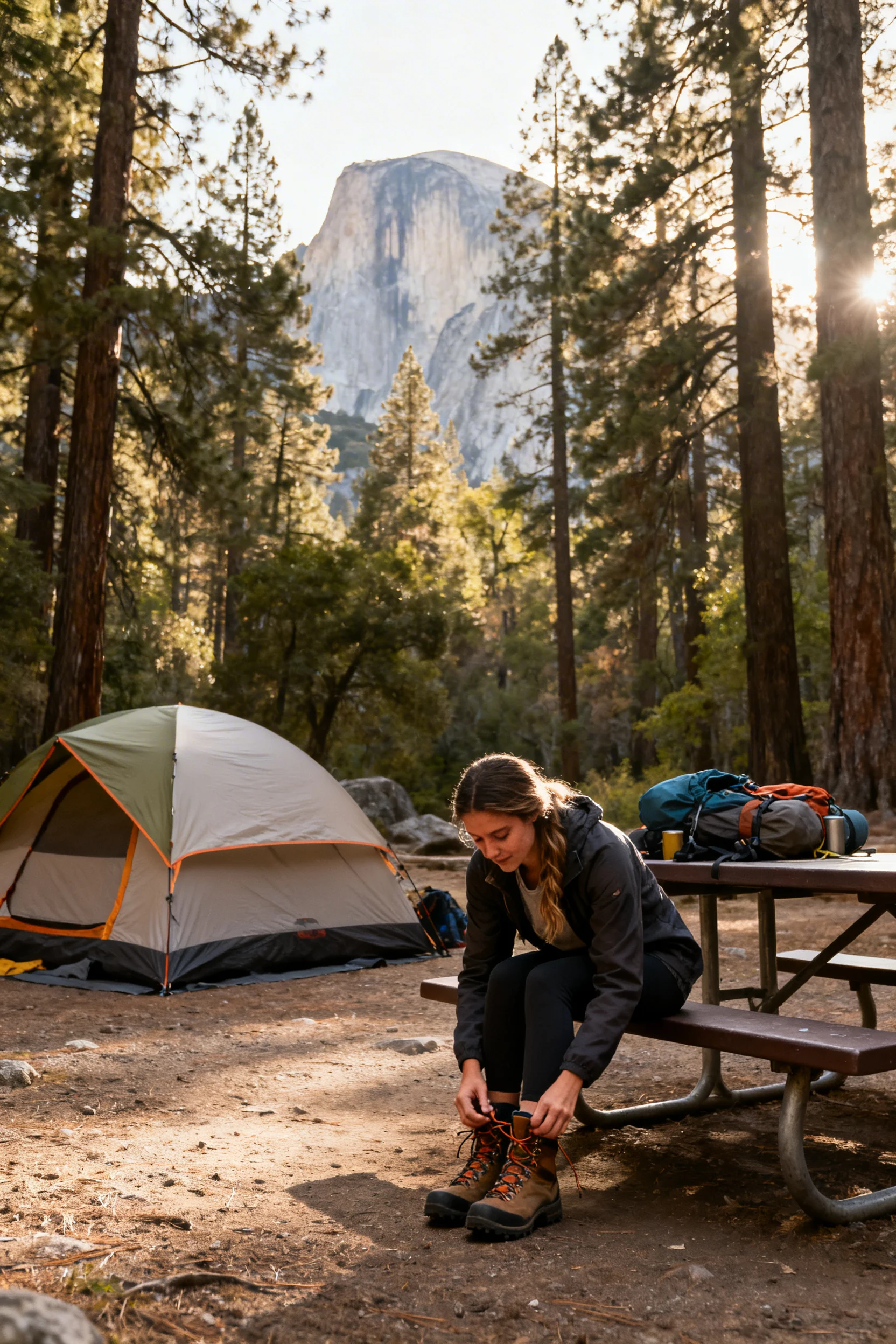
Camp in the heart of Yosemite Valley with big-name views (hello, Half Dome) and easy access to trailheads and shuttle stops. Reservations go fast, so set alerts and be flexible with dates midweek. Bring a sturdy bear-proof routine: keep all food and scented items locked up, no exceptions. For comfort, pack a lightweight camp chair—valley sunsets are a sit-and-stare situation.
4) Furnace Creek Campground (Death Valley National Park, California)
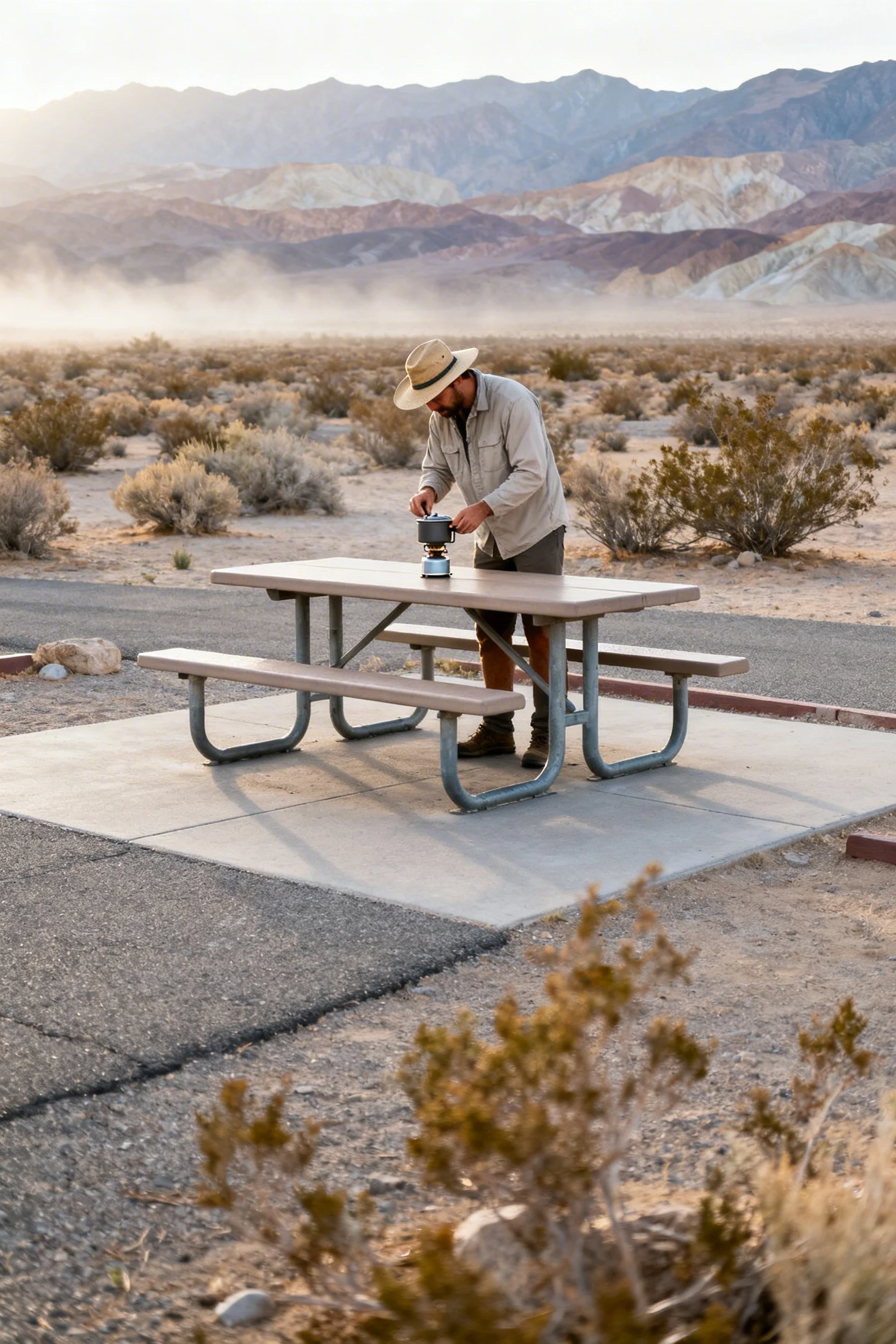
Yes, Death Valley can be comfy—this campground is known for reliable amenities and a central location for sunrise drives. The best time is late fall through early spring; avoid summer unless you’re very heat-prepared. Book ahead and plan early-morning sightseeing, then rest midday. Pack extra water and sun protection even in cooler months—this landscape stays intense.
5) Bahia Honda State Park Campground (Florida Keys, Florida)
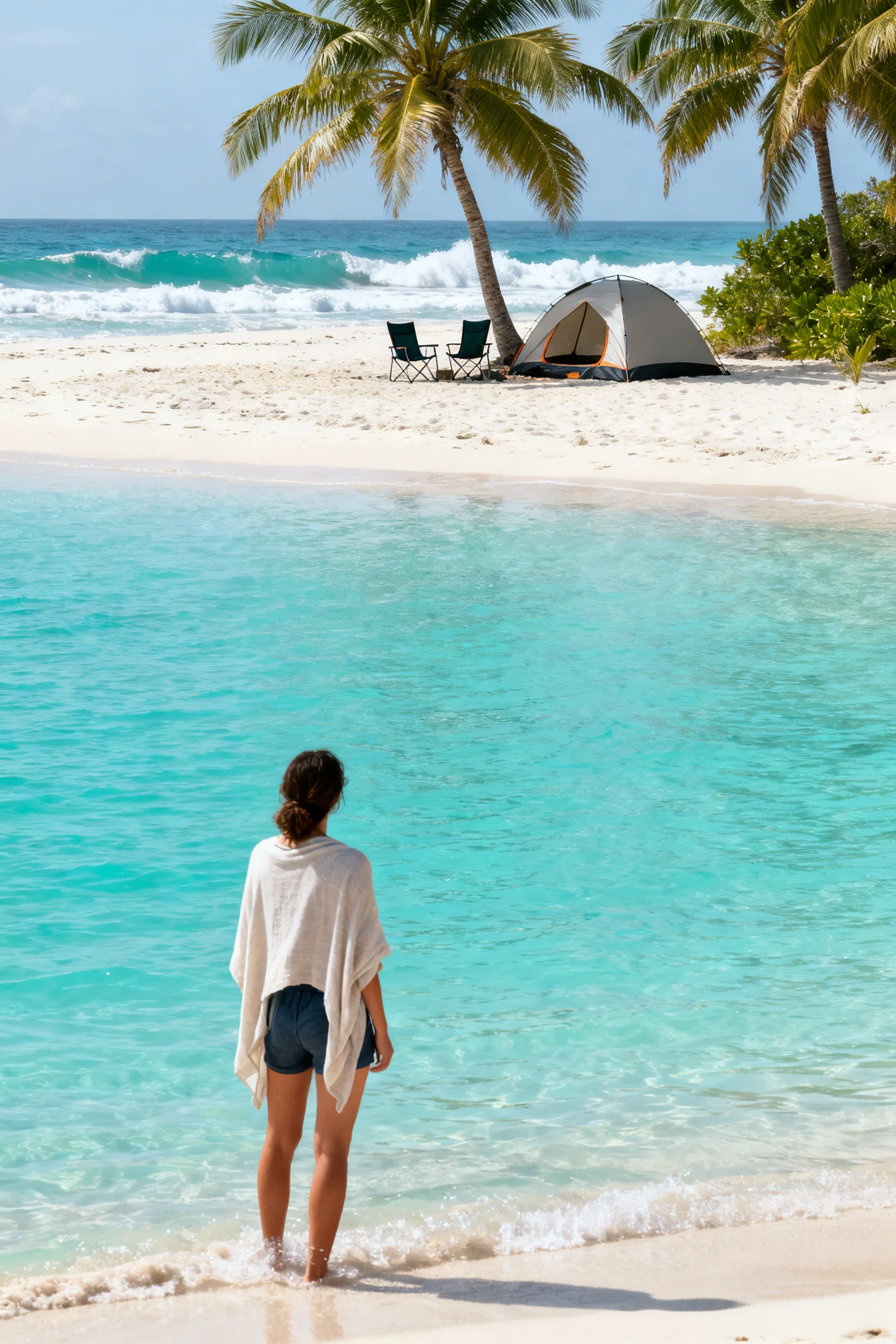
Beach camping with turquoise water views is the whole point here, and it’s as dreamy as it sounds. Reserve months ahead for the most sought-after waterfront sites, especially in winter. Bring reef-safe sunscreen, water shoes for rocky patches, and a small fan for humid nights. For an easy win, plan a snorkel session in the morning before the breeze picks up.
6) Colter Bay Campground (Grand Teton National Park, Wyoming)
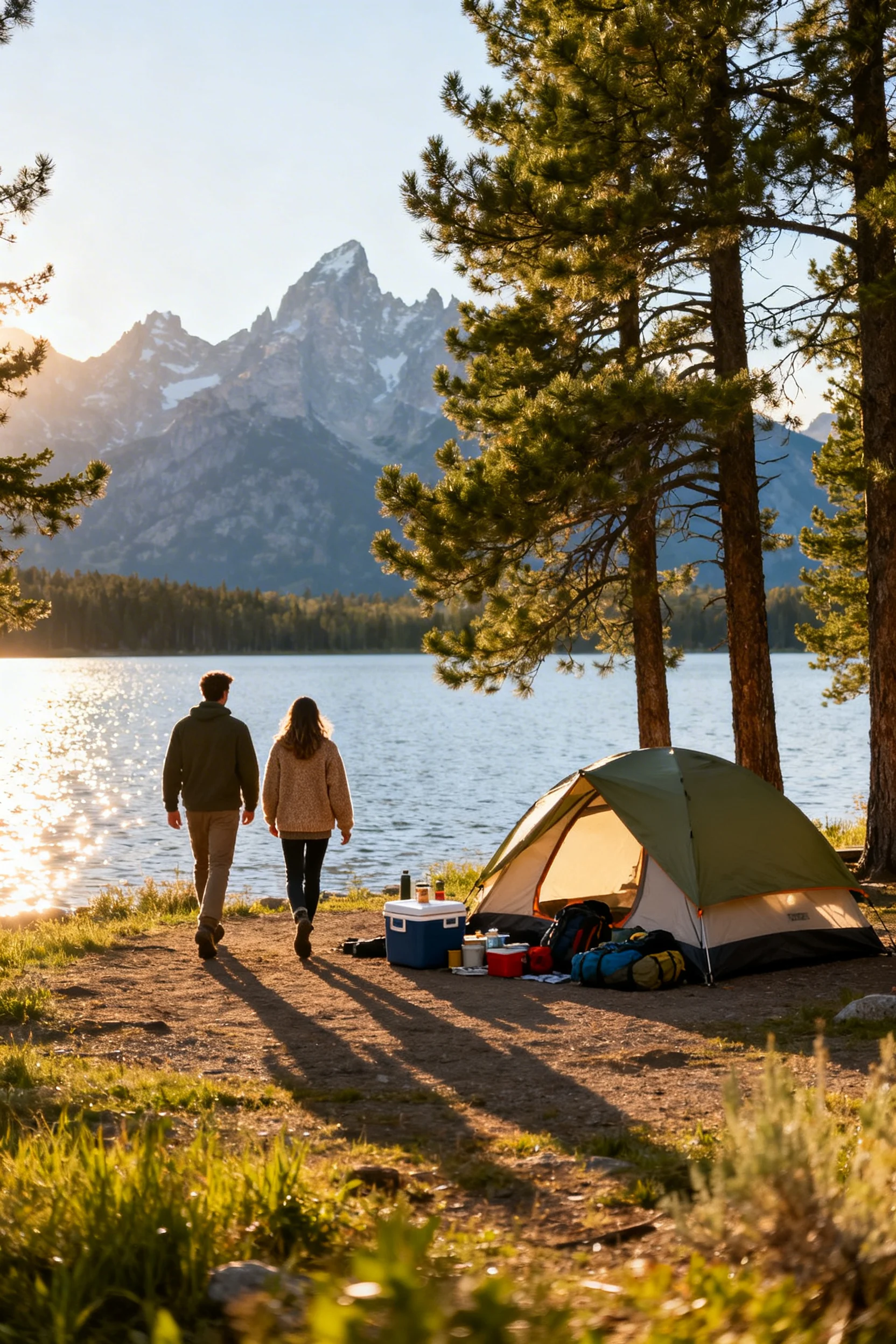
This is a comfort-forward pick: solid amenities, a camp store nearby, and quick access to Jackson Lake views. It’s great if you want a “basecamp” feel with less logistics stress. Book early for summer, and pack layers for windy lakeside evenings. If you’re new to national park camping, this is a confidence-boosting place to start.
7) Mather Campground (Grand Canyon National Park, Arizona)
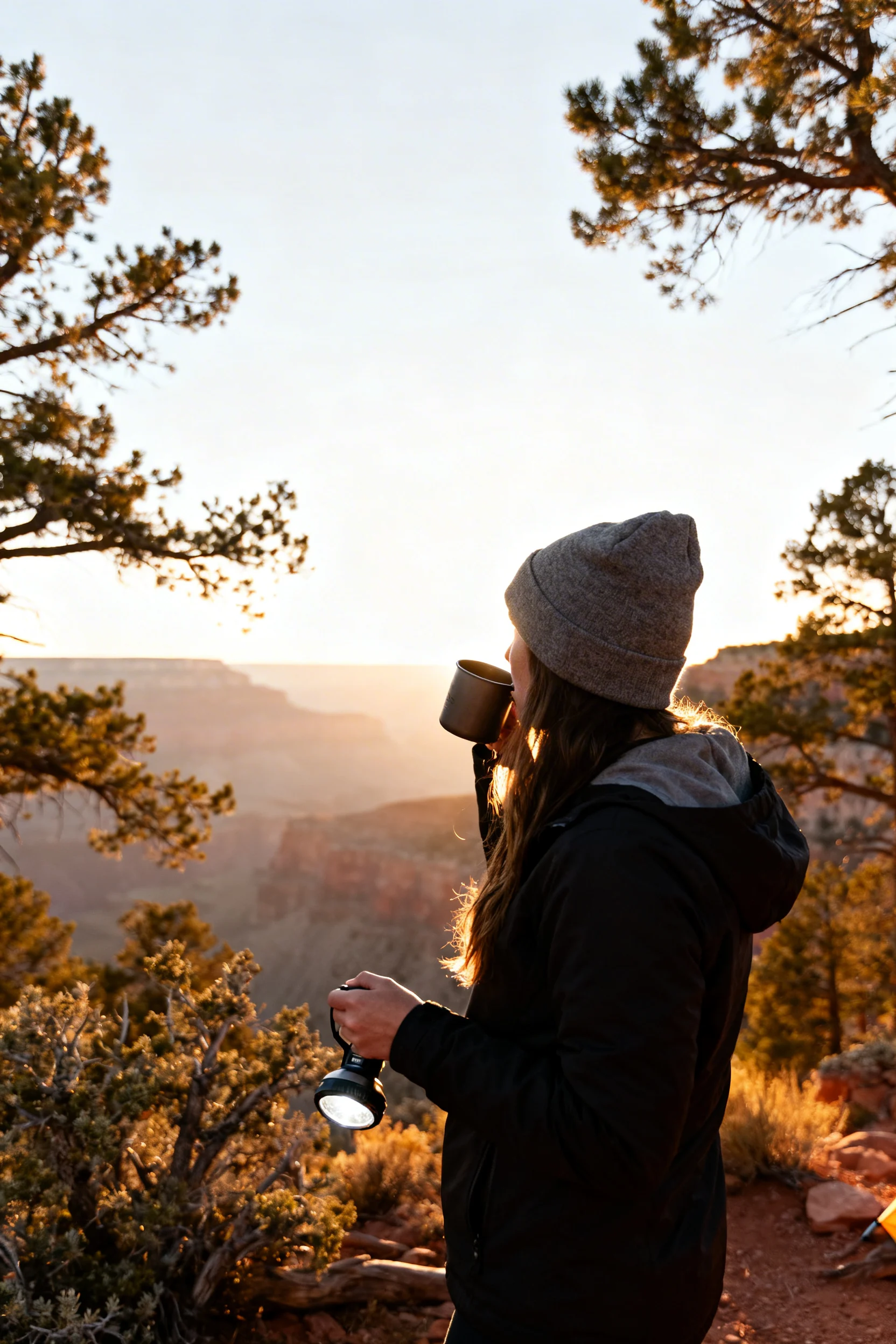
Stay on the South Rim for sunrise and sunset without the long daily drive—this is the move for first-timers. Reserve ahead for spring through fall, and aim for two nights so you’re not rushing. Pack warm layers even in warmer months; rim temps drop fast at night. Use the park shuttle to skip parking drama at the viewpoints.
8) Blackwoods Campground (Acadia National Park, Maine)
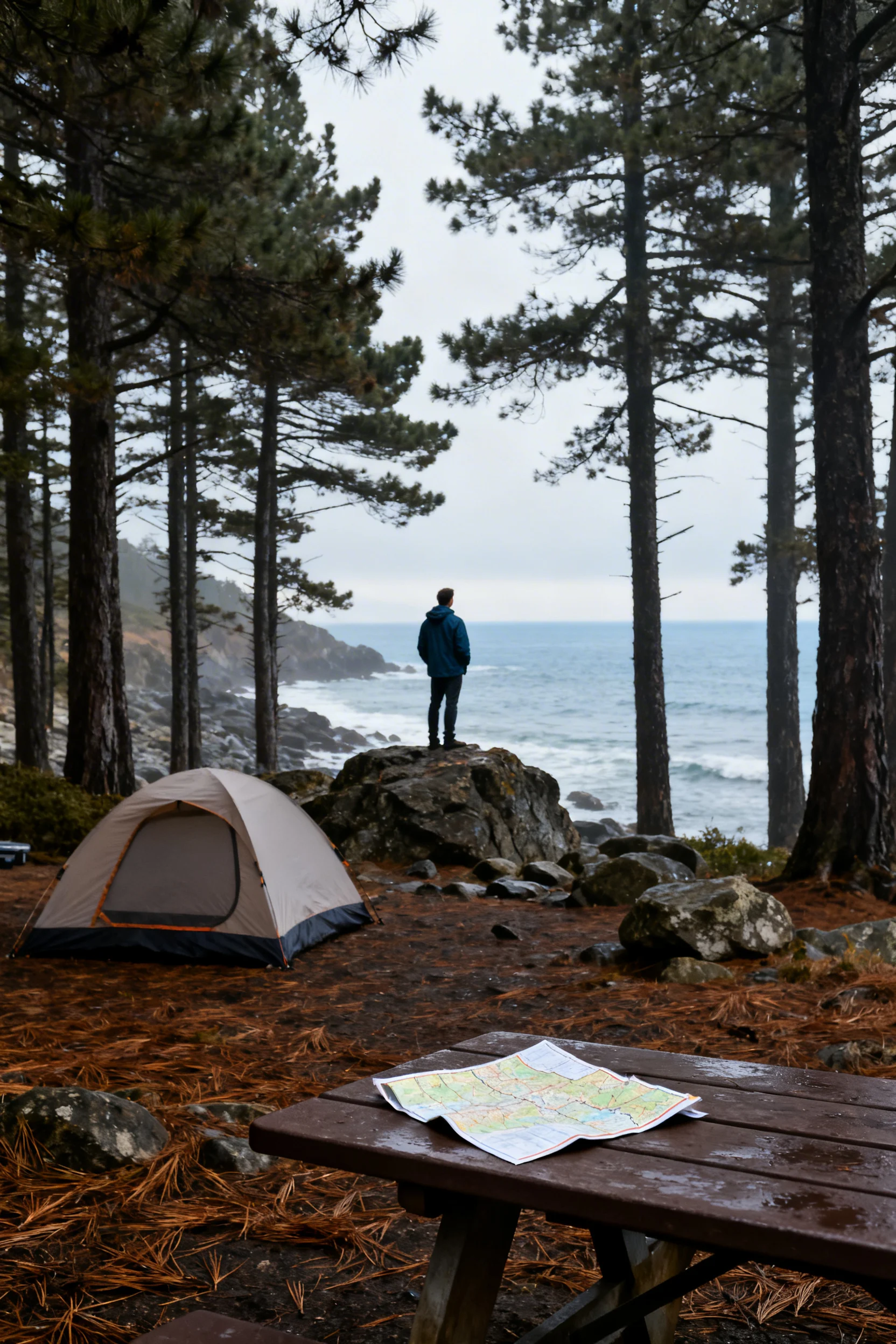
Ocean air, pine forests, and easy access to Acadia’s best drives and hikes make this a standout. Book early for summer and fall foliage season, and plan one sunrise at Cadillac Mountain (you may need a timed entry reservation). Bring a light rain jacket—coastal weather changes quickly. If you want a quieter feel, choose weekdays and explore early in the day.
9) Ruby’s Inn Campground (Near Bryce Canyon, Utah)
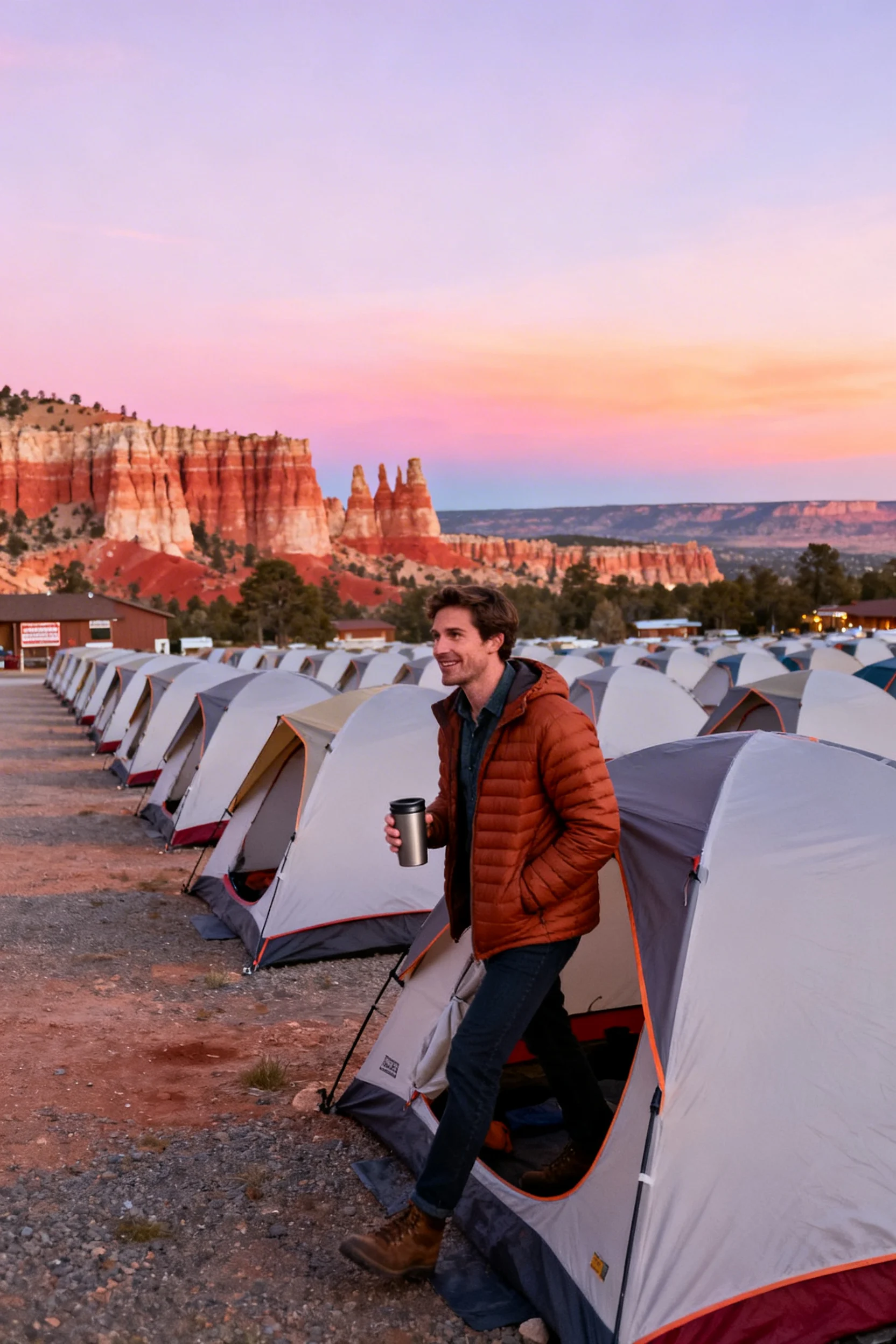
If you want Bryce Canyon views with extra comfort, this private campground is a classic: convenient services, easy logistics, and a short drive to the park entrance. It’s a great pick if you’re road-tripping and want reliable showers and nearby food options. Book ahead during summer, and pack a beanie—Bryce’s elevation means cold nights. Hit the amphitheater viewpoints at sunrise for softer light and fewer crowds.
10) Glacier Bay Lodge & Bartlett Cove Campground (Glacier Bay National Park, Alaska)
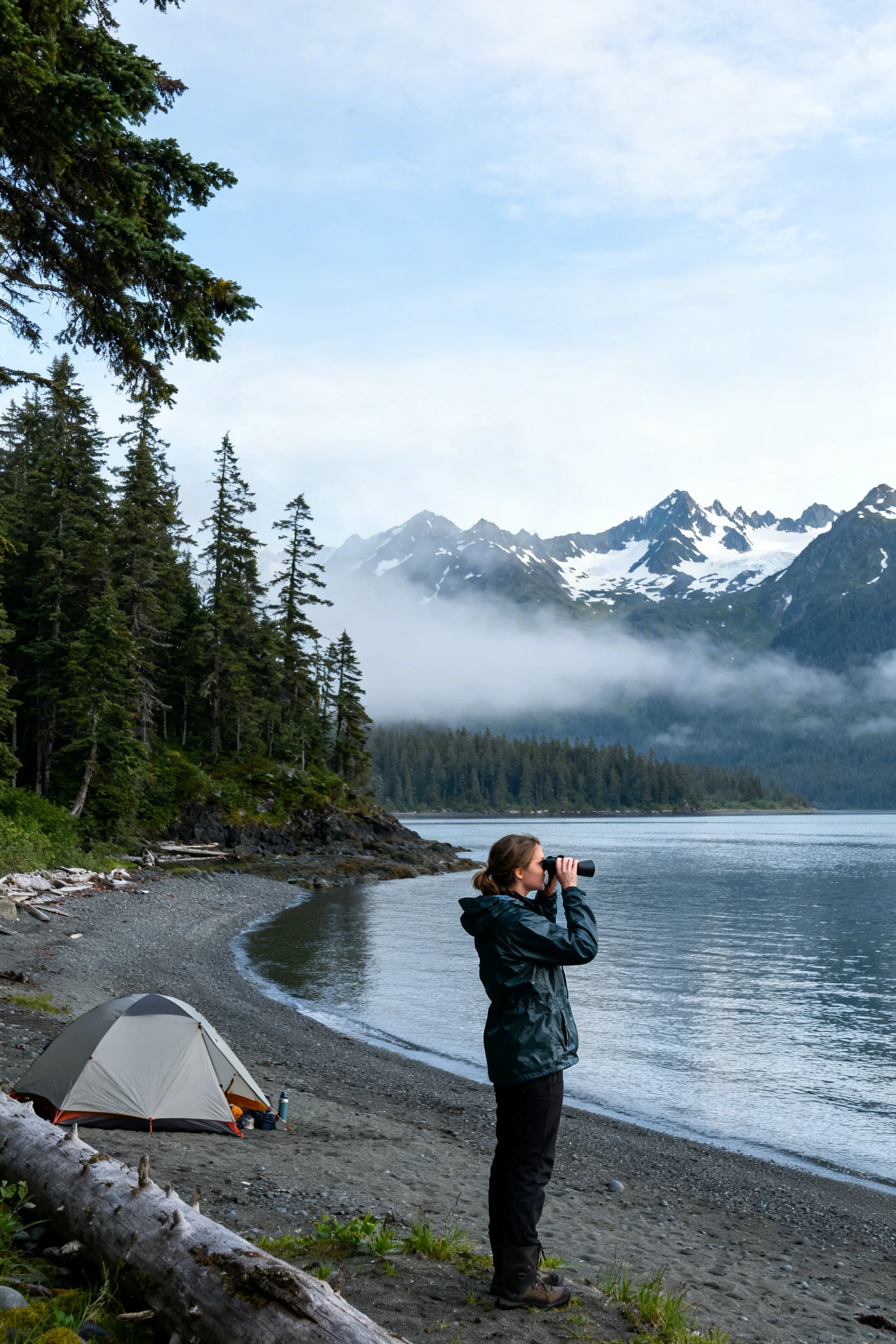
This one is for the “I want Alaska, but I also want it to be doable” crowd—staying near Bartlett Cove puts you close to trails, ranger programs, and epic coastal scenery. Plan flights and ferries early, and build in buffer time for weather. Pack rain gear that actually works (jacket and pants), plus dry bags for boat days. If you can, time your visit for longer daylight in late spring or summer.
FAQ
When should I book these campgrounds?
For national parks, book as soon as the reservation window opens (often 6 months out), especially for summer and holidays. State parks and private campgrounds vary, but the best-view sites typically go first. If you’re flexible, midweek stays and shoulder seasons (spring/fall) are easier to snag.
What amenities should I prioritize as a first-time camper?
Look for potable water, flush toilets, and hot showers if you want the smoothest experience. A camp store nearby helps if you forget something small. If you’re tent camping, also check for shade coverage and site size so you’re not cramped.
Do I need a special vehicle to camp at these places?
No—most of these campgrounds are accessible with a standard car. If you’re bringing an RV or trailer, confirm maximum length and whether hookups are available. For parks with shuttles (like Zion and Yosemite), a smaller vehicle can actually make things easier.
What should I pack for comfort (not just survival)?
Bring a sleeping pad with insulation, a warmer sleeping bag than the forecast suggests, and a camp chair you actually like sitting in. A headlamp, a small table or organizer bin, and pre-made meals make the whole trip feel calmer. Earplugs are underrated at busy campgrounds.
What’s the biggest mistake people make when camping in popular parks?
Trying to do too much in one day and underestimating travel time, parking, and shuttle lines. Pick one “main” hike or viewpoint per day and build the schedule around sunrise or sunset for the best experience. Also, always follow food storage rules—especially in bear country—so you don’t end your trip early.