
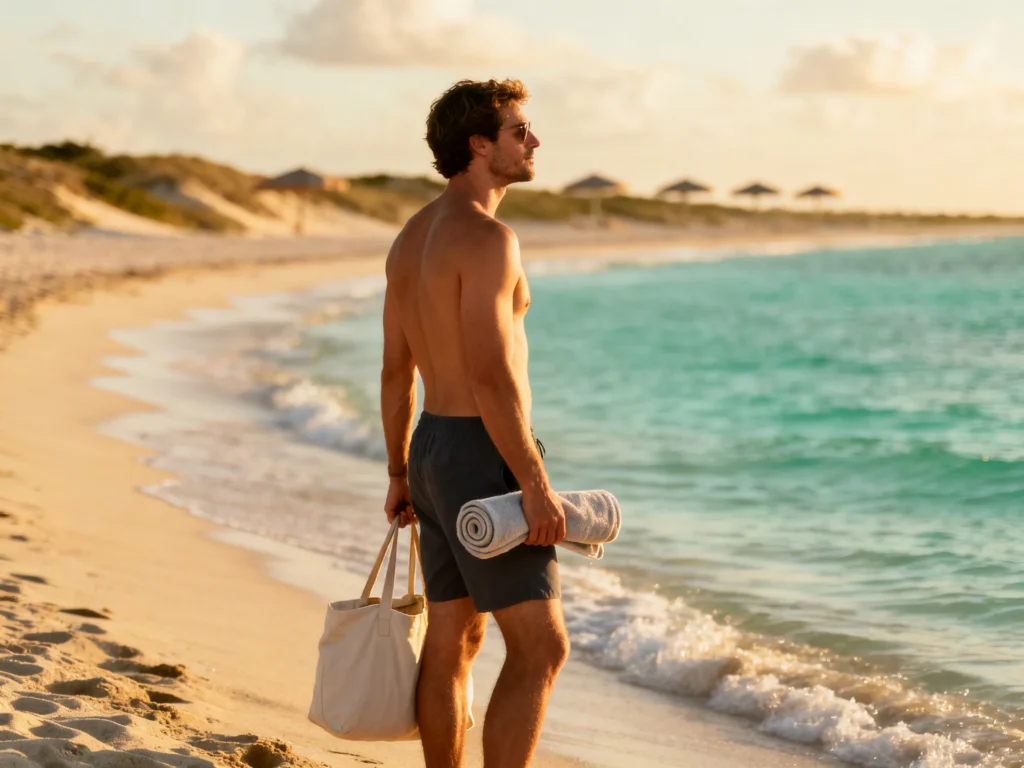
Beach days are easy to romanticize… and surprisingly easy to waste. If you’re trying to level up from “towel + sunscreen” to a summer day that actually feels special, you just need a few unique, doable plans.
These ideas are first-timer friendly, low-stress, and built for real beaches (crowds included). Pick 2–3 for one day, or mix and match for a whole trip.
Top 10
1) Sunrise Coffee + Beach Walk (Before Everyone Shows Up)
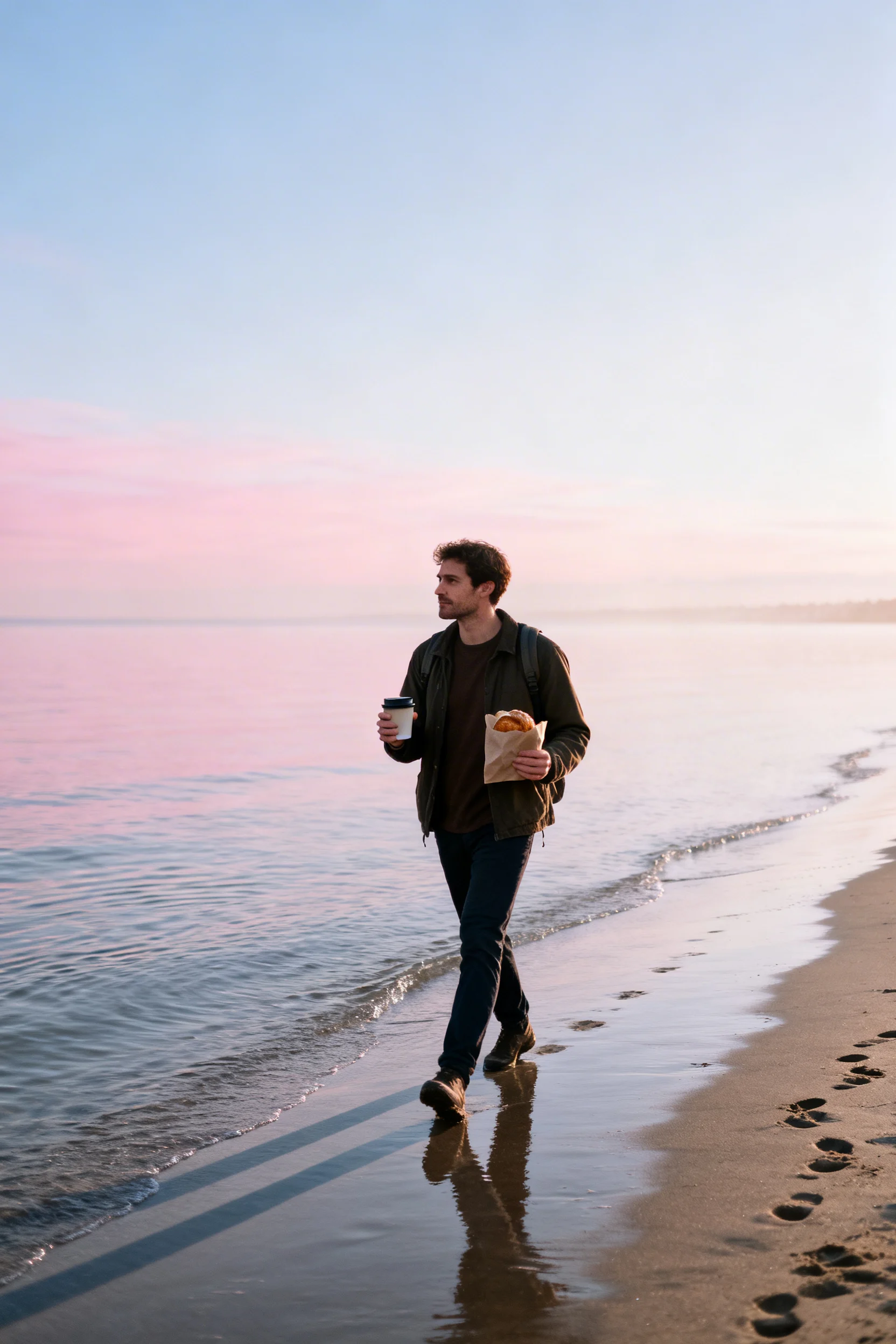
Set one early alarm and thank yourself later: the beach is calm, clean, and way less windy in the morning. Grab coffee and a pastry from a nearby café and walk the shoreline for 30–60 minutes. Pack a light layer, sunglasses, and sandals you don’t mind getting wet. If you’re in a busy beach town, parking is also easier before 9 a.m.
2) Rent a Clear Kayak or Paddleboard for “Aquarium” Views
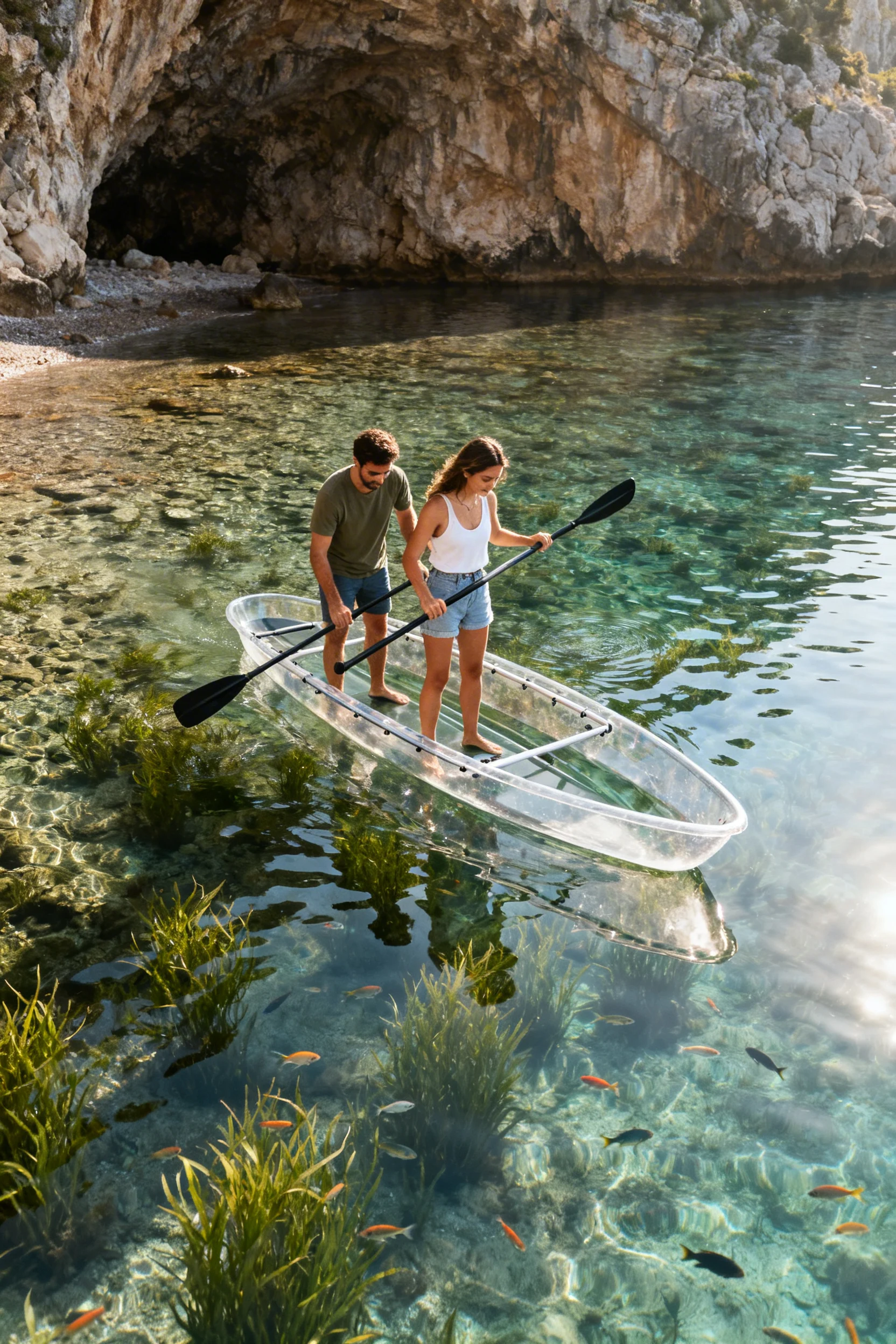
Clear-bottom rentals make even mellow water feel like an experience, especially over rocky coves or seagrass beds. Book a morning slot when the water is usually flatter and visibility is best. Bring a dry bag for your phone, reef-safe sunscreen, and water shoes if the launch is pebbly. If you’re a beginner, choose a protected bay rather than an open-ocean beach.
3) DIY Beach Picnic That Feels Like a Mini Event
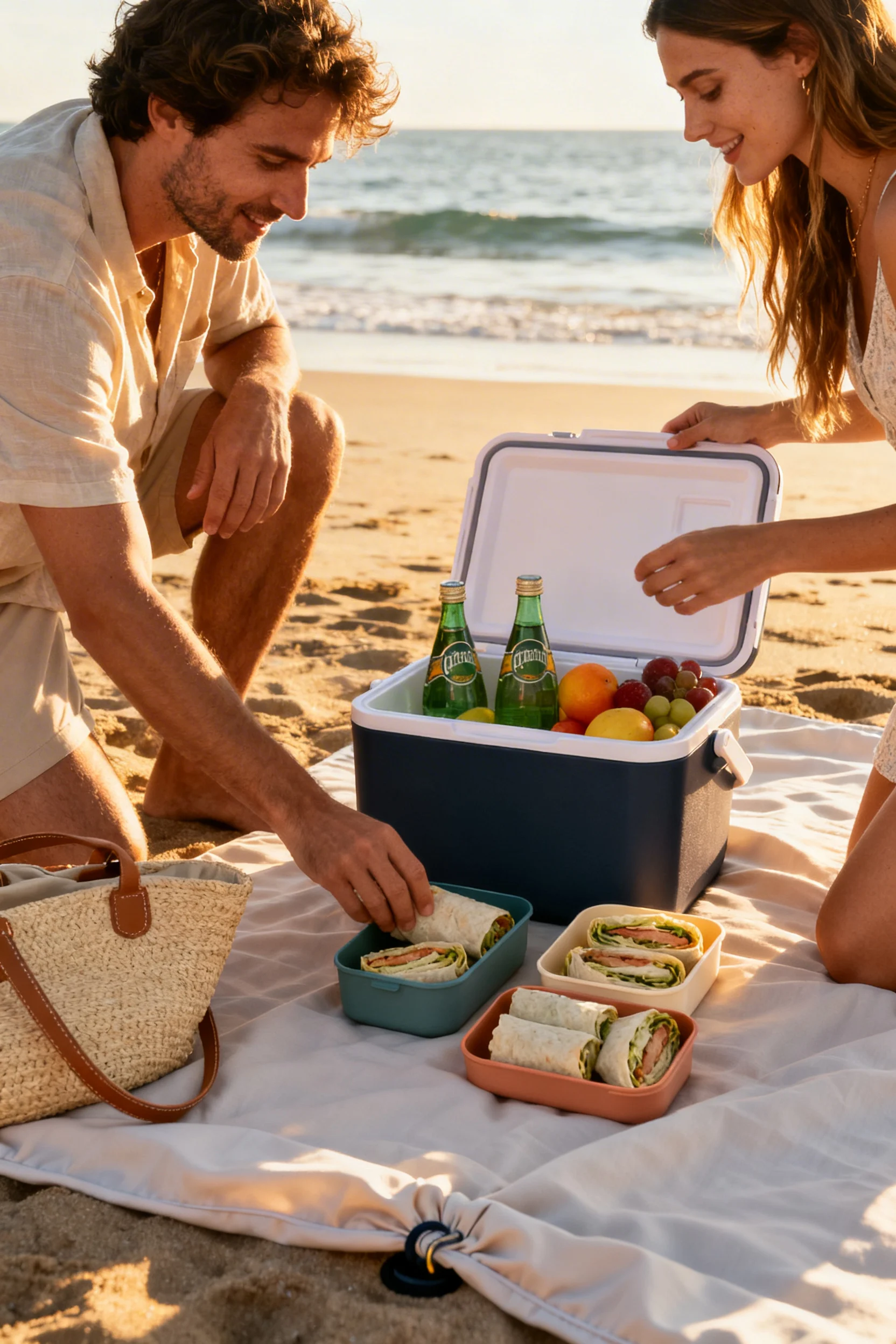
Upgrade lunch by packing it like you’re hosting: think wrap sandwiches, fruit, chips, and sparkling drinks in a small cooler. Bring a picnic blanket plus a fitted sheet to anchor with your bag in the corners (it helps block sand). Stop at a local market near the beach instead of a chain store for easier, fresher grab-and-go. Aim to eat before peak heat so the food stays happy.
4) Sandcastle “Architecture Challenge” (Adults Included)
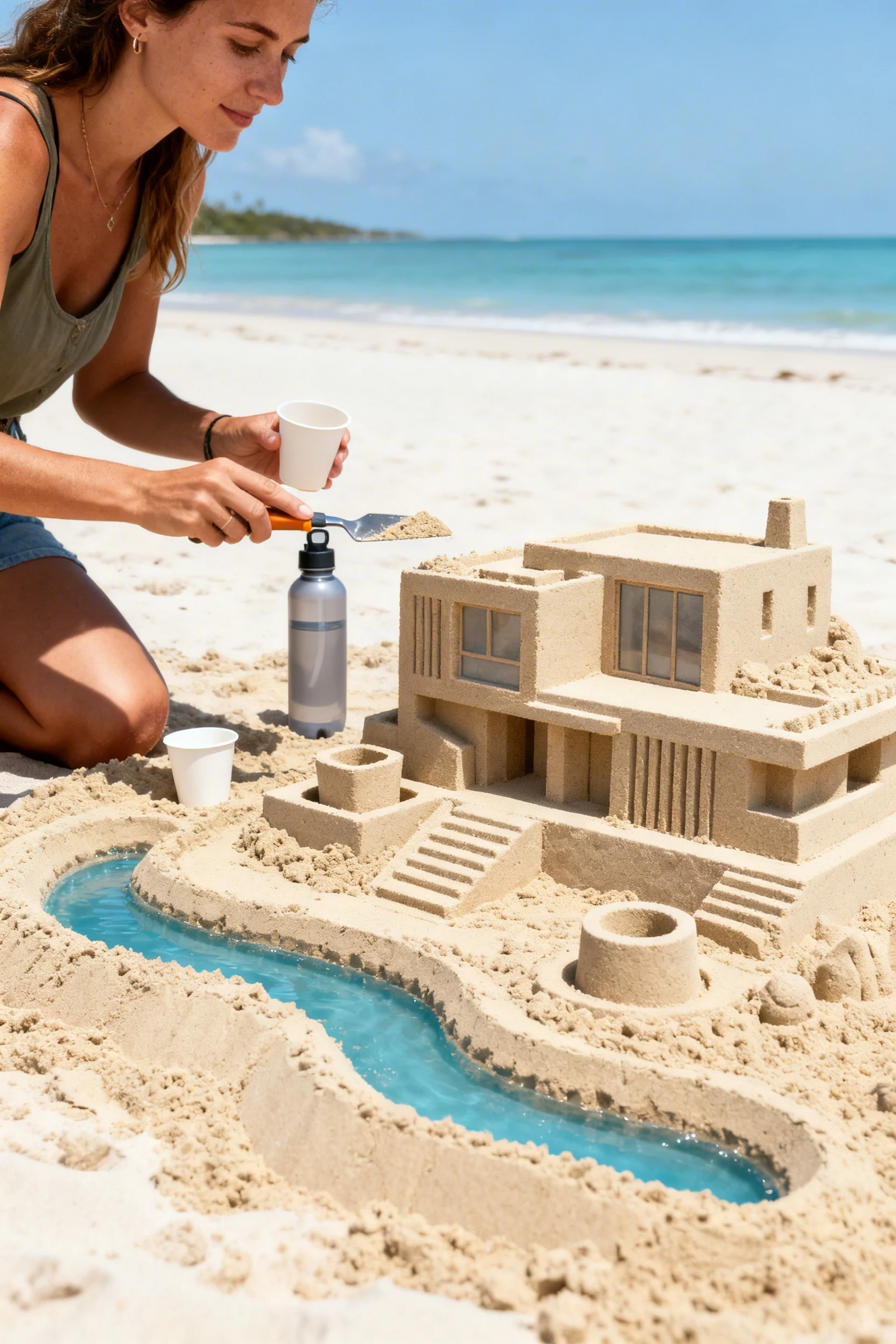
Make it fun by choosing a theme—tiny beach café, modern villa, or a castle with a moat—and set a 45-minute timer. Pack a small trowel, a reusable water bottle for dampening sand, and a few cups/containers for clean shapes. The best sand is near the waterline where it’s damp but not collapsing. Go when the tide is going out so your masterpiece lasts longer.
5) Tide Pool Treasure Hunt (The Low-Key Nature Adventure)
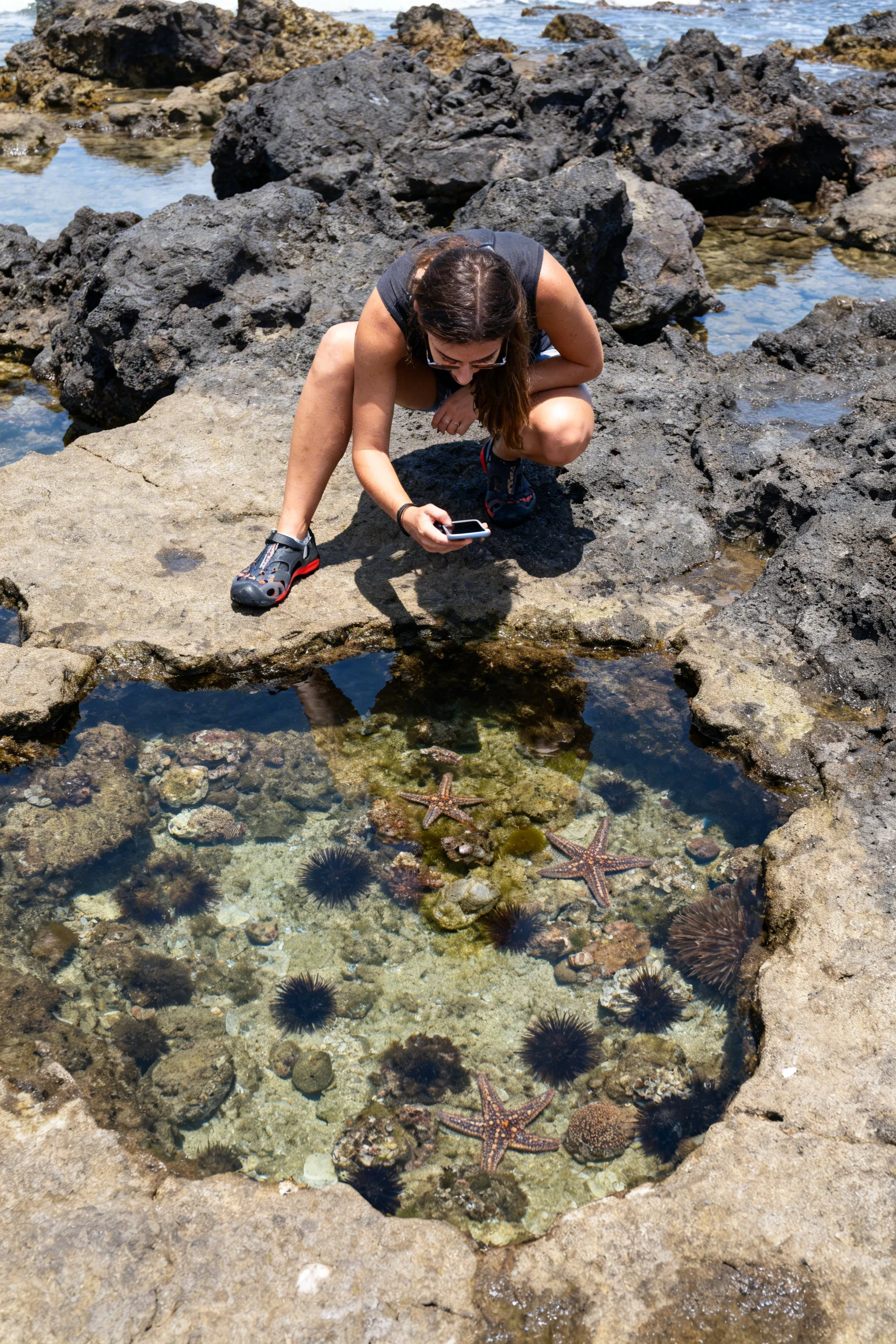
Look up the tide chart and go at low tide for the best pools and safest footing. Wear water shoes or sturdy sandals, and step on bare rock—not on seaweed-covered areas that can be slick. Bring a phone zoom lens or binoculars for details instead of touching wildlife. Choose beaches with rocky edges or coves; long sandy stretches rarely have great tide pools.
6) Sunset Bonfire Night (With the Right Permits)
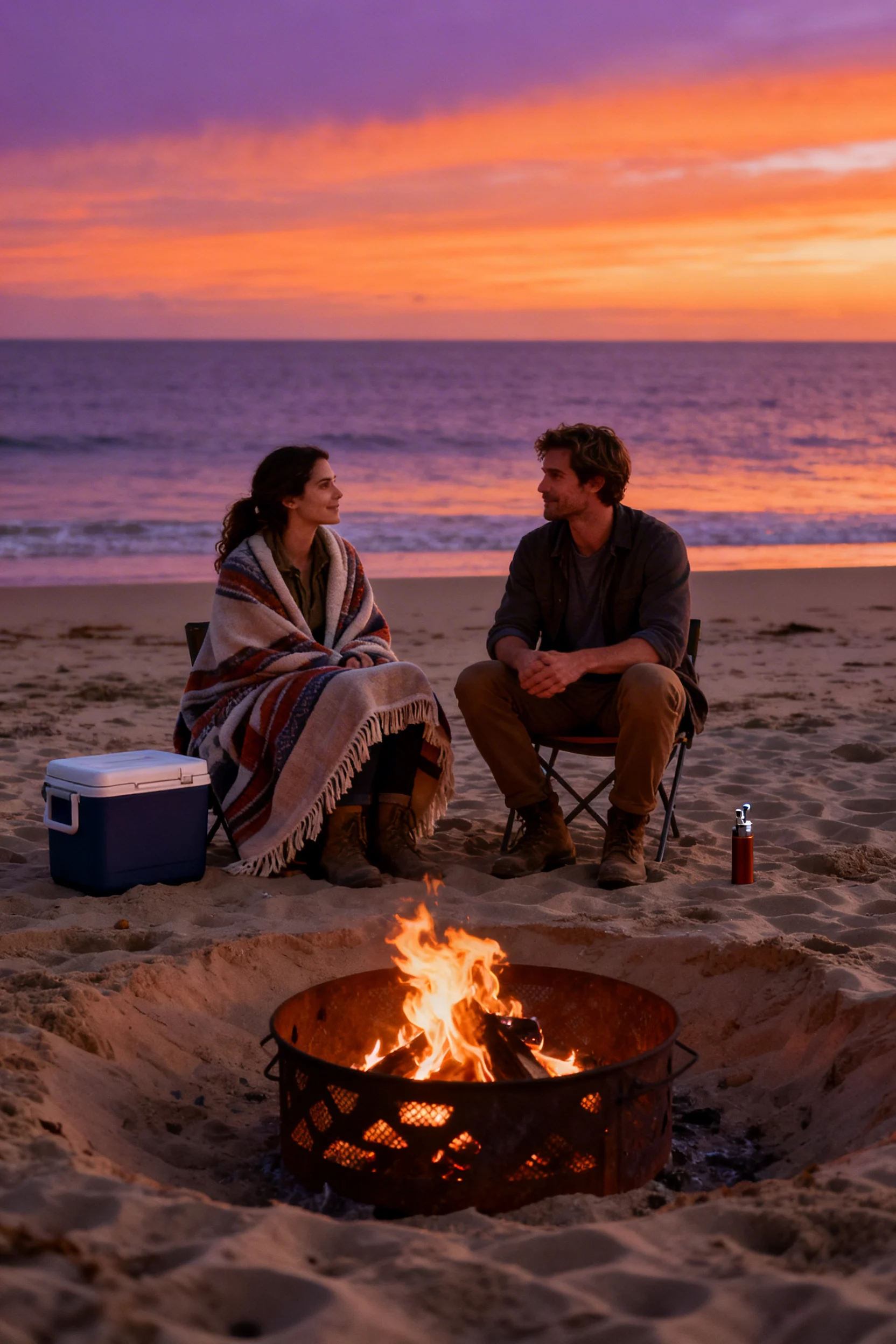
If your beach allows fires, this is the ultimate “perfect summer day” closer—just check local rules first (some require permits, specific fire rings, or no fires on windy days). Pack a windproof lighter, a blanket, and easy snacks like s’mores supplies or skewers. Arrive before sunset to claim a legal fire pit and avoid scrambling in the dark. Bring a trash bag and leave the area cleaner than you found it.
7) Beach Bike Cruise to a New Neighborhood
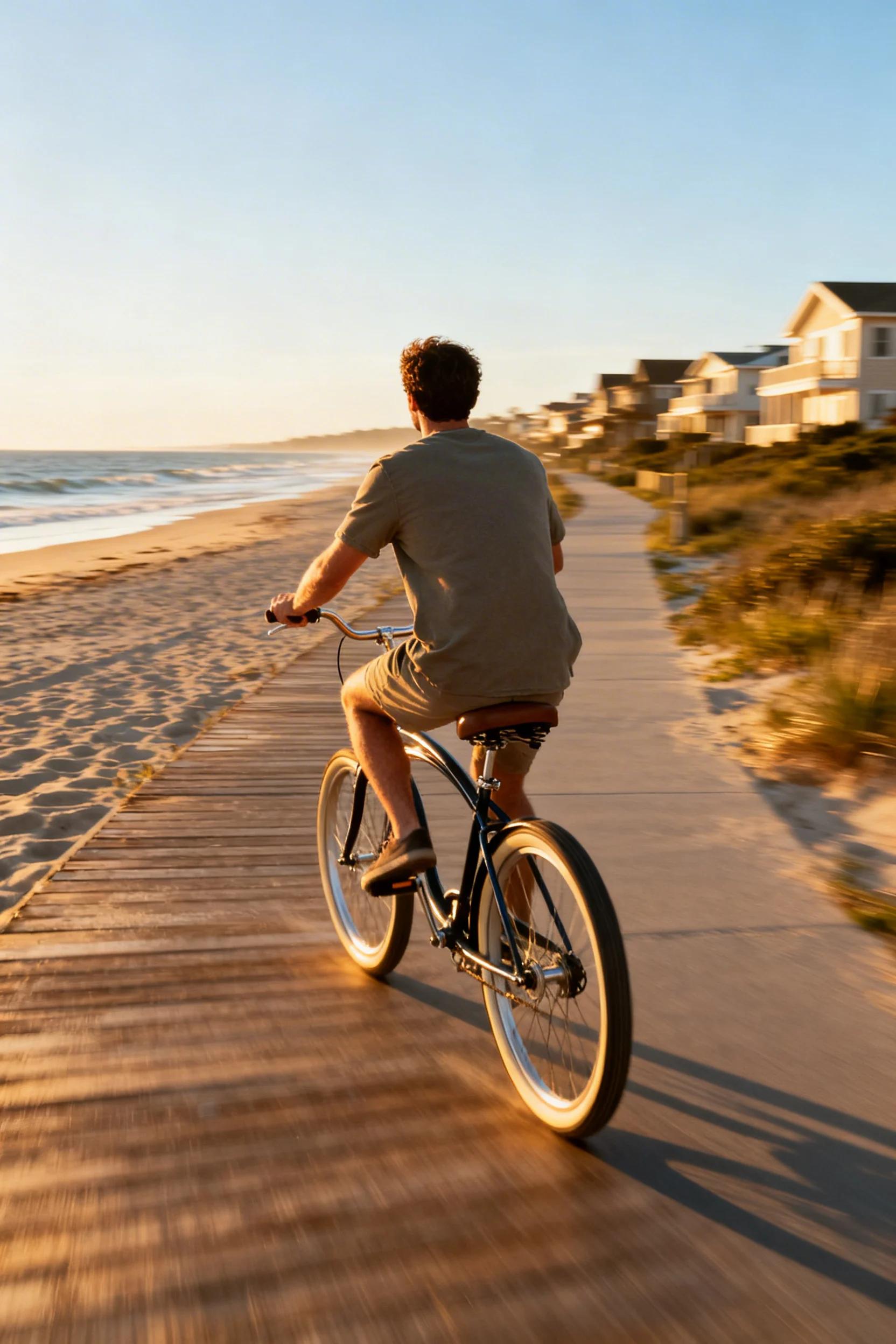
Rent bikes near the boardwalk or coastal path and plan a ride to a different beach access point or nearby neighborhood for lunch. Go late morning or golden hour to dodge midday heat and crowds. Pack a small lock, sunscreen, and a crossbody bag so you’re not juggling stuff. If you’re traveling, ask your rental shop for the flattest, safest route (they always know).
8) Snorkel a Calm Cove (No Fancy Gear Needed)
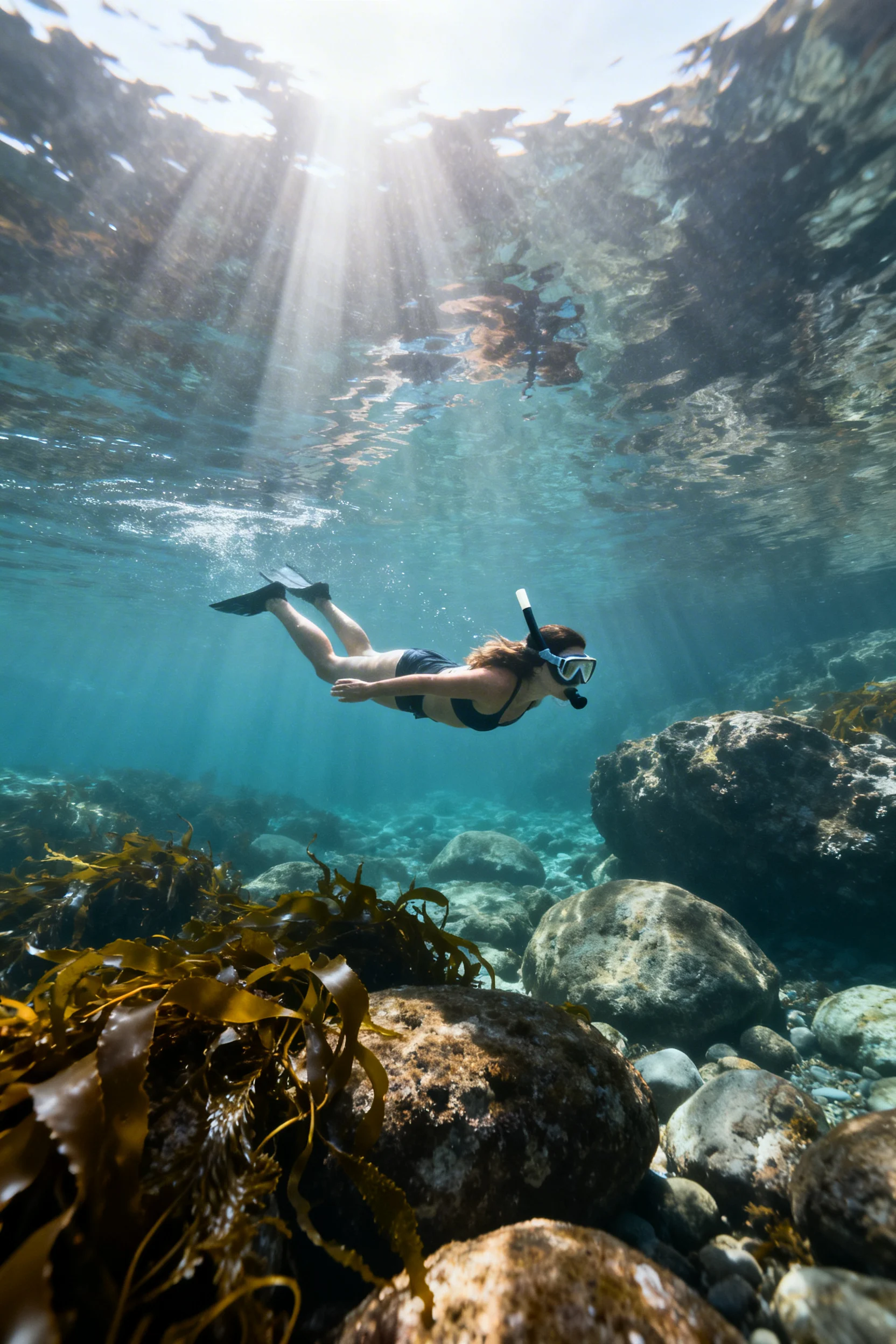
Pick a sheltered cove with clear water and minimal waves—this matters more than having the most expensive mask. Rent gear locally so you don’t haul it on a plane, and do a quick seal test before you get in. Bring defog solution (or baby shampoo), and wear a rash guard for sun protection. Start near rocks where fish like to hang out, but keep a respectful distance.
9) Create a “Beach Day Bingo” for Your Group
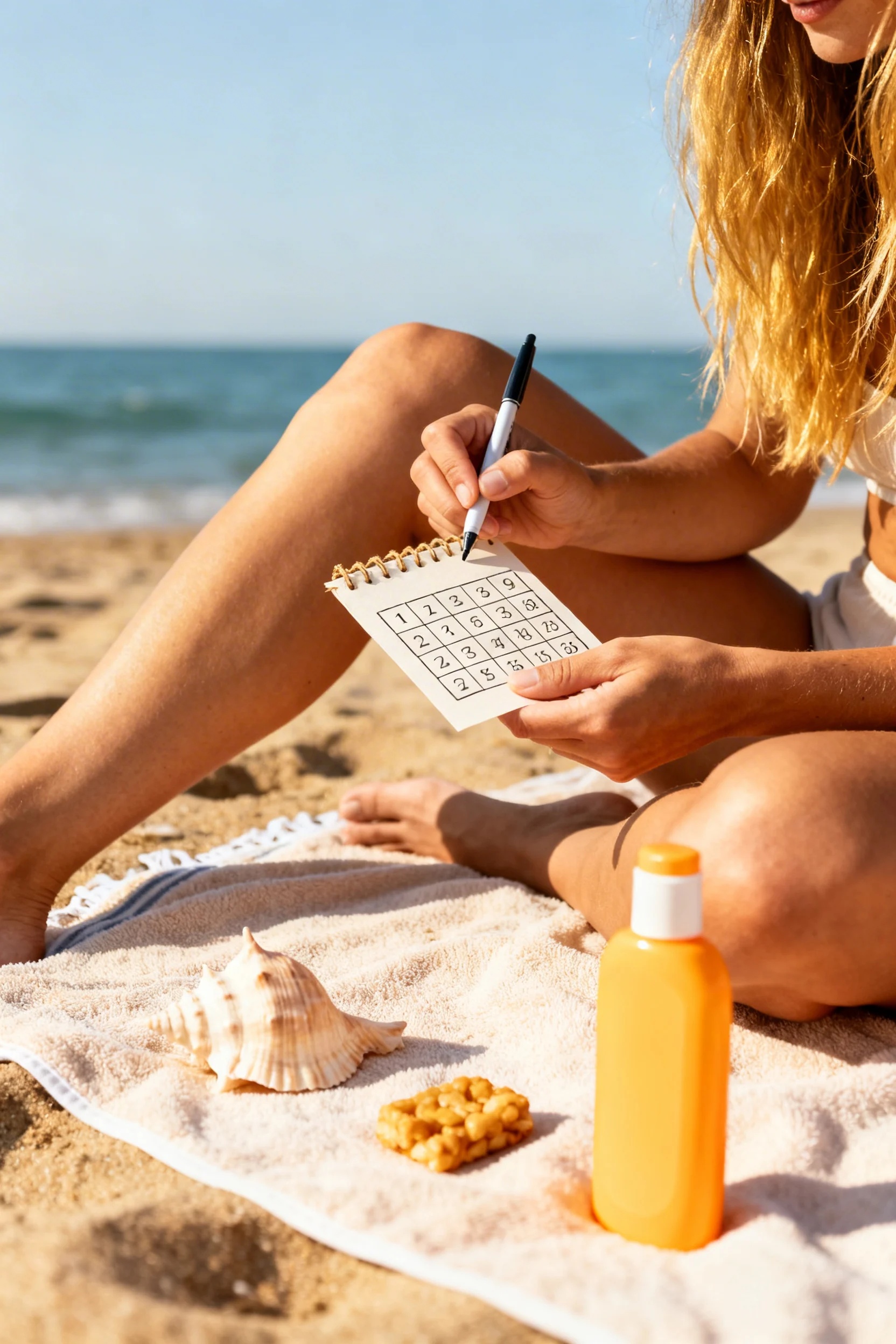
This is the easiest way to make a basic beach day feel like an activity: write a simple bingo card with things like “find a perfect shell,” “spot a pelican,” “try a new snack,” or “take a jumping photo.” Keep prizes small—ice cream run, choosing dinner, or playlist control. It’s especially great for mixed-age groups where not everyone wants to swim. Pack a pen, and keep cards on a clipboard so the wind doesn’t win.
10) Golden Hour Photo Walk + Post-Beach Shower Plan
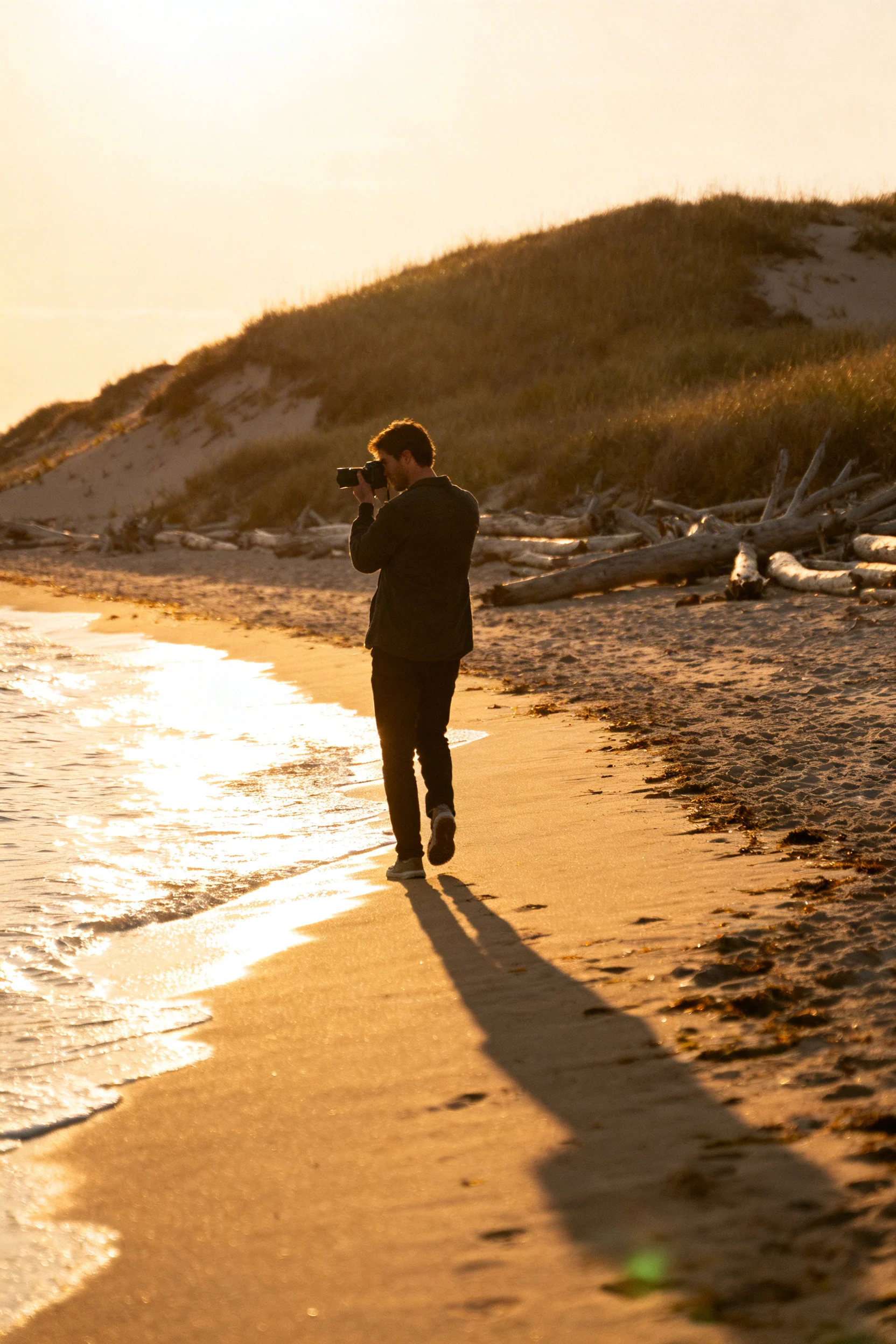
Golden hour (about an hour before sunset) is the most flattering light, and it turns even simple beaches into postcard content. Walk a few blocks away from the busiest access point for cleaner backgrounds and fewer people. Plan your “after” in advance: know where the public showers are, bring a change of clothes, and stash a microfiber towel in the car. Bonus points if you end with tacos or seafood nearby so you don’t go home sandy and hungry.
FAQ
What should I pack for a beach day beyond the basics?
Add a small cooler, a microfiber towel, a light layer for wind, water shoes (especially for rocky beaches), and a dry bag for your phone. If you’re doing activities, toss in a snorkel mask or goggles, plus a portable charger. Always pack more water than you think you’ll need.
How do I choose the best time of day for the beach?
For calm vibes and easy parking, go early (sunrise to mid-morning). For warm water and full energy, aim for late morning to mid-afternoon, but expect crowds. For the prettiest light and cooler temps, plan for golden hour and sunset.
Do I need to book beach activities ahead of time?
In peak summer, yes—especially for clear kayaks, paddleboards, and bikes in popular beach towns. Reserve at least 24–72 hours ahead on weekends. If you’re winging it, arrive when shops open for the best chance at walk-up rentals.
What are the easiest unique beach activities for first-timers?
Try a sunrise walk, a picnic, tide pooling at low tide, or a bike cruise—these don’t require skills or perfect ocean conditions. If you want something on the water, choose a protected bay for your first paddleboard or kayak session. Keep it simple and stack just two activities for a relaxed day.
How can I avoid crowds at popular beaches?
Use a less-famous access point a few blocks away from the main entrance, and go early or near sunset. Weekdays are usually calmer than weekends. If you have a car, ask locals (or your hotel host) for a nearby cove or neighborhood beach with limited parking—those tend to stay quieter.