
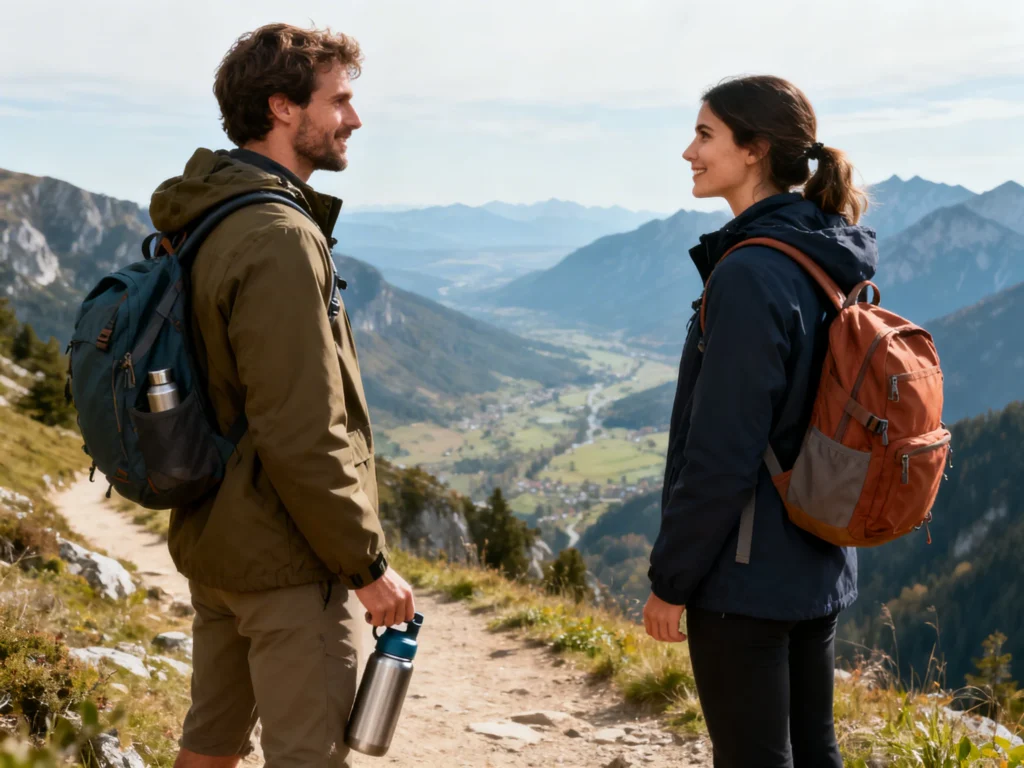
Outdoor trips are supposed to feel freeing—not like a string of small inconveniences you didn’t plan for. A few smart essentials can turn “we’ll figure it out” into “we’re actually enjoying this.”
These are my go-to outdoor travel needs for hiking, national parks, road trips, beach days, and everything in between—especially if you’re a first-timer who wants to be comfortable without overpacking.
Top 10
1) Lightweight Daypack (15–25L)
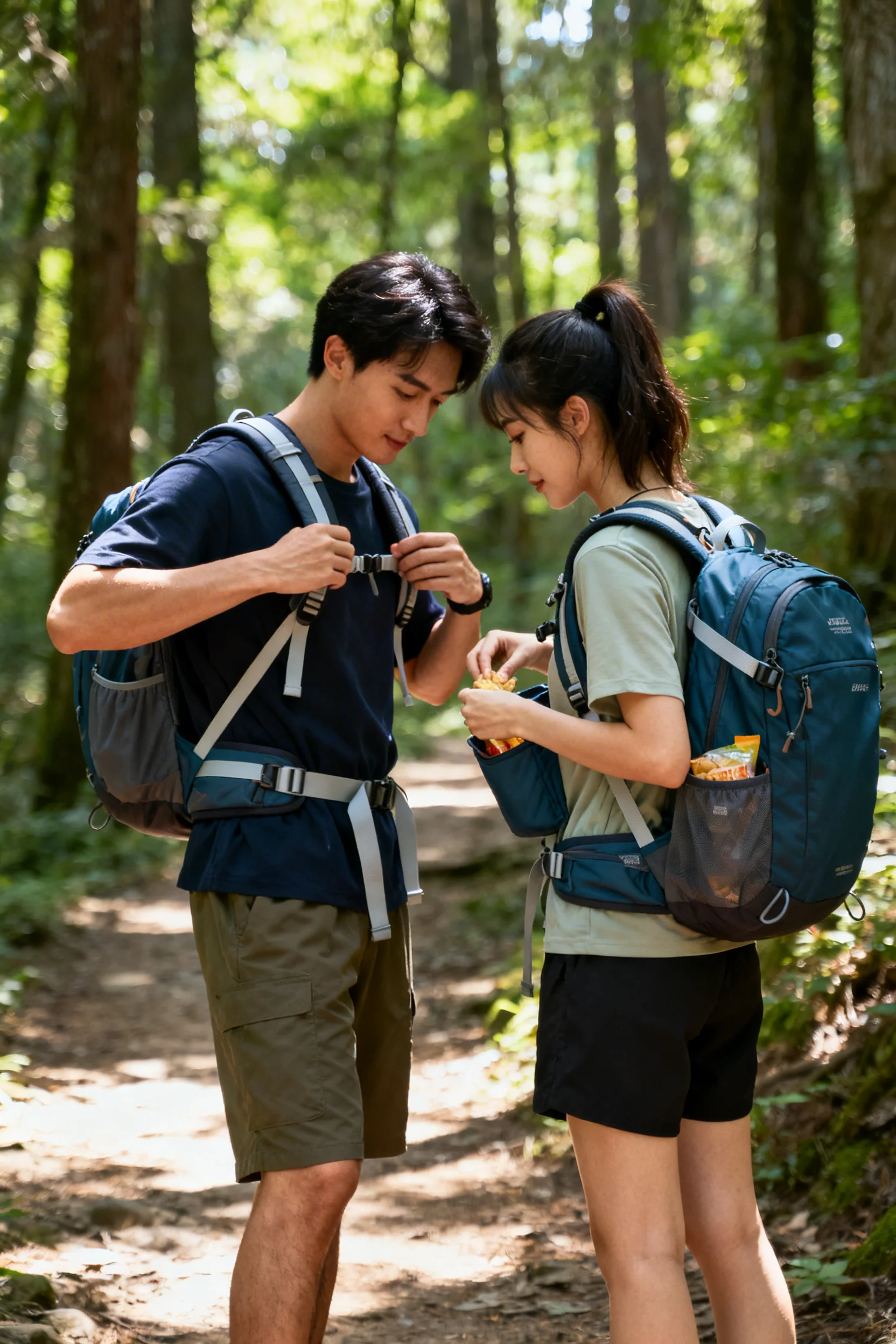
A small daypack keeps your hands free and your essentials organized, which matters more than you think on long trails or city-to-nature days. Aim for 15–25L with comfy straps and a couple of quick-access pockets. Pack it the night before with your water, snacks, layers, and charger so you can start early without rummaging. If you’re flying, this also doubles as your personal item.
2) Refillable Water Bottle or Hydration Reservoir
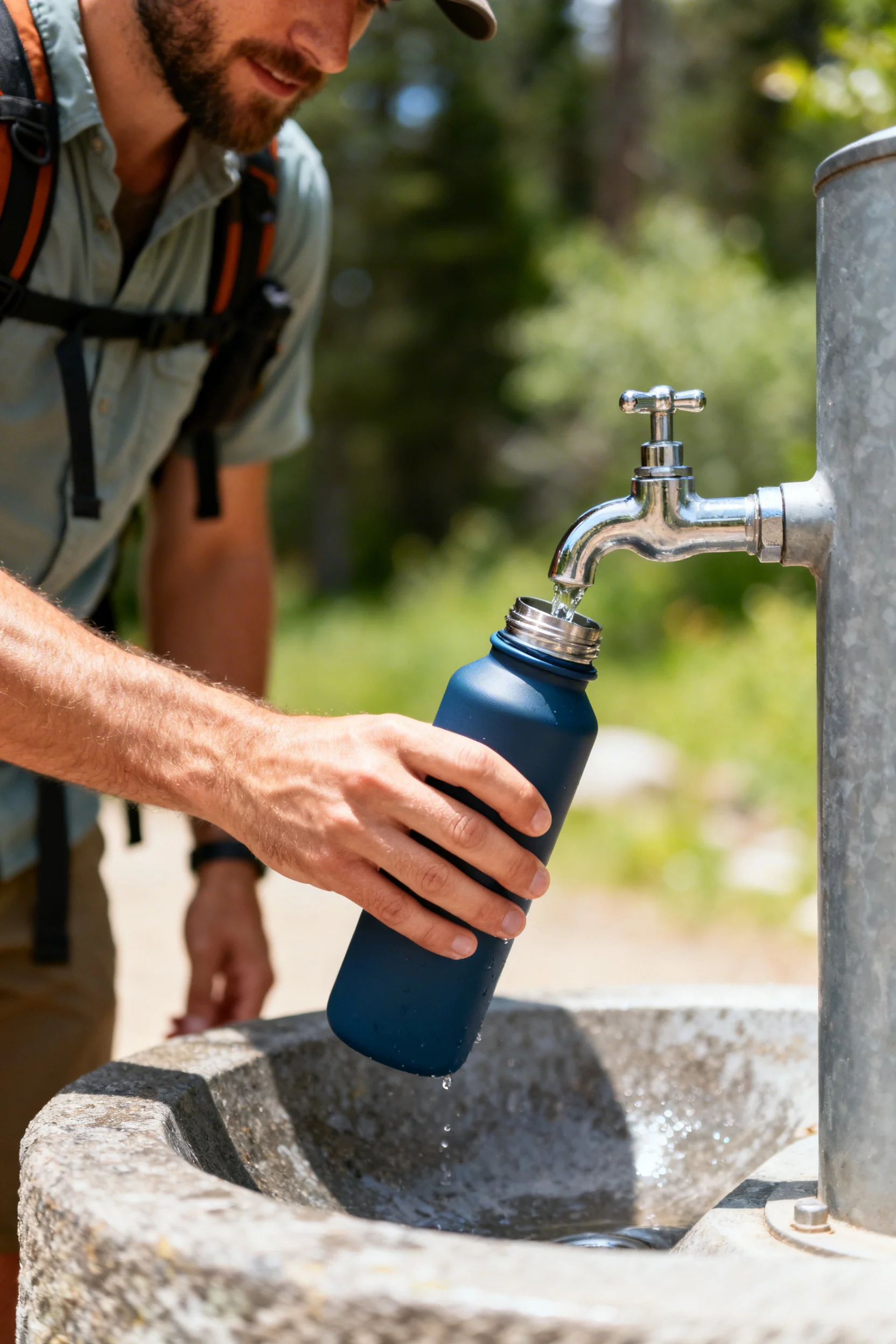
Staying hydrated is the easiest way to avoid headaches, fatigue, and that “why am I cranky?” mood halfway through the day. Bring a refillable bottle and check your route for water refill stations, visitor centers, or trailheads with faucets before you go. In hotter destinations, add electrolyte packets to your bag and use them after sweaty hikes. If you like sipping while walking, a hydration reservoir is a game-changer.
3) Comfortable, Broken-In Walking Shoes
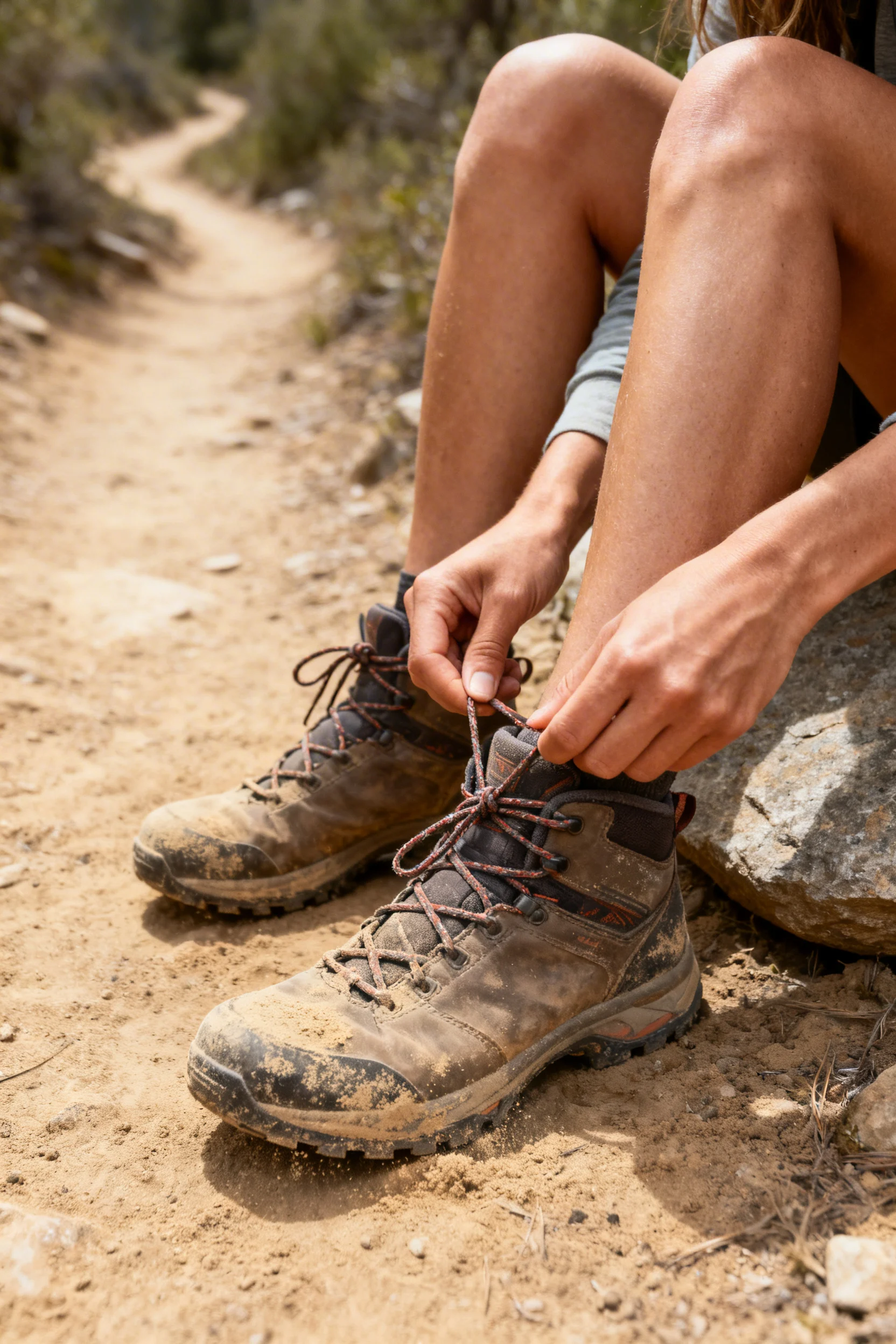
New shoes on a trip are basically a blister subscription—break them in at home with a few longer walks first. Match your footwear to the terrain: trail runners for most hikes, hiking boots for rocky or wet trails, and grippy sandals for beach-and-town days. Pack blister bandages or moleskin just in case, and keep a spare pair of socks in your daypack. If you’re doing national parks, prioritize traction over style.
4) Weather-Ready Layers (Packable Rain Jacket + Warm Layer)
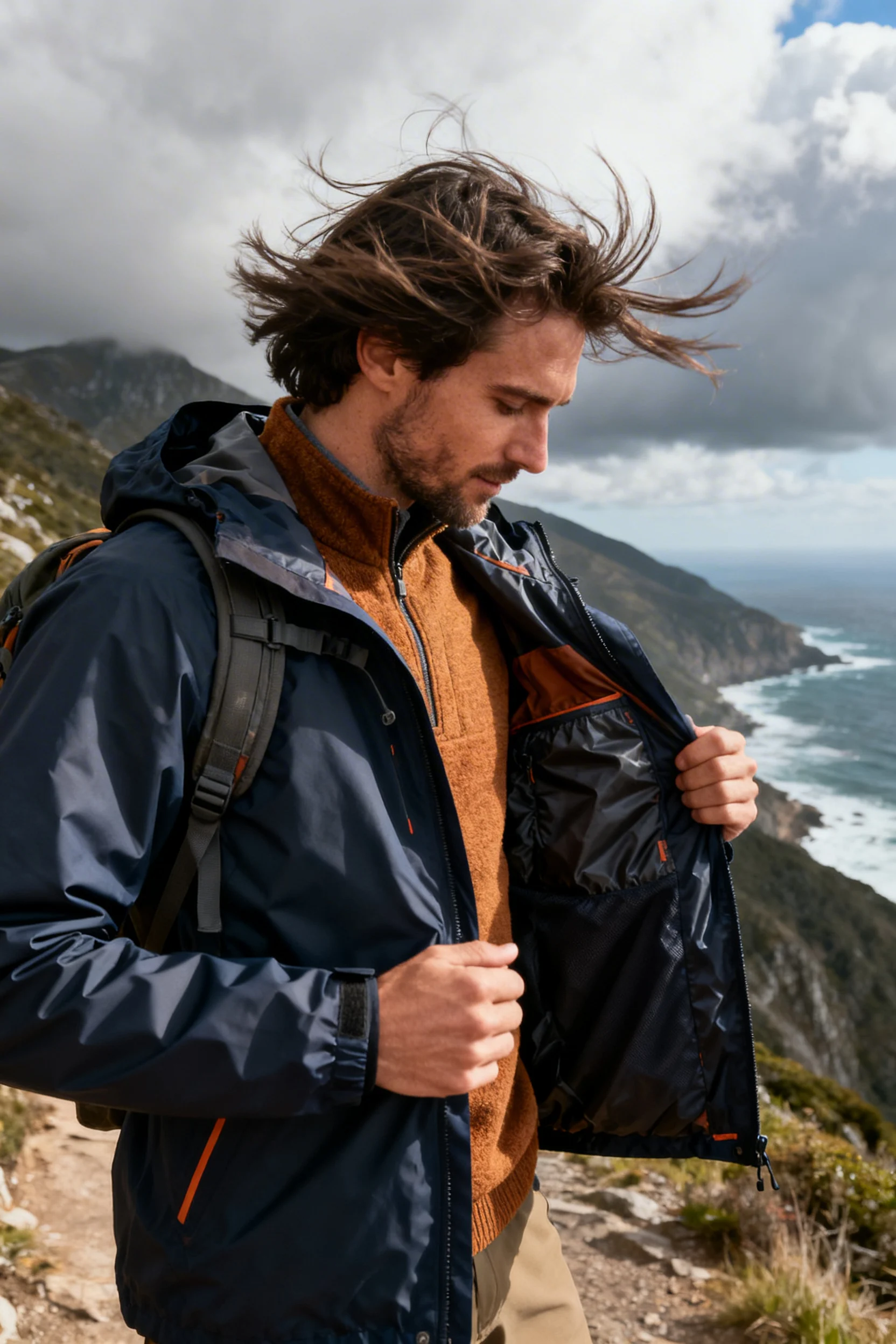
Outdoor weather changes fast, especially near mountains, coasts, and deserts after sunset. A packable rain jacket plus a warm mid-layer (fleece or light puffer) covers most surprises without taking over your bag. Check the hourly forecast the night before, not just the daily high, and plan your longest outing around the most stable window. If you’re road-tripping, keep these layers within reach—not buried in your trunk.
5) Sun Protection Kit (SPF, Hat, Sunglasses)
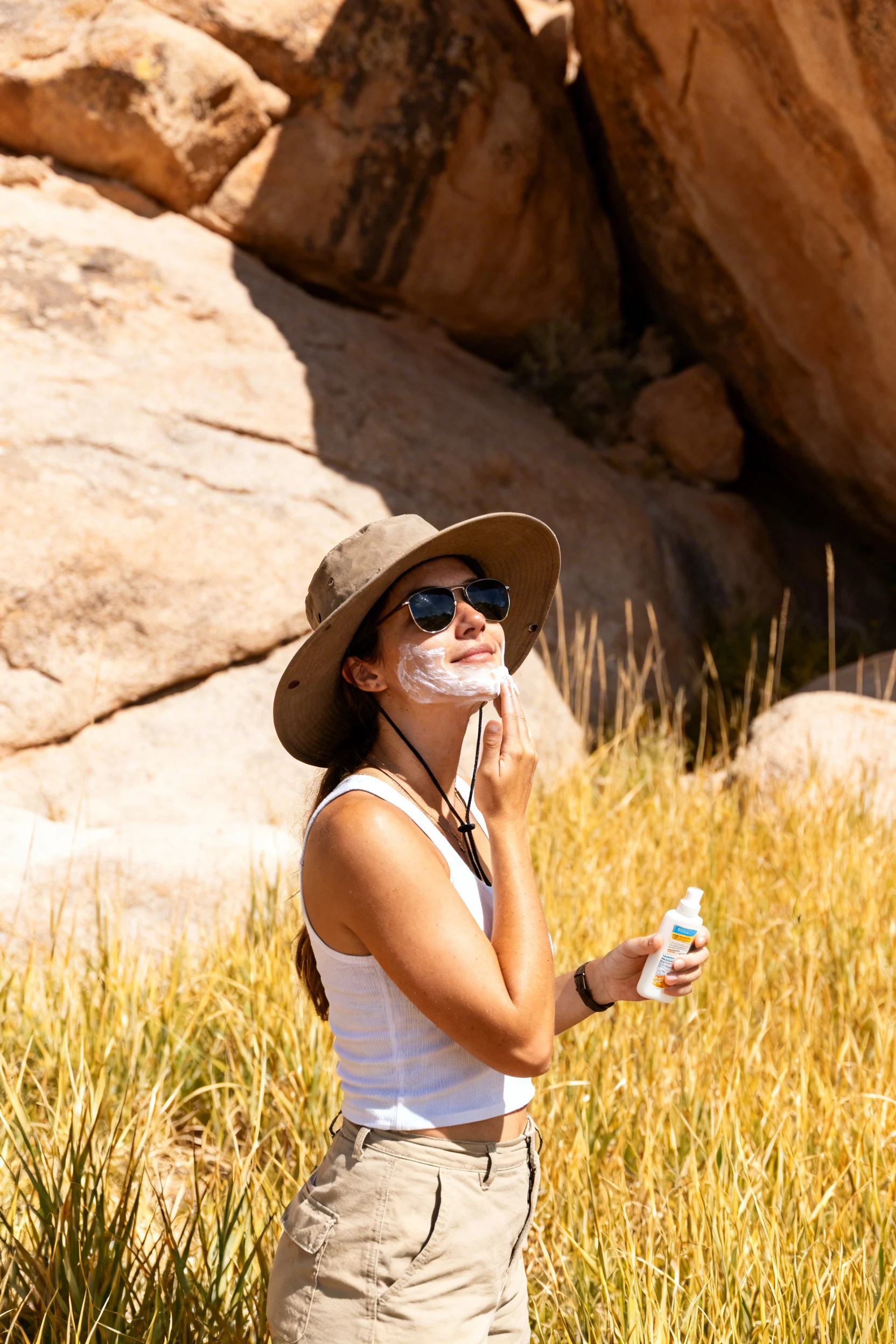
Sun hits harder outdoors, even when it’s cloudy or breezy, and a burn can ruin day two of your trip. Bring SPF you’ll actually reapply (stick sunscreen is clutch on the go), plus a hat and polarized sunglasses for long drives, water activities, and bright trails. Reapply every two hours, and more often if you’re swimming or sweating. If you’re headed to high elevation, take sun protection extra seriously.
6) Power Bank + Short Charging Cable
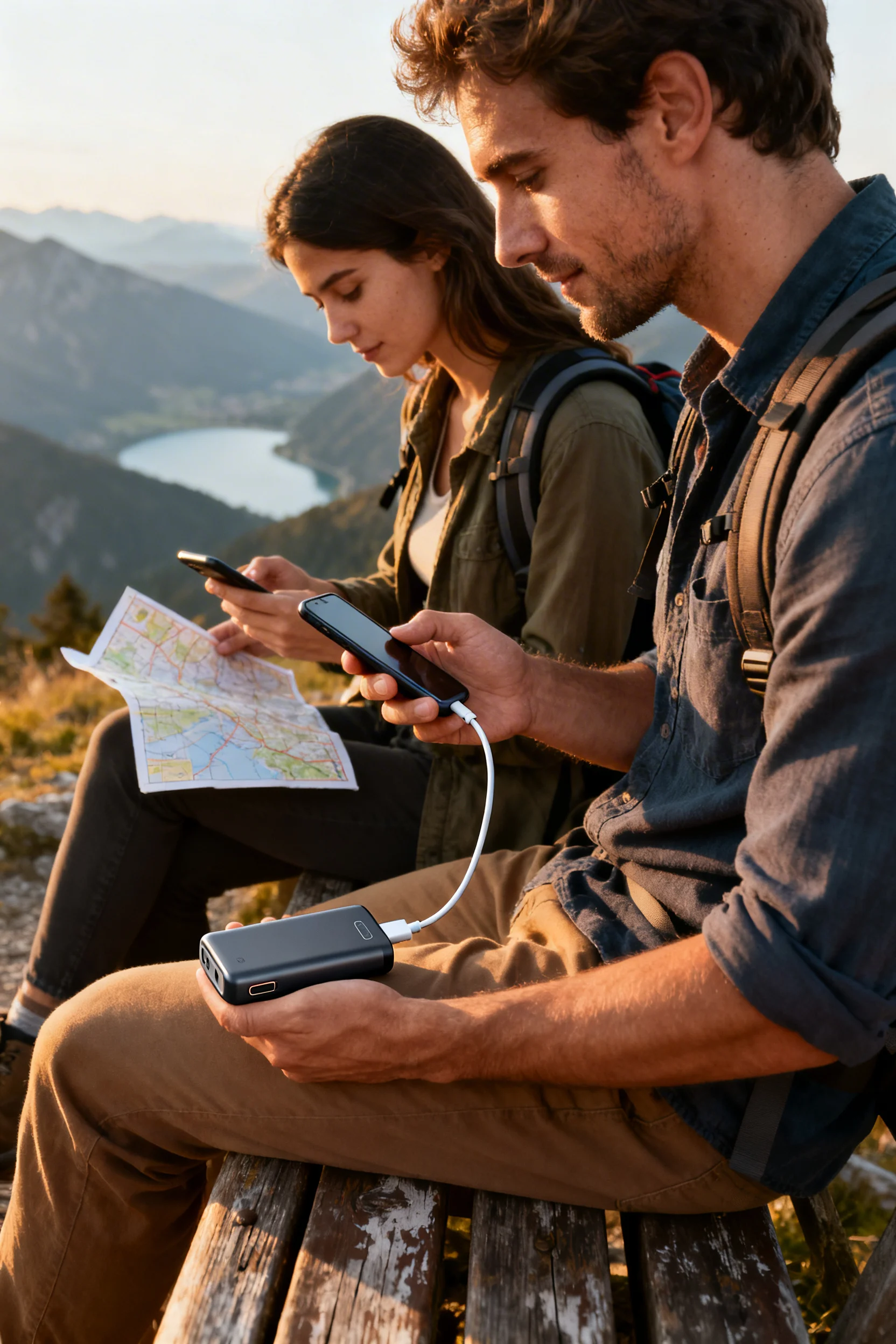
Between maps, photos, reservation confirmations, and emergencies, your phone is basically your outdoor control center. A power bank keeps you from running on 8% battery while trying to find the trailhead parking. Pack a short cable so it doesn’t tangle, and charge the power bank nightly like it’s part of your routine. If you’re camping or doing long drives, consider a car charger too.
7) Offline Maps + A Simple Navigation Backup
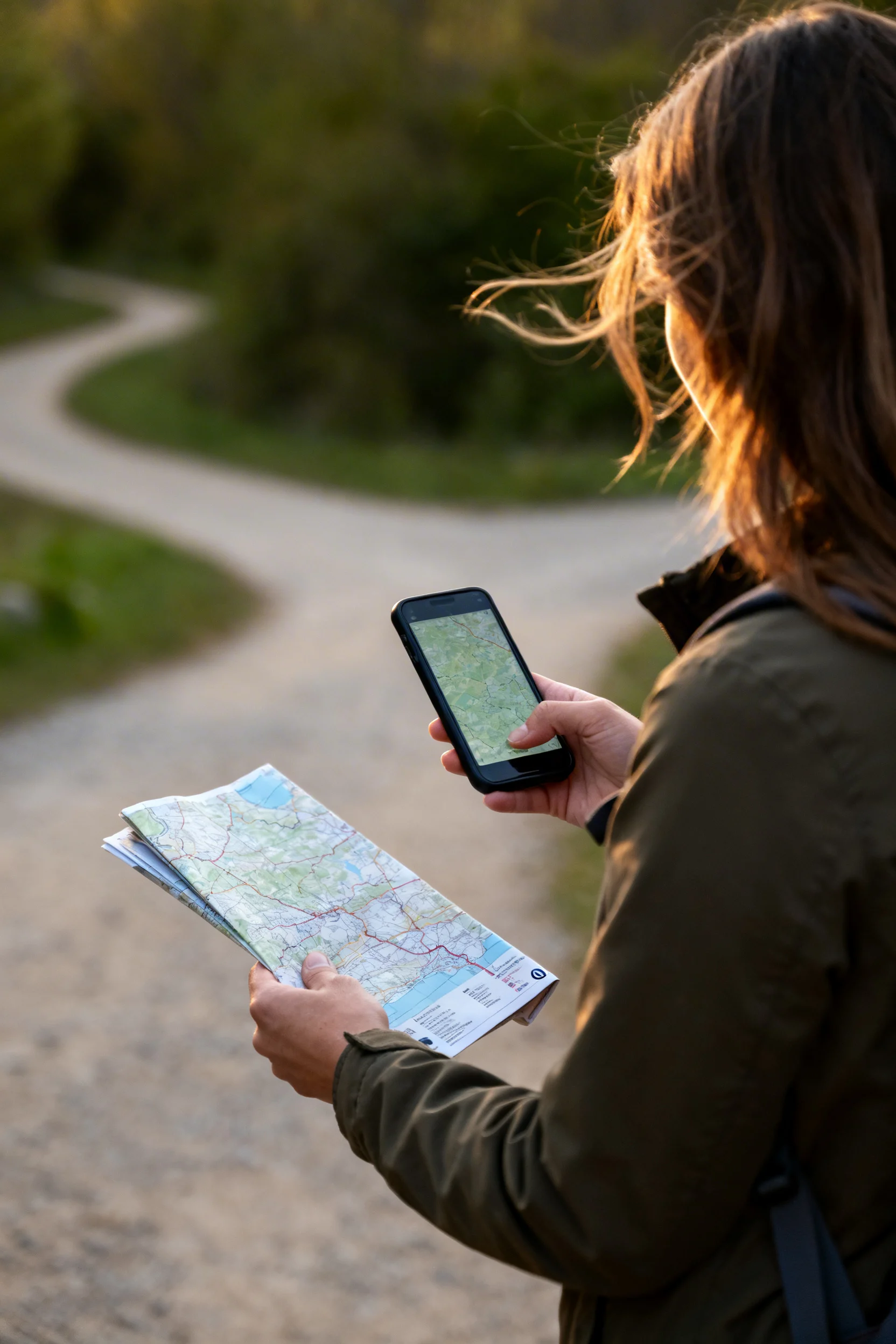
Service drops at the exact moment you need directions—plan for it. Download offline maps before you leave Wi‑Fi (for trails and for driving), and screenshot key info like park entrances, shuttle schedules, and reservation codes. For extra peace of mind, carry a small paper map from the visitor center or print a one-page route overview. Tell someone your general plan if you’re hiking solo.
8) Mini First-Aid + Blister Kit
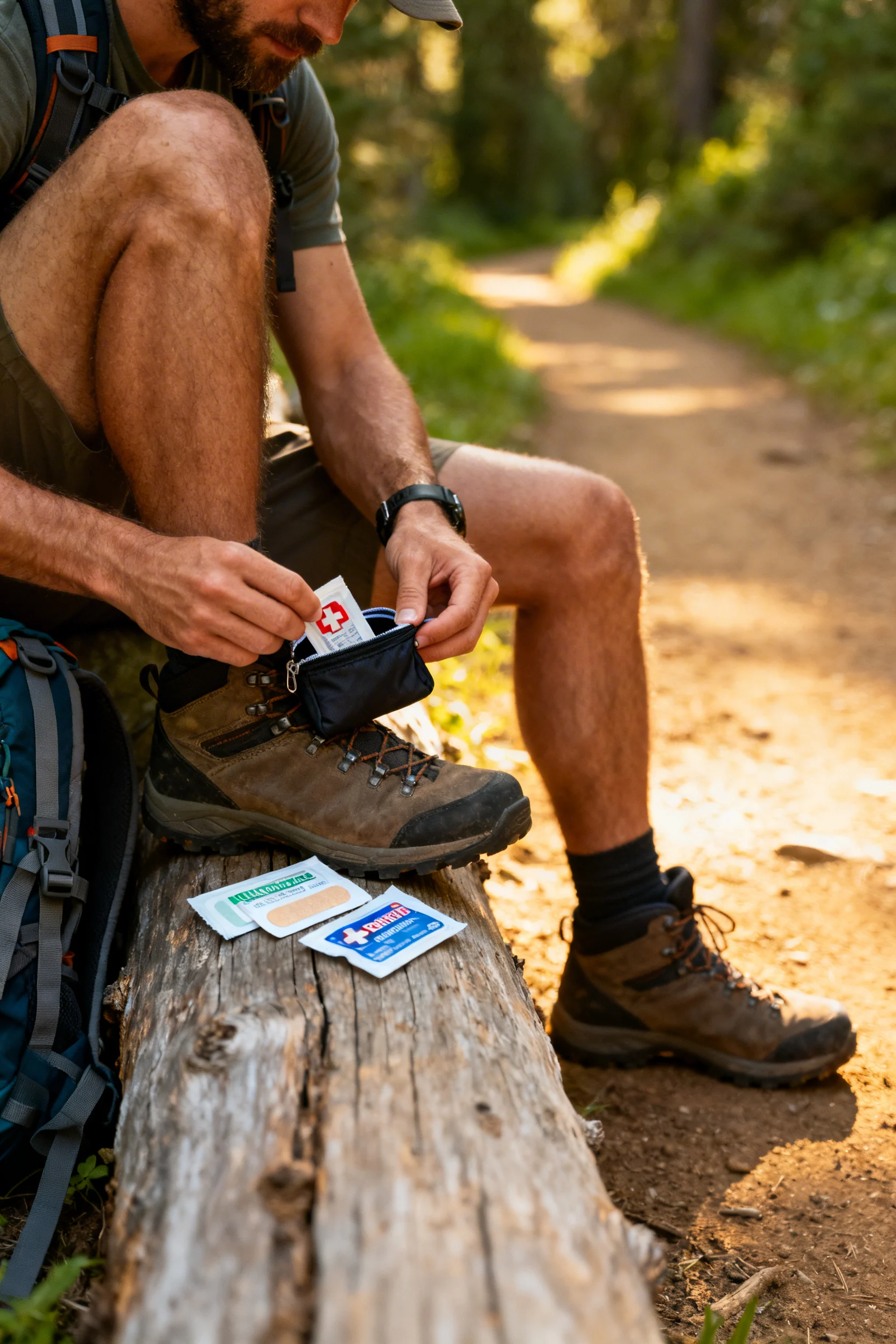
A tiny kit fixes the most common trip-ruiners: blisters, small cuts, and headaches. Keep it simple: blister bandages, antiseptic wipes, a couple of bandages, pain reliever, and any personal meds. Put it in an easy-to-reach pocket so you’ll actually use it when you need it. If you’re traveling internationally, pack essentials in your carry-on in case checked luggage is delayed.
9) Quick-Dry Towel or Packable Picnic Blanket
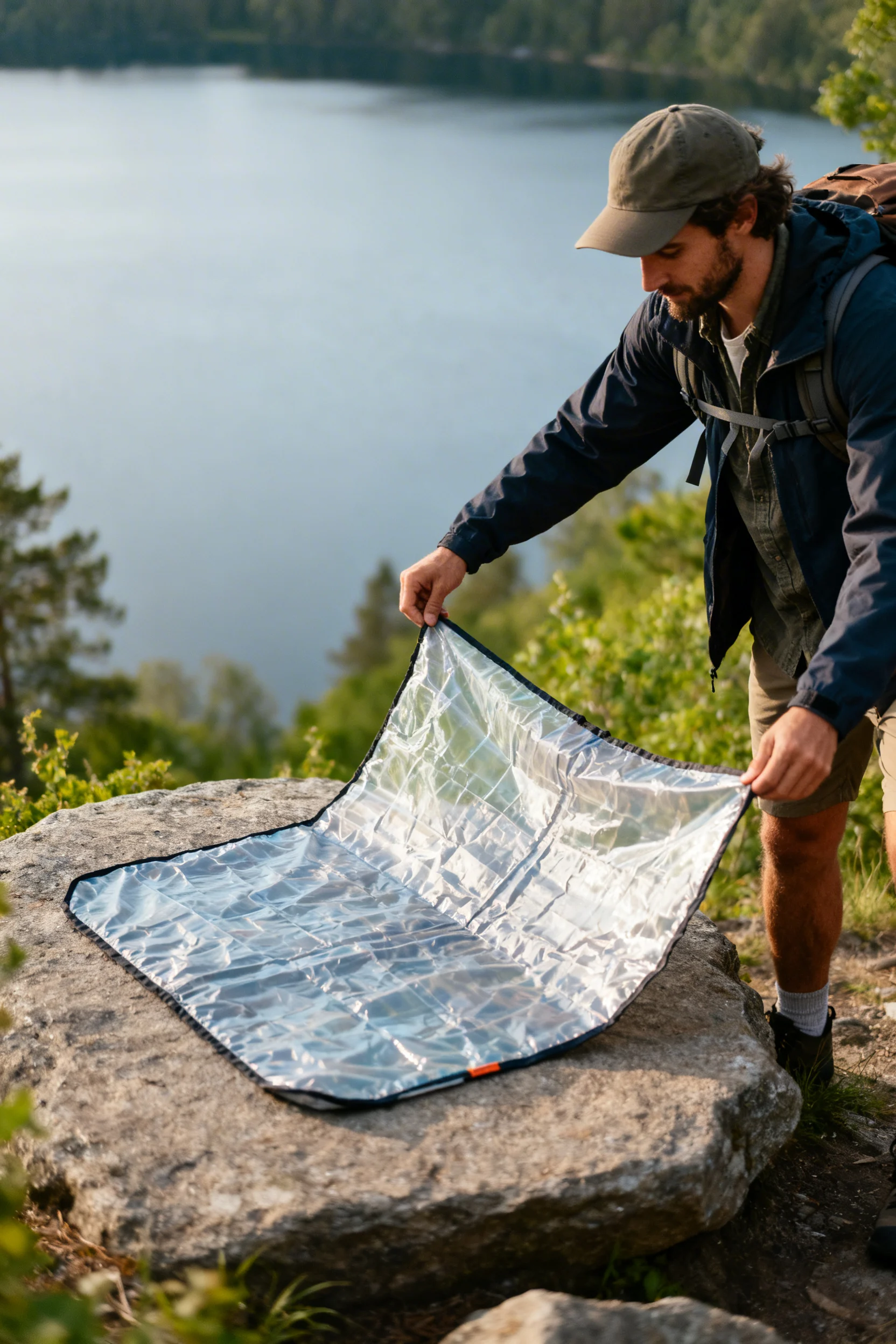
This is one of those “why didn’t I bring this sooner?” items—perfect for beach days, waterfalls, surprise swims, or just sitting anywhere comfortably. A quick-dry towel takes up barely any space and won’t stay soggy for hours in your bag. If you prefer lounging, a packable blanket makes scenic snack breaks feel like a real moment, not a scramble on scratchy rocks. Keep it near the top of your bag for spontaneous stops.
10) Bug Protection (Repellent + After-Bite Relief)
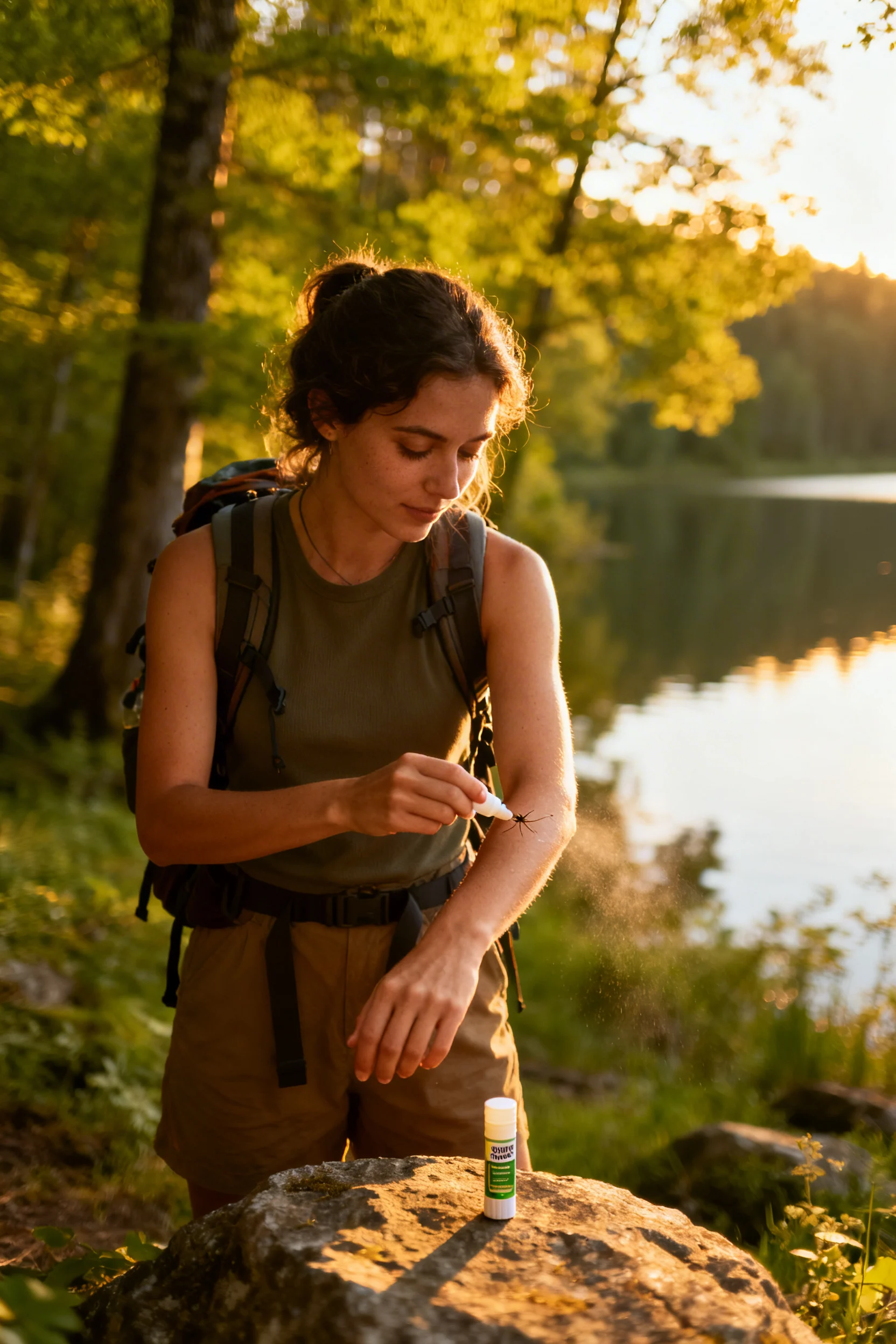
Mosquitos and ticks can turn a dreamy hike into an itchy distraction, especially near lakes, forests, and humid climates. Apply repellent before you head out (not after you get bitten), and reapply based on the label—timing matters. Pack a small after-bite option so you can calm itching quickly and sleep better later. If you’re in tick-heavy areas, do a quick check after hikes and toss clothes in a hot dryer when you can.
FAQ
How do I avoid overpacking for an outdoor trip?
Pick a “base kit” (water, layers, sun protection, power) and reuse it daily. Lay everything out, then remove duplicates and anything that solves a problem you won’t realistically have on this specific trip. If you’re unsure, prioritize multi-use items like a packable jacket and a quick-dry towel.
What’s the best way to plan around weather?
Check the hourly forecast the night before and the morning of, then schedule your longest hike or outdoor activity in the most stable window. Always pack a light rain layer and a warm layer, even if the day starts sunny. In mountainous areas, expect bigger swings and start earlier.
Do I really need offline maps if I’m just driving to viewpoints?
Yes—many scenic roads and park areas have spotty service. Download offline maps for the whole region and screenshot your must-hit stops, entrance info, and any timed-entry details. It’s a small step that saves a lot of stress when you’re navigating on the fly.
How much water should I bring for a hike?
A common baseline is about 0.5 liter per hour in mild conditions, and more in heat or at higher elevation. For first-timers, it’s better to bring extra than to cut it close. If refills aren’t guaranteed, start with at least 1–2 liters for shorter hikes and adjust based on distance, sun exposure, and your pace.
What’s one thing most people forget that makes a big difference?
A power bank and a warm layer. Phones drain faster in cold weather and when you’re using maps and photos all day, and temperatures can drop quickly after sunset or in windy overlooks. Those two items quietly upgrade your whole trip.