
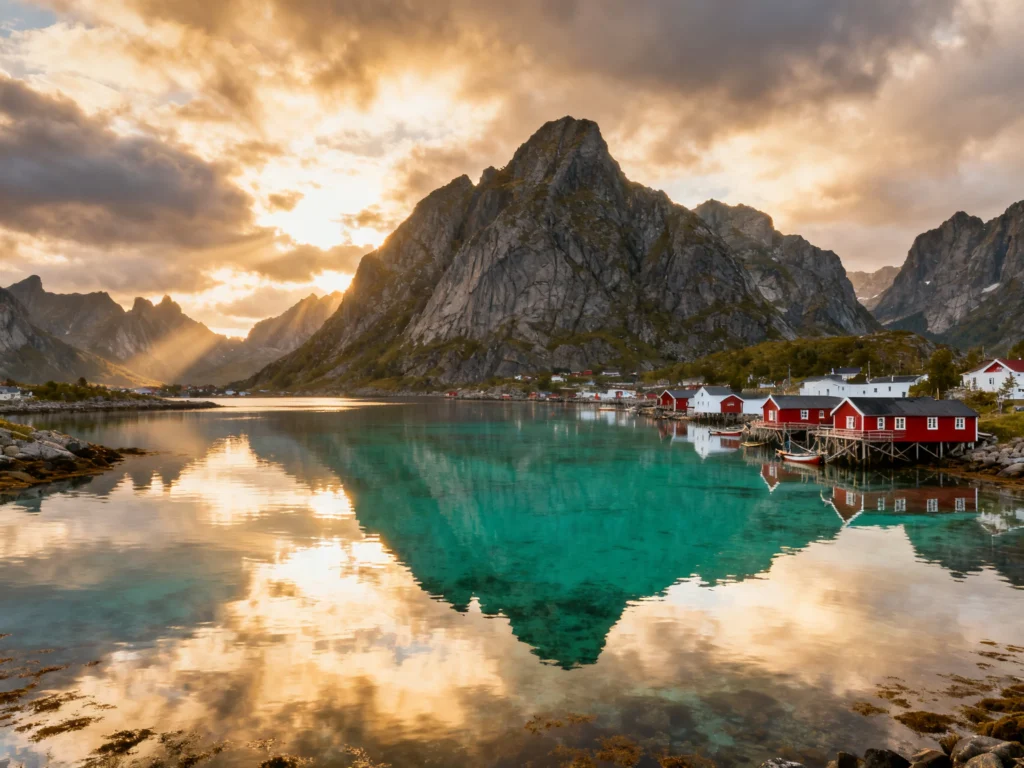
Lofoten is the kind of place that makes your camera roll look fake—in the best way. Think jagged peaks dropping into neon-blue water, fishing cabins straight out of a postcard, and sunsets that refuse to quit.
If it’s your first time, the secret is simple: pick a few base towns, drive slowly, and build your days around light and weather. Here are the Lofoten destinations that genuinely look too beautiful to be real.
Top 10
1) Reine + Reinebringen Viewpoint
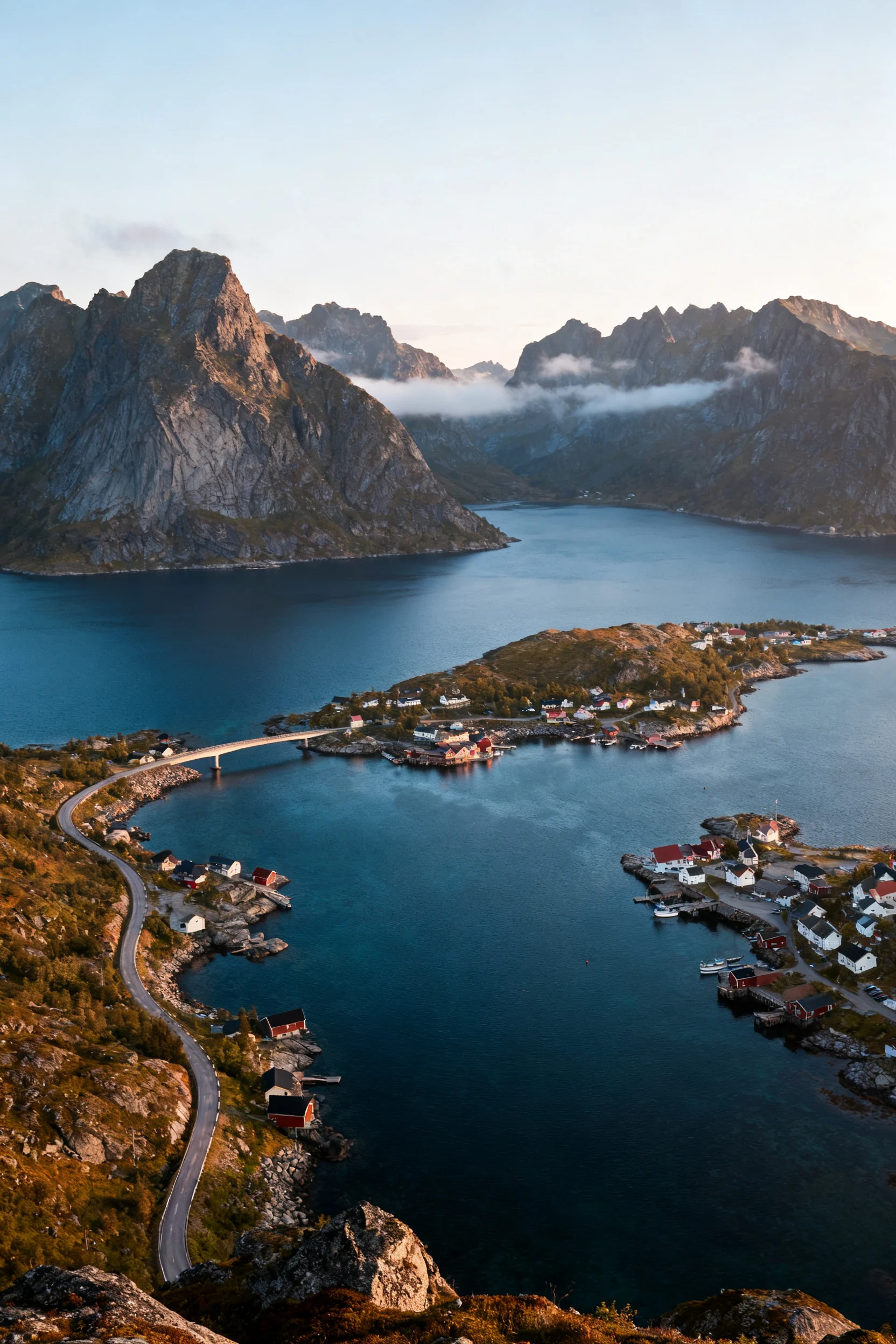
Reine is the iconic “is this edited?” village, and the Reinebringen hike is the classic payoff. Go early or late to dodge crowds and catch softer light; the stone steps are steep, so wear grippy shoes and pack a windproof layer. If it rained recently, expect slick sections—take it slow and bring water even though it’s a short hike.
2) Hamnøy Bridge (That Classic Lofoten Shot)
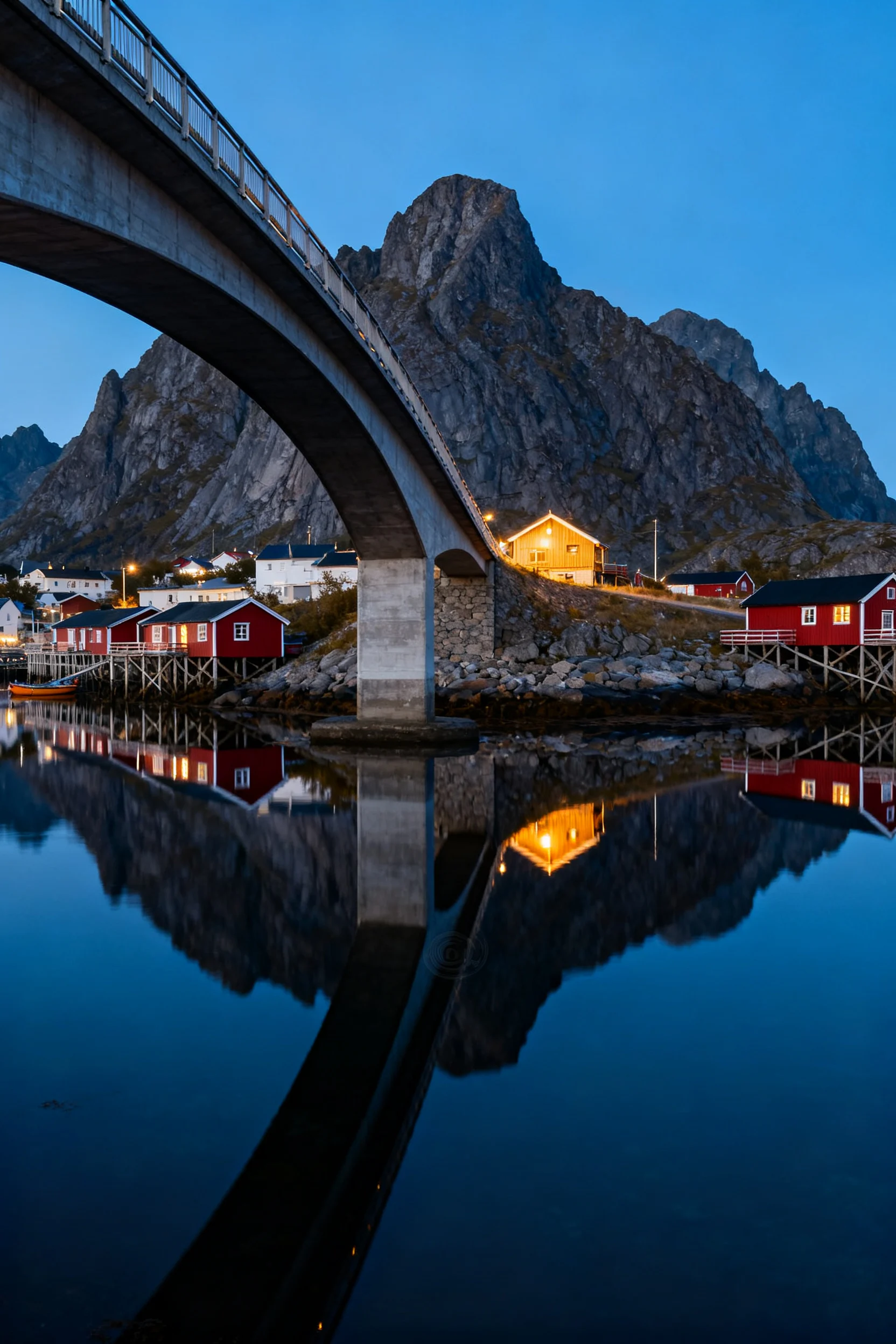
This is the bridge-view you’ve seen everywhere, and yes, it’s even better in real life. Show up around sunrise or blue hour for glowing cabins and calm water reflections, especially in shoulder season. Park considerately (spaces are tight), and bring a tripod if you want those crisp, dreamy long exposures.
3) Å (Moskenes) and the End-of-the-Road Vibes
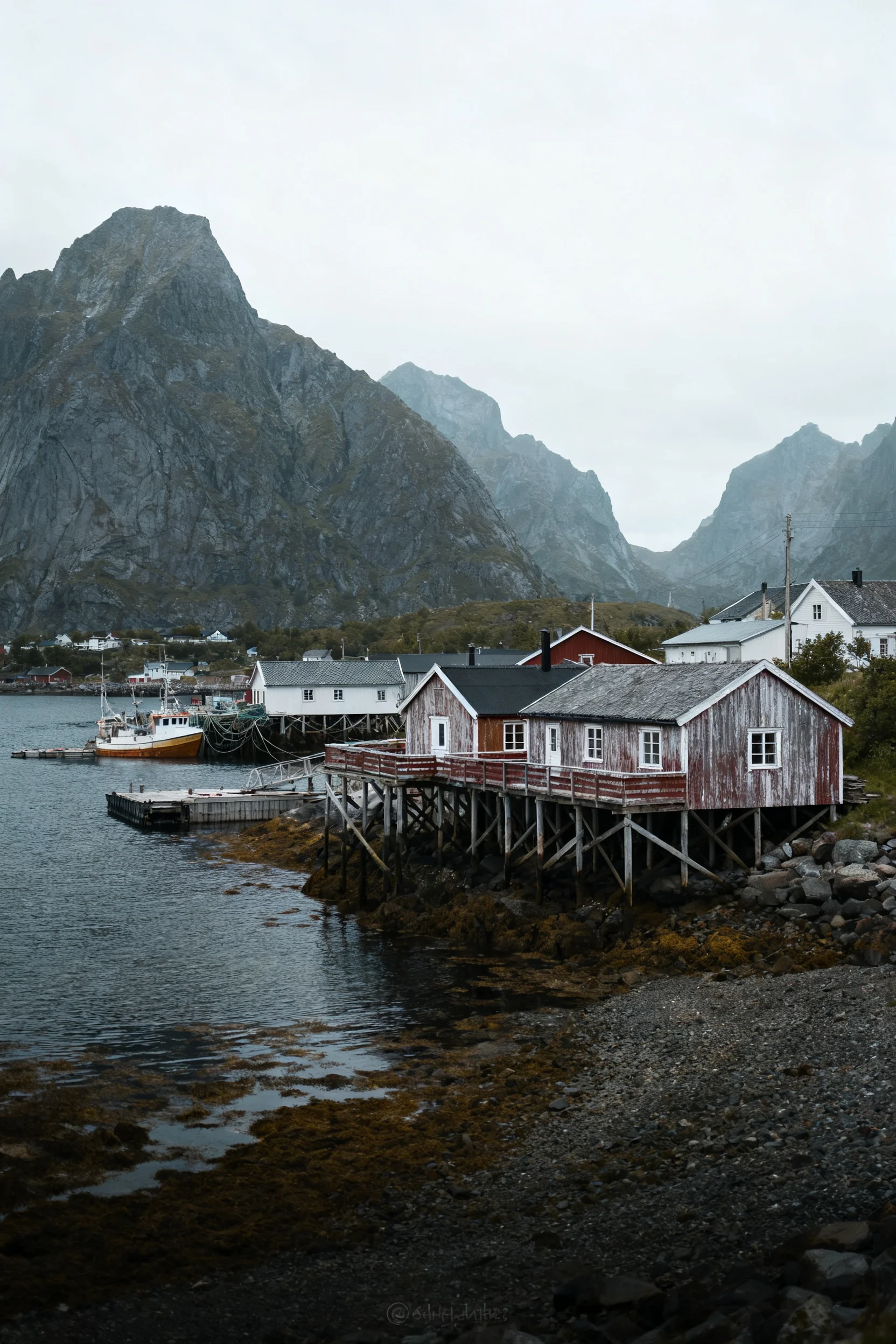
Å is literally the end of the road in Lofoten, which makes it feel extra special and peaceful. Visit the fishing village and walk the shoreline for dramatic views without much effort. It’s a great half-day stop when you’re based near Reine, and it’s perfect for slower travel days when the weather is moody.
4) Kvalvika Beach (Wild Hike-to-Beach Magic)
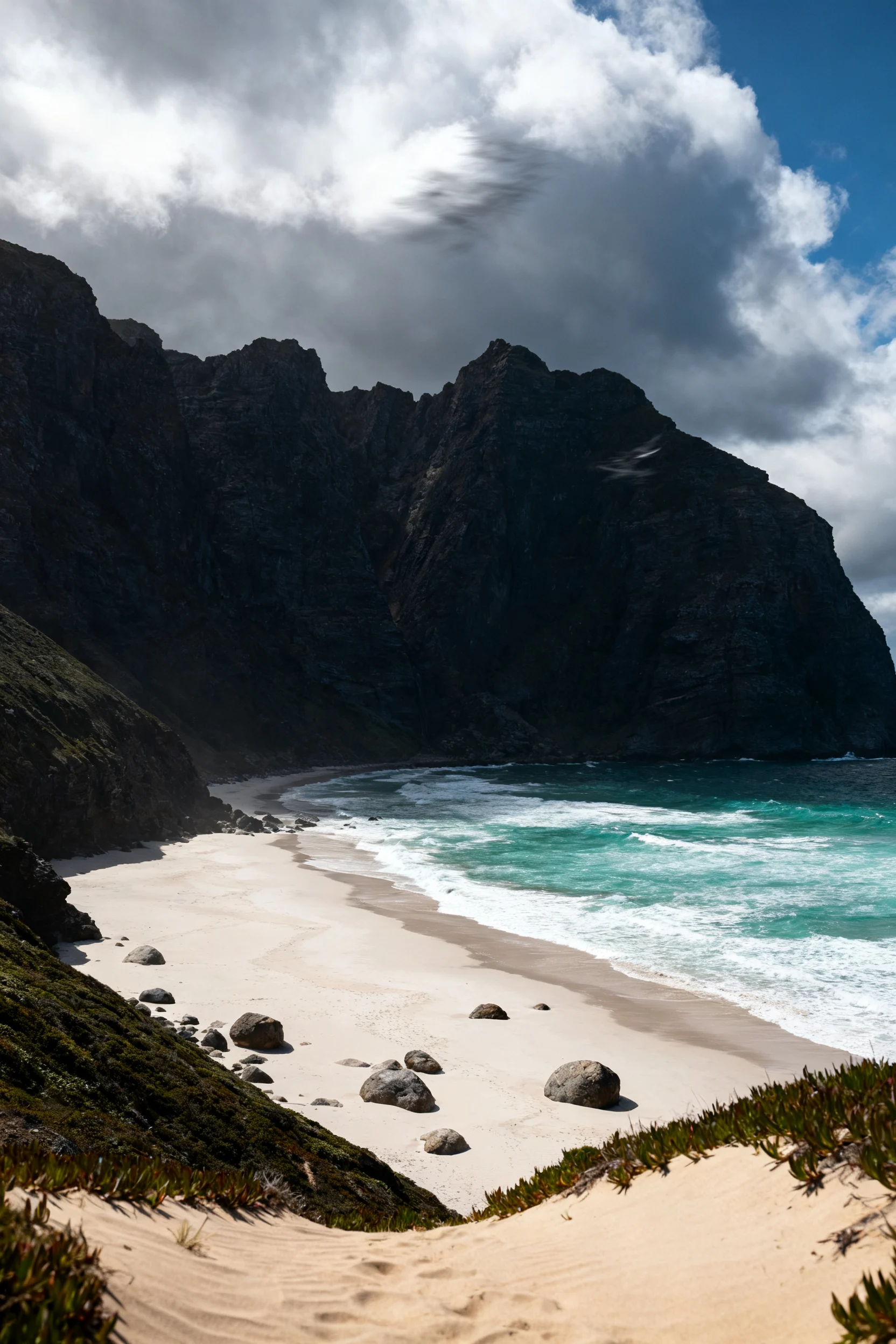
Kvalvika is a hidden-feeling beach backed by cliffs that make the whole scene look unreal. Start from Fredvang, wear waterproof hiking shoes, and pack a warm layer—the wind on the sand can be icy even in summer. If you want a quieter vibe, go on a weekday and aim for midday when the trail is less congested.
5) Haukland Beach + Uttakleiv Beach (Easy Access, Huge Payoff)
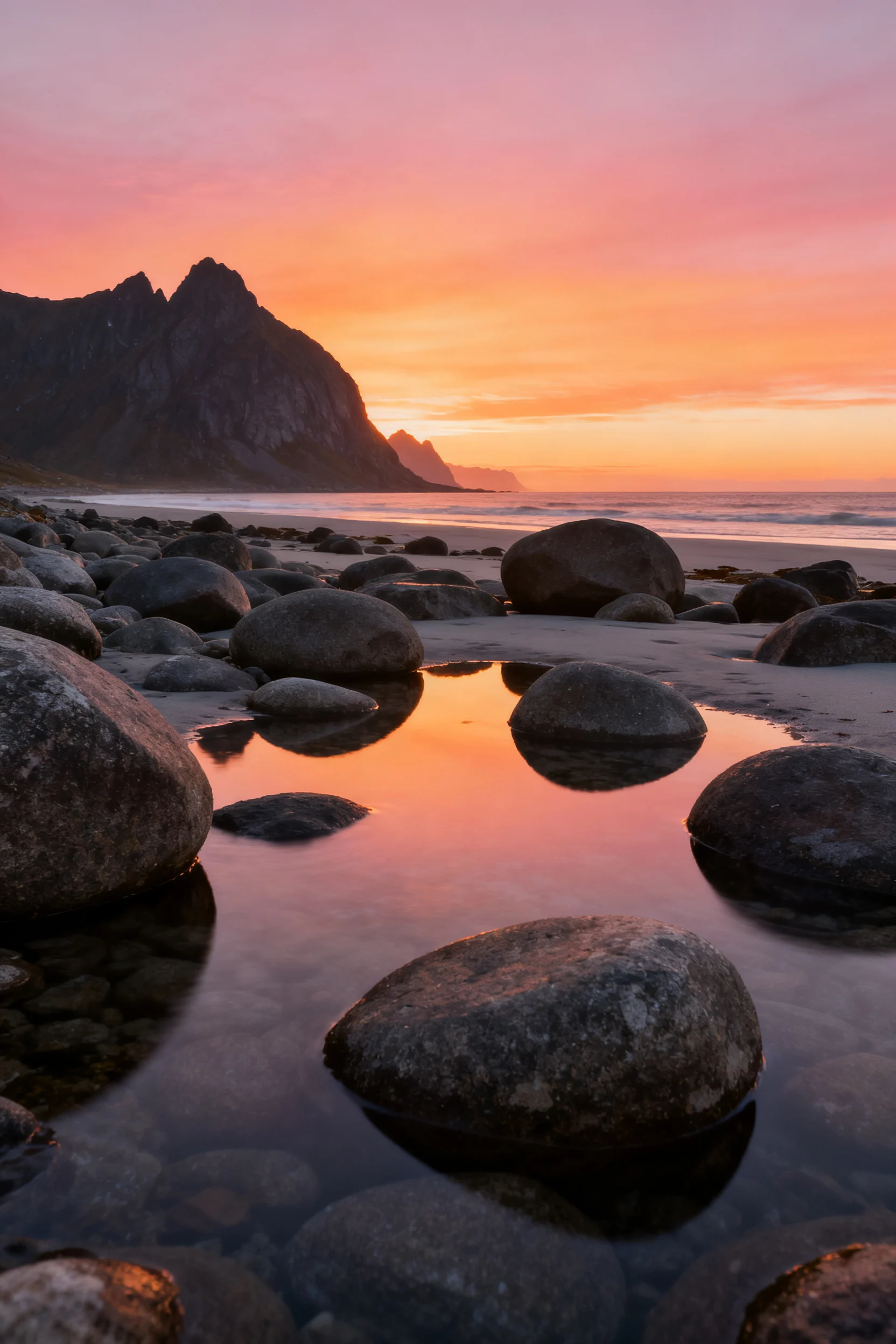
These two beaches are close enough to pair in one outing, and both are ridiculously photogenic. Haukland is the easy, wow-immediately stop; Uttakleiv has dreamy boulder scenery and is amazing for sunset. Bring a picnic, a towel, and a beanie—Lofoten beach days are more “cozy” than “tropical.”
6) Nusfjord (Storybook Fishing Village)
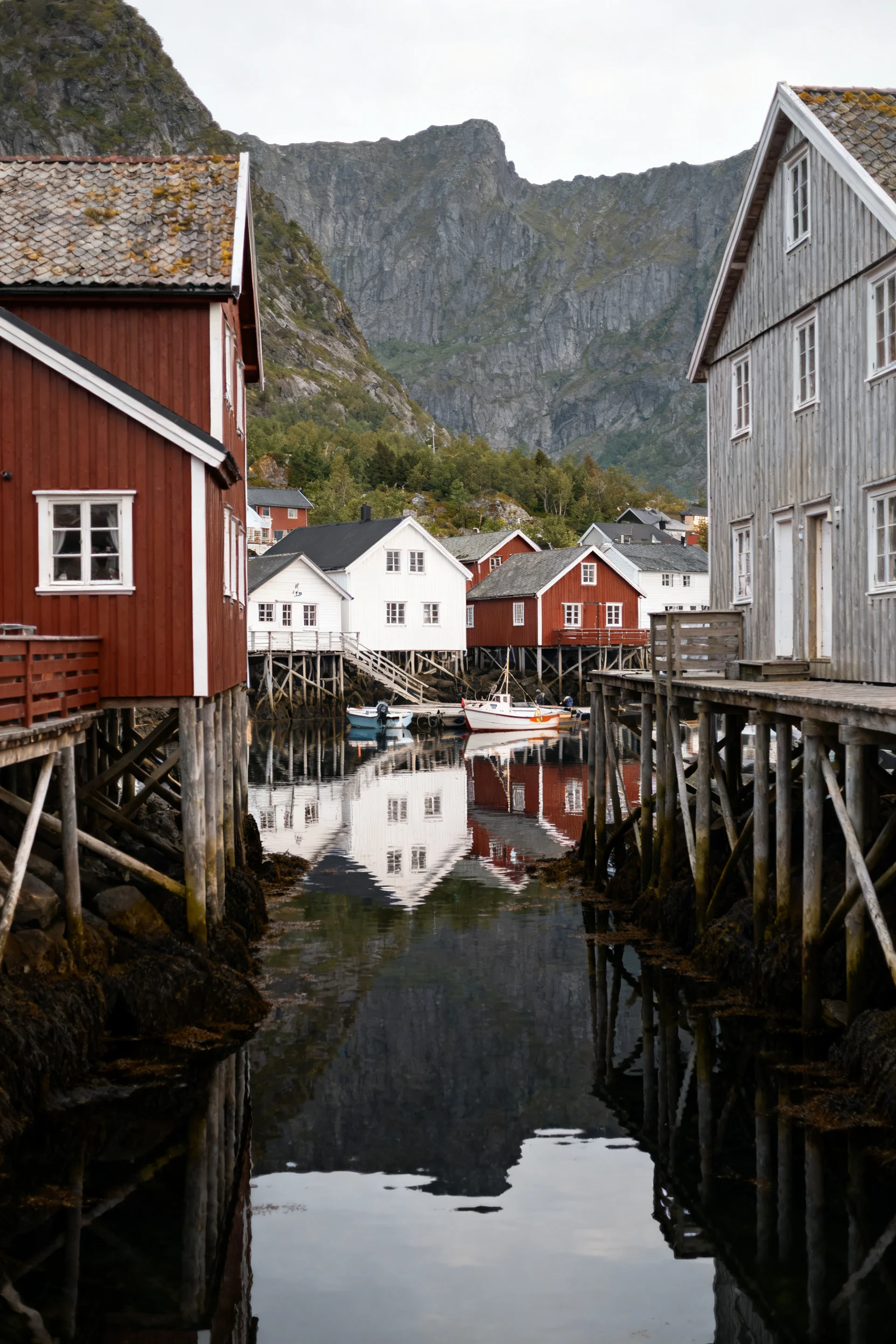
Nusfjord feels like a living museum, with preserved rorbuer cabins and a perfectly framed harbor. Arrive earlier in the day for fewer tour groups and more breathing room for photos. If you can, book a night here for that quiet-after-hours magic, and grab a simple meal on-site so you’re not rushing back out.
7) Henningsvær (Artsy, Lively, and Ocean-Wrapped)
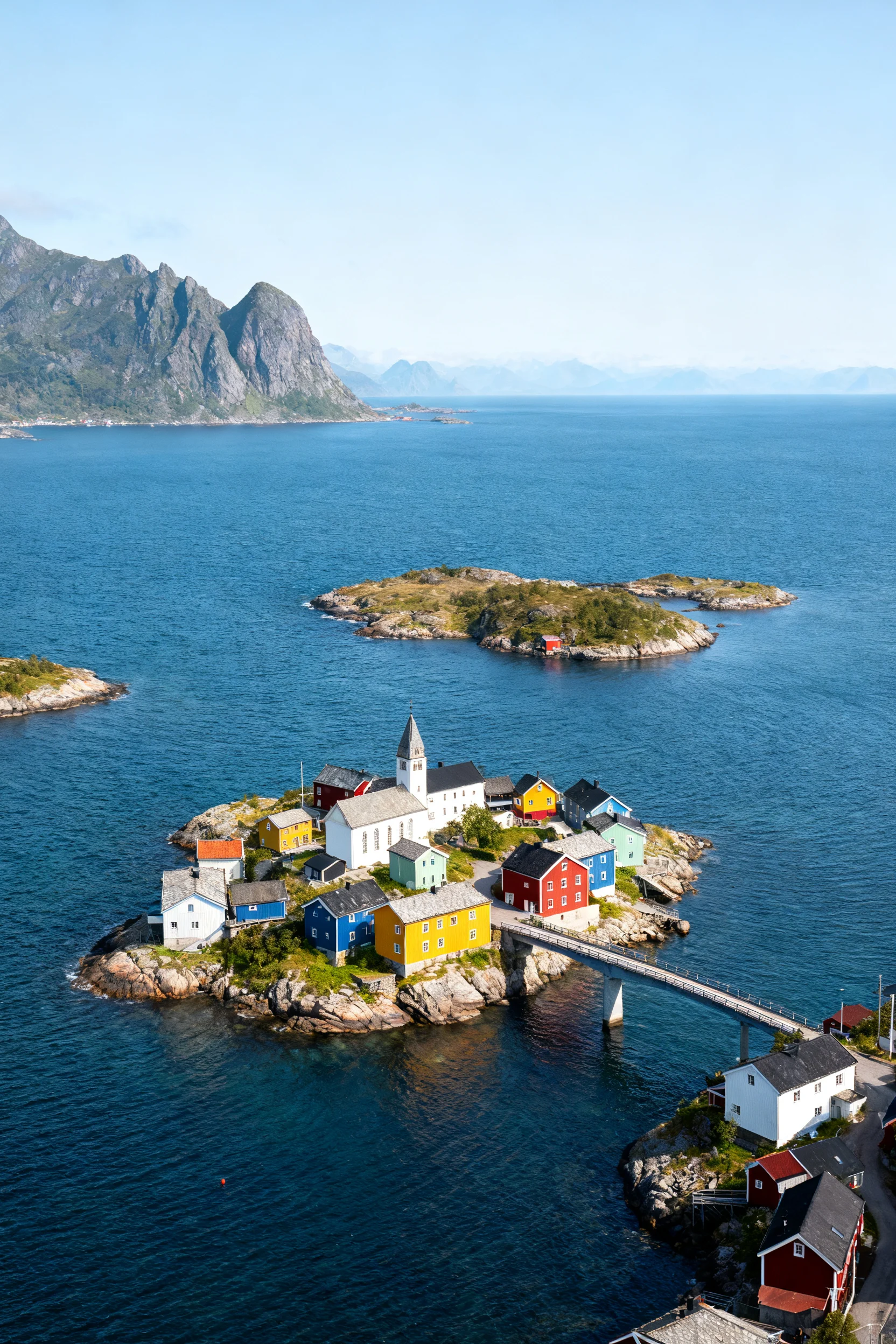
Henningsvær is where you go for cute cafés, galleries, and that famous football field by the sea. It’s an ideal base if you want a bit more buzz without losing the Lofoten scenery. Park outside the center if it’s busy, then walk in—this town is best enjoyed slowly, with lots of “wait, stop the car” moments.
8) Sakrisøy (Yellow Cabins + Turquoise Water)
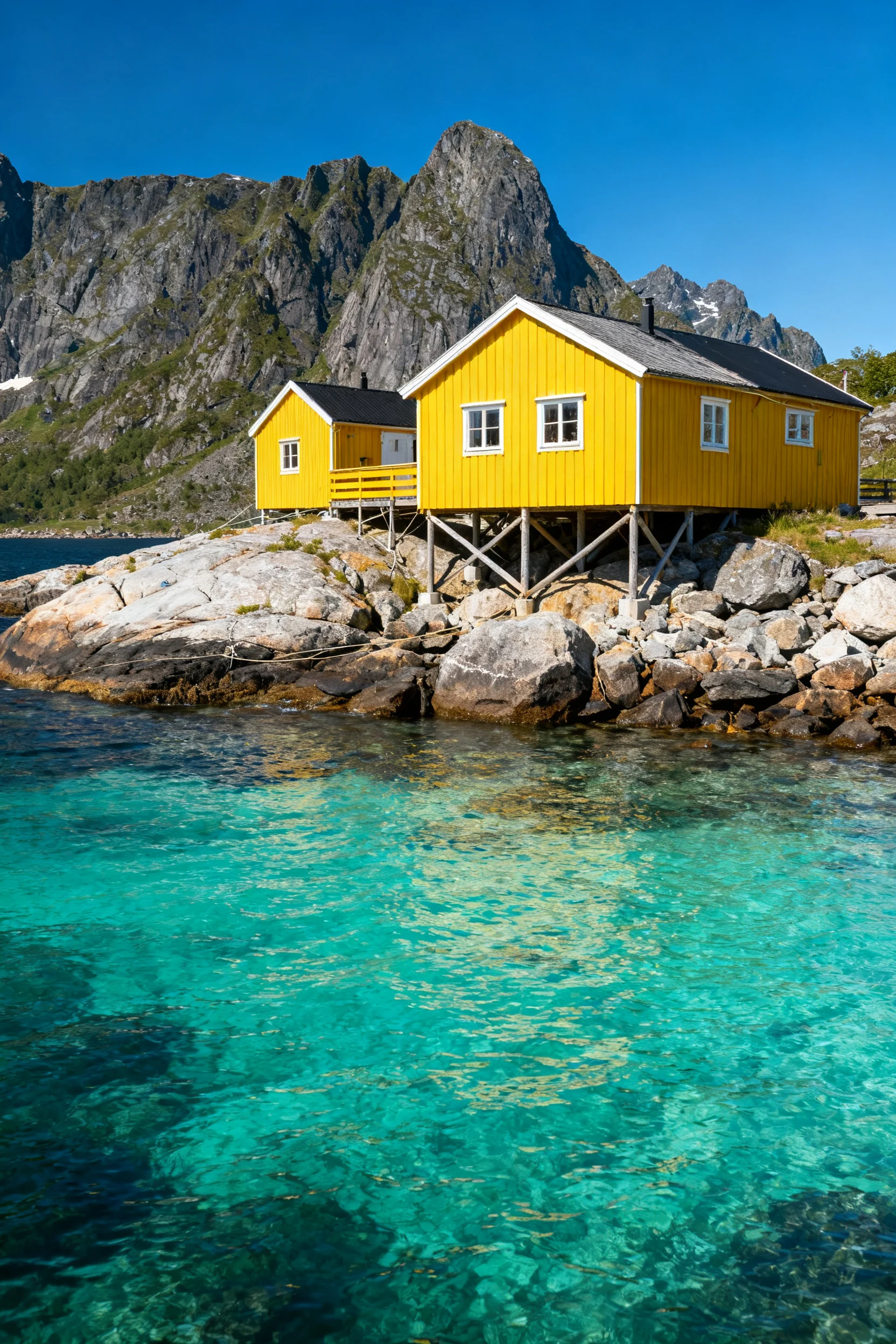
Sakrisøy is small but seriously photogenic, especially when the water turns that unreal turquoise on bright days. Pair it with Reine and Hamnøy since they’re right nearby, and pop in when the sun is out for the most vivid colors. Bring a polarizing filter if you’re into photography—it helps cut glare and makes the sea look extra glassy.
9) Flakstad Church + Flakstad Beach
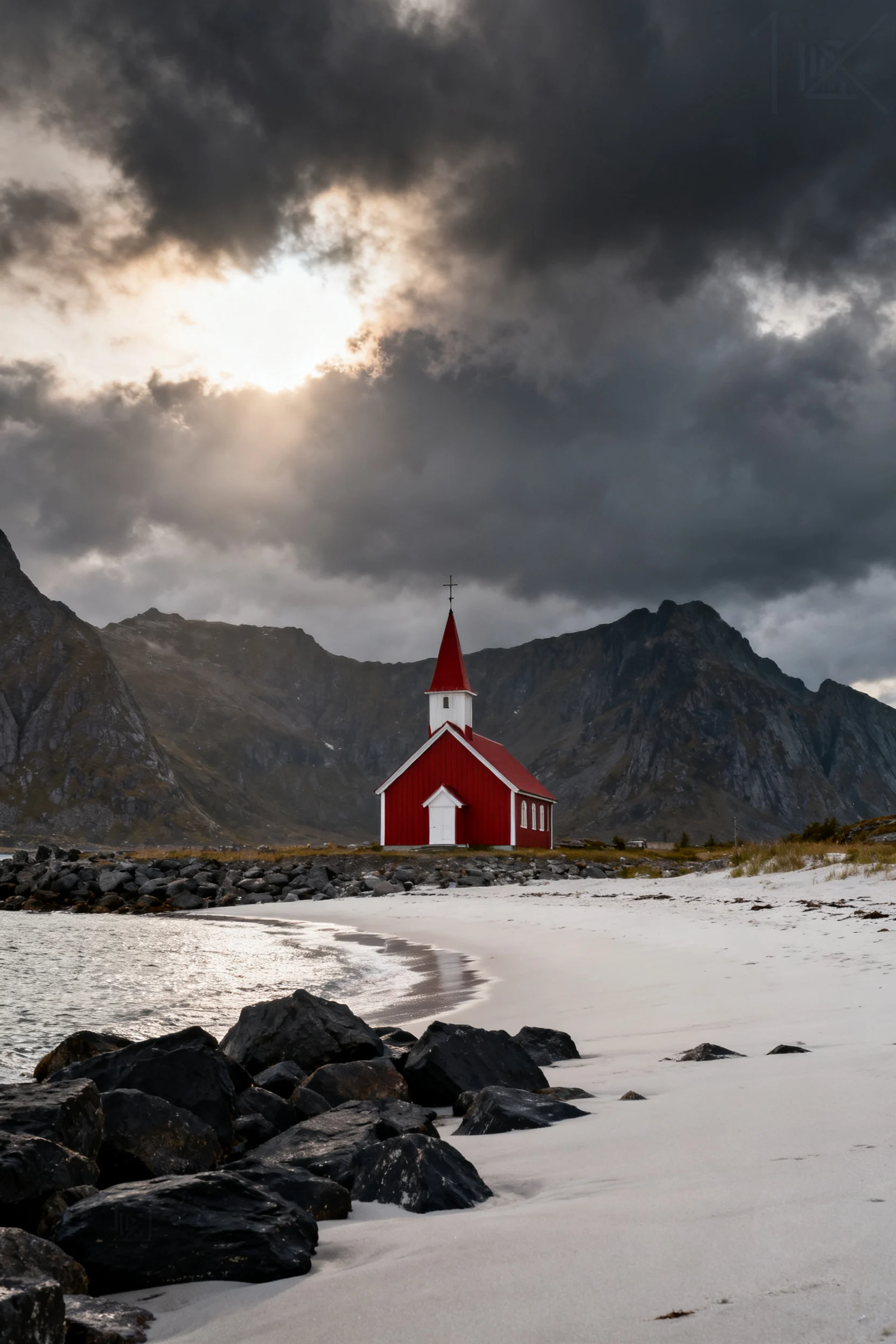
The red Flakstad Church is one of those quick stops that ends up being a favorite, especially under dramatic skies. Combine it with nearby Flakstad Beach for a low-effort, high-reward coastal walk. If you’re road-tripping, keep rain gear accessible—weather flips fast here, and this area looks stunning in mist.
10) Trollfjord (Epic Fjord Cruise from Svolvær)
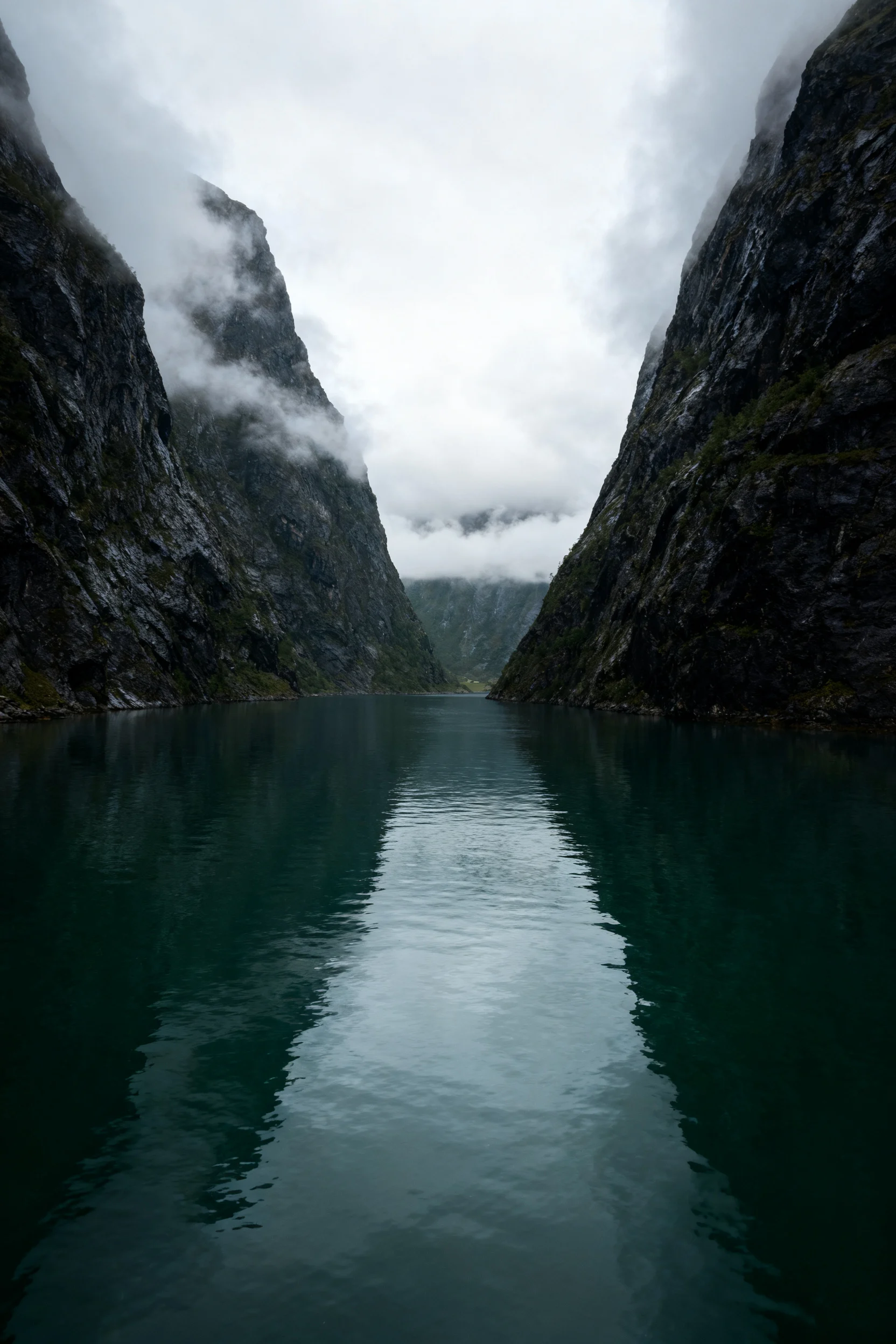
Trollfjord is narrow, steep, and straight-up cinematic, and the easiest way to see it is by boat from Svolvær. Book a RIB safari if you want speed and drama, or a quieter cruise if you prefer warmth and comfort. Pack a beanie and gloves even in summer—the wind on the water is real, and you’ll want your hands free for photos.
FAQ
When is the best time to visit the Lofoten Islands?
For first-timers, late May to early September is the easiest for road trips and hiking, with long daylight and open services. For northern lights and fewer crowds, aim for February to March, but be ready for winter driving and shorter days.
Do I need a car in Lofoten?
Yes, a car makes everything simpler—most of the best viewpoints and beaches are spread out. If you can’t drive, you can still base yourself in Svolvær or Henningsvær and use tours, but you’ll have less flexibility with weather and timing.
How many days should I plan for Lofoten?
Plan 4–7 days for a first trip. Four days covers the highlights at a quick pace; a full week lets you add hikes, weather buffers, and slower villages like Nusfjord without feeling rushed.
What should I pack for Lofoten in summer?
Bring waterproof jacket and pants, warm layers (fleece or wool), sturdy shoes, and a beanie—yes, even in July. Add a swimsuit if you’re brave, plus a power bank and a microfiber towel for beach stops and sudden rain.
Where should I stay for the best base towns?
For the classic postcard zone, stay around Reine/Hamnøy/Sakrisøy; for a lively hub with tours, stay in Svolvær; for a balance of cafés and scenery, choose Henningsvær. If you can, split your stay into two bases (east and west) to cut down on driving time.