
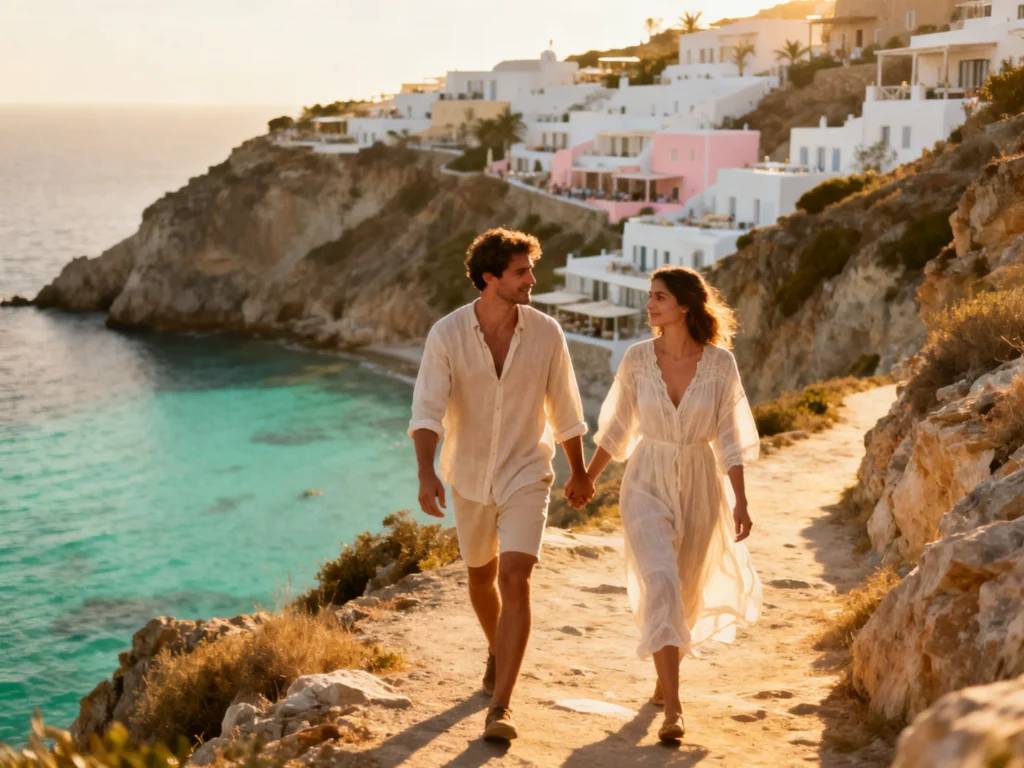
If your Pinterest board is full of airy cafés, pastel streets, dramatic coastlines, and boutique hotels, this guide will help you turn those “saved” photos into a real, bookable trip. You’ll learn how to choose travel aesthetic destinations that match your style, build a route that looks (and feels) cohesive, book the right stays and photo-friendly experiences, and plan smart so you’re not stressed, overspending, or stuck in crowds.
Step 1: Define your “aesthetic” and translate it into destination shortlists
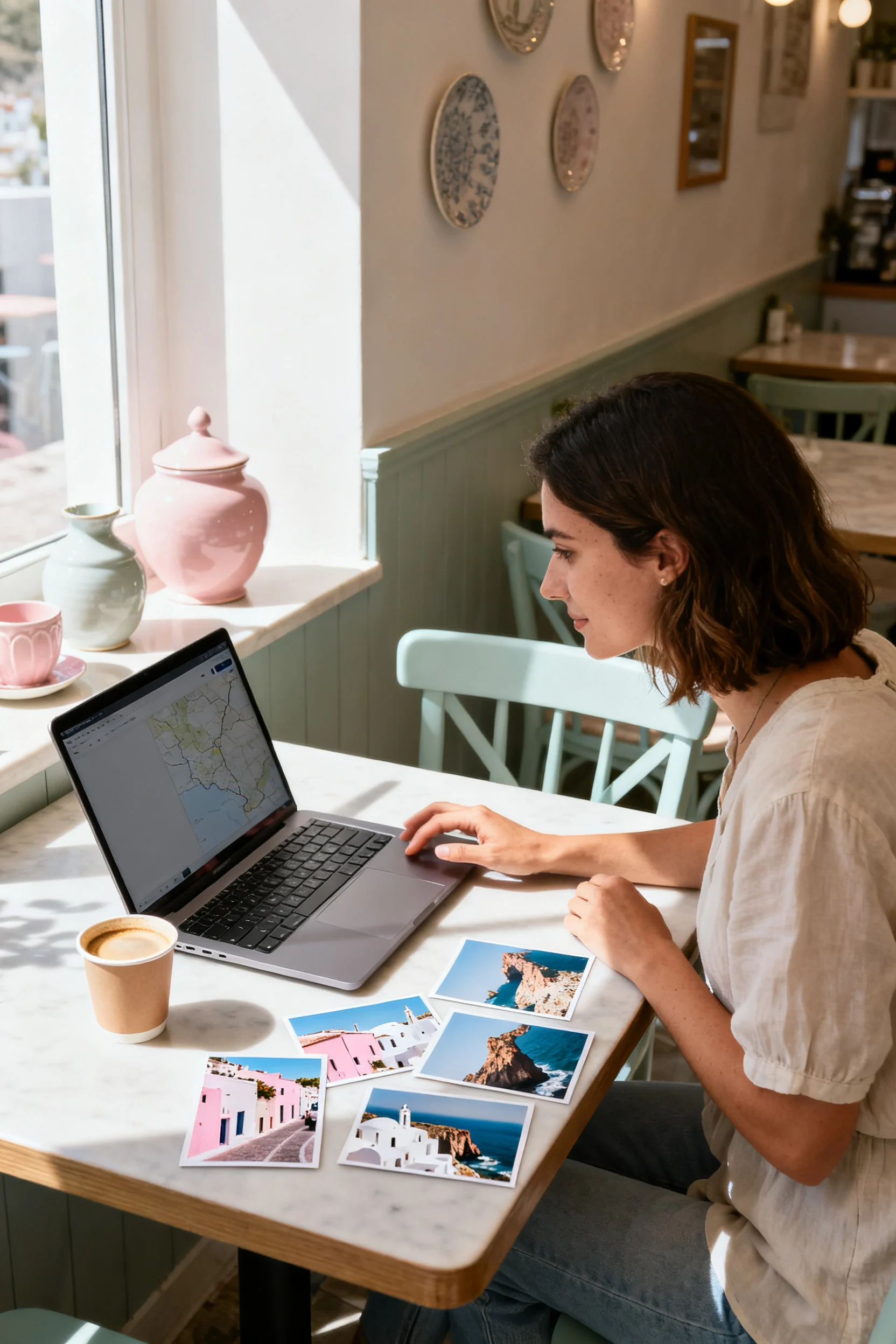
What to do: Pick one primary aesthetic and one supporting aesthetic for your trip, then match them to destinations known for those visuals. Start by scanning your saved pins and noting recurring elements: color palette (whitewashed, pastel, earth-toned), scenery (cliffs, canals, rice terraces), architecture (Art Nouveau, medieval, colonial), and vibe (quiet, luxe, boho, cinematic). Keep your shortlist to 3–5 destinations and compare them by season, budget, and ease of getting around.
Why it matters: “Aesthetic” is a real planning filter. It helps you avoid building a trip that’s visually all over the place (and logistically messy), and it narrows your research fast. It also prevents a common problem: choosing a place solely because it’s pretty online, then arriving during the wrong season or discovering it doesn’t match your comfort level (heat, walking, crowds, costs).
Specific example: If your board is full of bright white walls, blue domes, cliffside pools, and golden sunsets, your primary aesthetic might be “Mediterranean white-and-blue.” Shortlist: Santorini (Greece), Paros (Greece), Ostuni (Italy), or Chefchaouen (Morocco) as a color-pop add-on. If your secondary aesthetic is “coastal road trip,” pair it with Naxos or Milos (more beaches and driving) rather than stacking only vertical cliff towns.
Mistake to avoid: Don’t mix too many “hero aesthetics” in one trip (e.g., Swiss Alps + Sahara + Tokyo neon) unless you have at least 2+ weeks and a bigger budget. For a first-timer, one region with a consistent look is easier, cheaper, and far more relaxing.
Step 2: Pick the right timing (season + weekday strategy) to get the look without the chaos
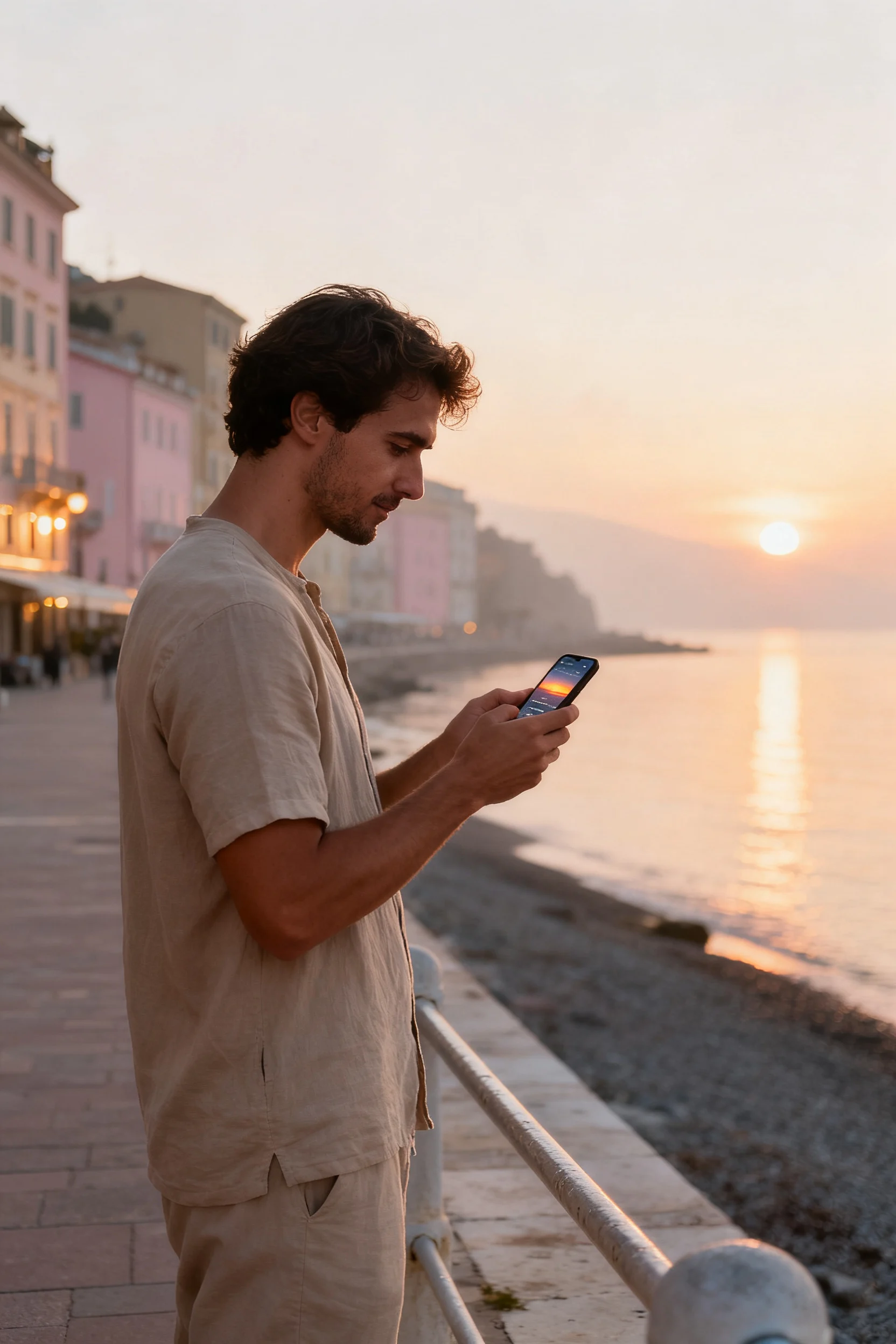
What to do: Choose travel dates based on light, weather, and crowd patterns—not just cheap flights. For each destination on your shortlist, check: (1) shoulder season windows, (2) sunrise/sunset times, (3) typical rain/wind patterns, and (4) local holidays or school breaks. Then plan a weekday strategy: arrive midweek, schedule your most popular “photo spots” early morning, and place slower neighborhoods or spa time on weekends when crowds spike.
Why it matters: The same destination can look and feel completely different depending on when you go. Lighting affects your photos, weather affects your comfort (and what you can actually do), and crowd levels affect both. Timing is also a budget tool: shoulder season often means better hotel prices, more availability, and easier restaurant reservations—without sacrificing the vibe.
Specific example: For “storybook Europe” (cobbled lanes, flower boxes, cute cafés), consider late April–early June or mid-September–early October in places like Prague, Ljubljana, or Strasbourg. You’ll typically get softer light, fewer tour groups than peak summer, and you can comfortably walk long distances. Plan your “old town” photos at 7:00–9:00 a.m., then do museums or a long lunch when the streets are packed.
Mistake to avoid: Don’t assume peak summer equals best visuals. Harsh midday sun can wash out photos, heat can limit walking, and crowds can make even the prettiest lane feel stressful. If you must go in peak season, build your itinerary around early mornings, reservations, and strategic breaks.
Step 3: Build a tight, photogenic route (and limit hotel switches)
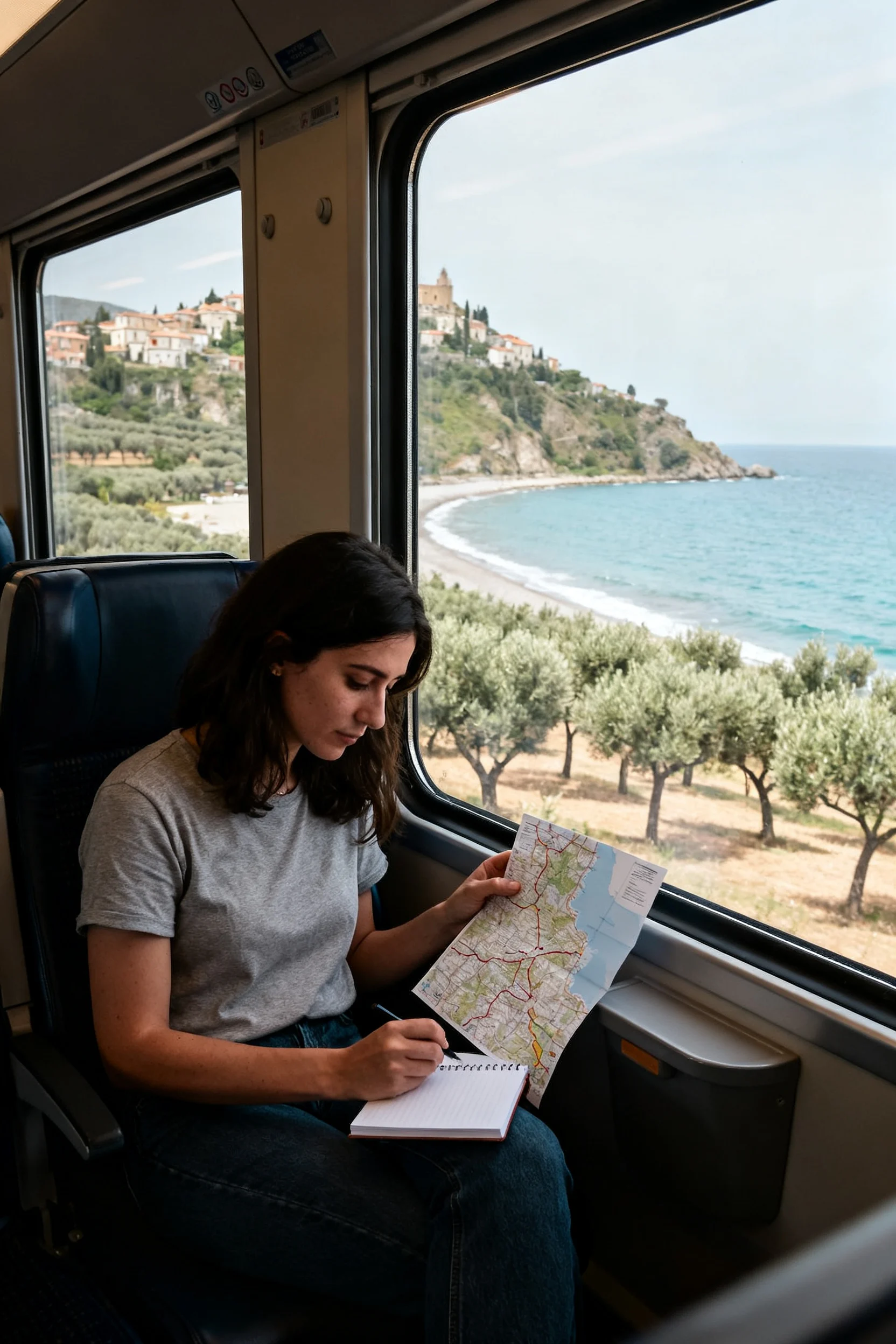
What to do: Design your itinerary like a mini “collection” rather than a chaotic checklist. Choose one anchor base (3–5 nights) plus one secondary base (2–4 nights), then add day trips. Keep transit simple: train corridors, short flights, or ferries with reliable schedules. A practical rule for first-timers: no more than one major move every 3 nights, and avoid backtracking when possible.
Why it matters: Aesthetic trips can accidentally become exhausting if you chase too many spots. Constant packing kills your best travel hours (golden morning light), raises costs (more taxis, more last-minute meals), and increases the chance of delays. A tighter route lets you revisit the same viewpoint in different light, find your favorite café, and actually enjoy the mood you’re traveling for.
Specific example: Want “moody coastal drama” plus “chic city” in one trip? Do Lisbon (4 nights) + Porto (3 nights) with a day trip to Sintra from Lisbon and a Douro Valley day trip from Porto. You’ll get tiled façades, miradouros, riverfront scenes, and iconic cafés—without adding a third hotel. Keep your route northbound to avoid doubling back, and book a train between the cities rather than a short flight.
Mistake to avoid: Don’t plan a route based solely on pretty pins without checking transit reality. A place can be “close” on a map but painful by bus schedules, ferry frequency, or mountain roads. Before you commit, verify travel times on two sources (e.g., a rail site plus Google Maps) and confirm seasonal changes.
Step 4: Book stays and experiences that match the vibe (then pack and plan for the visuals)
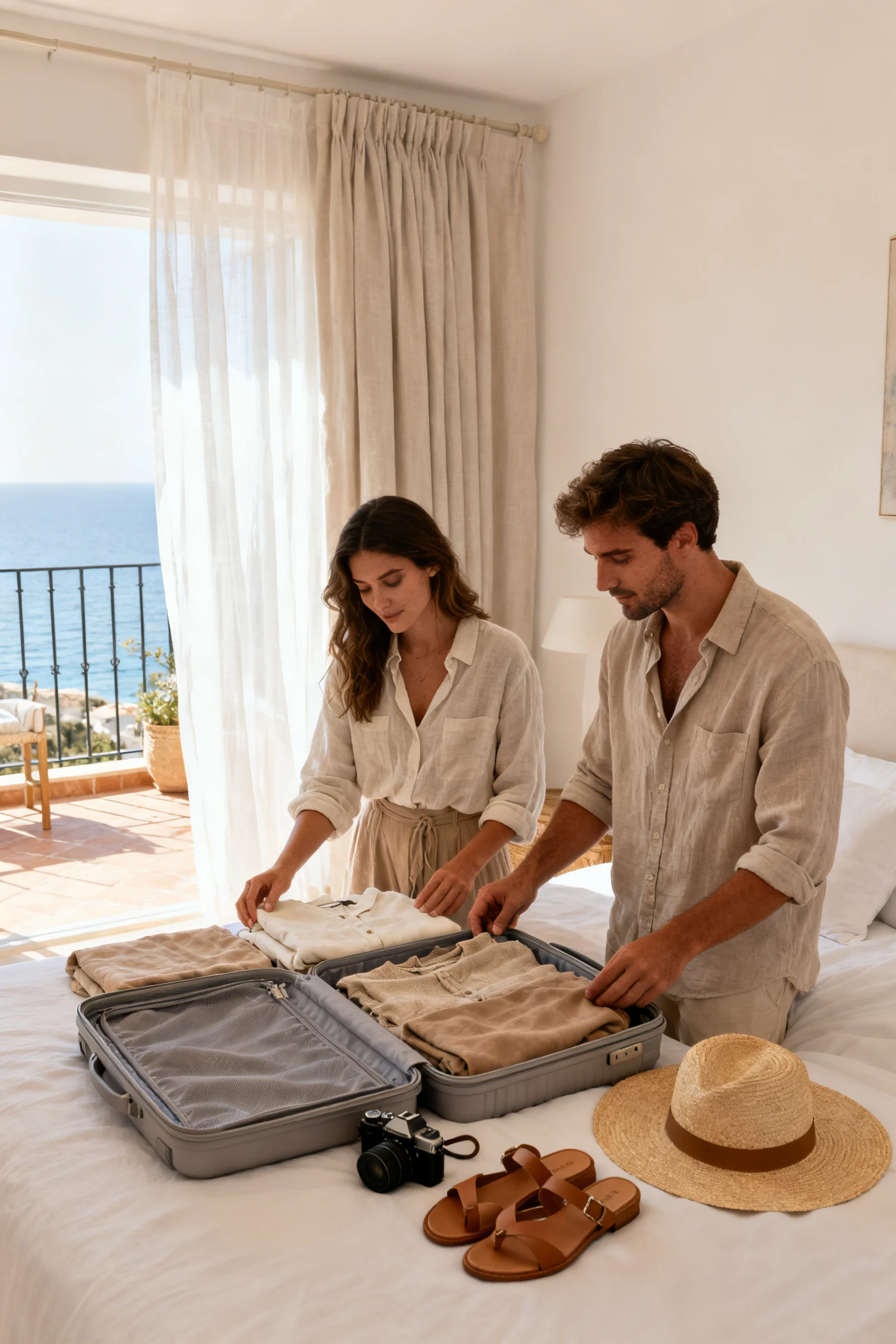
What to do: Prioritize lodging and activities that deliver your desired look and comfort level. When booking hotels/apartments, filter for: neighborhood walkability, natural light, balcony/terrace access, and soundproofing (aesthetic streets can be noisy). For experiences, book one “hero” activity that matches your board (sunrise boat, desert camp, tea service, scenic rail) and keep the rest simple and flexible. Finally, pack intentionally: 2–3 outfit color schemes that match the destination palette, comfortable shoes that still look good, and a lightweight layer that works in photos (linen shirt, neutral jacket, scarf).
Why it matters: Your accommodation and a couple of curated experiences often create more “aesthetic mileage” than trying to photograph 20 separate landmarks. Smart booking also protects your budget: paying slightly more for the right location can reduce taxis and wasted time. Packing with intention keeps mornings easy and helps your photos look cohesive without needing a full wardrobe.
Specific example: For a “desert luxe” vibe, base in Marrakech for design-forward riads and book one night in Agafay Desert (rocky desert near the city) or a longer trip to the Sahara if you have time. Choose a riad with a rooftop breakfast and a bright courtyard, then schedule a golden-hour camel ride or sunset dinner. Pack breathable neutrals, sunglasses, and a light scarf for wind and sand.
Mistake to avoid: Don’t book a “cute” stay far from where you’ll actually spend time. A bargain villa 45 minutes away can ruin your mornings, limit dinners, and make you dependent on pricey rides. For first trips, location usually beats extra square footage.
Quick Checklist
- Choose 1 primary aesthetic + 1 supporting aesthetic (write 5 visual keywords for each).
- Shortlist 3–5 destinations and compare by season, cost, and transit ease.
- Pick dates using shoulder season, sunrise/sunset times, and local holiday calendars.
- Build a route with 1 anchor base + 1 secondary base; avoid moving more than every 3 nights.
- Lock in transport that fits the route (train/ferry where possible) and confirm seasonal schedules.
- Book a walkable neighborhood stay with good natural light and realistic reviews.
- Reserve 1–2 “hero” experiences; keep the rest flexible for weather and energy.
- Pack cohesive outfits (2–3 color schemes), comfortable shoes, and one photogenic layer.
- Plan early-morning photo windows and midday backup plans (museums, cafés, spa).
- Set a daily budget buffer for taxis, entrance fees, and spontaneous scenic stops.
FAQ
How do I pick travel aesthetic destinations if I like multiple styles?
Choose one style for this trip and save the others for future trips. If you truly want two, make them complementary and nearby (for example: “coastal pastel towns” + “vineyard countryside” in the same region) so your route stays simple and your photos feel cohesive.
What’s the easiest way to avoid crowds in popular photo spots?
Go early (within 1–2 hours after sunrise), stay in a central area so you can walk there quickly, and schedule the most famous viewpoint on a weekday. If a spot is extremely popular, consider a similar nearby alternative (another overlook, a quieter street, a less-famous beach) for the same vibe.
How much should I budget for an “aesthetic” trip?
Plan your budget around lodging and transport first. A practical starting point for many destinations is: 40–55% lodging, 15–25% transport (including local transit), 20–30% food, and 5–15% activities. If a balcony view or boutique stay is a priority, reduce the number of destinations to keep overall costs controlled.
Should I book hotels or apartments for a photo-friendly vacation?
Hotels (especially boutique properties) are often easier for consistent design, daily housekeeping, and front-desk help with taxis and reservations. Apartments can be great for space and kitchens, but check for natural light, stairs/no elevator, and exact neighborhood. For first-timers, a well-reviewed hotel in a walkable area is usually the simplest win.
What are the most common planning mistakes for first-timers chasing Pinterest-style trips?
The big ones are overpacking the itinerary, visiting in peak heat or peak crowds, staying too far from the center to save money, and not checking transit schedules by season. Fix these by choosing fewer bases, traveling in shoulder season, paying for a better location, and confirming routes before you book anything nonrefundable.