
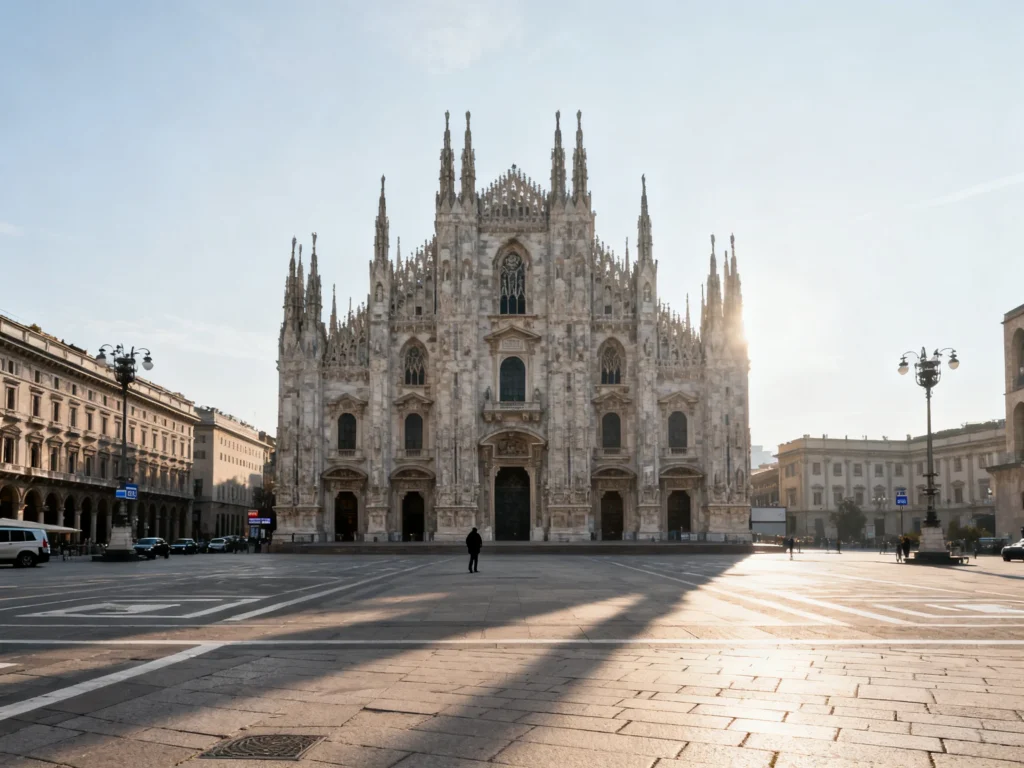
Milan has a reputation for being pricey (fashion capital energy), but you can absolutely do it on a smart budget without feeling like you’re “missing” the city. The trick is knowing what actually costs money here—and what’s easy to keep cheap.
Below is a realistic daily costs breakdown for first-timers, plus the five budget categories that will make or break your Milan spend.
Top 5
1) Lodging: What You’ll Pay Per Night (and Where to Stay)
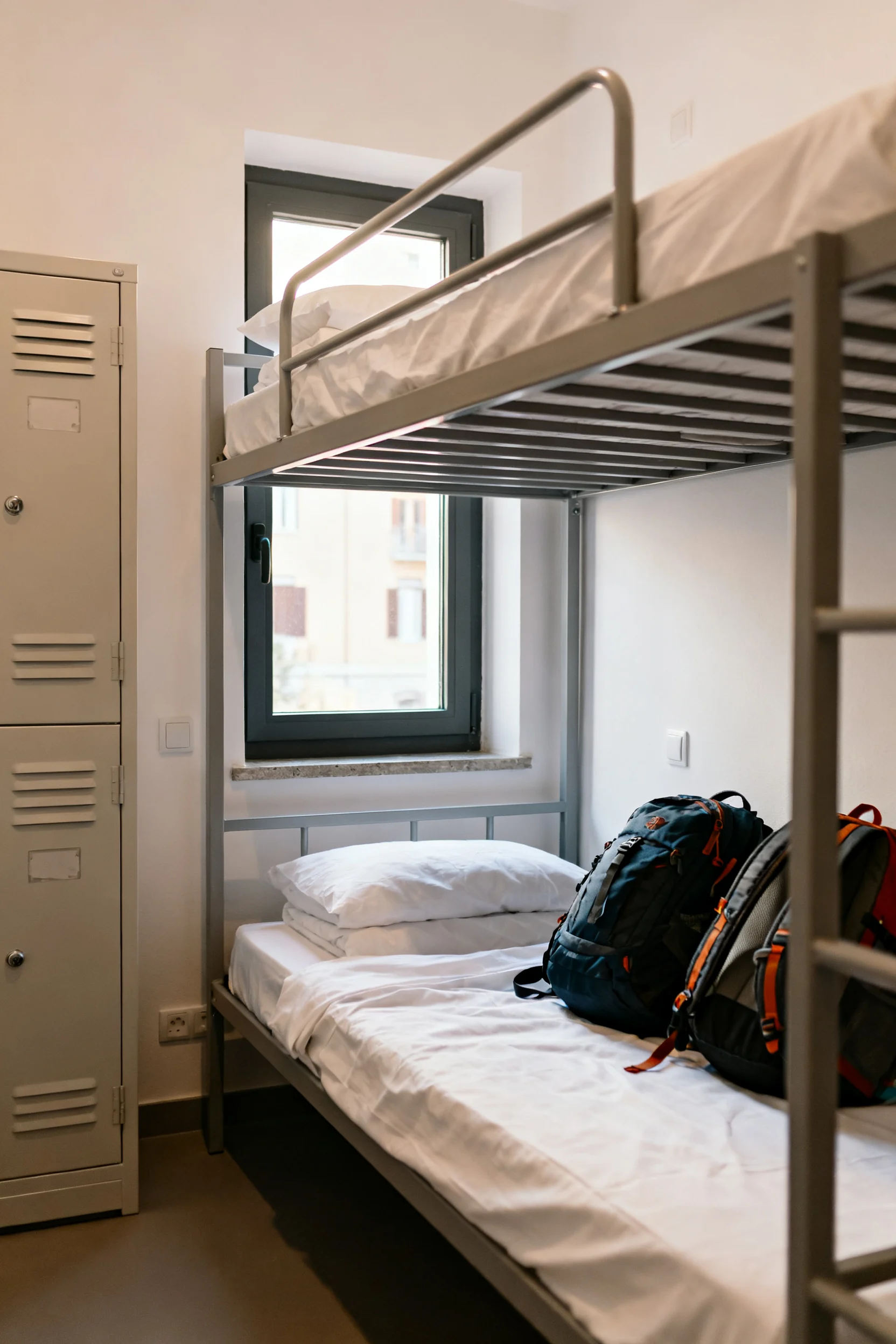
Budget for €35–€70 per person in a hostel (dorm), €90–€160 for a simple double room, and €180+ for a nicer hotel—higher on weekends and during fashion/design weeks. For good value, look at Central Station (Milano Centrale) for transit convenience, or Porta Romana and Isola for a more local vibe with solid metro access. Book 4–8 weeks ahead for the best midrange deals, and double-check the city tax (often €3–€7 per person/night) so it doesn’t surprise you at checkout.
2) Food & Coffee: Daily Eating Costs (Without Skipping the Fun)
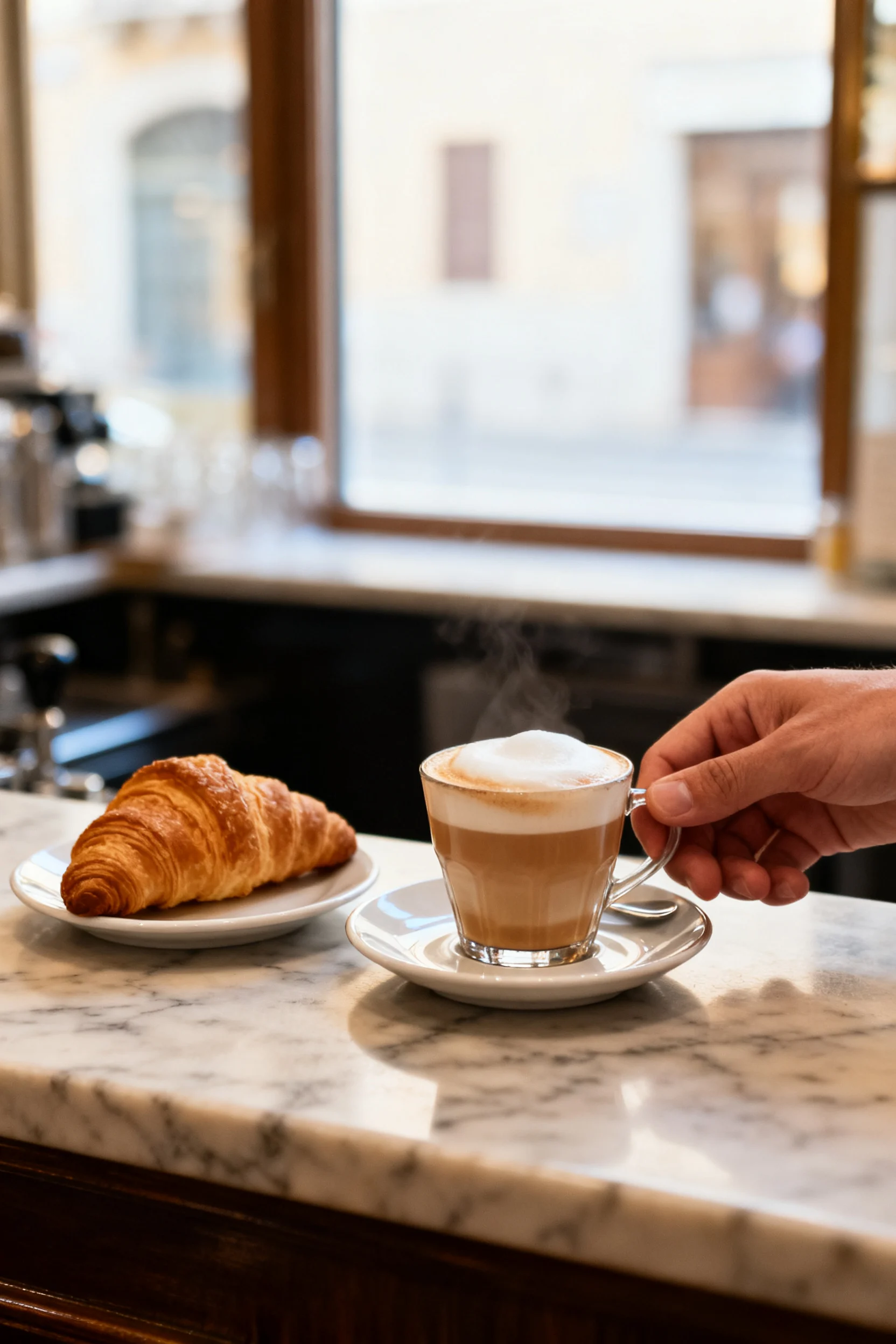
A realistic budget is €25–€45/day if you mix casual meals and a couple of coffees; add €15–€30 if you’re doing a sit-down dinner with wine. Do breakfast like a local: cappuccino + cornetto at the bar is usually €2–€4, and it keeps mornings cheap. For lunch, look for “pranzo” set menus (especially near business districts) or grab pizza al taglio/panini (€5–€10), then save your “nice meal” for one memorable night.
3) Transportation: Metro Tickets, Airport Transfers, and When to Walk
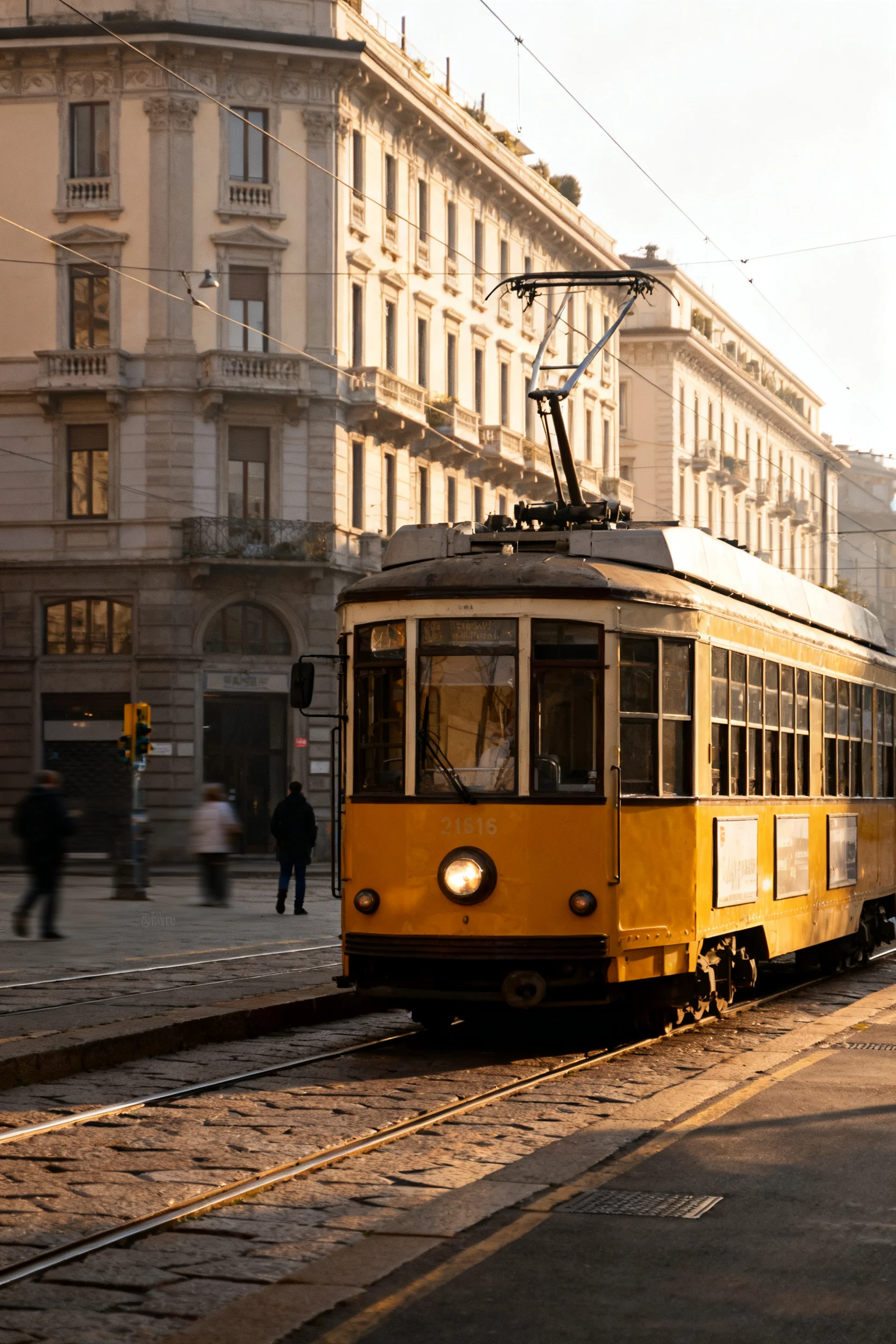
Plan on €5–€10/day for local transport if you’re using the metro/tram a few times; walking is easy in the center, so you can keep this low. If you’re arriving via Malpensa, Bergamo, or Linate, budget €10–€15 for shuttle/bus transfers (one way), while trains can cost more but may save time depending on your route. Stay near a metro line (M1/M2 are especially handy) so you don’t end up “accidentally” spending your budget on taxis late at night.
4) Attractions: Duomo, Museums, and Free Views
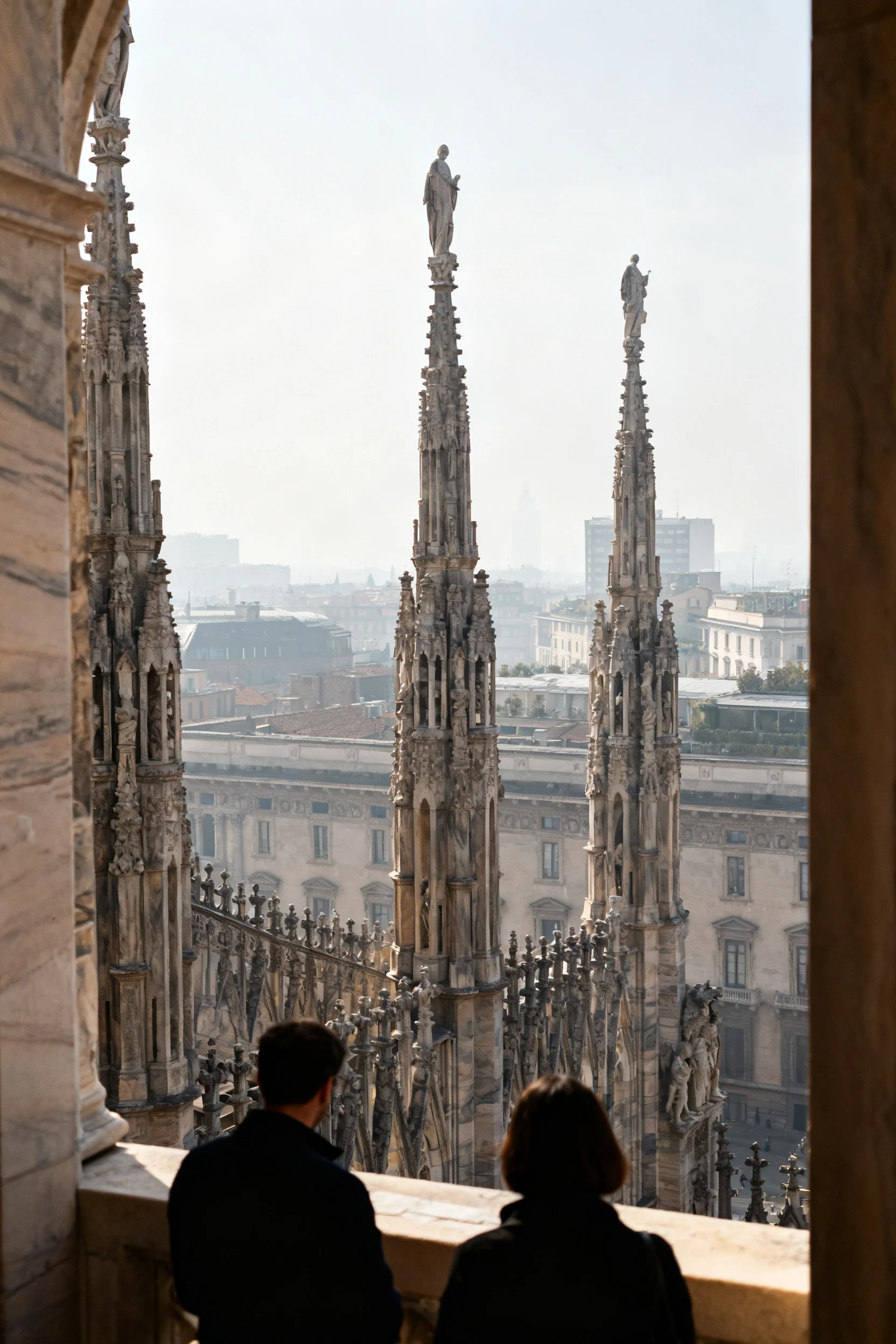
Set aside €10–€30/day depending on how museum-heavy you are; some days can be nearly free if you focus on neighborhoods, parks, and window-shopping (which is basically a Milan activity). The Duomo is the big paid must-do—consider timing it early in the day to avoid crowds, and decide if you want the rooftop access (that’s the upgrade that changes your total). If you’re trying to see The Last Supper, book well in advance and treat it as a “fixed cost” item because availability, not price, is the main challenge.
5) The Sneaky Extras: Aperitivo, Shopping, and Buffer Money

Build in a €10–€25/day “extras” buffer for aperitivo, small shopping moments, and random fees (lockers, bottled water, public restrooms, etc.). Aperitivo can be a budget win: for roughly €10–€15 you often get a drink plus a snack spread that can replace dinner if you’re not starving—aim for Navigli or Porta Venezia and go earlier for better selections. If you love shopping, set a firm cap before you hit Corso Buenos Aires (high-street) or the designer zones, because Milan is very good at making “just browsing” expensive.
FAQ
What’s a realistic total daily budget for Milan?
For a budget traveler (hostel, casual meals, lots of walking), €60–€100/day per person is doable. Midrange (private room, mix of restaurants, a couple of paid attractions) often lands around €130–€200/day. If you’re doing frequent taxis, shopping, and nicer dining, plan €220+/day.
Is Milan cheaper on weekdays or weekends?
Weekdays can be cheaper for hotels, while weekends sometimes spike because of short city breaks and events. Prices also jump during major fairs and fashion/design weeks, when even “basic” rooms sell out fast. If your dates are flexible, compare a Tuesday–Thursday stay against Friday–Sunday before booking.
Where should first-timers stay to save money but stay connected?
Milano Centrale is great for value and transit links (metro, trains, airport shuttles), but choose a well-reviewed property on a quieter street. Isola and Porta Romana can offer a nicer neighborhood feel with good metro access, often at slightly better prices than being right next to the Duomo. Prioritize proximity to a metro stop over being “close” on the map.
How can I eat well in Milan on a budget?
Do a bar breakfast (standing at the counter is usually cheaper), aim for set-menu lunches, and use aperitivo as one of your main meals. Keep an eye out for bakeries and quick-service spots for €5–€10 lunches, then pick one dinner to splurge. Ordering tap water isn’t always the norm, so budget for a small bottle if needed.
What should I book in advance to avoid last-minute costs?
Book your accommodation early if you’re traveling in peak months or during major events, and reserve The Last Supper as soon as your dates are set. If the Duomo rooftop is a must for you, buying tickets ahead can save time (and sometimes helps you avoid pricier “panic” options). Airport transfers rarely sell out, but knowing your route in advance helps you skip expensive last-minute taxis.