
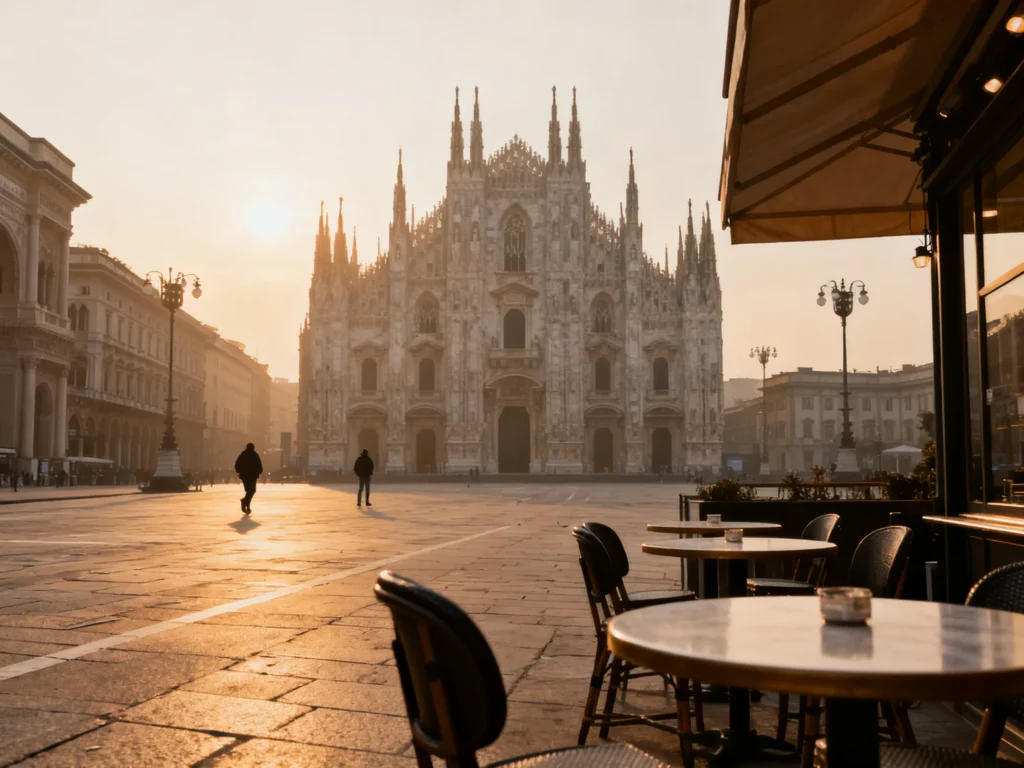
Milan can feel like two different cities depending on when you go: peak season is glossy, buzzing, and pricier; off-season is calmer, cozier, and way easier on your wallet. The good news is you can budget smartly for either—if you plan around the big cost drivers.
Below is a practical breakdown of where your money actually goes in Milan, plus what to book early, what to skip, and how to pick the right neighborhoods so your trip feels elevated without the peak-season price tag.
Top 5
1) Know the Seasonal Price Shifts (and Pick Your “Value Weeks”)
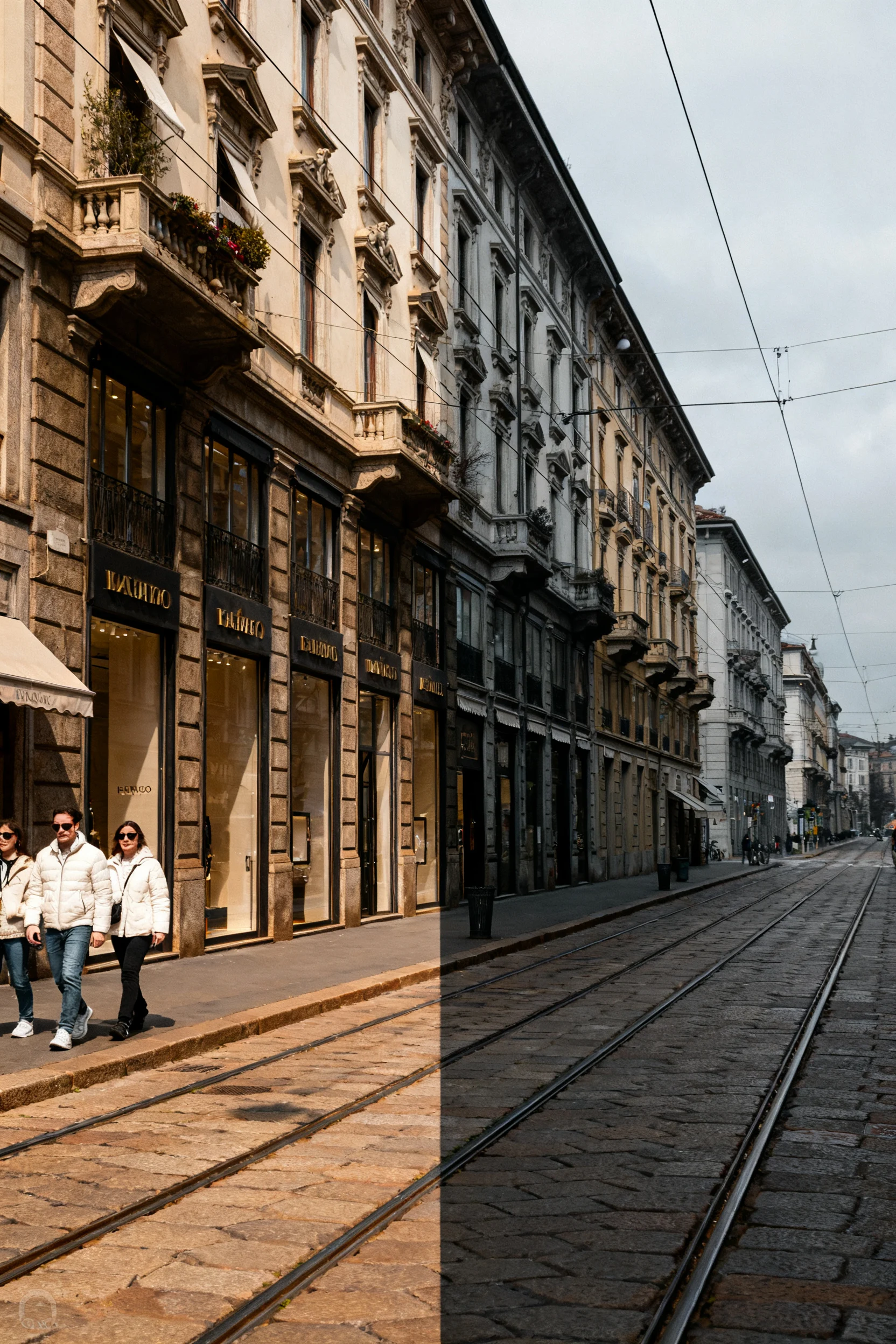
Peak season in Milan is typically late spring through early fall (plus major event weeks), when hotels and attraction tickets climb fast. For better deals, target late November–early December, January–February, or early March; you’ll often find noticeably lower nightly rates and more restaurant availability. If you want shoulder-season vibes, aim for April or October and book key pieces early. Check the calendar for Fashion Week and Salone del Mobile—those weeks can spike prices even if the weather is “off-season.”
2) Set Your Lodging Budget by Neighborhood, Not Just Star Rating
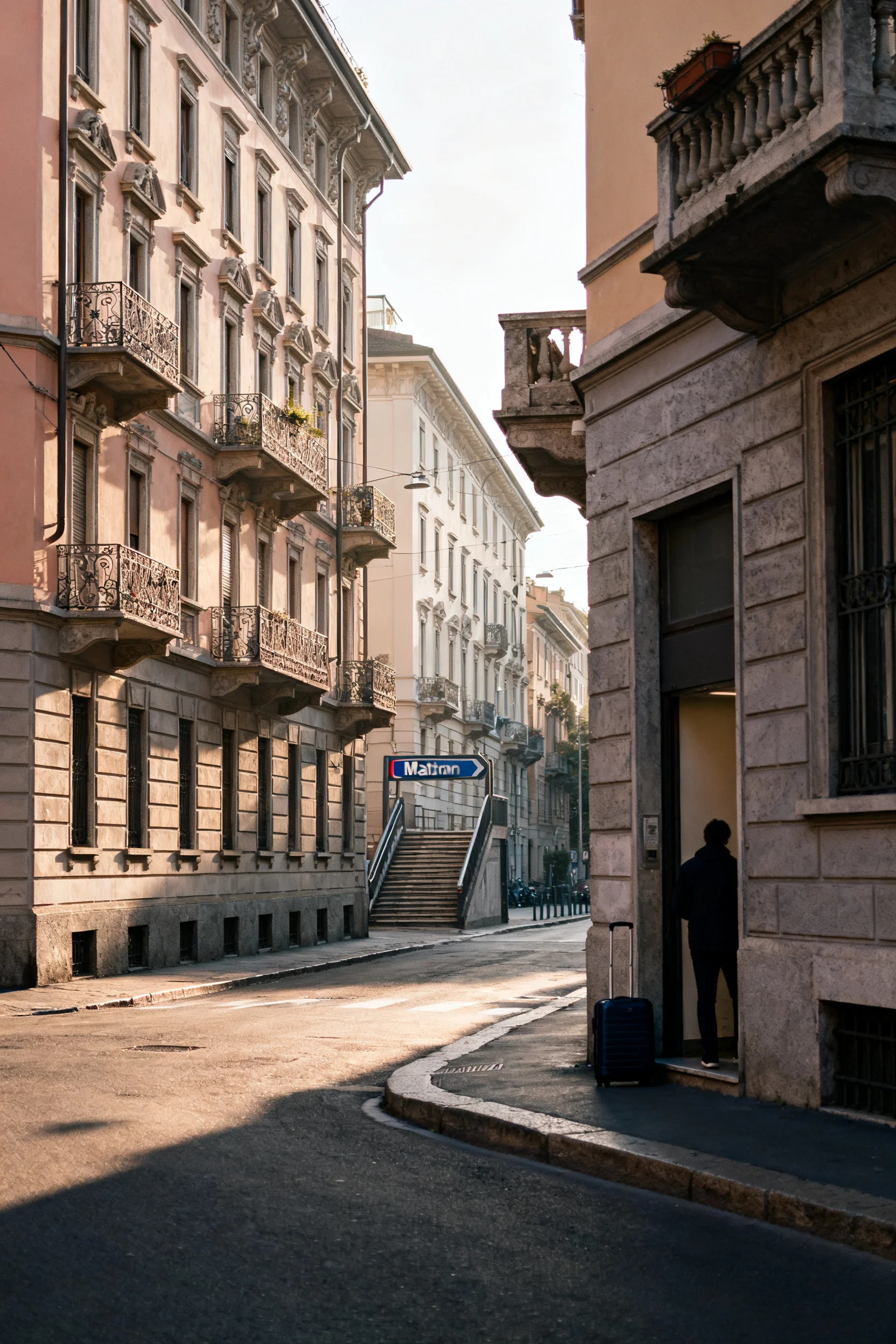
In peak season, staying in Centro Storico/near Duomo is convenient but usually the fastest way to burn your budget; consider Brera (charming but still pricey), Porta Romana (great value with easy transit), or Isola (trendy, well-connected) instead. Off-season, you can sometimes “upgrade your location” for the same price—watch for deals near San Babila or Moscova so you can walk more and spend less on transit. For first-timers, prioritize proximity to a metro line over a fancy lobby. If you’re splitting costs, apartments can be a win year-round, but in peak season book earlier to avoid inflated last-minute cleaning fees.
3) Book the Big-Ticket Sights Early (and Use Timing to Save)
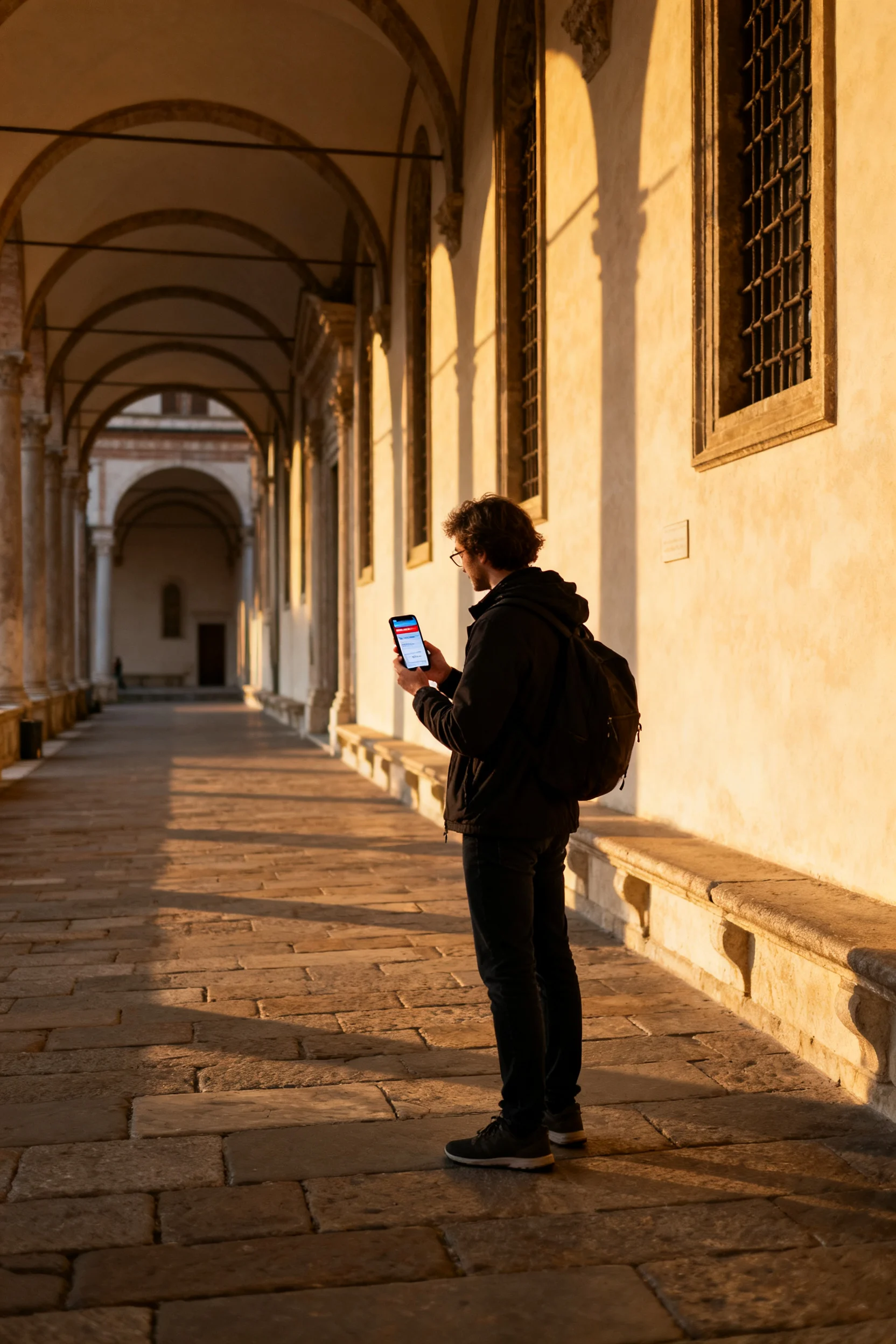
The most budget-breaking mistake in peak season is waiting on must-sees like The Last Supper; late availability often means pricey guided bundles. Lock in your top attractions 4–8 weeks ahead for peak travel (and 2–4 weeks ahead off-season), then build the rest of your days around those time slots. Go early morning for popular museums and cathedrals to avoid crowds and reduce the temptation of paid “skip-the-line” upsells. If your list is light, skip expensive multi-day passes and just buy individual tickets for what you’ll actually use.
4) Plan a Food Budget That Matches Milan’s Rhythm
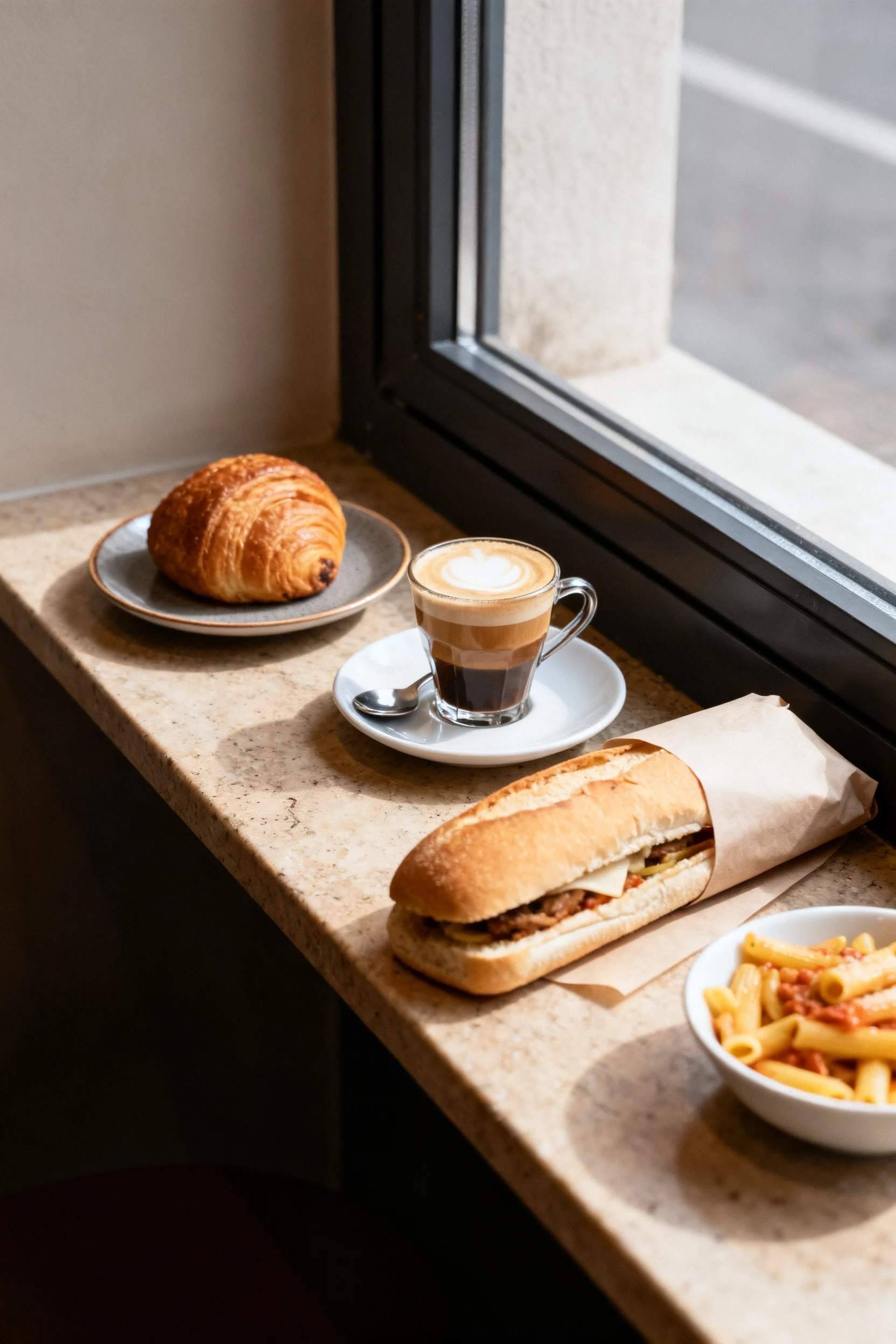
Milan can be expensive if every meal is a sit-down dinner, but it’s easy to eat well on a budget with a few local habits. Do cappuccino + pastry for breakfast, a quick panino or pasta lunch, and save a nicer dinner for a couple of nights; aperitivo hours can cover your pre-dinner snack without extra spend. In peak season, avoid tourist-heavy streets right around Duomo at prime dinner time and walk 10–15 minutes out for better prices and less waiting. Off-season is ideal for reservations-free restaurant hopping, so you can be more spontaneous and still land great meals.
5) Pack and Plan for Weather to Avoid Surprise Purchases
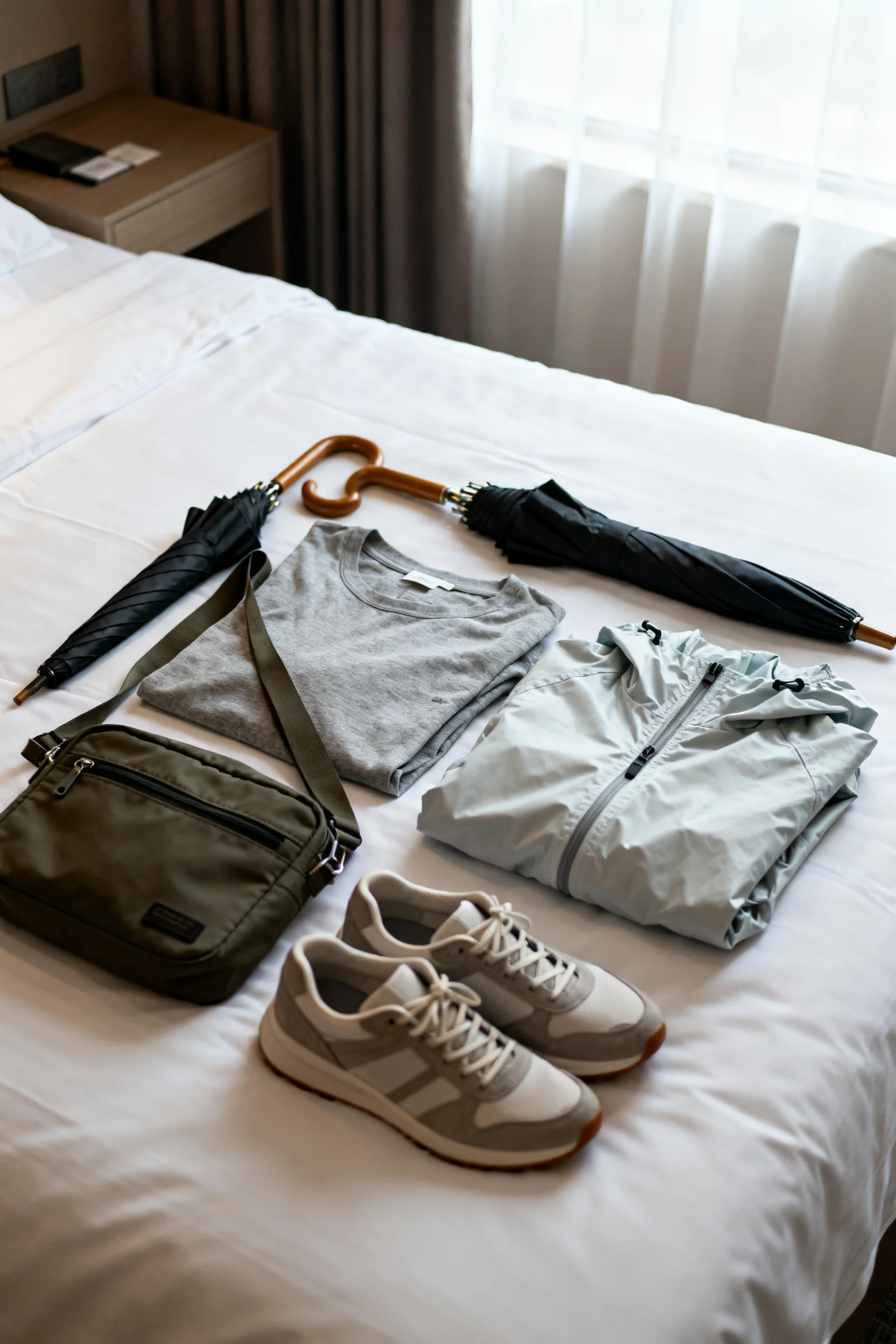
Peak Milan means heat and sudden storms—pack breathable layers and a compact umbrella so you don’t end up buying overpriced essentials near tourist hubs. Off-season can be chilly and damp, so bring a warm layer and comfortable waterproof shoes; the right footwear saves you from last-minute shopping and keeps you exploring longer. Either season, plan a “museum afternoon” option for rainy days so you don’t waste money on taxis just to salvage the itinerary. If you’re budgeting tightly, choose one paid shopping splurge zone (like the Quadrilatero) and treat the rest as window-shopping territory.
FAQ
When is Milan cheapest to visit?
January and February are often the best for lower hotel rates and fewer crowds, with late November and early December also offering good value (outside of holiday weekends). Prices can jump during major events, so double-check Fashion Week and Salone del Mobile dates before you book.
How much should I budget per day in Milan?
For a first-timer, a comfortable budget range is often lower in off-season and higher in peak season because lodging drives the difference. If you keep attractions to 1 paid sight per day and balance sit-down meals with casual spots, you’ll stay in control even during pricier months.
Is it worth staying near the Duomo?
It’s worth it if your priority is walking everywhere and you find a deal, especially off-season. In peak season, you’ll usually get better value by staying near a metro line in neighborhoods like Porta Romana, Isola, or around Centrale—then you can reach the Duomo area quickly without paying the premium.
Do I need to book The Last Supper in advance?
Yes—especially in peak season, where tickets can sell out well ahead of time. Off-season is slightly easier, but it’s still smart to book as soon as your dates are set so you don’t end up paying extra for bundled tours.
What should I skip to save money in Milan?
Skip overpriced restaurants right next to the Duomo at peak dinner time, and skip souvenir shopping on the main tourist strips where markups are highest. Also skip “just in case” attraction passes unless you’re truly stacking multiple included sights in a short window.