
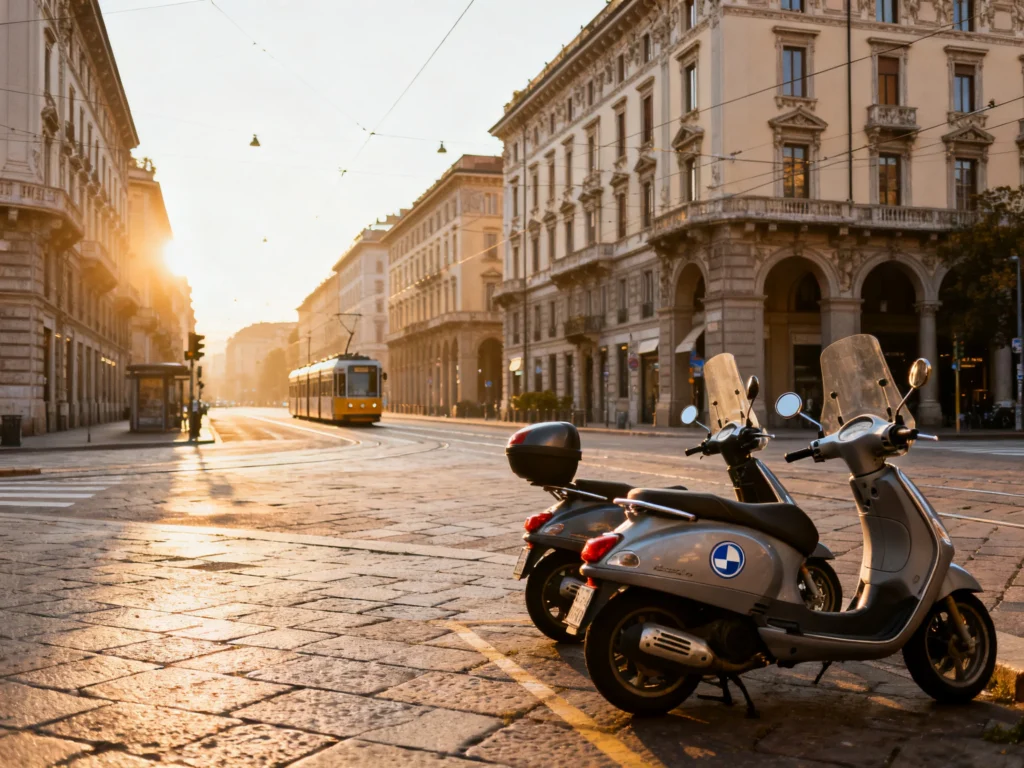
Milan has a reputation for being pricey, but your trip doesn’t have to be. With the right neighborhoods, a smart transit plan, and a few tried-and-true food spots, you can keep your daily spend under control without feeling like you’re missing the “Milan” part of Milan.
This guide is built for first-timers who want affordable hotels, easy meals, and a realistic budget you can actually stick to.
Top 5
1) Pick the Right Base: Central-Enough, Not Duomo-Adjacent
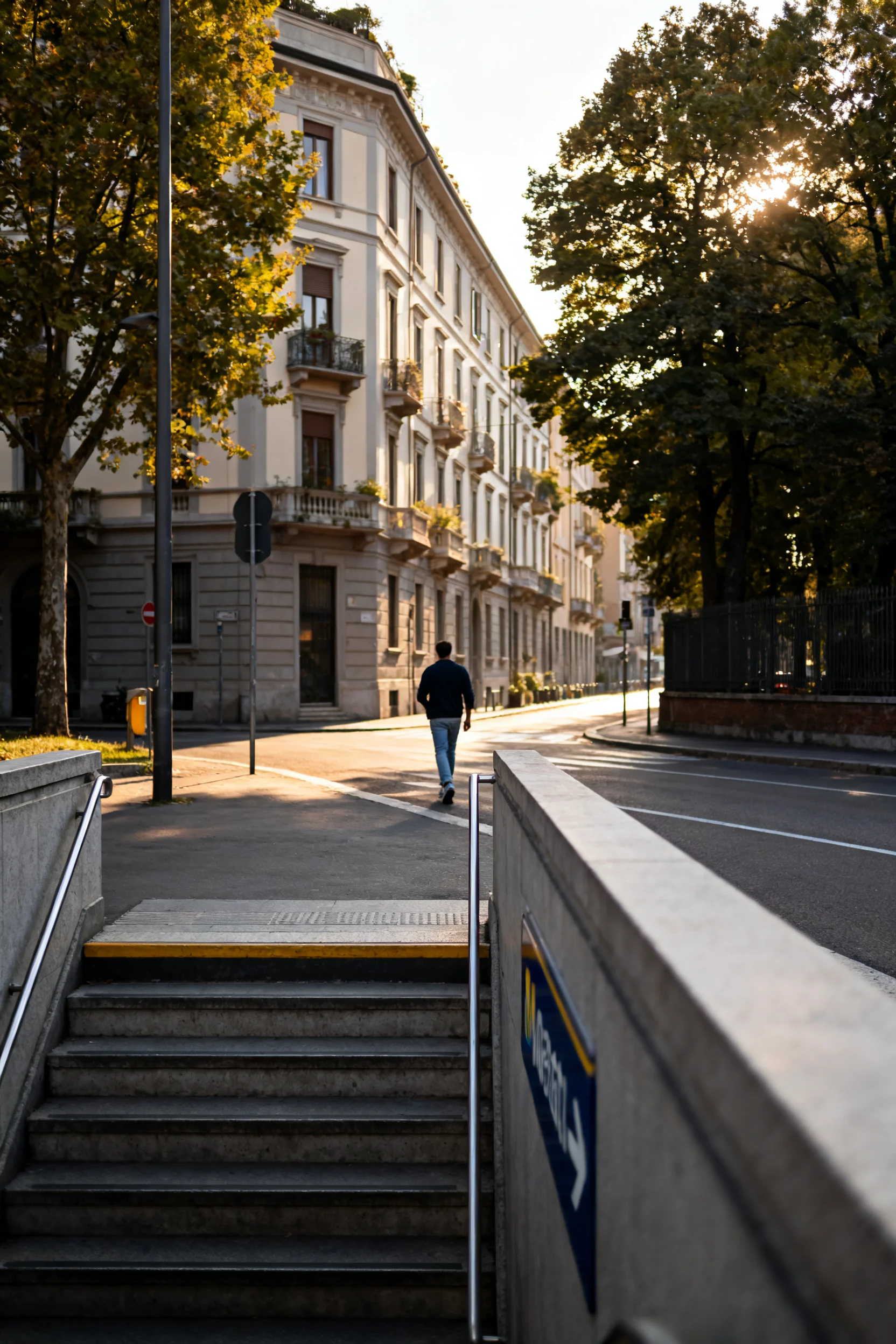
To save big on lodging, skip hotels right by the Duomo and look in Porta Venezia, Centrale (near the main station), or Isola for better rates and strong metro connections. Aim to be within a 7–10 minute walk of a metro stop (M1, M2, or M3) so you can reach most sights fast. If you’re staying near Centrale, choose a hotel on the south/east side of the station for an easier, more walkable vibe. Book 6–10 weeks ahead for the best mid-range deals, especially for spring and fall.
2) Stay in Budget-Friendly Hotels (or “Smart” Alternatives)
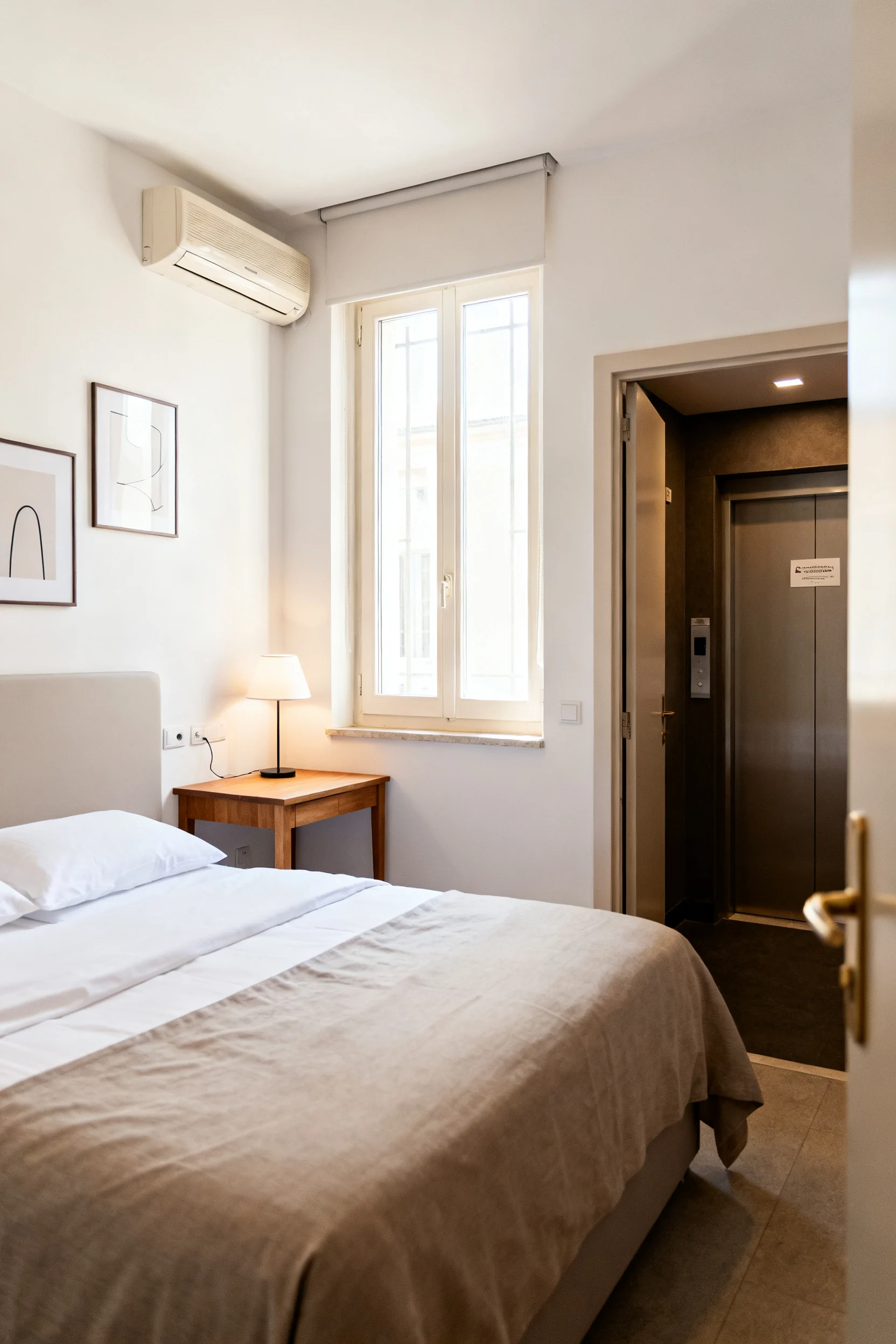
In Milan, “affordable” usually means clean, compact rooms with great transit rather than lots of extras. Prioritize hotels with A/C (summer is real), an elevator (many buildings are older), and flexible check-in if you’re arriving by train or a late flight. If your group is 3–4 people, consider an apartment-style stay with a kitchenette; even a few breakfasts at home can noticeably shrink your total spend. Avoid paying extra for breakfast if there’s a café nearby—Milan mornings are made for a quick pastry and espresso.
3) Eat Like a Local: Panini, Pasta, and Set Menus
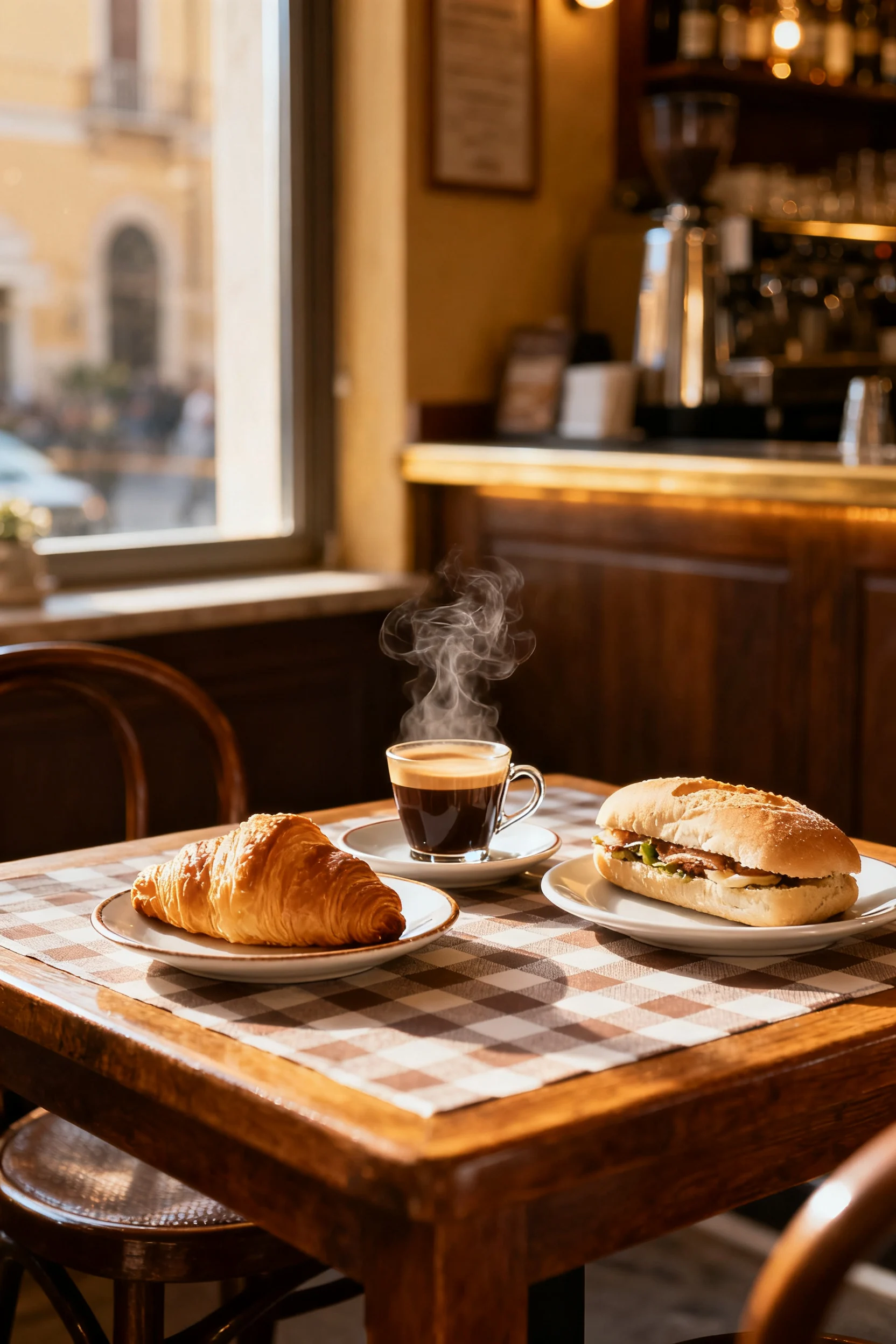
For affordable eats, build your day around one “nice” meal and keep the rest simple: pastry + coffee for breakfast, panino or pizza slice for lunch, then a sit-down dinner with a fixed-price menu if you can find it. Look for daily specials (“piatto del giorno”) at trattorias, and consider a hearty risotto or pasta as your main—filling and often better value than meat dishes. Water is safe from the tap, so bring a reusable bottle and refill to avoid constant kiosk purchases. If a place is pushing tourist menus right by major landmarks, walk 10 minutes out and you’ll usually find better prices and better food.
4) Use Public Transit Strategically (It’s the Real Budget Hack)
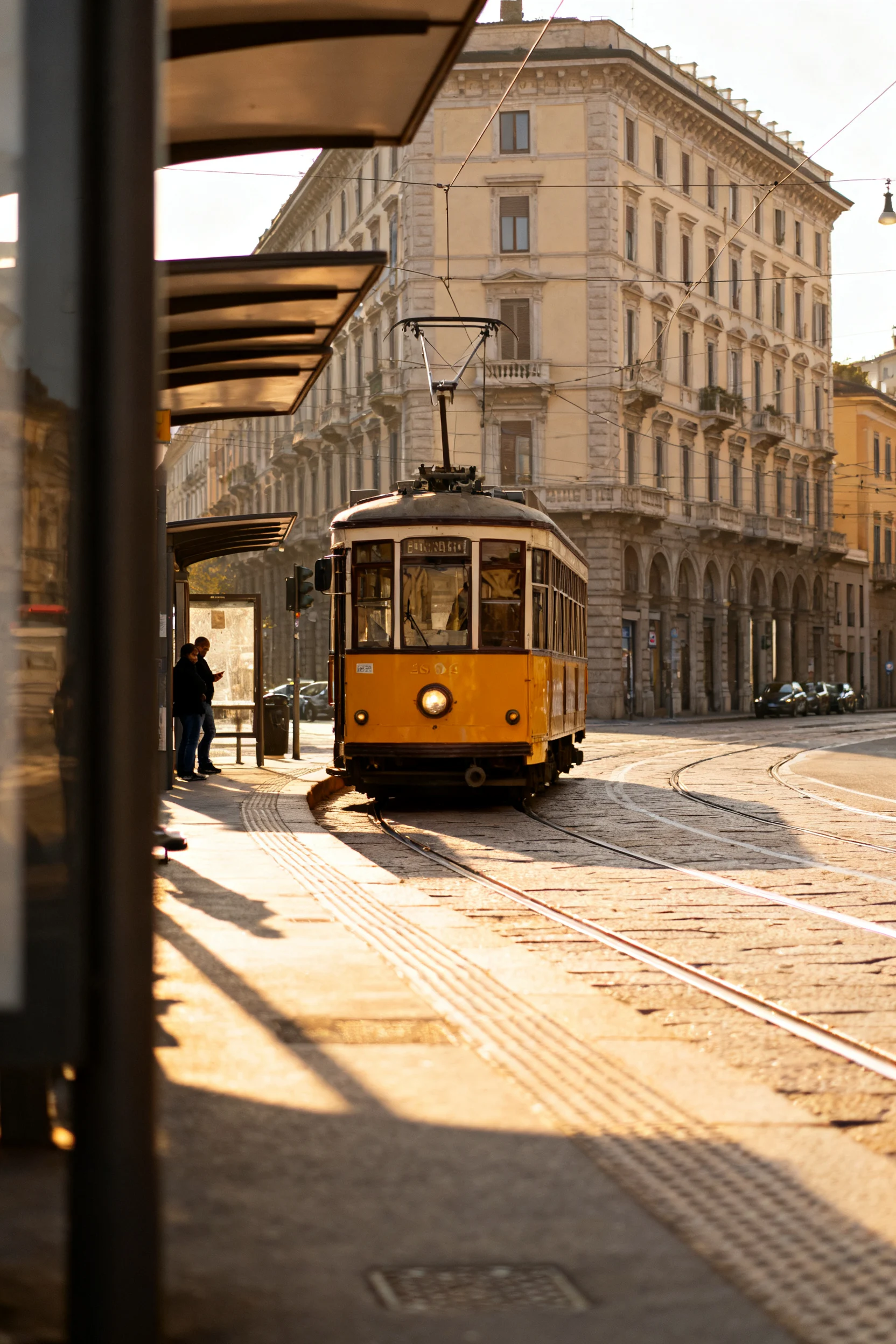
Milan is easy to navigate with the metro, trams, and buses, and using them well can save you a surprising amount of money and time. If you’re doing multiple rides in a day, a day pass can beat buying single tickets—especially if you’re hopping between neighborhoods like Brera, Navigli, and CityLife. Download offline maps and pin your hotel, the nearest metro entrance, and your top sights so you’re not burning data or getting turned around. Pack comfortable shoes anyway: Milan is very walkable, and walking between nearby sights is free (and usually faster than waiting for a tram).
5) Plan a “Free-and-Iconic” Sight Day (Then Choose One Splurge)
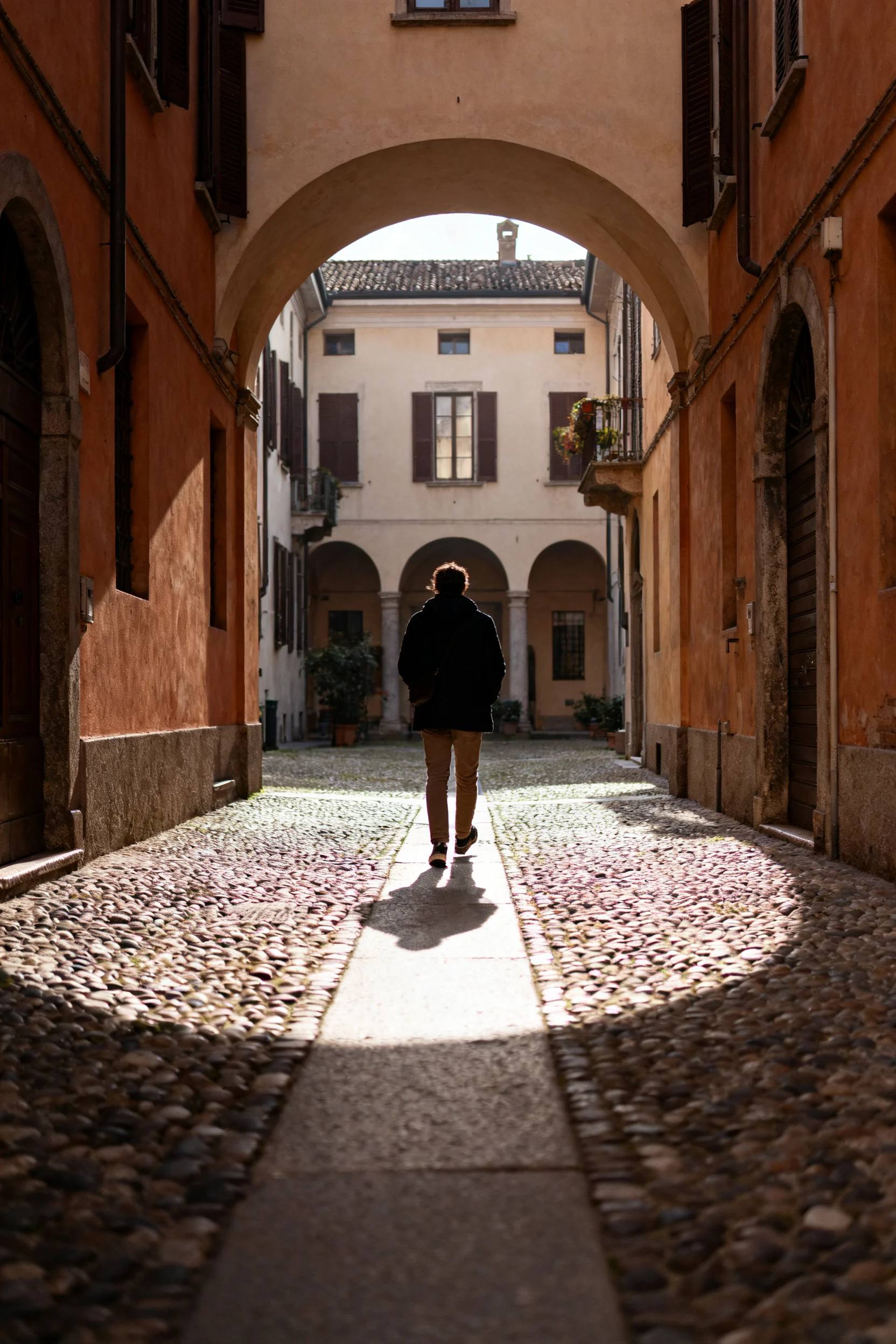
Balance your budget by pairing free experiences with one paid highlight. Spend a morning wandering the Galleria area, then walk through Brera’s streets and pop into churches and courtyards you pass (many are free and genuinely stunning). If you want a big-ticket item like The Last Supper, book as early as possible and anchor your itinerary around that time slot so you don’t waste transit money zig-zagging. For a controlled splurge, pick either a museum entry or a special dinner—not both on the same day—and you’ll keep your overall trip total steady.
FAQ
How much should I budget per day in Milan?
A realistic budget range for a first-timer is about 80–140 EUR per person per day, depending on lodging style and how many paid attractions you choose. You can go lower with apartment stays, grocery breakfasts, and mostly free sightseeing, or higher if you book popular experiences and multiple sit-down meals.
What are the best neighborhoods for affordable hotels with good transit?
Porta Venezia is a top pick for value + central access, while Centrale is convenient for trains and early departures. Isola is trendy and well-connected, often with better deals than the historic core. If you want quieter nights, look slightly off the main streets but still close to a metro stop.
Is Milan expensive for food?
It can be if you eat in the most touristy zones for every meal. Keep breakfast simple at a café, do a casual lunch (panini, pizza, or bakery), and choose one solid dinner spot a little outside the main landmarks. Ordering house wine and skipping sugary drinks also helps your total.
Do I need to book attractions in advance?
For The Last Supper, yes—book as soon as your dates are firm. For other museums, you can often decide closer to the day, but weekends and rainy days get busy. If you’re traveling in peak season, pre-booking at least one major attraction helps you plan your days more efficiently.
What’s one common budgeting mistake first-timers make in Milan?
Staying too central and then paying extra for everything else: higher hotel rates, pricier restaurants, and more impulse purchases. A slightly less central base near the metro usually saves the most overall while still keeping the city easy and fun to explore.