
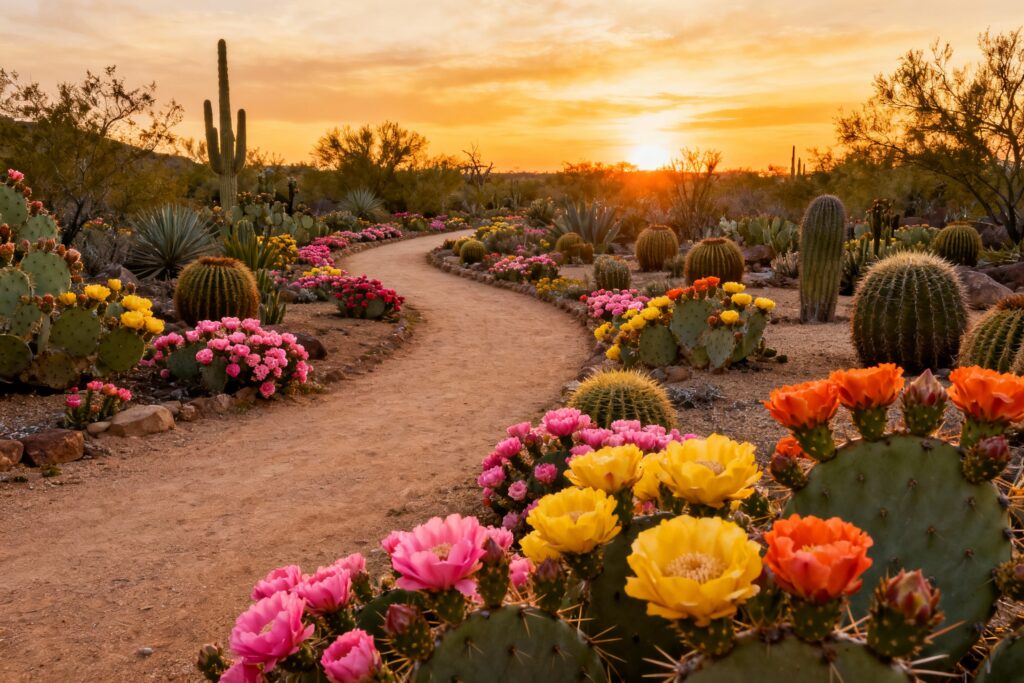
You don’t need to love cacti to fall for the Desert Botanical Garden—but it helps. This living museum in Phoenix turns “just desert” into a jaw-dropping show of spikes, blooms, and big skies. You’ll wander sculpted trails, catch wildflower explosions, and watch sunsets that look Photoshopped.
Let’s plan your visit so you see the best trails, the bloomiest blooms, and the kind of golden hour that makes you forget your phone exists.
Why the Desert Botanical Garden Rocks
The Garden sits in Papago Park, minutes from downtown Phoenix and Tempe. It’s compact but packed with 50,000+ plants from deserts around the world. You can do a quick hour or spend half a day—your call.
Expect:
- Five themed trails that loop through deserts and plant families
- Seasonal exhibits like Chihuly glass or light installations
- Cactus blooms that go full diva in spring
- Sunset viewing that’s frankly ridiculous
FYI: The Garden charges admission and sometimes sells timed tickets in peak season. Book ahead if you want sunset hours on weekends—those go fast.
The Best Trails (And What They’re Actually Like)
Each trail has a vibe. You can do them all, but if you only have 90 minutes, prioritize these.
Desert Discovery Loop Trail
The main loop.
You’ll see signature saguaros, barrel cacti, prickly pears, and great interpretive signs. It’s flat, stroller-friendly, and a solid intro to Sonoran desert drama. Start here if you’re new or short on time.
Sonoran Desert Nature Loop
This short trail climbs a small hill for prime Papago Buttes views.
Hit it during golden hour for sunsets that glow off the red rocks. It’s slightly uphill but manageable in sandals. Hydration still required—this is Phoenix.
Cactus and Succulent Galleries
If you came for spiky weirdness, this delivers.
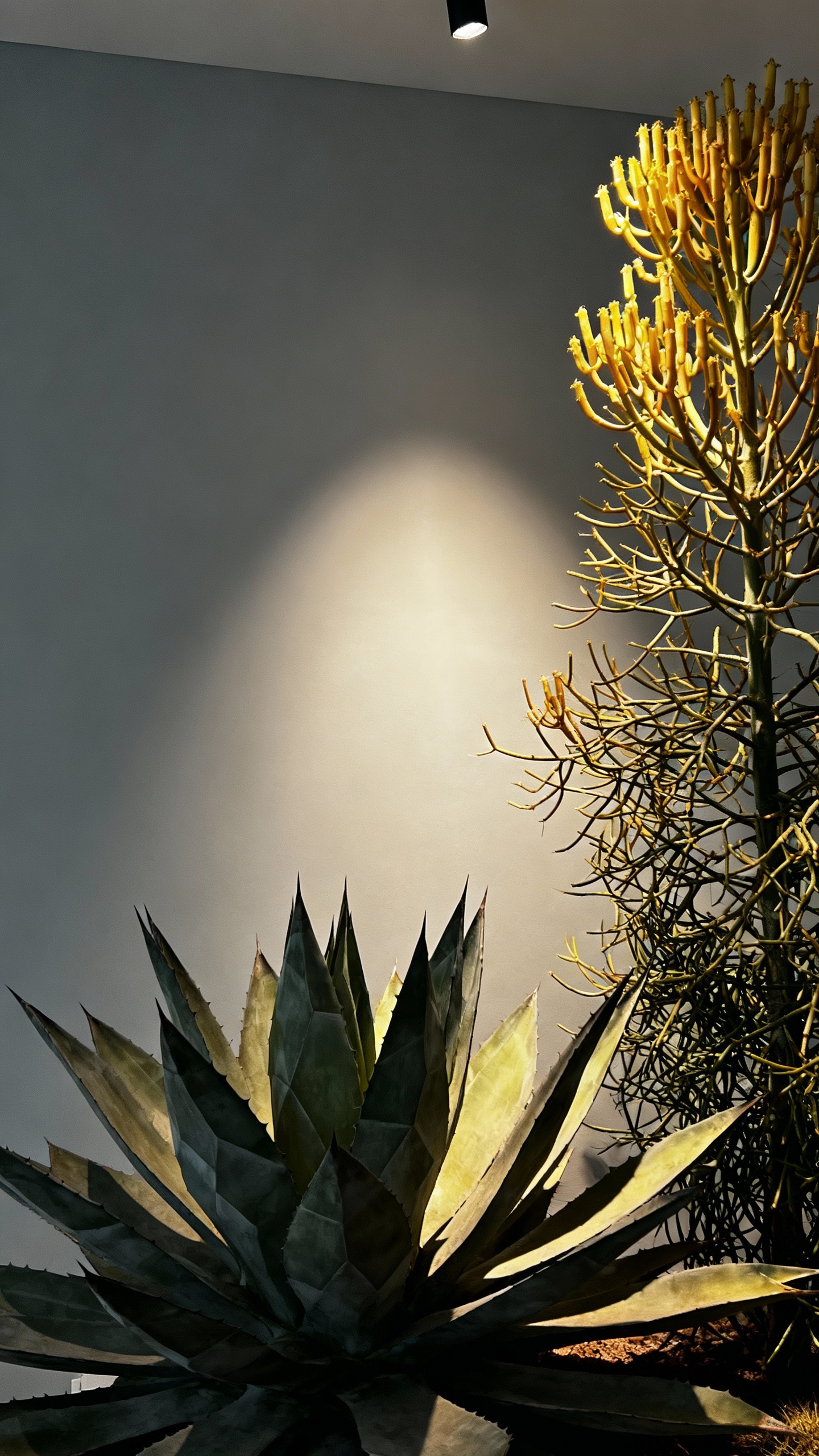
You’ll find candelabra euphorbias, sculptural agaves, and cactus clusters that look like modern art. Bring a camera; you’ll use it.
Plants & People of the Sonoran Desert Trail
Fascinating and often overlooked. It shows how Indigenous communities use and manage desert plants.
You’ll learn about mesquite milling, agave roasting, and the many talents of the prickly pear. You’ll leave smarter and slightly hungrier.
Desert Wildflower Loop
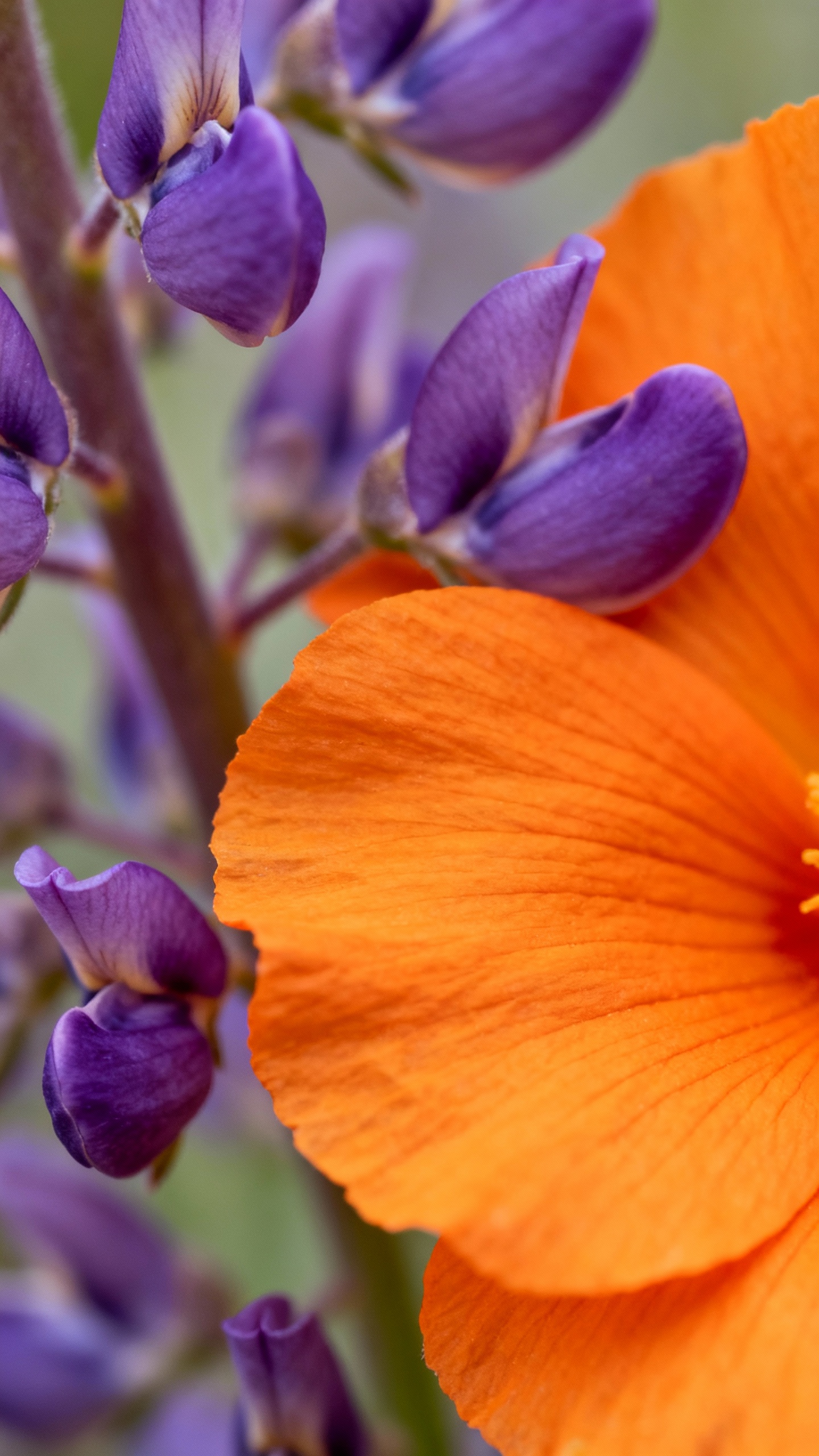
When it pops, it pops. Marigold-colored brittlebush, orange globe mallow, and purple lupine can carpet the trail in late winter and spring.
IMO, it’s a must during bloom season.
Timing Your Visit for Maximum Bloom
Cactus blooms don’t follow your schedule—they follow the weather. Still, you can aim smartly.
Prime Windows
- Late February–April: Wildflowers and brittlebush go bright. Hedgehog and beavertail cactus start firing.
- April–May: Big saguaro buds appear; many columnar cacti bloom.
Night-bloomers do their thing (blink and you miss it).
- September–October: Monsoon aftermath brings a second, smaller flush of blooms and fresh growth.
Pro Tips for Catching Blooms
- Mornings show the freshest flowers; some close by midday.
- After cool nights, blooms may linger a bit longer.
- Follow the Garden’s social feeds for bloom alerts—staff posts when showstoppers open.
Sunset Strategy (Golden Hour Like a Pro)
You came for that desert glow. Here’s how to nail it.
Best Spots
- Sonoran Desert Nature Loop overlook: Elevated view of Papago Buttes = chef’s kiss.
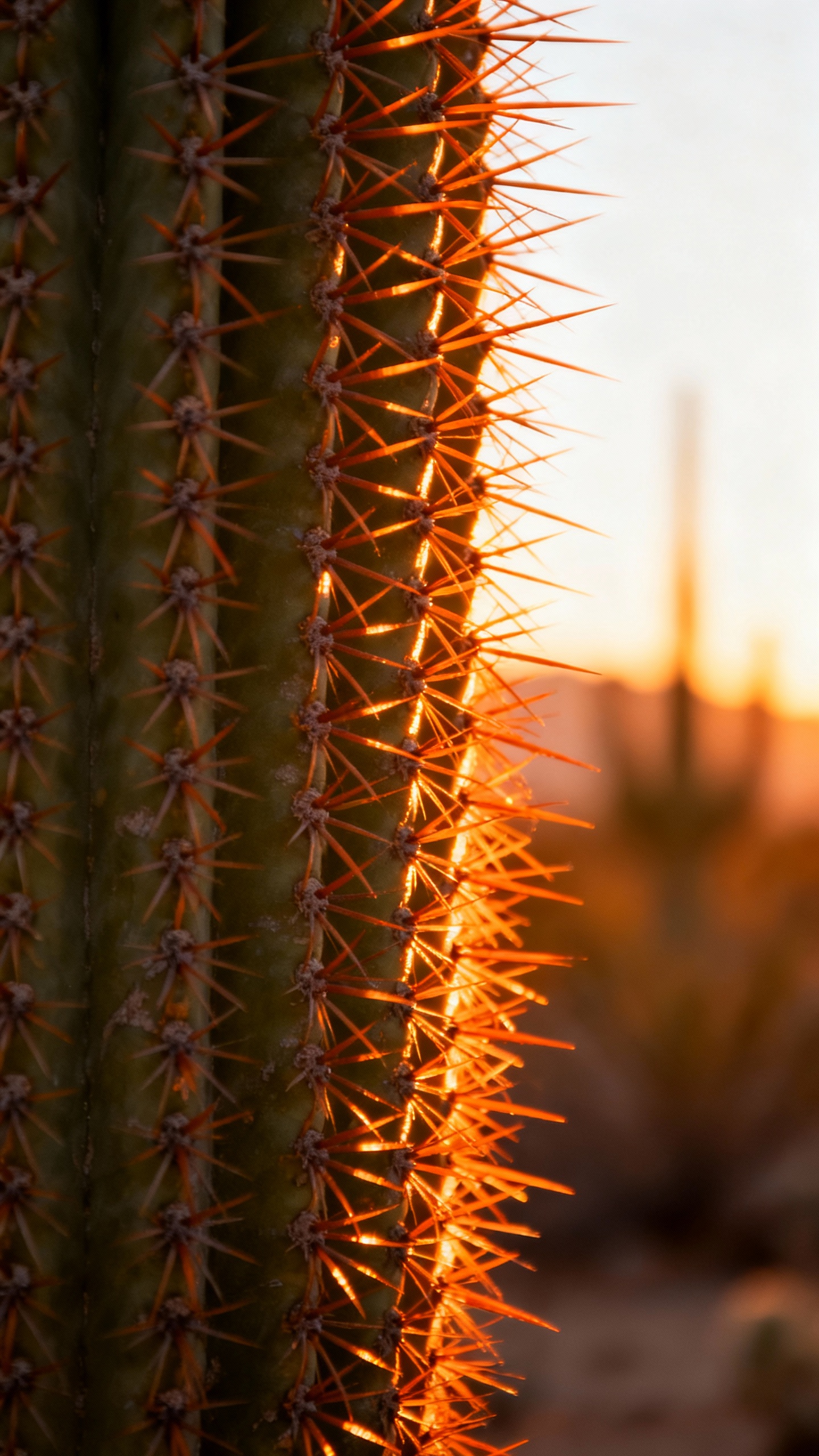
- Agave and Cactus Galleries: Backlit spines turn into neon halos at dusk.
- Open plaza near Ottosen Entrance: Wider sky, fewer plants, great for silhouettes.
Timing and Tactics
- Arrive 60–90 minutes before sunset to explore first, then stake your spot.
- Bring water and a light layer; desert temps drop fast.
- If you’re shooting photos, use portrait mode against backlit spines and watch for lens flare—it’s the good kind here.
Short Itineraries That Just Work
Not sure how to structure your visit? Steal one of these.
60-Minute Power Stroll
- Desert Discovery Loop for the greatest hits
- Pop into the Cactus Galleries for quick wow-factor
- Finish at the gift shop for local seeds and cactus candy (yes, it’s a thing)
2-Hour Explorer
- Desert Discovery Loop to warm up
- Plants & People trail for culture and context
- Sonoran Desert Nature Loop for the overlook
- Wrap with a snack at Gertrude’s or the Patio Café
Sunset Date Night
- Arrive an hour before sunset
- Wander the Agave and Cactus Galleries as the light drops
- Head to the Nature Loop overlook for the main event
- Dinner nearby in Old Town Scottsdale or Tempe—options abound
What to Bring (And What to Leave)
Let’s keep it simple.
You’ll walk a lot, in sun, with cameras everywhere.
- Water (refill stations available)
- Hat + sunscreen (the UV index does not play)
- Comfy shoes (trails are easy, but gravel = ankle gremlins)
- Camera/phone with extra battery
- Light layer if you stay for sunset outside of summer
Things to skip:
- Heavy bags (you’ll regret them)
- Off-trail wandering (stick to paths—plants and you both stay safer)
Seasonal Events Worth the Hype
The Garden throws excellent events, many after hours. Crowd favorites:
- Las Noches de las Luminarias (December): Thousands of luminarias and live music—magical without going full cheesy.
- Winter and spring plant sales: Expert-grown natives and cacti; staff gives real advice, not “uh… water it?”
- Rotating art exhibits: Think large-scale sculptures or glass that syncs with the landscape.
Check the event calendar before you go. Some nights require special tickets and sell out quick, FYI.
Photography Tips Without the Jargon
You don’t need fancy gear.
You need good light and a plan.
- Go low: Shoot cacti from below to make them look epic against the sky.
- Backlight: Let the sun rim the spines—instant glow-up.
- Find patterns: Agave spirals, cholla textures, and cactus ribs never fail.
- Mind the background: Move two steps to kill a distracting sign.
- Night-bloomers: If you luck out, raise ISO or use Night mode—handheld works in a pinch.
IMO, sunrise has calmer vibes, but sunset wins for drama.
FAQ
When is the best time of year to visit?
For blooms and comfort, aim for March–April. You’ll catch wildflowers, cactus blossoms, and perfect temps. Late fall (October–November) also feels great, though bloom action is lighter.
How long should I plan to spend at the Garden?
Most people spend 1.5 to 3 hours.
Add time if you’re a photo nerd or you booked a special event. If it’s hot, go early and take breaks.
Can I see cactus blooms in summer?
Yes, but fewer. Many cacti peak in spring, while some, like night-blooming cereus, show in early summer—often for a single night.
The Garden sometimes hosts viewing events when they expect big nights.
Is the Garden kid-friendly?
Totally. Trails are short and packed with cool shapes and textures. Bring sun protection and snacks, and let them lead a trail; the discovery signs help keep short attention spans engaged.
Do I need to buy tickets in advance?
If you want a specific time—especially sunset, weekends, or events—book ahead.
Walk-up tickets exist but can sell out during peak season or special exhibits.
Are dogs allowed?
Service animals only, except on occasional dog-friendly event mornings. Check the calendar before you surprise your pup with a cactus tour.
Final Tips From a Desert Plant Fangirl
Don’t sprint through it. Slow down, read a few signs, and look closely at the spines and textures—this place rewards curiosity.
Time your visit for morning blooms or golden-hour glow, bring water like you mean it, and hit the Sonoran Desert Nature Loop for that end-of-day view. The Desert Botanical Garden turns a “harsh” landscape into a love letter—thorns and all.