
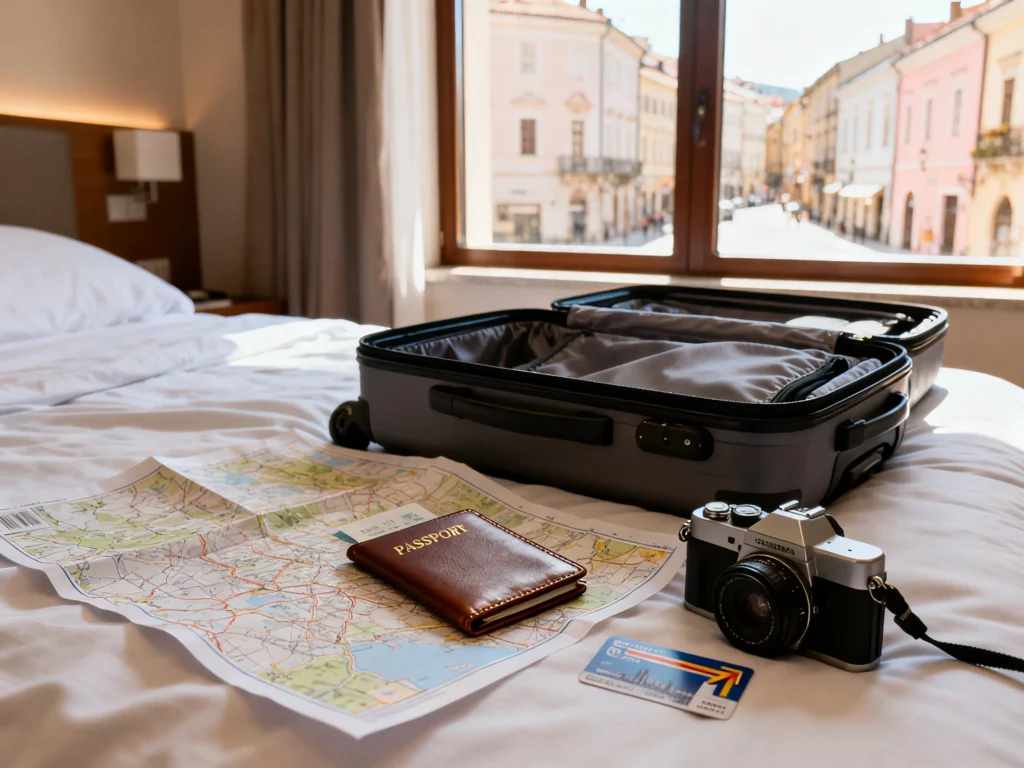
Solo travel abroad is equal parts freedom and main-character energy. You set the pace, change plans on a whim, and learn fast what you actually like doing—without negotiating every decision.
That said, traveling alone in a new country can feel intimidating at first. These tips keep things simple, safe, and genuinely fun, especially if it’s your first solo international trip.
Top 5
1) Choose a “First Solo” City That’s Easy to Navigate
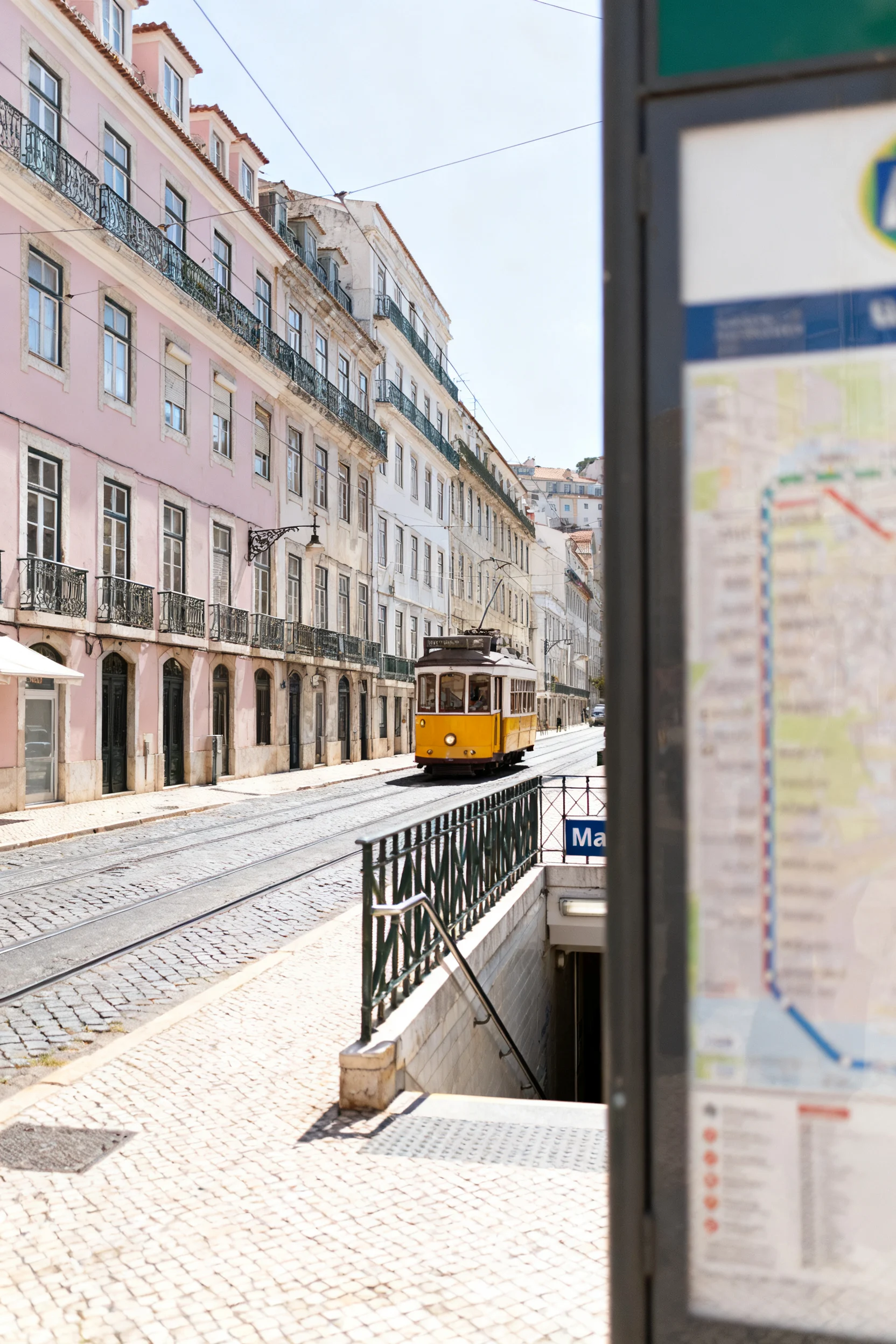
Pick a destination with solid public transit, walkable neighborhoods, and lots of other travelers around—think Lisbon, Copenhagen, Seoul, or Mexico City (Roma/Condesa). Stay central so you can pop back for a break without losing an hour in transit. Check airport-to-city transport before you book; a simple metro or official airport bus beats negotiating late-night taxis. If you’re unsure, book 3–4 nights in one base and do day trips instead of moving hotels constantly.
2) Book the “Backbone” Early: First Night, Key Transit, and a Few Anchors
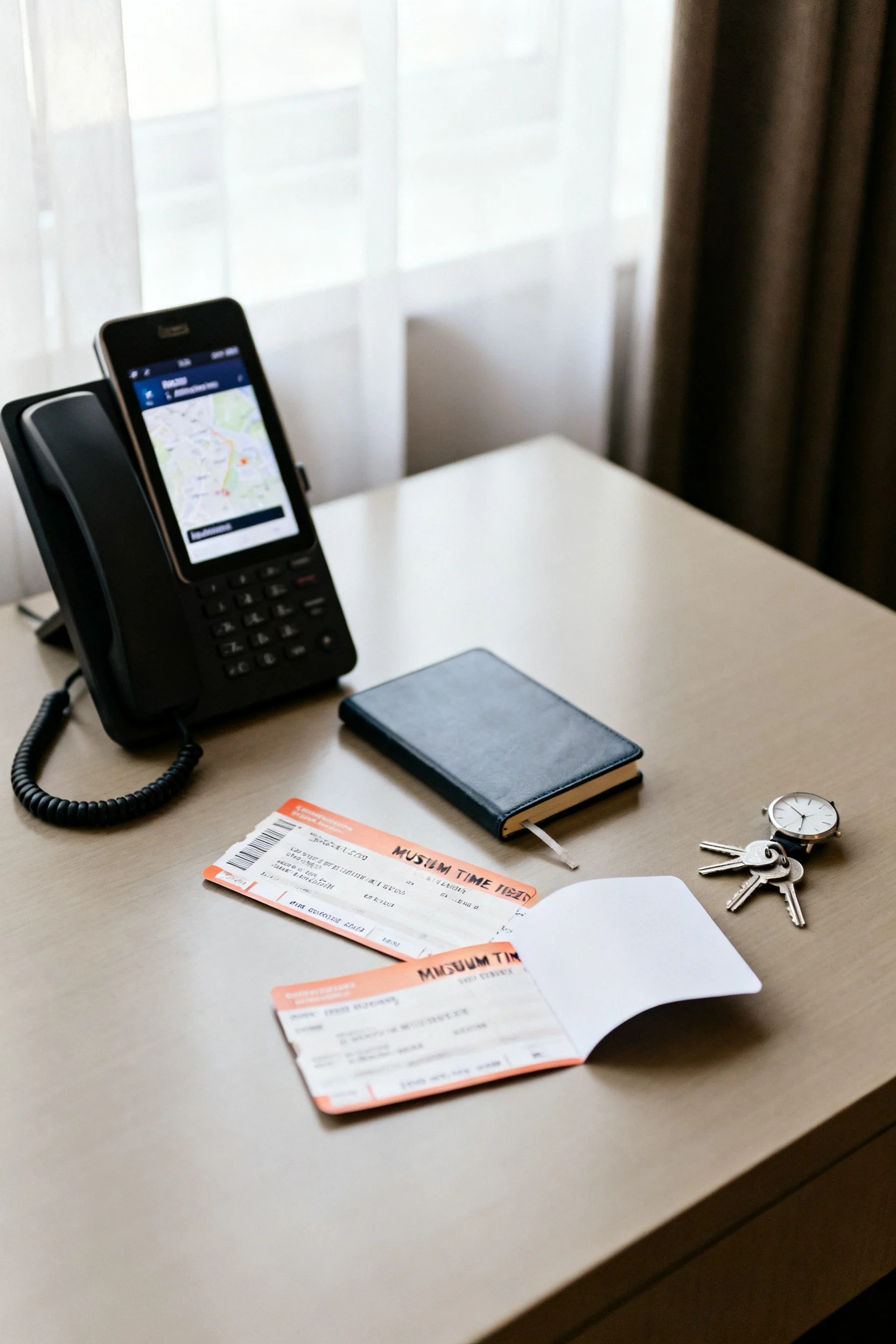
Lock in your first two nights of accommodation, your airport transfer plan, and any must-do tickets (popular museums, timed-entry viewpoints, major train routes). Arriving with a clear plan for the first 24 hours lowers stress so much. For trains and buses, choose daytime departures when possible and reserve seats if that’s a thing in your country. Keep the rest flexible: schedule one “anchor” activity per day and leave the middle open for wandering.
3) Stay Social Without Overcommitting (Hostel-Style Even If You Don’t Hostel)
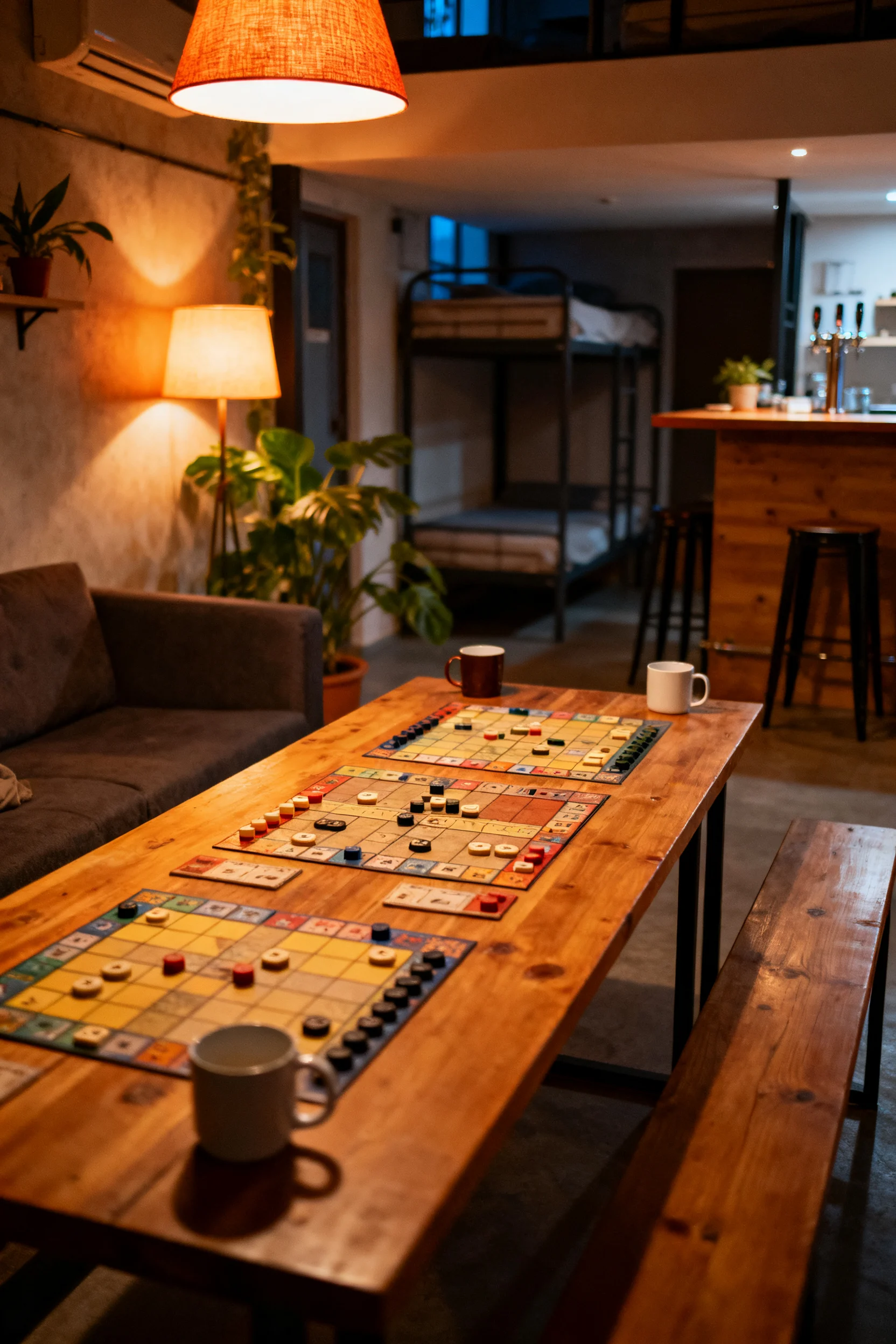
If you want easy friends, book a highly rated social hostel or a private room in a hostel (best of both worlds). If hostels aren’t your vibe, choose a small guesthouse, a hotel with a lobby bar, or a tour-heavy neighborhood where it’s normal to chat. Join a walking tour on day one—it’s the fastest way to learn the layout, get local tips, and find people to grab dinner with. Save group day tours for the middle of your trip when solo decision fatigue starts to hit.
4) Build a Simple Safety System (Not a Paranoid One)
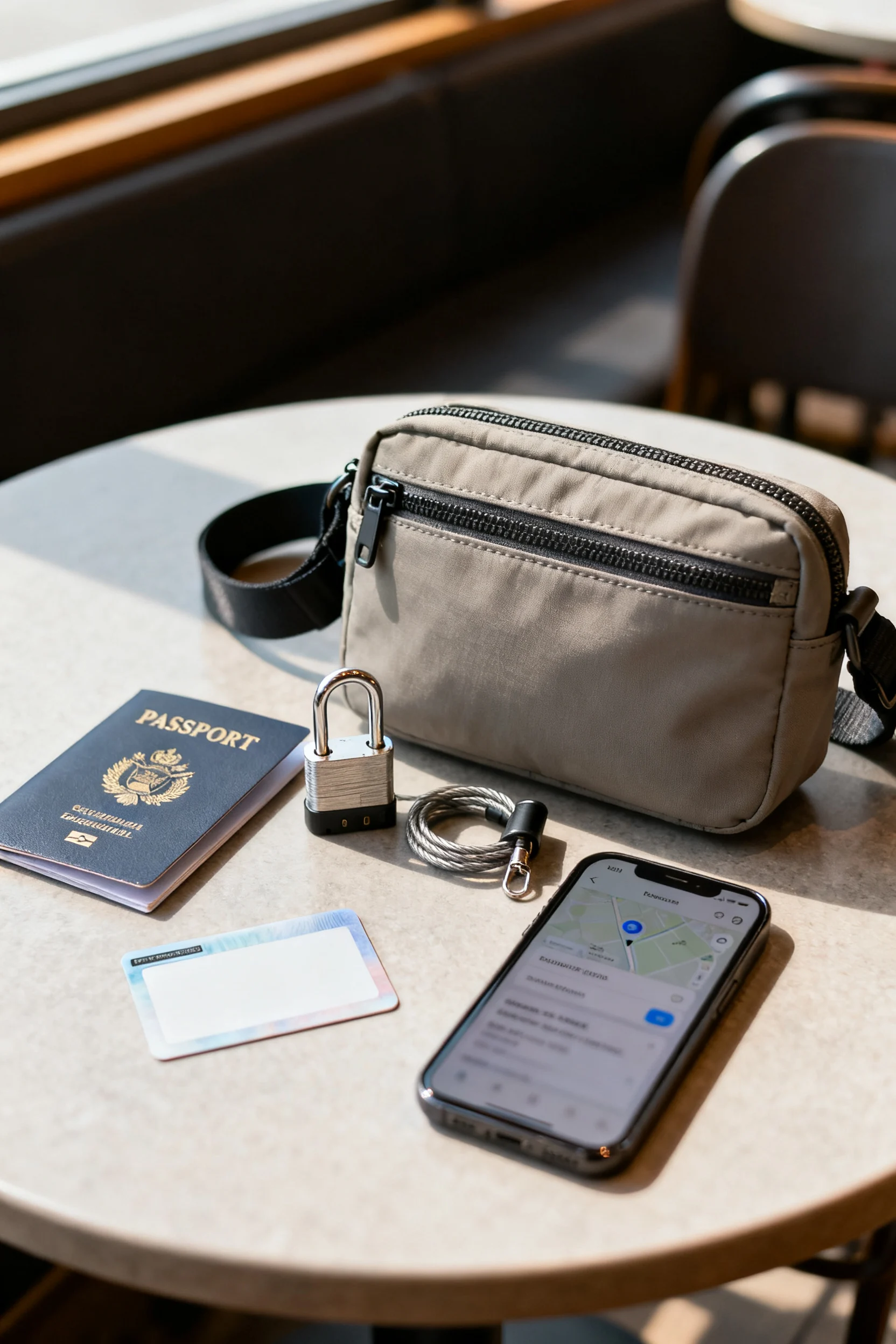
Use a crossbody bag that zips, and keep your passport locked up unless you truly need it—carry a copy and a second ID when possible. Share your live location with one trusted person and set a quick “I’m back” check-in time, especially on nights out. Learn the local emergency number, download offline maps, and screenshot your accommodation address in the local language for taxi moments. At night, stick to well-lit streets, pick a direct route, and trust your “this feels off” instinct without debating it.
5) Pack Like You’ll Carry It Alone (Because You Will)
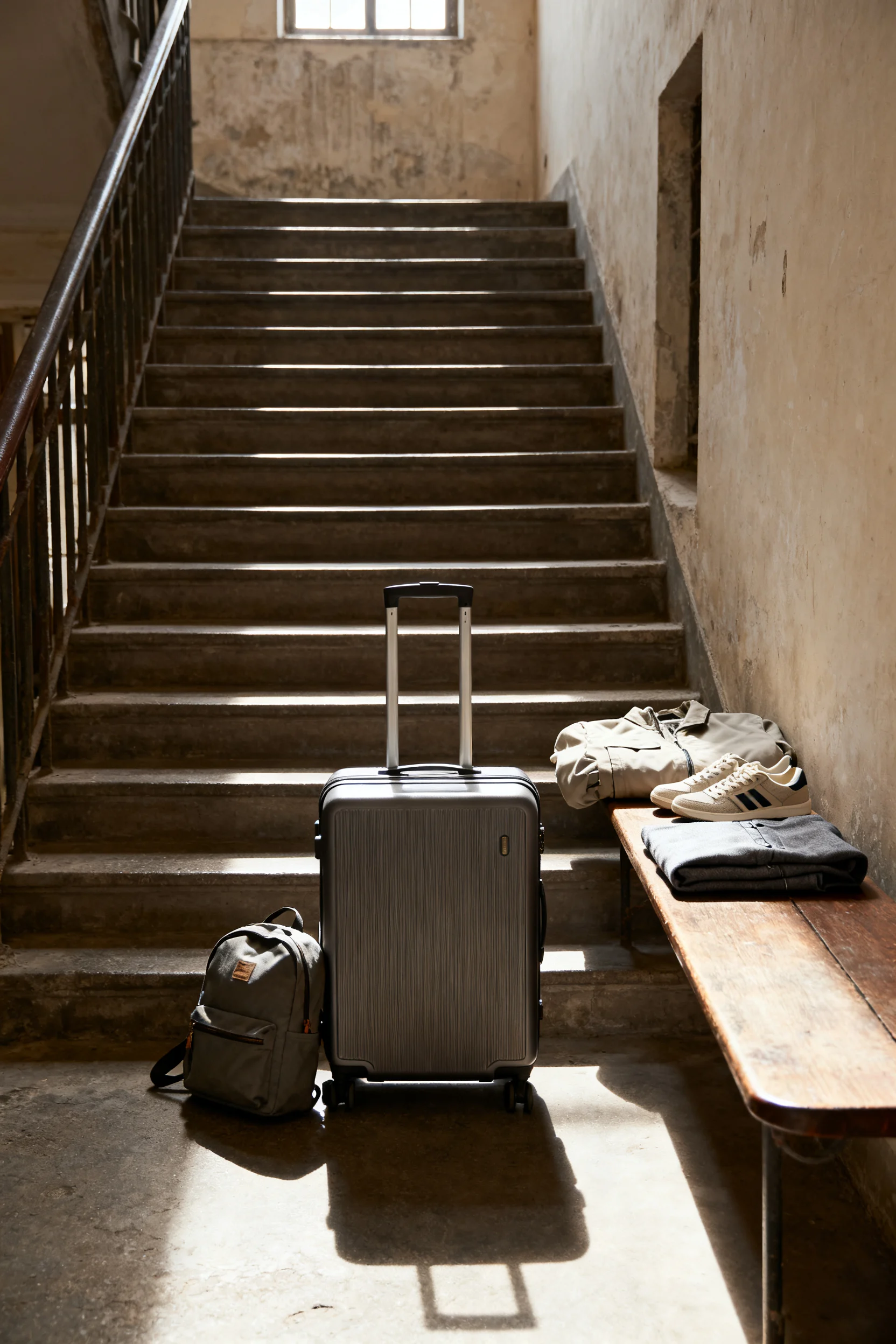
Bring a carry-on-size bag if you can; solo travel gets so much easier when you can move quickly and take stairs without drama. Pack one nicer outfit, one comfy outfit, and repeatable basics—laundry halfway through beats hauling extra. Don’t skip a power bank, a universal adapter, and a tiny first-aid kit (blister patches are the MVP). For tech and money, split essentials: one card in your wallet, one card stored separately, and a little emergency cash tucked away.
FAQ
How do I pick the best neighborhood when traveling alone?
Prioritize areas that are central, well-lit at night, and close to public transit. Look for neighborhoods with lots of cafes and everyday foot traffic (not just nightlife). Before booking, scan recent reviews for comments about noise, safety, and walking distance to main sights.
Is it better to use cash or card when I’m solo abroad?
Use a mix: card for most purchases and a small amount of cash for tips, markets, and transit machines. Withdraw cash from ATMs inside banks when possible, and avoid currency exchange kiosks at airports unless you’re truly stuck. Notify your bank of travel, and keep a backup card separate from your main wallet.
What’s the easiest way to meet people while traveling alone?
Walking tours, small-group food tours, and hostel common areas are the low-effort options. Aim for one social activity early in the trip, then follow up by inviting someone to a casual plan like coffee, a museum, or a sunset viewpoint. Keep it simple and daytime-first; it’s easier to gauge the vibe.
How can I avoid feeling overwhelmed on a solo trip?
Plan less per day than you think you should—one main activity plus one optional one is plenty. Build in “reset time” like a long lunch, a park break, or a quick shower between sightseeing and dinner. If you’re overstimulated, do something routine: grocery run, laundry, or a familiar café moment.
What should I do if something goes wrong (missed flight, lost phone, etc.)?
Start with the essentials: get to a safe place, then handle one problem at a time. Keep digital and printed copies of key info (passport, insurance, bookings), and write down your accommodation address and emergency contacts. If your phone is lost, use hotel reception or a nearby cafe to log into email, contact your bank, and update travel plans.