
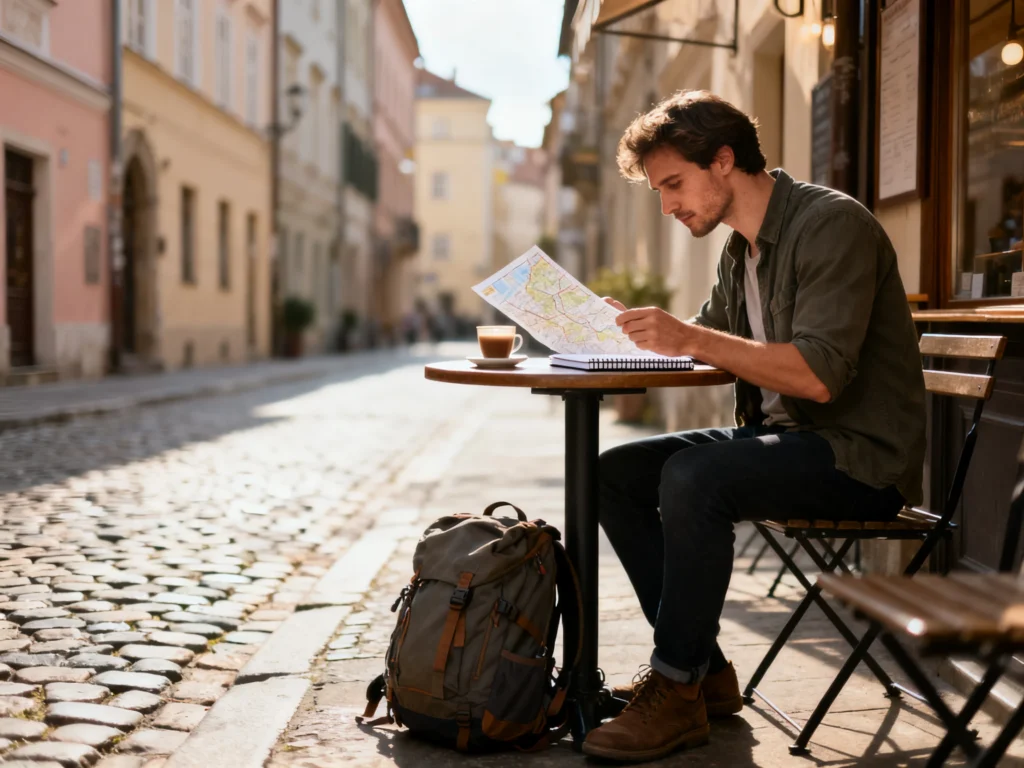
Solo travel on a budget is basically the ultimate flex: you move on your own timeline, spend where you care, and skip what you don’t. The trick is keeping costs low without feeling like you’re “roughing it” the whole time.
These tips are built for first-timers who want practical moves—what to book, what to pack, where to stay, and how to stay safe—without blowing your whole trip fund in the first two days.
Top 5
1) Pick the Right “Budget-Friendly” Destination (Not Just the Cheapest Flight)
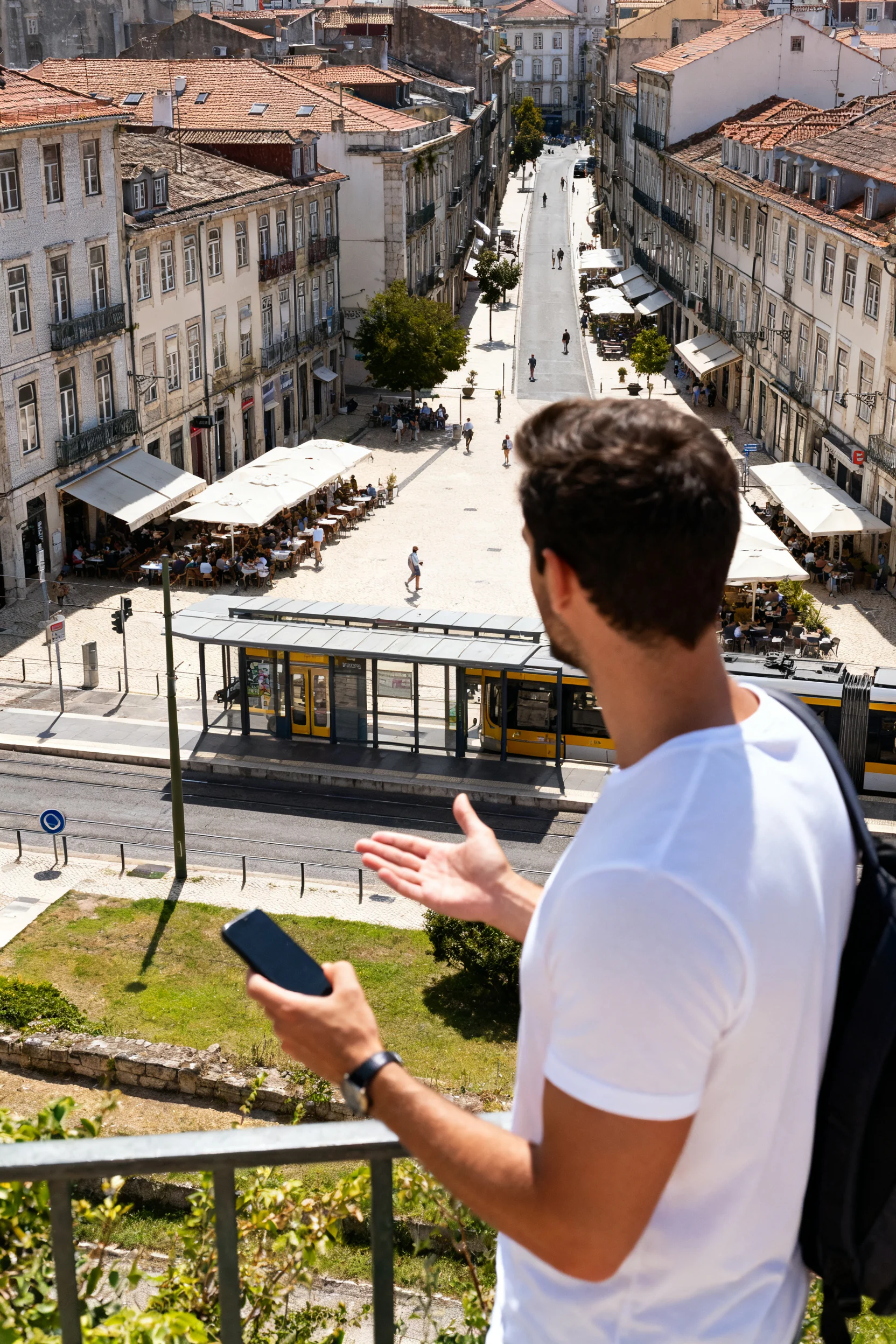
Before you book, price out the whole day: lodging, local transport, meals, and activities—some “cheap flights” land you in pricey cities. Aim for places with walkable centers and strong public transit (think Lisbon, Mexico City, Budapest, Hanoi) so you’re not ridesharing everywhere. If you’re flexible, shoulder season (late spring or early fall) usually gives you better rates and fewer crowds without bad weather.
2) Stay Social Without Paying Social Prices

Choose a hostel with privacy options (female-only dorms, smaller rooms, or private pods) so you can meet people without sacrificing sleep. Look for properties near transit hubs or central neighborhoods—paying a little more for location can save you daily transport costs. Use free social setups like walking tours, hostel dinners, language exchanges, and community events to build a crew fast (and split costs on day trips).
3) Build a “2-Booking” Rule for Transit and Beds
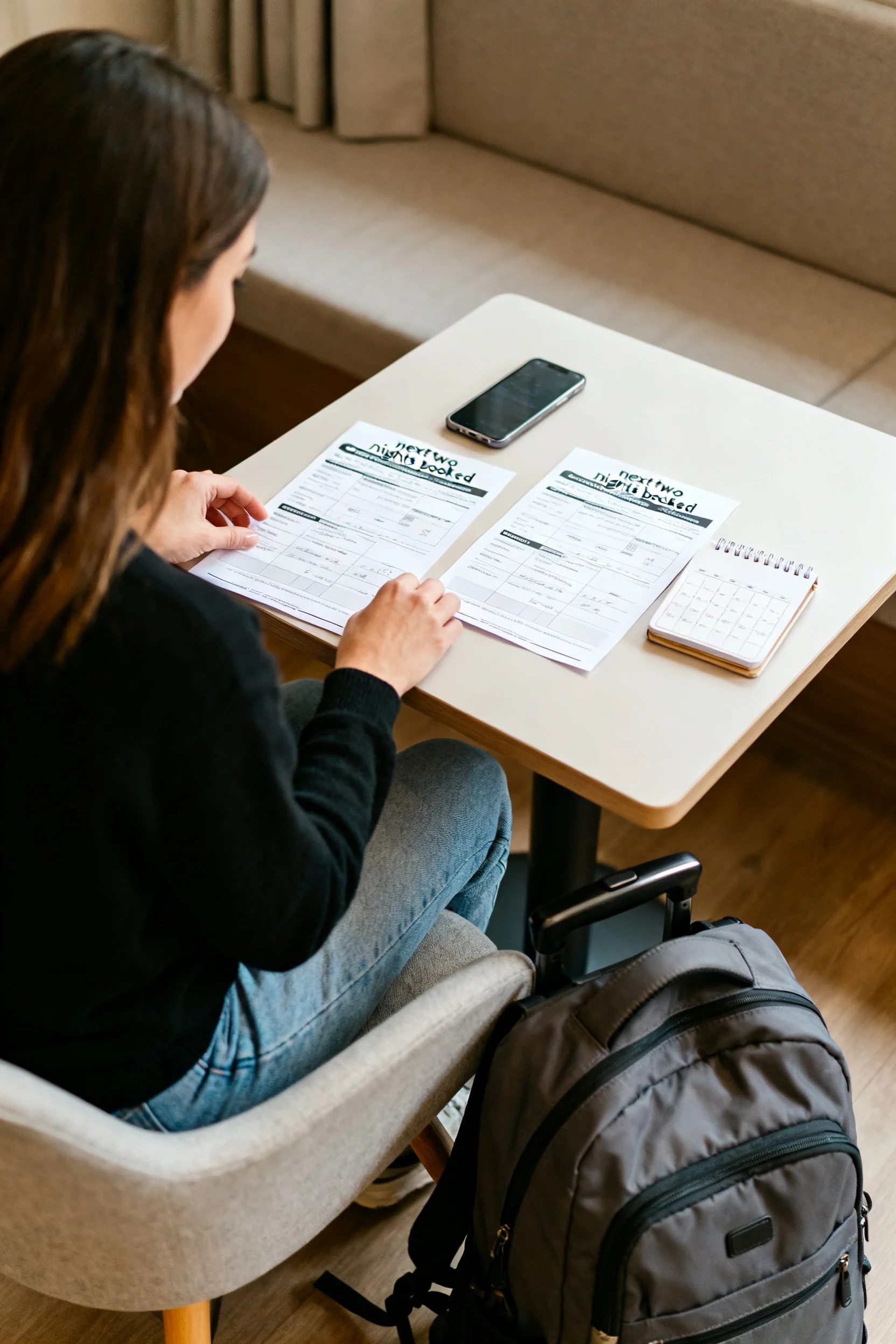
For budget solo travel, overbooking can lock you into expensive changes, but underbooking can spike prices last-minute. A good sweet spot: always keep your next two nights booked, plus your next big transit segment (like an overnight bus/train or your flight out). This keeps you flexible for new friends or spontaneous detours, while still protecting you from sellouts and peak pricing.
4) Eat Like a Local (But Make It Strategic)
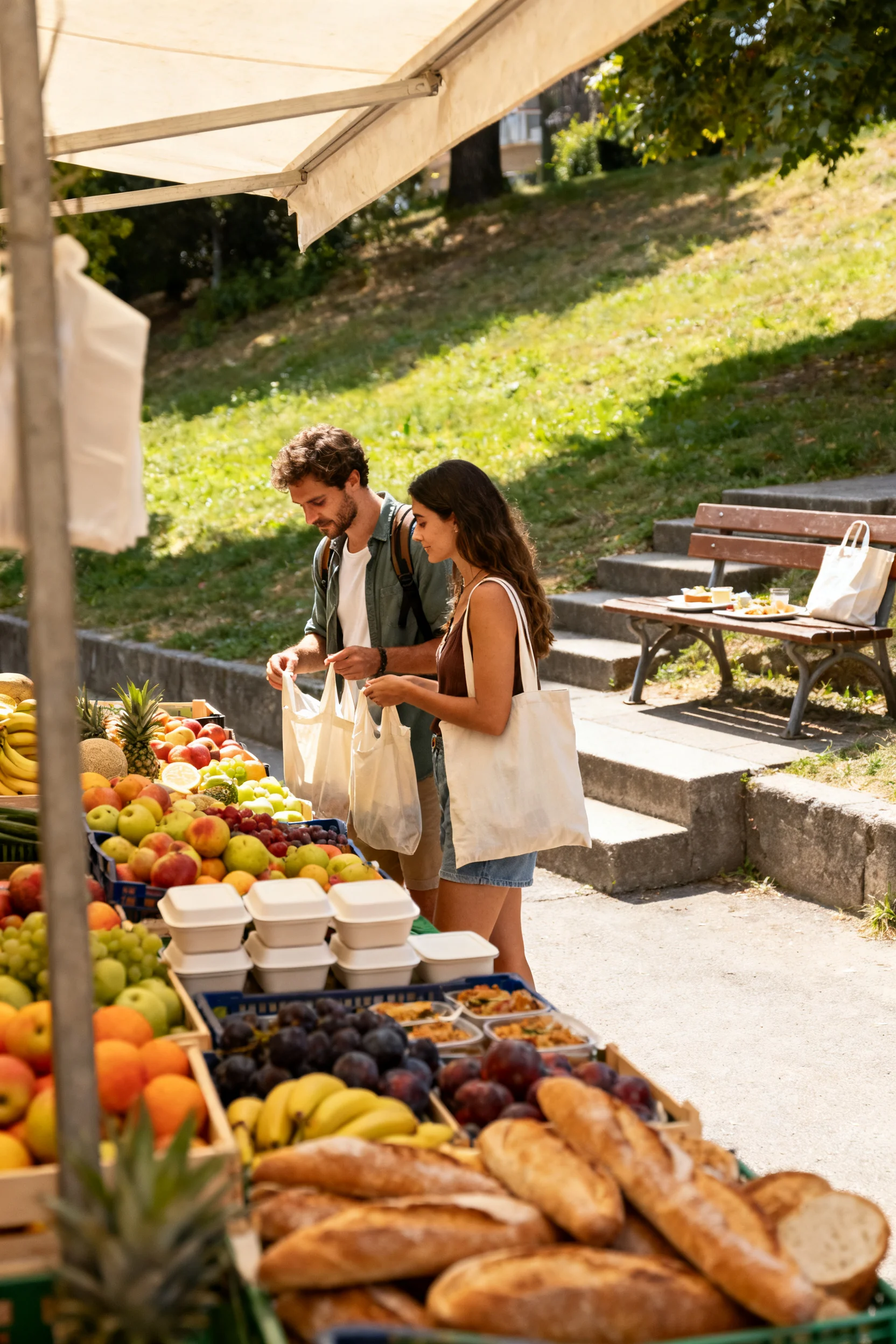
Set one “paid meal” per day and make it count—lunch is often cheaper than dinner for the same food, especially in touristy areas. Grocery stores and markets are your best friend: grab breakfast basics, fruit, and snacks so you’re not panic-buying overpriced convenience food. When choosing neighborhoods to eat in, walk 10–15 minutes away from major attractions and you’ll usually see prices drop fast.
5) Safety = Savings: Protect Your Money, Phone, and Energy
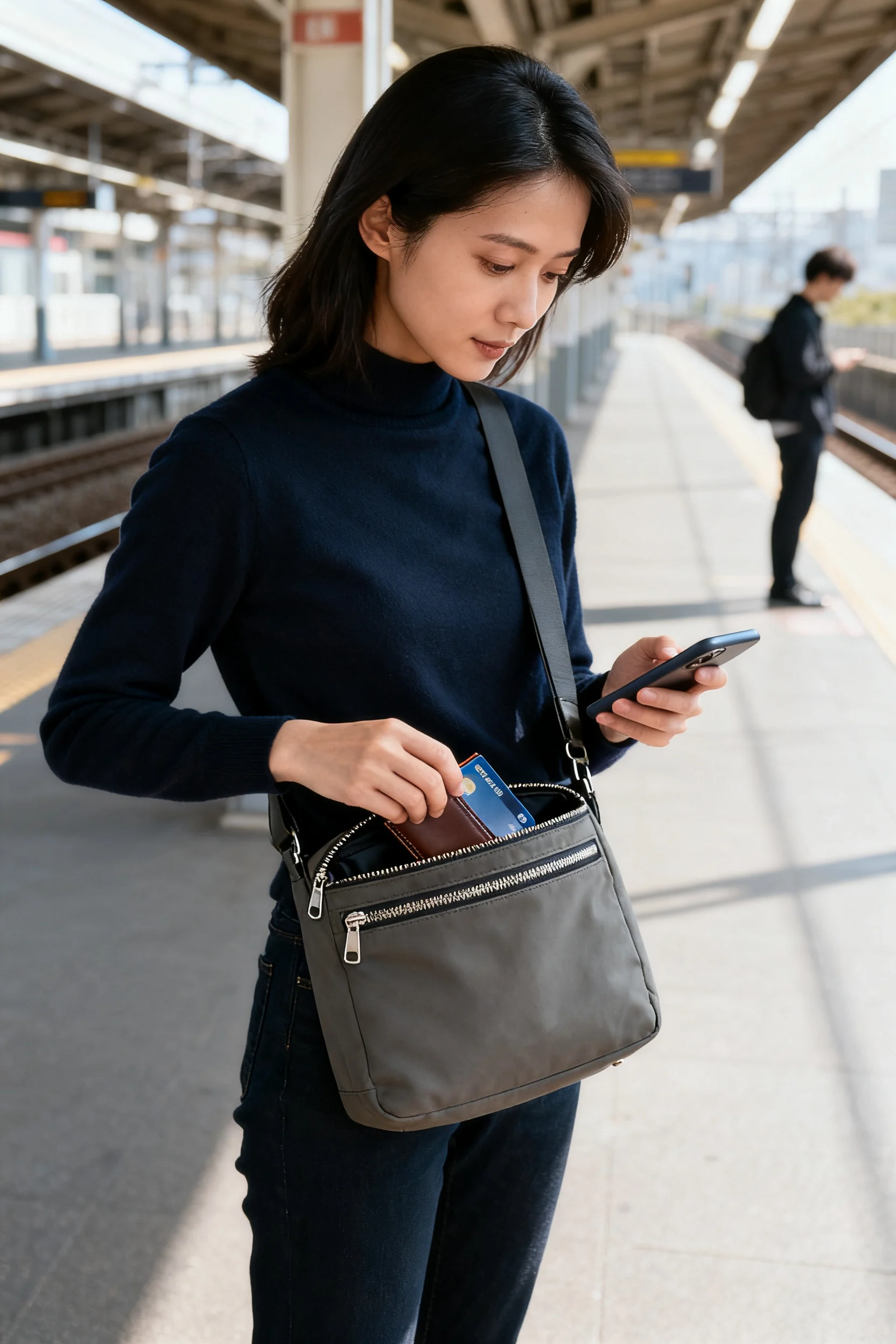
Budget travel falls apart the second you lose a phone or bank card, so set yourself up: use a crossbody bag with zippers, keep a backup card separate, and save digital copies of your passport and insurance. Buy a local SIM/eSIM or make sure your plan works abroad—having data helps you navigate, avoid sketchy routes, and book transport without getting upsold. Also: choose arrival times in daylight when possible, especially if you’re landing in a new city alone.
FAQ
How do I choose a safe area to stay when I’m traveling alone?
Start with neighborhoods that are central, well-lit at night, and close to public transit (metro/tram/bus lines). Read recent reviews focusing on “walkability,” “noise,” and “felt safe returning at night,” and cross-check the area on a map for long empty stretches. If you’re unsure, prioritize being near a busy main street over saving a few dollars.
Is a hostel always the cheapest option?
Not always—especially in peak season when dorm beds surge. Compare hostels to budget hotels and private rooms in guesthouses, and factor in free perks like breakfast, kitchen access, luggage storage, and included activities. If you’ll cook even a few meals, a place with a kitchen can be the true budget winner.
How can I meet people without joining expensive tours?
Do one free walking tour early in your trip, then invite people to grab a cheap lunch afterward. Use hostel notice boards, group chats, and local meetups like language exchanges, park hangouts, and museum free days. If you want a paid activity, pick one “anchor” experience (like a cooking class) and keep the rest DIY.
What should I pack to avoid spending money on the road?
Bring a refillable water bottle, a compact lock (for hostel lockers), a small laundry kit or detergent sheets, and a power bank. Pack one lightweight layer and a rain shell so you don’t end up buying weather gear at inflated prices. Comfortable walking shoes are non-negotiable—blisters can turn into surprise taxi expenses.
How much should I budget per day for solo travel?
It depends on region and travel style, but a useful method is to set a daily “base” for lodging + local transport + food, then add a separate “fun fund” for activities. Track the first two days and adjust quickly—if your spending is high, swap in grocery breakfasts, free attractions, and fewer rideshares. Keeping one buffer day’s cash (or available funds) helps you stay calm if plans change.