
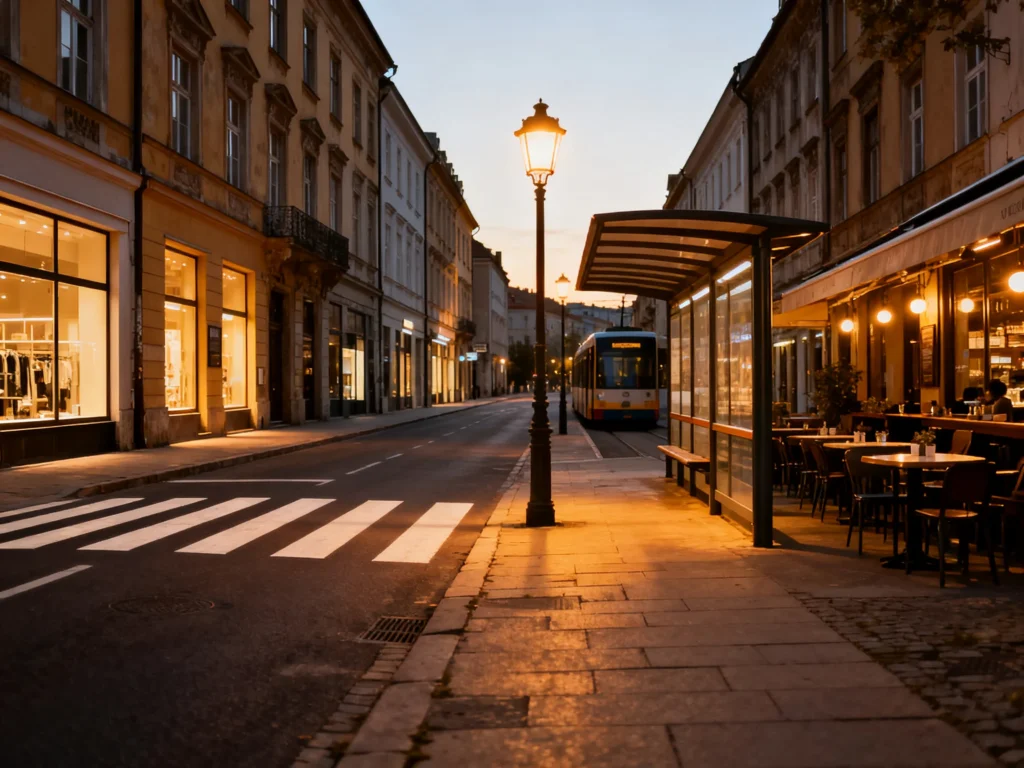
Solo travel is equal parts freedom and confidence boost—and yes, you can do it safely without turning your trip into a stress marathon. The goal is simple: make smart choices that keep you relaxed, aware, and ready for the fun parts.
These are the practical habits I swear by, especially if you’re traveling alone for the first time. Save them, screenshot them, and use them as your pre-trip checklist.
Top 5
1) Pick the Right Base (Neighborhoods Matter)
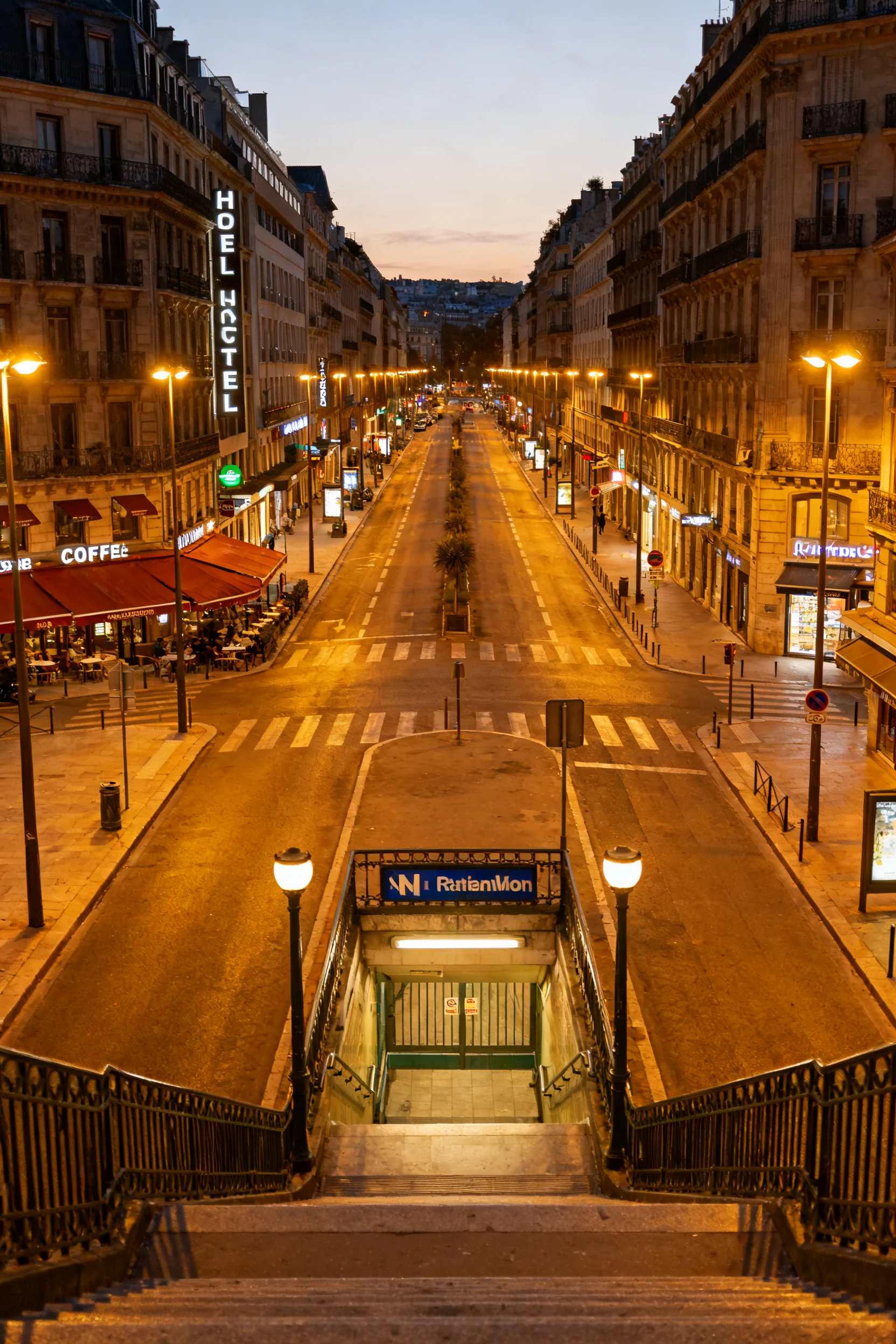
Book a place in a central, well-lit neighborhood with lots of foot traffic—think near main transit hubs, popular cafes, and busy streets (not isolated residential pockets). Read recent reviews for notes like “safe at night,” “easy to walk,” and “close to metro.” If you’re unsure, choose a reputable hotel or highly rated hostel with 24/7 reception for an extra layer of support.
2) Plan Your First 24 Hours Like a Pro
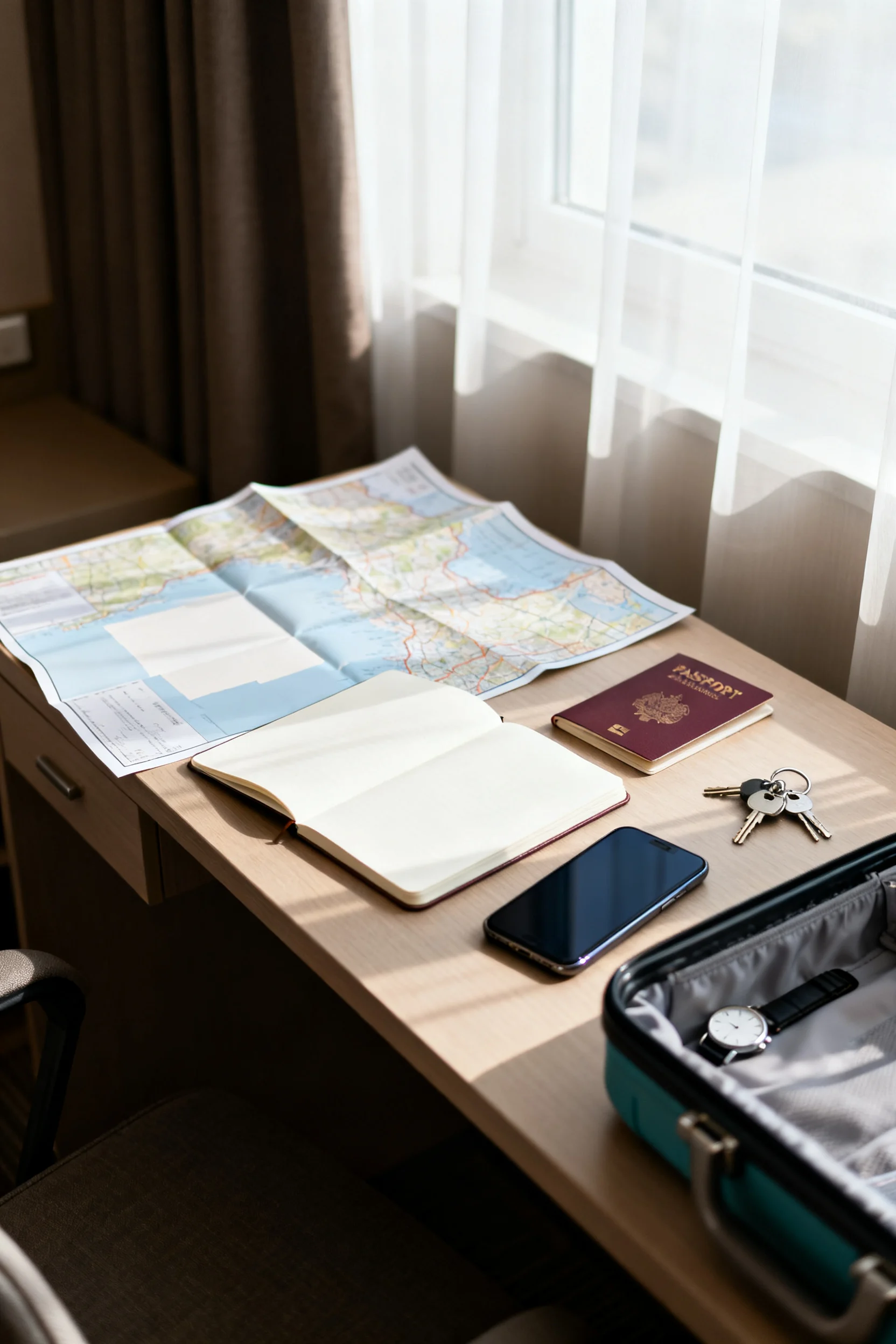
Land with a mini plan: how you’ll get from the airport, where you’ll eat, and one easy nearby activity so you’re not figuring everything out while tired. Pre-book an airport transfer or research the exact train/bus line and payment method before you go. If you arrive at night, keep it simple—check in, grab food close by, and save exploring for daylight.
3) Keep Your Essentials on Lock (Without Overcomplicating It)
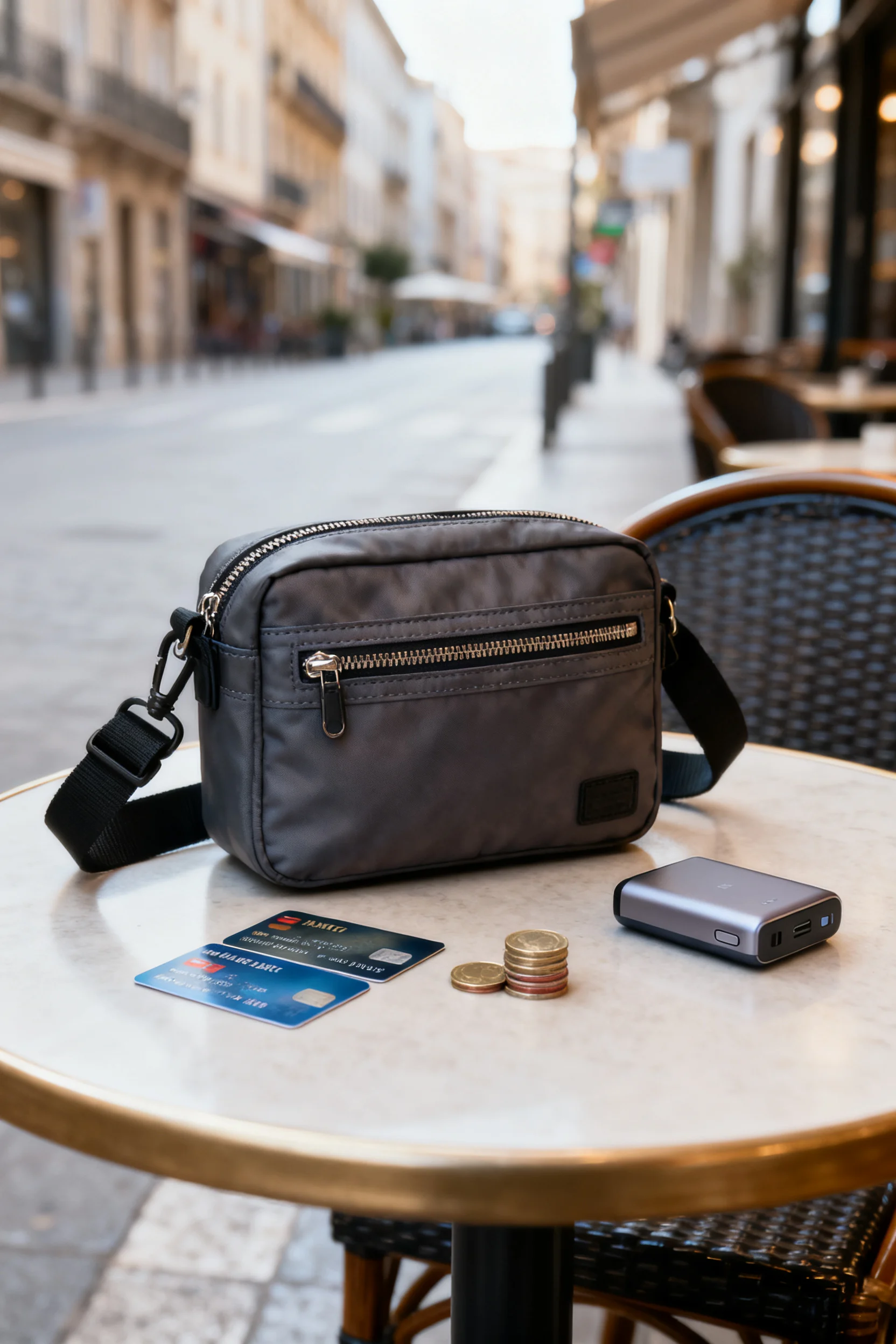
Use a crossbody bag with zippers in busy areas and keep your phone out of your back pocket—tourist zones are prime for quick grabs. Carry two cards (stored separately), a small amount of local cash, and a photo of your passport ID page saved offline. Bonus move: pack a doorstop alarm or portable door lock for extra peace of mind in budget stays.
4) Move Smart at Night: Timing, Routes, and Rides
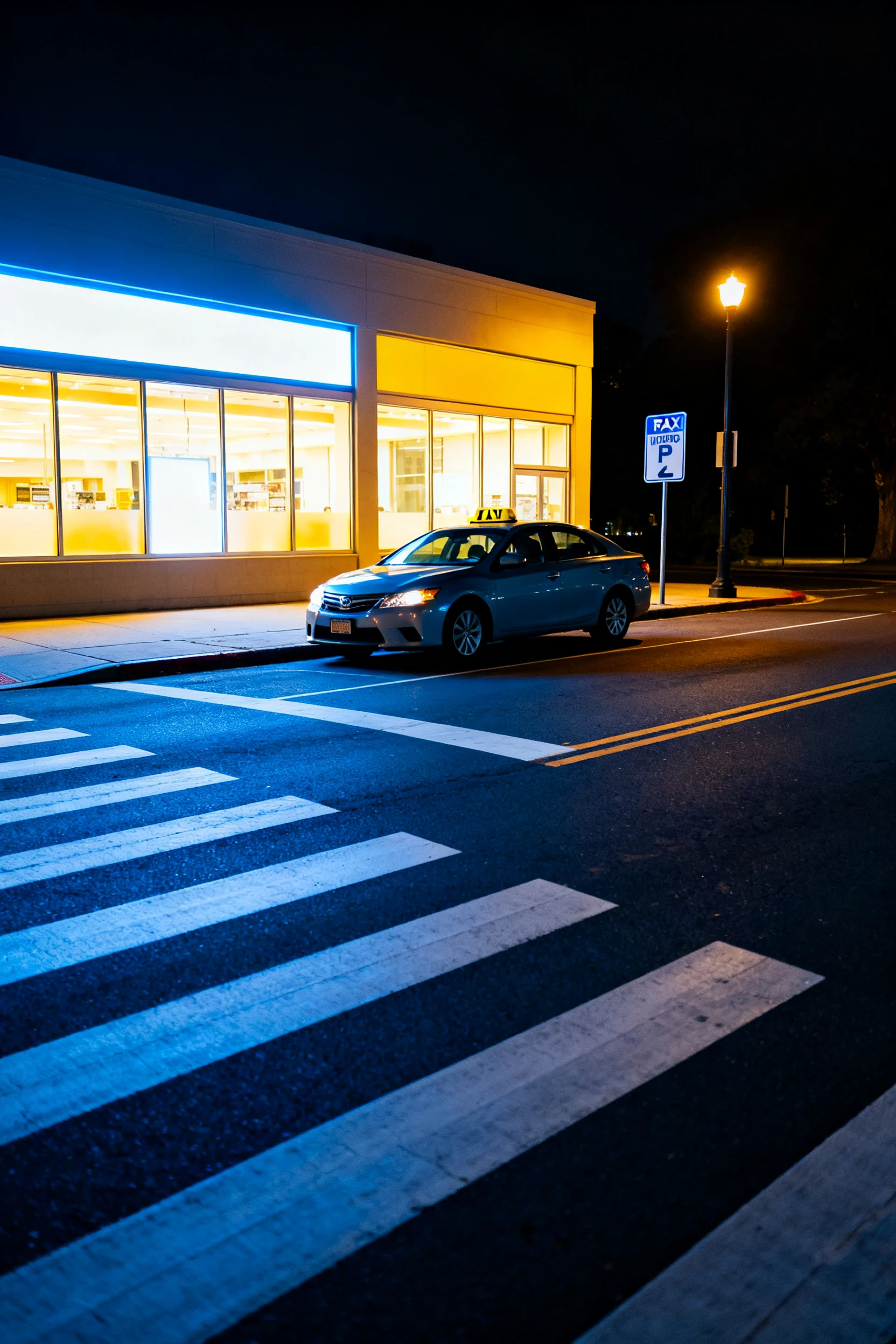
Solo at night is totally doable—just be intentional: stick to well-lit main streets, avoid shortcuts through parks/alleys, and keep one ear free if you’re using headphones. If you’re heading home late, use a rideshare from a clearly marked pickup spot and confirm the license plate before getting in. When choosing dinner spots, sit where you can see the room (and the exit) and aim for lively areas over empty side streets.
5) Build a “Soft Network” So You’re Never Truly Alone
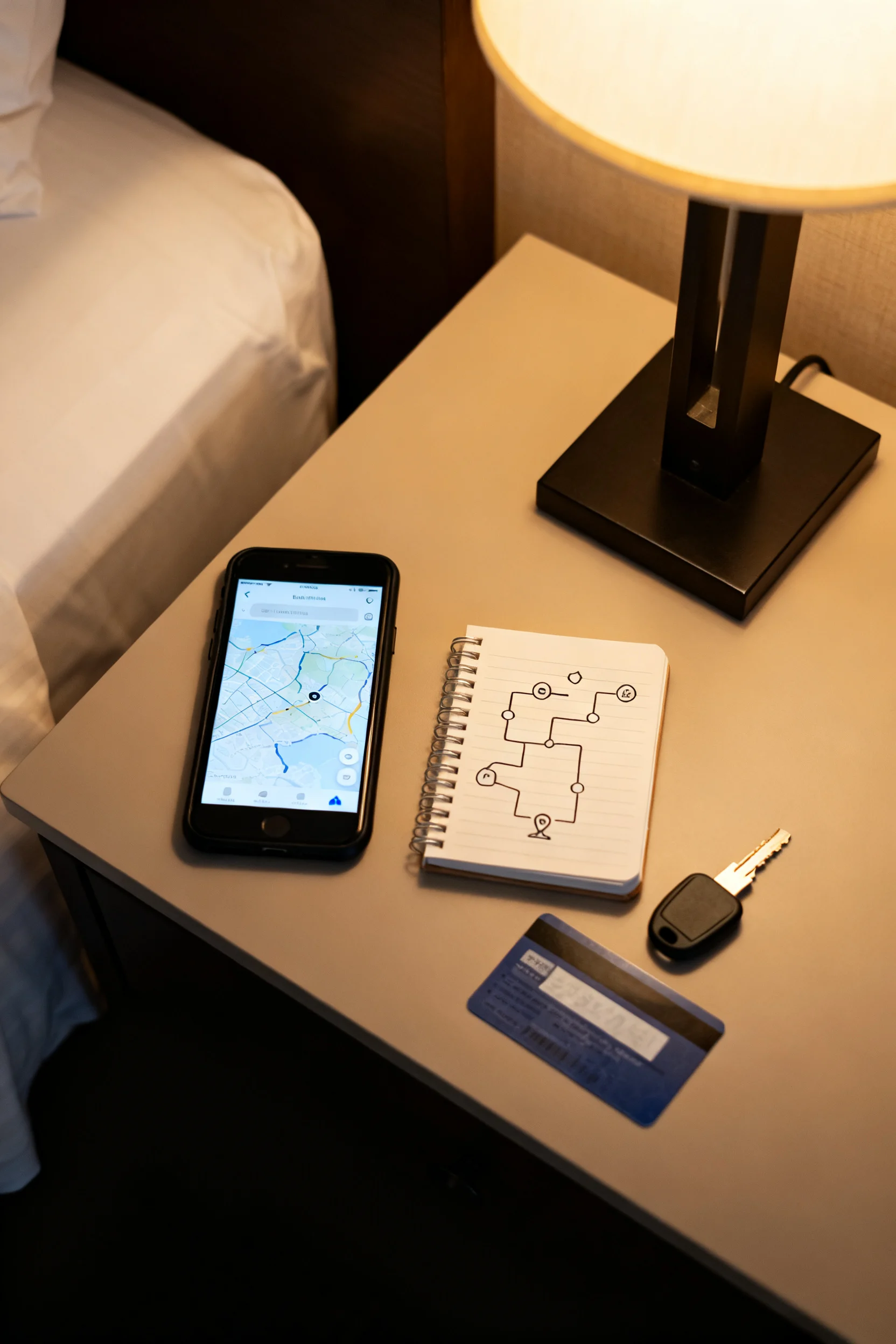
Send a simple daily check-in to someone you trust with your general plan (neighborhood, tour name, dinner area) and share your live location for key transit moments. Join a walking tour, cooking class, or small-group day trip early in your visit—it’s the easiest way to get local context and meet people without pressure. If a situation feels off, you don’t owe anyone politeness: step into a hotel lobby, busy shop, or cafe and reset.
FAQ
What’s the safest type of accommodation for solo travelers?
Look for places with strong recent reviews, a staffed reception (ideally 24/7), and a location that’s walkable to transit and dining. Many solo travelers feel safest in hotels, while others love social hostels with women-only dorms and lockers. Either way, prioritize secure entry, good lighting, and clear check-in communication.
Should I tell strangers I’m traveling alone?
You can keep it vague. If someone asks, a simple “I’m meeting friends later” or “My friend is nearby” helps maintain privacy. It’s not about being paranoid—it’s about keeping your personal details for people you trust.
How do I avoid looking like a tourist target?
Dress to blend in, keep your phone use minimal in crowded areas, and walk with purpose (even if you’re navigating). Step inside a cafe or store to check maps instead of stopping on the sidewalk with your bag open. A small crossbody and zipped pockets go a long way.
What’s the best way to handle transportation in a new city?
Download offline maps, save your accommodation address, and learn the main transit lines you’ll use before you arrive. When using rideshares, verify the plate and driver name, and sit in the back seat. If public transit feels confusing late at night, take a licensed taxi or rideshare instead of pushing it.
What if I feel unsafe during my trip?
Trust the feeling and change the situation fast: walk into a busy business, hotel lobby, or well-lit area and reassess. Contact your accommodation, a trusted friend, or local authorities if needed, and don’t worry about seeming dramatic. Your only job is to get yourself to a safer place—quickly and calmly.