
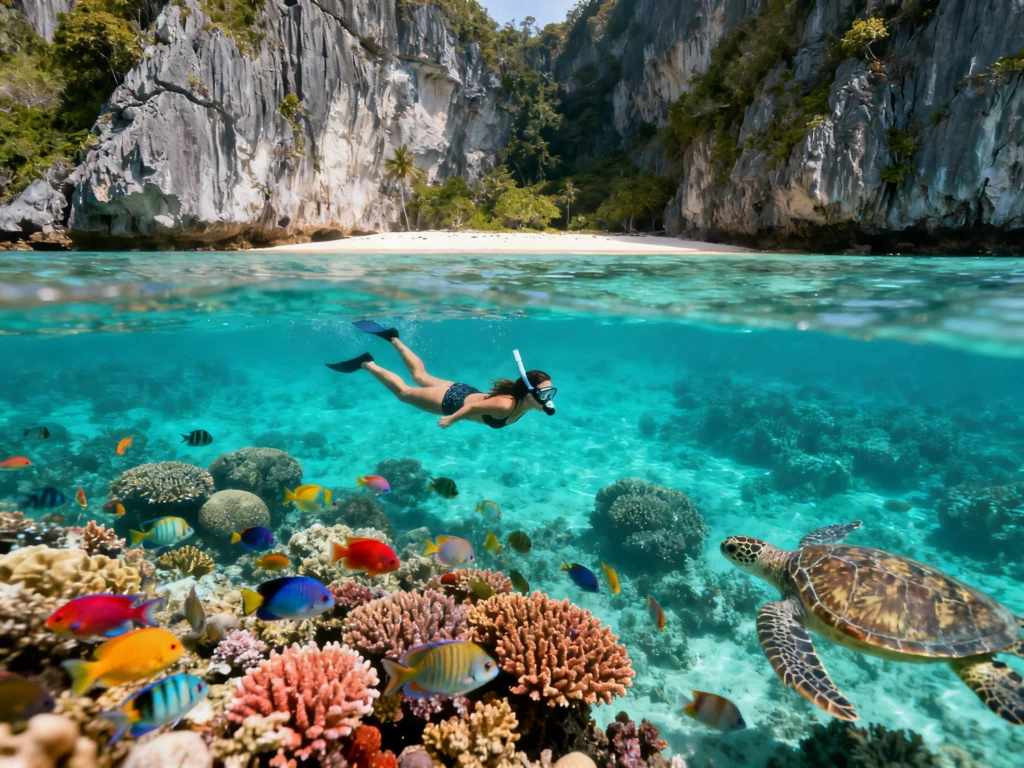
Want that “how is this place not famous?” snorkel moment—clear water, actual fish everywhere, and way fewer elbows in your face? Same. These spots fly under the radar because they’re a little remote, tide-dependent, permit-y, or just not on the typical resort day-trip menu.
Save this list for your next warm-weather escape. Most of these are doable for first-timers with basic gear, a little planning, and a healthy respect for currents.
Top 10
1) Apo Island, Philippines
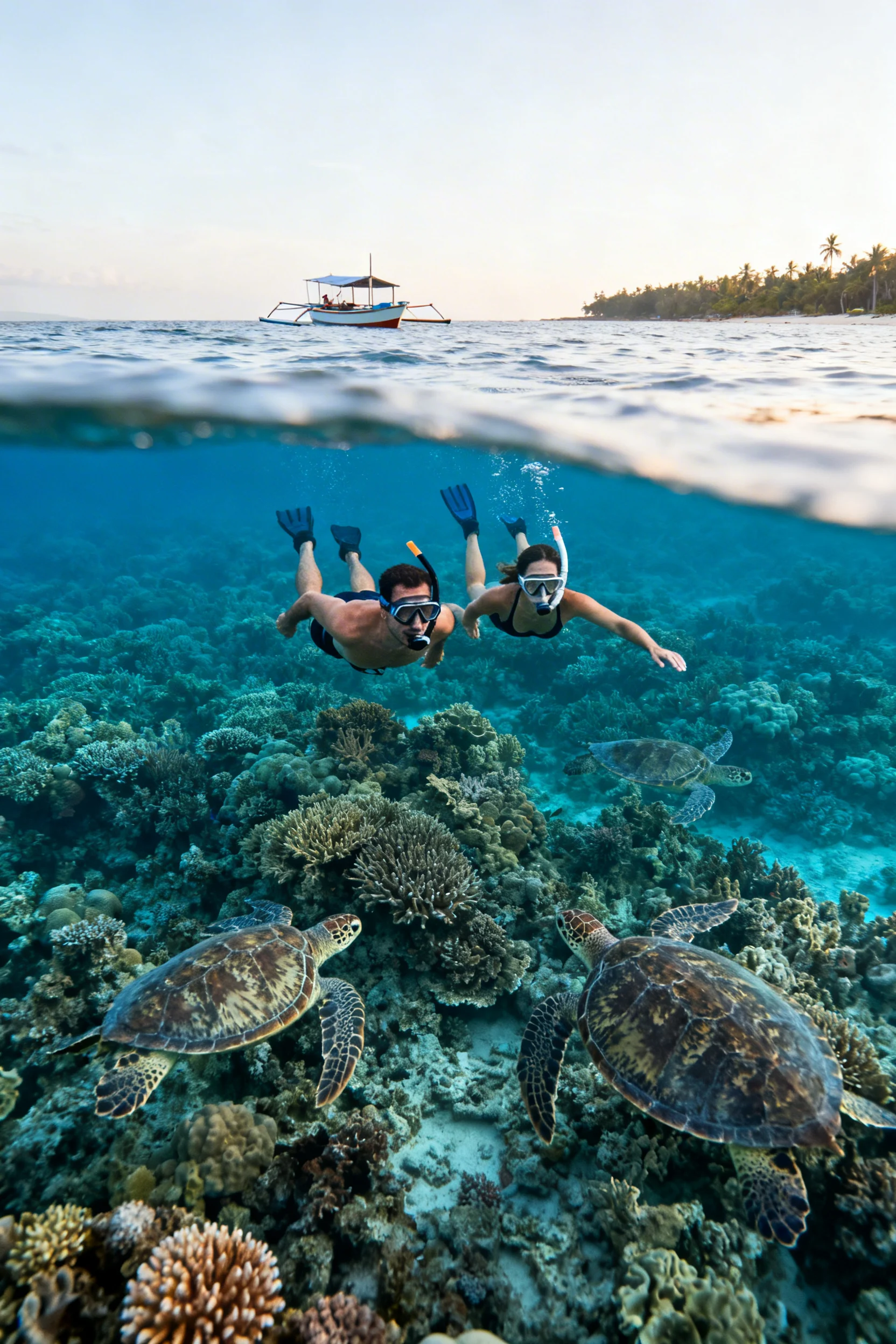
Apo Island is a tiny marine sanctuary near Dumaguete with unreal coral coverage and frequent sea turtle sightings. Base yourself in Dumaguete or Dauin and book a small-group boat early to beat the day-trippers. Bring reef-safe sunscreen and a dry bag; there’s minimal shade on the island. If you’re new to snorkeling, ask your boatman which side is calmest that day—conditions can change fast.
2) Kri Island (Raja Ampat), Indonesia
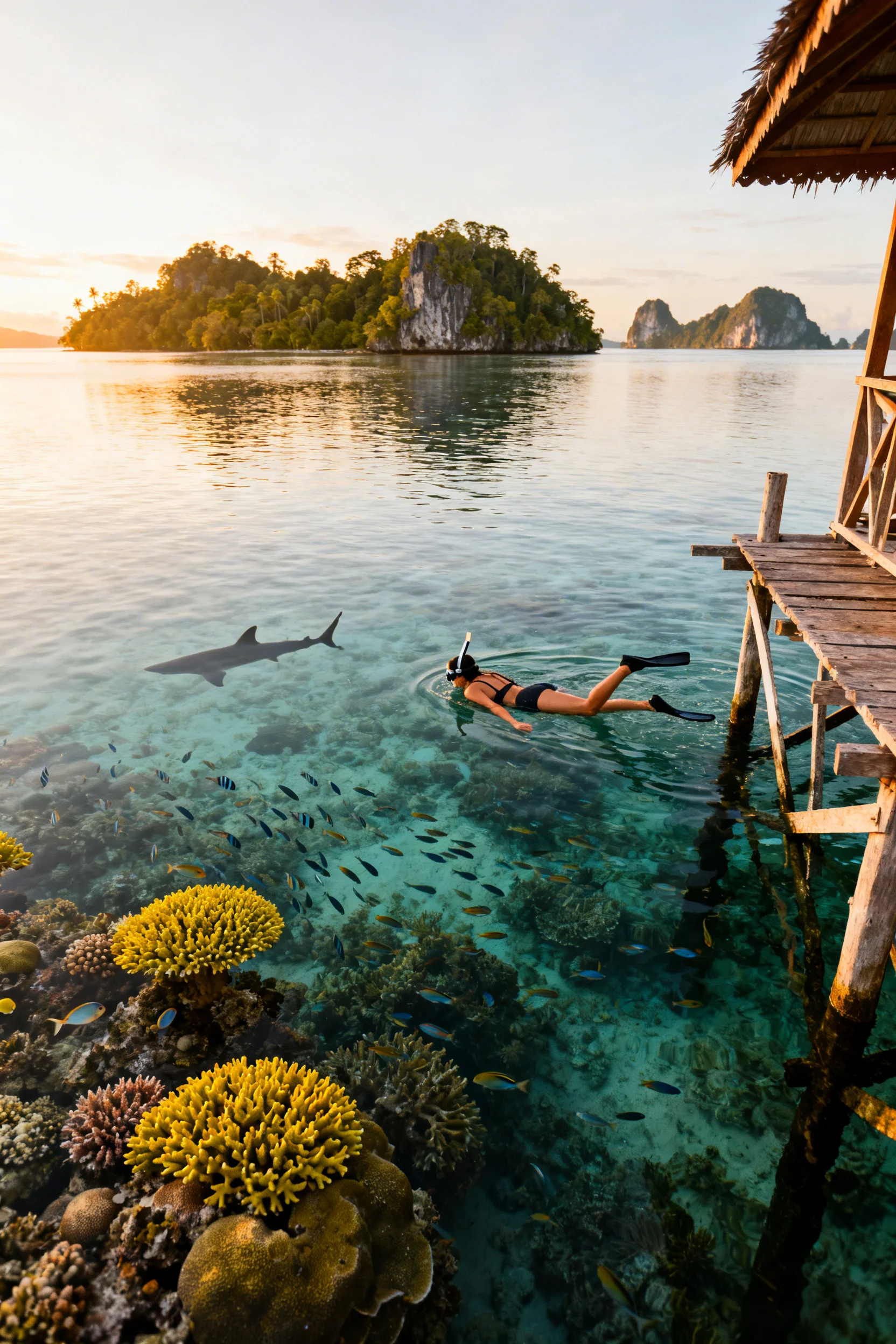
Kri is next-level biodiversity, and you can snorkel straight from many homestay jetties—no big excursions required. Stay on Kri or nearby Mansuar to maximize water time, and pack cash because ATMs are basically not a thing. Go in the morning for calmer water and better visibility, and consider renting fins on-site if you don’t want to lug them across multiple flights. If currents look spicy, stick close to the jetty areas where locals recommend.
3) Little Corn Island, Nicaragua
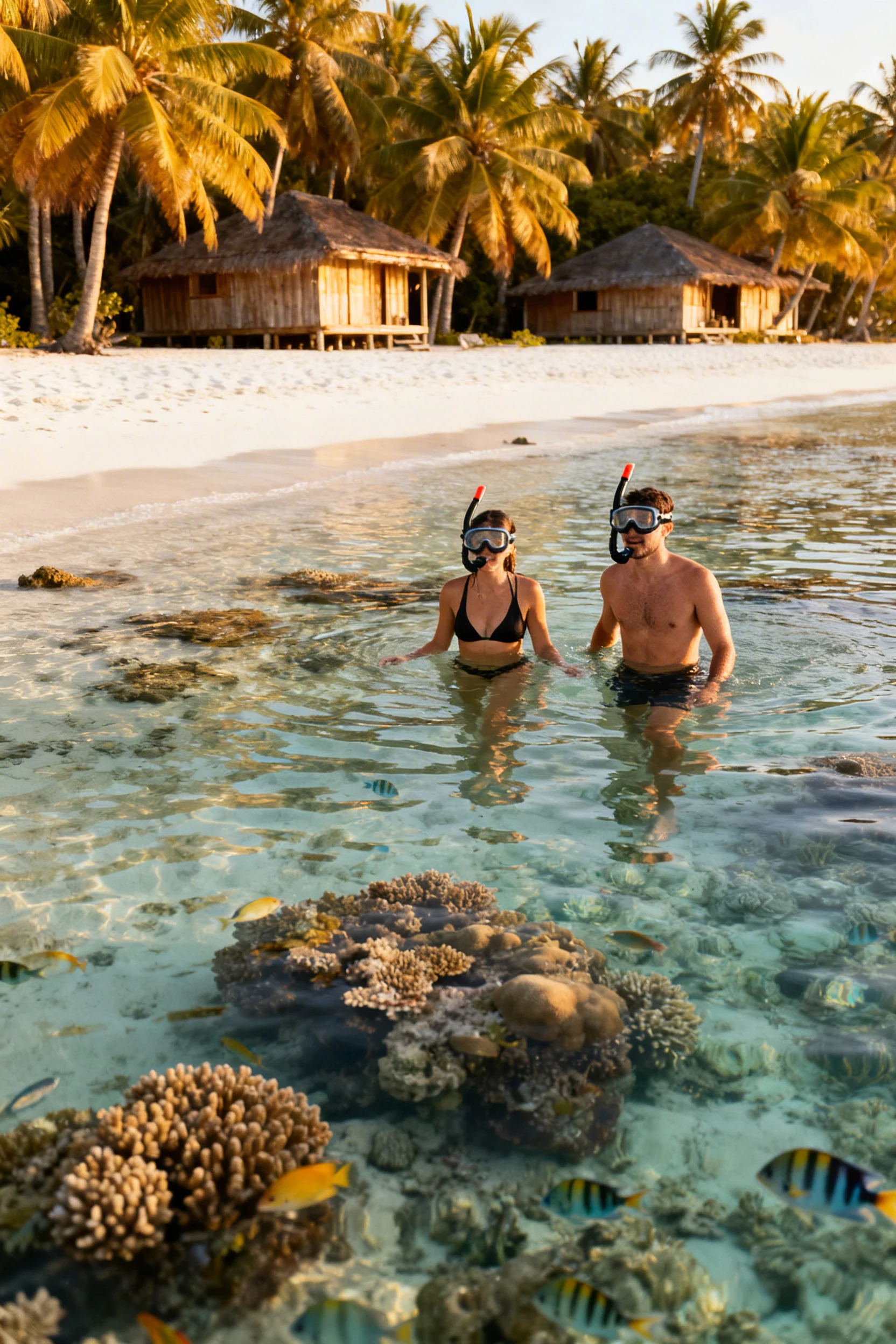
This car-free island has a laid-back vibe and surprisingly good reef snorkeling without the mega-crowds. Fly to Big Corn Island, then hop the panga (plan buffer time—boats depend on weather). Aim for a guided snorkel to the nearby reef patches for the best coral and fish density, and pack motion-sickness meds for the crossing if you’re sensitive. Stay near the main village for easy gear rentals and calm-water access points.
4) Îlet du Gosier (Guadeloupe)
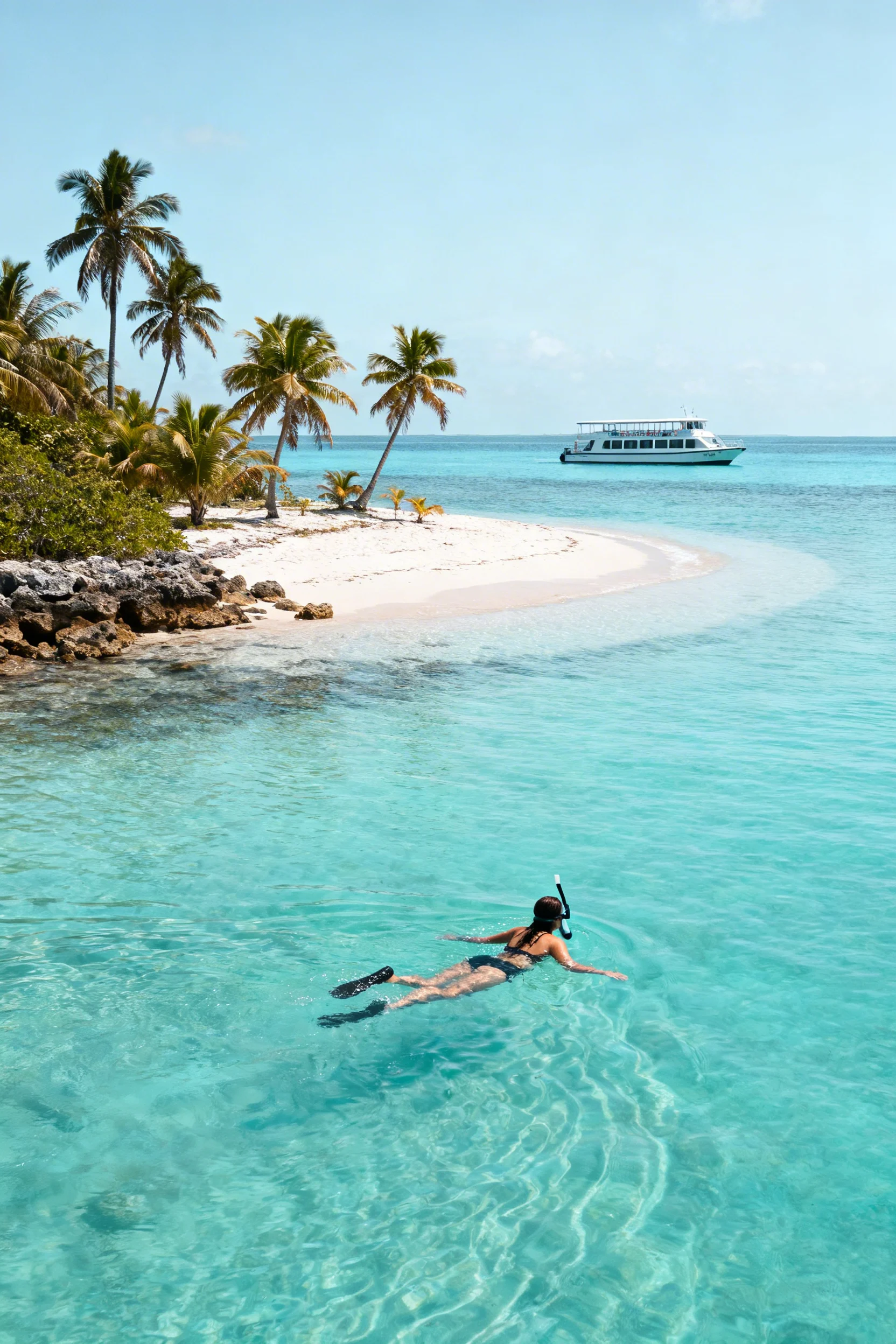
Ten minutes by shuttle boat from Le Gosier, this tiny islet is a quick-win snorkel day with clear water and manageable conditions. Go early on weekdays to avoid beach crowds and claim a shady spot near the palms. Bring your own mask if you can—rental quality varies—and wear water shoes for the rocky bits. After snorkeling, grab a snack back in Le Gosier and skip hauling a full cooler across.
5) Kealakekua Bay (Captain Cook), Hawaiʻi Island
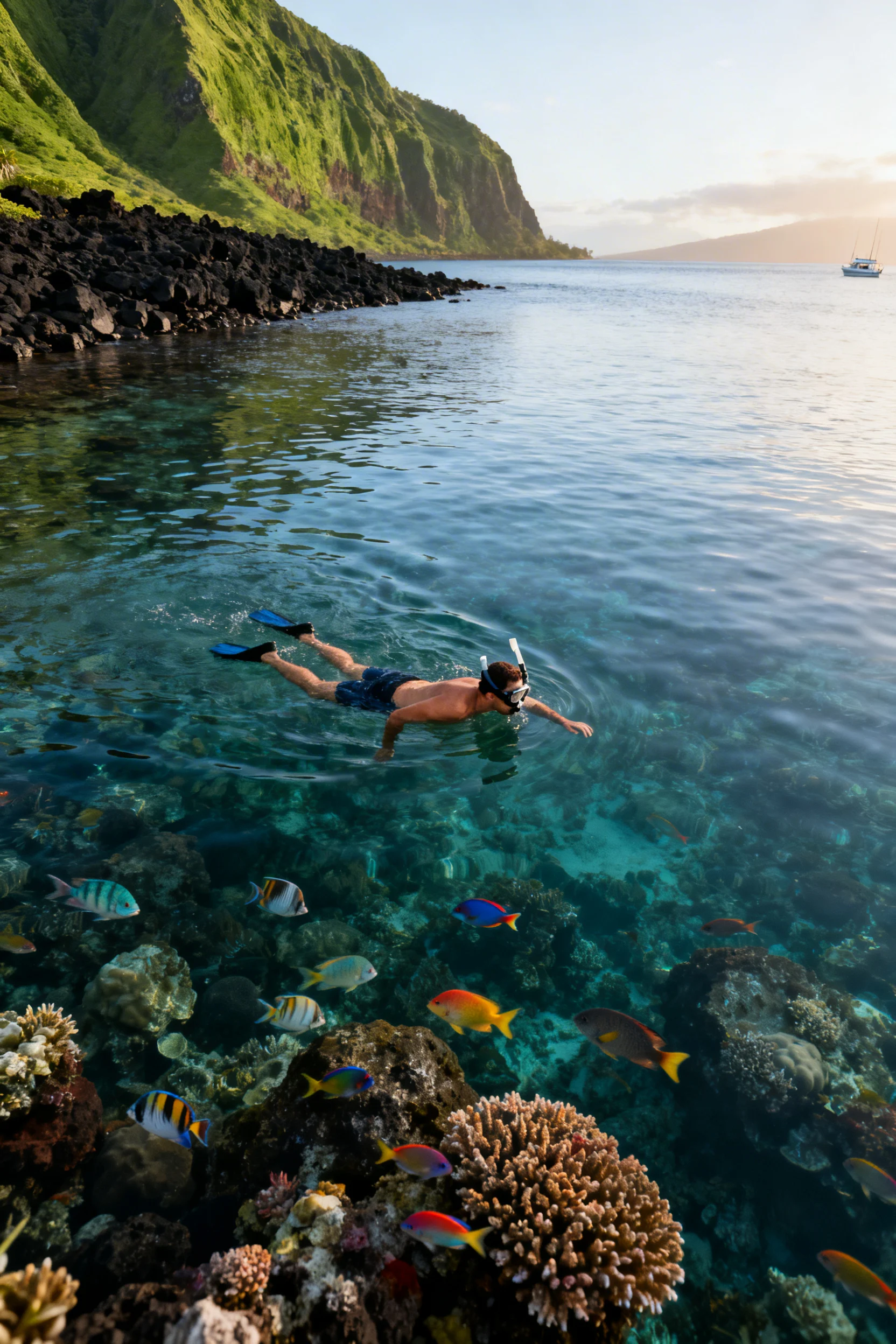
Yes, it’s known, but most visitors still don’t do it the “right” way—quietly and early, before the tour boats stack up. Book a permitted kayak or small-boat snorkel from Keauhou, or hike down the Kaʻawaloa Trail only if you’re confident (it’s hot and steep). Mornings usually bring the calmest surface and best visibility. Pack plenty of water and a sun shirt; shade is limited and the reflection off the bay is intense.
6) Silfra Fissure, Iceland
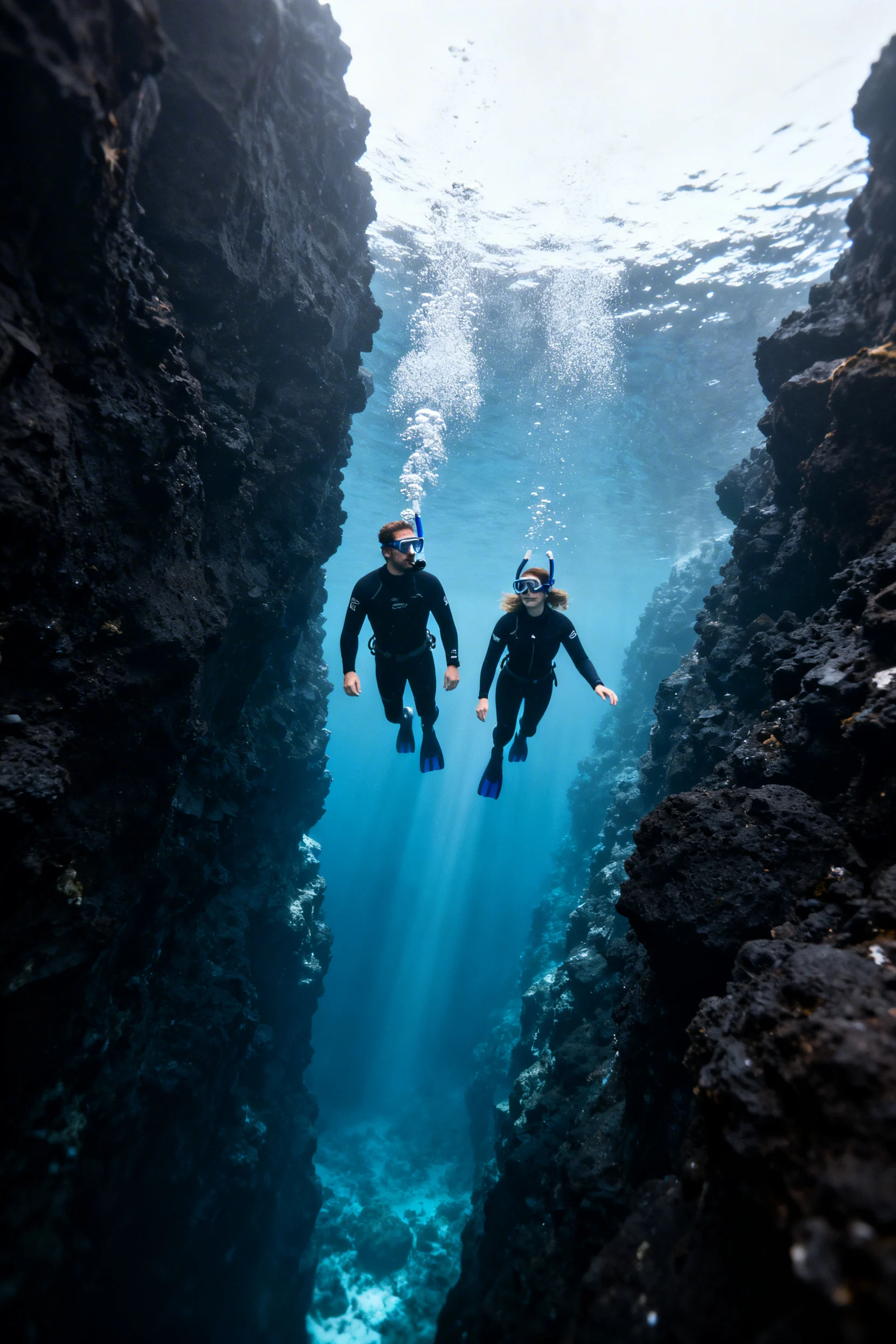
Snorkeling between tectonic plates sounds dramatic because it is—Silfra’s water is crystal-clear and cold, even in summer. You’ll need a guided tour with a drysuit; book ahead and choose a morning slot for fewer groups. Wear thermal base layers and bring warm clothes for after—your face will feel the chill. If you wear contact lenses, bring a backup case because drysuit seals and water can be a fussy combo.
7) St. John’s East End (Haulover & Salt Pond), U.S. Virgin Islands
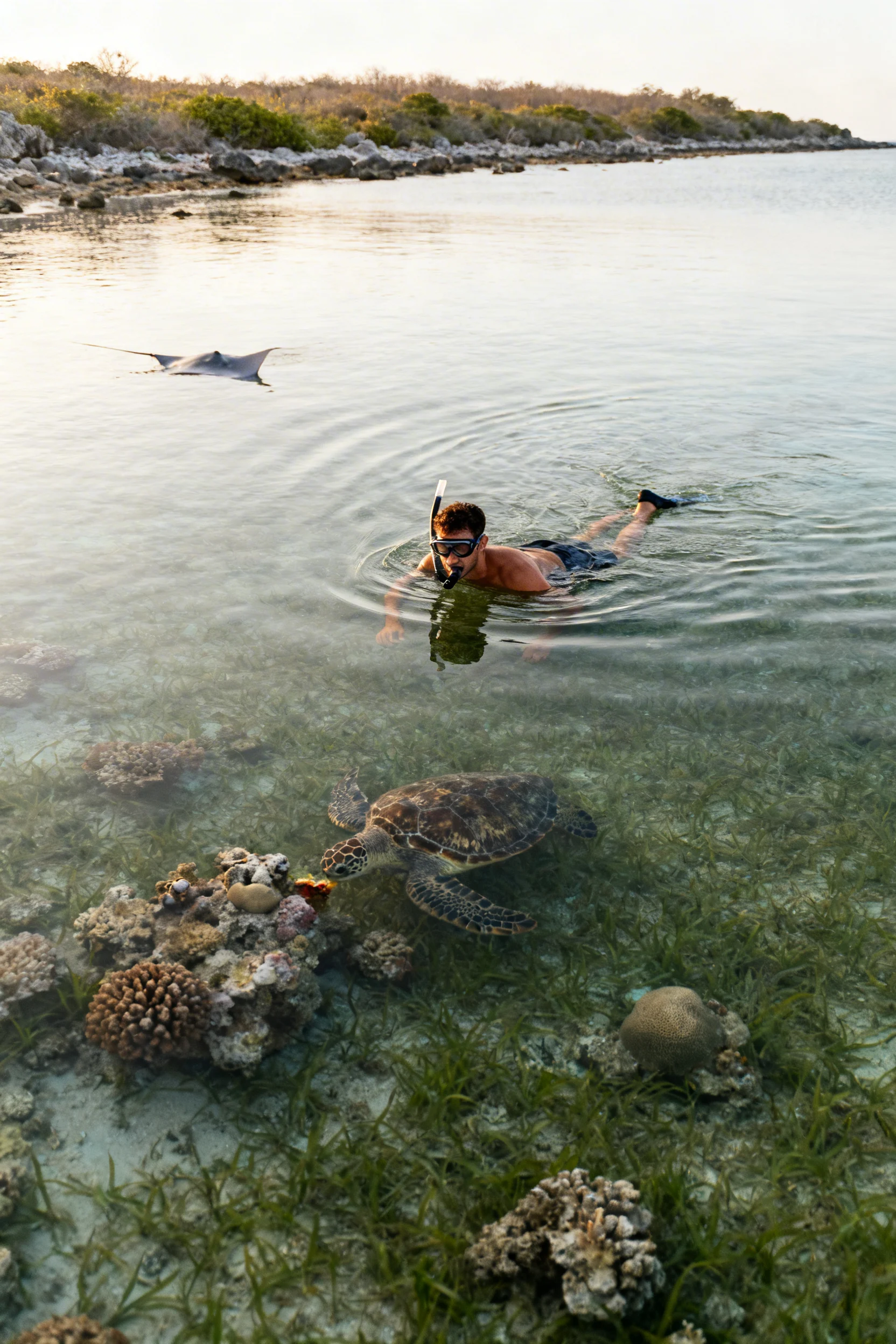
Skip the busiest bays and head to the East End for quieter water and a more “locals know” feel. Haulover often has turtles and rays, while Salt Pond can be great on calm days—check wind direction before you commit. Go mid-morning after the light improves but before afternoon breezes kick up. Pack a small first-aid kit and water shoes; entry points can be rocky and remote with limited facilities.
8) Kenting’s Houbihu, Taiwan
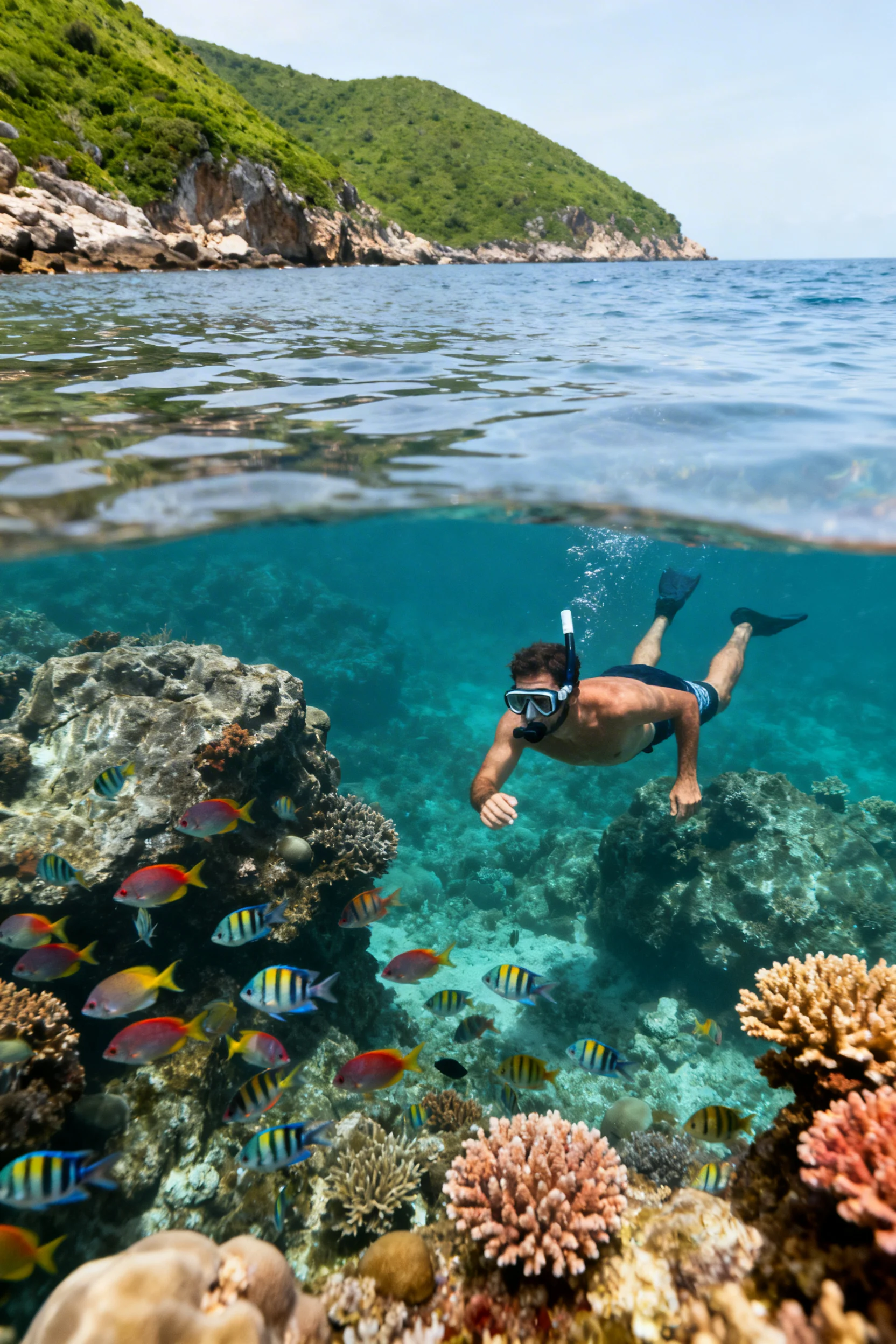
Houbihu (near Kenting) has colorful reef life and is easier to plan than you’d expect, with shops and guides nearby. Time your snorkel around calm seas—winter can be windy, while late spring to early fall is usually friendlier. Rent a full set locally, but bring your own anti-fog drops for a clearer mask. Stay in Hengchun for better value lodging and quick rides to multiple snorkel points.
9) Palmarito Reef (Los Roques), Venezuela
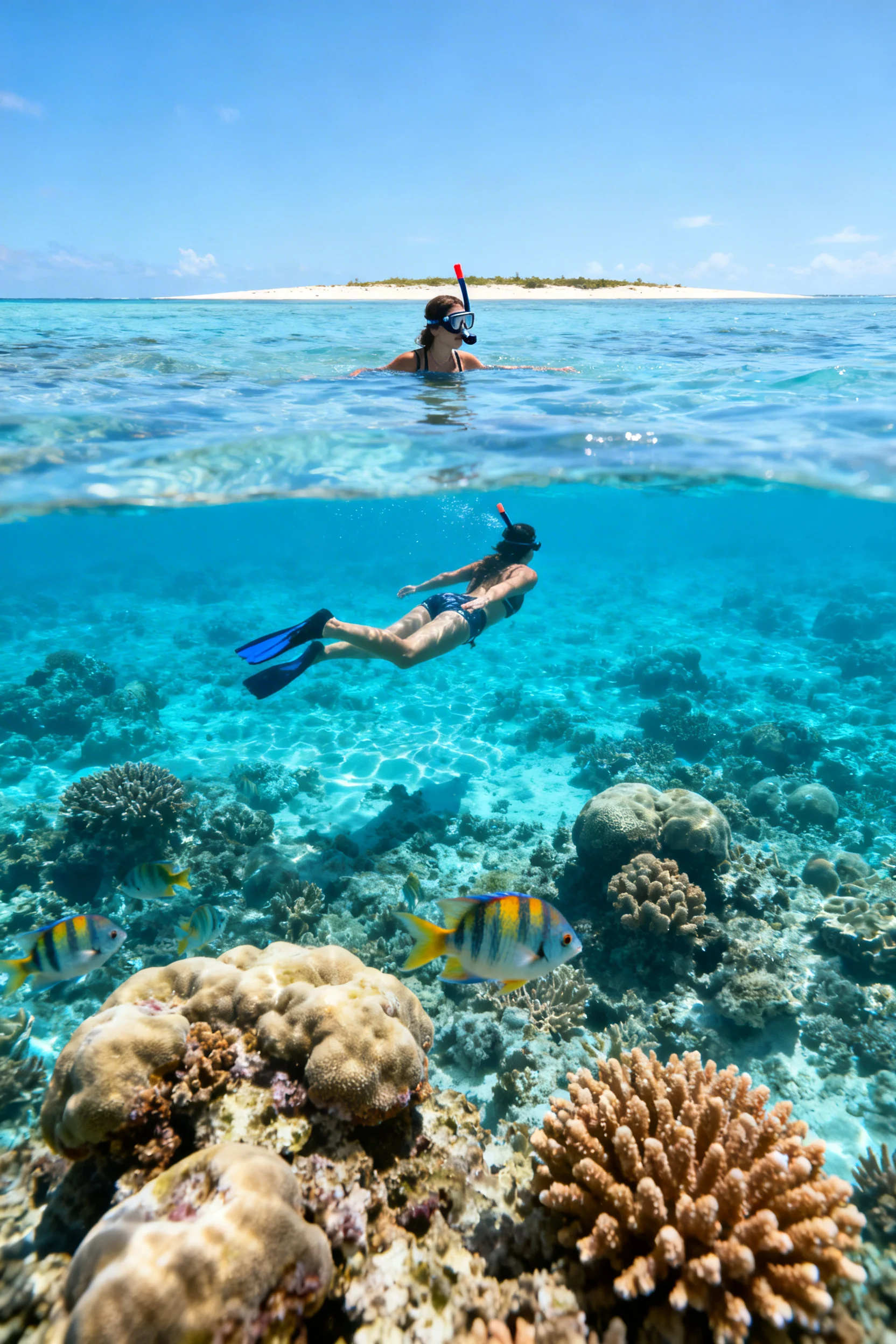
Los Roques is a dreamy archipelago with shallow, bright-blue flats and reefs that feel untouched. Most people stick to a couple popular cays—ask your posada to arrange a day to Palmarito for a quieter snorkel and strong visibility. Bring cash, sun protection, and snacks; services on the cays are minimal and schedules run on island time. Choose a calm-weather day because wind can churn up the shallows.
10) Daymaniyat Islands, Oman
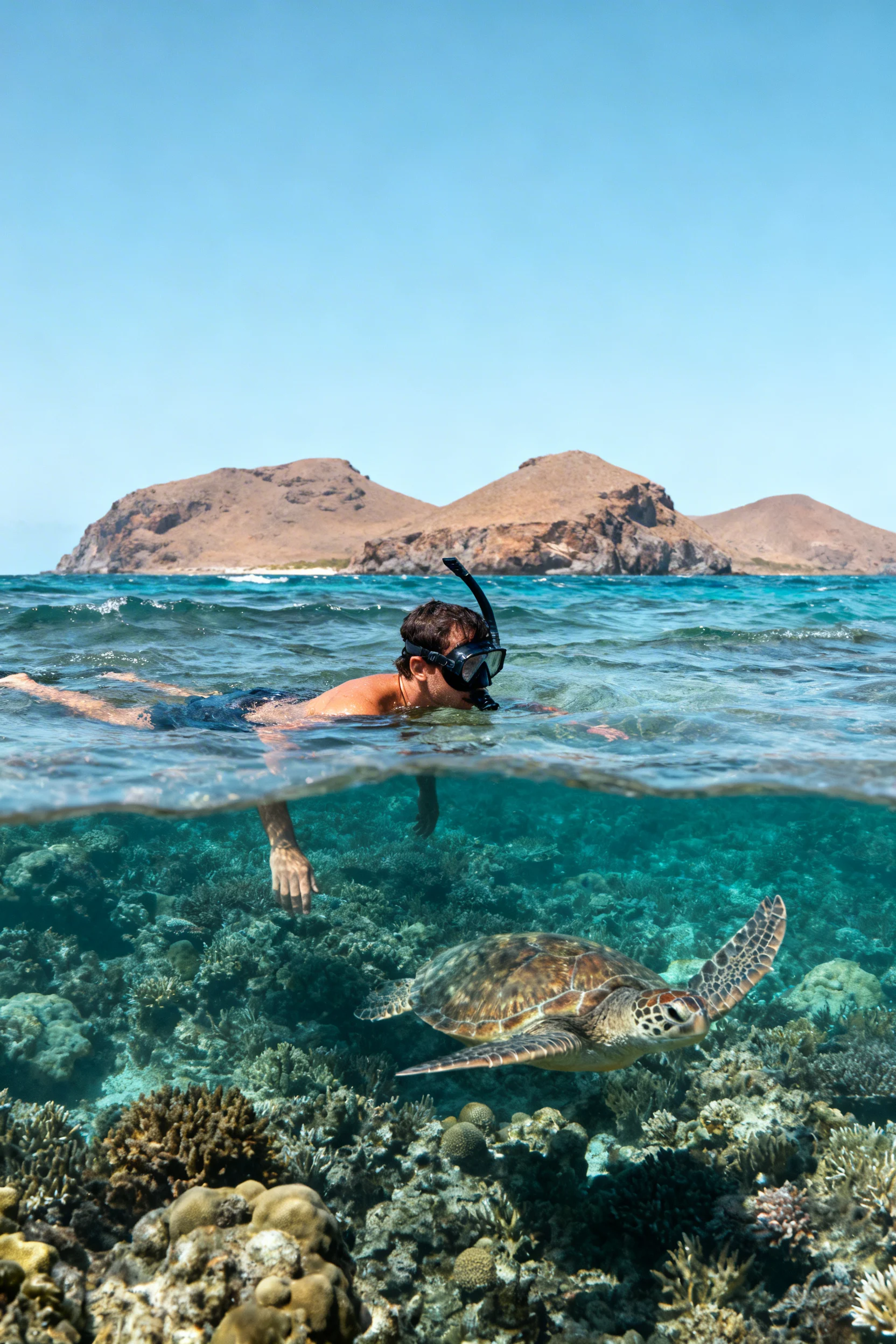
These protected islands off Muscat are a marine reserve with clear water, coral gardens, and a solid chance of turtles. You’ll need a boat permit through an operator, so book a licensed trip and confirm what’s included (fins, lunch, park fees). Go in the morning for calmer seas, and pack a lightweight rash guard—Oman sun is no joke. If you’re visiting in peak season, reserve a few days ahead because daily permits can be limited.
FAQ
What’s the best time of day to snorkel for clear water?
Usually morning. Winds often pick up later, which creates surface chop and reduces visibility. If you’re in a place with tides, ask locally which tide phase brings the calmest conditions at that specific spot.
Do I need fins, or can I snorkel without them?
Fins make snorkeling easier, safer, and less tiring—especially if there’s current or you’re swimming any distance. If you’re a first-timer, short travel fins are a great middle ground. If you skip fins, choose sheltered bays and stay close to shore.
How do I avoid getting seasick on boat snorkel trips?
Pick a morning departure, eat something light, and hydrate. If you’re prone to motion sickness, take your preferred medication before you board (not after you feel sick). Sitting mid-boat and looking at the horizon also helps.
Is it safe to snorkel alone at hidden spots?
It’s better to snorkel with a buddy or book a local guide, especially in new destinations where currents and entry points can surprise you. If you do go independently, stay in shallow areas, check conditions, and tell someone exactly where you’re going and when you’ll be back.
What should I pack for a “low-infrastructure” snorkeling day?
Bring reef-safe sunscreen, a rash guard, water shoes, anti-fog for your mask, a dry bag, and more water than you think you need. Add snacks, cash, and a compact towel if you’re heading to remote islands or beaches with limited vendors.