
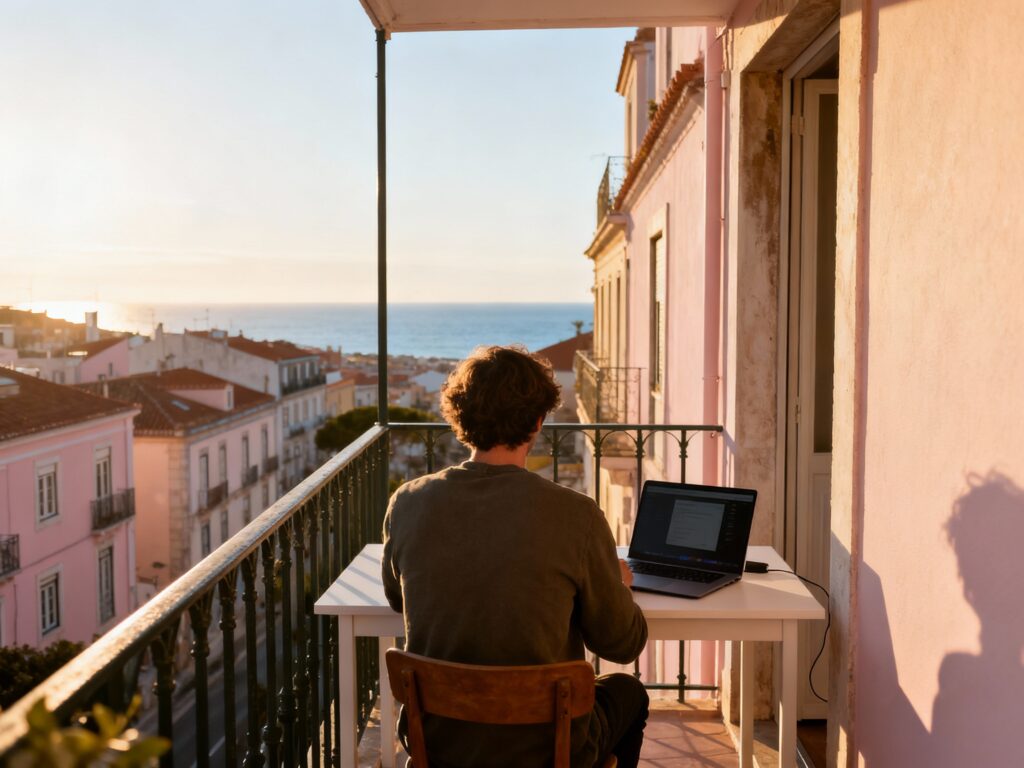
Building a life of travel while working online isn’t about being “always on vacation.” It’s about designing a setup where your work fits your routes, your energy, and your budget—so you can keep going month after month.
Below are five practical moves that make digital travel feel stable (not chaotic), especially if you’re starting from zero.
Top 5
1) Pick a “Home Base” Route (Not Random Stops)

Start with 1–3 cities you can rotate between for 4–8 weeks at a time, instead of hopping every few days. Choose places with reliable Wi-Fi, walkable neighborhoods, and easy day trips—think Lisbon (Santos/Estrela), Mexico City (Roma Norte/Condesa), or Chiang Mai (Nimman). Book the first month in one place before you buy your next flight, and always check seasonal weather (rainy season can wreck your productivity). This route-based approach makes it easier to build routines, meet people, and avoid constant “first day” logistics.
2) Build a Workday That Matches Your Time Zone Reality

Before you choose a destination, map your core working hours and who you need to overlap with (clients, team, meetings). If you’re U.S.-based and need afternoon overlap, Latin America keeps you sane; if you’re async, Europe/Asia opens up. Pack a simple “work kit” so you can set up anywhere: lightweight laptop stand, compact mouse, universal adapter, and noise-canceling earbuds. And schedule travel days as no-meeting days—moving days are never as quick as they look on TikTok.
3) Book Housing Like a Remote Worker, Not a Tourist
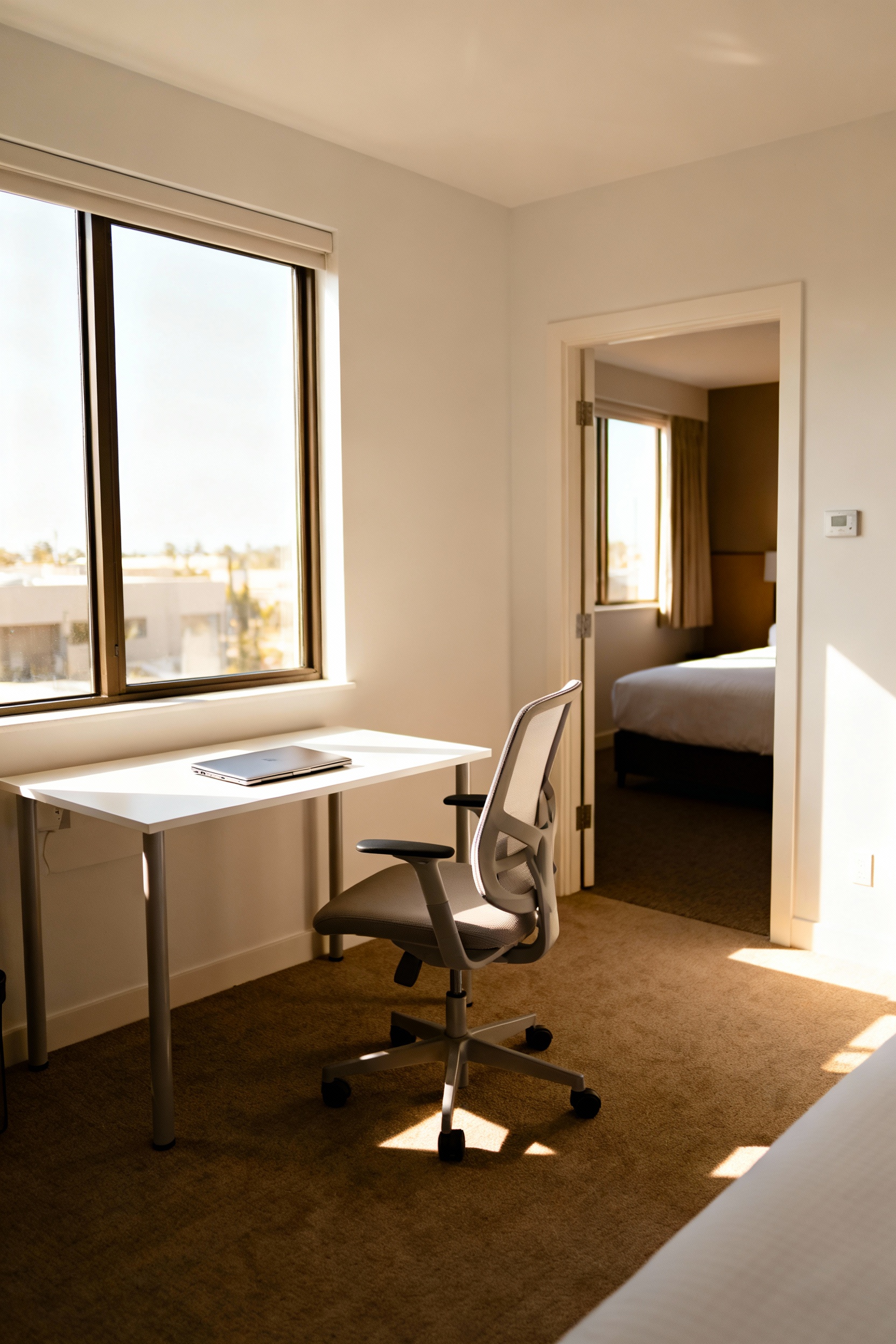
Prioritize a desk (or table), natural light, and a quiet bedroom over a cute lobby. For stays longer than two weeks, filter for a washer (or confirm laundry within a 5–10 minute walk) and read reviews specifically for Wi-Fi speed and noise. Message the host before booking: ask for a recent speed test, the exact workspace setup, and whether construction is happening nearby. If you’re new to long-term stays, aim for “middle neighborhoods” near coworking spots and cafés—close enough for convenience, not so central you can’t sleep.
4) Make Your Money Predictable: One Main Offer + One Backup
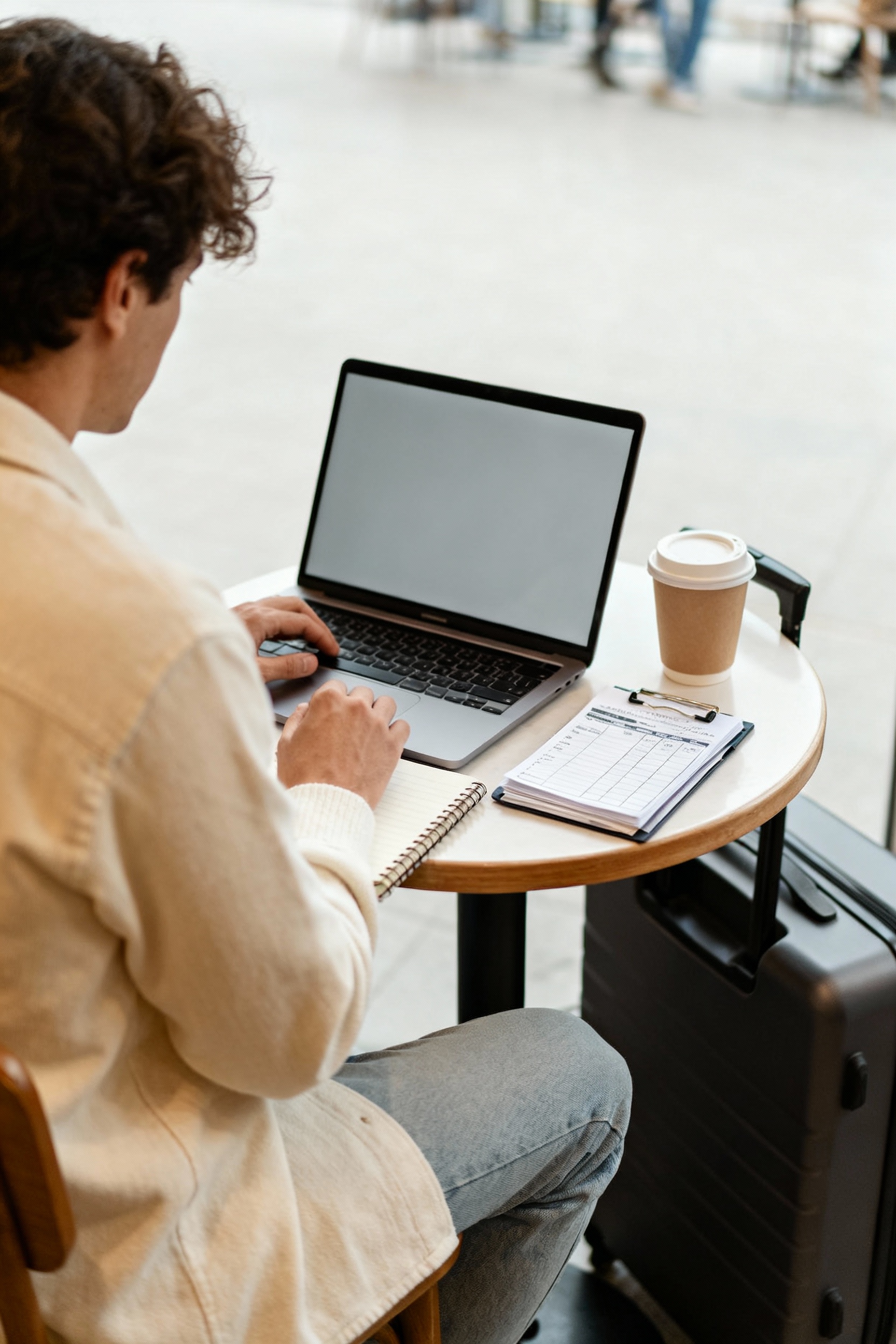
Travel gets easier when your income is boring (in the best way). Pick one primary online job or service you can deliver consistently—remote role, freelance design, copywriting, editing, coaching, dev work—then add one backup stream you can turn on quickly (retainers, templates, a part-time contract, tutoring). Set a “travel baseline” budget and keep one extra month of expenses separate from your spending account. When planning a new country, price out the big three first: rent, groceries, and local transport—then decide how many weeks you can stay without stressing.
5) Get the Unsexy Stuff Right: Insurance, Visas, and Phone Setup
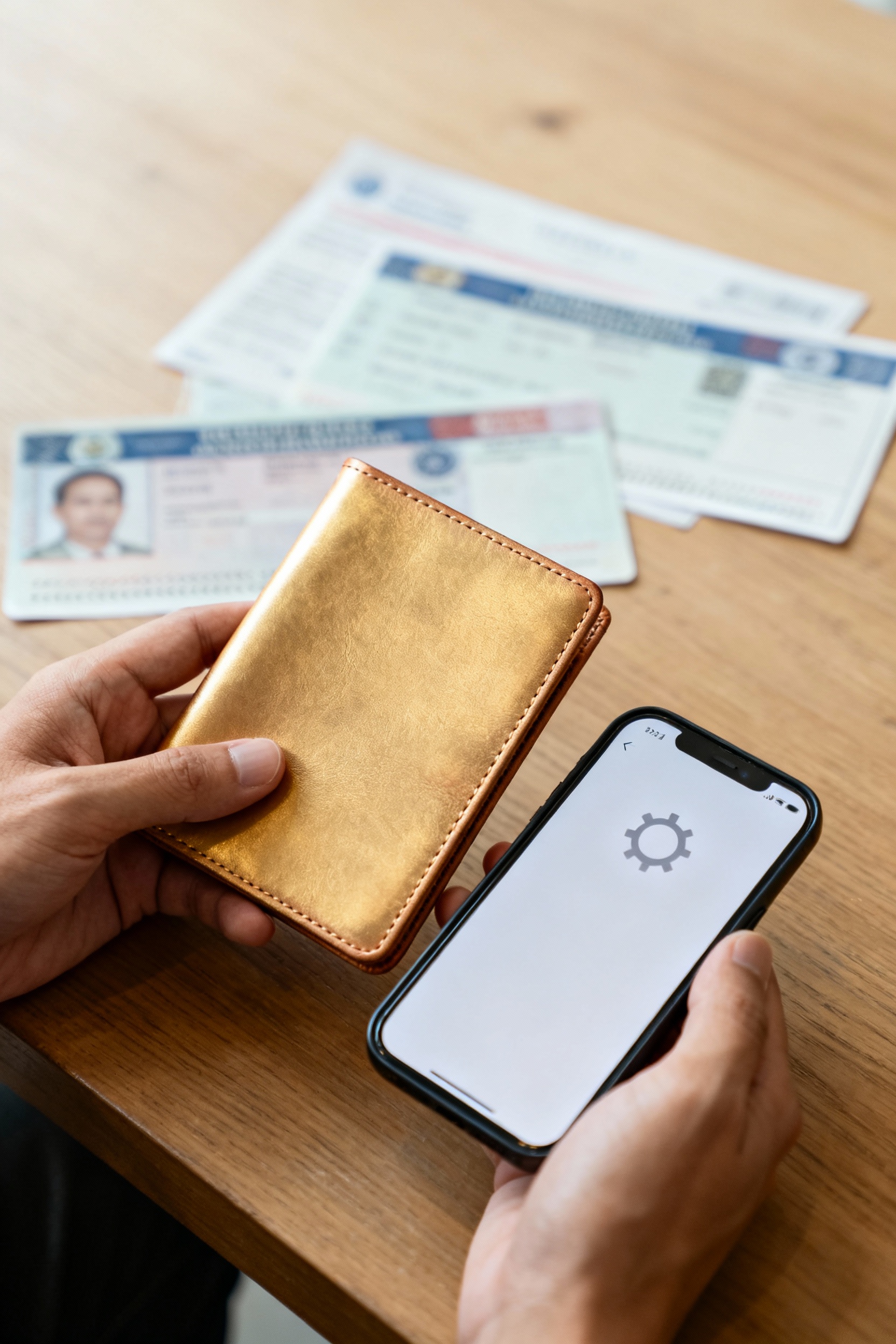
Buy travel medical insurance that covers longer stays and activities you actually do (scooters, hiking, etc.), and keep digital copies of your policy and passport in a secure folder. Check visa rules before you book: some countries want proof of onward travel, minimum passport validity, or specific entry documents, and overstays can mess up future trips. For phone service, use an eSIM for data (great for landing days) and keep your home number on Wi-Fi calling for banking logins. A small admin day each month—paying bills, renewing subscriptions, checking visa dates—keeps your travel life smooth.
FAQ
How much money do I need to start traveling while working online?
Aim for at least one month of living costs for your first destination plus a separate emergency buffer (ideally another month). If that’s not possible yet, start with a lower-cost base and a longer stay so you’re not burning cash on frequent transport. Your first goal is consistency, not constant movement.
What are the easiest destinations for first-time remote travelers?
Look for places with strong infrastructure, lots of short-term rentals, and a big remote-work community. Popular starter picks include Lisbon, Mexico City, Medellín, Barcelona, Bangkok, and Chiang Mai. Choose based on time zone needs, budget, and whether you prefer cool/walkable or warm/outdoorsy.
How long should I stay in each place?
For your first few trips, plan 3–6 weeks per city. It’s long enough to recover from travel, find your favorite grocery store and café, and actually get work done—without feeling like you live out of a suitcase. Faster hopping is fun, but it’s a productivity killer for most beginners.
How do I make sure the Wi-Fi is good enough for video calls?
Ask for a recent speed test screenshot and confirm the router is inside the apartment (not shared down the hall). Have a backup plan: a local eSIM with enough data for tethering and a nearby coworking space you can access on call-heavy days. Also check reviews for noise—quiet matters as much as speed.
What should I pack to work comfortably on the road?
Keep it minimal but intentional: laptop stand, compact mouse, universal adapter, a small power strip, and earbuds or headphones. Add one “comfort” item that helps you focus (eye mask, mini keyboard, or travel pillow) and you’ll feel more settled faster. If you’re changing climates, pack layers so you don’t have to rebuild your wardrobe every stop.