

Creating a travel-first life doesn’t require quitting everything and moving to Bali tomorrow. It’s more about building a setup that makes travel normal, repeatable, and affordable—whether you’re based in a big city, a small town, or bouncing between both.
Here’s how to make “I travel a lot” your default setting, with practical steps you can start this week.
Top 5
1) Pick a Home Base That Makes Leaving Easy
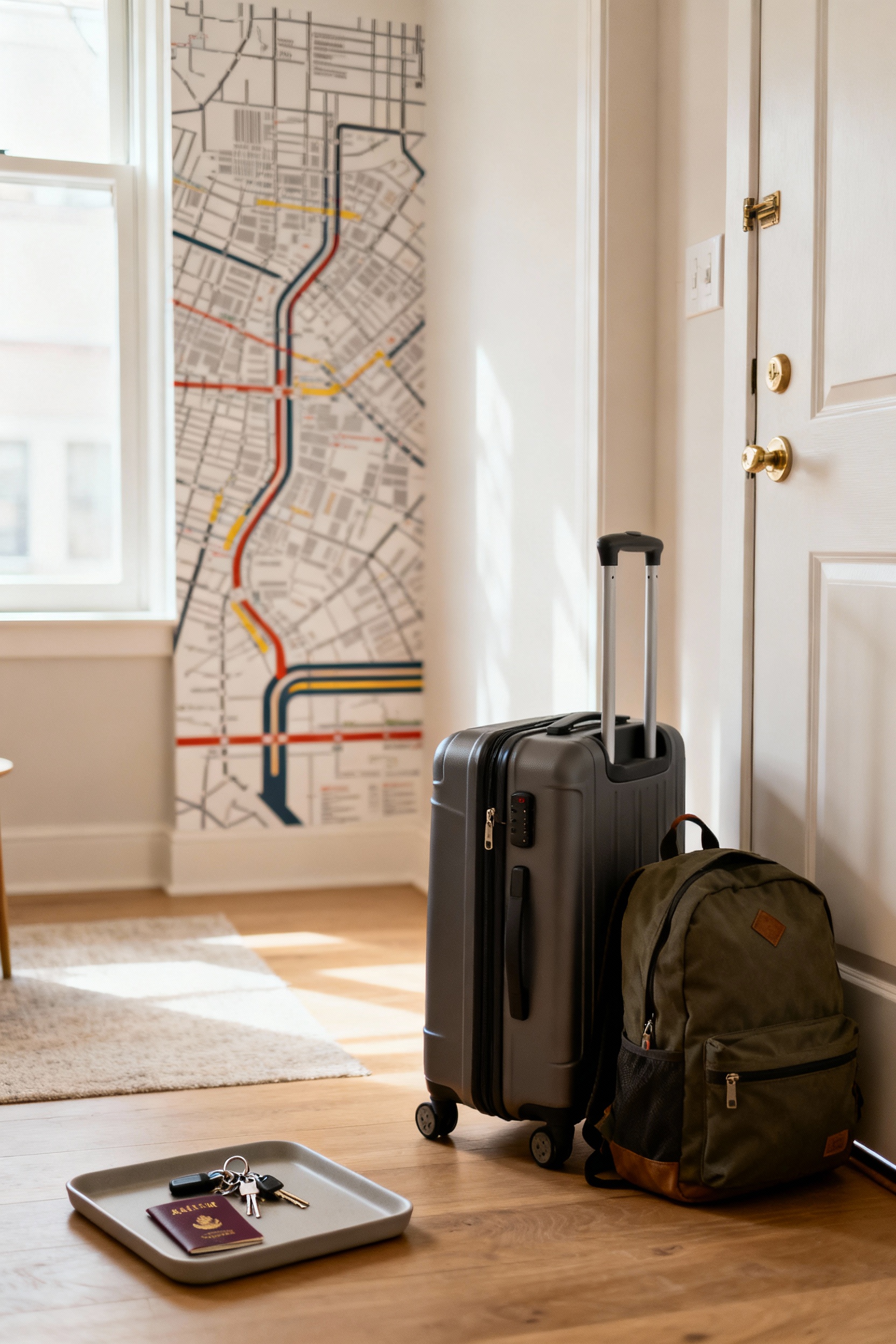
Your home base should be optimized for quick getaways: good airport access, flexible housing, and a life that isn’t packed wall-to-wall. If you’re choosing a city, prioritize areas within 30–45 minutes of a major airport (or a train hub for Europe). Consider neighborhoods with lots of short-term sublets or month-to-month leases so you’re not locked in when a cheap flight drops.
2) Build a “Travel Calendar” You Actually Use
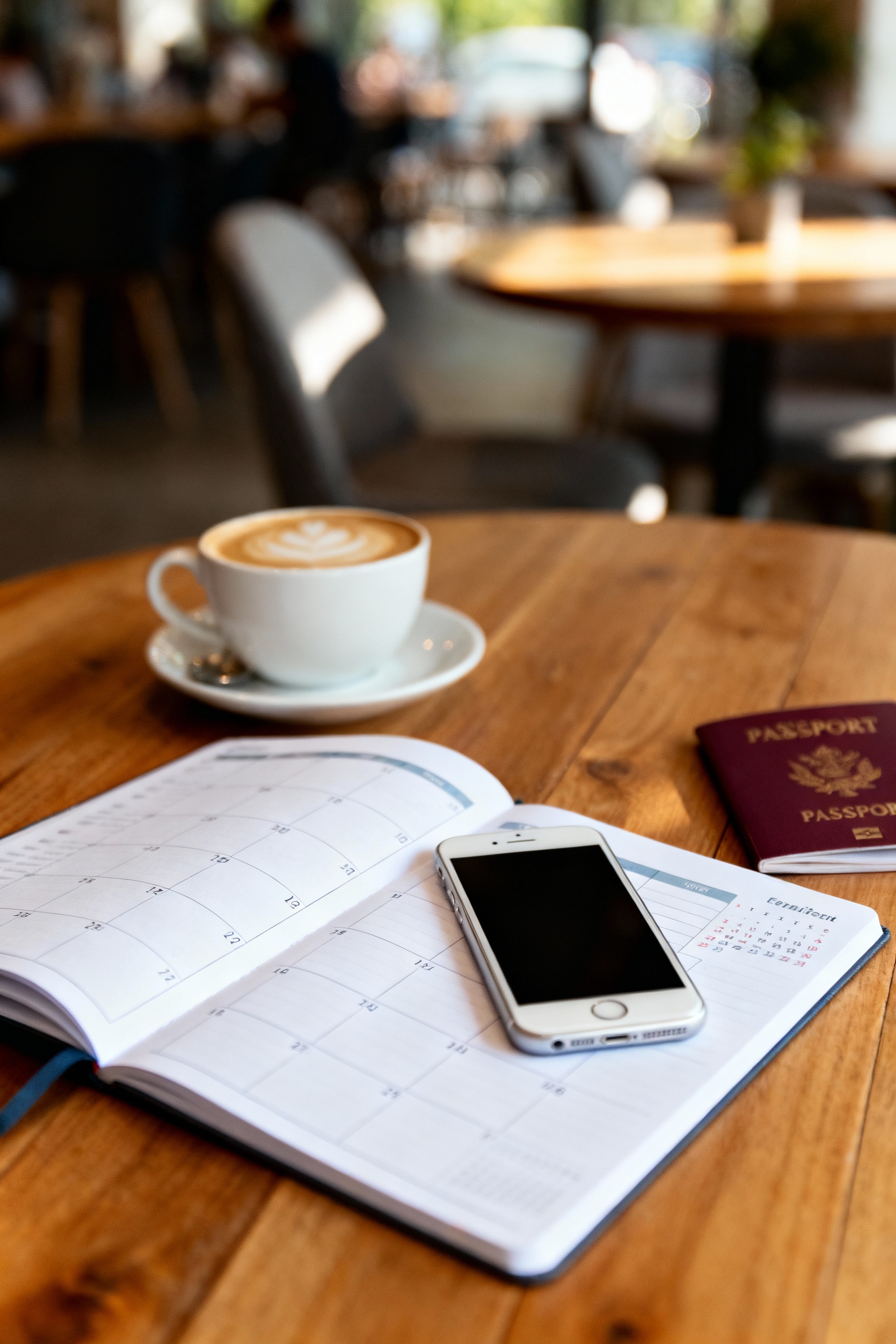
Instead of hoping travel happens, pre-plan it in blocks: one weekend trip per month and one longer trip per quarter is a solid starter rhythm. Use a simple rule: book your next trip before you come home from the current one (even if it’s just a refundable hotel). For timing, aim for shoulder seasons—think April–May and September–October—for better prices and fewer crowds.
3) Create a Go-To Flight + Points System
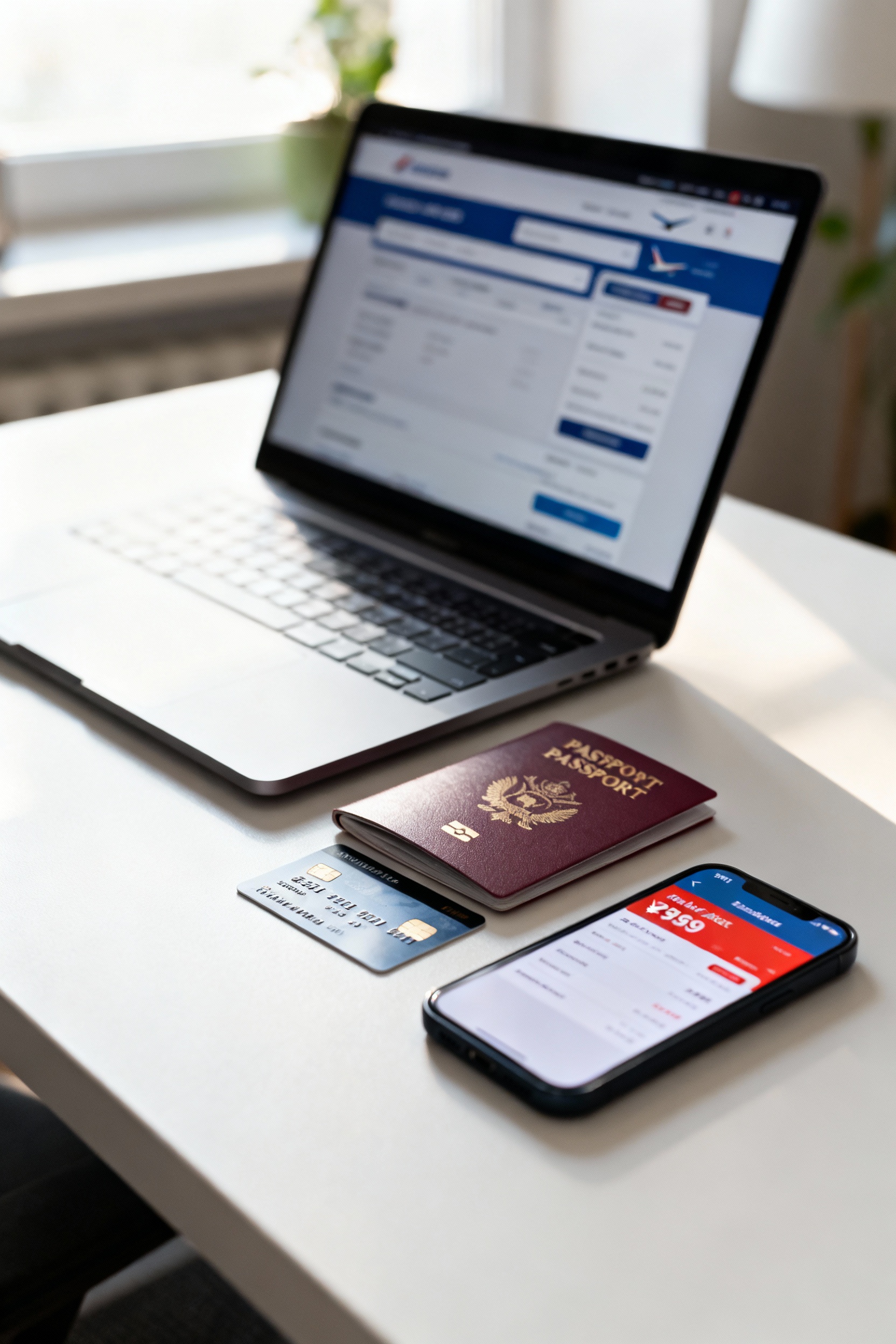
Keep it simple: pick one airline alliance you can realistically use from your home base, then focus your points there. Set price alerts for your top 3 destinations and be flexible with departure days—Tuesdays, Wednesdays, and Saturdays often price better. If you’re new to points, start with one card that earns flexible points and only use it for expenses you already pay (groceries, transit, bills) so travel becomes the reward, not the debt.
4) Pack Like a Repeat Traveler (Not a “Just in Case” Packer)
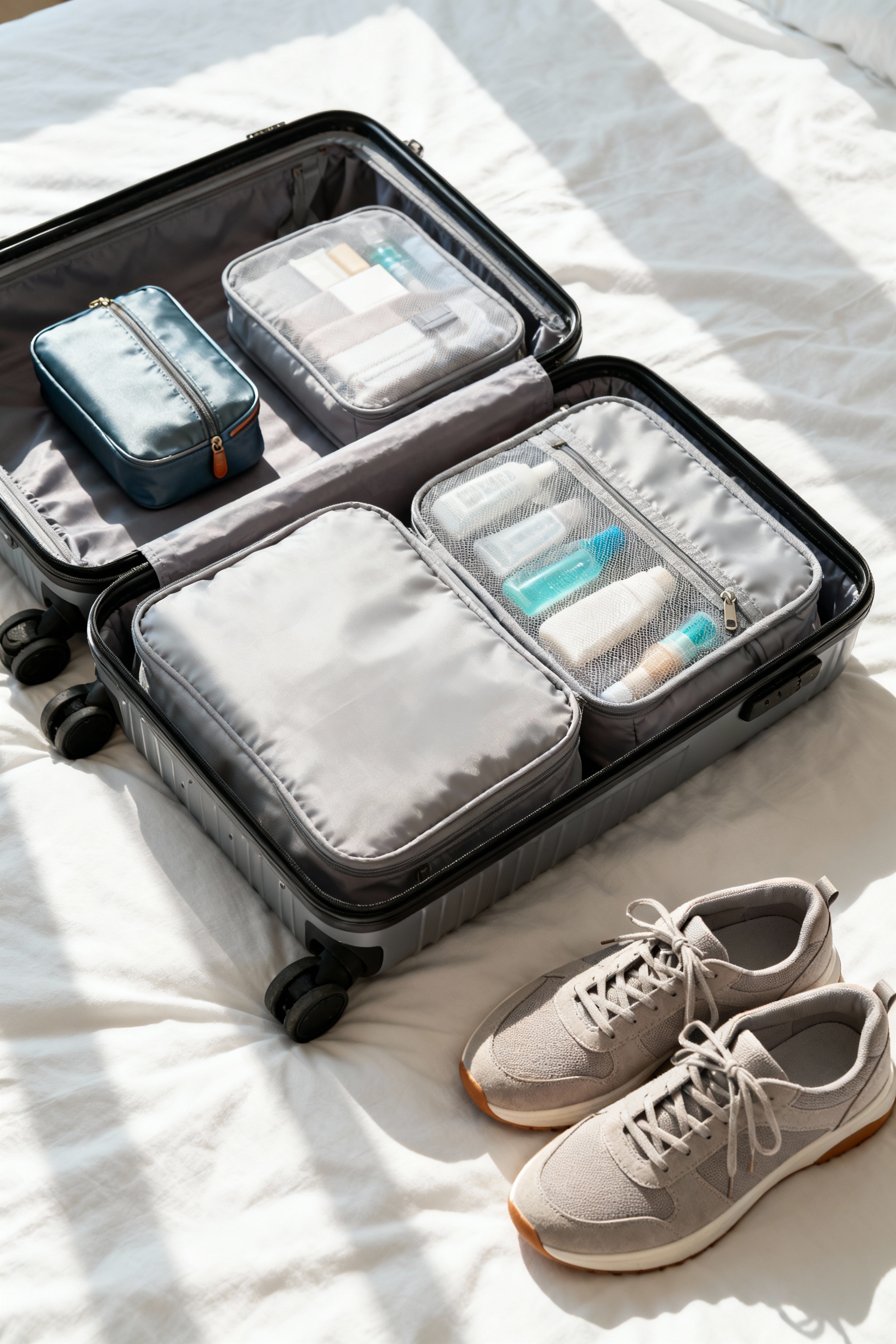
Make a consistent packing list and keep your essentials permanently “travel-ready” so you’re never starting from zero. A solid baseline: one carry-on bag, one personal item, comfy walking shoes, a packable jacket, a universal adapter, and a small pharmacy kit (pain reliever, allergy meds, blister patches). Choose neutral basics you can re-wear, and book accommodations with laundry when you’re traveling longer than 7–10 days.
5) Design Your Work/Life Setup Around Mobility

Even if you’re not fully remote, you can still travel-first by stacking PTO, using long weekends, and booking “work-light” trips where mornings are free and evenings are calm. If you do work while traveling, pick neighborhoods with reliable Wi-Fi and easy cafés—look for areas known for expats, students, or business travelers. Always have a backup plan: download offline maps, keep important docs in cloud storage, and book a place with a desk (or at least a table) if you’ll be on a laptop.
FAQ
How do I start traveling more if I’m on a tight budget?
Start with nearby destinations and off-peak dates, and keep trips short: 2–3 nights can still feel like a reset. Set a monthly “travel fund” auto-transfer (even small), and prioritize experiences over upgrades—walkable neighborhoods, local food, and free sights. Price shop flights with alerts, and consider overnight trains/buses if they save you a hotel night.
What’s the easiest first step to creating a travel-first life?
Choose your top three “repeatable” destinations—places you can visit often without overthinking—and set alerts for them. Then block one weekend a month on your calendar for travel. When those dates are protected, the rest becomes logistics instead of wishful thinking.
How far in advance should I book flights and hotels?
For domestic trips, 1–3 months out is a good target; for international, 2–6 months usually works well. If your schedule is unpredictable, book hotels with free cancellation and watch flights with alerts until you see a price you’d be happy with. For peak periods (summer, holidays), earlier is safer for both price and options.
What should I skip as a first-time frequent traveler?
Skip overly packed itineraries and switching hotels every night—it burns energy and time. Skip bringing “just in case” outfits; you can re-wear basics and do laundry. And skip trying to see every attraction in a city—pick one anchor activity per day, then leave room for wandering.
How do I stay organized when I’m traveling a lot?
Use one notes app for a master packing list, a simple trip checklist (ID, chargers, meds), and a running list of places you want to go. Keep a dedicated travel wallet or pouch with your passport, a backup card, and a spare SIM tool if you use one. After each trip, do a quick reset: restock essentials, file receipts, and save what worked for next time.